Sustainable Activewear Manufacturer: A Guide to Ethical and Recycled Fitness Clothing
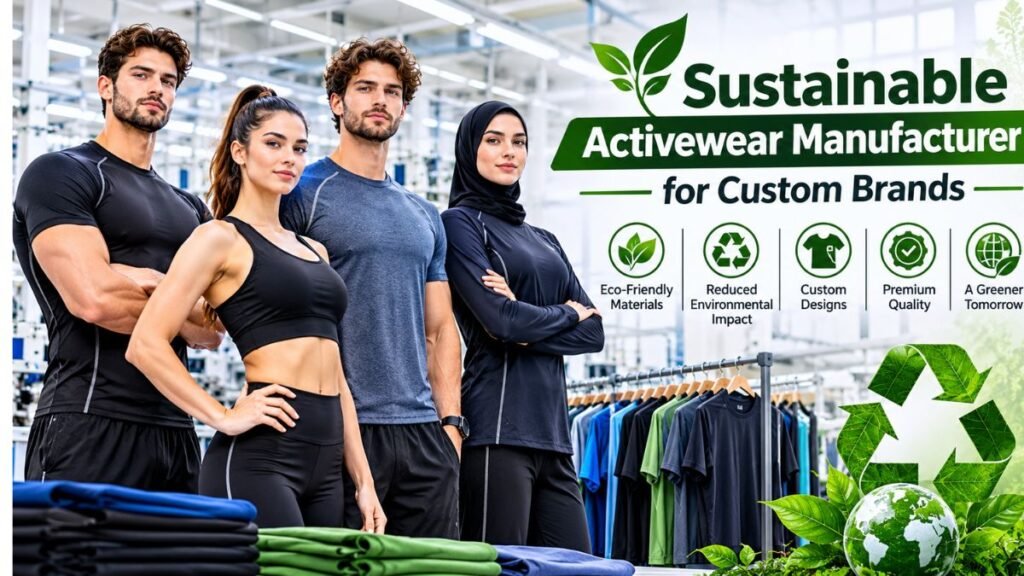
The demand for responsible fashion is changing the activewear industry. More consumers want workout clothes that offer comfort, performance, durability, and better material choices. As a result, clothing brands are looking for a sustainable activewear manufacturer that can support their product goals and responsible sourcing plans.
Choosing the right manufacturing partner is an important step for any fitness clothing brand. The manufacturer helps determine fabric selection, garment construction, product quality, and production methods. These decisions can affect both the customer experience and the environmental impact of a clothing collection.
From leggings and sports bras to gym shirts and training shorts, activewear requires materials that support movement and repeated use. Brands must also understand what sustainability claims mean and how to verify them.
This guide explains sustainable activewear manufacturing, recycled fabrics, ethical production, material selection, quality control, and how to choose a suitable manufacturing partner.
What Is a Sustainable Activewear Manufacturer?
A sustainable activewear manufacturer produces fitness clothing while considering the environmental and social impact of its operations. This may involve responsible material sourcing, efficient production methods, waste reduction, safe working conditions, and better product durability.
The exact meaning of sustainability depends on the manufacturer’s practices and available evidence. A company should not be considered sustainable simply because it uses the word in its marketing.
For activewear brands, sustainability can involve several areas:
- Using recycled or lower-impact materials where suitable
- Selecting durable fabrics that support longer product use
- Reducing unnecessary fabric waste
- Managing water and energy use
- Following responsible chemical practices
- Maintaining safe working conditions
- Improving packaging choices
- Providing clear information about material sourcing
A manufacturer may support some of these practices without offering every option. Brands should ask specific questions and request relevant documentation before making environmental or ethical claims.
Why Is Sustainable Activewear Becoming Popular?
Activewear is now used for more than exercise. Consumers wear leggings, sports bras, joggers, and performance tops for gym sessions, travel, daily activities, and casual outfits.
This growth has increased interest in how fitness clothing is designed and produced. Customers may want comfortable products while also considering the materials and manufacturing processes behind them.
Several factors are driving this interest.
Growing Awareness of Fashion’s Environmental Impact
Traditional clothing production can use large amounts of raw materials, water, energy, and chemicals. Fabric waste and discarded garments also create environmental concerns.
Synthetic materials such as polyester and nylon are widely used in activewear. They offer useful performance features, but conventional versions are usually made from fossil-based resources.
Recycled alternatives can help reduce demand for some virgin raw materials. However, their environmental benefits depend on the source, processing method, durability, and end-of-life options.
Demand for Better Product Quality
Consumers often expect activewear to handle stretching, movement, sweat, and frequent washing. Poor-quality garments may lose shape, develop holes, or become uncomfortable.
Brands can support more responsible consumption by focusing on durability. A garment that performs well over time may reduce the need for frequent replacement.
More Responsible Brand Expectations
Customers increasingly ask questions about fabric composition, sourcing, working conditions, and environmental claims.
Brands need clear answers. Working with a manufacturer that communicates material details and production processes can help businesses make better decisions.
What Is Activewear Made From Recycled Materials?
Activewear made from recycled materials uses fibres or fabrics created from previously used materials. These materials may come from recycled plastic bottles, discarded textiles, industrial waste, or other suitable sources.
Recycled fibres can be used in products such as leggings, sports bras, running tops, shorts, and jackets.
However, not every recycled material has the same properties. Brands should check its composition, performance, certification, and suitability for the intended garment.
Recycled Polyester
Recycled polyester is commonly made from processed plastic waste, including suitable used PET bottles or other polyester sources.
It can be used in performance clothing because polyester offers useful features:
- Lightweight construction
- Quick-drying performance
- Moisture management options
- Shape retention
- Compatibility with many printing methods
Recycled polyester can be suitable for training tops, sports shorts, leggings, and lightweight jackets.
Brands should ask about the recycled content percentage and whether the supplier can provide supporting documentation. They should also check fabric performance through sampling and testing.
Recycled Nylon
Recycled nylon may be produced from sources such as discarded fishing nets, fabric waste, and industrial nylon waste.
It is valued for its strength, flexibility, and smooth feel. These features make it useful for certain leggings, swimwear, sports bras, and fitted activewear.
As with recycled polyester, the exact performance depends on the yarn, fabric construction, and finishing process.
Recycled Blended Fabrics
Some activewear fabrics combine recycled polyester or nylon with elastane. Elastane provides stretch and helps garments fit closely to the body.
A blend may offer a balance of comfort, flexibility, and performance. However, blended fabrics can be more difficult to recycle at the end of their useful life.
Brands should consider the complete product rather than focusing only on one recycled component.
Benefits of Using Recycled Fabrics in Activewear
Recycled fabrics can offer useful advantages for fitness clothing brands. Their benefits depend on the material source, manufacturing process, and final product design.
Reduces Demand for Some Virgin Materials
Recycled fibres use existing materials as feedstock. This can reduce the need for some newly produced raw materials.
For example, recycled polyester made from suitable post-consumer plastic can give existing plastic a new use.
However, recycled content does not automatically make a product environmentally harmless. Processing, transportation, dyeing, and garment disposal also matter.
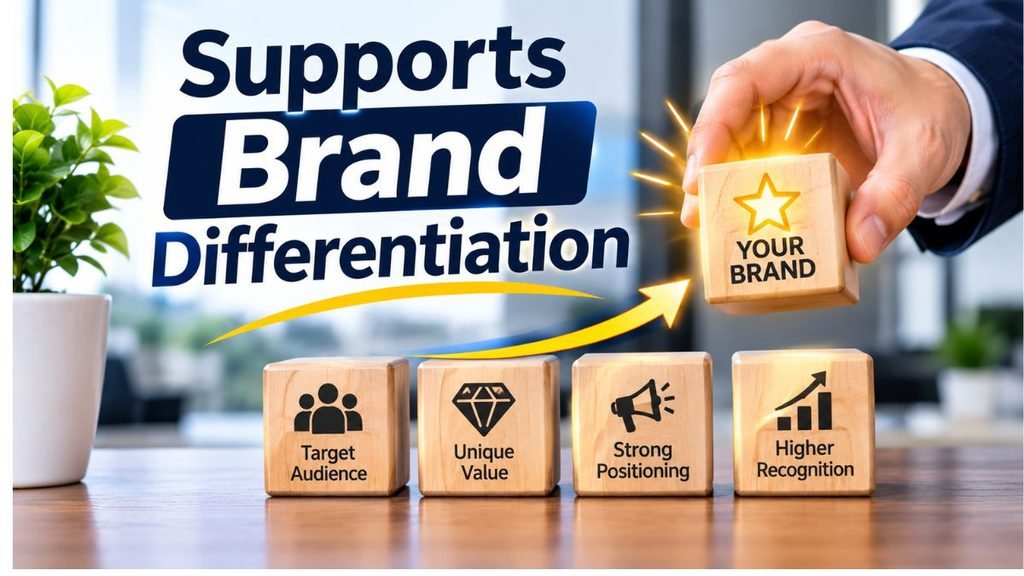
Supports Brand Differentiation
A clothing brand may use verified recycled materials as part of its product identity. This can help communicate a clear material choice to customers.
For example, a fitness brand might develop a collection using recycled polyester for training tops and recycled nylon blends for selected leggings.
The brand should explain the actual material composition instead of using broad claims such as “100% eco-friendly.”
Offers Performance Options
Recycled polyester and nylon can provide performance properties similar to suitable conventional fibres.
Depending on construction, they can support:
- Stretch and flexibility
- Moisture management
- Lightweight comfort
- Shape retention
- Abrasion resistance
The finished fabric must still be tested. Recycled content alone does not prove that a garment will perform well during exercise.
Encourages Better Material Planning
Choosing recycled fabrics requires brands to understand supplier availability, colour options, minimum quantities, and production lead times.
This encourages better planning before a collection enters production.
Brands should confirm material availability before approving designs and marketing plans.
What Makes Ethical Sustainable Activewear?
Ethical sustainable activewear combines responsible material choices with attention to the people and processes involved in production.
Sustainability is not only about fabric. Working conditions, wages, health and safety, supplier relationships, and production transparency are also important.
A brand should consider both environmental and social factors when evaluating a manufacturing partner.
Fair and Safe Working Conditions
Ethical production starts with the people who make the garments.
Brands should ask manufacturers about workplace safety, employee treatment, working hours, and applicable labour requirements.
They may also request relevant policies, audit records, or other evidence. A supplier’s written statement should not replace proper checks when independent verification is needed.
Responsible Material Sourcing
Manufacturers and fabric suppliers should be able to explain where materials come from and what they contain.
Brands can ask for:
- Fibre composition details
- Supplier information
- Recycled-content documentation
- Relevant material certificates
- Chemical safety information
- Fabric test reports
Clear documentation makes it easier to support accurate product descriptions.
Chemical Management
Dyeing, printing, and finishing may involve chemicals. Responsible production requires suitable chemical handling and controls.
Brands should ask about restricted substances, supplier requirements, and available testing.
Certifications and test reports may help support material or chemical claims, but their scope should be checked carefully.
Waste Reduction
Fabric cutting can create leftover material. Better pattern placement and cutting plans can help reduce waste.
Manufacturers may also review leftover fabric, manage production rejects, and improve material use.
Ask what waste-reduction measures are actually in place. Do not assume every factory follows the same process.
Important Fabrics Used in Sustainable Activewear
Choosing the right fabric is one of the most important decisions in activewear development. The material must match the garment’s purpose, fit, and performance requirements.
| Fabric | Common uses | Important considerations |
|---|---|---|
| Recycled polyester | Training tops, shorts, leggings | Check recycled content and performance |
| Recycled nylon | Leggings, sports bras, swimwear | Review stretch, strength, and composition |
| Organic cotton | Casual fitness clothing | Check certification and intended use |
| Cotton blends | Lifestyle activewear | Consider moisture management and durability |
| Polyester-spandex blends | Compression and training wear | Confirm stretch and recovery |
| Nylon-spandex blends | Fitted activewear | Test fit, opacity, and shape retention |
No single fabric is right for every product. A running top may need lightweight moisture management, while leggings need stretch, coverage, and recovery.
Organic Cotton
Organic cotton is grown under specific agricultural standards that restrict certain synthetic pesticides and fertilisers.
It can be useful for casual activewear, relaxed tops, and lifestyle garments. However, cotton generally absorbs more moisture than many performance synthetics.
This means it may not be suitable for every high-intensity workout product.
Recycled Polyester Blends
Recycled polyester can be blended with elastane to create stretch fabrics for training garments.
The percentage of each fibre affects the final product. Brands should review the fabric specification and test the garment during movement.
Recycled Nylon Blends
Recycled nylon blends are often considered for fitted garments that need a smooth feel and flexibility.
They can be used for leggings, sports bras, and other close-fitting products. The fabric should be tested for opacity, stretch recovery, and resistance to repeated wear.
How to Choose a Sustainable Activewear Manufacturer
Finding a suitable manufacturer takes research. You should compare its product knowledge, material options, production process, quality standards, and ability to support your requirements.
1. Review Its Activewear Experience
Activewear requires different construction methods from many everyday garments.
Look for experience with products such as:
- Leggings
- Sports bras
- Gym tops
- Training shorts
- Compression wear
- Tracksuits
- Performance jackets
- Fitness uniforms
Ask about fabric handling, stretch stitching, seam construction, and pattern development.
A manufacturer should understand how garment design affects comfort and movement.
2. Ask About Recycled Fabric Availability
If you want activewear made from recycled materials, ask which fabrics are available.
Useful questions include:
- Is recycled polyester available?
- Can you source recycled nylon?
- What percentage of the fabric is recycled?
- Can you provide supplier documentation?
- Are fabric test reports available?
- What are the minimum order quantities?
- Can you provide swatches before sampling?
Do not approve a fabric based only on a product description. Review its composition and test a sample.
3. Check Ethical Production Information
Ask the manufacturer how it manages workplace conditions and supplier relationships.
Depending on your requirements, request relevant policies, audit documents, or certifications. Check the issuing organisation, validity period, and scope.
Avoid treating general statements such as “ethical factory” as proof without supporting information.
4. Review Quality Control Procedures
Quality control is important for all activewear, especially fitted and stretch garments.
Ask how the manufacturer checks:
- Measurements
- Stitch quality
- Seam strength
- Fabric defects
- Stretch and recovery
- Print and embroidery placement
- Colour consistency
- Labels and finishing
Agree on the inspection process before production begins.
5. Understand MOQ and Production Timelines
Minimum order quantity, or MOQ, is the smallest order a manufacturer accepts under specific production terms.
Recycled fabrics may have different minimums depending on supplier availability and material requirements.
Ask whether the MOQ applies per style, colour, or size run. Confirm sample costs and production estimates before making a launch plan.
6. Request a Physical Sample
A physical sample helps you check the fabric and garment before bulk production.
Try the garment during the activity it is designed for. For leggings, check opacity, waistband comfort, stretch recovery, and fit.
For training tops, review breathability, movement, and seam placement.
Record any changes and approve the final specifications in writing.
The Sustainable Activewear Manufacturing Process
A clear production process helps brands manage design decisions, materials, quality, and delivery.
Step 1: Product Brief and Design
Start with a clear description of the product.
Include the garment type, target customer, intended activity, fit, colours, fabric preferences, and expected quantity.
Reference images, sketches, and a tech pack can help explain your requirements.
Step 2: Fabric Selection
Choose a fabric that matches the garment’s purpose.
If recycled content is important, confirm the exact composition and documentation. Request swatches so you can assess the fabric’s feel, stretch, weight, and appearance.
Step 3: Pattern Development
The manufacturer prepares patterns based on the garment design and measurements.
Activewear patterns need to account for movement, stretch, and fit. Poor pattern development can cause discomfort or unwanted fabric tension.
Step 4: Sample Development
A sample is made using the agreed materials and construction details.
Review the garment carefully. Test it for fit, comfort, movement, stitching, and overall performance.
Request revisions where needed.
Step 5: Sample Approval
Approve the physical pre-production sample and final specifications before bulk manufacturing.
Confirm fabric composition, colours, sizes, branding, and packaging. Keep a written record of the approved details.
Step 6: Bulk Production
After approval, the manufacturer begins cutting and sewing the order.
Inline inspections can help identify problems during production. Any changes to approved materials or specifications should be discussed before implementation.
Step 7: Final Inspection and Packaging
Finished garments are checked against the agreed requirements.
The manufacturer may then fold, label, tag, and pack the products according to the order instructions.
Packaging materials should also be reviewed if they form part of your sustainability goals.
What Should Brands Know About Sustainable Packaging?
Packaging is another part of a clothing product’s environmental footprint.
Some brands consider recycled paper tags, responsibly sourced cardboard, reduced packaging, or reusable shipping materials.
However, packaging choices should also protect garments during storage and transport.
Before ordering, consider:
- Whether individual polybags are necessary
- Whether recycled or recyclable packaging is available
- Whether packaging uses excessive material
- Whether labels provide accurate care instructions
- Whether shipping cartons are suitable for the order
Ask suppliers for material specifications. Do not describe packaging as recyclable or compostable unless the material and local disposal conditions support that claim.
Common Sustainability Claims Brands Should Verify
Sustainability marketing can become misleading when claims are too broad or unsupported.
Before using environmental language on product pages, verify what the claim actually covers.
“Made From Recycled Materials”
This statement should identify which material is recycled and the percentage used.
A garment may contain recycled polyester in its main fabric but conventional materials in its lining, thread, or trims.
Be specific about the component.
“Eco-Friendly”
This phrase is broad and can be difficult to prove. It is better to describe a clear feature, such as a verified recycled-fibre percentage or a documented packaging choice.
“Ethically Made”
This claim should be supported by meaningful information about labour practices and working conditions.
Ask what evidence is available and whether it covers the factory, subcontractors, or the complete supply chain.
“Sustainable Fabric”
No fabric is impact-free. Consider fibre production, processing, durability, care requirements, and disposal.
Use specific descriptions instead of suggesting that one material solves every environmental problem.
Challenges in Sustainable Activewear Manufacturing
Responsible activewear production can involve practical challenges. Brands should understand these issues before launching a collection.
Material Availability
Some recycled fabrics may have limited colours, weights, or quantities. Special materials may also require longer sourcing times.
Confirm availability early.
Higher Development Costs
Custom fabrics, testing, and special trims can increase development costs. Small orders may also face higher unit prices.
Request a detailed quotation and compare the full project cost.
Performance Requirements
A recycled fabric must still meet the needs of the garment.
For example, leggings need suitable stretch, coverage, and recovery. A training shirt may need effective moisture management and comfort.
Test the product instead of relying only on material descriptions.
Supply Chain Documentation
A brand may need information from several suppliers to support its claims.
Keep fabric specifications, certificates, invoices, test reports, and approved product details organised.
Clear records make future product updates easier.
Is Fashion Soul International Suitable for Custom Activewear Production?
Fashion Soul International is a factory-owned custom clothing manufacturer based in Sialkot, Punjab, Pakistan. The company offers activewear and sportswear manufacturing alongside private-label, OEM, ODM, white-label, cut-and-sew, and full-package production.
Its stated services include product development, fabric and trim sourcing, sampling, bulk production, quality control, custom branding, packaging, export documentation, and international shipping.
For activewear projects, the company lists products such as leggings, workout apparel, training wear, and fitness garments. Its stated material options include polyester blends, spandex, four-way stretch fabrics, and moisture-wicking performance fabrics.
Brands interested in recycled materials should contact the company to confirm current recycled-fabric sourcing options, recycled-content documentation, and availability for their specific project. The available company information does not establish that every activewear product uses recycled materials or that every production process meets a particular sustainability standard.
Fashion Soul International publishes a standard manufacturing MOQ starting at 100 pieces per style. Actual requirements depend on the product, fabric, colour, and construction.
The company also describes a production process that includes physical pre-production sample approval, inline inspections, and pre-shipment quality checks. Its published sample-development estimate is typically 7–14 business days, while bulk production is generally estimated at 20–35 business days after sample approval. Project timelines should be confirmed in the quotation.
If you are developing a custom activewear collection, prepare your product specifications, material preferences, estimated quantity, and branding requirements. Ask for a project-specific quotation and confirm any recycled-material or ethical-production requirements before placing an order.
You can learn more about its manufacturing services at https://fashionsoulintl.com/.
Frequently Asked Questions
What does a sustainable activewear manufacturer do?
A sustainable activewear manufacturer produces fitness clothing while considering material sourcing, waste, energy, production methods, and working conditions. Its actual practices should be checked through clear information and supporting documents.
Is activewear made from recycled materials good quality?
It can be. Recycled polyester and nylon can offer useful performance properties, including stretch, strength, and moisture management. Quality depends on the fabric construction, fibre blend, finishing, and garment design.
What materials are used in ethical sustainable activewear?
Options may include recycled polyester, recycled nylon, certified organic cotton, and suitable blended fabrics. The best choice depends on the product’s intended use and required performance.
Is recycled polyester suitable for gym clothes?
Yes. Recycled polyester can be used in training tops, shorts, leggings, and other fitness garments. Brands should check its composition, construction, and performance through fabric testing and sampling.
How can I verify recycled fabric claims?
Ask for fabric composition documents, recycled-content certificates where applicable, supplier information, and relevant test reports. Check what material and production stage each document covers.
What should I ask an activewear manufacturer before ordering?
Ask about activewear experience, fabric sourcing, recycled-material options, MOQ, sampling, quality control, production timelines, branding, packaging, and shipping. Request written confirmation of important specifications.
Can startups work with sustainable activewear manufacturers?
Yes, depending on the manufacturer’s MOQ, material availability, and development requirements. Startups should compare sample costs, minimum quantities, and total production costs before committing.
Does recycled fabric automatically make clothing sustainable?
No. Recycled content is only one part of a product’s impact. Durability, processing, chemical management, transport, packaging, garment care, and disposal also matter.
Final Thoughts
Choosing a sustainable activewear manufacturer requires more than finding a supplier that offers recycled fabric. Brands should review material sourcing, product performance, ethical production information, quality control, and supply chain documentation.
Activewear made from recycled materials can be a useful option for fitness collections when the fabric meets the product’s performance needs. At the same time, ethical sustainable activewear requires attention to the people, processes, and materials involved in production.
Start with clear product specifications, ask detailed supplier questions, and review physical samples before approving bulk production. Verify sustainability claims with suitable evidence instead of relying on marketing language.
A careful manufacturing decision can help your brand develop comfortable, functional activewear while communicating its material and production choices more responsibly.