Best Fabric Suppliers for Yoga Apparel: Complete Sourcing Guide
Finding the best fabric suppliers for yoga apparel is an important step when building a successful activewear brand. Yoga clothing must feel comfortable, stretch easily, manage moisture, and maintain its shape during movement. The fabric you choose affects every part of the product, from fit and performance to durability and customer satisfaction.
Whether you are launching a new yoga clothing line or expanding an existing activewear business, choosing reliable fabric suppliers can make production easier. You need materials that match your designs, meet your quality expectations, and fit your budget.
However, not every textile supplier specializes in performance fabrics. Some focus on everyday clothing materials, while others offer technical knits designed for sportswear and activewear.
This guide explains how to find the best fabric suppliers for yoga apparel, which materials to consider, what questions to ask, and how to manage fabric sourcing for your clothing brand.
Why Fabric Selection Matters for Yoga Apparel
Yoga apparel needs to support different movements without restricting the wearer. Leggings, sports bras, yoga tops, and fitted shorts must provide flexibility and comfort.
A fabric that works for casual T-shirts may not perform well in yoga clothing. Yoga garments often need stretch, recovery, breathability, softness, and suitable coverage.
Here are some important reasons fabric selection matters.
Comfort During Movement
Yoga involves stretching, bending, balancing, and holding different positions. Clothing should move naturally with the body.
Soft fabrics can reduce discomfort during long sessions. Smooth surfaces and suitable construction can also help garments feel comfortable against the skin.
Stretch and Shape Recovery
Yoga leggings and fitted tops need enough stretch for different movements. They should also return close to their original shape after being stretched.
This property is called stretch recovery. Poor recovery can cause leggings to become loose or lose their fit over time.
Moisture Management
Many people sweat during yoga, especially during heated or intense sessions. Moisture-wicking fabrics can help move sweat away from the skin.
This can improve comfort during exercise. However, moisture management depends on the fiber, fabric construction, and finishing.
Durability and Opacity
Yoga clothing should withstand repeated movement, washing, and regular use. Leggings should also provide suitable coverage when the wearer bends or stretches.
Fabric weight, knit structure, fiber quality, and color can all affect opacity. Always test the material under realistic conditions before approving production.
What Are the Best Fabrics for Yoga Apparel?
The best fabric depends on the garment, target customer, price range, and intended activity. A yoga legging may need different properties from a lightweight yoga top.
Below are common fabric options used in yoga and activewear manufacturing.
1. Nylon and Spandex Blends
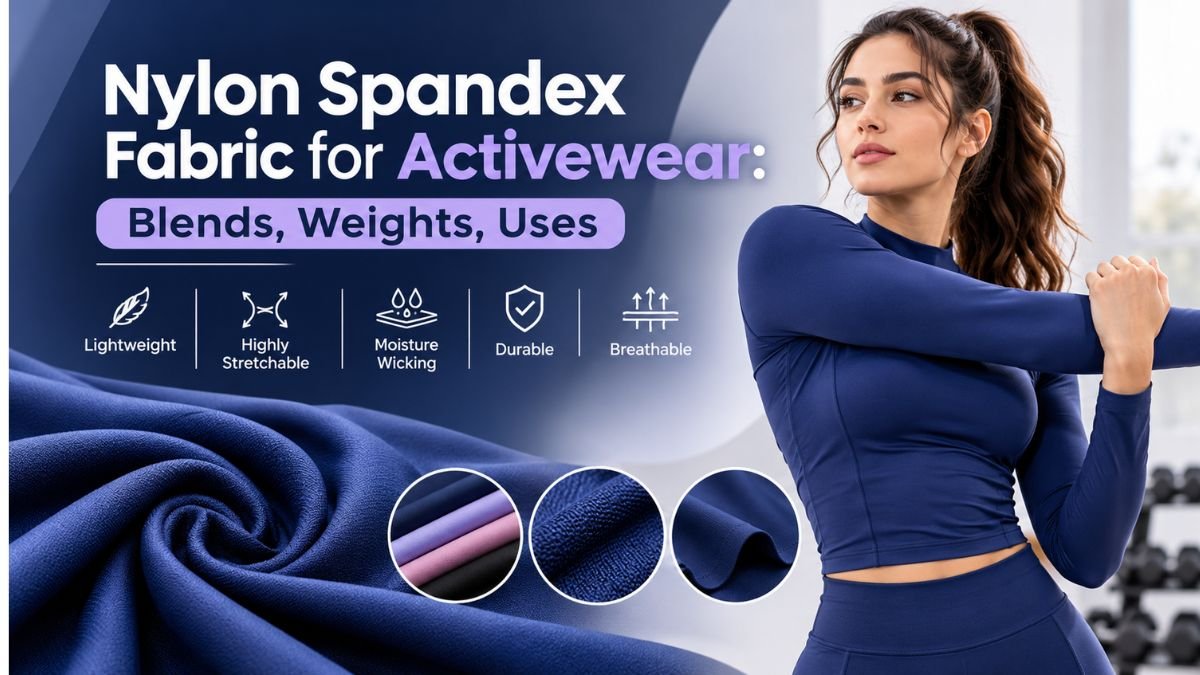
Nylon and spandex blends are popular choices for fitted yoga clothing.
Nylon provides a smooth feel and can offer good durability. Spandex, also called elastane, adds stretch and helps garments fit closely to the body.
These blends are commonly used for:
- Yoga leggings
- Sports bras
- Fitted yoga tops
- Stretch shorts
- Performance sets
The exact composition can vary. Some products use a higher nylon percentage, while others include more elastane for additional stretch.
Ask the supplier for the fiber composition, fabric weight, stretch performance, and recovery details.
2. Polyester and Spandex Blends
Polyester and spandex fabrics are widely used in sportswear and activewear.
Polyester can provide durability and quick-drying properties. Spandex adds flexibility and helps the fabric stretch during movement.
These fabrics may suit:
- Yoga leggings
- Training tops
- Sports bras
- Athletic shorts
- Performance shirts
Polyester fabrics can also be produced with moisture-management finishes. Ask whether the fabric has been tested for its intended performance.
3. Cotton and Spandex Blends
Cotton and spandex blends combine a soft, familiar feel with added stretch.
They may work well for relaxed yoga tops, comfortable lounge sets, and lightweight everyday activewear.
However, cotton absorbs moisture and may take longer to dry than some synthetic performance fabrics. This makes it less suitable for certain high-sweat activities.
Consider the customer’s intended use before choosing cotton-based materials.
4. Recycled Polyester
Recycled polyester is made using recycled polyester material, often from plastic waste such as used bottles.
It can be used in leggings, tops, sports bras, and other activewear products. Its performance depends on the yarn, knit structure, and finishing.
If sustainability is important to your brand, request documentation about the recycled content. Do not rely on general sustainability claims without supporting information.
5. Nylon-Based Performance Knits
Nylon-based performance knits can provide a soft, smooth surface and good stretch when blended with elastane.
They are often considered for premium yoga leggings and fitted garments.
When comparing options, review:
- Fabric softness
- Stretch in both directions
- Recovery after stretching
- Pilling resistance
- Colorfastness
- Opacity
- Fabric weight
These tests help determine whether a fabric suits your product and target market.
6. Bamboo-Based Fabric Blends
Some yoga clothing brands explore bamboo-derived viscose or other bamboo-based textile blends.
These fabrics can have a soft hand feel and may suit relaxed yoga clothing. However, the final performance depends on the fiber processing, blend, and construction.
Ask suppliers to identify the actual fiber used. Also review care instructions, durability, and environmental documentation before making product claims.
What Makes the Best Fabric Suppliers for Yoga Apparel?
A supplier should offer more than a large fabric catalog. You need a partner that can provide consistent materials, clear specifications, and reliable communication.
Consider these factors when evaluating fabric suppliers.
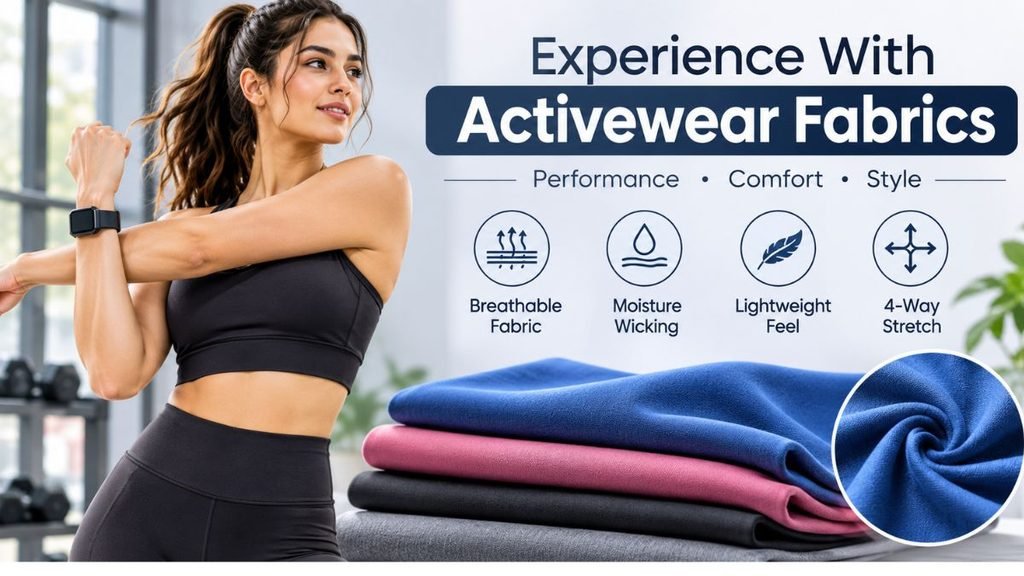
1. Experience With Activewear Fabrics
Choose suppliers that understand performance textiles. They should be familiar with nylon-spandex, polyester-spandex, recycled polyester, and other stretch fabrics.
Ask whether they regularly supply materials for leggings, sports bras, yoga tops, and other performance garments.
A supplier with relevant experience may help you select a fabric that matches your product requirements.
2. Consistent Fabric Quality
Consistency is important when producing clothing collections and repeat orders.
Fabric should match the approved specifications across production batches. Differences in color, weight, stretch, or texture can affect the finished garments.
Ask suppliers about their quality-control process. Request test reports or sample swatches where available.
3. Customization Options
Some brands need specific colors, finishes, textures, or fabric compositions.
Look for suppliers that can discuss:
- Custom colors
- Different fabric weights
- Nylon and polyester blends
- Recycled material options
- Brushed or smooth surfaces
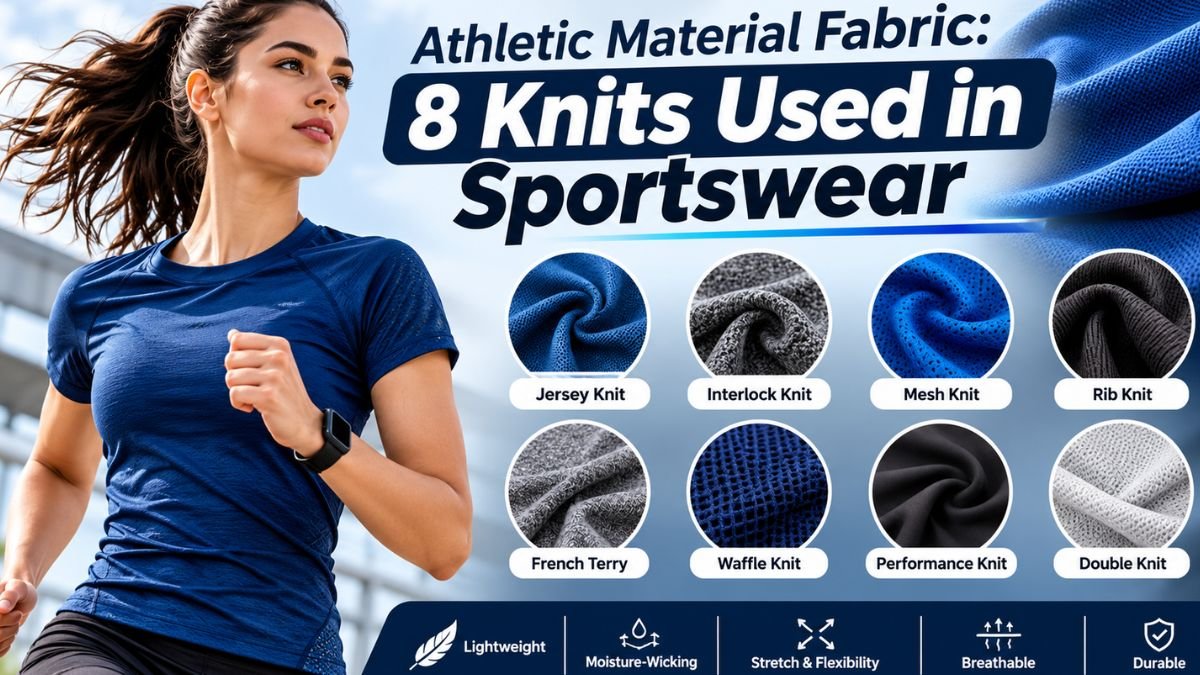
- Different knit structures
- Special performance finishes
Confirm minimum quantities for custom fabric development. Special colors and materials may require higher minimum orders.
4. Fabric Testing and Documentation
Reliable suppliers should be able to provide clear material information.
Depending on your product, useful details may include:
- Fiber composition
- GSM or fabric weight
- Width
- Stretch percentage
- Recovery performance
- Colorfastness
- Shrinkage
- Pilling resistance
- Care instructions
Testing requirements depend on the product and market. Ask for relevant reports instead of assuming every fabric has passed every test.
5. Reasonable Minimum Order Quantities
Fabric suppliers often set minimum order quantities, especially for custom colors or specialized materials.
A small clothing brand may not need thousands of meters for its first collection. In that case, look for suppliers offering stock fabrics, smaller sample orders, or flexible purchasing options.
Always distinguish between fabric MOQ and garment manufacturer’s MOQ. They are separate requirements and can affect your total order.
6. Clear Pricing and Lead Times
Fabric costs depend on fiber content, construction, weight, finishing, color, and order quantity.
Ask for a detailed quotation that includes the price per meter or kilogram, minimum order, sample charges, and estimated availability.
Also confirm whether the quoted material is in stock or needs to be produced. This can make a major difference to your production schedule.
How to Find Fabric Suppliers for Yoga Apparel
Finding suitable suppliers takes research and product planning. The following methods can help you build a shortlist.
Search for Specialized Textile Manufacturers
Start by searching for textile manufacturers that produce stretch knits and performance fabrics.
Use focused search terms such as:
- Nylon spandex fabric suppliers
- Polyester spandex fabric manufacturers
- Activewear fabric suppliers
- Yoga leggings fabric manufacturers
- Recycled polyester fabric suppliers
- Performance knit fabric manufacturers
These searches can help you find companies that work with materials used in activewear.
Review each supplier’s product range and technical information. Do not assume that a company specializing in general textiles can supply every performance fabric.
Explore Textile Trade Shows
Textile trade fairs can help clothing brands meet fabric manufacturers and distributors.
You can compare material samples, discuss custom development, and ask technical questions directly.
Prepare a list of fabric requirements before attending. This makes conversations more useful and helps you compare suppliers afterward.
Request Recommendations From Clothing Manufacturers
A clothing manufacturer may already work with textile mills and fabric suppliers.
This can simplify sourcing because the manufacturer understands the materials needed for garment construction.
Ask whether it can source suitable yoga fabrics, provide swatches, and confirm material specifications before sampling.
Use Supplier Directories Carefully
Online business directories and B2B marketplaces can help you discover textile suppliers.
However, listings do not prove that a supplier offers consistent quality. Verify company information, request physical samples, and check specifications before making a large purchase.
Avoid sending a full production payment to an unfamiliar supplier without appropriate checks.
Questions to Ask Before Choosing a Fabric Supplier
Before placing an order, ask questions that reveal whether the supplier can meet your requirements.
What is the exact fabric composition?
Ask for the fiber percentages. For example, confirm how much nylon, polyester, cotton, or elastane the fabric contains.
What is the fabric weight?
Request the GSM and confirm whether the weight suits your garment.
How much stretch does the fabric provide?
Ask for stretch and recovery information, especially for fitted leggings and sports bras.
Is the fabric suitable for yoga apparel?
Explain the product and its intended use. Ask the supplier to recommend an appropriate material.
Can I receive a physical sample?
Always request a swatch or sample yardage before approving bulk material.
What is the minimum order quantity?
Confirm whether the minimum applies to each fabric, color, or order.
Are custom colors available?
Ask about color matching, dyeing options, and any additional minimum quantities.
What is the estimated lead time?
Confirm whether the fabric is available in stock or requires production.
Can you provide test reports?
Request relevant reports for properties such as colorfastness, shrinkage, and pilling resistance when needed.
How to Test Fabric Before Bulk Production
A fabric sample can look attractive but still perform poorly during use. Testing helps you identify problems before manufacturing a large order.
Stretch and Recovery Test
Stretch the fabric in different directions and observe how it returns to its original shape.
This is especially important for leggings and fitted yoga tops. A fabric that stretches well but recovers poorly may become loose after repeated wear.
Opacity Test
Check whether the fabric provides suitable coverage.
For leggings, test the material under good lighting and while stretching it. Review the fabric on a sample garment rather than relying only on a flat swatch.
Shrinkage Test
Wash and dry the sample according to the expected care instructions.
Measure it before and after washing. This helps identify changes in length and width.
Colorfastness Test
Check whether the fabric color transfers or fades during washing and rubbing.
A qualified testing laboratory can conduct more reliable tests when required by your product standards.
Pilling Test
Pilling occurs when small fiber balls develop on a fabric surface.
This can affect the appearance of leggings and tops after repeated use. Ask about pilling resistance and request test information when available.
Comfort and Breathability Review
Wear a sample garment during the intended activity.
Evaluate how it feels against the skin, how it moves, and whether it becomes uncomfortable during exercise. This practical review can reveal issues that technical specifications alone may not show.
Understanding GSM in Yoga Apparel Fabrics
GSM means grams per square metre. It describes the weight of a fabric over a measured area.
Fabric weight can help you compare materials, but it does not determine quality by itself.
A lightweight fabric may suit a breathable yoga top. A heavier knit may provide more coverage for leggings. However, two fabrics with the same GSM can feel and perform differently.
Other factors matter too, including fiber composition, yarn quality, knit construction, finishing, and stretch.
When requesting fabric quotations, ask for the GSM range and tolerance. Also request a sample so you can evaluate the material in person.
How to Manage Fabric Sourcing for Your Yoga Clothing Brand
Good sourcing begins with a clear product plan. Before contacting suppliers, define what you want to manufacture.
Prepare a Product Brief
List your product types, intended customers, target price range, and design requirements.
For example, a yoga collection may include high-waisted leggings, sports bras, fitted tops, and relaxed shirts.
Each product may require a different fabric specification.
Define Material Requirements
Decide which properties matter most for each garment.
A leggings brief may require four-way stretch, good recovery, suitable opacity, and a smooth surface.
A relaxed yoga top may prioritize softness, breathability, and comfort.
Request Multiple Samples
Compare samples from more than one supplier when possible.
Use the same test methods for each option. This makes it easier to evaluate performance, cost, and suitability.
Approve the Fabric Before Sampling
Once you select a material, record its composition, weight, color, and other approved details.
This helps the garment manufacturer use the correct fabric during sample development.
Keep a Record for Repeat Orders
Save fabric specifications, supplier details, approved swatches, and test results.
This information can help when you reorder the same style or develop related products.
Common Fabric Sourcing Mistakes to Avoid
Fabric sourcing can become expensive when important details are missed. Avoid these common mistakes.
Choosing Fabric Only by Price
A low-cost fabric may not provide the stretch, comfort, or durability your product needs.
Compare material performance and quality alongside the price.
Skipping Physical Samples
Online photographs cannot show the complete feel and performance of a fabric.
Request samples and test them before bulk purchasing.
Ignoring Color Differences
A fabric color may look different on a screen than it does in person.
Approve physical color references where accurate matching is important.
Overlooking MOQ Requirements
Custom fabric colors and specialized materials may require larger orders.
Confirm minimum quantities before finalizing your collection budget.
Failing to Check Fabric Availability
A supplier may show a material in its catalog even when it is not currently available.
Ask whether the fabric is in stock and how long replenishment takes.
Not Planning for Fabric Defects
Agree on acceptable quality standards and how defective material will be handled.
Ask about inspection, replacement, and claims procedures before placing a large order.
Why Work With a Full-Service Clothing Manufacturer for Yoga Apparel?
Buying fabric directly from a textile supplier is one option. Another is working with a full-service clothing manufacturer that can coordinate fabric sourcing and garment production.
This approach may be useful when you want one partner to manage several production stages.
A full-service manufacturer may support:
- Fabric and trim sourcing
- Product development
- Pattern making
- Sample development
- Bulk garment production
- Printing and embroidery
- Custom labels and hang tags
- Quality control
- Packaging and shipping
The main benefit is coordination. The manufacturer can assess whether a selected fabric works with the garment’s pattern, construction, and decoration requirements.
However, confirm whether fabric sourcing is included in the quotation. Ask who selects the material, how it is approved, and whether you can review physical swatches before production.
Fashion Soul International for Custom Activewear Manufacturing
Fashion Soul International is a factory-owned custom clothing manufacturer based in Sialkot, Pakistan. The company offers private-label, OEM, ODM, white-label, cut-and-sew, and full-package apparel manufacturing.
Its services include product development, fabric and trim sourcing, sampling, bulk production, quality control, custom branding, packaging, export documentation, and international shipping.
For brands developing yoga apparel, fabric selection should be based on the garment’s intended performance. Leggings, sports bras, yoga tops, and other activewear products may require different fabric compositions and construction methods.
Fashion Soul International lists fabric options that include polyester, stretch fabrics, cotton, and other materials. Buyers should confirm the exact composition, GSM, availability, and performance requirements for each project.
The company publishes a standard MOQ starting at 100 pieces. Actual requirements depend on the product and project specifications, so confirm the details through a quotation.
If you are planning a yoga clothing collection, prepare your designs, estimated quantities, preferred fabrics, colors, and branding requirements. You can then discuss sampling and production requirements with the manufacturing team.
Frequently Asked Questions
What is the best fabric for yoga leggings?
Nylon-spandex and polyester-spandex blends are common options for yoga leggings. The right choice depends on softness, stretch, recovery, opacity, durability, and price. Always test the fabric in a sample garment before bulk production.
What fabric is commonly used for yoga tops?
Yoga tops may use polyester-spandex, nylon-spandex, cotton-spandex, or other suitable knit fabrics. The best material depends on the desired fit, breathability, softness, and intended activity.
Is nylon or polyester better for yoga apparel?
Neither is automatically better for every product. Nylon can provide a smooth feel, while polyester is commonly used for durable, quick-drying activewear. Blends with elastane add stretch. Compare actual fabric samples and performance rather than choosing by fiber name alone.
Is cotton suitable for yoga clothing?
Cotton can be suitable for relaxed yoga clothing and comfortable tops. However, it absorbs moisture and may dry more slowly than many synthetic performance fabrics. Consider the activity and customer preferences before choosing it.
What does GSM mean in activewear fabric?
GSM means grams per square metre. It measures fabric weight. It helps buyers compare materials, but it does not measure quality, stretch, or opacity on its own.
How do I find reliable yoga fabric suppliers?
Search for textile suppliers that specialize in performance knits and stretch fabrics. Request physical samples, technical specifications, MOQ details, and relevant test reports. Check company information and confirm availability before placing a large order.
Can a clothing manufacturer source yoga apparel fabric?
Some full-service clothing manufacturers offer fabric sourcing as part of their production services. Ask whether they can source your required material, provide swatches, and confirm the fabric specifications before sampling.
What should I check before buying yoga apparel fabric in bulk?
Check fiber composition, GSM, stretch, recovery, opacity, shrinkage, colorfastness, pilling resistance, and availability. Approve a physical sample and document the material specifications before ordering.
Final Thoughts
Finding the best fabric suppliers for yoga apparel requires careful research and product testing. The right supplier should offer suitable performance fabrics, consistent quality, clear specifications, reasonable MOQs, and reliable communication.
Start by understanding your garment requirements. Compare nylon-spandex, polyester-spandex, cotton blends, and other suitable materials. Request samples, test their performance, and confirm all specifications before bulk purchasing.
You can also work with a full-service clothing manufacturer to coordinate fabric sourcing, sampling, production, branding, and quality control. With the right sourcing plan and manufacturing partner, your brand can develop yoga apparel that meets customer expectations and supports long-term growth.