Fashion Product Development: A Complete Guide for Clothing Brands
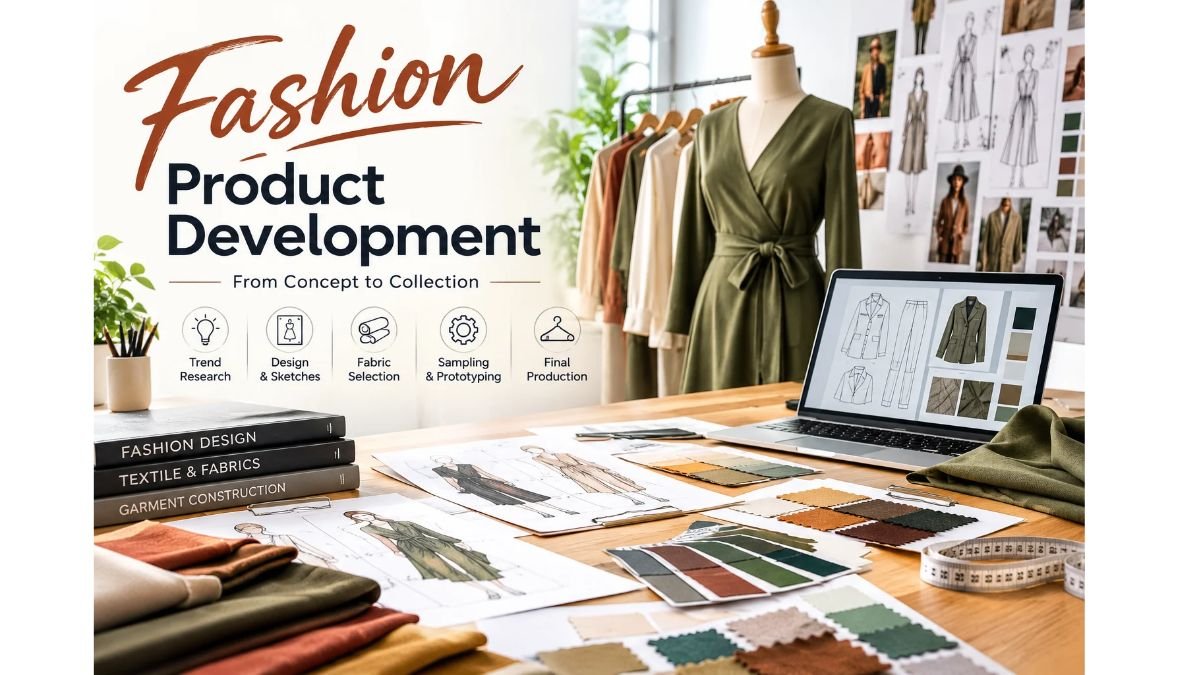
Fashion product development is the process of transforming a clothing idea into a finished product that is ready for manufacturing and sale. It includes researching fashion trends, selecting fabrics, creating designs, developing technical specifications, preparing samples, testing quality, and managing bulk production. For clothing brands, understanding this process is essential to creating garments that meet customer expectations, maintain consistent quality, and support long-term business growth.
Whether you are launching a new clothing brand, expanding an existing collection, or working with a clothing manufacturer, a well-organized product development process can help reduce mistakes, control costs, and improve product quality. It also helps businesses turn creative concepts into commercially successful clothing products.
In today’s competitive fashion industry, brands need more than attractive designs to succeed. They must understand their target audience, choose suitable materials, develop practical products, and collaborate with reliable manufacturing partners. This guide explains how fashion product development works, its key stages, common challenges, and strategies for building a successful clothing collection.
What Is Fashion Product Development?
Fashion product development refers to the complete process of planning, designing, testing, and preparing clothing products for production. It connects creative design with technical manufacturing requirements to ensure that a garment can be produced according to the brand’s specifications.
The process begins with an idea, such as a new hoodie, a sportswear collection, a casual T-shirt, or a sustainable fashion line. The idea is then developed through research, design planning, material selection, technical documentation, and sample production.
During development, designers and manufacturers work together to determine how the product should look, feel, fit, and perform. They also evaluate production costs, construction methods, fabric availability, and quality standards.
For example, a brand planning to introduce a premium cotton T-shirt must consider more than its color and graphic design. It must also decide on the fabric weight, neckline construction, stitching method, sizing, printing technique, labels, packaging, and target production cost.
All these decisions form part of fashion product development.
The primary goal is to create a product that reflects the brand’s identity while meeting customer needs and manufacturing requirements.
Why Is Fashion Product Development Important?
A structured product development process helps fashion businesses make informed decisions before committing to large production orders. Without proper planning, brands may encounter unexpected expenses, inconsistent sizing, poor-quality materials, or delays.
Several important benefits make this process valuable.
1. Improves Product Quality
Product quality depends on fabric selection, construction, stitching, finishing, and quality control. Fashion product development allows brands to evaluate these elements before starting bulk production.
Sample garments help identify problems such as uncomfortable fits, weak seams, unsuitable fabrics, or incorrect measurements. Addressing these issues early can prevent expensive corrections later.
2. Reduces Manufacturing Costs
Manufacturing costs can increase when designs change after production begins. Incorrect fabric choices, inaccurate measurements, and unclear instructions may require additional labor and materials.
A well-planned development process identifies potential problems before they affect the production budget. Brands can compare material options, simplify unnecessary design details, and select construction methods that suit their target price.
3. Supports Brand Identity
Every clothing brand needs a recognizable identity. Consistent colors, fabrics, silhouettes, details, and finishing techniques help communicate that identity.
Fashion product development allows businesses to translate their branding into physical products. For example, a premium streetwear brand might focus on oversized fits, heavyweight fabrics, and distinctive embroidery, while an activewear brand may prioritize stretch, moisture management, and freedom of movement.
4. Helps Brands Respond to Market Trends
Fashion trends change regularly, and customers expect brands to introduce relevant products. Product development helps businesses evaluate emerging trends and determine which ideas are suitable for their audience.
Instead of copying every trend, brands can identify opportunities that align with their product strategy, pricing, and customer preferences.
5. Creates a More Reliable Production Process
Manufacturers need accurate instructions to reproduce garments consistently. Technical specifications, approved samples, and clear material requirements provide a shared reference for everyone involved.
This improves communication between designers, product developers, suppliers, and production teams.
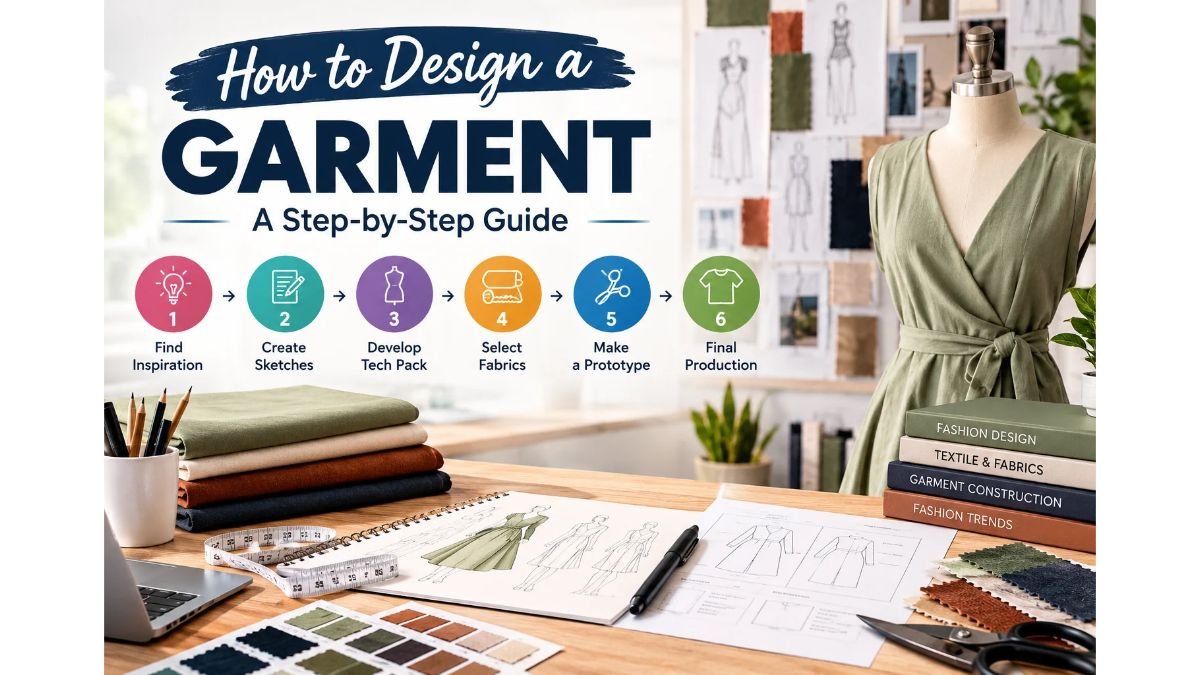
The Main Stages of Fashion Product Development
Fashion product development typically involves several connected stages. The exact workflow depends on the product category, order size, design complexity, and manufacturing arrangement.
The following stages provide a practical framework for developing a clothing product from concept to finished garment.
1. Market Research and Trend Analysis
The first stage is understanding the market and identifying opportunities for new products.
Before designing a garment, brands should research their target customers, competitors, price ranges, and current fashion trends. This information helps determine what products may appeal to the intended audience.
Market research can include analyzing online stores, reviewing customer feedback, monitoring social media, attending fashion trade shows, and studying industry reports.
For example, a brand targeting young adults might discover growing interest in relaxed silhouettes, versatile basics, and comfortable everyday clothing. These insights can guide the development of a casual collection.
During this stage, businesses should consider several questions:
- Who is the target customer?
- What problems or needs should the product address?
- Which styles are popular within the target market?
- What prices are customers willing to pay?
- How does the proposed product differ from competitors?
- Which materials and features are important to the audience?
Research should guide creative decisions without replacing the brand’s own identity. A successful product combines market relevance with a clear reason for customers to choose it.
2. Defining the Product Concept
After completing market research, the next step is developing a clear product concept.
A product concept explains what the garment is, who it is designed for, and what makes it valuable. It provides direction for the design, material selection, construction, and pricing decisions that follow.
For example, a clothing brand might develop a concept for a premium everyday hoodie made from a soft cotton-blend fleece. The product could feature a relaxed fit, ribbed cuffs, durable stitching, and minimal branding.
A strong concept should define the product category, intended customer, overall style, functional requirements, target price, and key design features.
Brands can also create a mood board to communicate the visual direction. A mood board may include reference images, color palettes, fabric textures, silhouettes, trims, and design details.
This visual reference helps designers and manufacturers understand the intended appearance of the product.
Clear product concepts also make it easier to compare design ideas and decide which products should move into development.
3. Creating Fashion Designs
Design development transforms the initial concept into a more detailed visual representation.
Fashion designers create sketches, illustrations, and digital designs showing the garment’s appearance from different angles. These drawings may include front, back, and side views, along with details such as pockets, collars, sleeves, seams, closures, and decorative elements.
Designers must balance appearance with practicality. A garment may look attractive in an illustration but require adjustments to become comfortable, durable, and suitable for manufacturing.
For example, a jacket design with multiple pockets and decorative panels may need careful construction planning to maintain the intended shape without adding unnecessary production complexity.
During this stage, brands should finalize the main design features and establish the overall direction before technical development begins.
Digital design tools can help teams create variations, compare colors, and communicate ideas more efficiently.
However, visual designs alone are not sufficient for accurate manufacturing. They must eventually be supported by measurements, construction instructions, material specifications, and other technical details.
4. Fabric and Material Selection
Fabric selection is one of the most important parts of fashion product development because materials influence comfort, durability, appearance, fit, and production costs.
Different garments require different fabric characteristics. A lightweight summer shirt may need breathable cotton or linen, while a performance garment may require a stretch fabric designed for movement and moisture management.
Brands should evaluate materials according to the intended product rather than choosing fabric based on appearance alone.
Important factors include:
- Fiber composition: Cotton, polyester, linen, viscose, nylon, and blended fibers offer different characteristics.
- Fabric weight: Measured in grams per square meter (GSM), weight influences thickness, drape, and overall feel.
- Stretch and recovery: Important for leggings, fitted garments, and activewear.
- Durability: The material should withstand expected use and care.
- Colorfastness: The fabric should resist unwanted color fading or bleeding.
- Shrinkage: Fabric behavior during washing can affect garment measurements.
- Surface appearance: Texture, softness, drape, and finish contribute to the final design.
- Availability and cost: Material choices must suit the budget and production schedule.
Brands should also consider whether materials meet their sustainability objectives and whether suppliers can provide reliable information about fiber content and sourcing.
Before approving a fabric, it is useful to review swatches, confirm specifications, and conduct relevant tests.
Selecting appropriate materials at an early stage reduces the risk of costly changes during sampling or bulk production.
5. Developing a Tech Pack
A technical package, commonly called a tech pack, is a document that communicates the garment’s specifications to the manufacturer.
It is one of the most important tools in fashion product development because it translates a design into practical manufacturing instructions.
A tech pack typically includes technical drawings, measurements, materials, construction details, color specifications, trims, branding requirements, and finishing instructions.
Depending on the garment, it may also include a bill of materials, size charts, artwork files, label placements, packaging requirements, and tolerances.
For example, a T-shirt tech pack may specify the fabric composition and GSM, neckline dimensions, sleeve length, body measurements, stitching details, print placement, label position, and available colors.
The level of detail should match the complexity of the product.
A complete tech pack helps reduce misunderstandings between the brand and manufacturer. It also creates a reference for reviewing samples and checking whether finished garments match the approved requirements.
Brands should keep technical documents organized and update them whenever design changes are approved.
6. Pattern Making and Size Development
Pattern making converts the garment design into the shapes and measurements required to cut fabric pieces.
A pattern maker develops the individual components needed to assemble the garment, such as the front body, back body, sleeves, collars, cuffs, and pockets.
Pattern accuracy directly affects fit, comfort, appearance, and fabric utilization.
The pattern must account for design features, seam allowances, fabric behavior, and the intended fit. A slim-fit T-shirt, for instance, requires different proportions from an oversized streetwear T-shirt.
After creating the base pattern, the team develops the size range. This process, known as grading, adjusts the pattern to produce different sizes while maintaining the intended design proportions.
Brands should not assume that simply increasing every measurement by the same amount will create a good fit across all sizes.
Fit models, measurement standards, and product-specific grading rules help ensure more consistent results.
Accurate patterns also support efficient fabric cutting and reduce the likelihood of construction problems during sampling.
7. Creating the First Sample
Sample development is the stage where the proposed design becomes a physical garment.
A manufacturer uses the design references, tech pack, patterns, and selected materials to create an initial sample. This allows the brand to evaluate the product before approving bulk production.
The first sample may reveal issues that are difficult to identify through drawings alone.
These issues can include incorrect proportions, uncomfortable fits, unsuitable fabric drape, misplaced graphics, construction difficulties, or unexpected differences in color and texture.
The development team should compare the sample with the original specifications and record the necessary corrections.
For example, a sweatshirt sample might require a wider neckline, longer sleeves, stronger stitching, or a heavier fabric to achieve the intended look and feel.
It is normal for a product to require multiple sample rounds, especially when the design is complex.
Brands should communicate feedback clearly, using written notes, marked-up photographs, measurement charts, or updated technical documents.
Each revision should have a clear purpose so that sampling progresses toward a final approved product rather than creating unnecessary delays.
8. Fit Testing and Sample Approval
After reviewing the initial sample, the brand should evaluate fit, comfort, construction, and overall appearance.
Fit testing determines whether the garment matches the intended silhouette and allows the wearer to move comfortably.
For products such as activewear, fit testing may also examine stretch, support, seam placement, and performance during movement. For structured garments, it may focus more on shape, balance, and how the garment sits on the body.
The team should check measurements against the approved size chart and inspect important construction details.
Depending on the product, additional tests may examine shrinkage, seam strength, colorfastness, pilling, or print durability.
When changes are needed, the manufacturer updates the pattern or construction instructions and produces another sample if necessary.
Once the garment meets the brand’s requirements, the sample can be approved.
This approval should be documented so that the brand and manufacturer share the same reference for bulk production.
A clear approval process helps prevent unapproved changes from appearing in the finished order.
9. Costing and Pricing
Costing determines how much it will take to develop and manufacture the product.
Accurate costing is essential because a garment may be technically successful but commercially unviable if its production expenses exceed the brand’s budget.
Typical cost components include fabric, trims, labels, labor, printing, embroidery, washing, packaging, sampling, quality control, and transportation.
Depending on the arrangement, brands may also need to account for duties, taxes, warehousing, payment processing, and other operating expenses.
Manufacturers can prepare quotations based on the product specifications and order quantity. Brands should ensure that quotations clearly identify what is included and what may incur additional charges.
For example, a hoodie with heavyweight fabric, custom dyeing, embroidery, and specialized packaging will generally require a different budget from a basic stock-fabric hoodie.
Order quantity also affects unit costs. Larger orders may spread certain setup expenses across more garments, but they require a greater financial commitment and can increase inventory risk.
Brands should calculate their target selling price and expected profit margin before finalizing production.
A useful approach is to compare several costing scenarios, including different fabrics, quantities, and finishing options.
10. Selecting the Right Clothing Manufacturer
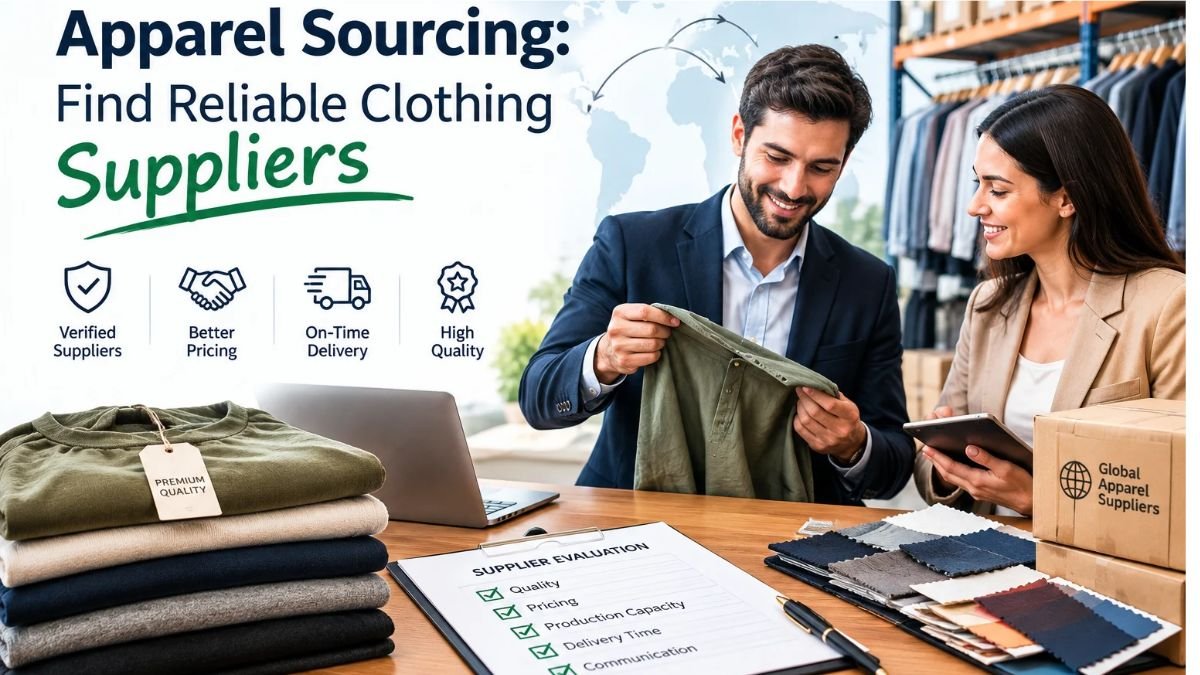
Choosing the right manufacturing partner can significantly affect product quality, communication, costs, and delivery schedules.
Brands should evaluate manufacturers according to their experience, production capabilities, minimum order quantities, quality systems, and ability to handle the required garment category.
A supplier specializing in basic T-shirts may not have the same expertise as a factory experienced in technical sportswear or structured outerwear.
Before selecting a partner, businesses should ask about:
- Previous experience with similar products.
- Fabric and trim sourcing capabilities.
- Sampling procedures and revision costs.
- Minimum order quantities by style, color, and size.
- Production capacity and estimated lead times.
- Quality inspection procedures.
- Custom labeling, packaging, and branding options.
- Communication practices and documentation.
- Shipping arrangements and export experience.
Brands should also request relevant samples and verify the manufacturer’s capabilities before placing a substantial order.
For businesses that need support across several stages, a full-package manufacturer may provide product development, sourcing, sampling, production, and finishing services through one coordinated process.
A reliable manufacturing partner should communicate limitations honestly, clarify costs, and document agreed requirements.
11. Preparing for Bulk Production
Once the product sample, materials, costs, and specifications are approved, the project can move toward bulk manufacturing.
Pre-production preparation is important because errors become more expensive when they affect hundreds or thousands of garments.
The manufacturer should confirm that the production team has the latest approved tech pack, patterns, material specifications, size breakdown, artwork, and sample references.
Fabric and trims should be checked before production begins. The team should also confirm the required quantities, production schedule, construction methods, and quality standards.
Some brands use a pre-production sample to confirm that the final production setup matches the approved design.
Any remaining concerns should be resolved before cutting large quantities of fabric.
Production planning may also include fabric relaxation, cutting layouts, sewing line preparation, print or embroidery setup, and packaging arrangements.
Careful preparation helps ensure that the factory can reproduce the approved garment consistently and efficiently.
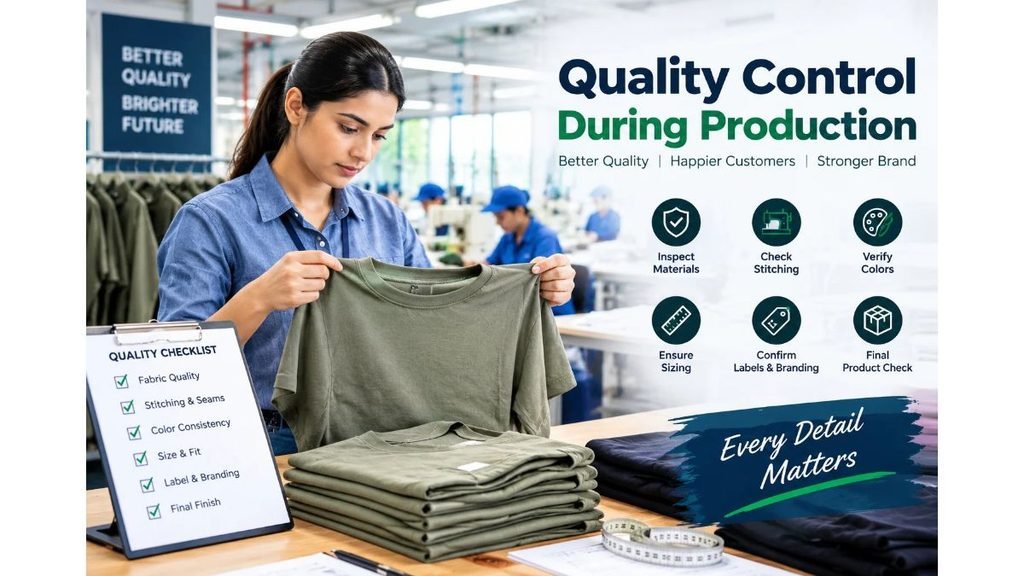
12. Quality Control During Production
Quality control helps ensure that finished garments meet the brand’s agreed requirements.
It should not be treated as a single inspection performed only after manufacturing is complete. Instead, quality checks can take place at several stages.
Incoming material inspections evaluate fabric, trims, color, and other supplied components. In-process inspections examine cutting, sewing, measurements, and construction while production is underway.
Final inspections assess completed garments for visible defects, measurement accuracy, finishing, labeling, and packaging.
Depending on the product and buyer requirements, inspections may follow an agreed sampling plan, including AQL-based procedures. The acceptance criteria should be established before inspection rather than chosen after defects are discovered.
Common problems include skipped stitches, uneven seams, incorrect labels, stains, damaged fabric, measurement deviations, and misaligned prints.
Brands should establish clear defect classifications and agree on how nonconforming garments will be handled.
Consistent quality control protects the customer experience, reduces avoidable returns, and helps maintain the brand’s reputation.
13. Packaging, Shipping, and Product Launch
After production and final inspection, garments are prepared for delivery.
Packaging requirements vary depending on the product, retail channel, and brand identity. They may include folding, individual polybags or alternative packaging, size stickers, hangtags, care labels, carton markings, and shipping cartons.
Brands should confirm packaging details early enough to avoid last-minute delays.
For international orders, shipping arrangements may involve freight booking, export documentation, customs requirements, duties, insurance, and coordination with logistics providers.
The manufacturer and buyer should clarify which party is responsible for each task.
Once the products arrive, the brand can complete inventory checks, prepare product photography, upload online listings, and coordinate marketing activities.
The product launch should reflect the garment’s actual features, materials, fit, and intended use.
Collecting customer feedback after launch can also help identify improvements for future production runs.
Common Challenges in Fashion Product Development
Although product development offers many benefits, clothing brands may encounter difficulties during the process.
Understanding these challenges helps businesses prepare practical solutions.
Unclear Design Specifications
Incomplete sketches, missing measurements, and vague construction instructions can lead to incorrect samples.
Solution: Create a detailed tech pack and maintain a single, updated version of the approved specifications.
Fabric Availability Problems
A selected fabric may become unavailable, require a long lead time, or fail to meet quality expectations.
Solution: Confirm material availability early, request swatches, and identify suitable alternatives before production planning is finalized.
Repeated Sample Revisions
Frequent design changes can increase costs and delay product launches.
Solution: Complete concept development carefully, consolidate feedback, and prioritize essential corrections before requesting another sample.
Unexpected Production Costs
Additional trims, complex finishing, packaging changes, and shipping expenses can increase the final budget.
Solution: Request an itemized quotation and review the full cost structure before approving production.
Inconsistent Garment Quality
Differences in fabric, measurements, construction, or finishing may occur between samples and bulk garments.
Solution: Approve a production reference sample, document quality standards, and establish inspection procedures.
Communication Delays
Unclear responsibilities or slow responses can delay approvals and material sourcing.
Solution: Assign clear points of contact, agree on deadlines, and document important decisions in writing.
Fashion Product Development for Small Clothing Brands
Small clothing brands often face different challenges from established fashion companies. They may have limited budgets, smaller order quantities, and fewer internal resources.
However, a structured product development process can help smaller businesses use their resources more effectively.
Start With a Focused Collection
Instead of launching many products at once, begin with a small collection that reflects the brand’s identity.
For example, a startup might develop a T-shirt, hoodie, and sweatpants using a coordinated color palette and consistent branding.
A focused collection makes it easier to manage sampling, sourcing, and production planning.
Establish a Realistic Budget
Budget for more than the cost of manufacturing. Include design work, samples, material testing, labels, packaging, shipping, and marketing.
Maintain a reserve for unexpected expenses so that a minor development issue does not disrupt the entire launch.
Research Minimum Order Quantities
Minimum order quantities, commonly called MOQs, vary by manufacturer, fabric, product category, and customization requirements.
Some suppliers may accept smaller orders for simple products, while custom fabrics, specialized dyeing, or complex designs may require higher quantities.
Ask manufacturers about minimums by style, color, and size. Clarify whether the quoted MOQ applies to the total order or individual variations.
Choose Customization Carefully
Custom labels, prints, embroidery, and packaging can help establish brand identity. However, every additional detail may affect cost and lead time.
Prioritize the features that matter most to customers and fit the brand’s budget.
Test Before Scaling
Use early orders to evaluate product quality, customer feedback, and sales performance.
Once a product demonstrates demand, the brand can consider expanding the size range, introducing new colors, or increasing production quantities.
This approach can reduce the risk of holding large amounts of unsold inventory.
The Role of Technology in Fashion Product Development
Technology is changing how fashion businesses design, communicate, and manufacture clothing.
Digital tools can improve collaboration, reduce repetitive work, and make it easier to evaluate design alternatives.
Computer-Aided Design
Computer-aided design tools help designers create technical drawings, explore design variations, and prepare visual references.
Digital files can be shared with manufacturers to clarify construction details and product specifications.
3D Garment Design
Three-dimensional garment software allows teams to visualize clothing on digital avatars before producing physical samples.
Depending on the software and quality of the digital materials, designers can assess proportions, colors, drape, and fit-related issues.
Virtual samples can reduce some physical sampling requirements, although physical prototypes may still be necessary to evaluate actual material behavior and construction.
Product Lifecycle Management
Product lifecycle management systems help organize product information throughout development.
These systems may store tech packs, material details, measurements, sample comments, approvals, costing information, and production updates.
Centralized records reduce the risk of teams working with outdated documents.
Data-Driven Product Decisions
Sales records, customer reviews, search trends, and inventory data can help brands understand which products perform well.
These insights can guide future product development by highlighting popular sizes, colors, materials, and design features.
Technology works best when it supports clear processes and reliable information rather than replacing thoughtful product planning.
Sustainable Fashion Product Development
Sustainability is becoming an important consideration for clothing brands and their customers.
Sustainable fashion product development aims to reduce unnecessary environmental impact while creating garments that remain useful, durable, and appropriate for their intended purpose.
Brands can begin by considering material choices. Organic fibers, recycled materials, responsibly sourced cellulosic fibers, and certain lower-impact blends may be suitable options, depending on the product and available evidence.
However, no material is automatically sustainable in every situation. Fiber production, processing, dyeing, transportation, durability, and end-of-life options all influence environmental impact.
Product longevity is another important consideration. Garments designed with durable construction, suitable fabrics, and practical styling may remain useful for longer.
Brands can also reduce waste by improving pattern layouts, planning fabric consumption, and avoiding unnecessary design complexity.
Demand planning is equally valuable. Producing quantities that reflect realistic sales expectations can reduce excess inventory and potential disposal.
Clear communication is essential when making environmental claims. Brands should verify supplier information and avoid broad claims that cannot be supported by reliable evidence.
By integrating sustainability into product decisions from the beginning, businesses can make more informed choices about materials, construction, packaging, and production volumes.
Fashion Product Development Trends to Watch
Fashion product development continues to evolve as consumer expectations, manufacturing technologies, and business models change.
Several developments are particularly relevant to clothing brands.
Personalized Products
Consumers increasingly encounter products that offer customization, including personalized graphics, colors, fits, and branding options.
Brands can explore customization while ensuring that production methods remain practical and cost-effective.
Flexible Production Models
Smaller initial orders and staged production can help some businesses test demand before committing to larger quantities.
Availability depends on the manufacturer’s capabilities, material minimums, and product complexity.
Functional Clothing
Demand for clothing that combines appearance with performance creates opportunities in activewear, travel clothing, workwear, and versatile everyday garments.
Developers must translate functional requirements into suitable fabrics, construction methods, and testing procedures.
Digital Collaboration
Remote teams increasingly use shared design files, digital approvals, and centralized product information to coordinate development.
These tools can make communication more efficient when manufacturers and brands work across different locations.
Responsible Sourcing
Brands are paying greater attention to material traceability, supplier practices, product durability, and environmental claims.
Reliable sourcing information can help businesses make better decisions and communicate more transparently with customers.
Rather than following every new trend, brands should evaluate developments according to their target market, resources, and long-term strategy.
How to Measure the Success of Fashion Product Development
Fashion product development should be evaluated using measurable results rather than appearance alone.
Brands can monitor several indicators to identify strengths and areas for improvement.
Development lead time: Measures how long it takes to move from concept to approved production.
Sample approval rate: Tracks how many sample rounds are required before a product is approved.
Cost variance: Compares the planned budget with actual development and manufacturing expenses.
Defect rate: Measures the proportion of products that fail to meet agreed quality requirements.
On-time delivery: Tracks whether products are completed and delivered according to the agreed schedule.
Product return rate: Helps identify potential problems related to fit, quality, or customer expectations.
Sell-through rate: Shows how much of the available inventory sells during a specified period.
These indicators should be reviewed together. For example, reducing sample rounds may shorten development time, but not if it results in poor fit or increased returns.
The goal is to create a balanced process that delivers suitable products at an acceptable cost and quality level.
Conclusion
Fashion product development is a vital process for turning creative ideas into market-ready clothing. It combines market research, concept creation, design, fabric selection, technical documentation, pattern making, sampling, costing, manufacturing, and quality control.
For both new and established clothing brands, a structured approach can improve communication, reduce avoidable expenses, and create more consistent products. It also helps businesses respond to changing customer preferences while maintaining their own brand identity.
Successful development begins with a clear product concept and continues through careful material selection, accurate specifications, sample approval, and reliable production planning. Manufacturers, designers, and brand owners must work together to ensure that every important decision supports the intended result.
By investing time in planning, testing, and quality management, fashion businesses can develop clothing that meets customer expectations and supports sustainable long-term growth.
Whether you are launching your first collection or expanding an existing product range, a well-managed fashion product development process provides the foundation for better garments, stronger supplier relationships, and more confident business decisions.