How to Start a Sustainable Clothing Line: A Step-by-Step Business Guide
Starting a sustainable fashion business is an opportunity to build a clothing brand around thoughtful design, responsible material choices, and long-lasting products. Many consumers are paying more attention to where their clothes come from, what they are made of, and how they are produced. This creates opportunities for entrepreneurs who want to combine fashion, quality, and environmental responsibility.
However, knowing how to start a sustainable clothing line requires more than choosing organic fabric or adding an environmental message to your packaging. You need a clear business plan, a specific target audience, reliable suppliers, suitable manufacturing partners, and a realistic budget.
Whether you want to launch everyday clothing, streetwear, sportswear, or a collection for small activewear brands, the process starts with careful planning.
This guide explains how to develop your idea, select materials, find manufacturers, manage production costs, and market your collection. It also covers common mistakes and practical steps that can help turn your sustainable fashion idea into a real business.
1. Understand What a Sustainable Clothing Line Means
A sustainable clothing line is a fashion business that considers environmental and social responsibility throughout its product lifecycle. This includes material sourcing, garment manufacturing, packaging, transportation, product durability, and disposal.
The goal is to reduce unnecessary environmental impact while creating clothing that customers genuinely want to wear.
Sustainability does not mean that every product has zero environmental impact. All clothing requires resources to produce. However, brands can make more informed choices about materials, manufacturing methods, product quality, and waste.
Important areas include:
- Selecting suitable organic or recycled materials.
- Working with suppliers who can provide reliable sourcing information.
- Designing garments for regular use and durability.
- Reducing unnecessary fabric and packaging waste.
- Understanding manufacturing and labour practices.
- Providing accurate information about product materials.
- Avoiding unsupported environmental claims.
A sustainable brand should be able to explain what makes its products more responsible. Clear evidence is more valuable than broad marketing statements.
2. Choose Your Sustainable Fashion Niche
Before designing products, decide what type of clothing business you want to build. A focused niche helps you understand your customers, select suitable materials, and create a recognisable brand.
Trying to sell every type of clothing from the beginning can make production and marketing more complicated.
Consider these popular options.
Sustainable Everyday Clothing
Everyday clothing includes T-shirts, sweatshirts, trousers, casual shirts, and comfortable basics. These products can appeal to customers who prefer simple designs and versatile outfits.
You can explore organic cotton, recycled fibres, or other materials that suit the intended product.
Sustainable Streetwear
Streetwear focuses on relaxed fits, graphic designs, hoodies, joggers, and statement pieces. Brands can create a distinctive identity through colours, silhouettes, embroidery, and original artwork.
Durable construction is particularly important for products designed for frequent use.
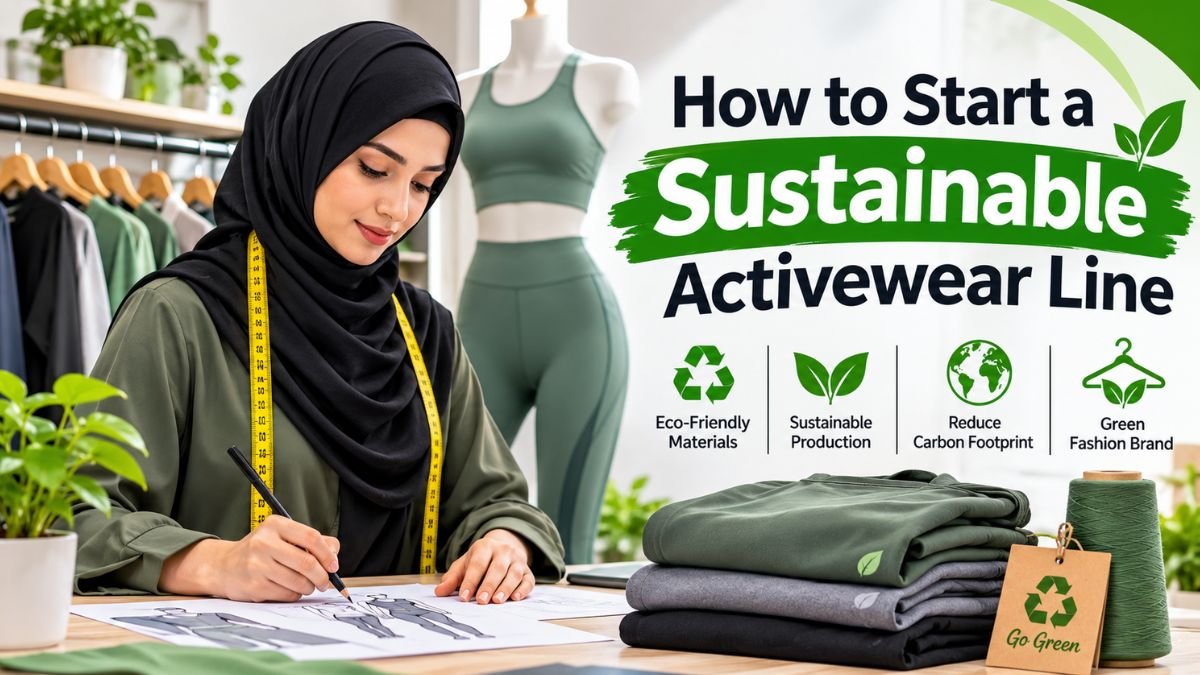
Sustainable Sportswear and Activewear
Sportswear includes leggings, sports bras, gym tops, shorts, tracksuits, and training clothing.
Small activewear brands can build focused collections for specific audiences, such as yoga enthusiasts, runners, gym users, or people who prefer comfortable everyday sportswear.
Material selection is important because activewear may require stretch, moisture management, breathability, and shape recovery.
Sustainable Loungewear
Loungewear focuses on comfort and relaxed clothing. Sweatpants, soft tops, matching sets, and lightweight hoodies are common products.
Fabric softness, fit, and durability should guide material selection.
Sustainable Workwear
Workwear includes uniforms, practical trousers, jackets, and other garments designed for professional or industrial use.
A responsible workwear collection can focus on durable construction, suitable material sourcing, and longer product use.
Tip: Start with a niche that matches your knowledge, customer research, and available budget. A focused collection is often easier to manage than a large product range.
3. Research Your Target Customers
A clothing line needs customers before it needs a large collection. Research helps you understand who may buy your products and what they expect from a sustainable brand.
Start by identifying your ideal customer.
Consider:
- Age group and lifestyle.
- Location and climate.
- Preferred clothing styles.
- Shopping habits.
- Typical spending range.
- Interest in sustainable materials.
- Preferred colours and garment fits.
- Problems with existing clothing products.
For example, customers interested in sustainable activewear may want leggings that stay comfortable during exercise. They may also look for squat-resistant fabric, suitable stretch, and reliable stitching.
Customers shopping for sustainable streetwear may care more about garment weight, relaxed fit, graphic design, and durability.
Study Competitors
Look at existing clothing brands that serve a similar audience. Examine their product range, pricing, website, social media, and customer reviews.
Pay attention to:
- Which products appear frequently in their collections.
- How they describe their fabrics.
- What customers praise or complain about.
- How they explain their sustainability claims.
- What price ranges they offer.
- How they present their brand identity.
Do not copy another brand’s designs or marketing. Use competitor research to identify customer needs and opportunities for differentiation.
4. Create a Clear Sustainable Brand Identity
Your brand identity explains what your business stands for. It should communicate your style, values, and product focus in a consistent way.
Start by defining your brand mission.
For example, your mission could focus on producing durable everyday basics, developing responsible activewear, or creating versatile clothing from carefully selected materials.
Next, develop the visual identity.
Choose a Brand Name
Your brand name should be memorable, easy to pronounce, and relevant to your target market.
Before finalising it, check domain availability, social media usernames, and potential trademark conflicts.
Develop a Logo and Visual Style
Create a logo that works across clothing labels, packaging, websites, and social media.
Choose colours, typography, and photography styles that reflect your brand personality. A minimalist brand may use simple graphics, while an activewear label may use a more energetic visual style.
Define Your Brand Values
Choose values that you can support through actual business decisions.
These may include:
- Responsible material sourcing.
- Product durability.
- Transparent product information.
- Waste reduction.
- Better packaging choices.
- Responsible supplier selection.
Avoid making promises that your business cannot verify. Customers should be able to understand what your brand is doing and what remains a future goal.
5. Build a Sustainable Clothing Business Plan
A business plan turns your idea into a practical operating model. It helps you estimate costs, understand your market, and decide how your clothing line will make money.
Your plan should cover the following areas.
Business Overview
Explain what your brand will sell, who it will serve, and how it will operate.
Include your niche, product categories, location, sales channels, and main brand values.
Market Research
Describe your target customers, competitors, market position, and expected demand.
Use real research instead of assuming that everyone wants sustainable clothing.
Product Strategy
List the first products you plan to launch. Include their intended materials, colours, sizes, designs, and expected retail prices.
A small initial collection can make product development easier to control.
Pricing Strategy
Calculate your product costs before choosing retail prices.
Your calculations should consider:
- Fabric and trims.
- Sampling and development.
- Cutting and sewing.
- Printing or embroidery.
- Labels and packaging.
- Freight and import charges.
- Website and marketing costs.
- Payment processing and operating expenses.
Your final selling price should account for these expenses and your required business margin.
Sales and Marketing Plan
Decide how customers will discover and purchase your products.
Possible channels include your own website, social media, pop-up events, selected retailers, and wholesale partnerships.
Financial Plan
Estimate your startup investment, monthly operating expenses, expected sales, and cash requirements.
Include a reserve for unexpected costs such as sample revisions, shipping changes, or production delays.
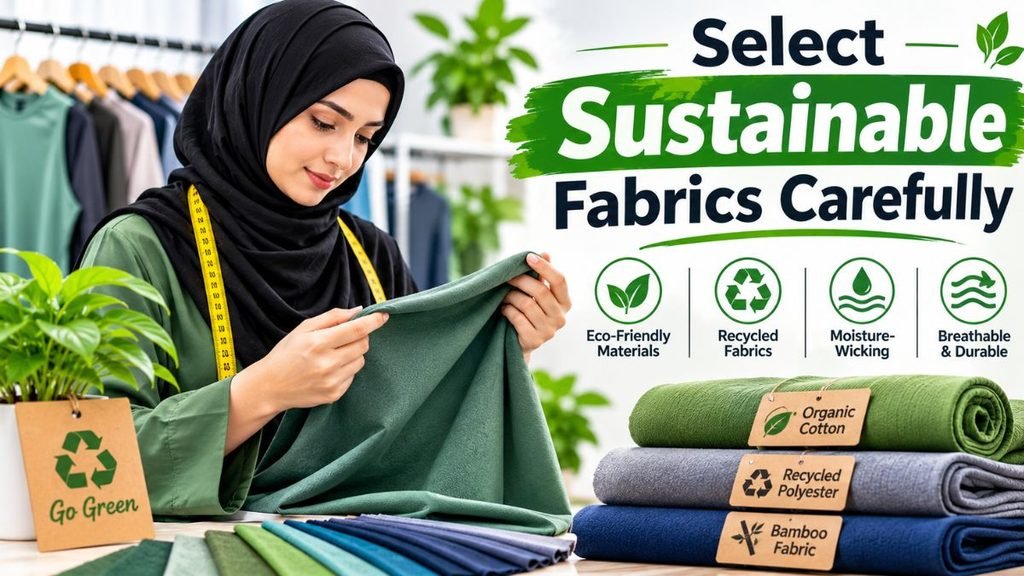
6. Select Sustainable Fabrics Carefully
Material selection is one of the most important parts of building a sustainable clothing line. The fabric affects comfort, appearance, durability, manufacturing requirements, and environmental impact.
There is no single fabric that is automatically best for every product.
Organic Cotton
Organic cotton is grown according to recognised organic agricultural standards. These standards restrict certain synthetic pesticides and fertilisers.
It can be suitable for T-shirts, sweatshirts, hoodies, and casual clothing.
Benefits may include:
- Soft and comfortable feel.
- Breathability.
- Suitability for everyday garments.
- Availability in different fabric weights.
However, organic cotton still requires water, processing, dyeing, and transportation. Brands should verify the material’s origin and supporting documentation.
Recycled Polyester
Recycled polyester is produced using recovered polyester materials, which may include plastic bottles or textile waste.
It can be useful for sportswear, activewear, and lightweight clothing.
Its properties can include:
- Lightweight construction.
- Quick-drying performance.
- Good durability.
- Suitability for different sportswear designs.
Brands should consider fibre shedding, material sourcing, and the difficulty of recycling some blended fabrics.
Recycled Cotton
Recycled cotton is produced from recovered cotton textile waste or used cotton products.
It can help reuse existing resources. However, recycled fibres may be shorter than virgin cotton fibres.
Manufacturers may blend recycled cotton with other fibres to achieve suitable strength and fabric performance.
Other Material Options
Some brands also explore responsibly sourced cellulosic fibres and other recycled textile materials.
Before choosing any material, review its composition, origin, processing requirements, durability, and available certifications.
Do not assume that a material is sustainable simply because it is described as natural, recycled, or plant-based.
7. Find Reliable Fabric and Clothing Suppliers
Once you have a product plan, you need suppliers who can provide suitable materials and manufacturing services.
The right supplier should understand your specifications and communicate clearly about material availability, quality, pricing, and lead times.
Research Fabric Suppliers
Search for suppliers that specialise in your required materials. Ask for fabric swatches and technical information before making a final decision.
Useful details include:
- Fibre composition.
- Fabric weight and width.
- Colour availability.
- Material origin.
- Minimum order quantity.
- Relevant certificates.
- Testing information.
- Price and lead time.
Ask for Supporting Documents
If you plan to market a product as organic or recycled, request documents that support the claim.
Check whether certificates are valid and whether they cover the actual material, supplier, facility, or product involved.
A certificate for one material should not automatically be used to make claims about an entire collection.
Compare More Than Price
A low fabric price may not provide the best value if the material has poor quality or inconsistent supply.
Compare quality, durability, colour consistency, documentation, communication, and delivery arrangements.
8. Find the Right Clothing Manufacturer
Choosing a suitable manufacturer is a major step when learning how to start a sustainable clothing line.
A manufacturer helps turn your designs into finished products. Depending on the service model, it may support fabric sourcing, product development, sampling, cutting, stitching, finishing, quality inspection, and packaging.
Common manufacturing models include:
Private-label manufacturing: The manufacturer produces garments that your brand sells under its own name.
OEM manufacturing: The manufacturer produces clothing based on your designs and specifications.
ODM manufacturing: The manufacturer provides product designs or development options that can be adapted for your brand.
White-label manufacturing: A manufacturer produces ready-made products that different brands can sell under their own branding, subject to the agreed arrangement.
Cut-and-sew manufacturing: Fabric is cut and sewn according to your design and construction requirements.
Before selecting a supplier, ask about its production capabilities, minimum order quantity, sampling process, quality checks, and material sourcing options.
If sustainability is a priority, ask specific questions about how fabrics are sourced and what evidence the manufacturer can provide.
9. Understand Minimum Order Quantity and Startup Costs
Minimum order quantity, or MOQ, is the smallest number of units a manufacturer accepts for a particular order.
MOQ can vary based on the garment style, fabric, colour, trims, printing, and construction.
For a new brand, a smaller production order may help manage inventory risk. However, small quantities can sometimes have higher per-unit costs.
Your startup budget should include:
| Expense | What It Covers |
|---|---|
| Product development | Designs, patterns, and technical specifications |
| Sampling | Physical samples and revisions |
| Fabric | Main material and lining |
| Trims | Zippers, drawstrings, buttons, and other components |
| Manufacturing | Cutting, sewing, and finishing |
| Branding | Labels, tags, prints, and embroidery |
| Packaging | Bags, boxes, and product inserts |
| Shipping | Freight, duties, and delivery charges |
| Marketing | Photography, website, and promotion |
Request a detailed quotation before approving production.
Do not invest your entire budget in inventory. Keep funds available for marketing, operating costs, and unexpected expenses.
10. Develop Your First Clothing Collection
A first collection should be focused and manageable. Launching too many products can increase development costs and create unnecessary inventory pressure.
Start with a small number of products that clearly represent your brand.
For example, a sustainable activewear collection might include:
- One pair of leggings.
- One sports bra.
- One training T-shirt.
- One lightweight jacket.
- One pair of shorts.
Small activewear brands can use a focused range to test customer interest before expanding into more styles.
Prepare a Tech Pack
A tech pack is a document that explains how a garment should be made.
It helps manufacturers understand your design and reduces confusion during product development.
A useful tech pack may include:
- Technical sketches.
- Measurement charts.
- Fabric composition.
- Fabric weight.
- Colour references.
- Stitching details.
- Trim specifications.
- Logo placement.
- Label instructions.
- Packaging requirements.
You can start with sketches and reference images, but detailed specifications help improve production accuracy.
11. Create and Approve Product Samples
Sampling allows you to review the actual garment before bulk production.
Do not approve a product based only on a digital design. The physical sample helps you understand how the selected fabric behaves.
Check the following:
Fit: Does the garment match your intended size and silhouette?
Fabric: Does it feel comfortable and perform as expected?
Measurements: Are the measurements consistent with the specification?
Stitching: Are seams secure and properly finished?
Colour: Does the fabric match your approved colour reference?
Branding: Are logos, labels, and prints correctly placed?
Durability: Does the garment maintain its appearance after suitable washing and wear tests?
If changes are required, communicate them clearly and request another sample where necessary.
Bulk production should begin after the final pre-production sample is approved.
12. Focus on Responsible Manufacturing Practices
Sustainable clothing production involves more than the fabric itself. Manufacturing methods can influence resource use, waste, product quality, and working conditions.
When evaluating a manufacturer, ask about its actual practices.
Fabric Waste Management
Accurate pattern placement can improve fabric utilisation during cutting.
Manufacturers may also explore ways to reuse suitable fabric remnants, where practical.
Water and Chemical Management
Dyeing, washing, and finishing can involve water and chemical inputs.
Ask suppliers what processes are used and whether relevant environmental controls or documentation are available.
Energy Use
Energy may be required for machinery, lighting, pressing, and other production activities.
If energy efficiency is important to your brand, ask whether the manufacturer measures or manages energy consumption.
Labour and Workplace Practices
Responsible sourcing also includes understanding how workers are treated.
Ask about workplace policies, safety procedures, working hours, and any relevant audits or records. Do not assume that a supplier follows a particular labour standard without evidence.
13. Build a Marketing Strategy for Your Sustainable Brand
Once your products are ready, customers need a clear reason to choose your brand.
Marketing should explain the product’s actual features and show how they meet customer needs.
Create a Professional Website
Your website should include product pages, size guides, fabric information, care instructions, shipping details, and contact information.
Make product descriptions specific. Explain the fabric composition and the features that make each item useful.
Use Social Media
Platforms such as Instagram, TikTok, and Pinterest can help clothing brands present their products visually.
Share content such as:
- Product development updates.
- Fabric comparisons.
- Behind-the-scenes manufacturing.
- Styling ideas.
- Product care tips.
- New collection announcements.
- Customer-submitted photographs, with permission.
Work With Relevant Creators
Choose creators whose audience matches your target customers.
For activewear, this might include fitness instructors, trainers, yoga creators, or lifestyle content producers.
Make sure sponsored content is disclosed appropriately and that creators do not make unsupported environmental claims.
Publish Helpful Blog Content
SEO blogging can attract people who are researching sustainable fashion.
Useful topics include fabric comparisons, clothing care, activewear material guides, responsible sourcing, and clothing manufacturing.
Each article should answer a real customer question instead of repeating keywords.
14. How Small Activewear Brands Can Build a Sustainable Collection
Small activewear brands often work with limited budgets and smaller production quantities. This makes product focus and careful planning especially important.
Instead of launching a large collection, begin with a few products that serve a clear purpose.
Select Materials Based on Performance
Activewear needs suitable stretch, comfort, recovery, and durability.
Recycled polyester may suit certain performance garments, while cotton-based materials may be more appropriate for casual sportswear.
The fabric should be tested for the intended activity.
Keep the Product Range Focused
Start with products that customers are likely to use regularly.
For example, a brand focused on yoga may prioritise leggings, sports bras, and comfortable tops. A gym-focused brand may need training shirts, shorts, and tracksuits.
Use Consistent Branding
A consistent colour palette, logo placement, and product style can make a small collection feel connected.
Avoid unnecessary design changes that increase sampling and production costs.
Plan Inventory Carefully
Estimate demand before placing a bulk order.
Consider pre-launch interest, customer feedback, product pricing, and available cash. Avoid producing large quantities simply because a manufacturer offers a lower unit price for bigger orders.
Explain Your Material Choices
Customers may want to know whether your products contain recycled or organic fibres.
Provide accurate information and explain what your documentation supports. Transparency can help customers make informed purchasing decisions.
15. Common Mistakes When Starting a Sustainable Clothing Line
New clothing businesses can face challenges when they rush product development or make decisions without enough research.
Avoid these common mistakes.
Launching too many products: A large first collection can increase costs and make inventory management difficult. Begin with a focused range.
Choosing materials based only on marketing: A fabric described as eco-friendly may not meet your performance or quality requirements. Check its composition and documentation.
Ignoring product durability: Weak stitching, poor fabric recovery, and damaged prints can shorten a garment’s useful life.
Skipping sample approval: Manufacturing in bulk without checking a physical sample increases the risk of expensive mistakes.
Underestimating costs: Fabric, trims, packaging, shipping, marketing, and operating expenses all affect profitability.
Making unsupported sustainability claims: Do not claim that a product is fully sustainable, carbon-neutral, or certified without evidence.
Choosing a supplier only by price: Communication, quality, sourcing transparency, and production consistency also matter.
Ignoring customer feedback: Reviews and customer questions can reveal problems with fit, sizing, comfort, and product performance.
16. How Fashion Soul International Can Support Your Clothing Line
Fashion Soul International is a factory-owned custom clothing manufacturer based in Sialkot, Pakistan. It works with international clothing brands through private-label, OEM, ODM, white-label, cut-and-sew, and full-package manufacturing services.
The company supports product development, fabric sourcing, sampling, bulk production, quality control, custom branding, packaging, and international shipping.
For entrepreneurs learning how to start a sustainable clothing line, the product requirements should be clearly explained before manufacturing begins.
Share details such as:
- Your garment design and target customer.
- Required fabric composition.
- Fabric weight and colour.
- Measurements and size range.
- Printing or embroidery requirements.
- Labels and packaging details.
- Estimated order quantity.
- Any material certifications or sourcing requirements.
Fashion Soul International publishes a standard MOQ starting at 100 pieces. The actual minimum can vary according to the product, fabric, colour, and construction requirements. Confirm the quantity for your specific project.
Product Development and Sampling
A clear design brief or tech pack helps the manufacturer understand your requirements.
The sampling stage allows you to review fit, construction, fabric, and branding before bulk production.
If your project requires organic or recycled materials, specify the exact material requirements and request available supporting documentation. Material availability and verification should be confirmed before making product claims.
Quality Control
Quality control helps check whether finished garments match the approved specifications.
Relevant tracksuit and activewear checks may include measurements, stitching, fabric condition, print placement, trims, and finishing.
Fashion Soul International’s stated production process includes inline inspections and pre-shipment quality checks.
Custom Branding and Shipping
The company can support custom labels, hang tags, printing, embroidery, packaging, and international shipping arrangements.
Discuss your packaging preferences and destination requirements before production so that these details can be included in the project plan.
17. Frequently Asked Questions
How Much Money Do I Need to Start a Sustainable Clothing Line?
The required budget depends on your product range, materials, order quantity, sampling, manufacturing costs, marketing, and sales model. A small collection with a limited number of styles may require less initial investment than a large launch. Prepare a detailed budget before ordering inventory.
Is It Possible to Start a Sustainable Clothing Brand With a Small Budget?
Yes, you can begin with a focused product range and carefully planned inventory. Research suppliers, request quotations, compare material options, and develop samples before committing to bulk production. Starting small can help you manage financial risk.
What Fabrics Are Best for Sustainable Clothing?
Organic cotton, recycled cotton, and recycled polyester are common options to investigate. Other materials may also suit specific products. The best choice depends on performance, sourcing, durability, processing, and available documentation.
How Do I Find a Sustainable Clothing Manufacturer?
Research manufacturers that offer the product category and services you need. Ask about fabric sourcing, certifications, MOQ, sampling, production methods, quality inspections, and workplace practices. Request supporting documents before using sustainability claims.
Can Small Activewear Brands Use Recycled Fabrics?
Yes. Recycled polyester can be used in many types of activewear. However, the fabric should meet the required stretch, recovery, comfort, and durability standards. Confirm the recycled content through suitable supplier documentation.
What Is the Minimum Order Quantity for a Clothing Brand?
MOQ varies by manufacturer and product. It can depend on fabric availability, colour, design, trims, and construction. Always request a project-specific quotation before planning your first collection.
Do I Need a Tech Pack to Start a Clothing Line?
A tech pack is highly useful because it communicates measurements, fabric, construction, colours, trims, and branding details. If you do not have a complete tech pack, you can begin with sketches and reference images, then work with your manufacturer to finalise specifications.
How Can I Make My Clothing Brand More Sustainable?
Start by understanding your materials and suppliers. Choose appropriate fabrics, improve garment durability, reduce unnecessary waste, plan packaging carefully, and provide accurate product information. Review your practices as the business grows.
Conclusion
Learning how to start a sustainable clothing line involves careful decisions at every stage of the business. You need a clear niche, a realistic business plan, reliable suppliers, suitable fabrics, and a manufacturer that understands your product requirements.
Start with a focused collection instead of trying to produce everything at once. Research your customers, request material information, develop physical samples, and check garment quality before bulk production.
For small activewear brands and other new fashion businesses, thoughtful planning can help control costs and create products that meet real customer needs. Most importantly, build sustainability into your actual sourcing and production decisions. Clear evidence, durable clothing, and honest communication will give your brand a stronger foundation for long-term growth.