Sustainable Clothing Brands: A Guide to Ethical and Affordable Fashion
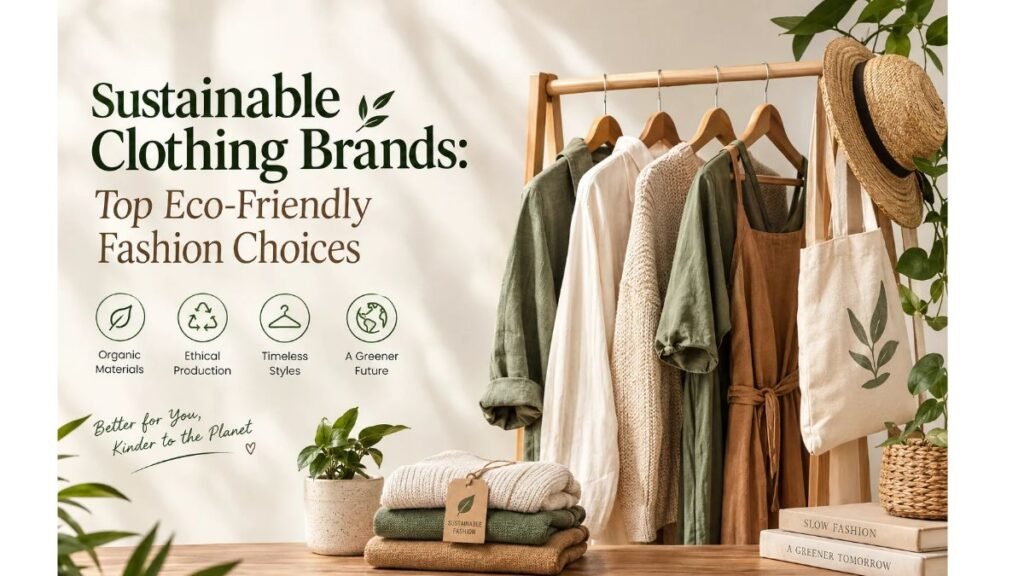
Finding sustainable clothing brands is easier when you know what to look for. Many shoppers want stylish clothes that last longer, use fewer resources, and are made under responsible working conditions. However, sustainability claims can be confusing. Some brands use recycled materials, while others focus on fair labor, durable construction, or reducing waste.
The good news is that you do not need to replace your entire wardrobe or spend a fortune to make better choices. You can start by buying fewer items, choosing versatile designs, checking fabric information, and researching how brands manufacture their products.
This guide explains what makes clothing sustainable, how to identify ethical clothing companies, where affordable options fit into the picture, and how to build a wardrobe that reflects your values.
What Are Sustainable Clothing Brands?
Sustainable clothing brands aim to reduce the environmental and social impact of their products. Their approach may include using lower-impact materials, reducing waste, improving garment durability, supporting responsible manufacturing, or providing clearer information about their supply chains.
Sustainability is not a single feature. A brand may use organic cotton but provide limited information about worker conditions. Another may focus on fair labor practices but rely on conventional materials. Understanding these differences helps shoppers make informed decisions.
Common practices associated with sustainable fashion include:
- Using organic, recycled, or responsibly sourced materials
- Designing garments for longer use
- Reducing fabric waste during production
- Improving energy and water efficiency
- Providing information about factories and suppliers
- Supporting safer working conditions and fair labor practices
- Offering repair, resale, or take-back programs
- Using packaging designed to reduce unnecessary waste
Not every brand follows all these practices. Instead of relying on a single marketing claim, examine the company’s overall approach and the evidence it provides.
Why Sustainable Fashion Matters
Traditional clothing production can use significant quantities of water, energy, chemicals, and raw materials. Garments can also contribute to waste when they are discarded after only a few wears.
The impact depends on the material, production method, garment lifespan, washing habits, transportation, and disposal. This means there is no single solution that makes every item sustainable.
Sustainable fashion encourages consumers and businesses to consider the full life of a garment. That includes where its materials come from, how it is manufactured, how long it remains useful, and what happens when the owner no longer needs it.
Choosing durable clothing can reduce the need for frequent replacement. Buying secondhand can extend the life of existing products. Repairing damaged garments can also prevent unnecessary waste.
For shoppers, the goal is not perfection. It is to make practical choices that reduce avoidable harm while meeting everyday clothing needs.
What Makes a Clothing Brand Ethical?
An ethical clothing brand considers the people involved in making and selling its products. This includes workers who produce fibers, process fabrics, cut and sew garments, finish products, and handle other parts of the supply chain.
Ethical production is not always easy to verify because clothing may pass through multiple factories and suppliers before reaching a store.
When evaluating a brand, look for information about:
Fair Labor Practices
A responsible company should take worker rights seriously. Relevant issues include fair compensation, reasonable working hours, safe facilities, and freedom from forced labor or child labor.
Look for specific policies and evidence rather than broad promises about treating workers well.
Factory Transparency
Some brands publish supplier lists, factory locations, or information about their manufacturing partners. This can help customers understand where garments are produced.
Transparency does not automatically prove that every factory meets high standards, but it gives shoppers more information to evaluate.
Responsible Material Sourcing
Ethical sourcing can include attention to farming practices, chemical use, animal welfare, and the treatment of workers throughout the supply chain.
The appropriate criteria depend on the material. Cotton, wool, leather, polyester, and other fibers have different environmental and social considerations.
Accountability
A credible brand should explain its goals, acknowledge limitations, and provide evidence for important claims. Independent certifications, published supplier information, and detailed progress reports can help support that accountability.
Be cautious when a company uses words such as “conscious,” “green,” or “planet-friendly” without explaining what they mean.
How to Identify Slow Fashion Brands
Slow fashion brands generally emphasize thoughtful purchasing, longer garment lifespans, timeless designs, and more considered production practices. The approach contrasts with buying large quantities of inexpensive clothing that may quickly fall out of use.
Slow fashion does not necessarily mean every product is handmade or expensive. It is more about how clothing is designed, produced, purchased, and used.
Look for Durable Construction
Examine seams, stitching, buttons, zippers, hems, and fabric quality. A well-constructed garment should suit its intended use and withstand normal care.
Product reviews can provide useful information about shrinkage, fading, pilling, and fit. However, reviews should be treated as individual experiences rather than guarantees.
Choose Versatile Designs
Clothing that works with several outfits may receive more use than a trend-specific item. Neutral colors, classic cuts, and comfortable basics can help build a wardrobe that remains useful over time.
You do not have to avoid trends completely. The important question is whether you expect to wear the item enough to justify buying it.
Check the Brand’s Production Model
Some slow fashion brands produce limited collections, manufacture in smaller batches, or make products after receiving orders. These approaches can help manage inventory, although they do not automatically guarantee lower environmental impact.
Check whether the company explains how its production choices support its stated goals.
Consider Repair and Resale
Brands that offer repair services, replacement parts, resale options, or garment-care advice may help customers keep clothing in use for longer.
You can also support slow fashion without buying from a dedicated slow fashion label. Repairing your current wardrobe and shopping secondhand are practical alternatives.
Sustainable Clothing Brands and Fabric Choices
Fabric choice is an important part of evaluating clothing. However, no material is automatically the most sustainable in every situation. Environmental impact depends on sourcing, manufacturing, durability, care, and end-of-life options.
Organic Cotton
Organic cotton is grown under specific agricultural standards that restrict certain synthetic pesticides and fertilizers. The exact environmental benefits depend on farming practices, location, and processing.
When shopping, check whether the brand explains its organic cotton claims and identifies the relevant certification where applicable.
Recycled Polyester
Recycled polyester uses recovered polyester materials rather than relying entirely on new fossil-based feedstocks. It may help reduce demand for virgin material, but it remains a synthetic fiber and can release microfibers during washing.
A recycled-material claim should identify what portion of the product uses recycled content when that information is available.
Linen
Linen is made from flax fibers. Its properties include breathability and a distinctive texture. Environmental performance depends on how flax is grown, processed, dyed, and transported.
Durable linen garments can be useful for warm-weather wardrobes when the construction suits regular wear.
Hemp
Hemp can be used to produce strong textile fibers. Its environmental impact depends on agricultural conditions and subsequent processing, including fiber preparation and fabric finishing.
Check the actual composition of a garment rather than assuming that every hemp product has the same impact.
Wool
Wool offers warmth and can be durable when properly cared for. Buyers may want to investigate animal-welfare practices, land management, processing, and the garment’s expected lifespan.
For shoppers concerned about animal-derived materials, plant-based or synthetic alternatives may be more appropriate depending on their priorities.
Recycled and Blended Fabrics
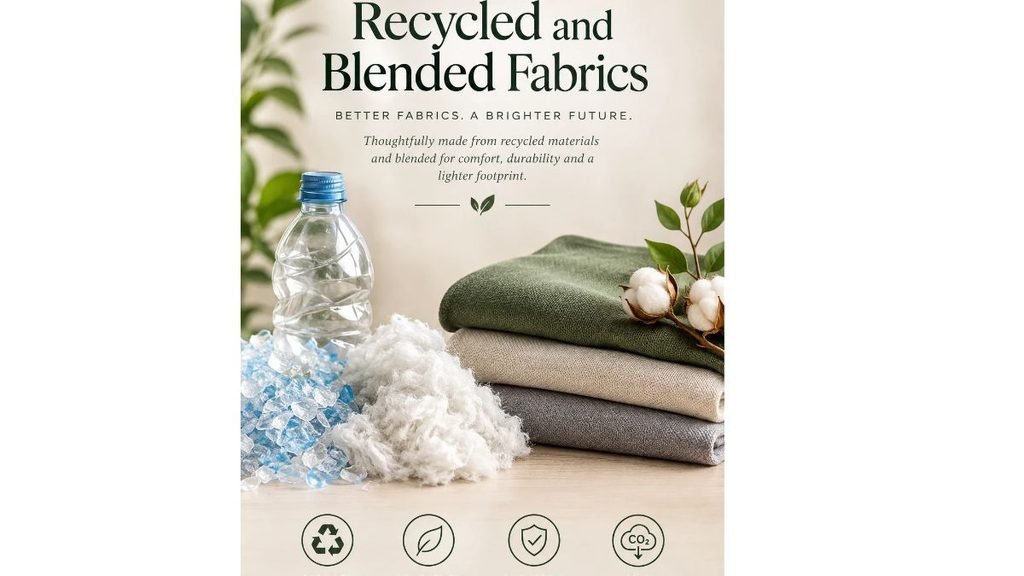
Recycled fibers and fabric blends can offer useful performance benefits. However, blends may be harder to recycle because separating different fibers can be difficult.
Look for clear material labels and care instructions. Consider whether the garment’s durability and function justify the chosen composition.
Affordable Sustainable Clothing: How to Shop on a Budget
Affordable sustainable clothing is possible when you focus on long-term value instead of the lowest initial price. You can make more responsible choices without purchasing an entirely new wardrobe.
Buy Fewer, More Useful Items
Before buying something, consider how often you will wear it and whether it works with clothing you already own.
A versatile shirt that fits well may provide more value than several inexpensive items that rarely leave your wardrobe.
Shop Secondhand
Thrift stores, resale platforms, clothing swaps, and charity shops can provide access to existing garments. Buying secondhand can extend the use of clothing already in circulation.
Inspect items for damage, missing buttons, stains, and fabric wear. Check the seller’s return policy when purchasing online.
Compare Cost Per Wear
Cost per wear estimates how much each use of a garment costs.
For example, a shirt that costs $30 and is worn 60 times has a cost per wear of $0.50. A $15 shirt worn five times costs $3 per wear.
This calculation does not measure environmental impact or ethical production, but it can help compare value between items.
Choose Easy-Care Clothing
Garments that can be washed and maintained easily may be more practical for everyday use. Follow care labels to reduce avoidable shrinkage, fading, and damage.
Washing clothes only when necessary, using suitable temperatures, and repairing small problems can help extend garment life.
Take Advantage of Resale and Clothing Swaps
Resale shopping allows you to find pre-owned clothing at different price points. Clothing swaps can help people exchange items they no longer wear.
These options also encourage people to use existing garments rather than always purchasing new ones.
Avoid Buying Only Because of a Sustainability Label
A product marketed as sustainable may still be unsuitable for your needs or budget. Check the fit, construction, materials, and likely lifespan before buying.
The most affordable choice may be keeping and repairing something you already own.
How to Find Ethical Clothing Brands for Women
Women shopping for ethical apparel often want pieces that combine comfort, fit, durability, and personal style. The same verification principles apply across categories, but different garments may require different checks.
For example, workwear may need strong seams and durable fabric. Everyday basics may benefit from comfortable materials and easy care. Occasionwear may be used less frequently, making rental or secondhand shopping worth considering.
When comparing brands, look for:
- Clear fiber composition and care instructions
- Detailed sizing information
- Garment measurements and fit guidance
- Information about manufacturing locations
- Specific labor and sourcing policies
- Product construction details
- Repair, resale, or return options
- Evidence supporting environmental claims
Read reviews that discuss how clothing performs after repeated use. Pay attention to comments about fit, fabric changes, stitching, and durability.
Do not assume a brand is ethical simply because it sells minimalist designs or uses natural-looking colors. Ethics depend on production and business practices, not only appearance.
How to Evaluate the Most Sustainable Clothing Companies
There is no universal ranking that identifies one company as the most sustainable for every shopper. Brands have different strengths, and their performance can vary across materials, products, factories, and supply chains.
Instead of relying on a simple ranking, compare companies using consistent criteria.
| Evaluation area | What to look for |
|---|---|
| Materials | Clear fiber composition and evidence for material claims |
| Labor | Policies and information about worker protections |
| Transparency | Supplier details, factory information, or sourcing reports |
| Durability | Construction quality, care instructions, and useful product reviews |
| Waste reduction | Repair, resale, reuse, or take-back programs |
| Certifications | Relevant, current credentials with verifiable scope |
| Packaging | Clear explanations of packaging materials and reduction efforts |
| Accountability | Measurable goals, progress updates, and honest limitations |
A brand does not need to score perfectly in every category to be worth considering. The table helps you identify strengths, gaps, and areas that need further research.
For example, a company may have detailed material information but limited factory transparency. Another may publish supplier details but provide fewer lower-priced products. Your priorities will determine which trade-offs matter most.
How to Recognize Greenwashing in Fashion
Greenwashing occurs when a company creates a misleading impression about its environmental performance. It can make a product appear more sustainable than the available evidence supports.
Watch for these warning signs:
Vague Environmental Language
Words such as “eco-friendly,” “green,” and “natural” are not enough on their own. Look for precise explanations of the product’s materials, manufacturing process, or environmental benefits.
Unsupported Percentage Claims
A brand may claim that a collection is made with recycled or organic materials. Check whether it identifies the percentage, which products are included, and how the claim is verified.
One Positive Feature Used to Represent the Whole Product
A recycled label does not explain everything about a garment. It does not automatically reveal worker conditions, manufacturing waste, durability, or end-of-life options.
Missing Information About Suppliers
If a company makes strong ethical claims but provides no useful information about production or labor standards, further research may be necessary.
Constant New Collections Despite Sustainability Messaging
Frequent product launches do not automatically prove poor practices. However, shoppers can consider whether a company’s sales model encourages unnecessary purchasing and short product lifespans.
The best response is to ask specific questions, compare evidence, and avoid treating marketing language as proof.
How Clothing Brands Can Make Their Products More Sustainable
Sustainability also matters to businesses that design and manufacture clothing. Brands can improve their approach by considering environmental and social factors throughout product development.
Design for Durability
Choose suitable fabrics, reliable stitching, appropriate trims, and construction methods that support the garment’s intended use.
A durable garment can remain in use longer, especially when customers receive clear care instructions.
Reduce Unnecessary Material Waste
Thoughtful pattern placement, accurate size planning, and efficient cutting layouts can help reduce fabric waste. Brands can also review production quantities to avoid making more inventory than they reasonably expect to sell.
Waste reduction requires planning from the early design stage, not only at the end of production.
Select Materials Carefully
Compare fabric options based on their performance, composition, availability, care requirements, and sourcing information.
For example, an activewear garment may require stretch and moisture management. A heavy hoodie may need fleece or French terry. The material should suit the product rather than being selected only for a sustainability label.
Improve Production Transparency
Brands can ask manufacturers about material sourcing, production processes, subcontracting, quality checks, and waste management.
Specific questions are more useful than general requests to “make the product sustainable.” Agree on measurable requirements and request supporting information where appropriate.
Avoid Overproduction
Planning quantities carefully can reduce the risk of unsold stock. Smaller production runs may be useful for testing demand, although they can have higher per-unit costs or different material requirements.
The right approach depends on the product, production setup, and available resources.
The Role of Clothing Manufacturers in Ethical Apparel
Clothing manufacturers influence many stages of a garment’s production, including fabric selection, cutting, sewing, finishing, labeling, packaging, and quality inspection.
However, a manufacturer cannot independently guarantee that an entire product is sustainable or ethical. The brand, material suppliers, factory partners, and other businesses in the supply chain all have responsibilities.
Fashion brands should discuss expectations with manufacturers before production begins. Useful topics include:
- Fabric composition and sourcing documentation
- Material and trim availability
- Cutting and production waste
- Worker safety and labor practices
- Quality-control procedures
- Subcontracting arrangements
- Packaging specifications
- Production quantities and timelines
Fashion Soul International is a custom clothing manufacturer based in Sialkot, Pakistan. Its services include private-label, OEM, ODM, white-label, cut-and-sew, and full-package apparel production.
The company supports product development, fabric sourcing, sampling, bulk production, quality control, custom branding, packaging, and international shipping.
For brands developing new apparel, discussing fabric options, construction, quantities, and production requirements with a manufacturer can help establish a clearer product plan. Businesses should request project-specific information and verify any environmental or ethical claims they intend to make about finished garments.
You can learn more about its manufacturing services at Fashion Soul International.
Building a More Sustainable Wardrobe
You do not need to purchase clothing from a completely new set of brands to make progress. Small changes in shopping and garment care can make your wardrobe more practical and reduce unnecessary replacement.
Start with what you already own. Identify items that fit well, suit your lifestyle, and can be worn in different combinations. Repair garments that have minor damage, and donate or resell suitable pieces you no longer need.
When you buy something new, consider its intended use, construction, material, care requirements, and the information the brand provides about production.
You can also create a simple personal checklist:
- Do I genuinely need this item?
- Will it work with my existing wardrobe?
- Is the fabric suitable for its intended use?
- Does the garment appear well constructed?
- Does the brand provide credible information about its claims?
- Can I afford it without unnecessary financial pressure?
- Do I know how to care for it properly?
These questions help you make thoughtful choices without expecting every purchase to meet every possible standard.
Frequently Asked Questions
What are the best sustainable clothing brands?
The best choice depends on your budget, style, location, and priorities. Compare brands based on material information, garment durability, labor policies, supply-chain transparency, and evidence supporting their sustainability claims. Avoid relying on rankings without checking the criteria behind them.
Are sustainable clothing brands more expensive?
Some sustainable products have higher upfront prices because of material, labor, or production choices. Others are affordable, especially when shopping secondhand or choosing basic garments. Cost per wear can help you compare long-term value.
What is the difference between sustainable and ethical clothing?
Sustainable clothing generally focuses on reducing environmental impacts and supporting longer product lifespans. Ethical clothing emphasizes social responsibility, including worker rights and fair treatment. The concepts overlap, but they are not identical.
What are slow fashion brands?
Slow fashion brands generally emphasize thoughtful production, durability, versatile designs, and longer garment use. They may produce smaller collections or encourage repair and reuse. These practices vary, so examine each brand’s actual policies.
How can I find affordable ethical clothing companies?
Look for clear sourcing information, credible labor policies, durable construction, and prices that fit your budget. Secondhand shopping, clothing swaps, and buying fewer versatile pieces can also make ethical fashion more accessible.
Is organic cotton always more sustainable?
Not necessarily. Organic cotton follows specific agricultural standards, but the full impact also depends on processing, dyeing, transportation, garment durability, and care. Consider the complete product rather than a single material claim.
How can I tell whether a clothing brand is genuinely sustainable?
Look for specific, verifiable information about materials, production, suppliers, labor practices, and environmental goals. Check whether claims apply to the entire company or only selected products. Independent certifications can help when their scope and validity are clear.
Can affordable clothing also be ethically produced?
Yes. Price alone does not determine whether clothing is ethical. Some affordable products have credible sourcing and labor information, while expensive products may provide limited evidence. Evaluate the brand’s practices rather than assuming that price proves responsibility.
Conclusion
Sustainable clothing brands give shoppers an opportunity to consider how clothing is made, what materials it uses, and how long it will remain useful. Yet sustainability is not a simple label. It involves materials, labor, manufacturing, durability, waste, and the information companies share with customers.
You can make more informed choices by researching ethical clothing companies, exploring slow fashion brands, buying secondhand, choosing versatile garments, and caring for your wardrobe properly. Affordable sustainable clothing does not require replacing everything you own or buying only premium products.
Focus on evidence instead of marketing claims. Choose garments that suit your needs, look for transparent business practices, and consider long-term value alongside price. Consistent, practical decisions can help you build a wardrobe that better reflects your priorities.