
Baby Clothing Manufacturer for Private Label Brands
Looking for a reliable baby clothing manufacturer for your clothing brand? Fashion Soul International helps startups, retailers, wholesalers, and established apparel businesses develop custom baby clothing for international markets. We provide private-label, OEM, white-label, and custom apparel manufacturing from our factory in Sialkot, Pakistan.
Our standard minimum order quantity (MOQ) starts at 100 pieces per style, per color, per size run. This gives growing brands a practical starting point for developing and testing their collections.
100 pcs
Standard MOQ per style, per color, per size run
7–14 days
Typical sample development
20–35 days
Bulk production from sample approval
30+
Countries we ship to
Custom Baby Clothing Manufacturing Services
Our services support your project from product development and fabric sourcing to sampling, bulk production, quality checks, custom branding, and international shipping. Whether you are launching a new babywear brand or expanding an existing collection, we help turn your product ideas into production-ready garments.
Every babywear brand has different product goals. Some need everyday essentials, while others want premium collections with distinctive fabrics and custom details. Our manufacturing services can be adapted to your design, quantity, and branding requirements.
As a custom baby apparel manufacturer, we support the development of garments based on your designs, reference samples, technical packs, or product briefs.
We work with international buyers serving the USA, UK, Canada, Australia, Europe, and other markets. Our goal is to help you create baby clothing that reflects your brand identity, product requirements, and customer expectations.
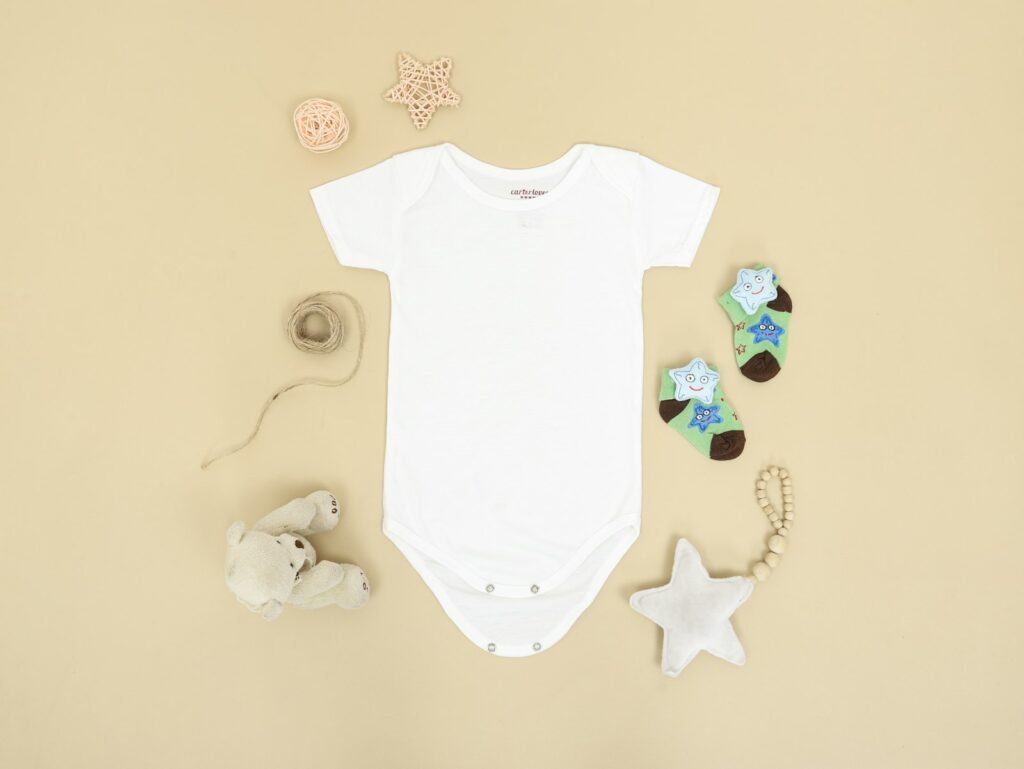
Our services can include:
We discuss your specifications before production begins. This helps clarify fabric choices, measurements, construction, decoration, packaging, and order quantities.
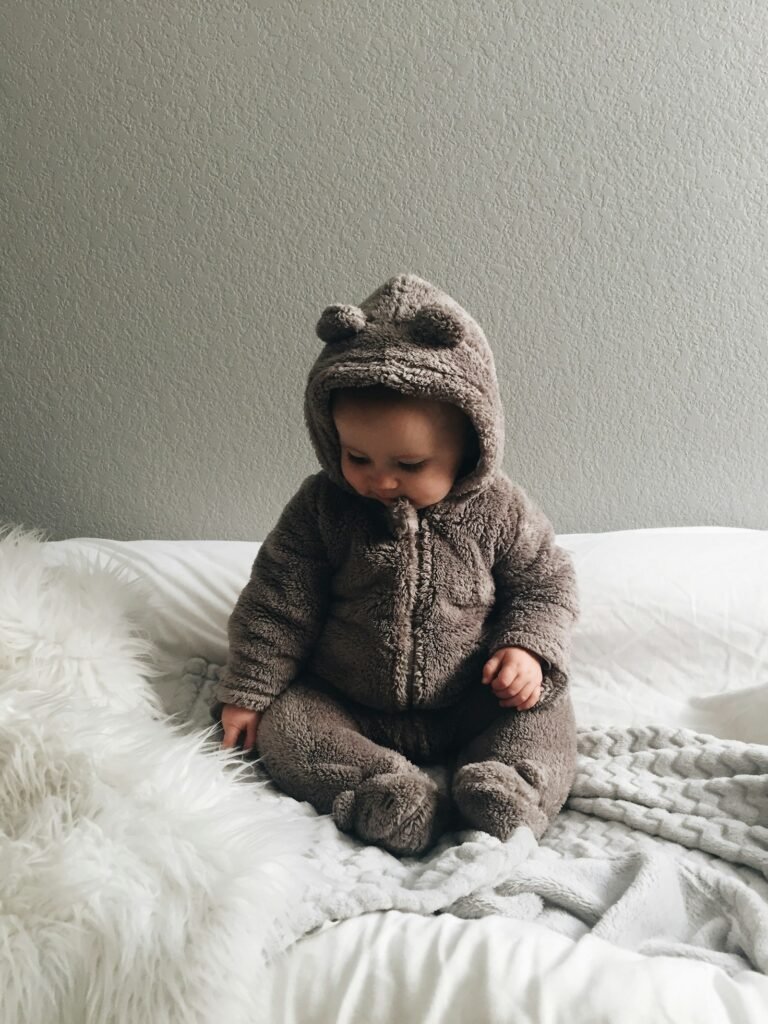
Baby Clothing Products We Can Develop
Your product range depends on your designs, materials, and production requirements. Share your collection plan with our team to discuss suitable manufacturing options.
Potential product categories include:
- Baby bodysuits and rompers
- Infant T-shirts and tops
- Baby trousers and leggings
- Baby sleepwear and pyjama sets
- Baby two-piece clothing sets
- Infant loungewear
- Baby cotton essentials
- Printed babywear
- Custom baby gifts and clothing sets
- Seasonal baby clothing collections
You can develop individual products or build a coordinated collection. For example, a collection might combine bodysuits, leggings, and matching tops using a consistent color palette and branding system.
We can review your product requirements and discuss fabric availability, construction details, and production feasibility before sampling.

Private Label Baby Clothing Supplier for Growing Brands
Building a recognizable babywear brand requires more than selecting attractive garments. You also need consistent product specifications, suitable materials, reliable production planning, and clear brand presentation.
As a private label baby clothing supplier, Fashion Soul International helps businesses develop garments with their own branding. You can use approved base designs or provide specifications for a more customized collection.
Private-label manufacturing can include:
- Custom neck labels and size labels
- Brand-specific care labels
- Printed or embroidered design details
- Custom hangtags
- Branded packaging options
- Selected colors and fabric choices
- Product-specific measurements and construction
The available options depend on the garment, material, order quantity, and design complexity.
Private labeling can suit startups launching their first babywear collection. It can also help established retailers introduce new products under an existing brand.
Before production, prepare your logo files, label artwork, packaging preferences, size chart, and design references. Clear instructions help reduce misunderstandings during sampling and bulk manufacturing.
Our team can review these details and help identify the information needed to move your project forward.
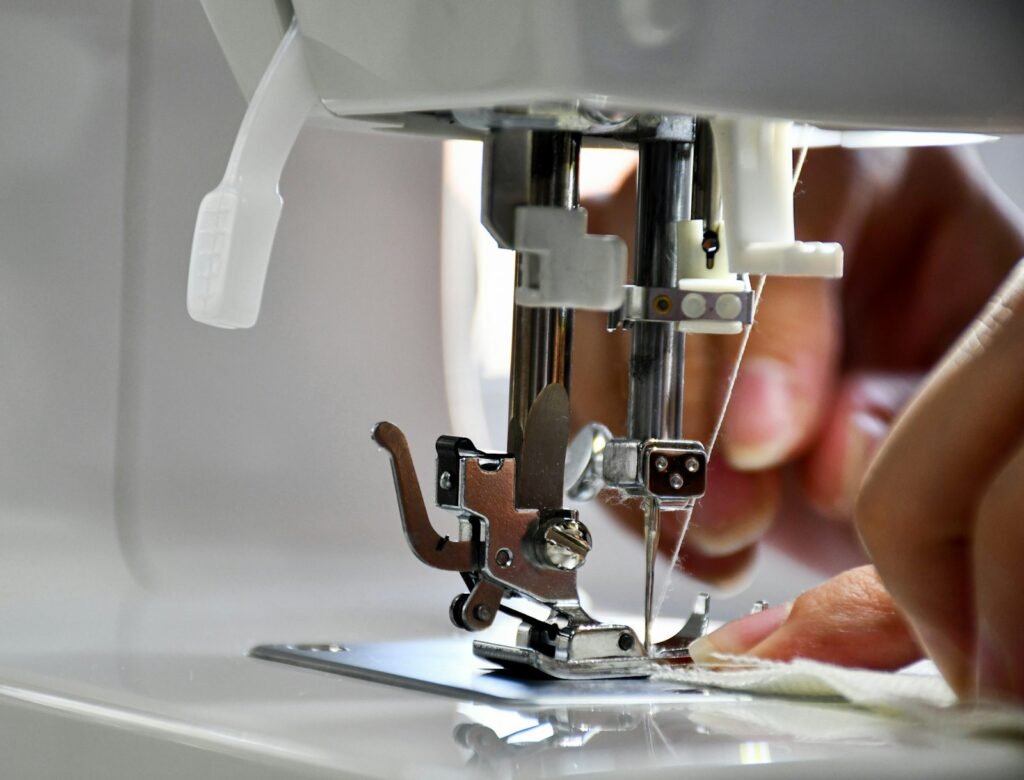
OEM Baby Wear Factory for Custom Designs
Do you already have your own baby clothing designs? Our OEM baby wear factory service is suitable for brands that want garments manufactured according to their supplied specifications.
OEM stands for Original Equipment Manufacturing. In this model, the buyer generally provides the product design, technical pack, or detailed construction requirements.
Your specifications may include:
- Technical drawings and measurements
- Fabric composition and weight
- Stitching and seam requirements
- Color references
- Print or embroidery artwork
- Buttons, snaps, and other trims
- Label placement
- Size grading
- Packaging instructions
We use the approved specifications to guide sample development and production planning.
If you do not have a complete technical pack, you can begin with reference images, sketches, or an existing garment. Our team can review your materials and explain what additional information is required before sampling.
A physical pre-production sample allows you to assess the design and construction before bulk manufacturing. We begin bulk production after you approve the sample in writing.
This process helps establish a clear reference for measurements, materials, appearance, and workmanship.
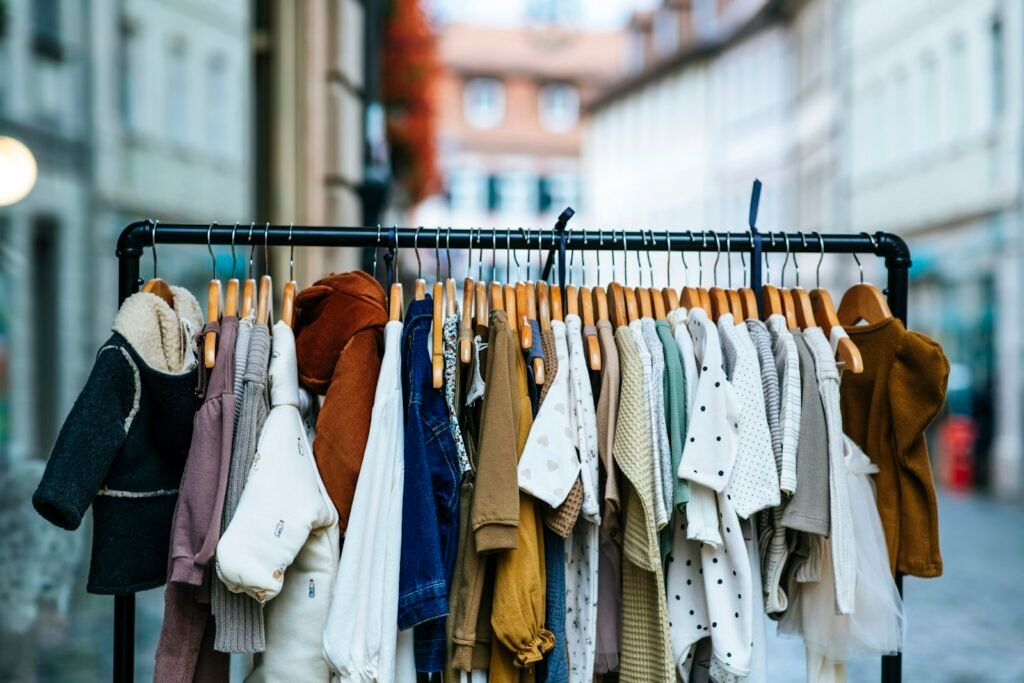
White Label Baby Clothes Manufacturer
White-label manufacturing can be useful when you want to introduce babywear products without developing every garment from the beginning.
As a white label baby clothes manufacturer, we can discuss suitable existing or adaptable product options that may be produced with your branding. The available base styles and customization options must be confirmed for each project.
Depending on the product, customization may involve:
- Brand labels and care labels
- Selected colors
- Packaging and hangtags
- Approved print or decoration options
- Product presentation details
White-label production is often suitable for businesses that want a simpler product-development process. However, it is important to confirm how much customization is possible before choosing this model.
Private-label, white-label, and OEM production are not always interchangeable. The right option depends on whether you need an existing base style, a modified product, or a garment built from your original specifications.
We help you review the available options based on your collection and business requirements.
Low MOQ Baby Clothing Manufacturing
Launching a new babywear brand can involve testing different designs, colors, and sizes. A suitable minimum order quantity helps you plan your first collection without committing to an unnecessarily large order.
Fashion Soul International’s standard MOQ starts at 100 pieces per style, per color, per size run. Final requirements depend on the product, fabric, customization, and production model.
A low MOQ can help you:
- Introduce a new babywear collection
- Test product demand
- Develop a small initial range
- Assess customer feedback
- Plan future restocking
- Manage inventory more carefully
However, low MOQ does not mean every fabric or customization option is available at every quantity. Specialized materials, custom-dyed fabrics, and complex trims may have separate minimums.
When requesting a quote, provide your expected quantity, color breakdown, size range, branding requirements, and preferred material. These details help us assess the project more accurately.
Our Baby Clothing Manufacturing Process
A clear production process helps reduce uncertainty and gives you a practical plan for developing your collection.
Step 1: Share Your Requirements
Send your design files, sketches, technical pack, or reference images. Include the intended quantities, sizes, colors, and target market.
If you are still developing your concept, explain your product goals and the type of support you need.
Step 2: Confirm Materials and Specifications
Review fabric options, trims, labels, and decoration methods. Confirm the garment measurements and construction details before sampling.
If your product requires specific organic or other material certifications, identify those requirements at this stage.
Step 3: Develop a Sample
We develop a physical sample using the agreed specifications and available materials.
Sample development typically takes 7–14 business days after design confirmation and receipt of the required information. The actual timeline depends on product complexity and material availability.
Step 4: Review and Approve the Sample
Check the sample carefully and provide any required revisions. Bulk production begins only after written approval.
Step 5: Manufacture the Bulk Order
Published bulk production timelines are generally 20–35 business days from sample approval. Your confirmed schedule depends on the order, materials, and production requirements.
Shipping transit time is separate from the manufacturing timeline.
Step 6: Inspect and Prepare the Order
The production process includes inline quality checks and pre-shipment inspection. Finished garments are prepared according to the agreed labeling and packaging requirements.
Step 7: Arrange International Shipping
We support international shipping arrangements for buyers in the USA, UK, Canada, Australia, Europe, and other markets. Available shipping methods and commercial terms depend on your destination and quotation.
Why Work With Fashion Soul International?
Fashion Soul International Private Limited is a factory-owned apparel manufacturer based in Sialkot, Pakistan. We work with startups, growing brands, retailers, wholesalers, and established clothing businesses.
The company states that it has served more than 2,500 brands and ships to over 30 countries. Its published manufacturing operation includes more than 250 workers and a monthly production capacity of approximately 50,000–100,000 garments.
2,500+
Brands served
30+
Countries shipped to
250+
Workers
50K–100K
Garments per month (approx.)
The company lists ISO 9001:2015 and ISO 14001:2015 certifications, along with REX certification. Buyers who need certification documents for supplier approval should request the current relevant records and verify that the scope meets their requirements.
Our aim is to make the manufacturing process clear, from the first product brief to the finished order.
For babywear projects, our manufacturing support can include:
- Private-label, OEM, and white-label production
- Custom product development
- Fabric and trim sourcing
- Sample development and approval
- Custom labels and packaging
- Inline quality inspection
- Pre-shipment inspection
- International shipping support
Infant Apparel Contract Manufacturing
Our infant apparel contract manufacturing service supports businesses that need an external manufacturing partner for their babywear collections.
Contract manufacturing involves agreeing on product specifications, quantities, quality requirements, production schedules, and commercial terms before manufacturing begins.
This approach can help brands focus on product planning, marketing, sales, and distribution while working with a manufacturing partner for garment production.
A typical project includes the following stages:
- Product brief: Share your designs, target quantities, and product requirements.
- Material selection: Review available fabrics, trims, colors, and decoration options.
- Sample development: Create a physical sample based on the agreed specifications.
- Sample approval: Check measurements, construction, fit, and appearance.
- Bulk production: Manufacture the approved garments.
- Quality inspection: Review workmanship and agreed product requirements.
- Packaging and shipping: Prepare the finished order for dispatch.
Clear communication at each stage helps keep the project organized. It also gives both parties a shared reference for the expected product.
We discuss production capacity, delivery expectations, and project-specific requirements before confirming an order.
Baby Clothing Fabrics and Material Selection
Fabric selection is an important part of baby clothing development. The right material depends on the garment design, intended use, season, washing requirements, and target price.
Softness alone is not enough to assess a fabric. Brands should also consider composition, construction, colorfastness, shrinkage, durability, and suitability for the finished garment.
Cotton Baby Clothing
Cotton is a common choice for everyday babywear. Depending on the fabric construction, it can be suitable for bodysuits, tops, leggings, and other lightweight garments.
When selecting cotton, consider:
- Fiber composition
- Fabric weight and thickness
- Surface feel
- Stretch and recovery
- Shrinkage after washing
- Color and print requirements
Your preferred fabric should be confirmed before sample development. This helps ensure that the sample reflects the material intended for bulk production.
Wholesale Organic Baby Clothes Supplier
Brands looking for an organic collection should establish clear requirements before sourcing materials.
As a Wholesale organic baby clothes supplier search may suggest, buyers often want organic materials, consistent bulk supply, and clear documentation. However, the word organic should only be used when the relevant material and product claims are supported by appropriate documentation.
Fashion Soul International offers fabric sourcing support and can discuss organic cotton requirements for your project. Availability, minimum quantities, and certification documentation must be confirmed for the requested material and order.
Before placing an order, ask for details about:
- Fiber composition
- Applicable organic certification
- Scope of certification
- Supplier documentation
- Color and fabric availability
- Minimum sourcing quantities
Do not assume that a garment is certified organic simply because it contains cotton. The specific material and any product-level claims need to be verified.
Organic Pima Cotton Baby Clothes Manufacturer
Pima cotton is a specific type of cotton valued for its long fibers. Buyers may consider it for premium babywear collections where fabric feel and product positioning are important.
If you are searching for an Organic pima cotton baby clothes manufacturer, share your exact fiber, certification, and fabric requirements with our team.
We can review the sourcing requirements and discuss whether the requested material can be obtained for your project. Organic status, Pima fiber claims, and any relevant certifications must be verified before they are included in product descriptions or labels.
This approach helps protect your brand from unsupported material claims.
Bamboo Baby Sleepwear Manufacturer
Bamboo-derived textiles may be considered for certain sleepwear and baby clothing products. However, the actual fiber content and manufacturing process matter when describing these materials.
If you need a Bamboo baby sleepwear manufacturer, specify the required fabric composition, construction, weight, and applicable safety or labeling standards.
Bamboo-derived fabrics can differ in how they are processed. For example, some are made using regenerated cellulose rather than mechanically processed bamboo fiber. Product labeling should accurately reflect the finished textile.
We can review your requirements and discuss sourcing feasibility, sample development, and production quantities. Material availability and any specific certification requirements must be confirmed before an order is accepted.
Babywear Quality Control and Product Requirements
Baby clothing requires careful attention to construction, fit, trims, and finishing. Product requirements should be defined before manufacturing, especially when garments are intended for infants.
Fashion Soul International describes its baby clothing capabilities as including soft-touch fabrics, OEKO-TEX-compliant material options, safety-focused construction, and custom prints. Specific materials and compliance documentation should be confirmed for each order.
Our manufacturing workflow includes sample approval, inline inspection, and pre-shipment quality checks.
What Should Be Checked?
Depending on the product specifications, inspections may cover:
- Measurements and size consistency
- Fabric defects and visible stains
- Stitching and seam quality
- Print placement and appearance
- Label position and information
- Trim attachment and construction
- Color consistency
- Packaging and order quantities
Infant garments also need suitable design and construction choices. For example, small detachable components may create hazards, while poorly secured fastenings can affect product safety.
The exact requirements depend on the garment, destination market, and applicable regulations. Buyers should specify their required standards and arrange suitable testing where necessary.
No general manufacturing statement replaces product-specific safety testing or regulatory review.
Physical Sample Approval
A physical sample gives you an opportunity to review the garment before bulk production.
Check the sample against your approved specifications. Review the measurements, fabric feel, construction, trims, print placement, labels, and overall appearance.
If changes are needed, document them clearly. A revised sample may be required before production can proceed.
Fashion Soul International does not begin bulk production until the customer approves the physical pre-production sample in writing. This creates a shared product reference for the manufacturing team.
Baby Clothing Manufacturing for International Markets
Different markets may have different labeling, product safety, chemical restriction, and documentation requirements. Your destination market should therefore be considered during product development.
Baby Clothing Manufacturer for the USA
If you are developing babywear for the United States, identify the product category and applicable requirements before production. Your compliance plan may need to address testing, labeling, tracking information, and relevant federal or state rules.
Share your requirements early so they can be reviewed during sampling and production planning.
Baby Clothing Manufacturer for the UK and Europe
Brands selling in the UK or European markets should confirm applicable product safety, textile labeling, chemical, and traceability requirements.
Requirements can differ by product and destination. Do not assume that one certificate or test report covers every garment or market.
Baby Clothing Manufacturing for Canada and Australia
Canadian and Australian buyers should also identify the rules relevant to their specific products. Include any required testing, labels, documentation, and packaging details in the technical specifications.
Planning these requirements before sampling can help reduce later changes.
Request a Baby Clothing Manufacturing Quote
Ready to develop your babywear collection? Contact Fashion Soul International with your product details to discuss manufacturing options.
Contact Fashion Soul International to discuss your custom baby clothing project, request a quote, and plan your pre-production sample.
To help us review your project, include:
- Product type and design references
- Estimated order quantity
- Size range and color options
- Preferred fabric composition
- Logo, label, and packaging requirements
- Destination country
- Required certifications or testing
- Target production and delivery schedule
A complete brief helps us assess the project and identify the next steps. If you have a technical pack, attach it to your inquiry. If you do not have one, begin with reference images or a design brief.
1. What is the minimum order quantity for baby clothing?
Our standard MOQ starts at 100 pieces per style, per color, per size run. The final minimum depends on the product, material, customization, and production requirements.
2. Can you manufacture private-label baby clothes?
Yes. We offer private-label manufacturing options that can include custom labels, care labels, hangtags, packaging, and selected product customizations. The available options depend on your design and order quantity.
3. Do you provide OEM baby clothing manufacturing?
Yes. We can discuss OEM projects based on your designs, technical packs, reference samples, and approved specifications. A physical pre-production sample is reviewed before bulk manufacturing.
4. Can you produce white-label baby clothes?
We can discuss suitable white-label options based on available base styles and your branding requirements. Product availability and customization options must be confirmed for each project.
5. Can you source organic cotton or Pima cotton?
Share your exact fabric and certification requirements. We can review sourcing feasibility and confirm material availability and documentation before production. Organic or Pima claims should only be used when supported by suitable evidence.
6. Can you manufacture bamboo baby sleepwear?
We can review your requested bamboo-derived fabric, garment design, quantities, and compliance requirements. Material availability and sourcing terms must be confirmed before the project is accepted.
7. How long does baby clothing production take?
Sample development typically takes 7–14 business days. Bulk production generally takes 20–35 business days after sample approval. These timelines exclude shipping transit and may vary by project.
8. Do you ship baby clothing internationally?
Yes. Fashion Soul International serves international apparel buyers and states that it ships to more than 30 countries. Shipping options, costs, and delivery terms depend on the destination and order.
9. Can startups work with your factory?
Yes. Our standard MOQ starts at 100 pieces per style, per color, per size run, which may suit some startup projects. The final quantity depends on the product and material requirements.
10. What do I need to request a quote?
Share your product design or reference images, expected quantity, size range, colors, fabric preferences, branding requirements, destination country, and timeline. A technical pack is helpful, but you can begin with a clear design brief.