Eco Friendly Tracksuit: A Complete Guide to Sustainable Style and Manufacturing
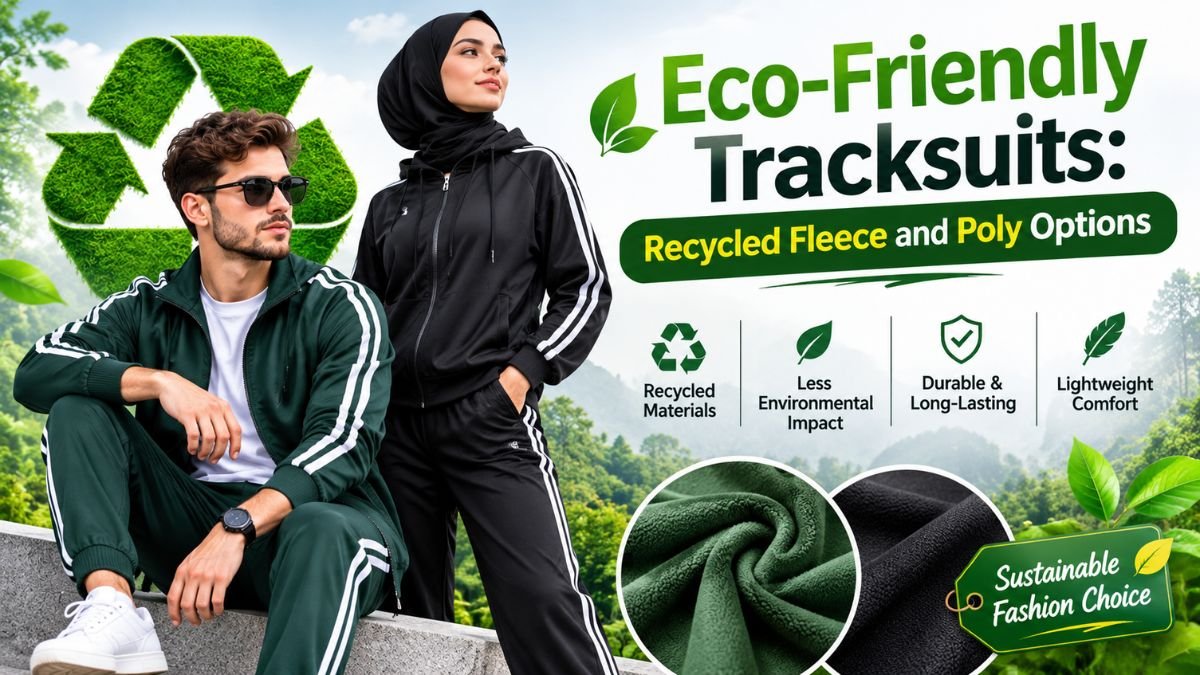
An eco friendly tracksuit combines everyday comfort, practical design, and more responsible material choices. As consumers become more aware of clothing waste and environmental impact, sustainable sportswear is gaining attention. People want tracksuits that feel comfortable, last longer, and use materials with a lower environmental footprint.
For clothing brands, creating sustainable tracksuits involves more than choosing fabric with an eco-friendly label. Material sourcing, dyeing, cutting, stitching, finishing, packaging, and transportation all matter. Every stage can affect the environmental impact of the finished garment.
Whether you are a consumer looking for better sportswear or a brand planning a sustainable clothing collection, understanding these details can help you make informed decisions. This guide explains eco-friendly tracksuit materials, important design features, manufacturing steps, quality checks, and how to choose a suitable clothing manufacturer.
What Is an Eco Friendly Tracksuit?
An eco friendly tracksuit is a coordinated top-and-bottom clothing set designed with more environmentally responsible materials and production practices. It usually includes a sweatshirt, hoodie, jacket, or zip-up top with matching trousers or joggers.
The term describes the choices made throughout a garment’s lifecycle. These choices may include using recycled fibres, responsibly sourced natural materials, lower-impact dyeing methods, durable construction, and reduced packaging waste.
However, the word “eco-friendly” does not automatically mean that a product has no environmental impact. Every textile requires resources to produce, process, transport, and eventually dispose of.
A genuinely more sustainable tracksuit should be evaluated through several factors:
- Fabric: Does the material contain recycled or responsibly sourced fibres?
- Production: Are water, energy, and chemicals managed responsibly?
- Durability: Is the garment designed to withstand regular use and washing?
- Finishing: Are printing, dyeing, and finishing methods selected carefully?
- Packaging: Is unnecessary packaging reduced?
- Transparency: Can the brand explain where and how the product is made?
Looking at the complete production process gives buyers a more realistic understanding of sustainability.
Why Are Eco-Friendly Tracksuits Becoming Popular?
Sportswear is no longer limited to gyms and fitness activities. Tracksuits are now common in casual outfits, travel clothing, streetwear, and everyday fashion.
At the same time, consumers are paying closer attention to the materials and manufacturing practices behind their clothing. This has encouraged brands to explore more responsible options for their collections.
Growing Interest in Sustainable Fashion
Many shoppers want clothing that matches their personal values. They may look for recycled fabrics, organic materials, responsible sourcing, and better garment durability.
This interest creates opportunities for brands to develop collections with clear material information and transparent product descriptions.
Comfort and Everyday Use
Tracksuits are popular because they offer comfort and flexibility. A well-designed set can be worn for exercise, travel, casual outings, or relaxing at home.
Soft fabrics, suitable stretch, comfortable waistbands, and practical pockets improve the wearing experience. These features remain important when developing a sustainable product.
Demand for Better Product Quality
A garment that wears out quickly may need replacing sooner. Poor stitching, weak fabric, and damaged prints can reduce its useful life.
Brands can support more responsible consumption by focusing on construction quality and choosing materials that suit the intended use.
Opportunities for Clothing Brands
Sustainable tracksuits give clothing businesses an opportunity to serve customers interested in responsible fashion. Brands can develop products around recycled polyester, organic cotton, or other verified material options.
The important point is to communicate accurately. A product should not be marketed as certified, organic, biodegradable, or carbon-neutral unless the relevant evidence supports that claim.
Best Fabrics for an Eco Friendly Tracksuit
Fabric selection is one of the most important decisions when developing a sustainable tracksuit. The right material affects comfort, appearance, durability, performance, and environmental impact.
There is no single fabric that is automatically the best choice for every tracksuit. The ideal option depends on the product’s purpose, budget, design, and available sourcing information.
1. Organic Cotton
Organic cotton is grown under recognised organic agricultural standards. These standards restrict certain synthetic pesticides and fertilisers.
It is a popular option for casual tracksuits because cotton feels soft and comfortable against the skin.
Benefits of organic cotton include:
- Soft and breathable feel
- Suitable for casual and everyday clothing
- Comfortable for cooler weather when used in heavier constructions
- Available in different fabric weights
- Suitable for sweatshirts, hoodies, and joggers
However, organic cotton is not impact-free. Growing, processing, dyeing, and transporting it still require resources.
Brands should check supplier documentation and relevant certification details before making organic claims.
2. Recycled Polyester
Recycled polyester is commonly produced using recovered plastic materials or recycled polyester textiles. It can be used in lightweight sportswear and performance tracksuits.
It offers several practical features:
- Lightweight construction
- Quick-drying performance
- Resistance to many forms of everyday wear
- Suitability for athletic clothing
- Compatibility with different sportswear designs
Recycled polyester can reduce the need for virgin polyester feedstock. However, its environmental benefits depend on the source material, production method, and product lifecycle.
Brands should also consider fibre shedding during washing and the challenges of recycling blended fabrics.
3. Recycled Cotton
Recycled cotton is made by recovering cotton fibres from textile waste or used cotton products.
It can help keep textile materials in circulation and reduce the need for some virgin cotton inputs.
Possible advantages include:
- Better use of existing textile resources
- Suitability for casual clothing
- Reduced reliance on new cotton fibres
- Opportunities for material reuse
Recycled cotton fibres can be shorter than virgin fibres. Manufacturers may blend them with other fibres to achieve the required strength and fabric performance.
4. Organic Cotton and Recycled Polyester Blends
Some tracksuits use a blend of cotton and polyester. A blend can combine cotton’s comfortable feel with polyester’s strength and drying performance.
Using recycled polyester instead of virgin polyester may improve the material profile, depending on the source and manufacturing process.
Brands should confirm the exact fibre percentages. They should also check whether the fabric is suitable for the garment’s intended use.
5. Other Lower-Impact Material Options
Other materials may also be considered during sustainable tracksuit development. These include certain responsibly sourced cellulosic fibres and recycled textile materials.
Each option has different performance and processing requirements. Buyers should compare the material’s origin, production method, durability, care instructions, and available verification documents.
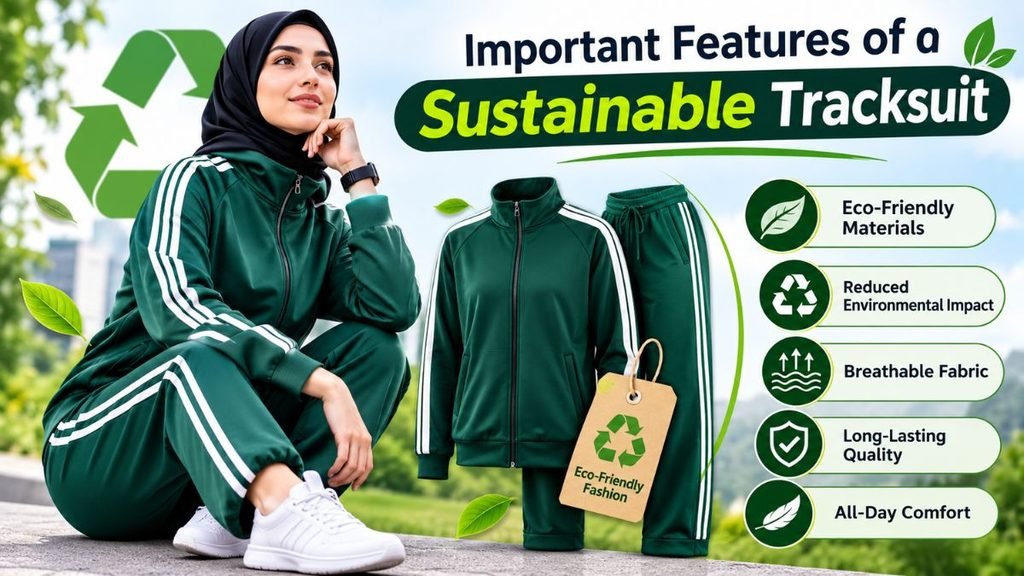
Important Features of a Sustainable Tracksuit
A good eco friendly tracksuit should offer more than a responsible fabric choice. It should also provide the comfort, fit, and durability expected from quality sportswear.
Comfortable Fabric Weight
Fabric weight is commonly measured in GSM, which means grams per square metre. It helps buyers understand how lightweight or heavy a fabric is.
A lighter fabric may suit warm weather and training. A heavier fleece or French terry may be more suitable for colder conditions.
The correct GSM depends on the product design and target customer. Buyers should request fabric swatches before confirming bulk production.
Breathability and Moisture Management
Tracksuits designed for exercise should support comfortable movement and temperature management.
Cotton fabrics offer a familiar breathable feel, while suitable polyester constructions can support moisture management and quicker drying.
The right choice depends on the activity. A casual lounge tracksuit may need different performance features from a running or training set.
Stretch and Flexibility
Movement is important in sportswear. A tracksuit should allow the wearer to walk, stretch, exercise, and sit comfortably.
Some fabrics contain elastane or spandex to improve stretch and recovery. However, fibre blends should be selected carefully because they can affect future recycling options.
Durable Stitching
Strong stitching helps garments maintain their shape during regular use. Seam construction, thread selection, and reinforcement all affect durability.
Common areas requiring attention include:
- Shoulder seams
- Armholes
- Side seams
- Crotch seams
- Waistbands
- Pocket openings
- Cuffs and hems
A garment should be tested through appropriate inspections and wear or wash testing where required.
Practical Design Details
Small design features can make a tracksuit more useful. These may include adjustable drawstrings, elastic waistbands, secure pockets, quality zippers, and comfortable cuffs.
Brands should choose trims that match the garment’s intended lifespan and design requirements.
How Are Eco-Friendly Tracksuits Manufactured?
The garment manufacturing process involves several stages. Each stage creates opportunities to improve material use, production planning, and product quality.
1. Design and Product Development
The process starts with the tracksuit design. A brand decides the style, fit, colour, fabric, and target customer.
The design brief should explain whether the product is intended for casual wear, gym use, outdoor activities, or streetwear.
A technical package can include:
- Front and back design sketches
- Measurement specifications
- Fabric details and fibre composition
- Colour references
- Stitching instructions
- Pocket and zipper details
- Logo placement
- Label and packaging requirements
Clear instructions help the manufacturer understand the product before sampling begins.
2. Fabric Sourcing
After the design is approved, the next step is sourcing suitable fabric.
For a sustainable tracksuit, the brand should specify the material requirements. These may include organic cotton, recycled polyester, recycled cotton, or an approved blend.
Ask the supplier for:
- Fibre composition
- Fabric weight and width
- Material origin
- Available colour options
- Relevant certificates or transaction documents
- Fabric test information, where available
- Minimum order requirements
A material name alone is not enough to prove sustainability. Documentation helps support accurate product claims.
3. Pattern Development
Pattern development converts the design into pieces that can be cut and assembled.
The manufacturer creates patterns for the tracksuit top and trousers. These patterns must account for measurements, fit, seam allowances, and construction details.
Accurate patterns help reduce fitting problems and unnecessary material waste.
4. Sampling and Approval
A sample allows the brand to examine the actual product before bulk production.
The sample should be checked for fit, fabric feel, measurements, stitching, colour, trims, and overall appearance.
If changes are needed, the brand can provide feedback before approving the final pre-production sample.
Bulk manufacturing should begin only after the agreed sample and specifications are approved.
5. Fabric Cutting
Once the fabric is ready, the manufacturer prepares it for cutting.
Fabric layers are arranged according to the cutting plan. Pattern pieces are then cut to the required shapes and sizes.
Careful marker planning can improve fabric utilisation. Accurate cutting also helps maintain consistent garment measurements.
6. Sewing and Assembly
The cut pieces are assembled using suitable stitching methods.
For a tracksuit, this may involve attaching sleeves, joining body panels, constructing trousers, inserting waistbands, and adding pockets.
The manufacturer should follow the approved construction details. Stitch quality and measurements should be checked during production.
7. Printing, Embroidery, and Branding
Brands may add logos, artwork, or other decorative details.
Common options include screen printing, embroidery, heat transfer, and other suitable decoration methods.
The chosen method should match the fabric and design. Buyers should also consider durability, material compatibility, and the type of chemicals or processes involved.
8. Finishing and Quality Inspection
After assembly, garments may go through finishing steps such as thread trimming, pressing, measurement checks, and appearance inspection.
Quality control can examine:
- Stitching consistency
- Measurement accuracy
- Fabric defects
- Print or embroidery placement
- Zipper function
- Colour consistency
- Overall garment appearance
A clear inspection plan helps identify problems before products are packed.
9. Packaging and Shipping
The final stage involves folding, tagging, packing, and preparing the order for shipment.
Brands interested in reducing packaging waste can discuss packaging materials and quantities with their manufacturer.
Shipping choices should be considered as part of the overall product plan. International freight, packaging, and delivery requirements can affect the environmental footprint of the finished tracksuit.
How to Choose a Sustainable Tracksuit Manufacturer
Choosing the right manufacturer is important for product quality and responsible sourcing. A supplier should understand your design requirements and be able to explain its materials and production processes.
Here are important points to consider.
Ask About Fabric Sources
Find out where the fabric comes from and whether the supplier can provide supporting documentation.
If you want organic cotton or recycled polyester, specify the required fibre percentage and verification standard.
Do not rely only on general descriptions such as “green fabric” or “sustainable material.”
Check Manufacturing Capabilities
Your manufacturer should understand tracksuit construction, fabric behaviour, pattern development, sampling, and bulk production.
Ask whether the factory can handle both the top and bottom of the set. Confirm its ability to manage the required fabric, trims, printing, and embroidery.
Review Samples
A physical sample helps you judge the product before placing a larger order.
Check the fit, fabric weight, colour, stitching, comfort, and finishing. Wash testing may also be useful to evaluate shrinkage, colourfastness, and shape retention.
Understand Minimum Order Quantities
Minimum order quantity, or MOQ, refers to the smallest order a manufacturer accepts.
MOQ may depend on the fabric, colour, design, printing method, and production requirements.
Small clothing brands should confirm the MOQ for each tracksuit style and colour before committing to a project.
Ask About Quality Control
A manufacturer should explain how it checks products during and after production.
Ask about measurement inspections, fabric checks, sewing inspections, and pre-shipment procedures.
These checks help reduce defects and improve consistency across the order.
Check Communication and Delivery Details
Clear communication helps prevent misunderstandings.
Before placing an order, confirm:
- Sample development time
- Bulk production schedule
- Payment terms
- Packaging specifications
- Shipping method
- Export documentation
- Destination requirements
A written quotation should explain the agreed specifications and costs.
Sustainable Tracksuit Ideas for Clothing Brands
Brands can develop different tracksuit styles around their target customers. The design should match the fabric’s properties and intended use.
Minimalist Cotton Tracksuits
A minimalist tracksuit can feature a clean silhouette, neutral colours, and subtle branding.
Organic cotton or a verified cotton blend may suit this style. The design can include a simple sweatshirt, matching joggers, and practical pockets.
Recycled Sportswear Tracksuits
A performance-focused set may use recycled polyester fabric where suitable.
This style can include lightweight construction, elastic waistbands, zip pockets, and athletic panel details.
The brand should confirm that the fabric meets the required performance specifications.
Oversized Streetwear Tracksuits
Oversized tracksuits are popular in casual and streetwear collections.
A heavier cotton-based fabric or suitable blend can provide the desired structure. Brands may add embroidery, printed graphics, dropped shoulders, and relaxed trousers.
Lightweight Travel Tracksuits
A lightweight set can suit travel, everyday errands, and casual activities.
The design may use a soft, easy-care fabric with a comfortable fit. Practical pockets and simple construction can make the product more versatile.
Matching Tracksuit Sets
Coordinated tops and bottoms create a complete outfit.
Brands should ensure that both pieces use matching fabric, colour, and finishing. Consistent sizing and colour control are especially important when producing sets.
How to Market an Eco Friendly Tracksuit Responsibly
Sustainability claims should be specific, clear, and supported by evidence. A brand should explain what makes its tracksuit a more responsible option instead of relying on broad marketing language.
Explain the Fabric Composition
Include the exact fibre percentages in the product description.
For example, state the percentage of organic cotton or recycled polyester only when supplier documentation supports the claim.
Provide Certification Information
If a fabric or product has a relevant certification, explain what it covers.
A certification may apply to a material, facility, chemical process, or finished product. These are not interchangeable.
Brands should verify certificate scope, validity, and the organisations or products covered.
Avoid Broad Environmental Promises
Words such as “100% sustainable,” “zero impact,” and “completely eco-friendly” can be misleading without strong evidence.
Use clear descriptions of specific product features instead.
Explain Care Instructions
Care instructions can help customers maintain their clothing for longer.
Recommend washing according to the garment’s label, avoiding unnecessary high temperatures, and following appropriate drying instructions.
For synthetic fabrics, brands can also provide practical guidance on reducing fibre release during washing where relevant.
Focus on Durability
Long-lasting clothing can reduce the need for frequent replacement.
Strong seams, suitable fabric, reliable trims, and good construction are important parts of product quality.
Common Mistakes to Avoid When Developing Sustainable Tracksuits
A sustainable clothing project can face problems when brands focus only on marketing claims.
Choosing fabric without checking documentation: A supplier’s description does not automatically verify recycled or organic content. Request relevant records.
Ignoring fabric performance: A material may have a desirable environmental profile but fail to meet the garment’s comfort or durability needs.
Using unnecessary fabric blends: Blending fibres can make recycling more difficult. Choose blends based on genuine performance needs.
Skipping sample approval: Bulk production without an approved sample increases the risk of fit, colour, and construction problems.
Overlooking garment care: Shrinkage, colour fading, and poor durability can affect the useful life of a tracksuit.
Making unsupported claims: Do not describe a product as certified, biodegradable, or carbon-neutral without appropriate evidence.
Ignoring packaging and shipping: Sustainability considerations should not stop at fabric selection. Packaging and transport are also part of the product’s lifecycle.
Eco Friendly Tracksuit Manufacturing at Fashion Soul International
Fashion Soul International is a factory-owned custom clothing manufacturer based in Sialkot, Pakistan. The company works with clothing brands that need private-label, OEM, ODM, white-label, cut-and-sew, and full-package apparel production.
Its product range includes tracksuits, activewear, sportswear, streetwear, hoodies, T-shirts, jackets, and other custom garments.
For brands developing an eco friendly tracksuit, the first step is to share clear product requirements. These should include the desired fabric composition, fabric weight, colours, fit, measurements, trims, branding, and order quantity.
Fashion Soul International supports product development, fabric sourcing, sampling, bulk production, quality control, custom branding, packaging, and international shipping.
The company’s published standard MOQ starts at 100 pieces. Actual requirements may vary according to the style, fabric, colour, and construction. Brands should confirm the MOQ for their specific tracksuit project.
Fabric and Product Development
Brands can discuss suitable fabric options and construction details during product development.
If a project requires organic or recycled materials, buyers should identify the exact material specifications before sampling. They should also request available documentation to support any environmental claims.
Material availability and verification should be confirmed for each project. A fabric should not be described as certified or sustainable without supporting evidence.
Sampling Before Bulk Production
Sampling gives buyers an opportunity to review the product before placing a bulk order.
The sample can be checked for fabric feel, fit, measurements, stitching, colour, branding, and finishing.
Changes can be discussed before the final pre-production sample is approved.
Quality Control
Quality checks are an important part of garment manufacturing. Fashion Soul International’s stated production process includes inline inspection and pre-shipment quality inspection.
For tracksuits, buyers can agree on checks for measurements, seams, fabric defects, printing, embroidery, trims, and overall appearance.
Branding and Packaging
Custom branding can include labels, logos, hang tags, and other approved details.
Brands can also discuss packaging requirements based on their retail or e-commerce needs. If reduced packaging is a project goal, explain the requirement before production.
International Production and Shipping
Fashion Soul International serves international apparel brands and offers international shipping arrangements.
Buyers should confirm the destination, shipping method, delivery terms, documentation, and any applicable import requirements before placing an order.
By discussing these details early, brands can plan a tracksuit project with clearer expectations.
Frequently Asked Questions About Eco Friendly Tracksuits
What Is the Most Eco-Friendly Fabric for a Tracksuit?
There is no single best option for every tracksuit. Organic cotton, recycled polyester, and recycled cotton may be suitable depending on the design and intended use. Compare fibre sourcing, processing, durability, and available documentation before choosing.
Are Organic Cotton Tracksuits Better for the Environment?
Organic cotton is produced under organic agricultural standards that restrict certain synthetic pesticides and fertilisers. However, its total environmental impact also depends on processing, dyeing, transport, garment durability, and care.
Is Recycled Polyester Suitable for Sportswear?
Yes. Recycled polyester can be used in lightweight sportswear and performance tracksuits. It offers useful drying and durability properties. Buyers should check fibre content and consider the material’s full lifecycle.
Can Sustainable Tracksuits Be Customized?
Yes. Brands can develop custom tracksuits with different fits, colours, fabrics, logos, embroidery, prints, labels, and packaging. Material availability and production requirements should be confirmed before sampling.
How Can I Verify Whether a Tracksuit Is Sustainable?
Check the fabric composition, supplier documentation, relevant certificates, production information, and care instructions. Look for specific evidence rather than relying only on general environmental claims.
Are Eco-Friendly Tracksuits Suitable for Everyday Wear?
Yes. Tracksuits made with suitable cotton, recycled fibres, or verified blends can be designed for everyday use. Comfort depends on fabric weight, fit, construction, and the garment’s intended purpose.
What Should a Brand Ask a Tracksuit Manufacturer?
Ask about fabric composition, sourcing documents, MOQ, sample development, production timelines, quality inspections, custom branding, packaging, and shipping. Request a physical sample before approving bulk production.
Can Small Brands Order Custom Tracksuits?
Some manufacturers accept smaller production orders. Fashion Soul International publishes a standard MOQ starting at 100 pieces, although the actual requirement depends on the product and project specifications. Confirm the quantity during quotation.
Final Thoughts
An eco friendly tracksuit should combine comfort, practical design, reliable construction, and carefully selected materials. Organic cotton, recycled polyester, and recycled cotton can all be useful options, but each has different benefits and limitations.
Brands should look beyond the fabric label. They should check sourcing documents, production methods, garment durability, finishing, packaging, and shipping. Clear information helps customers understand what makes a product a more responsible choice.
For clothing businesses, working with an experienced custom clothing manufacturer can make product development easier. By preparing clear specifications, reviewing samples, and agreeing on quality requirements, brands can build tracksuit collections that meet their design and customer needs.