Athleisure Wear Women: A Complete Guide to Comfort and Style
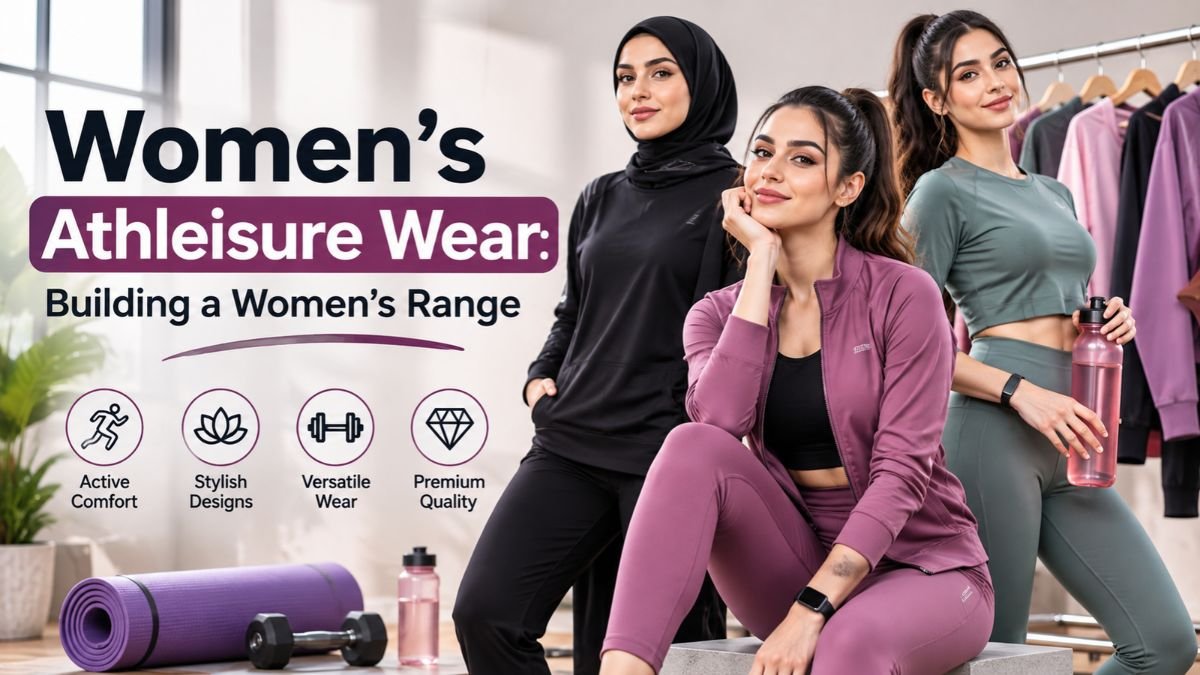
Athleisure wear women choose today combines everyday comfort with practical sportswear features. It allows women to move easily while looking stylish throughout the day. These outfits work for workouts, travel, shopping, casual meetings, and relaxing at home.
Athleisure is more than wearing gym clothes outside the gym. It brings together comfortable fabrics, functional designs, flattering fits, and modern fashion. Women can create simple outfits or coordinated looks without sacrificing comfort.
This guide explains what women’s athleisure wear includes, which fabrics work best, how to style different pieces, and what to consider when buying quality clothing. It also explores how clothing brands can develop their own athleisure collections.
What Is Athleisure Wear for Women?
Athleisure wear is clothing designed to combine athletic functionality with everyday fashion. It takes inspiration from sportswear but uses designs that suit daily activities.
Women’s athleisure clothing often includes leggings, joggers, sports bras, fitted tops, oversized T-shirts, hoodies, and matching sets. These pieces provide flexibility and comfort while maintaining a polished appearance.
Traditional gym clothing focuses mainly on exercise performance. Athleisure clothing has a wider purpose. Women can wear it during workouts and continue wearing it for everyday activities.
For example, a woman might pair black leggings with a fitted top and a lightweight jacket. She can wear the same outfit for a morning walk, grocery shopping, or a casual coffee meeting.
The main idea is simple: clothing should feel comfortable, function well, and look appropriate for different parts of daily life.
Why Is Women’s Athleisure Wear So Popular?
Women’s athleisure has become a practical clothing choice because modern lifestyles often involve several activities in one day. Many women want outfits that can adapt to different settings.
Here are some reasons behind its popularity.
1. Comfort for Everyday Activities
Comfort is one of the biggest reasons women choose athleisure. Stretch fabrics allow easier movement. Soft waistbands and flexible designs can also make clothing more comfortable.
Leggings, joggers, and relaxed tops are useful for long days. They provide an alternative to restrictive everyday clothing.
2. Easy Styling
Athleisure pieces are simple to combine. A few basic items can create several outfits.
For example, black leggings can work with a sports bra, oversized sweatshirt, long-sleeve top, or casual jacket. Neutral colors make these combinations even easier.
3. Suitable for Different Activities
Many athleisure pieces can be used for more than one activity. A pair of supportive leggings may work for walking, stretching, and light exercise.
However, not every athleisure garment is suitable for intense training. Buyers should check its fabric, support, and construction before choosing it for a specific workout.
4. Modern Fashion Appeal
Athleisure combines simple silhouettes with modern details. Matching sets, subtle branding, neutral shades, and clean designs create a fashionable appearance.
Women can choose minimal outfits or experiment with brighter colors and statement pieces.
5. Practical Wardrobe Choices
A versatile athleisure wardrobe can reduce the need for separate outfits for every casual activity. A few well-made pieces can create many combinations.
This makes athleisure useful for women who prefer a simple and functional wardrobe.
Popular Types of Athleisure Wear for Women
Women’s athleisure collections include several garment types. Each item serves a different purpose and can be styled in multiple ways.
1. Women’s Leggings
Leggings are among the most recognizable athleisure products. They offer a close fit and flexibility for movement.
Popular options include:
- High-waisted leggings
- Full-length leggings
- Cropped leggings
- Flared leggings
- Seamless leggings
- Compression-style leggings
High-waisted designs provide additional coverage around the waist. Flared leggings create a relaxed silhouette and pair well with fitted tops.
When choosing leggings, check the fabric stretch, waistband construction, stitching, and opacity. The garment should remain comfortable during movement.
2. Sports Bras
Sports bras are designed to provide support during physical activities. They are also commonly worn as part of casual athleisure outfits.
Different designs provide different levels of support.
- Low-support bras suit activities such as stretching and relaxed movement.
- Medium-support bras can suit activities such as cycling and some fitness sessions.
- High-support bras are designed for higher-impact activities.
Fit is especially important. The band should feel secure without restricting breathing. Straps should stay in place, and the fabric should not cause uncomfortable pressure.
3. Joggers and Sweatpants
Women’s joggers offer a relaxed alternative to fitted leggings. They often feature elastic waistbands, adjustable drawstrings, and tapered legs.
Joggers work well for travel, casual outings, and relaxed days. They can be paired with fitted tops, crop tops, sweatshirts, and lightweight jackets.
French terry and fleece are common choices for joggers. The best option depends on the season and intended use.
4. Oversized T-Shirts
Oversized T-shirts add a relaxed look to athleisure outfits. They are easy to style and work with leggings, cycling shorts, and joggers.
Cotton and cotton-blend fabrics are popular choices. They offer a soft feel and suit casual everyday wear.
For a balanced outfit, pair a loose T-shirt with fitted leggings. Women can also choose a cropped or tucked-in style for a different silhouette.
5. Hoodies and Sweatshirts
Hoodies and sweatshirts are useful layering pieces. They provide extra coverage and can make an outfit feel more relaxed.
Common designs include:
- Pullover hoodies
- Zip-up hoodies
- Cropped sweatshirts
- Oversized hoodies
- Lightweight training layers
Fleece offers a warmer feel, while French terry can work for lighter layering. Design details such as ribbed cuffs, drawstrings, pockets, and custom prints can change the overall look.
6. Matching Athleisure Sets
Matching sets create a coordinated outfit with little styling effort. They usually include two or more pieces in the same color or design.
Popular combinations include:
- Leggings with a sports bra
- Leggings with a fitted top
- Joggers with a sweatshirt
- Cycling shorts with an oversized T-shirt
- Matching jackets and trousers
Matching sets can also help clothing brands create a consistent collection. Color, fabric, fit, and finishing should remain consistent across the pieces.
7. Cycling Shorts
Cycling shorts are shorter than full-length leggings. They are popular for warm weather, workouts, and casual styling.
Women can wear them with sports bras, oversized T-shirts, cropped tops, and lightweight jackets.
The waistband should stay comfortable during movement. Fabric should provide suitable stretch and coverage for the intended activity.
Best Fabrics for Women’s Athleisure Clothing
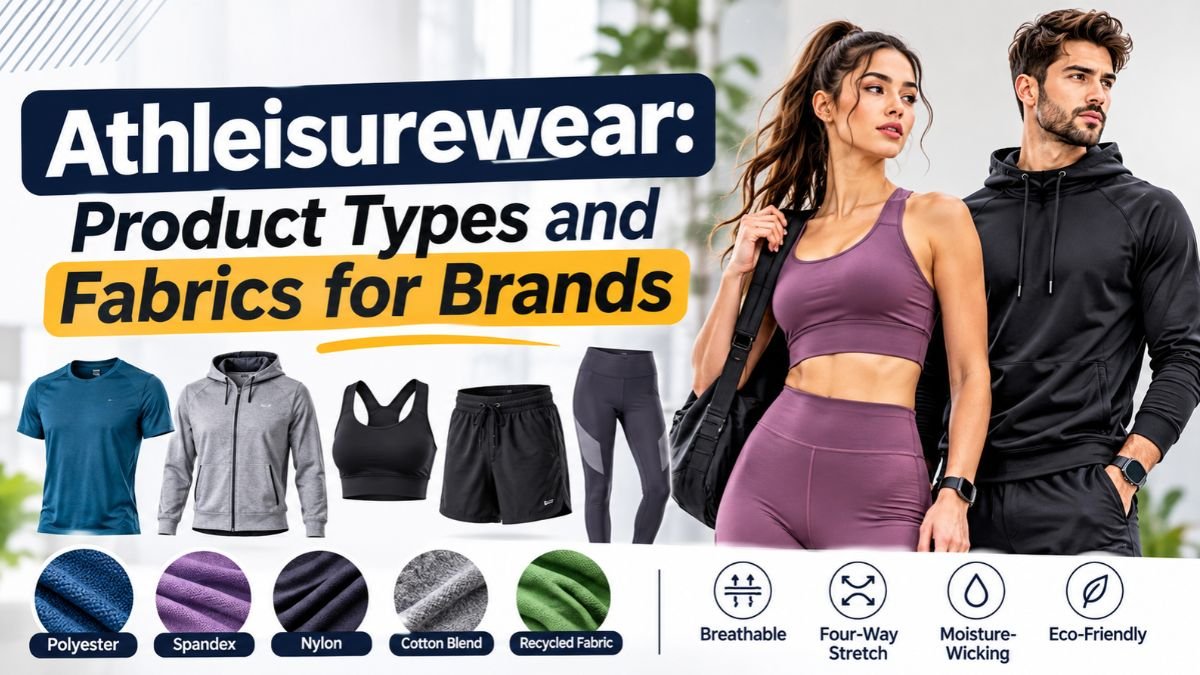
Fabric selection affects comfort, fit, durability, and performance. The right material depends on how the garment will be used.
Polyester
Polyester is widely used in sportswear and activewear. It is lightweight, durable, and often dries faster than many natural fibers.
It can be suitable for training tops, leggings, and other performance-focused garments. Fabric construction and finishing also influence its breathability and moisture management.
Nylon
Nylon is known for its smooth feel, strength, and abrasion resistance. It is commonly used in fitted activewear.
Nylon blends can provide a soft surface and good stretch when combined with elastane. They are often considered for leggings, sports bras, and fitted tops.
Spandex or Elastane
Spandex, also called elastane, provides stretch and recovery. It is commonly blended with polyester or nylon.
This material helps garments move with the body. It can also help clothing return to its original shape after stretching.
The percentage of elastane should match the garment’s intended fit and performance requirements.
Cotton
Cotton is a popular natural fiber. It feels soft and is suitable for many casual clothing styles.
Cotton T-shirts, sweatshirts, and relaxed joggers are common everyday options. However, cotton can absorb moisture and may take longer to dry than some synthetic performance fabrics.
French Terry
French terry is a knitted fabric with a smooth outer surface and looped structure on the inside.
It is commonly used for sweatshirts, joggers, and casual sets. It can provide comfort without the heavier feel of some fleece fabrics.
Fleece
Fleece fabrics are often selected for warmer clothing. They are useful for hoodies, sweatpants, and cold-weather layers.
Brushed fleece has a soft inner surface. Its warmth and weight depend on the fabric specification.
Fabric Comparison
| Fabric | Common use | Main feature |
|---|---|---|
| Polyester | Training tops and leggings | Lightweight and durable |
| Nylon | Fitted activewear | Smooth feel and strength |
| Spandex blends | Stretch garments | Flexibility and recovery |
| Cotton | T-shirts and casual tops | Soft natural feel |
| French terry | Joggers and sweatshirts | Comfortable midweight structure |
| Fleece | Hoodies and warm layers | Softness and warmth |
Brands should test fabric samples before approving bulk production. Stretch, recovery, color, shrinkage, and feel can vary between fabric qualities.
How to Style Athleisure Wear for Women
Athleisure is easy to style
when the outfit has a clear balance. Women can combine fitted and relaxed pieces to create different looks.
1. Create a Simple Leggings Outfit
Start with black or neutral leggings. Add a fitted top or sports bra and a lightweight jacket.
This combination works for walking, casual errands, and relaxed activities. Choose comfortable sneakers to complete the outfit.
2. Wear a Matching Set
A coordinated set creates a clean appearance. Choose a matching top and bottom in a color that suits your personal style.
Neutral shades create a minimal look. Brighter shades can make the outfit more noticeable.
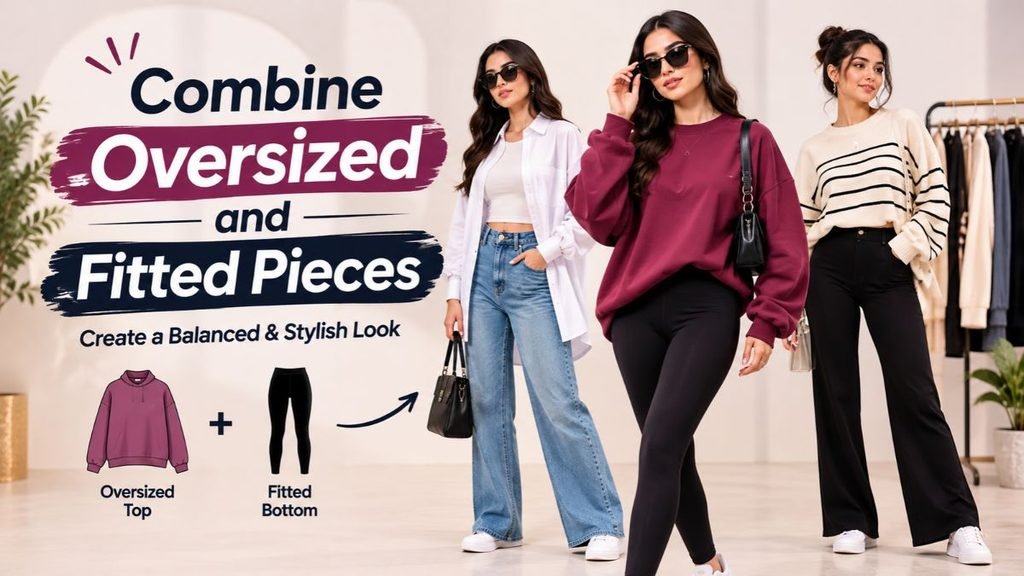
3. Combine Oversized and Fitted Pieces
Balance is important when wearing loose clothing. Pair an oversized T-shirt or hoodie with fitted leggings or cycling shorts.
This combination creates a relaxed silhouette without making the outfit look unstructured.
4. Add Layers
Layering makes athleisure more practical in changing weather. A zip-up hoodie, lightweight jacket, or sweatshirt can add coverage.
Choose layers that allow comfortable movement. Avoid bulky combinations that make the outfit difficult to wear.
5. Choose Neutral Colors
Black, grey, beige, cream, navy, and brown are easy to combine. They also work well as the foundation of a capsule wardrobe.
Women can add a brighter top or accessory when they want more contrast.
6. Use Accessories Carefully
Accessories can make a simple outfit look more complete. A practical bag, cap, simple jewelry, or suitable sneakers can add personality.
The goal is to keep the outfit functional. Choose accessories that suit the activity and do not interfere with movement.
Athleisure Wear for Different Occasions
Not every athleisure outfit needs to serve the same purpose. Choosing pieces according to the activity improves comfort and practicality.
For Gym Workouts
Choose garments that match the workout. Supportive sports bras, stretch leggings, and moisture-managing tops can be useful.
Check that waistbands remain secure and seams do not cause irritation. For high-impact activities, select suitable support and construction.
For Walking
Walking outfits can focus on comfort and flexibility. Leggings, joggers, breathable tops, and comfortable footwear are common choices.
A light jacket can provide an extra layer when needed.
For Travel
Travel clothing should allow easy movement during long journeys. Joggers, soft T-shirts, sweatshirts, and stretch leggings can be practical options.
Choose fabrics that feel comfortable for extended wear. Pockets and easy-care materials may also be useful.
For Casual Outings
For everyday outings, combine fitted leggings with an oversized shirt or sweatshirt. A coordinated set can also create a polished casual look.
Choose pieces that suit the setting and provide enough coverage for your comfort.
For Home and Relaxation
Soft joggers, loose T-shirts, and comfortable sweatshirts are suitable for relaxing at home.
Prioritize fabric softness, a comfortable fit, and easy movement.
How to Choose Quality Athleisure Wear for Women
A good-looking outfit is not always a well-made outfit. Buyers should consider construction and material quality before purchasing.
Check the Fabric
Read the fabric composition and care label. Look for materials that suit the intended activity.
For example, a casual cotton sweatshirt has different performance needs from a stretch training legging.
Review the Fit
Clothing should fit comfortably without excessive tightness or looseness. Check the size chart and product measurements.
For leggings, pay attention to waist, hip, inseam, and stretch. For sports bras, check the band, cup coverage, and strap fit.
Inspect the Stitching
Good stitching helps garments maintain their structure. Check seams for loose threads, skipped stitches, and uneven construction.
Stretch garments may require suitable stitch types and seam construction. Poor stitching can reduce comfort and durability.
Test Stretch and Recovery
Stretch garments should move comfortably and recover after use. A fabric that stretches but does not recover may lose its shape.
Brands should test garments during product development. Buyers can also check how a garment feels during normal movement.
Consider Transparency
Leggings and fitted bottoms should provide suitable coverage. Fabric thickness, color, stretch, and construction can affect opacity.
A sample should be tested under different lighting and movement conditions before bulk approval.
Review Care Requirements
Care instructions affect how long clothing remains in good condition. Check washing temperature, drying instructions, and any special requirements.
Simple care can make everyday garments easier to maintain.
Women’s Athleisure Color and Design Ideas
Color and design help define the look of an athleisure collection. Brands can use a consistent palette to create products that work together.
Neutral Colors
Black, charcoal, beige, cream, and grey are versatile choices. They suit minimal collections and can be combined easily.
Earthy Shades
Olive, chocolate brown, taupe, and muted green create a natural appearance. These shades work well with simple silhouettes and subtle branding.
Soft Pastels
Lavender, blush pink, pale blue, and mint can give a collection a softer look. They are often used for matching sets and fitted tops.
Bold Colors
Red, cobalt blue, and bright orange can create statement pieces. Brands may use these shades for selected products rather than an entire collection.
Minimal Branding
Small logos, tonal prints, and subtle embroidery can create a clean finish. Larger graphics can suit brands with a more expressive identity.
The design should match the target audience. Color, fit, fabric, and branding should work together rather than compete for attention.
How to Build a Women’s Athleisure Wardrobe
A practical wardrobe does not need dozens of garments. Start with a few versatile pieces and add products according to your routine.
Consider including:
- One pair of black leggings.
- One pair of comfortable joggers.
- Two everyday tops.
- One suitable sports bra.
- One hoodie or sweatshirt.
- One matching set.
- One lightweight outer layer.
Choose colors that work together. This makes it easier to create several outfits from a smaller collection.
Also consider your main activities. Someone who exercises regularly may need more performance-focused pieces. Someone who mainly wears athleisure casually may prefer soft fabrics and relaxed fits.
How Clothing Brands Can Develop Women’s Athleisure Collections
For clothing brands, women’s athleisure offers opportunities to create products for different lifestyles. However, a successful collection needs more than attractive designs.
Brands should plan fabric, construction, sizing, fit, and product purpose before production.
1. Identify the Target Customer
Start by understanding who will wear the collection. Consider age range, lifestyle, preferred activities, budget, and style preferences.
A collection designed for gym training may need different features from one focused on casual everyday wear.
2. Select the Product Range
Decide which products belong in the first collection. A brand might begin with leggings, sports bras, T-shirts, joggers, and hoodies.
A focused range can make product development and inventory planning easier.
3. Choose Suitable Fabrics
Select materials according to garment function. Stretch leggings may need nylon or polyester blends with elastane.
Casual sweatshirts may use cotton, French terry, or fleece. Test fabric weight, stretch, recovery, shrinkage, and color before making a final decision.
4. Prepare Product Specifications
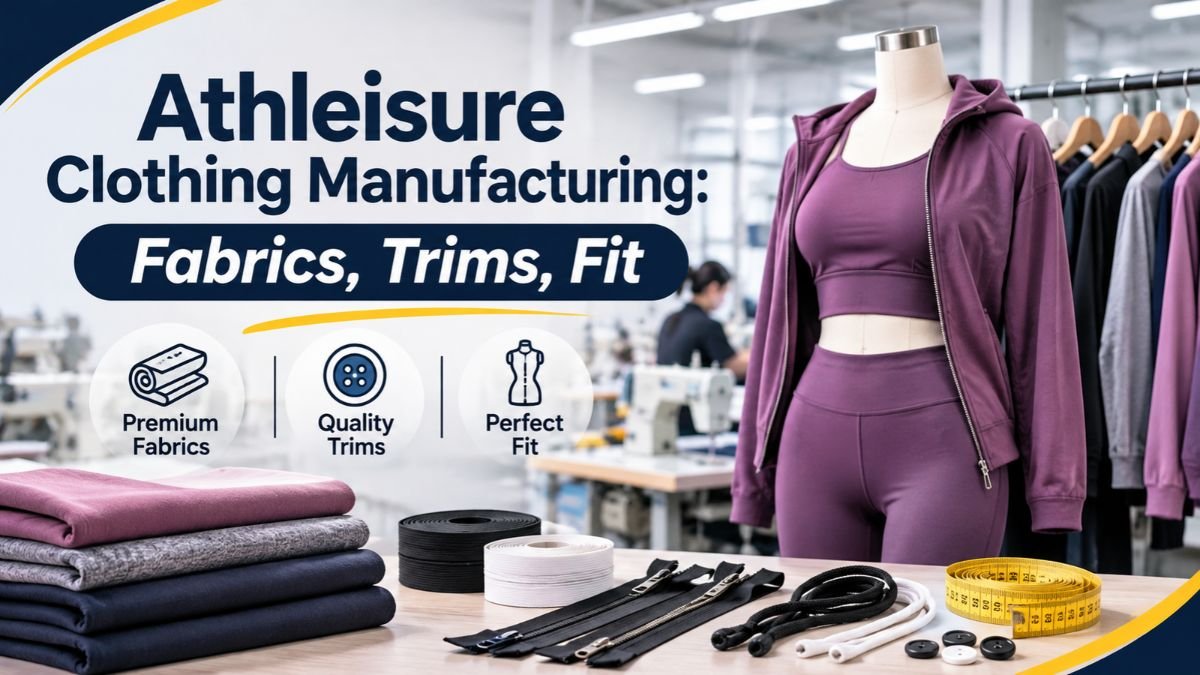
A tech pack helps communicate garment requirements to a manufacturer. It can include measurements, fabric details, colors, stitching, labels, trims, and artwork placement.
Clear specifications reduce misunderstandings during sampling and production.
Brands that do not have a complete tech pack can begin with design briefs, sketches, reference images, or sample garments. The manufacturer can help clarify the requirements before sampling.
5. Develop and Approve Samples
Sampling allows brands to review the actual garment before bulk production.
Check fit, measurements, fabric feel, construction, print placement, and finishing. Test the sample for its intended use.
Record any changes and approve the final physical sample before production begins.
6. Plan Quality Control
Quality control should cover more than the final appearance. It can include measurements, stitching, fabric defects, color consistency, trims, and branding.
For stretch garments, review seam strength and recovery. For matching sets, check that colors and fabric characteristics remain consistent.
7. Plan Branding and Packaging
Labels, hang tags, prints, embroidery, and packaging help establish brand identity.
Keep branding consistent across the collection. Confirm artwork, placement, colors, and packaging details before bulk production.
Working With a Custom Athleisure Clothing Manufacturer
A suitable manufacturing partner can help a brand move from an idea to a finished collection. The right partner should understand product specifications, material selection, sampling, construction, and quality requirements.
Fashion Soul International is a factory-owned custom clothing manufacturer based in Sialkot, Pakistan. The company offers private-label, OEM, ODM, white-label, cut-and-sew, and full-package apparel production.
Its services include product development, fabric and trim sourcing, sampling, bulk production, quality control, branding, packaging, export documentation, and international shipping.
For brands developing women’s athleisure collections, product requirements should be discussed clearly. Relevant products may include activewear, tracksuits, T-shirts, hoodies, and other custom garments, depending on the agreed specifications.
What Should Brands Prepare Before Contacting a Manufacturer?
Prepare as much information as possible about the planned collection.
Useful details include:
- Product types and quantities
- Target sizes and size chart
- Fabric composition and weight
- Color references
- Design sketches or reference images
- Printing or embroidery requirements
- Labels and branding details
- Packaging preferences
- Delivery destination and timeline
A tech pack is not required to request a quotation from Fashion Soul International. However, a finalized tech pack or suitable reference sample is needed before sampling. The company also states that its team can assist with tech-pack creation.
Understanding MOQ and Sampling
Fashion Soul International states that its standard manufacturing MOQ starts at 100 pieces per style. Actual requirements can vary by product, fabric, color, and construction. Brands should confirm the MOQ for their specific project during quotation.
Sample development is typically 7–14 business days. Published bulk production timelines are generally 20–35 business days after sample approval. Actual schedules depend on project requirements and should be confirmed with the company.
Bulk production begins after the customer approves the physical pre-production sample. This step gives the brand an opportunity to review the garment before the full order is made.
Quality Checks Before Shipping
Quality checks help identify problems before finished garments leave the factory.
Depending on the order, inspections may review:
- Garment measurements
- Stitching and seam construction
- Fabric and color consistency
- Print and embroidery placement
- Labels and trims
- Finishing and packaging
Fashion Soul International describes inline quality control and pre-shipment inspection as part of its manufacturing workflow. Buyers should confirm the inspection requirements for their order before production.
Common Mistakes to Avoid When Buying Athleisure Wear
Some clothing problems can be avoided by checking products carefully before buying.
Choosing Style Over Comfort
A fashionable design may not be suitable for every activity. Check fabric, fit, support, and movement before choosing workout clothing.
Ignoring Fabric Composition
Different fabrics behave differently. A soft cotton top may be suitable for casual wear but may not provide the same moisture management as performance fabric.
Buying the Wrong Size
Do not rely only on the size label. Check the brand’s measurements and sizing guide.
Overlooking Construction
Loose stitching, uncomfortable seams, and weak waistbands can affect how a garment performs. Review product details and construction quality.
Not Following Care Instructions
Incorrect washing or drying can affect color, shape, and fabric performance. Follow the garment’s care label.
Buying Too Many Similar Pieces
A wardrobe becomes more useful when garments offer different styling options. Choose versatile items that work together.
Frequently Asked Questions About Athleisure Wear for Women
What is the difference between activewear and athleisure?
Activewear is mainly designed for exercise and physical performance. Athleisure combines sportswear features with everyday fashion. Some garments can serve both purposes, depending on their construction and intended use.
Can women wear athleisure every day?
Yes. Many athleisure pieces are suitable for everyday activities. Leggings, joggers, T-shirts, hoodies, and matching sets can create comfortable casual outfits.
What are the best fabrics for women’s athleisure wear?
Polyester, nylon, and elastane blends are common choices for performance-focused garments. Cotton, French terry, and fleece are popular for casual tops and relaxed layers. The best fabric depends on the garment’s purpose.
Are leggings suitable for everyday wear?
Yes. Leggings can be worn for casual activities, travel, walking, and exercise. Choose a comfortable fit and fabric with suitable coverage for your needs.
How can I style an oversized hoodie?
Pair an oversized hoodie with fitted leggings or cycling shorts. You can also wear it with joggers for a relaxed outfit. Choose footwear and accessories that suit the occasion.
Are matching athleisure sets still a practical choice?
Matching sets remain useful because they create coordinated outfits with little effort. Separate pieces can also be combined with other wardrobe items.
How should I care for athleisure clothing?
Follow the care label. In general, use suitable washing temperatures and avoid excessive heat when drying stretch garments. Separate colors when necessary and avoid harsh treatment that may damage fabric fibers.
Can a clothing brand create its own women’s athleisure collection?
Yes. A brand can develop custom leggings, tops, sports bras, joggers, hoodies, and other products with a suitable manufacturing partner. It should define its designs, fabrics, measurements, branding, and quality requirements before production.
Conclusion
Athleisure wear for women combines comfort, flexibility, and everyday style. Leggings, joggers, sports bras, T-shirts, hoodies, and matching sets provide options for different activities and personal preferences.
Choosing the right clothing starts with understanding fabric, fit, construction, and intended use. A versatile wardrobe can include a few well-made pieces that work together across different settings.
For clothing brands, successful athleisure collections require careful product development and clear manufacturing specifications. Fabric selection, sampling, quality control, branding, and production planning all influence the final result.
Fashion Soul International supports custom apparel production through product development, sourcing, sampling, bulk manufacturing, quality control, and branding services. Brands interested in developing a custom collection can share their requirements and discuss suitable production options.