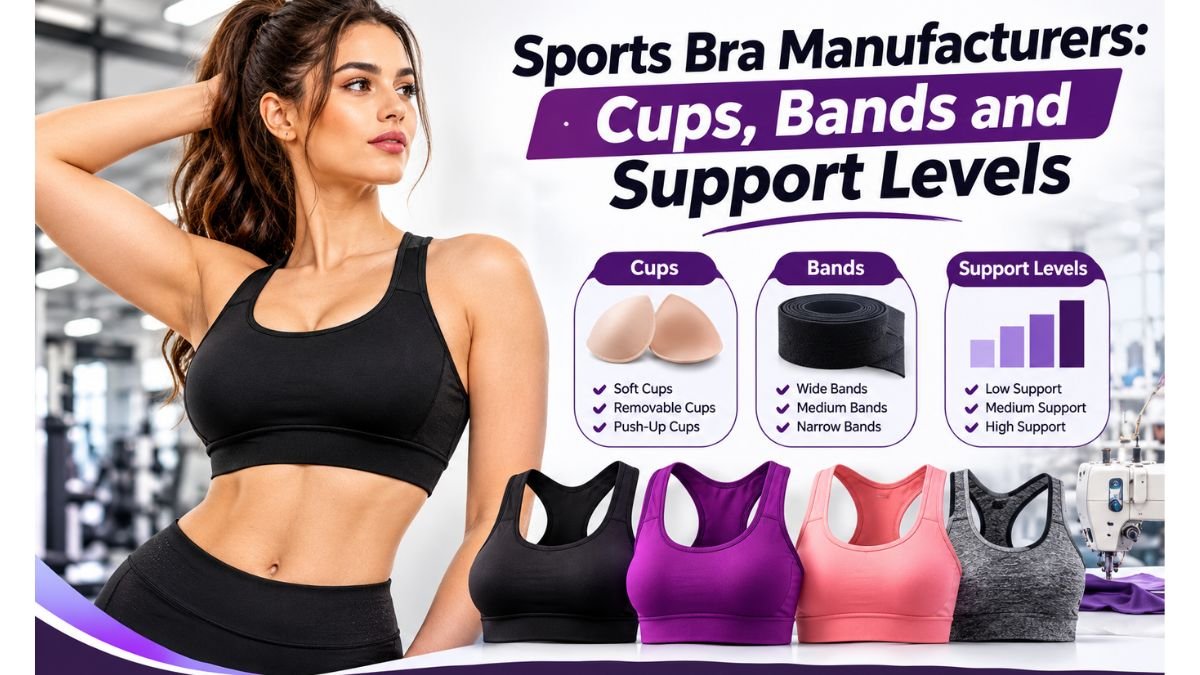
Sports Bra Manufacturers: Complete Guide to Custom Sports Bra Production
The demand for comfortable and functional activewear continues to create opportunities for clothing brands. Sports bras are an important part of this market. Customers want products that provide suitable support, comfort, flexibility, and a reliable fit during physical activities.
For clothing brands, choosing the right sports bra manufacturers is an important business decision. A suitable manufacturing partner can help develop designs, source performance fabrics, create samples, and produce garments according to brand specifications.
Whether you are starting an activewear brand or expanding an existing collection, understanding the manufacturing process can help you make better decisions. You need to consider fabric quality, support levels, sizing, construction, customization, minimum order quantities, and quality control.
This guide explains how sports bra manufacturing works, what to look for in a supplier, and how to develop custom sports bras for your clothing business.
What Do Sports Bra Manufacturers Do?
Sports bra manufacturers produce bras designed for exercise, fitness, training, and everyday activewear. They work with clothing brands, retailers, wholesalers, and sportswear businesses to develop and manufacture products.
Their services may include:
- Product design and development
- Fabric and trim sourcing
- Pattern making and size grading
- Sample development
- Cutting and sewing
- Elastic and waistband construction
- Custom printing and embroidery
- Branding and labeling
- Quality inspection
- Packaging and shipping
The exact services depend on the manufacturer. Some suppliers offer ready-made products, while others develop fully customized sports bras.
A custom sports bra project may begin with a design sketch or technical pack. The manufacturer reviews the requirements and prepares a sample. After the buyer approves the sample, bulk production can begin.
Choosing a manufacturer with relevant activewear experience is important. Sports bras require careful attention to stretch, support, construction, and fit.
Why Is Choosing the Right Sports Bra Manufacturer Important?
A sports bra is more technical than a basic fashion garment. Its construction affects how it feels and performs during movement.
A poorly designed sports bra may cause discomfort, offer unsuitable support, or lose its shape after repeated washing. These problems can affect customer satisfaction and increase returns.
A capable manufacturing partner helps you address these details before production.
Consistent Product Quality
Customers expect a product to match its description and approved sample. Consistency matters across fabric, stitching, sizing, and finishing.
A manufacturer should follow clear specifications during production. Regular inspections can help identify problems before garments are shipped.
Better Fit and Comfort
Sports bras must fit properly around the chest, shoulders, and underbust. The design should suit its intended activity and support level.
Pattern development and sample testing help identify fit issues. This is especially important when producing several sizes.
Customization Opportunities
Working with a custom manufacturer gives brands more control over product details.
You may select fabric, colors, straps, necklines, back designs, elastic bands, labels, and packaging. These choices help create products that match your brand identity.
Production Planning
An experienced manufacturer can explain material availability, sample development, MOQ, production stages, and shipping requirements.
This information helps brands plan launches and manage inventory more effectively.
Different Types of Sports Bras
Before contacting a sports bra manufacturer, decide which styles you want to develop. Different designs serve different customer needs and activities.
1. Low-Impact Sports Bras
Low-impact sports bras are designed for activities with limited movement. Examples may include yoga, stretching, walking, and some forms of light training.
Common features include:
- Soft and flexible fabrics
- Comfortable elastic bands
- Light support
- Simple construction
- Stretchable straps
These products may suit customers who prioritize comfort and flexibility.
2. Medium-Impact Sports Bras
Medium-impact sports bras are designed for activities involving more movement. They may be used for cycling, strength training, dance, and general gym workouts.
Their construction may include wider straps, supportive underbands, and more structured panels.
The final support depends on the garment’s pattern, fabric, and construction.
3. High-Impact Sports Bras
High-impact sports bras are developed for activities involving repeated or intense movement, such as running and certain high-intensity workouts.
They may include:
- Wider shoulder straps
- Firm underbands
- Supportive panel construction
- Secure back designs
- Stable fabric structures
- Adjustable features in some styles
Support should be evaluated through proper wear and movement testing. Do not assume that a particular design provides high support without testing its performance.
4. Seamless Sports Bras
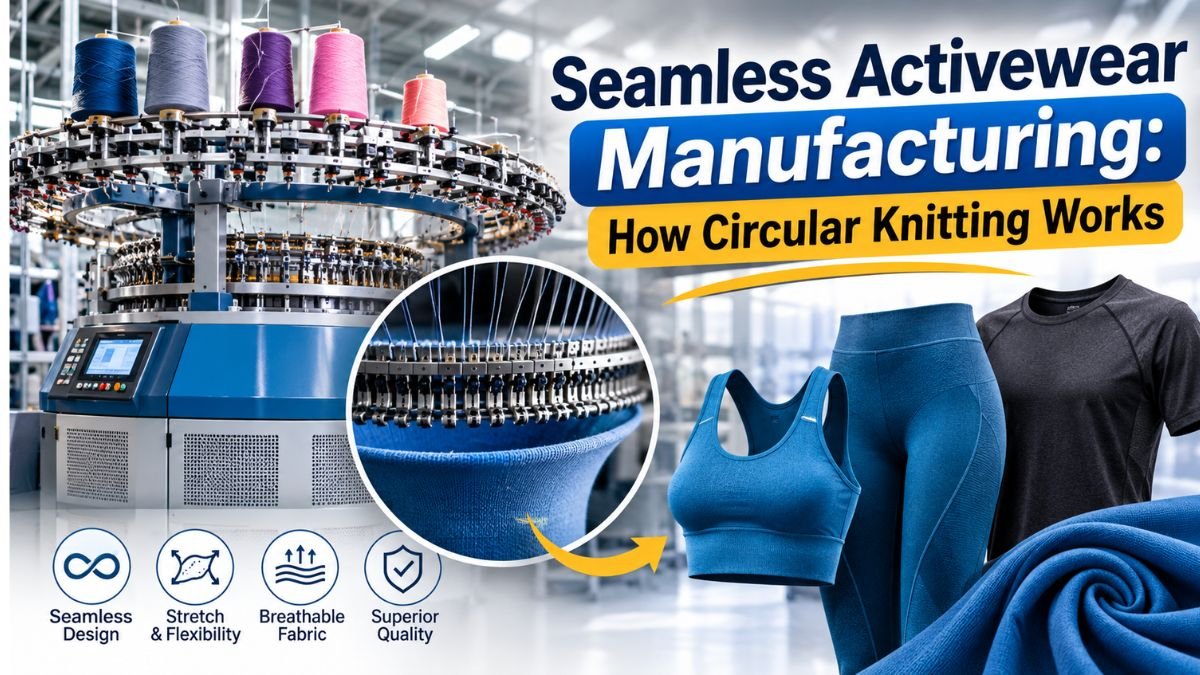
Seamless sports bras are produced using specialized knitting methods. They reduce or remove certain garment seams.
This construction can create a smooth appearance and flexible feel.
However, seamless products still require careful testing. Check the fabric’s stretch recovery, coverage, waistband stability, and fit.
5. Padded Sports Bras
Padded sports bras include removable or fixed padding. Padding can change the garment’s shape, coverage, and appearance.
When developing padded styles, consider:
- Padding thickness
- Cup shape
- Padding placement
- Removable or fixed construction
- Fabric compatibility
- Washing instructions
Make sure the padding remains properly positioned during normal wear.
6. Racerback Sports Bras
Racerback sports bras feature straps that meet or cross at the upper back.
This design is popular in activewear because it creates a distinctive appearance and can allow greater shoulder movement.
The strap width and back construction should match the intended fit and support.
7. Longline Sports Bras
Longline sports bras extend farther down the torso than standard designs.
They can offer additional coverage and may be styled as crop tops with leggings or shorts.
The lower band should fit comfortably and remain stable during movement.
How to Choose Fabric for Sports Bra Manufacturing
Fabric selection is one of the most important decisions in sports bra production. The material affects stretch, comfort, durability, moisture management, and fit.
The best fabric depends on the product’s purpose and design.
Polyester and Spandex
Polyester and spandex blends are common in performance clothing.
Polyester can provide durability and moisture-management options. Spandex adds stretch and helps the garment move with the body.
These fabrics may suit sports bras designed for gym training and general fitness.
Nylon and Spandex
Nylon and spandex blends are used in many activewear products. They can provide a smooth feel and flexible fit.
The exact performance depends on the yarn, fabric construction, weight, and finishing.
Ask the supplier for a physical swatch before approving the material.
Cotton and Stretch Blends
Cotton blended with elastane may suit certain comfort-focused sports bras.
Cotton can provide a soft feel, while elastane adds flexibility. However, cotton blends are not automatically suitable for every type of workout.
Consider the intended activity, moisture requirements, and garment construction before selecting the fabric.
Understanding Fabric GSM
GSM means grams per square metre. It measures fabric weight.
Fabric weight can influence thickness, coverage, and drape. However, GSM alone does not determine whether a fabric is suitable for a sports bra.
A suitable fabric should match the required stretch, recovery, comfort, and support. Ask for samples and test the material before production.
Important Features of High Quality Bra Manufacturers
When comparing high quality bra manufacturers, focus on their ability to produce consistent products that match your specifications.
Sports bra quality depends on several connected factors.
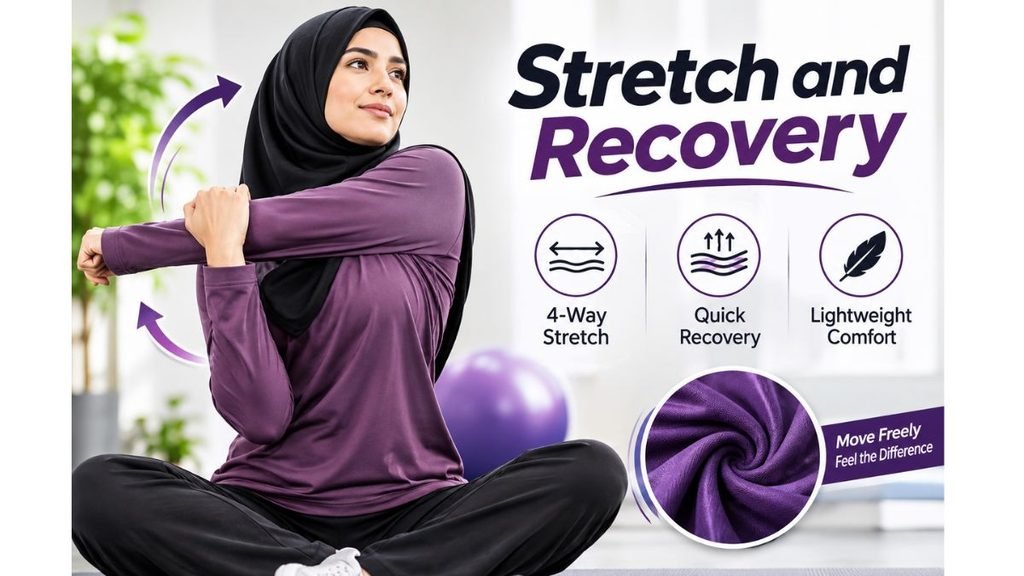
Stretch and Recovery
A sports bra needs suitable stretch for movement. It should also recover its shape after being stretched.
Poor recovery can cause the garment to become loose over time.
Ask about the fabric’s stretch properties and test the sample during movement.
Comfortable Underband
The underband plays an important role in garment stability.
It should provide the intended level of support without creating unnecessary pressure. Check its width, elastic quality, stitching, and recovery.
Strap Construction
Straps should be comfortable and suitable for the design.
Consider strap width, adjustability, attachment points, and stretch. Weak attachment stitching can affect durability.
Stitching and Seams
Sports bras experience repeated stretching during use. Their seams must be suitable for the selected fabric and garment design.
Inspect the stitching for skipped stitches, loose threads, uneven seams, and weak attachment points.
Fabric Coverage
Coverage is an important product consideration.
Check the fabric under suitable lighting and during movement. The garment should meet the coverage requirements agreed upon in the product specifications.
Size Consistency
A sports bra should follow an accurate size chart. Measurements should remain consistent across the production order.
Check underbust measurements, body length, strap dimensions, and other relevant points.
How Custom Sports Bra Manufacturers Develop Your Product
Custom manufacturing allows a clothing brand to develop sports bras according to its own design and requirements.
The process generally includes several stages.
Step 1: Share Your Design and Requirements
Begin by explaining the product you want to manufacture.
You can provide:
- Design sketches
- Reference images
- A technical pack
- A reference garment
- A mood board
- Fabric preferences
- Color choices
- Size requirements
- Estimated order quantity
Explain the intended use of the sports bra. A product for yoga may require different construction from one designed for running.
Step 2: Prepare the Technical Specifications
A tech pack records the details required for manufacturing.
It may include technical drawings, measurements, fabric composition, construction details, stitching, colors, trims, and branding placement.
Clear specifications help reduce misunderstandings between the brand and manufacturer.
If you do not have a complete tech pack, ask whether the manufacturer provides product development assistance.
Step 3: Select Fabric and Trims
Review fabric options based on the product’s intended use.
You may also need to select elastic, straps, sliders, hooks, padding, labels, and other components.
Confirm the availability and specifications of each material before sampling.
Step 4: Develop a Physical Sample
The manufacturer creates a sample using the agreed specifications.
Review its fit, comfort, stretch, support, stitching, fabric, and finishing.
Test the sample through suitable movements. Check whether the straps remain comfortable and the underband stays in position.
If you find problems, provide clear feedback and request revisions.
Step 5: Approve the Pre-Production Sample
Once the sample meets your requirements, approve it in writing.
Confirm the final measurements, materials, construction, colors, trims, and branding.
The approved sample becomes the reference for bulk production.
Step 6: Begin Bulk Production
After approval, the manufacturer prepares the order for production.
The process may include fabric inspection, cutting, sewing, attaching elastic, adding labels, and completing finishing operations.
Production planning should follow the approved specifications.
Step 7: Conduct Quality Inspection
Quality checks help confirm that the finished products match the agreed requirements.
The inspection may include:
- Fabric and color checks
- Measurement verification
- Seam and stitch inspection
- Strap attachment checks
- Elastic recovery checks
- Padding placement
- Logo and label inspection
- Final appearance checks
Agree on the inspection requirements before placing the order.
Step 8: Packaging and Shipping
After inspection, the garments are folded, labeled, and packed according to the order requirements.
The manufacturer and buyer should confirm packaging details, shipping method, destination, export documents, and delivery terms.
Sports Bra Manufacturers USA: What Should Buyers Consider?
Brands searching for sports bra manufacturers USA may be comparing domestic suppliers with international production partners.
The right option depends on the brand’s budget, order quantity, product requirements, and delivery plans.
Domestic Manufacturing
A US-based manufacturer may offer certain advantages for businesses operating in the United States.
Potential considerations include:
- Easier in-person communication
- Local sample reviews
- Domestic shipping arrangements
- Familiarity with local business requirements
- Shorter transport routes for some orders
However, capabilities, costs, MOQ, and production availability vary between suppliers.
International Manufacturing
International manufacturers may offer different fabric options, production capabilities, and pricing structures.
When comparing overseas suppliers, consider:
- Factory experience
- Sample development
- Quality-control procedures
- Production timelines
- Communication
- Freight costs
- Import duties
- Customs documentation
Do not compare suppliers based only on the unit price. Calculate the complete cost of getting the finished garments to your destination.
How to Compare Both Options
Request quotations using the same specifications. Compare materials, construction, MOQ, sample costs, quality checks, packaging, and delivery terms.
A supplier’s location does not automatically determine product quality. Review its actual manufacturing capabilities and sample performance.
Minimum Order Quantity for Sports Bras
Minimum order quantity, or MOQ, is the smallest order a manufacturer accepts under specific production terms.
The MOQ can depend on:
- Fabric type
- Color selection
- Garment design
- Custom trims
- Branding requirements
- Size range
- Production method
Some suppliers offer ready-made products with lower minimums. Custom manufacturing may require more material and production planning.
Before ordering, ask whether the MOQ applies per style, color, or size run. Confirm whether you can mix sizes within one order.
Fashion Soul International publishes a standard private-label MOQ starting at 100 pieces per style. Actual requirements for a sports bra project should be confirmed through a project-specific quotation.
How Much Does It Cost to Manufacture Sports Bras?
There is no fixed manufacturing price for every sports bra. The final cost depends on materials, design complexity, quantity, branding, and production requirements.
Fabric Costs
Fabric composition, quality, weight, and availability affect the price.
Specialized performance materials may cost more than basic fabrics.
Design Complexity
A simple sports bra may require fewer production steps than a design with multiple panels, adjustable straps, padding, or special construction.
More complex products can require additional pattern development and labor.
Order Quantity
Larger quantities may reduce the unit cost by spreading certain setup expenses across more garments.
However, large orders also require more upfront investment.
Branding and Packaging
Custom logos, woven labels, care labels, hang tags, and branded packaging can add to the total cost.
Ask for separate pricing when comparing these options.
Shipping and Import Charges
International orders may involve freight, duties, customs clearance, and other charges.
Confirm whether the quotation includes shipping or only manufacturing.
Private Label Sports Bras for Clothing Brands
Private-label manufacturing allows businesses to sell sports bras under their own brand name.
It is useful for startups, established activewear brands, online stores, and retailers that want products with their own identity.
Custom Colors and Fabrics
You can select colors and suitable materials based on your brand’s collection.
Custom colors may require additional material quantities. Confirm availability and any minimum requirements before finalizing your design.
Custom Fit and Construction
Private-label production can allow changes to the pattern, neckline, straps, underband, back design, and other construction details.
The exact options depend on the manufacturer’s capabilities.
Custom Branding
Branding options may include:
- Woven labels
- Printed care labels
- Heat-transfer logos
- Custom hang tags
- Branded packaging
Review artwork and placement before bulk production.
Coordinated Activewear Collections
Sports bras can be developed alongside leggings, shorts, gym tops, and other activewear products.
Using coordinated colors and design details can help create a consistent collection.
Common Challenges in Sports Bra Manufacturing
Sports bra production involves technical details that can affect the finished garment.
Understanding common challenges helps brands prepare better specifications.
Incorrect Support Level
A garment may not provide the intended support if its pattern, fabric, straps, and underband are unsuitable.
Define the target activity and support expectations before sampling.
Uncomfortable Straps
Straps that are too narrow, too tight, or poorly positioned can cause discomfort.
Test the sample during movement and review the strap measurements.
Weak Elastic Recovery
Elastic that loses its shape may affect garment stability.
Check the elastic material and test recovery before approving bulk production.
Inconsistent Sizing
Poor grading can create fit problems across different sizes.
Review the size chart and, where possible, test samples from multiple sizes.
Fabric Transparency
Some fabrics may become more transparent when stretched.
Test coverage under suitable lighting and movement conditions.
Delays During Sampling
Changes to fabric, measurements, or construction can extend the development process.
Provide complete specifications and consolidated feedback to reduce unnecessary revisions.
Why Work With Fashion Soul International for Sportswear Manufacturing?
Fashion Soul International is a factory-owned custom clothing manufacturer based in Sialkot, Punjab, Pakistan.
The company offers private-label, OEM, ODM, white-label, cut-and-sew, and full-package apparel manufacturing.
Its stated product categories include sportswear and activewear. Its sportswear examples include sports bras, compression leggings, performance shorts, moisture-wicking tops, and gym tanks.
The company lists polyester blends, spandex, four-way stretch fabrics, and moisture-wicking performance fabrics among its sportswear material options.
Its manufacturing services cover product development, fabric sourcing, sampling, bulk production, quality control, custom branding, packaging, export documentation, and international shipping.
For a custom sports bra project, buyers should confirm the available patterns, support constructions, size range, fabric specifications, trims, and production requirements before ordering.
Fashion Soul International publishes a standard MOQ starting at 100 pieces per style for private-label manufacturing. The actual MOQ for a particular sports bra design should be confirmed through a quotation.
The company’s stated workflow includes physical pre-production sample approval before bulk manufacturing. This allows buyers to review the product before the main order begins.
If you are developing an activewear collection, prepare your design references, technical details, fabric preferences, and estimated order quantity before contacting the manufacturing team.
Visit https://fashionsoulintl.com/ to learn more about its custom apparel manufacturing services.
How to Choose the Best Sports Bra Manufacturer for Your Brand
Choosing a manufacturing partner requires careful research. A supplier should be able to understand your product requirements and explain how it will produce them.
Review Relevant Product Experience
Ask whether the manufacturer produces sports bras and other stretch garments.
Review its experience with activewear fabrics, elastic construction, pattern development, and garment finishing.
Request Samples
A sample helps you evaluate fit, fabric, construction, and overall quality.
Do not approve bulk production based only on a digital image.
Compare Complete Quotations
Compare material specifications, quantity, sample costs, branding, packaging, and shipping.
Make sure each quotation covers the same requirements.
Ask About Quality Control
Understand how the manufacturer checks measurements, stitching, elastic, fabric, and finishing.
Ask whether inspections take place during production and before shipment.
Confirm Communication and Timelines
A suitable supplier should provide clear information about sampling, revisions, production, and delivery.
Keep important decisions in writing.
Frequently Asked Questions
What do sports bra manufacturers produce?
They manufacture sports bras for fitness, training, exercise, and activewear collections. Products may include low-impact, medium-impact, high-impact, seamless, padded, racerback, and longline styles.
How do I find a reliable sports bra manufacturer?
Review its activewear experience, fabric options, samples, MOQ, customization services, quality-control process, and communication. Compare complete quotations before choosing a supplier.
Can sports bras be made with my own brand logo?
Yes. Many custom manufacturers offer private-label branding options. These may include woven labels, printed labels, heat-transfer logos, hang tags, and branded packaging.
What fabrics are commonly used for sports bras?
Polyester and spandex, nylon and spandex, and selected cotton stretch blends are common options. The right material depends on the intended activity, support requirements, and design.
What is the difference between a sports bra manufacturer and a regular clothing manufacturer?
A sports bra manufacturer needs to understand stretch fabrics, elastic construction, fit, support, and activewear finishing. A general clothing manufacturer may not have the same experience with these technical requirements.
Can I find sports bra manufacturers USA?
Yes. Buyers can research domestic US suppliers and compare them with international manufacturers. Consider product capabilities, pricing, MOQ, sample quality, shipping, and delivery requirements.
What is the MOQ for custom sports bras?
MOQ varies by manufacturer, fabric, design, color, and branding requirements. Ask for the minimum quantity per style and color before placing an order.
How long does sports bra production take?
The timeline depends on sampling, material availability, design complexity, order quantity, and factory scheduling. Request a project-specific timeline that includes sampling, bulk production, inspection, and shipping.
Can I order sports bras and leggings from one manufacturer?
Some activewear manufacturers produce both sports bras and leggings. Confirm their capabilities and whether the fabrics and colors can be coordinated across both products.
Final Thoughts
Choosing the right sports bra manufacturers is an important step when building an activewear collection. The right partner should understand fabric selection, support requirements, pattern development, sizing, stitching, and quality control.
Before placing an order, review the manufacturer’s experience, request physical samples, confirm the MOQ, and compare complete quotations.
For brands planning their own products, custom and private-label manufacturing can provide more control over fit, materials, colors, and branding.
A clear production plan and approved sample help reduce misunderstandings. With careful supplier selection, your business can develop sports bras that match its product goals and customer expectations.