Custom Sports Bra Wholesale: A Complete Guide for Clothing Brands
The activewear market offers many opportunities for clothing brands, retailers, and fitness businesses. Sports bras are an important part of this market. Customers look for comfortable designs, reliable support, flexible fabrics, and attractive styles. Brands need products that meet these expectations while matching their identity.
Choosing the right custom sports bra wholesale manufacturer is an important step when developing an activewear collection. A suitable manufacturing partner can help with fabric selection, product development, sampling, sizing, branding, and bulk production.
Whether you run an online fitness store or plan to launch a private-label activewear brand, understanding the manufacturing process can help you make better decisions.
This guide explains how custom sports bras are developed, which materials are commonly used, how to evaluate suppliers, and what to consider before placing a wholesale order. It also explores how a bra making company and experienced bra designers and manufacturers can support your product development goals.
What Is Custom Sports Bra Wholesale?
Custom sports bra wholesale means ordering sports bras in bulk according to a brand’s product requirements. Instead of purchasing only ready-made products, a business can work with a manufacturer to develop garments with selected fabrics, colors, designs, sizes, and branding.
This approach gives brands more control over their products. They can create sports bras that match their target customers, fitness categories, and overall brand identity.
Custom wholesale sports bras may include:
- Low-impact sports bras for yoga and walking
- Medium-support sports bras for gym workouts
- High-support designs for more intense activities
- Racerback sports bras
- Longline sports bras
- Seamless sports bras
- Padded sports bras
- Non-padded sports bras
- Compression-style sports bras
- Custom printed activewear bras
Each design serves a different purpose. For example, a yoga-focused sports bra may prioritize flexibility and comfort. A high-impact design may need more structured support and secure construction.
When choosing a wholesale manufacturer, consider the intended activity, fabric performance, fit, construction, and size range.
Why Are Custom Sports Bras Important for Activewear Brands?
Sports bras are not simply smaller versions of regular bras. They are activewear garments designed around movement, comfort, and support.
Customers may wear them during exercise, training, sports, or everyday activities. Their needs can vary based on body shape, activity level, personal preferences, and garment design.
Build a Distinctive Brand Identity
Custom manufacturing allows a brand to develop products that look different from standard wholesale styles.
You can select colors, fabrics, straps, necklines, waistbands, and branding details. These choices help create a consistent look across your activewear collection.
For example, a fitness brand may prefer minimal designs with neutral colors. Another brand may choose bold prints and bright shades.
Offer Products for Different Activities
Different workouts require different garment features.
A low-impact design may suit yoga, stretching, or walking. A medium-support design may work for general gym activities. Customers participating in high-impact exercise may need more structured support.
Offering different support levels can help your brand serve a wider range of fitness customers.
Create a More Consistent Product Range
Custom manufacturing gives you control over important product specifications. Approved patterns, fabric details, measurements, and construction instructions can serve as references for future orders.
This can help maintain consistency when expanding your activewear collection.
Popular Types of Custom Sports Bras
Before contacting a supplier, decide which sports bra styles fit your target market.
1. Low-Impact Sports Bras
Low-impact sports bras are generally designed for activities with less intense movement, such as yoga, stretching, and walking.
They may feature soft fabrics, flexible construction, and simple designs.
Common details include:
- Lightweight stretch fabrics
- Comfortable elastic bands
- Simple strap construction
- Soft inner finishes
- Flexible necklines
The design should provide a comfortable fit for its intended use. Avoid making support claims without suitable product testing.
2. Medium-Support Sports Bras
Medium-support sports bras are often designed for general fitness activities and moderate movement.
They may use wider straps, supportive elastic bands, and fabrics with suitable stretch and recovery.
Some designs include removable padding or additional lining. These features should be selected according to the target customer and intended activity.
3. High-Support Sports Bras
High-support sports bras are designed for activities that involve more movement, such as running or certain high-intensity workouts.
They may require more structured construction than basic activewear tops.
Important design features can include:
- Wider shoulder straps
- Secure underband construction
- Supportive fabric
- Stable back panels
- Carefully designed cup areas
- Reinforced seams where required
The final level of support depends on the complete garment design, materials, fit, and testing. A product should not be marketed as high support based only on its appearance.
4. Racerback Sports Bras
Racerback designs feature straps that come together toward the upper back.
This style is popular in activewear because it creates a distinct athletic appearance. The construction can also help keep straps in place for some wearers.
Check the strap width, armhole shape, and back coverage during sampling.
5. Longline Sports Bras
Longline sports bras extend farther down the torso than standard designs.
They can provide additional coverage and create a top-like appearance. Some customers wear them with leggings or shorts as part of a coordinated activewear outfit.
The lower band should feel comfortable and stay in place during movement.
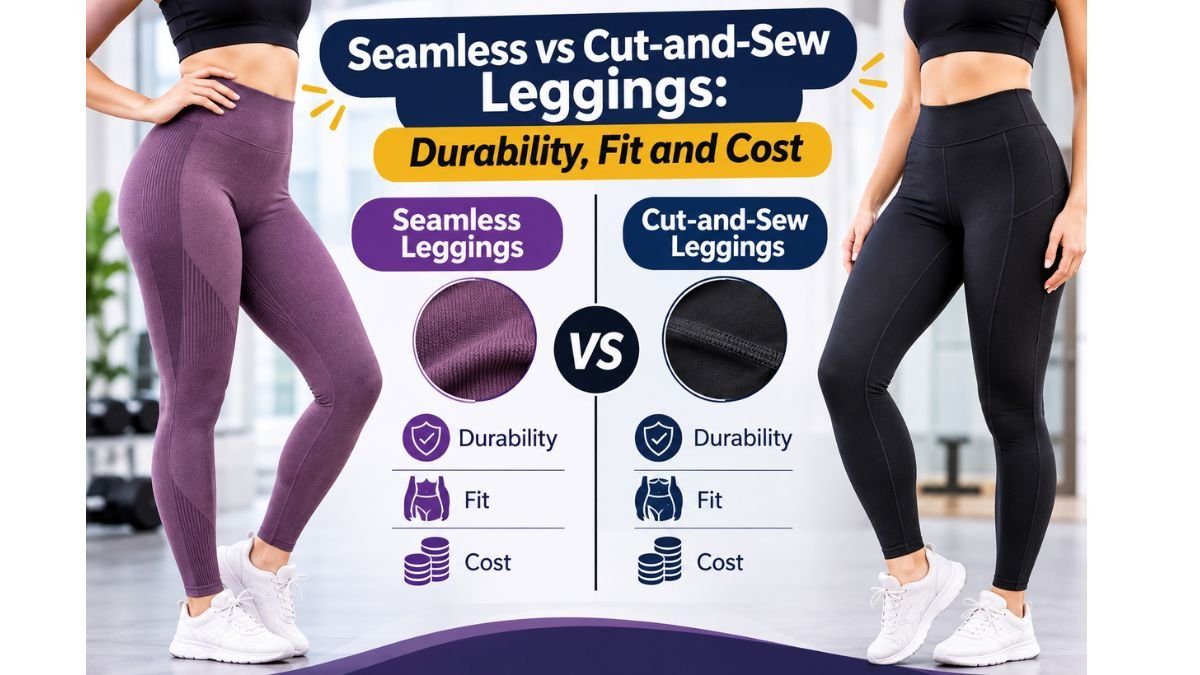
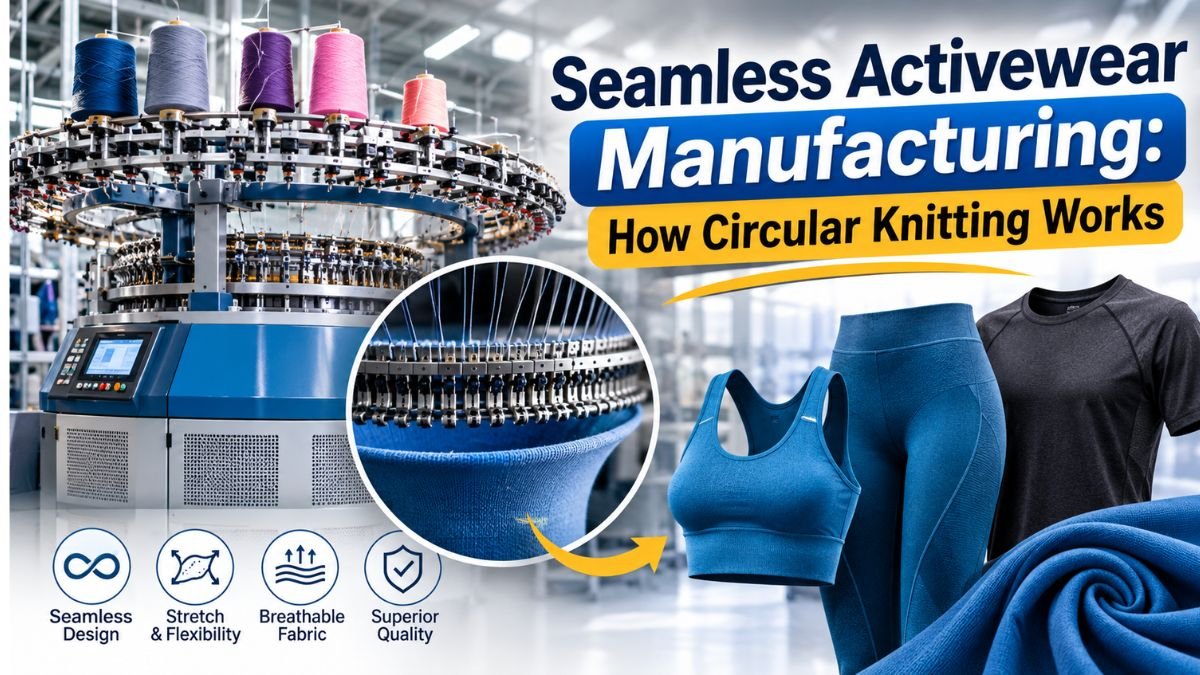
6. Seamless Sports Bras
Seamless sports bras are made using specialized knitting techniques that reduce or remove certain seams.
They can offer a smooth appearance and flexible fit. However, seamless construction does not automatically guarantee better comfort or support.
Check the fabric recovery, band stability, stretch, and finishing before approving the design.
7. Padded and Non-Padded Sports Bras
Padded sports bras include removable or fixed padding, depending on the design.
Non-padded styles may use lining or double-layer fabric instead.
The choice depends on customer preference, intended use, and product construction. Confirm the padding material, shape, placement, and wash instructions.
How to Choose the Right Fabric for Custom Sports Bras
Fabric selection affects comfort, stretch, moisture management, appearance, and durability.
A sports bra must move with the body while maintaining its intended shape. The material should match the garment’s design and activity level.
Polyester and Elastane
Polyester and elastane blends are common in activewear.
Polyester can offer durability and moisture-management options. Elastane adds stretch, helping the garment move with the wearer.
These blends may suit different sports bra styles, depending on their construction and fabric specifications.
Nylon and Elastane
Nylon and elastane blends are also used in activewear.
They can provide a smooth feel and flexible stretch. The final performance depends on the yarn, fabric construction, weight, and finishing.
Ask for a fabric swatch to evaluate the material before selecting it for bulk production.
Four-Way Stretch Fabric
Four-way stretch fabric stretches in both horizontal and vertical directions.
This can support movement in activewear garments. It may be useful for designs that require flexibility during exercise.
However, stretch alone does not determine support. The pattern, elastic, lining, and construction also matter.
Understanding Fabric GSM
GSM means grams per square metre. It measures the weight of a fabric.
Fabric weight can influence thickness, coverage, drape, and feel. However, a higher GSM does not always mean better quality.
The right weight depends on the sports bra design, material composition, intended activity, and desired level of coverage.
Fabric Swatch Approval
Before production, request fabric swatches where possible.
Check the material’s:
- Surface feel
- Stretch in different directions
- Recovery after stretching
- Thickness and coverage
- Color consistency
- Weight
- Compatibility with the design
A swatch review helps you make decisions before the sample and bulk stages.
What Should You Consider When Designing a Sports Bra?
Good sports bra development starts with a clear product concept. The design should consider fit, comfort, support, and the intended customer.
Strap Design
Straps affect comfort, appearance, and garment stability.
Common options include thin straps, wide straps, adjustable straps, and racerback designs.
Wider straps may distribute pressure across a larger area. Adjustable straps can provide more flexibility for fit.
The best option depends on the intended support level and design.
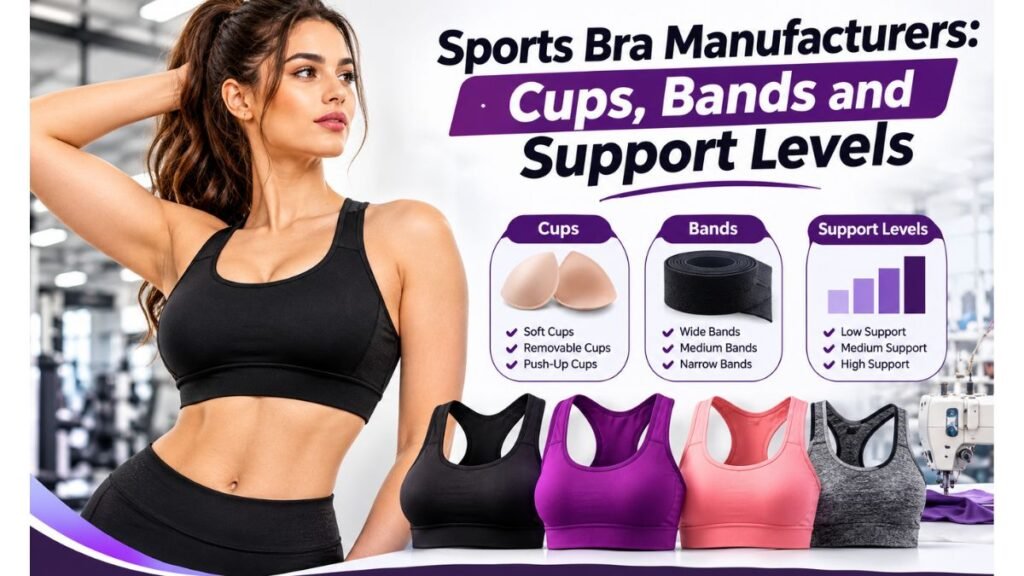
Underband Construction
The underband is an important part of a sports bra.
It helps the garment stay in place and contributes to its overall fit. Its width, elastic strength, and construction should match the product design.
A band that is too tight may feel uncomfortable. A band that is too loose may not provide the intended stability.
Cup Shape and Coverage
Cup construction affects coverage and fit.
Depending on the design, a sports bra may use molded cups, removable pads, shaped panels, or a simple lined construction.
The pattern should match the intended size range. Review the cup shape and coverage during sample fitting.
Back Design
The back of a sports bra can include racerback straps, cross-back details, adjustable closures, or wider panels.
Each design changes the garment’s appearance and fit.
Check whether the back design allows comfortable movement and keeps the straps in the intended position.
Stitching and Seam Placement
Seam placement affects both appearance and comfort.
Poorly positioned seams may rub against the skin during exercise. Weak stitching may fail when the garment stretches.
Review seam construction, stitch quality, and reinforcement during sample approval.
How to Find a Reliable Bra Making Company
Choosing a suitable bra making company requires careful research. Not every clothing manufacturer has the same experience with fitted activewear or sports bra construction.
Use the following points to evaluate potential suppliers.
1. Review Relevant Manufacturing Experience
Look for experience with sportswear, activewear, stretch garments, and fitted clothing.
Ask whether the manufacturer has experience with the type of sports bra you want to produce.
For example, a basic yoga bra and a structured high-support design may require different patterns and construction methods.
2. Ask About Fabric Capabilities
The manufacturer should be able to explain its available material options.
Discuss polyester blends, nylon blends, elastane content, fabric weight, and stretch requirements.
Ask how fabric availability may affect the minimum order quantity and production schedule.
3. Review Sampling Capabilities
Sampling is an important part of sports bra development.
Ask whether the manufacturer can develop samples based on your sketches, tech pack, reference garment, or design brief.
Check how sample revisions are managed and whether additional sample charges apply.
4. Confirm Customization Options
If you want a private-label product, confirm which details can be customized.
These may include:
- Fabric and color
- Strap design
- Neckline
- Back construction
- Cup and padding options
- Waistband design
- Logo placement
- Labels and hang tags
- Packaging
Not every supplier offers every option. Confirm the available services before finalizing your design.
5. Check Quality Control
Ask how the supplier checks measurements, stitching, fabric defects, and finished garments.
For sports bras, quality checks should also consider elastic recovery, seam strength, band construction, and consistency across sizes.
Agree on inspection requirements before bulk production.
6. Compare Complete Quotations
A quotation should explain the product specifications and included services.
Check whether the price covers sampling, fabric, trims, branding, packaging, inspection, and shipping.
A lower unit price may not include all the services you need.
The Role of Bra Designers and Manufacturers
Experienced bra designers and manufacturers help turn a product idea into a garment that can be produced consistently.
Design and manufacturing need to work together. A design may look attractive on paper but still require changes to become comfortable and practical.
Turning Ideas Into Technical Designs
The process may begin with a sketch, mood board, reference image, or existing garment.
The design team reviews the concept and develops technical details. These may include measurements, panel shapes, strap positions, fabric choices, and construction instructions.
A clear technical document helps the production team understand the design.
Developing Patterns
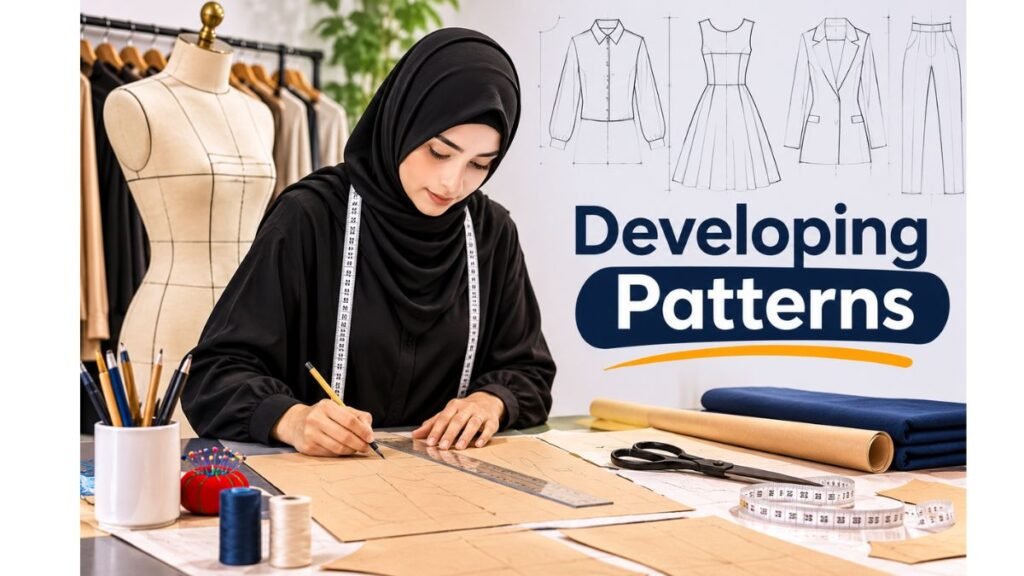
Patterns define the shape and dimensions of garment components.
Sports bras need careful pattern development because the garment fits close to the body.
The pattern should consider the cup area, underband, straps, back panels, and intended size range.
Creating and Reviewing Samples
The first sample helps identify design and fit issues.
The brand can review the sample and request changes to measurements, straps, fabric, coverage, or construction.
A revised sample may be needed before final approval.
Preparing for Bulk Production
Once the sample and specifications are approved, the manufacturer prepares the production process.
This may include material sourcing, cutting, sewing, decoration, inspection, and packaging.
The approved sample should remain the reference for bulk production.
Private-Label Custom Sports Bra Wholesale
Private-label manufacturing allows businesses to sell sports bras under their own brand name.
It can suit startups, established activewear labels, fitness retailers, and online stores.
Instead of selling only generic products, you can develop a collection that reflects your brand’s identity.
Custom Colors and Materials
You can select colors and fabrics based on your target audience.
Some brands prefer classic shades such as black, grey, and navy. Others may choose seasonal colors or matching shades for coordinated activewear sets.
Custom materials and colors may have minimum purchase requirements. Confirm these details before placing an order.
Custom Logos and Labels
Branding options may include woven labels, printed care labels, heat-transfer logos, and hang tags.
The logo size, color, position, and method should be approved before bulk production.
The decoration method must also suit the selected fabric.
Matching Activewear Collections
Sports bras can be developed alongside leggings, shorts, joggers, and other activewear products.
A coordinated collection may use matching colors, fabrics, and branding details.
This can help your business create a more consistent product range.
Custom Packaging
Packaging helps protect the finished product and prepares it for retail or online orders.
Options may include individual bags, size stickers, product information labels, and branded packaging.
Confirm packaging requirements and any destination-market labelling rules before production.
Understanding MOQ for Wholesale Sports Bras
MOQ stands for minimum order quantity. It is the smallest order a manufacturer accepts under its production terms.
The MOQ can depend on:
- Sports bra design
- Fabric type
- Custom color requirements
- Number of sizes
- Printing or embroidery
- Trims and accessories
- Packaging requirements
Some manufacturers offer lower minimums for standard materials. Custom fabrics or special trims may require larger quantities.
Fashion Soul International publishes a standard manufacturing MOQ starting at 100 pieces per style. Actual requirements should be confirmed for each project.
Before ordering, ask whether the MOQ applies per style, color, or size run. Also confirm whether different sizes can be mixed within the order.
How Much Does Custom Sports Bra Wholesale Cost?
The price of custom sports bras depends on the complete product specification.
There is no single wholesale price for every design. A simple sports bra may cost less to produce than a more structured style with custom panels, padding, and special trims.
Main Cost Factors
Fabric: Material composition, weight, availability, and quality affect the cost.
Construction: Complex panels, special seams, and structured designs may require more production work.
Padding and accessories: Removable cups, adjusters, elastic, and other components can affect pricing.
Order quantity: Larger orders may reduce the unit cost, depending on setup and material requirements.
Branding: Labels, logos, printing, and hang tags can add costs.
Packaging: Custom packaging may require additional materials and preparation.
Shipping: Freight, customs duties, and delivery terms affect the final landed cost.
How to Compare Quotes
Request quotations using the same specifications.
Compare fabric, sizes, construction, branding, packaging, inspection, and delivery terms.
Ask for a breakdown of additional charges. This helps you understand the full cost before confirming the order.
The Custom Sports Bra Manufacturing Process
A clear manufacturing process helps brands manage product development and bulk orders.
Step 1: Share Your Design Requirements
Provide a design brief, technical pack, sketches, or reference images.
Include the intended support level, fabric preference, size range, colors, branding, and estimated quantity.
Step 2: Confirm Product Specifications
Review the fabric composition, measurements, straps, cup construction, underband, seams, and finishing.
Confirm the details that affect fit and performance.
Step 3: Develop a Sample
The manufacturer prepares a sample based on the agreed specifications.
Review the garment carefully. Check fit, comfort, stretch, construction, and branding.
Step 4: Request Revisions
If the sample needs changes, provide clear instructions.
Use updated measurements, marked images, or written comments. Approve the revised version before moving forward.
Step 5: Approve Bulk Production
Confirm the final sample and specifications in writing.
The manufacturer can then prepare materials and begin the agreed bulk production process.
Step 6: Conduct Quality Inspections
Inspect garments during production and before shipment according to the agreed quality requirements.
Check measurements, stitching, fabric, elastic, straps, labels, and finishing.
Step 7: Complete Packaging and Shipping
After inspection, the order is packed according to the approved instructions.
Confirm shipping method, destination, export documents, delivery terms, and responsibilities for customs charges.
Quality Control for Custom Sports Bras
Quality control is especially important for fitted activewear. Small construction issues can affect comfort and product performance.
Check Fabric Quality
Inspect the fabric for holes, stains, uneven dyeing, and other defects.
Confirm that it matches the approved composition, weight, and color.
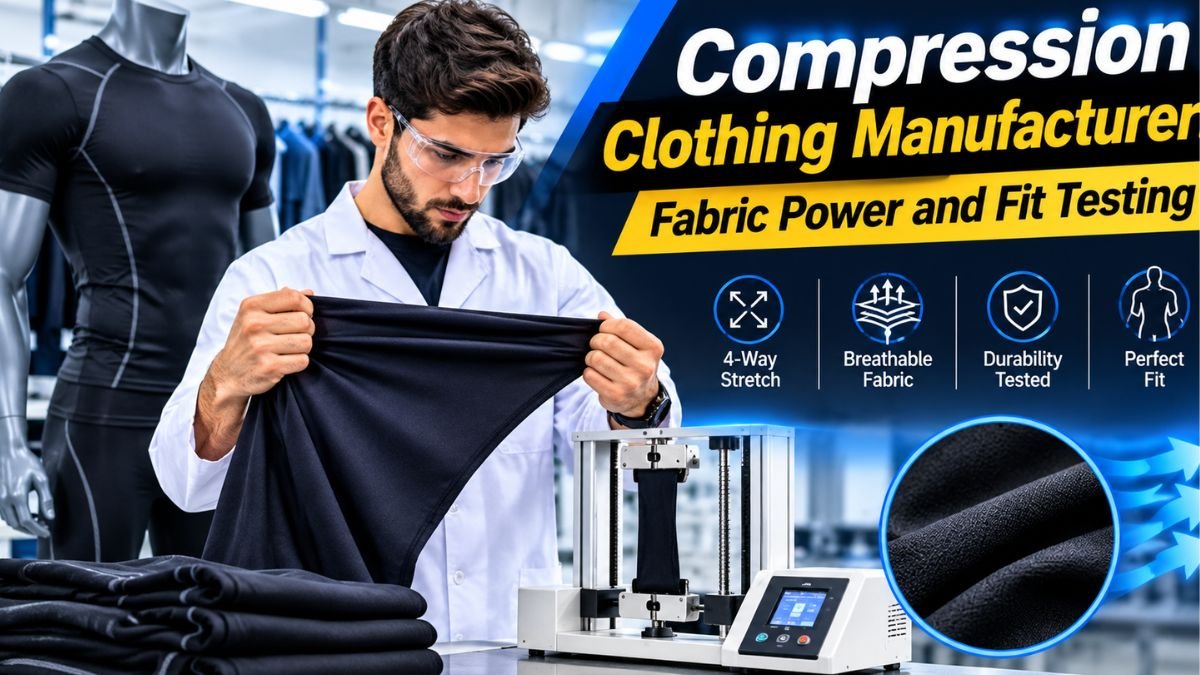
Test Stretch and Recovery
The fabric should stretch according to the product requirements and recover its shape.
Check the material in different directions. Also review how the garment behaves after repeated stretching.
Inspect Elastic and Straps
The underband and straps contribute to the garment’s fit.
Check that elastic is attached evenly and that strap construction matches the approved sample.
Look for loose stitching or uncomfortable edges.
Review Seam Strength
Stretch garments require suitable seam construction.
Inspect the seams for skipped stitches, broken threads, uneven stitching, and poor finishing.
Check Measurements Across Sizes
Compare finished garments with the approved measurement chart.
Review different sizes rather than checking only one sample. This helps identify grading or production inconsistencies.
Confirm Final Appearance
Check logo placement, labels, color, packaging, and finishing.
The finished order should match the approved product requirements.
Is Fashion Soul International a Suitable Manufacturing Partner?
Fashion Soul International is a factory-owned custom clothing manufacturer based in Sialkot, Punjab, Pakistan.
The company offers private-label, OEM, ODM, white-label, cut-and-sew, and full-package apparel manufacturing for international brands.
Its stated product categories include activewear and sportswear. Its manufacturing services cover product development, fabric and trim sourcing, sampling, bulk production, quality control, custom branding, packaging, export documentation, and international shipping.
The company lists fabric options that include polyester interlock and four-way stretch spandex. These materials may be relevant to certain activewear products.
For a custom sports bra project, buyers should confirm the company’s current sports bra construction capabilities, available fabrics, pattern requirements, support-level specifications, and size range before requesting production.
Fashion Soul International publishes a standard MOQ starting at 100 pieces per style. Actual requirements depend on the project and should be confirmed in a quotation.
The company’s stated process includes physical pre-production sample approval before bulk production. This allows buyers to review the garment before confirming the main order.
If you are developing a sportswear or activewear collection, prepare your design references, fabric preferences, measurements, and estimated quantity.
You can learn more about its manufacturing services at https://fashionsoulintl.com/.
Tips for Starting a Custom Sports Bra Collection
Launching a new sports bra collection requires planning. Start with a clear product concept and build your range around customer needs.
Identify Your Target Customers
Think about who will wear your products.
Your customers may include gym members, yoga enthusiasts, runners, fitness instructors, or people looking for everyday activewear.
Their needs may differ in terms of support, coverage, fabric, and style.
Choose a Focused Product Range
Avoid developing too many styles before understanding your market.
You might begin with a few designs, such as a basic training bra, a racerback style, and a longline sports bra.
This gives you an opportunity to test customer preferences.
Plan Your Size Range
Use a clear size chart and review the grading across sizes.
Consider the relationship between band measurements, cup coverage, strap length, and overall fit.
Accurate sizing information also helps customers choose products online.
Develop Matching Products
Consider matching sports bras with leggings, shorts, or other activewear.
Coordinated products can help create a complete collection.
Make sure colors and fabrics match across the approved products.
Test Samples Before Launch
Review samples carefully before approving production.
Check comfort, construction, fabric, fit, and the intended support level.
Use the feedback to improve the final product.
Common Mistakes to Avoid When Ordering Custom Sports Bras
Avoiding common sourcing mistakes can protect your budget and reduce production problems.
Choosing a supplier only by price: Compare product quality, construction, experience, and complete costs.
Ignoring fit and grading: Check the garment across the full size range.
Skipping physical samples: Approve a sample before bulk production.
Using unsuitable fabric: Match the material to the intended activity and garment design.
Overlooking elastic quality: Inspect the underband and straps because they affect fit and stability.
Providing incomplete instructions: Share clear measurements, fabric details, and construction requirements.
Assuming every service is included: Confirm sampling, labels, packaging, inspection, and shipping charges.
Ignoring delivery arrangements: Confirm production schedules, freight, customs, and delivery terms.
Frequently Asked Questions
What is custom sports bra wholesale?
Custom sports bra wholesale involves ordering sports bras in bulk with selected designs, fabrics, colors, sizes, and branding. It allows businesses to develop products that match their brand requirements.
How do I find a reliable bra making company?
Review the company’s experience with activewear and fitted garments. Ask about samples, fabric options, size grading, customization, MOQ, and quality control before placing an order.
What should I ask bra designers and manufacturers?
Ask about pattern development, fabric sourcing, sample revisions, construction methods, size grading, branding, production timelines, and inspection procedures.
Which fabrics are commonly used for sports bras?
Polyester and elastane, nylon and elastane, and other stretch blends are common options. The best material depends on the design, intended activity, coverage, and support requirements.
Can I order sports bras with my own logo?
Many private-label manufacturers offer custom branding. Options may include heat-transfer logos, woven labels, printed labels, and hang tags. Confirm available methods and additional costs.
What is the MOQ for custom sports bras?
MOQ varies by manufacturer, fabric, design, color, and customization. Ask whether the minimum applies per style, color, or size run.
How long does sports bra manufacturing take?
The timeline depends on design complexity, material availability, sample revisions, order quantity, and factory scheduling. Request a project-specific timeline covering sampling, bulk production, inspection, and shipping.
Can I develop matching sports bras and leggings?
Yes, if the manufacturer has the required product capabilities. You can discuss matching fabrics, colors, branding, and design details for a coordinated activewear collection.
Why is sample approval important?
A physical sample allows you to review fit, fabric, measurements, construction, and branding before bulk production. It helps identify changes while the project is still in development.
Final Thoughts
Custom sports bra wholesale gives clothing brands an opportunity to develop activewear products that match their customers and brand identity. From fabric selection and pattern development to sampling, branding, and bulk production, every stage affects the final garment.
Choose a manufacturing partner with relevant product capabilities and clear communication. Review physical samples, confirm the size range, and agree on quality requirements before approving production.
Whether you are working with a bra making company or comparing experienced bra designers and manufacturers, focus on fit, comfort, construction, and reliable production planning.
A well-developed sports bra collection starts with clear specifications and careful supplier selection. With the right preparation, your brand can build an activewear range that meets customer expectations and supports future growth.