Leggings Manufacturers: Complete Guide to Custom Leggings Production
Finding reliable leggings manufacturers is an important step for clothing brands entering the activewear, fitness, and fashion markets. Leggings are popular because they offer comfort, flexibility, and versatile styling. However, producing high-quality leggings requires more than choosing attractive fabric and colors. Brands must consider stretch, fit, fabric recovery, stitching, opacity, and overall durability.
Whether you are launching a new activewear label or expanding an existing clothing business, the right manufacturing partner can help turn your ideas into finished products. A suitable manufacturer can support fabric sourcing, pattern development, sampling, bulk production, custom branding, and quality control.
This guide explains how leggings manufacturing works, which fabrics and construction methods matter, how to compare suppliers, and what to consider before placing an order. It also explains how to find a leggings manufacturer for private-label and custom apparel production.
What Do Leggings Manufacturers Do?
Leggings manufacturers produce different types of leggings for fashion brands, fitness companies, retailers, wholesalers, and other apparel businesses. Their work can include product development, fabric sourcing, pattern making, cutting, sewing, decoration, finishing, and packaging.
Some manufacturers produce ready-made leggings that buyers can purchase in bulk. Others specialize in custom production based on a brand’s designs and specifications.
Custom manufacturing gives brands more control over important product details, including:
- Fabric composition and weight
- Stretch and recovery
- Waistband height and construction
- Leg length and overall fit
- Colors and patterns
- Pockets and other design features
- Printing and branding
- Labels and packaging
For example, a fitness brand may need high-stretch leggings with a supportive waistband and moisture-managing fabric. A fashion label may prefer soft everyday leggings with a simple design.
The manufacturer’s capabilities should match the intended use of the product.
Types of Leggings You Can Manufacture
Before contacting a manufacturer, decide which leggings your brand wants to sell. Different styles have different fabric, construction, and performance requirements.
1. Workout Leggings
Workout leggings are designed for physical activities such as gym training, yoga, running, and fitness classes.
They usually require flexible materials that allow movement. Four-way stretch fabric is a common option because it stretches across the width and length.
Important features may include:
- Flexible construction
- Secure waistbands
- Flat or low-profile seams
- Sweat-managing fabric
- Comfortable fit
- Durable stitching
The fabric should support movement without becoming uncomfortable during exercise.
2. Yoga Leggings
Yoga leggings focus on flexibility, comfort, and freedom of movement. They should allow users to stretch, bend, and change positions without feeling restricted.
Many designs use soft stretch fabrics with a smooth surface. High-waisted construction is also common.
Brands should test yoga leggings during movement. A garment that feels comfortable while standing may fit differently during deep stretches.
3. High-Waisted Leggings
High-waisted leggings feature a waistband that sits higher on the body. This design is popular in activewear and everyday fashion.
The waistband should provide a secure fit without excessive pressure. Its height, width, elastic support, and stitching all affect comfort.
Manufacturers can develop different waistband shapes based on the brand’s specifications.
4. Compression Leggings
Compression leggings use close-fitting materials designed to provide a firm feel around the body.
The amount of compression depends on the fabric, stretch properties, pattern, and garment construction. Brands should define their intended fit and test samples before production.
Avoid making medical or performance claims unless suitable evidence supports them.
5. Seamless-Style Leggings
Seamless leggings are commonly associated with knitted garment construction that reduces or changes the placement of traditional seams.
They may require specialized knitting equipment and production capabilities. Not every cut-and-sew manufacturer produces seamless garments.
If seamless construction is important to your product, confirm the supplier’s machinery and experience before requesting a quotation.
6. Everyday and Fashion Leggings
Everyday leggings are designed for casual wear, layering, travel, and general comfort.
Brands may choose cotton blends, polyester blends, or other suitable stretch fabrics. Design details can include simple waistbands, decorative panels, printed patterns, or different lengths.
These products may have different fabric requirements from performance-focused workout leggings.
How to Choose the Right Fabric for Leggings
Fabric selection is one of the most important decisions in leggings manufacturing. It affects fit, stretch, comfort, appearance, and durability.
A manufacturer should understand your product requirements before recommending materials.
Polyester and Spandex
Polyester blended with spandex is widely used in activewear. Polyester provides strength and shape retention, while spandex adds stretch.
This combination can suit workout leggings, gym wear, and other performance-focused products.
The exact blend should be selected according to the desired feel, stretch, weight, and use.
Nylon and Spandex
Nylon and spandex blends are another option for stretch leggings. Nylon fabrics can provide a smooth surface and comfortable feel.
They are often considered for yoga wear, fitness clothing, and premium activewear products.
Brands should compare fabric samples before making a final decision.
Cotton and Spandex
Cotton and spandex blends combine the familiar feel of cotton with added flexibility.
These fabrics may suit casual leggings and everyday clothing. However, their performance during intense workouts may differ from synthetic activewear fabrics.
Choose materials according to the intended use rather than appearance alone.
Understanding GSM
GSM means grams per square metre. It measures fabric weight.
Different GSM levels can affect how a fabric feels and performs. Lightweight fabrics may feel softer and thinner, while heavier fabrics may offer more coverage.
However, GSM alone does not determine fabric quality or opacity. Fiber type, knitting structure, stretch, and finishing also matter.
Ask manufacturers for fabric specifications and physical swatches. Test the material before approving the final product.
Important Features of High-Quality Leggings
A good leggings design must balance comfort, fit, construction, and appearance. Brands should check several features during sample development.
Stretch and Recovery
Stretch allows leggings to move with the body. Recovery describes how well the fabric returns to its original shape after stretching.
Poor recovery can cause garments to lose their shape over time.
Ask for fabric information and test samples after repeated stretching. Check whether the waistband and knees maintain their shape.
Opacity and Coverage
Opacity is especially important for workout leggings. Fabric should provide the coverage expected from the product.
Test the sample under suitable lighting and during common movements. Squats, bending, and stretching can reveal problems that are not visible while standing.
Do not rely on fabric color or GSM alone to judge opacity.
Waistband Construction
The waistband affects fit and comfort. It should stay in place without rolling, twisting, or creating unnecessary pressure.
Common options include:
- High-rise waistbands
- Wide elastic waistbands
- Double-layer waistbands
- Contoured waistbands
- Adjustable waist designs
The best option depends on the product and target customer.
Stitching and Seams
Leggings need strong seams because the fabric stretches during movement.
Common construction details may include overlock stitching, cover stitching, and reinforced seams. The correct method depends on the fabric and design.
Inspect the sample for skipped stitches, uneven seams, loose threads, and areas that may experience stress.
Fit and Size Consistency
A leggings size chart should include clear measurements. These may cover waist, hip, inseam, rise, and leg opening.
The manufacturer should follow the approved size specifications during pattern grading and bulk production.
Test more than one size when possible. A sample in one size does not automatically confirm that every size will fit correctly.
How Does the Leggings Manufacturing Process Work?
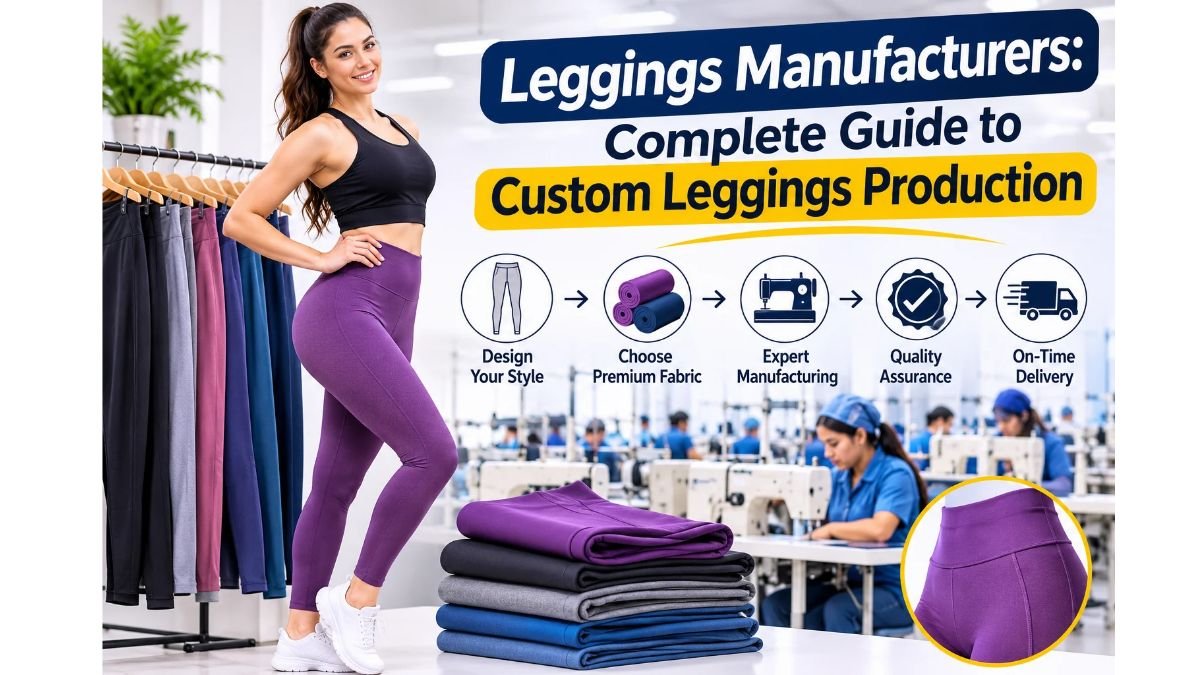
The leggings manufacturing process involves several stages. Each stage helps turn the initial design into a finished garment.
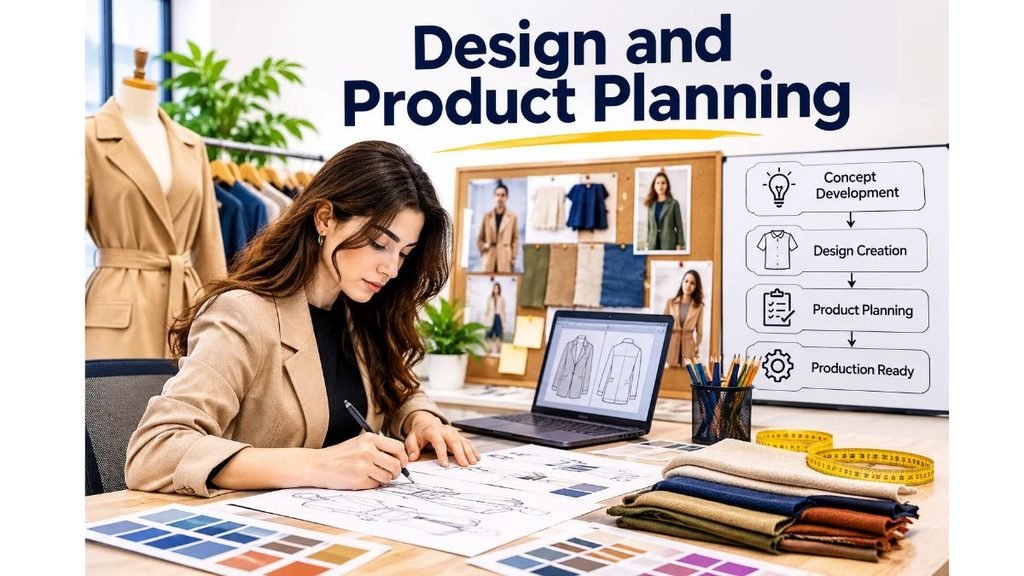
1. Design and Product Planning
The process starts with the product concept. The brand decides the leggings style, target customer, fabric preferences, colors, sizes, and special features.
You can provide:
- Design sketches
- Reference images
- Existing sample garments
- Measurement charts
- Technical packs
- Fabric preferences
- Branding instructions
A detailed product brief helps the manufacturer understand the project.
2. Pattern Development
Pattern making creates the garment pieces needed for production. For leggings, the pattern may include front and back leg panels, waistband pieces, gussets, and other design elements.
Pattern development affects the garment’s fit and movement.
An experienced pattern maker should consider stretch direction, fabric behavior, body measurements, and intended fit.
3. Fabric Sourcing
The manufacturer identifies suitable fabrics and trims based on the approved product requirements.
You may request different fabric options to compare weight, texture, stretch, and color.
Confirm the material composition and availability before sampling. Special fabrics may have additional minimum order requirements.
4. Sample Development
The manufacturer creates a physical sample based on the approved design and specifications.
Review the sample for:
- Fabric feel
- Stretch and recovery
- Waistband fit
- Rise and inseam
- Overall measurements
- Seam construction
- Opacity
- Color and finishing
If changes are required, provide clear instructions. The manufacturer should update the sample or specifications before bulk production.
5. Cutting and Sewing
Once the sample is approved, the fabric is prepared for production.
Pattern pieces are arranged and cut according to the production plan. The sewing team then assembles the garment.
The production process may include attaching the waistband, joining leg panels, inserting gussets, and finishing hems.
The exact construction depends on the approved design.
6. Printing and Branding
Some brands require logos, patterns, or other visual details.
Possible options include screen printing, sublimation, heat transfer, and other suitable decoration methods.
The best method depends on fabric composition, design complexity, color requirements, and intended use.
Custom labels and hang tags can also be added during production.
7. Quality Inspection
Quality checks help identify defects and inconsistencies.
Inspectors may check measurements, stitching, fabric defects, waistband construction, print placement, and finishing.
For leggings, stretch and opacity should also receive attention. These features directly affect how the product performs during use.
8. Finishing and Packaging
After inspection, garments may undergo thread trimming, cleaning, folding, labeling, and packaging.
Brands can request individual polybags, size stickers, hang tags, and custom packaging.
Confirm packaging instructions before production begins.
What Should You Look for in a Leggings Manufacturer?
Choosing a reliable manufacturer requires research. The right partner should understand your product and provide clear information about its capabilities.
Experience With Stretch Fabrics
Leggings require materials that stretch and recover. Ask whether the manufacturer has experience with activewear fabrics and stretch garment construction.
Request relevant product examples or samples where available.
Customization Options
Your manufacturer should be able to explain which product details can be customized.
These may include fabric, color, fit, waistband, pockets, printing, embroidery, labels, and packaging.
Confirm whether each option is available for your required quantity.
Sampling Process
A clear sampling process helps reduce mistakes.
Ask how long sample development usually takes, whether revisions are possible, and how sample approval is recorded.
Do not begin bulk production until the physical pre-production sample and specifications are approved.
Quality Control
Ask what the manufacturer checks during production and before shipment.
For leggings, useful checks include measurements, stretch performance, seam strength, opacity, waistband fit, and decoration quality.
Agree on inspection requirements before placing the order.
MOQ and Pricing
Minimum order quantity, or MOQ, is the smallest order a manufacturer accepts under specific conditions.
Ask whether the MOQ applies per style, color, or size range. Also confirm sample charges, fabric costs, branding costs, and shipping.
A low unit price is not always the lowest total project cost.
Leggings Manufacturer USA: What Should American Brands Consider?
Brands searching for a leggings manufacturer USA may be comparing domestic production with international manufacturing.
A US-based manufacturer may offer local communication, shorter domestic shipping routes, and easier access to certain production services. However, capabilities, pricing, minimum quantities, and available materials vary between suppliers.
International manufacturers may provide different production options and pricing structures. Buyers should compare the complete order rather than focusing only on the garment price.
If you source leggings internationally, consider:
- Manufacturing location
- Fabric and trim availability
- Sample shipping
- Bulk production timeline
- Freight costs
- Customs duties and import requirements
- Delivery terms
- Communication and quality checks
Fashion Soul International is based in Sialkot, Pakistan, and serves international apparel brands. It should not be described as a US-based factory. American buyers considering overseas production should confirm shipping arrangements, import responsibilities, and delivery expectations before ordering.
Private-Label Leggings Manufacturing
Private-label manufacturing allows a brand to sell leggings under its own name. The manufacturer produces the garments according to the agreed specifications and branding instructions.
This model can suit startups, fitness brands, online stores, retailers, and established apparel companies.
Private-label customization may include:
- Custom colors
- Fabric selection
- Waistband design
- Fit and sizing
- Printed logos
- Woven labels
- Printed neck labels
- Hang tags
- Branded packaging
The available options depend on the manufacturer and order quantity.
Before production, approve the garment sample and all branding details. This helps ensure that the finished products match your brand requirements.
How Much Does It Cost to Manufacture Leggings?
The cost of manufacturing leggings depends on several factors. There is no single price that applies to every product.
Important cost factors include:
Fabric type: Nylon blends, polyester blends, cotton blends, and specialty fabrics may have different costs.
Fabric weight: Heavier or specialized materials may affect the total fabric cost.
Design complexity: Pockets, panels, gussets, special waistbands, and other features can add production work.
Order quantity: Larger quantities may reduce some per-unit costs, depending on material and production requirements.
Branding: Printing, embroidery, labels, and custom packaging can change the final price.
Sampling: Pattern development and sample revisions may involve separate charges.
Shipping: Freight method, destination, duties, and delivery terms affect the total landed cost.
Request a detailed quotation. Make sure it explains what is included and which services cost extra.
What Is the MOQ for Leggings Manufacturers?
MOQ means minimum order quantity. It is the smallest quantity a manufacturer accepts for a particular production arrangement.
The MOQ for leggings can vary according to fabric, color, design, and customization requirements.
For example, Fashion Soul International publishes a standard manufacturing MOQ starting at 100 pieces. The actual requirement for leggings should be confirmed through a project-specific quotation.
Before placing an order, ask:
- Is the MOQ per style or per color?
- Can different sizes be mixed?
- Can the order include multiple colors?
- Are special fabrics subject to higher minimums?
- Are labels and packaging included in the MOQ?
These questions help you plan your inventory and budget.
Why Work With Fashion Soul International for Custom Leggings?
Fashion Soul International is a factory-owned custom clothing manufacturer based in Sialkot, Punjab, Pakistan. The company provides private-label, OEM, ODM, white-label, cut-and-sew, and full-package apparel manufacturing.
Its published services include product development, fabric sourcing, sampling, bulk production, quality control, custom branding, packaging, export documentation, and international shipping.
These services can support clothing brands that want to develop custom apparel through a coordinated manufacturing process.
For leggings projects, buyers should share their preferred fabric composition, GSM, stretch requirements, fit, size chart, waistband design, colors, and branding details. The manufacturing team can then review the requirements and confirm suitable options.
Fashion Soul International publishes a standard MOQ starting at 100 pieces. The company also describes a sample approval process before bulk production begins.
Its published general timelines are:
- Sample development: typically 7–14 business days
- Bulk production: generally 20–35 business days after sample approval
Actual timelines depend on product specifications, material availability, revisions, order quantity, and production scheduling.
If you are planning a leggings collection, prepare your design details and estimated quantity before requesting a quotation through https://fashionsoulintl.com/.
Common Mistakes to Avoid When Choosing a Leggings Manufacturer
A few common mistakes can create unnecessary costs and production problems.
Choosing Only by Price
A low quotation may not include the fabric quality, branding, packaging, or inspection standards you need.
Compare complete quotations and confirm all specifications before making a decision.
Ignoring Fabric Testing
A fabric may look good but perform poorly during movement.
Test stretch, recovery, opacity, and comfort before approving the material.
Skipping Sample Approval
Never rely only on design images or verbal descriptions. Review a physical sample and confirm the final measurements.
Providing an Unclear Size Chart
Incomplete measurements can lead to inconsistent sizing.
Provide clear specifications and review the graded size range before bulk production.
Forgetting About Shipping Costs
International shipping, customs duties, and other charges can affect your final cost.
Confirm the shipping method and delivery terms before placing the order.
Not Documenting Changes
Record changes to fabric, measurements, colors, trims, and branding in writing. This gives the production team a clear reference.
Frequently Asked Questions
How do I find reliable leggings manufacturers?
Research manufacturers that work with stretch fabrics and activewear. Review their product experience, customization options, sampling process, MOQ, quality checks, and communication. Request a quotation and approve a physical sample before bulk production.
What is the difference between a leggings manufacturer and a leggings supplier?
A leggings manufacturer produces garments or manages their production. A supplier may sell finished leggings made by another company. Ask whether the business owns production facilities or works with outside factories.
Can leggings manufacturers produce custom designs?
Many custom manufacturers can produce leggings based on brand specifications. Options may include fabric, colors, waistband design, pockets, sizing, logos, labels, and packaging. Available customization depends on production capabilities and order quantity.
What fabric is best for workout leggings?
Polyester-spandex and nylon-spandex blends are common options for workout leggings. The best fabric depends on stretch, recovery, comfort, opacity, and intended activity. Always review physical samples before selecting the final material.
What is a common MOQ for custom leggings?
MOQ varies by manufacturer, product, fabric, and customization. Fashion Soul International publishes a standard MOQ starting at 100 pieces, while the exact requirement for a leggings project must be confirmed through quotation.
Can I order private-label leggings?
Yes. Private-label production allows brands to sell leggings under their own names. Depending on the manufacturer, you may customize fabric, fit, colors, labels, logos, and packaging.
Do leggings manufacturers offer samples?
Many custom manufacturers offer sample development before bulk production. Samples allow brands to review fabric, measurements, fit, stitching, and decoration. Confirm the sample cost and development timeline before starting.
How long does leggings manufacturing take?
The timeline depends on fabric sourcing, sample approval, order quantity, and product complexity. Ask the manufacturer for a project-specific schedule that includes sampling, bulk production, inspection, and shipping.
Final Thoughts
Choosing the right leggings manufacturers is an important decision for any activewear or fashion brand. The manufacturer should understand stretch fabrics, garment construction, fit, sizing, branding, and quality control.
Start with a clear product brief. Select suitable materials, review physical samples, confirm the MOQ, and document your specifications before bulk production.
Whether you need workout leggings, yoga leggings, compression styles, or everyday fashion leggings, a capable manufacturing partner can help turn your concept into a finished product. Compare suppliers carefully and choose one whose services, communication, and production capabilities match your business needs.