Custom Clothing Manufacturers: A Complete Guide for Fashion Brands
Finding the right custom clothing manufacturers is an important step for any business that wants to create unique apparel. Whether you are launching a new clothing line, expanding an online store, or building an established fashion brand, your manufacturing partner can influence product quality, pricing, delivery times, and customer satisfaction.
Custom clothing manufacturers help businesses turn designs and ideas into finished garments. Depending on their capabilities, they may support fabric sourcing, pattern development, sampling, bulk production, printing, embroidery, custom labels, packaging, and shipping.
However, not every manufacturer offers the same services. Some specialize in basic T-shirts, while others focus on activewear, streetwear, jackets, denim, or technical garments. Choosing the right partner requires careful research and a clear understanding of your product requirements.
This guide explains how custom clothing manufacturing works, which services to look for, how to compare suppliers, and what to consider before placing your first production order.
What Are Custom Clothing Manufacturers?
Custom clothing manufacturers are businesses that produce garments according to a customer’s design, specifications, or branding requirements. They work with clothing brands, retailers, startups, wholesalers, and other businesses that need apparel made for a particular purpose.
Unlike suppliers that sell only ready-made products, custom manufacturers can often adjust garment construction, fabric, colors, measurements, and finishing details.
For example, a clothing brand may want oversized hoodies made from heavyweight fleece. Another business may need lightweight activewear with stretch fabric and moisture-wicking properties. A manufacturer can help develop these products according to the agreed specifications.
The services available depend on the factory and the project. Some manufacturers handle only cutting and sewing, while others manage the complete production process.
Common services include:
- Product development and pattern making
- Fabric and trim sourcing
- Sample development
- Cutting and sewing
- Printing and embroidery
- Custom labels and hang tags
- Garment washing and finishing
- Quality control
- Packaging and shipping
Working with a suitable manufacturer gives brands greater control over their products. It can also help them create a consistent identity across their clothing collections.
Why Do Fashion Brands Need Custom Clothing Manufacturers?
Custom manufacturing is useful when a business wants more control over the products it sells. Instead of relying entirely on existing wholesale designs, a brand can develop garments that match its target customers and business goals.
Create Unique Designs
Custom manufacturing allows you to develop products with specific silhouettes, colors, fabrics, and details. You can create distinctive T-shirts, hoodies, tracksuits, jackets, dresses, or other apparel based on your design direction.
This flexibility can help your products stand apart from generic ready-made clothing.
Build Your Own Brand Identity
A manufacturer may offer custom neck labels, woven labels, printed logos, hang tags, and branded packaging. These details help create a consistent presentation across your product range.
Before production, confirm which branding options are available and whether they require additional minimum quantities or charges.
Control Fabric and Construction
Fabric choice affects how a garment feels, fits, and performs. Construction details influence durability, comfort, and appearance.
With custom manufacturing, you can specify materials, garment measurements, stitching, trims, and finishing requirements. The manufacturer can then work toward those specifications.
Support Business Growth
A reliable manufacturing relationship can help you repeat successful products and introduce new styles. However, production capacity, lead times, and minimum quantities should be reviewed before increasing order volumes.
Starting with a manageable collection and improving it over time can be more practical than launching too many products at once.
Types of Custom Clothing Manufacturers
Understanding different manufacturing models helps you choose a supplier that matches your needs.
Private-Label Clothing Manufacturers
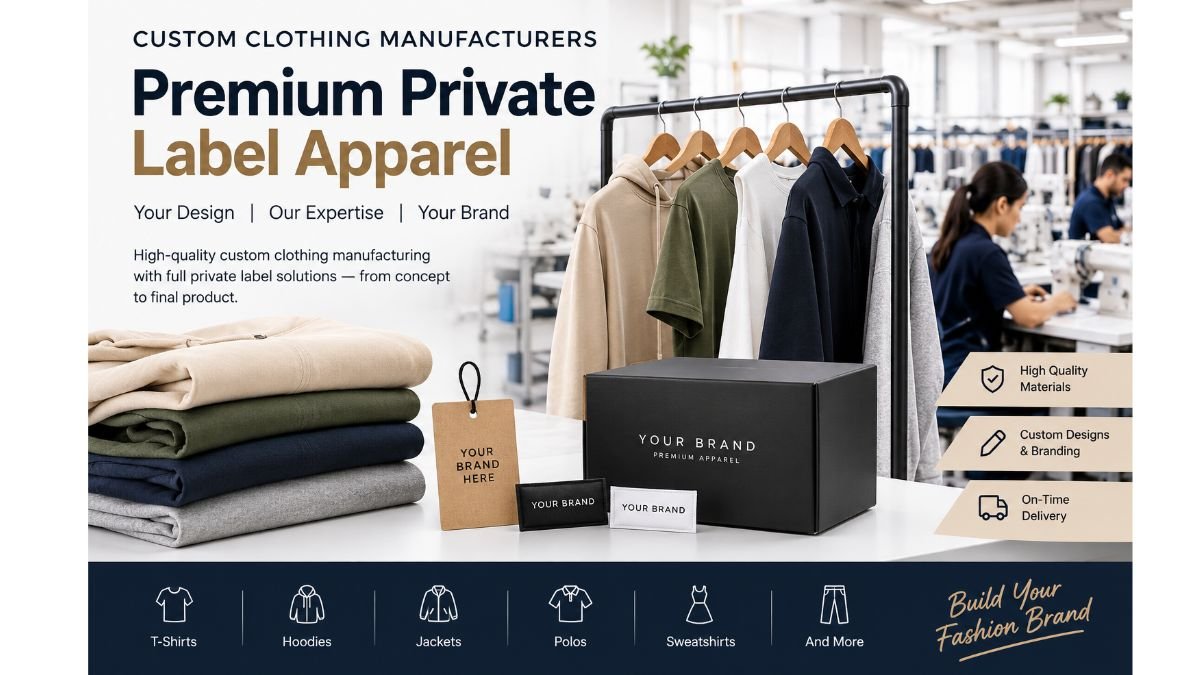
Private-label manufacturers produce garments that businesses sell under their own brand names. Depending on the arrangement, you may choose existing product styles or customize details such as fabric, color, labels, and packaging.
Private-label production is useful for businesses that want branded products without owning a factory.
OEM Clothing Manufacturers
OEM stands for Original Equipment Manufacturer. In apparel production, OEM arrangements commonly involve manufacturing products according to a buyer’s designs and specifications.
The buyer may provide a tech pack, measurements, material requirements, artwork, and construction details. The manufacturer then produces the garments according to the agreed requirements.
ODM Clothing Manufacturers
ODM stands for Original Design Manufacturer. An ODM supplier may offer existing designs or provide product-development support that buyers can adapt for their brands.
The degree of customization and ownership of designs depends on the contract. Always clarify design rights, exclusivity, and permitted reuse before production.
White-Label Clothing Manufacturers
White-label manufacturers generally offer products that can be sold under another business’s branding. These products may require less development than garments created entirely from scratch.
White-label production can be suitable for businesses that want to enter the market with a simpler product-development process.
Cut-and-Sew Manufacturers
Cut-and-sew manufacturers cut fabric according to patterns and sew the pieces together to create finished garments. This model supports custom shapes, sizes, and construction details.
It is especially relevant to brands that want more control over fit, fabric, and garment design.
Full-Package Manufacturers
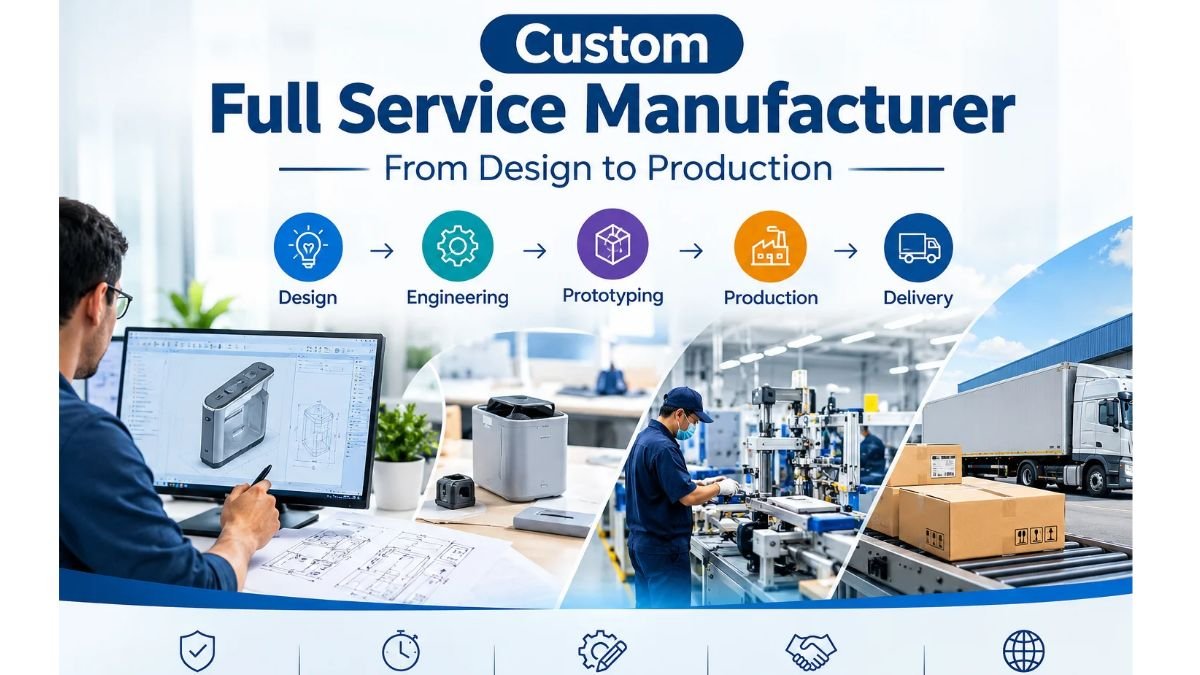
Full-package manufacturers coordinate several stages of production. Depending on the service agreement, they may manage material sourcing, sampling, manufacturing, quality inspections, labels, packaging, and shipping.
This arrangement can reduce the amount of coordination a brand must manage independently.
What Products Can Custom Clothing Manufacturers Produce?
Manufacturing capabilities vary by factory. Some specialize in a narrow category, while others produce several types of apparel.
T-Shirts and Casual Clothing
T-shirts are common products for new clothing brands. Custom options may include fabric composition, GSM, fit, neck rib, sleeve length, printing, embroidery, and labels.
GSM means grams per square meter. It describes fabric weight and can help buyers compare materials, although it does not determine quality on its own.
Casual clothing may also include polos, sweatshirts, joggers, shorts, and everyday tops.
Hoodies and Streetwear
Streetwear brands often focus on oversized fits, heavyweight fabrics, distinctive graphics, embroidery, and garment washes.
Manufacturers may offer cotton jersey, French terry, brushed fleece, ribbed trims, puff printing, screen printing, and other decoration options.
Discuss the intended fit and fabric behavior before approving a sample. Heavy materials and special finishing techniques can affect the final cost.
Activewear and Sportswear
Activewear and sportswear may require stretch, breathability, moisture management, and durable seams.
Depending on the product, buyers may need polyester blends, elastane fabrics, performance knits, reinforced stitching, or specific waistband construction.
Ask the manufacturer about its experience with your particular product. Producing a basic cotton T-shirt is different from producing fitted leggings or performance tops.
Jackets and Outerwear
Jackets can involve more complex construction than simple garments. They may require linings, zippers, pockets, insulation, special fabrics, and additional finishing steps.
Provide clear technical specifications and allow time for sample revisions.
Workwear and Uniforms
Workwear and uniforms may require durable fabrics, repeated sizing, practical pockets, and consistent branding.
If garments must meet specific safety or performance standards, explain those requirements before requesting a quotation. Confirm whether the manufacturer can provide the necessary materials and supporting documentation.
How Does Custom Clothing Manufacturing Work?
A clear production process reduces misunderstandings and helps buyers track progress.
Step 1: Share Your Product Idea
Start with a design brief, sketches, reference images, or an existing garment. Explain the product type, target customer, intended fit, color preferences, and expected quantity.
You can also share your estimated budget and delivery requirements.
A detailed starting brief helps the manufacturer assess the project and identify missing information.
Step 2: Finalize the Technical Specifications
A tech pack is a document that explains how a garment should be made. It may include technical drawings, measurements, grading, materials, colors, trims, stitching, artwork placement, and construction details.
A finalized tech pack helps reduce confusion during sampling and production.
If you do not have one, ask whether the manufacturer can assist with product development. Some suppliers can work from reference garments or sketches, but they may need additional information before preparing a sample.
Step 3: Select Fabrics and Trims
Fabric selection depends on the garment’s intended use, appearance, comfort, and budget.
Common options include cotton jersey, French terry, brushed fleece, polyester interlock, stretch blends, denim, twill, and canvas.
Trims may include zippers, buttons, drawcords, elastic, labels, and other components.
Confirm fabric composition, weight, color, availability, and any special finishing requirements. Ask whether the quoted material is available for both sampling and bulk production.
Step 4: Develop and Review a Sample
The manufacturer creates a sample to demonstrate how the design may look and fit.
Review the garment carefully. Check measurements, fabric feel, stitching, trims, decoration, and overall construction.
If changes are required, record them clearly. A revised sample may be necessary before the design is ready for bulk production.
Step 5: Approve the Pre-Production Sample
Once the sample meets your requirements, provide written approval. Confirm that the final specifications match the approved sample.
Do not rely on verbal approval alone. Keep a record of the accepted measurements, fabric, artwork, trims, and construction details.
Step 6: Begin Bulk Production
After approval and agreement on commercial terms, the manufacturer can schedule bulk production.
The process may involve fabric inspection, cutting, sewing, decoration, finishing, and assembly. The exact sequence depends on the garment and the production setup.
Changes made after production begins can cause delays and additional costs. Finalize key details before authorizing the bulk order.
Step 7: Complete Quality Checks
Quality checks help identify defects before garments are shipped.
Inspections may cover fabric condition, measurements, stitching, print placement, trim attachment, finishing, and packaging.
Agree on quality standards before production. For larger orders, consider independent inspection if it suits your risk level and budget.
Step 8: Package and Ship the Order
Finished garments may be folded, tagged, packed individually, and placed in shipping cartons according to the agreed instructions.
Confirm the shipping method, destination, delivery terms, export documents, and responsibility for duties or taxes.
International orders should include a clear understanding of which charges are included in the quotation.
How to Choose the Right Custom Clothing Manufacturer
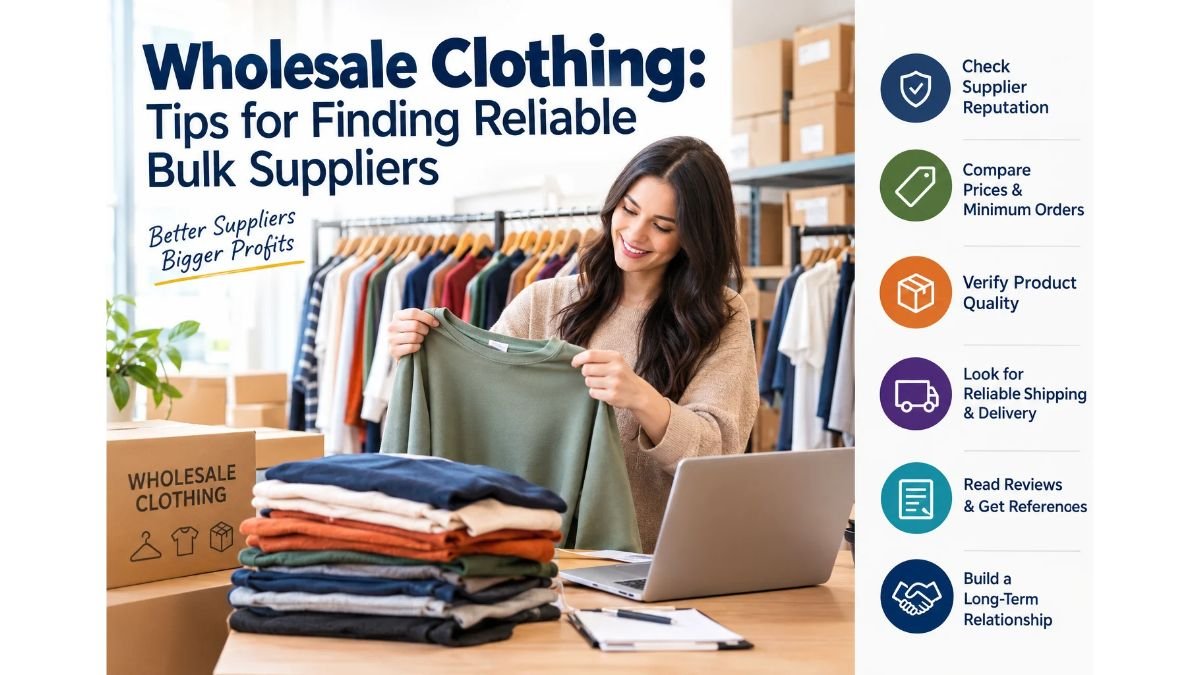
Choosing a manufacturer involves more than comparing prices. You need to evaluate whether the supplier can meet your quality, quantity, communication, and delivery requirements.
Check Relevant Experience
Look for manufacturers with experience in your product category. Ask for examples of similar garments and information about the processes they use.
A supplier that understands your product may be better prepared to discuss fabric behavior, construction, and production challenges.
Review Manufacturing Capabilities
Confirm whether the manufacturer offers the services you need. If your project requires embroidery, garment dyeing, special washes, or technical fabrics, ask about those capabilities directly.
Also clarify whether any production steps are handled by subcontractors.
Evaluate Communication
Good communication helps prevent misunderstandings. A suitable manufacturer should explain its requirements, ask relevant questions, and provide clear responses about costs and timelines.
Notice whether it understands your product brief and identifies details that need clarification.
Request Samples
A sample provides direct evidence of how the manufacturer interprets your design. It is a useful way to evaluate product quality before making a larger commitment.
Review the sample against your specifications rather than relying only on photographs or verbal assurances.
Verify Business Information
Check the supplier’s company details, contact information, address, and available documentation. For substantial orders, consider a factory visit, video walkthrough, references, or independent inspection.
If a manufacturer claims to hold certifications, request relevant documents and verify them where possible.
Confirm Commercial Terms
Before placing an order, agree on pricing, MOQ, payment milestones, sampling fees, delivery expectations, shipping terms, and the process for handling defective goods.
Put important commitments in writing.
Understanding MOQ and Production Costs
Minimum order quantity, or MOQ, is the smallest order a manufacturer accepts under its stated conditions.
Custom clothing manufacturers may set minimums per style, color, or project. The required quantity often depends on material availability, production complexity, and customization.
Ask whether the MOQ applies separately to each color or whether different sizes can be combined within one style.
The total cost of a garment may include more than manufacturing labor. Consider these factors:
- Fabric and trims
- Pattern making and product development
- Sampling and revisions
- Cutting and sewing
- Printing or embroidery
- Labels and hang tags
- Packaging
- Quality inspections
- Freight and insurance
- Import duties and taxes
Request an itemized quotation where possible. Comparing the full cost helps you estimate your landed cost per garment and determine whether your expected selling price leaves enough room for other business expenses.
If you are launching a new brand, consider starting with a smaller collection and fewer color variations. This can make product testing and inventory planning easier.
How to Prepare Before Contacting a Manufacturer
Good preparation helps you receive more useful quotations and reduces unnecessary delays.
Before contacting a supplier, gather the following information:
Product details: Describe the garment, intended fit, target customer, and use.
Design references: Provide sketches, images, or a tech pack if available.
Materials: Specify your preferred fabric composition, weight, colors, and trims.
Branding: Explain the printing, embroidery, labels, and packaging you need.
Quantity: Estimate how many pieces you want and how the order will be divided across styles, colors, and sizes.
Budget: Share a realistic target price or budget range when appropriate.
Destination: State the country where the order will be delivered.
Timeline: Explain your target launch date while allowing time for sampling, revisions, production, and shipping.
If some details are not finalized, say so. A manufacturer may be able to advise on available options, but it will need sufficient information to estimate the project accurately.
Common Mistakes to Avoid
Choosing Only the Lowest Price
A low quotation may exclude important services or reflect different material specifications. Compare quality, included services, and total landed cost before deciding.
Skipping the Sample Stage
Without a sample, you may discover problems with fit, fabric, or construction only after bulk production. Sampling helps reduce this risk.
Providing Unclear Instructions
Incomplete measurements, vague fabric descriptions, and missing artwork details can cause production errors. Use clear specifications and written approval records.
Ignoring Lead Times
Sampling, material sourcing, production, inspections, and shipping all take time. Ask for a realistic schedule and confirm what could affect it.
Ordering More Than You Can Sell
Large orders can tie up working capital and create excess inventory. Base quantities on your budget, demand estimates, and the supplier’s terms.
Failing to Agree on Quality Standards
Words such as “premium” or “high quality” are not enough on their own. Define measurable requirements for fabric, measurements, stitching, decoration, and finishing.
Custom Clothing Manufacturing With Fashion Soul International
Fashion Soul International is a factory-owned custom clothing manufacturer based in Sialkot, Pakistan. The company serves startups, growing fashion brands, retailers, wholesalers, and other international apparel businesses.
Its manufacturing services include private-label, OEM, ODM, white-label, cut-and-sew, and full-package production. Support can cover product development, fabric and trim sourcing, sampling, bulk production, quality control, custom branding, packaging, export documentation, and international shipping.
The company manufactures a range of apparel, including streetwear, activewear, sportswear, workwear, jackets, denim, casual wear, tracksuits, T-shirts, hoodies, and baby clothing.
Fashion Soul International publishes a standard MOQ starting at 100 pieces. The actual quantity and requirements should be confirmed during quotation because they may vary by style, color, material, and customization.
Its published sample development timeline is typically 7–14 business days. Bulk production is generally listed as 20–35 business days after sample approval, although the schedule for a specific order depends on the project and should be confirmed directly.
For brands exploring custom apparel production, preparing your design references, quantity estimate, material preferences, and branding requirements is a useful first step.
Visit Fashion Soul International to review its services and discuss your project requirements.
Frequently Asked Questions
What do custom clothing manufacturers do?
Custom clothing manufacturers produce garments according to a buyer’s design or specifications. Depending on their services, they may provide product development, fabric sourcing, sampling, cutting, sewing, printing, embroidery, quality control, branding, packaging, and shipping.
How much does custom clothing manufacturing cost?
Costs vary by garment type, fabric, order quantity, construction, decoration, packaging, and shipping. Request a quotation based on clear specifications, and compare the full landed cost rather than the unit price alone.
What is a typical MOQ for custom clothing?
There is no universal MOQ. Some suppliers accept small orders, while others require larger quantities. The minimum may depend on the style, fabric, color, and customization. Always confirm the MOQ for your specific project.
Do I need a tech pack to work with a manufacturer?
A tech pack is helpful because it documents the measurements, materials, artwork, and construction details. Some manufacturers can help develop a product from sketches or reference images, but they may need finalized specifications or an approved reference sample before sampling.
How long does custom clothing production take?
The timeline depends on product complexity, material availability, sampling revisions, order quantity, and factory scheduling. Ask for separate estimates for sample development, bulk production, and shipping, and confirm the timeline before placing the order.
What is the difference between private-label and custom clothing manufacturing?
Private-label manufacturing generally involves selling garments under your brand, sometimes using existing product designs. Custom clothing manufacturing focuses on producing garments to specified requirements. The two models can overlap when a private-label project includes substantial customization.
Can small clothing brands work with custom manufacturers?
Yes, some manufacturers work with startups and smaller brands. However, MOQs and development costs vary. New brands should discuss order quantities, sampling expenses, and customization options before selecting a supplier.
How can I check the quality of a clothing manufacturer?
Request samples, review relevant product examples, verify business information, and discuss the manufacturer’s inspection procedures. Define measurable quality standards and consider independent inspections for larger or higher-risk orders.
Conclusion
Choosing the right custom clothing manufacturers can help you develop distinctive products, maintain consistent quality, and build a stronger fashion brand. The process starts with clear specifications and continues through supplier research, sampling, production approval, quality checks, and shipping.
Compare manufacturers based on relevant experience, product capabilities, MOQ, communication, total cost, and quality procedures. Request samples before bulk production and document important requirements in writing.
A suitable manufacturing partner should understand your product goals and explain what is required to deliver them. With careful preparation and a structured sourcing process, you can make more informed manufacturing decisions and build a foundation for long-term business growth.