What Is Spandex Fabric Used For? A Complete Guide to Its Uses and Benefits
Spandex is one of the most popular synthetic fibers in the clothing industry. It is known for its excellent stretch, flexibility, and ability to help garments maintain their shape. From sportswear and leggings to swimwear and everyday clothing, spandex plays an important role in modern fashion.
Many people recognize spandex because of its close-fitting and stretchy feel. However, they may not know how widely manufacturers use it or why it is blended with other fabrics. Understanding what is spandex fabric used for can help clothing brands, manufacturers, and shoppers make better material choices.
Spandex is rarely used alone in everyday garments. Instead, manufacturers combine it with materials such as polyester, cotton, and nylon. These blends provide a balance of stretch, comfort, durability, and performance.
In this guide, we will explore the common uses of spandex, its fiber content, popular fabric blends, benefits, limitations, and how clothing manufacturers select the right material.
What Is Spandex Fabric?
Spandex is a synthetic fiber known for its exceptional elasticity. It can stretch significantly and return close to its original shape after the stretching force is removed.
It is also known as elastane in many countries. Lycra is a well-known registered brand name associated with spandex fiber.
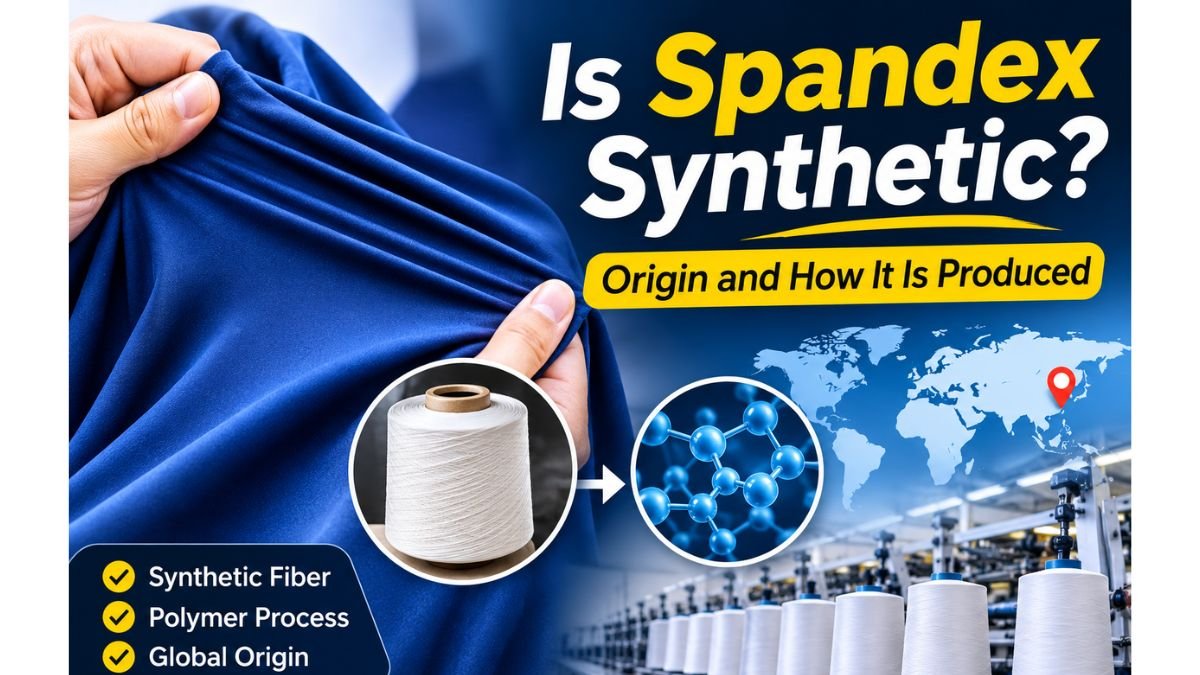
Spandex is made from polyurethane-based polymers. Its special structure allows the fiber to stretch while maintaining flexibility. This makes it useful for garments that need to fit closely against the body without restricting movement.
Unlike cotton or wool, spandex is not a natural fiber. It is manufactured through a chemical process and is usually blended with other textile fibers.
Manufacturers add small amounts of spandex to fabrics to improve their stretch and recovery. Even a low percentage can make a noticeable difference in how a garment fits and performs.
What Is Spandex Fabric Used For?
Spandex fabric is used in clothing and textile products that require stretch, flexibility, and shape retention. Its most common applications include activewear, sportswear, leggings, swimwear, underwear, hosiery, jeans, and fitted fashion garments.
The fiber helps clothing move with the body. It also makes garments more comfortable during activities such as walking, exercising, stretching, and running.
Here are some of the most common uses of spandex fabric.
1. Sportswear and Activewear
Sportswear is one of the largest applications of spandex. Athletes and fitness enthusiasts need clothing that supports movement without feeling restrictive.
Manufacturers use spandex in:
- Gym leggings
- Yoga pants
- Sports bras
- Cycling shorts
- Running tights
- Training tops
- Compression garments
- Workout shirts
Spandex allows these garments to stretch during exercise. It also helps them return to their original shape after repeated movement.
For example, yoga clothing needs flexibility during different poses. A fabric without enough stretch may feel uncomfortable during deep stretches or bending movements.
Spandex blends help activewear manufacturers create garments that provide a close fit while allowing freedom of movement.
2. Leggings and Stretch Pants
Leggings are another common application of spandex. They need to stretch comfortably around the waist, hips, thighs, and knees.
Spandex helps leggings maintain their shape throughout the day. It also improves flexibility when users sit, walk, exercise, or bend.
Many leggings combine polyester or nylon with spandex. The main fiber provides the fabric’s basic characteristics, while spandex adds elasticity.
The correct blend depends on the intended use. Everyday leggings may have different fabric requirements from high-performance gym leggings.
3. Swimwear
Swimwear needs to fit securely while allowing movement in water. Spandex is commonly blended with nylon or polyester to create flexible swimsuit fabrics.
Its elasticity helps swimsuits fit closely against the body. It also supports comfort during swimming and other water activities.
Common spandex swimwear applications include:
- One-piece swimsuits
- Bikinis
- Swimming trunks
- Competition swimwear
- Rash guards
- Beachwear
Manufacturers must consider more than stretch when selecting swimwear fabric. Chlorine exposure, sunlight, water resistance, and fabric recovery can also affect performance.
The right blend helps create swimwear that balances comfort, fit, and durability.
4. Underwear and Lingerie
Underwear often needs to fit close to the body without creating unnecessary pressure. Spandex helps manufacturers produce flexible and comfortable garments.
It is commonly used in:
- Briefs
- Boxers
- Bras
- Sports underwear
- Shapewear
- Lingerie
- Seamless underwear
The fiber improves stretch around the waist, legs, and other fitted areas. It can also help garments maintain their shape after repeated wearing.
When blended with cotton, spandex can provide a combination of softness and flexibility. Nylon and spandex blends are also common in lingerie and lightweight fitted garments.

5. Jeans and Denim Clothing
Traditional denim is usually made from cotton. However, many modern jeans include a small percentage of spandex.
This creates stretch denim, which offers more flexibility than rigid denim.
Spandex can be used in:
- Skinny jeans
- Slim-fit jeans
- Stretch denim jackets
- Fitted denim skirts
- Stretch shorts
The fiber helps denim move with the body. It can make sitting, walking, and bending more comfortable.
Stretch denim is particularly useful for close-fitting designs. However, manufacturers must select the right percentage of spandex to avoid excessive stretching or poor shape recovery.
6. Hosiery and Socks
Spandex is widely used in hosiery because these products need elasticity and a secure fit.
Common applications include:
- Stockings
- Tights
- Pantyhose
- Compression socks
- Athletic socks
- Everyday socks
The fiber helps hosiery fit comfortably around the legs and feet. It also supports shape retention during regular use.
In socks, spandex is often combined with cotton, polyester, nylon, or other fibers. These combinations help balance softness, durability, moisture management, and stretch.
7. Dancewear and Performance Clothing
Dancers and performers need garments that allow a wide range of movement. Spandex helps create flexible clothing that fits closely and moves with the body.
It is commonly found in:
- Dance leggings
- Ballet outfits
- Gymnastics leotards
- Figure skating costumes
- Stage costumes
- Stretch bodysuits
These garments often require both flexibility and appearance. Spandex blends help designers create fitted shapes without limiting movement.
8. Shapewear and Compression Garments
Shapewear uses stretch fabrics to create a close and supportive fit. Spandex is an important component because of its elasticity and recovery.
It is used in products such as:
- Waist trainers
- Shaping shorts
- Compression leggings
- Support garments
- Shaping bodysuits
The fiber helps garments apply a controlled level of stretch. However, the design, construction, and fabric composition determine the actual level of support.
Spandex alone does not guarantee compression performance. Manufacturers must consider fabric weight, construction, stretch percentage, and garment fit.
What Is Spandex Fiber Content?
Spandex fiber content refers to the percentage of spandex included in a fabric or garment. It tells buyers how much of the material’s total fiber composition comes from spandex.
For example, a fabric labeled 95% polyester and 5% spandex contains 5% spandex by fiber weight.
The percentage matters because it influences the fabric’s stretch, recovery, feel, and intended application.
Different garments need different levels of elasticity. A fitted sports garment may require a different blend from a casual T-shirt or pair of jeans.
Here are some examples of common fabric compositions:
| Fabric composition | Common applications |
|---|---|
| 95% cotton, 5% spandex | Stretch T-shirts and underwear |
| 90% polyester, 10% spandex | Activewear and fitted sports clothing |
| 80% nylon, 20% spandex | Swimwear and performance leggings |
| 98% cotton, 2% spandex | Stretch denim |
| 85% polyester, 15% spandex | Sportswear and compression-style garments |
These are illustrative examples, not fixed industry standards. Actual compositions vary according to the fabric construction and product requirements.
Why Does Spandex Percentage Matter?
The amount of spandex affects how a garment stretches and recovers.
A fabric with a lower percentage may provide moderate flexibility. A higher percentage may provide greater stretch, depending on the https://fashionsoulintl.com/blog/spandex-fabric/yarn and fabric construction.
However, more spandex does not always mean better fabric.
A manufacturer should consider:
- Intended garment type
- Required stretch in different directions
- Shape recovery
- Fabric weight
- Comfort against the skin
- Durability after washing
- Sewing and finishing requirements
The right composition should support the garment’s purpose rather than simply maximize elasticity.
Common Spandex Clothing Materials
Spandex is commonly blended with other fibers because each material offers different properties. These combinations create fabrics suitable for different clothing categories.
Understanding spandex clothing materials helps clothing brands select suitable fabrics for their products.
1. Cotton and Spandex
Cotton and spandex create a blend that combines cotton’s familiar softness with spandex’s stretch.
This combination is common in everyday clothing and fitted garments.
Typical applications include:
- Stretch T-shirts
- Casual tops
- Underwear
- Leggings
- Stretch trousers
- Children’s clothing
Cotton can provide a comfortable feel, while spandex improves flexibility.
However, cotton-spandex fabric may need careful washing and drying. Excessive heat can affect the elastic properties of the fabric over time.
2. Polyester and Spandex
Polyester and spandex are widely used together in activewear and performance clothing.
Polyester provides a synthetic base with useful durability characteristics. Spandex adds stretch and recovery.
This combination is suitable for garments that need flexibility and regular movement.
Common applications include:
- Gym leggings
- Sports bras
- Running shirts
- Training shorts
- Cycling clothing
- Performance tops
- Stretch uniforms
The final performance depends on the fabric structure, yarn quality, finishing, and composition.
3. Nylon and Spandex
Nylon and spandex are often used in garments that need a smooth feel and close fit.
This blend is popular in swimwear, leggings, hosiery, and performance clothing.
Nylon provides strength and a smooth surface. Spandex contributes elasticity.
The combination can create lightweight fabrics with good stretch characteristics.
4. Modal and Spandex
Modal is a regenerated cellulose fiber commonly made from wood pulp. When blended with spandex, it creates a soft and flexible fabric.
This combination is often used in:
- Underwear
- Lounge clothing
- Fitted tops
- Soft leggings
- Sleepwear
The blend offers a smooth feel with added stretch.
5. Rayon and Spandex
Rayon and spandex are also combined for lightweight, flexible clothing.
Rayon provides a soft drape, while spandex adds elasticity. This makes the combination suitable for fitted dresses, tops, skirts, and casual clothing.
Brands should check the fabric’s care requirements because rayon-based materials can need more careful handling.
What Is Polyester Spandex Clothing?
Polyester spandex clothing refers to garments made from a fabric blend containing polyester and spandex fibers.
Polyester forms the main part of the fabric in many blends. Spandex is added to improve elasticity and shape recovery.
This combination is popular because it can support comfortable movement and a close fit.
Benefits of Polyester Spandex Clothing
There are several reasons clothing manufacturers use this blend.
1. Stretch and flexibility
Spandex allows garments to stretch during movement. This is useful for sportswear, leggings, and fitted clothing.
2. Shape retention
Spandex helps garments recover their shape after stretching. This can reduce the loose feeling that may develop in some fitted garments.
3. Lightweight options
Polyester-spandex blends can be developed in lightweight fabric constructions. These are useful for training tops, sports shirts, and other active garments.
4. Versatile applications
The blend can be used for different products, including gym clothing, cycling wear, fitted tops, and uniforms.
5. Design flexibility
Manufacturers can select different fabric weights, structures, finishes, and compositions to meet specific product requirements.
How to Choose Polyester Spandex Fabric
The right fabric depends on the product and its intended use.
Before selecting a material, clothing brands should review:
- Polyester and spandex percentages
- Fabric weight or GSM
- Stretch and recovery
- Breathability
- Surface texture
- Colorfastness
- Pilling resistance
- Washing performance
- Printing or decoration compatibility
For example, leggings may require a different fabric weight and stretch level from a lightweight sports T-shirt.
A fabric sample should be tested before bulk production. This helps brands understand how the material behaves during sewing, wearing, and washing.
Benefits of Using Spandex Fabric
Spandex offers several advantages that make it useful across the clothing industry.
Excellent Elasticity
Spandex can stretch considerably compared with many other textile fibers. This allows manufacturers to create fitted garments that support movement.
Improved Comfort
Stretch fabrics can reduce restriction during everyday activities. They are particularly useful in garments that fit closely around the body.
Better Shape Recovery
Spandex helps fabrics return toward their original dimensions after stretching. This supports a consistent fit when the material is properly selected and maintained.
Suitable for Different Garment Types
Spandex can be blended with cotton, polyester, nylon, and other fibers. This makes it useful across many clothing categories.
Supports Modern Clothing Designs
Fashion brands use spandex to create body-fitting silhouettes, flexible sportswear, and stretch-based fashion products.
Disadvantages of Spandex Fabric
Although spandex offers many benefits, it also has limitations.
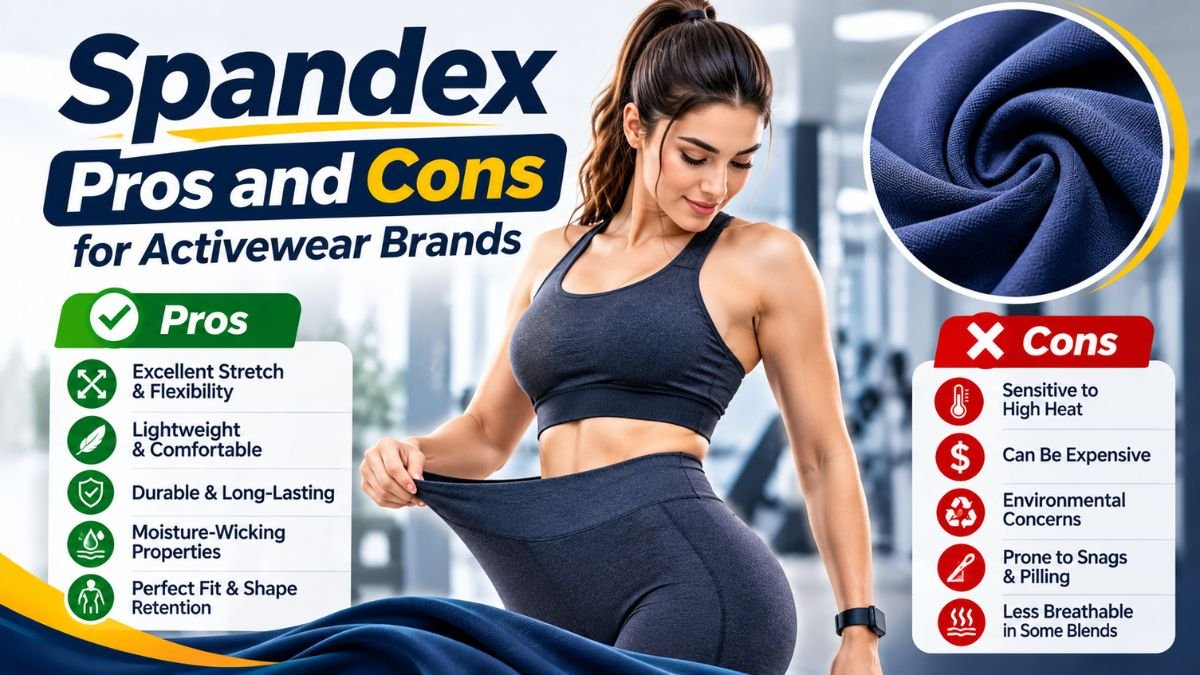
Heat Sensitivity
High temperatures can damage elastic fibers. Excessive heat during washing, drying, ironing, or manufacturing may affect stretch performance.
Limited Moisture Absorption
Spandex is a synthetic fiber and does not absorb moisture like cotton. Its moisture-management performance depends on the complete fabric construction and blend.
Environmental Concerns
Spandex is petroleum-based and is not biodegradable under ordinary environmental conditions. Like other synthetic textiles, its production and disposal raise environmental concerns.
Possible Loss of Elasticity
Repeated washing, excessive heat, chlorine exposure, and general wear may reduce elasticity over time.
Difficult Recycling
Blended fabrics containing spandex can be challenging to recycle because separating different fiber types is difficult.
Brands should consider fabric durability, product lifespan, and end-of-life options when choosing stretch materials.
How to Care for Spandex Clothing
Proper care can help maintain the stretch and appearance of spandex garments.
Follow the care label because different fabric blends may have different requirements.
Here are some general care tips:
- Use cool or lukewarm water: High temperatures may affect elastic fibers.
- Choose a gentle washing cycle: This can reduce unnecessary stress on the fabric.
- Avoid excessive heat: High-temperature tumble drying can damage elasticity.
- Use suitable detergents: Follow the garment’s care instructions.
- Avoid harsh chemicals: Some chemicals may affect the fabric or its finishes.
- Do not over-iron: If ironing is permitted, use the recommended low-temperature setting.
- Store garments properly: Avoid unnecessary stretching while storing fitted clothing.
These simple steps can help extend the useful life of stretch garments.
How Clothing Manufacturers Select Spandex Fabric
Choosing the correct spandex blend is an important part of garment development. The fabric must match the design, fit, performance requirements, and target customer.
Manufacturers usually evaluate several factors before approving a material.
1. Identify the Product Requirements
The first step is understanding the garment’s purpose.
For example, yoga leggings need flexibility and comfortable recovery. Swimwear needs stretch and resistance to the conditions associated with swimming. Casual T-shirts may only need a small amount of elasticity.
2. Select the Fiber Blend
The next step is choosing the main fiber and spandex percentage.
A polyester-spandex blend may suit activewear. Cotton-spandex may work better for everyday stretch clothing.
The correct choice depends on the intended use and required fabric properties.
3. Check Fabric Weight
Fabric weight is commonly measured in grams per square meter (GSM).
A heavier fabric may provide more coverage and structure. A lighter fabric may be suitable for breathable or lightweight garments.
However, GSM alone does not determine quality. Stretch, construction, yarn, and finishing also matter.
4. Test Stretch and Recovery
Manufacturers should check how much the fabric stretches and how well it returns to its original shape.
This is especially important for leggings, sportswear, swimwear, and fitted clothing.
5. Develop and Approve Samples
A sample helps brands evaluate the material in an actual garment.
They can review fit, comfort, stitching, appearance, and movement before approving bulk production.
What Should Clothing Brands Consider Before Buying Spandex Fabric?
Clothing brands should evaluate fabric quality and suitability rather than selecting materials based only on price.
Important considerations include:
- Supplier reliability: Work with suppliers who can provide consistent material quality.
- Fabric composition: Confirm the exact fiber percentages.
- GSM: Select a suitable weight for the garment.
- Color consistency: Check that the material meets the required color standard.
- Stretch performance: Test the fabric in the directions needed for the design.
- Shrinkage: Evaluate dimensional changes after washing.
- Pilling: Check the surface for signs of wear.
- Production compatibility: Make sure the fabric works with the planned cutting and sewing process.
- Testing and documentation: Request available technical specifications and relevant test reports.
A pre-production sample can reveal problems before a large order begins. This can reduce avoidable production issues.
Spandex Fabric in Custom Clothing Manufacturing
Spandex is an important material for clothing brands developing activewear, sportswear, leggings, swimwear, and fitted fashion products.
However, choosing the correct fiber blend is only one part of manufacturing. Brands also need to consider product development, fabric sourcing, pattern making, sampling, stitching, quality control, and finishing.
Fashion Soul International is a factory-owned custom clothing manufacturer based in Sialkot, Pakistan. The company provides private-label, OEM, ODM, white-label, and cut-and-sew apparel manufacturing services.
Its product development and manufacturing services can support brands working on different clothing categories, including activewear and sportswear.
When developing stretch garments, brands should share their design requirements, preferred fabric composition, GSM, measurements, and performance expectations. Fabric availability and suitability should be confirmed during development.
A pre-production sample allows the brand to review the garment before bulk production. This is an important step for checking fit, fabric behavior, construction, and finishing.
Whether a brand is developing polyester-spandex clothing or another stretch fabric product, clear specifications help make the manufacturing process more organized.
Frequently Asked Questions
1. What is spandex fabric mainly used for?
Spandex is mainly used in clothing that needs stretch and flexibility. Common applications include activewear, leggings, sports bras, swimwear, underwear, hosiery, stretch denim, and compression garments.
2. Is spandex a natural or synthetic fabric?
Spandex is a synthetic fiber. It is made from polyurethane-based polymers through a manufacturing process. It is also known as elastane in many markets.
3. What is spandex fiber content?
Spandex fiber content is the percentage of spandex in a fabric or garment. For example, a 95% polyester and 5% spandex blend contains 5% spandex.
4. Is polyester spandex clothing good for activewear?
Polyester-spandex clothing can be suitable for activewear because polyester provides the main fabric structure while spandex adds stretch. The final performance depends on fabric construction, weight, finishing, and quality.
5. What fabrics are commonly blended with spandex?
Spandex is commonly blended with polyester, cotton, nylon, rayon, and modal. Each combination offers different characteristics for specific garment applications.
6. Does spandex lose its stretch?
Spandex can lose elasticity over time. Excessive heat, repeated wear, harsh washing conditions, and chlorine exposure may affect its performance.
7. Is spandex suitable for summer clothing?
Spandex can be used in summer clothing when blended with suitable fibers and constructed in an appropriate fabric weight. Breathability and comfort depend on the complete fabric, not spandex alone.
8. How much spandex should clothing contain?
There is no single percentage for every garment. The required amount depends on the design, intended stretch, fabric construction, and performance needs.
9. Is spandex used in cotton clothing?
Yes. Cotton and spandex are commonly blended to create stretch cotton fabrics. These materials are used in T-shirts, underwear, casual clothing, and stretch trousers.
10. Is spandex suitable for leggings?
Yes. Spandex is commonly used in leggings because it supports flexibility and shape recovery. The main fiber, fabric weight, construction, and spandex percentage influence the final performance.
Conclusion
Spandex is an important synthetic fiber in modern clothing manufacturing. Its ability to stretch and recover makes it useful for activewear, leggings, swimwear, underwear, denim, hosiery, and fitted fashion garments.
Understanding what is spandex fabric used for helps clothing brands choose materials that match their product requirements. The right spandex fiber content can improve flexibility, comfort, and shape retention.
Blends such as cotton-spandex, nylon-spandex, and polyester-spandex clothing offer different benefits. Brands should evaluate fabric composition, GSM, stretch, recovery, durability, and care requirements before selecting a material.
For clothing manufacturers and fashion businesses, proper fabric selection and sample testing are essential steps toward developing reliable stretch garments.