Lycra Polyester Spandex: Fabric Properties, Uses and Benefits
Lycra polyester spandex is a popular fabric combination used in activewear, sportswear, swimwear, leggings, and everyday clothing. It combines the durability of polyester with the stretch and recovery of spandex. This blend creates garments that offer flexibility, comfort, and shape retention.
Many clothing brands choose this material for products that need to move with the body. It can also provide a smooth surface, practical durability, and different levels of stretch. However, its performance depends on the fabric construction, fiber percentages, weight, and finishing process.
Understanding this material helps designers, clothing brands, manufacturers, and buyers make better decisions. This guide explains its composition, properties, benefits, applications, limitations, and manufacturing considerations.
What Is Lycra Polyester Spandex?
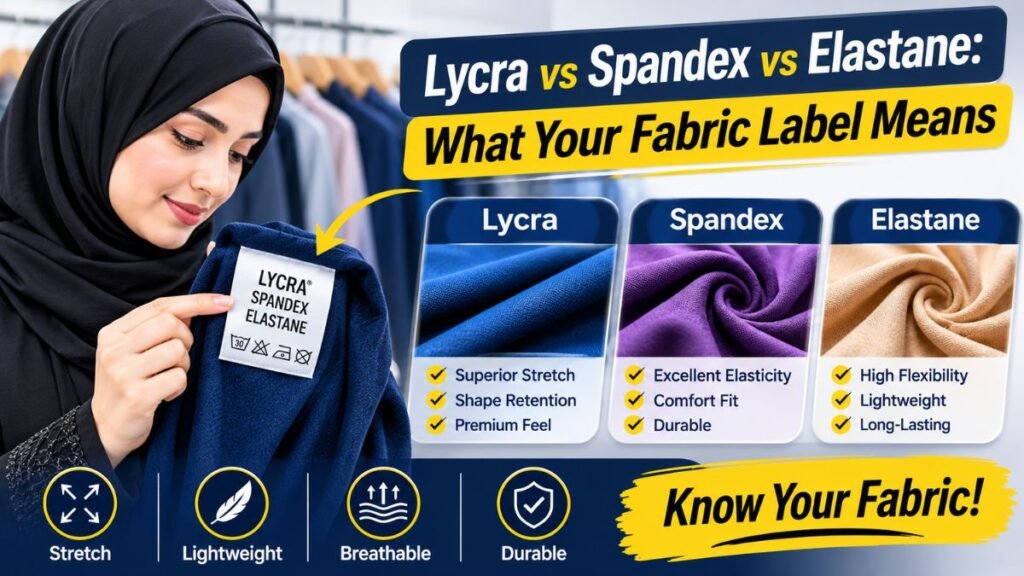
Lycra polyester spandex is a stretch fabric made by combining polyester fibers with spandex. Lycra is a well-known brand name for elastane fiber. Spandex and elastane are different regional names for the same general type of stretch fiber.
Polyester provides strength, durability, and resistance to wrinkles. Spandex adds elasticity, allowing the fabric to stretch and return toward its original shape. Together, these fibers create a flexible material suitable for fitted and performance clothing.
The fabric may be produced using knitting or weaving techniques. Knitted versions are common in leggings, sportswear, and activewear. Woven versions can be useful for garments that need stretch with a more structured appearance.
The exact performance depends on the percentage of each fiber and the fabric construction.
Understanding the Fibers in Polyester Lycra Spandex Fabric
To understand polyester lycra spandex fabric, it helps to examine each fiber separately. Every component contributes different properties to the finished material.
1. Polyester
Polyester is a synthetic fiber widely used in clothing and textile production. It is valued for its strength, durability, and practical care requirements.
Important polyester characteristics include:
- Good resistance to everyday wear.
- Relatively low moisture absorption.
- Good shape stability.
- Resistance to many wrinkles.
- Quick-drying potential.
- Compatibility with different textile constructions.
- Suitable performance for many sportswear applications.
Polyester is also used in T-shirts, jackets, tracksuits, uniforms, and casual garments.
When blended with spandex, polyester creates a fabric that combines durability with stretch.
2. Spandex
Spandex is an elastic synthetic fiber. It can stretch significantly and recover when the stretching force is removed.
Its main purpose is to provide flexibility and improve garment fit.
Common characteristics include:
- High elasticity.
- Good stretch recovery.
- Flexible movement.
- Supportive fitted construction.
- Better shape retention when properly blended.
- Comfort in close-fitting garments.
Spandex is also known as elastane in many markets. In the United States, the term spandex is commonly used.
3. Lycra
Lycra is a registered brand name associated with elastane fibers. It is not a separate generic fiber category from spandex.
People often use the term Lycra when discussing stretch clothing. However, not every fabric containing spandex uses branded Lycra fiber.
For brands, this distinction matters when selecting materials. A manufacturer should confirm the actual fiber composition and whether branded Lycra is included.
What Is Polyester Lycra Spandex Fabric Made Of?
Polyester lycra spandex fabric generally combines polyester with an elastic fiber. The polyester provides the main fabric structure, while spandex contributes stretch and recovery.
The percentages can vary depending on the intended product.
For example, a fabric might contain:
| Polyester | Spandex | Possible fabric characteristics |
|---|---|---|
| 95% | 5% | Moderate stretch with a polyester-dominant feel |
| 92% | 8% | More elasticity for fitted clothing |
| 90% | 10% | Greater stretch for selected activewear |
| 85% | 15% | Higher elasticity for stretch-focused applications |
These are illustrative blend examples, not universal manufacturing standards. Actual compositions depend on the fabric specification and intended use.
A higher spandex percentage does not automatically mean better quality. Fabric quality also depends on yarn quality, knitting structure, finishing, weight, and testing.
Key Properties of Lycra Polyester Spandex
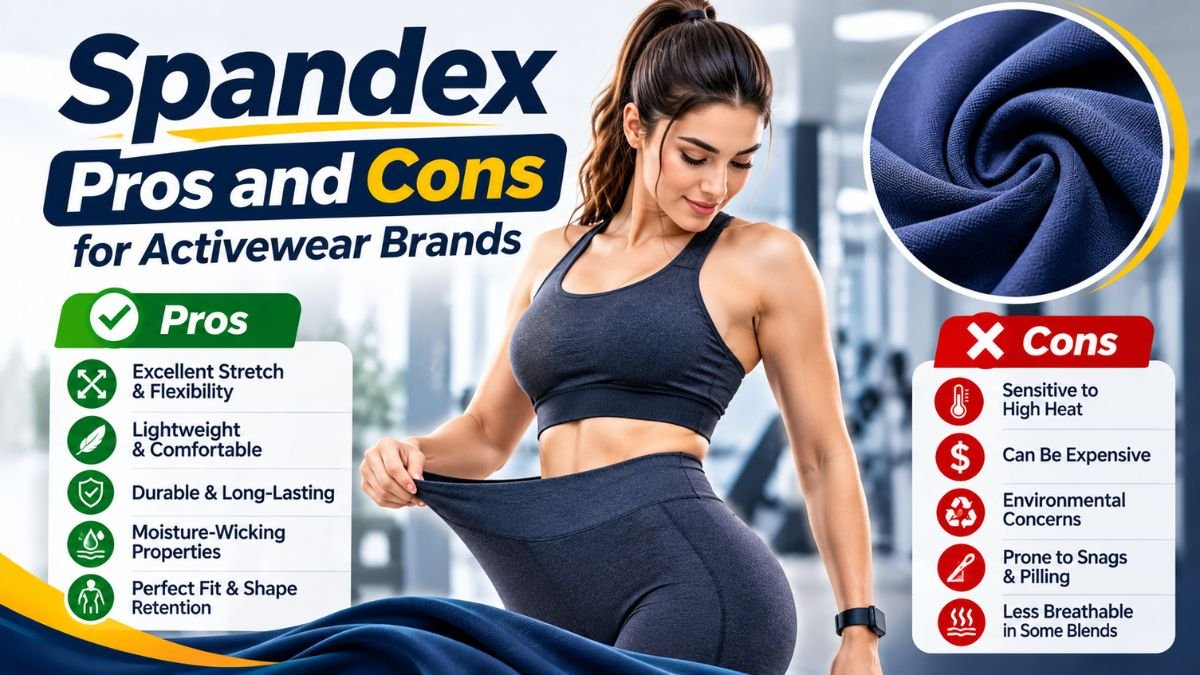
This fabric combination offers several useful characteristics. These properties make it suitable for garments that require both flexibility and durability.
1. Excellent Stretch
Spandex gives the material its elastic performance. It allows garments to stretch during movement.
This property is useful for leggings, sports bras, gym shorts, and fitted tops. It helps clothing move with the wearer during different activities.
2. Shape Recovery
Stretching is only one part of fabric performance. The material should also recover after movement.
Spandex helps the fabric return toward its original dimensions. This can reduce unwanted sagging when the blend and construction are suitable.
However, repeated stress, poor fiber quality, excessive heat, and unsuitable washing can damage elastic recovery.
3. Durability
Polyester contributes strength and resistance to everyday wear. This makes the blend useful for garments that experience regular movement.
The final durability still depends on fabric construction and garment quality. Weak seams or poor stitching can reduce the lifespan of an otherwise durable fabric.
4. Lightweight Options
Polyester and spandex can be knitted into lightweight fabrics. These materials are useful for sports tops, fitted shirts, and lightweight leggings.
Heavier versions can also be developed for supportive garments and selected sportswear products.
5. Moisture Management Potential
Polyester absorbs relatively little moisture compared with many natural fibers. This can help some polyester-based fabrics dry quickly.
Moisture-wicking performance is not automatic, however. It depends on yarn structure, fabric construction, finishing, and garment design.
Brands should request performance testing when moisture management is an important product requirement.
6. Wrinkle Resistance
Polyester generally resists wrinkles better than many natural fibers. This makes polyester-based garments easier to maintain.
Spandex adds flexibility, helping the material accommodate movement without becoming stiff.
7. Smooth Appearance
The fabric can be produced with different surface textures and finishes. Some versions have a smooth, sleek appearance, while others have a brushed or textured surface.
The selected finish should match the product’s design and intended use.
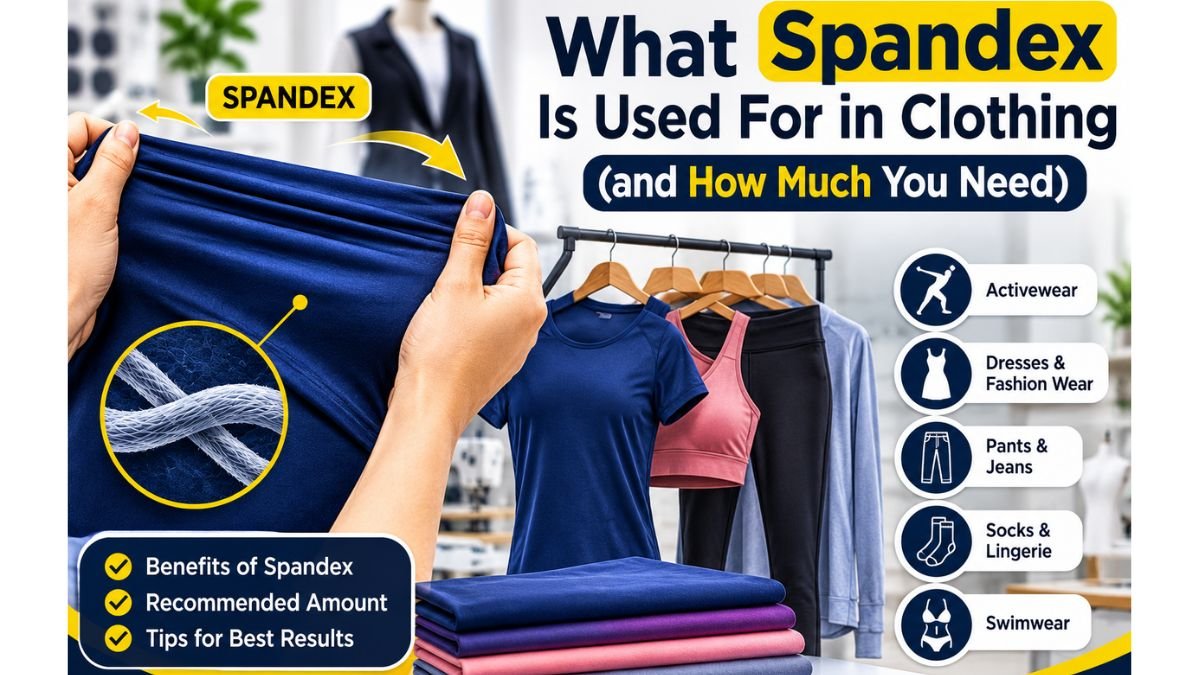
Common Uses of Polyester Lycra Spandex Fabric
Polyester lycra spandex is used across several clothing categories. Its combination of stretch and durability makes it useful for fitted and performance-focused products.
1. Activewear
Activewear requires flexibility and comfort during exercise. Polyester spandex blends are commonly used for this purpose.
Popular products include:
- Gym leggings.
- Workout tops.
- Sports bras.
- Training shorts.
- Fitness shirts.
- Athletic jackets.
- Stretch tracksuits.
The right fabric weight and stretch level depend on the activity. Yoga clothing may require different flexibility and coverage from running apparel.
2. Sportswear
Sportswear often needs to balance movement, comfort, and durability. Polyester Lycra blends can support these requirements.
They are used in selected products for:
- Training.
- Cycling.
- Dance.
- Gymnastics.
- Team sports.
- Athletic practice.
Different sports require different fabric specifications. Buyers should consider breathability, compression, abrasion resistance, and recovery.
3. Leggings and Yoga Pants
Leggings need stretch in multiple directions. They should also maintain coverage and fit during movement.
Polyester spandex fabric can be developed for these requirements. Four-way stretch versions are especially useful for yoga pants and fitted leggings.
Before production, brands should check:
- Stretch in both directions.
- Recovery after repeated stretching.
- Opacity during movement.
- Pilling resistance.
- Seam strength.
- Comfort against the skin.
4. Swimwear
Some swimwear designs use polyester and elastane blends. These fabrics can provide stretch and a close fit.
However, swimwear requires specific testing. Chlorine, saltwater, sunlight, and repeated washing can affect fabric performance.
A swimwear manufacturer should confirm that the selected material is suitable for the intended water exposure.
5. Dancewear and Performance Clothing
Dancewear requires flexibility and a close fit. Polyester spandex blends can support movement during stretching and performance.
They are used in selected leotards, fitted tops, dance leggings, and performance garments.
The correct blend depends on the required stretch, appearance, comfort, and support.
6. Everyday Clothing
This material is not limited to sportswear. It can also be used in casual and fitted clothing.
Examples include:
- Stretch T-shirts.
- Fitted tops.
- Casual leggings.
- Stretch trousers.
- Comfortable dresses.
- Fashionable bodywear.
Designers can choose different fabric weights and finishes for different clothing styles.
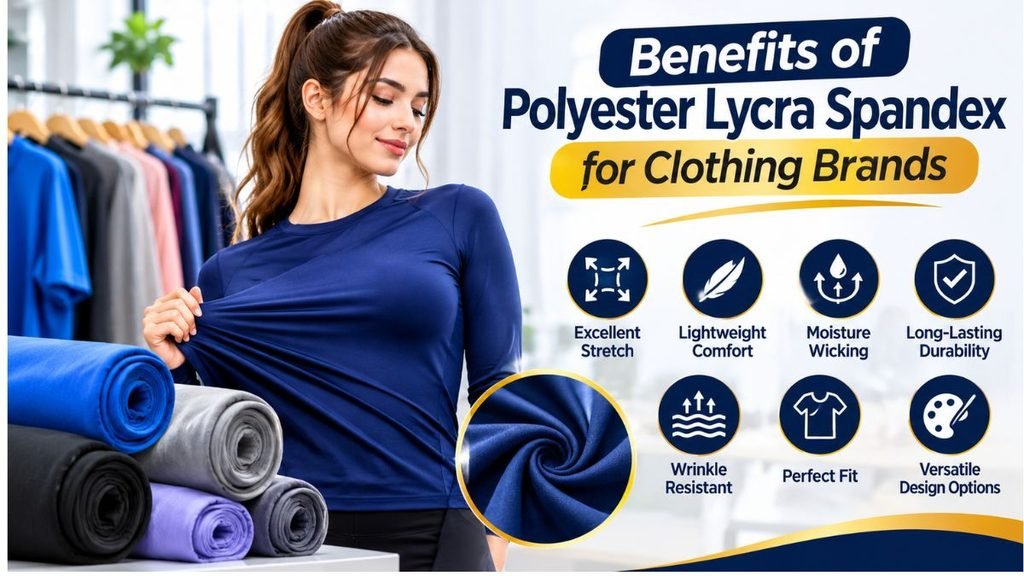
Benefits of Polyester Lycra Spandex for Clothing Brands
Choosing the right fabric is an important decision for clothing businesses. It affects product performance, customer experience, manufacturing, and pricing.
Here are some benefits brands may gain from this material.
Better Fit and Flexibility
Stretch helps garments accommodate body movement. This can make fitted clothing more comfortable.
It is particularly useful for activewear, leggings, and sports clothing.
Support for Different Designs
The blend can be produced in different weights, textures, and constructions. This gives designers more flexibility during product development.
A brand can select a lightweight fabric for a training top or a heavier option for supportive leggings.
Practical Garment Care
Polyester-based garments are often relatively easy to maintain. They generally dry faster than many highly absorbent natural fabrics.
Care instructions should still follow the actual fabric supplier’s recommendations.
Suitable for Performance Products
The combination of polyester and spandex can support clothing that requires movement and stretch.
This makes it a useful option for brands developing fitness, training, and sportswear collections.
Different Customization Options
Depending on the fabric and production method, brands may explore different colors, prints, finishes, and garment details.
Before bulk production, they should confirm that the selected decoration method works with the fabric.
Polyester Spandex vs. Polyester Lycra Spandex
These terms are often used in similar ways. Polyester spandex describes a blend of polyester and spandex. Polyester Lycra spandex usually refers to a polyester blend containing branded Lycra elastane.
The difference is mainly related to the fiber brand rather than an entirely different fabric category.
| Feature | Polyester Spandex | Polyester Lycra Spandex |
|---|---|---|
| Main fibers | Polyester and spandex | Polyester and Lycra elastane |
| Stretch | Depends on spandex content | Depends on elastane content |
| Durability | Depends on construction and quality | Depends on construction and quality |
| Applications | Activewear and casualwear | Activewear and fitted clothing |
| Brand specification | Generic fiber description | May specify branded Lycra fiber |
A buyer should not assume that every polyester spandex fabric contains branded Lycra. Ask the supplier to confirm the fiber brand and composition.
How to Choose the Right Polyester Lycra Spandex Fabric
Selecting a suitable fabric requires more than checking its fiber composition. Brands should consider the garment’s purpose and expected performance.
1. Identify the End Use
Start by deciding what product you want to manufacture.
For example:
- Leggings need suitable stretch, recovery, and coverage.
- Sports bras need the right support and construction.
- Training tops may need lightweight comfort and moisture management.
- Swimwear needs resistance to the conditions in which it will be used.
The product determines the fabric requirements.
2. Check the Fiber Percentage
Ask the supplier for the exact polyester and spandex percentages.
Do not select a blend only because it contains more spandex. A higher percentage may change stretch, feel, cost, and recovery.
The best composition depends on the design and performance requirements.
3. Check Fabric Weight
Fabric weight is commonly measured in GSM, which means grams per square meter.
GSM helps describe how heavy a fabric is. It does not independently determine quality.
A lightweight fabric may suit a sports top. A heavier fabric may be preferred for certain leggings or supportive garments.
Request samples before confirming a specification.
4. Test Stretch and Recovery
Stretch and recovery are essential for fitted garments.
Stretch testing shows how far the fabric extends. Recovery testing examines how well it returns after being stretched.
Ask for testing in both lengthwise and crosswise directions when relevant.
5. Examine Opacity
Opacity matters for leggings, yoga pants, and fitted sportswear.
A fabric that looks opaque when relaxed may become transparent when stretched. Test it under realistic conditions before approving bulk production.
6. Evaluate Pilling and Abrasion
Pilling creates small fiber balls on the fabric surface. Abrasion resistance measures how well the fabric withstands rubbing.
Both can affect how a garment looks after repeated use.
Testing helps brands compare different fabric options.
7. Confirm Colorfastness
Colorfastness describes how well a fabric retains its color during washing, rubbing, and exposure to other conditions.
Ask the supplier which tests are available. The required testing depends on the product and target market.
How Is Polyester Lycra Spandex Fabric Manufactured?
The manufacturing process involves several stages. These stages turn raw fibers into fabric suitable for garment production.
1. Fiber and Yarn Selection
The process begins with polyester and elastane yarn selection.
The yarn specifications depend on the required stretch, thickness, texture, and performance.
2. Yarn Preparation
The selected yarns are prepared for knitting or weaving. Manufacturers control yarn tension and other machine settings.
Correct preparation helps support consistent fabric construction.
3. Knitting or Weaving
Many stretch activewear fabrics are knitted. Knitting creates loops that can provide flexibility and comfort.
Some polyester elastane materials are woven instead. Woven constructions can provide a more structured appearance.
The construction must match the intended garment.
4. Dyeing and Finishing
The fabric may undergo dyeing and finishing treatments.
These processes help achieve the required color, appearance, and performance. Finishing can also affect softness, surface feel, and other properties.
The suitable process depends on fiber composition and fabric construction.
5. Fabric Inspection
Before cutting, the fabric should be inspected.
Common inspection points include:
- Fabric width.
- GSM.
- Color consistency.
- Surface defects.
- Stretch performance.
- Shrinkage.
- Shade variation.
Inspection helps identify problems before garment production begins.
6. Cutting and Sewing
After fabric approval, the material is cut according to garment patterns.
The cut panels are then assembled through sewing. Stretch fabrics may require suitable needles, stitches, thread, and machine settings.
Poor seam construction can cause skipped stitches, broken threads, or seam failure.
7. Final Quality Control
Finished garments should be checked against the approved sample and specifications.
Inspect measurements, stitching, appearance, labels, and finishing. Product-specific performance tests may also be required.
Manufacturing Challenges to Consider
Polyester lycra spandex offers useful properties, but it also requires careful handling.
Heat Sensitivity
Spandex can be damaged by excessive heat. High temperatures during pressing, drying, or processing may affect elasticity.
Manufacturers should follow suitable temperature settings.
Fabric Shrinkage and Distortion
Some stretch fabrics can change dimensions during processing or washing.
Pre-production testing helps identify shrinkage and dimensional stability issues.
Sewing Difficulties
Stretch fabrics may curl, stretch during feeding, or develop uneven seams.
Using suitable equipment and sewing techniques helps reduce these problems.
Pilling and Surface Wear
Pilling may occur depending on fiber quality, fabric construction, and friction.
Brands should request relevant testing when long-term appearance is important.
Cost Differences
Fabric cost depends on fiber quality, composition, weight, construction, dyeing, finishing, and order quantity.
Branded elastane may also affect material cost. Buyers should compare complete specifications rather than price alone.
Is Polyester Lycra Spandex Fabric Sustainable?
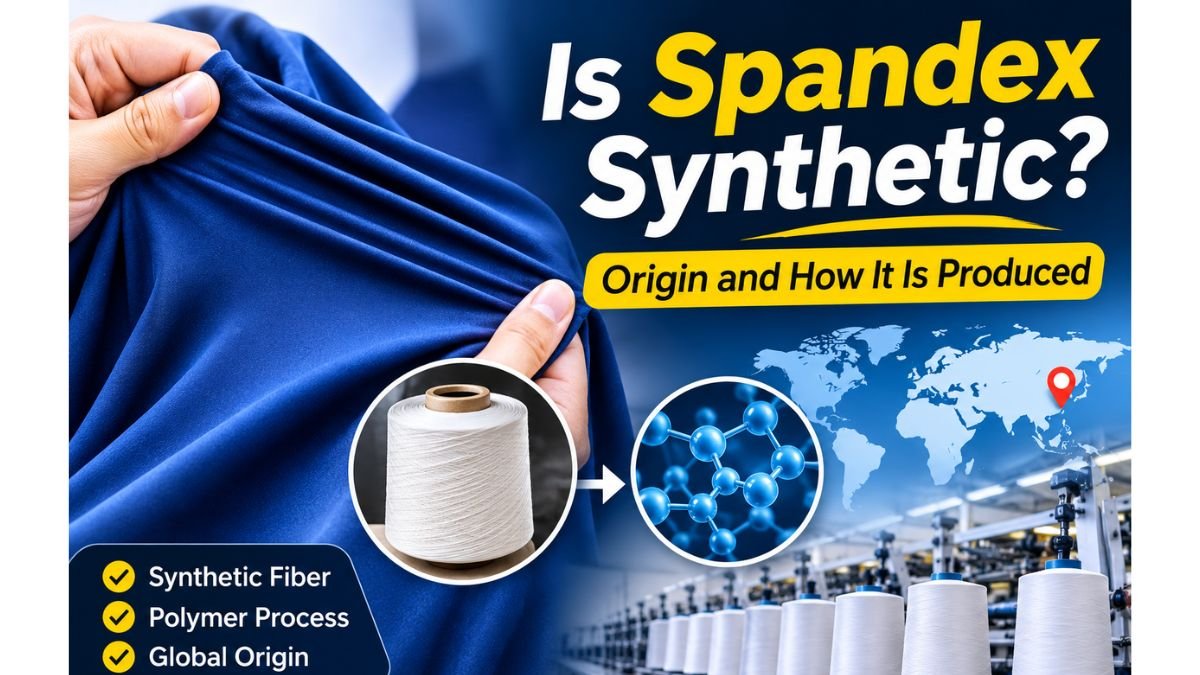
Polyester and spandex are synthetic fibers. Their environmental impact depends on raw materials, production methods, product lifespan, and disposal.
Polyester is commonly produced from petrochemical resources. Spandex is also a synthetic fiber.
Some manufacturers offer recycled polyester options. However, adding spandex can make textile recycling more complicated because mixed-fiber fabrics are harder to separate.
Brands considering sustainability should examine:
- Recycled fiber content.
- Supplier documentation.
- Dyeing and finishing processes.
- Chemical management.
- Fabric durability.
- Product lifespan.
- Waste reduction.
- End-of-life options.
Avoid assuming that a fabric is sustainable simply because it lasts longer or contains recycled polyester. Check the evidence behind environmental claims.
How to Care for Polyester Lycra Spandex Clothing
Correct care can help maintain the appearance and elasticity of stretch garments.
General care recommendations include:
- Follow the garment’s care label.
- Use a suitable washing temperature.
- Avoid excessive heat.
- Do not overuse harsh chemicals.
- Avoid high-temperature ironing.
- Air-dry when the care instructions allow.
- Store garments away from excessive heat.
Care requirements can vary by fabric finish, dye, and garment construction. Always follow the manufacturer’s instructions.
What Should Clothing Brands Ask a Fabric Supplier?
Before ordering polyester lycra spandex fabric, brands should request clear technical information.
Useful questions include:
- What is the exact fiber composition?
- Is the elastane branded Lycra or generic spandex?
- What is the fabric GSM?
- Is the material knitted or woven?
- What are its stretch and recovery results?
- Is it suitable for the intended garment?
- What colors and finishes are available?
- What is the minimum order quantity?
- Can you provide a physical sample?
- Are shrinkage and colorfastness tests available?
- What is the expected production lead time?
Written specifications reduce confusion between the buyer and supplier. They also help ensure that bulk material matches the approved sample.
Working With a Custom Clothing Manufacturer
Choosing the correct fabric is only one part of developing a successful clothing product. Brands also need a manufacturer that understands stretch materials and garment construction.
Fashion Soul International is a factory-owned custom clothing manufacturer based in Sialkot, Pakistan. The company offers private-label, OEM, ODM, white-label, cut-and-sew, and full-package apparel production.
Its stated services include fabric sourcing, product development, sampling, bulk manufacturing, quality control, custom branding, packaging, and international shipping.
For brands developing activewear or sportswear, material selection should be discussed during product development. Buyers can share a tech pack, design brief, reference images, or an existing garment.
The fabric specification should identify the required composition, GSM, stretch, color, finish, and intended use. A physical pre-production sample should be reviewed before bulk manufacturing.
Fashion Soul International states that its standard MOQ starts at 100 pieces per style. Actual requirements depend on the product and project details. Buyers should confirm the applicable MOQ and quotation before placing an order.
This process helps brands evaluate fabric performance, garment fit, and construction before committing to bulk production.
Common Mistakes When Buying Polyester Lycra Spandex
Avoiding common sourcing mistakes can reduce product development problems.
Choosing Fabric by Price Alone
Low-cost fabric may not meet the required performance standards.
Compare fiber composition, construction, GSM, recovery, and test results before making a decision.
Ignoring Fabric Testing
A fabric sample should be tested for the intended application.
For leggings, check opacity and recovery. For swimwear, consider exposure to chlorine and saltwater.
Confusing Lycra With Generic Spandex
Lycra is a brand name. Not every elastane-containing fabric uses branded Lycra.
Confirm the actual fiber specification with the supplier.
Skipping Sample Approval
Do not begin bulk production without reviewing the physical sample.
Check the fabric, fit, seams, color, measurements, and finishing.
Overlooking Care Requirements
Incorrect washing and drying can damage elastic fibers.
Provide suitable care instructions to customers.
Frequently Asked Questions
1. What is lycra polyester spandex?
Lycra polyester spandex is a stretch fabric made with polyester and elastane. Polyester contributes durability, while spandex provides elasticity and stretch recovery.
2. Is polyester lycra spandex good for activewear?
Yes. It can be suitable for leggings, workout tops, sportswear, and fitted fitness clothing. The right choice depends on stretch, recovery, GSM, breathability, and construction.
3. Is Lycra the same as spandex?
Lycra is a registered brand name for elastane fiber. Spandex is a generic term commonly used in the United States. Elastane is another widely used name for this fiber.
4. Does polyester spandex stretch?
Yes. Spandex provides elasticity, allowing the fabric to stretch and recover. The amount of stretch depends on fiber percentage and fabric construction.
5. Is polyester Lycra fabric breathable?
Breathability depends on the fabric structure, thickness, yarn, and finishing. Some lightweight knitted versions can provide good airflow, but not every polyester Lycra fabric performs the same way.
6. Is polyester lycra spandex suitable for leggings?
Yes. It is commonly used for fitted leggings and yoga pants. Check opacity, stretch recovery, pilling resistance, and seam strength before production.
7. Does polyester spandex shrink?
Shrinkage can occur depending on the material and processing conditions. Pre-production testing helps manufacturers understand dimensional changes.
8. Can polyester Lycra spandex be used for swimwear?
Selected polyester elastane fabrics can be used for swimwear. The material should be tested for chlorine, saltwater, sunlight, and repeated washing when these conditions apply.
9. Is polyester Lycra spandex better than cotton?
Neither material is automatically better. Polyester spandex is useful when stretch, quick drying, and shape recovery are important. Cotton may be preferred for its natural fiber feel and moisture absorption.
10. How do I choose a good polyester Lycra spandex supplier?
Review the supplier’s material specifications, samples, testing information, production capability, and communication. Confirm composition, GSM, stretch recovery, colorfastness, and minimum order requirements.
Conclusion
Lycra polyester spandex is a useful fabric combination for clothing that requires flexibility, durability, and a comfortable fit. Polyester provides strength and practical care properties, while spandex adds stretch and recovery.
It is commonly used in activewear, sportswear, leggings, swimwear, dancewear, and fitted casual clothing. However, the right fabric depends on its composition, GSM, construction, finishing, and intended application.
Clothing brands should always review physical samples and request suitable testing before bulk production. Clear fabric specifications also help manufacturers achieve consistent results.
By understanding polyester lycra spandex fabric, designers and clothing businesses can make better sourcing decisions and develop garments that meet their customers’ expectations.