Seamless Legging Manufacturer: A Complete Guide for Activewear Brands
The activewear market continues to grow as customers look for comfortable clothing that supports movement and everyday activities. Leggings have become an important product in this market. They are popular for gym training, yoga, running, casual wear, and daily outfits.
For clothing brands, choosing the right seamless legging manufacturer is an important step when developing a quality activewear collection. Seamless leggings have a different construction process from traditional cut-and-sew garments. They require suitable knitting technology, carefully selected yarns, accurate sizing, and detailed quality checks.
Whether you are launching a new fitness brand or expanding an existing clothing collection, understanding seamless legging manufacturing can help you make better decisions.
This guide explains how seamless leggings are made, which materials are commonly used, how to evaluate manufacturers, and what to consider before placing an order. It also explores how a seamless activewear manufacturer can support product development and private-label clothing projects.
What Is a Seamless Legging Manufacturer?
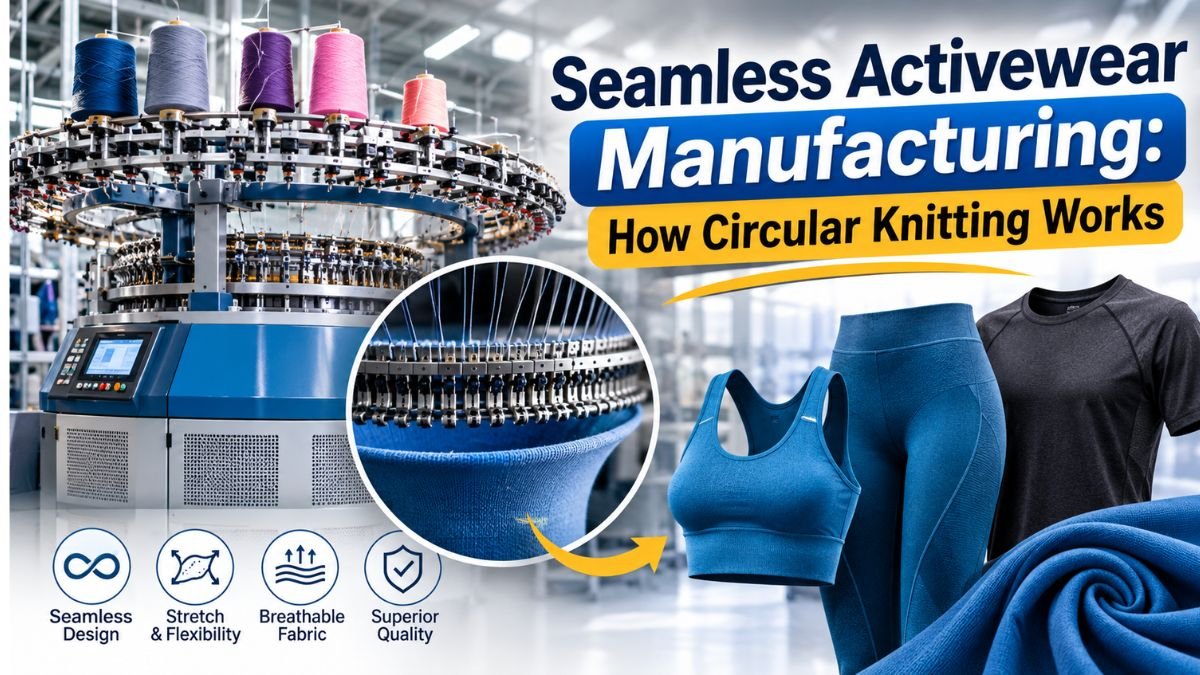
A seamless legging manufacturer specializes in producing leggings with reduced or minimal traditional garment seams. These products are commonly created using circular knitting technology or other specialized knitting methods.
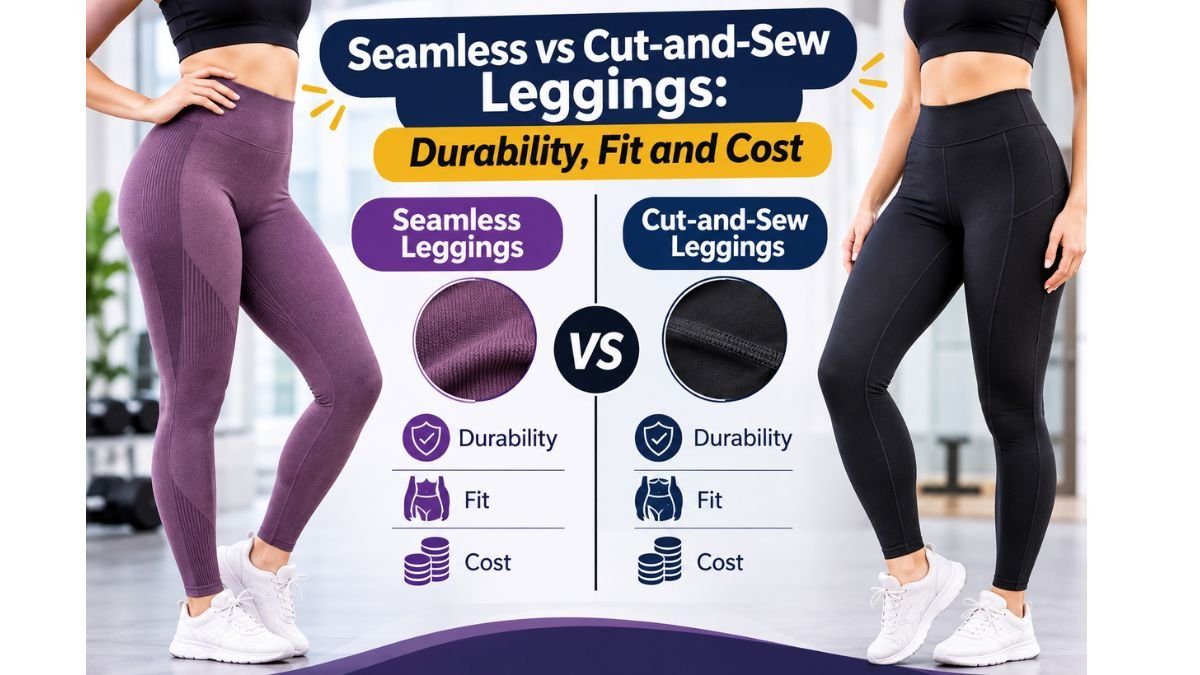
Unlike traditional leggings, which are made by cutting fabric panels and sewing them together, seamless garments can be knitted into specific shapes. This approach can reduce certain seams and create a smooth garment structure.
A seamless legging manufacturer may work with clothing brands, sportswear businesses, fitness retailers, and private-label companies.
Depending on its capabilities, the manufacturer may provide:
- Seamless knitting and garment production
- Yarn and fabric selection
- Product development
- Pattern and size development
- Sample creation
- Waistband customization
- Textured knit designs
- Branding and labeling
- Quality inspection
- Packaging and shipping
Not every supplier offers all these services. Some specialize in knitting, while others coordinate product development and finishing through different production partners.
Before choosing a supplier, confirm which manufacturing stages it handles directly.
What Are Seamless Leggings?
Seamless leggings are activewear garments designed to reduce traditional seams. They are commonly produced using specialized knitting equipment.
The garment structure can include different textures, stretch zones, and design patterns. Depending on the knitting method, some areas can be made thicker or more flexible than others.
Seamless leggings are popular because they can offer:
- A smooth appearance
- Flexible movement
- Reduced traditional seam construction
- Body-contouring designs
- Textured patterns
- Comfortable stretch
- Modern activewear styling
However, seamless does not automatically mean a garment is more comfortable or higher quality. Fabric composition, knitting quality, fit, finishing, and construction all matter.
A well-developed product should match its intended use and target customer.
How Are Seamless Leggings Manufactured?
The manufacturing process depends on the equipment, design, yarn, and product specifications. Specialized knitting technology plays an important role.
1. Product Design and Development
The process begins with a product concept. A brand decides what type of leggings it wants to develop.
Important design details may include:
- High-waisted or standard waistband
- Full-length or cropped design
- Compression level
- Seam placement
- Knit texture
- Color combinations
- Logo placement
- Size range
- Intended activity
A brand may provide sketches, reference images, mood boards, or technical specifications.
The manufacturer reviews these requirements to understand whether the design is suitable for the available knitting technology.
Some patterns and textures may require special machine programming. These details should be discussed before sampling.
2. Yarn and Material Selection
Material selection affects comfort, stretch, durability, appearance, and performance.
Common yarn options for seamless activewear include nylon, polyester, and elastane blends. The exact combination depends on the required product characteristics.
Nylon can provide a smooth feel and suitable strength. Polyester is commonly used in performance apparel. Elastane adds stretch and helps garments fit closely to the body.
The right combination depends on the design and intended use.
When selecting materials, consider:
- Fibre composition
- Yarn quality
- Stretch performance
- Recovery after stretching
- Moisture management
- Softness
- Color consistency
- Durability
Ask the supplier for material specifications and samples before approving production.
3. Knitting and Garment Formation
Knitting is the main production stage for many seamless leggings.
Specialized circular knitting machines can create a garment structure with fewer traditional seams. Machine settings and knitting programs determine the garment’s shape, texture, and construction.
The design may include different knit structures in separate areas.
For example, a manufacturer may develop a textured waistband, ribbed sections, or patterned panels through knitting.
The knitting process must be controlled carefully. Incorrect settings can affect measurements, fabric density, appearance, and stretch.
Brands should ask about the knitting technology available and whether the supplier can produce the requested design.
4. Adding Stretch and Support Features
Activewear leggings need suitable stretch for movement.
Some designs include different knitted structures to create varying levels of support or flexibility. These areas may be designed around the waistband, hips, thighs, and lower legs.
The product should provide a comfortable fit without excessive pressure.
The amount of stretch depends on the yarn, knitting structure, and garment design. A supplier should evaluate these features during development and sampling.
Avoid describing leggings as medical-grade compression garments unless the product has the required testing and supporting evidence.

5. Dyeing and Color Development
After knitting, the garment or material may go through dyeing and finishing processes, depending on the production method.
Color consistency is important for brands that sell matching activewear collections.
A buyer should confirm:
- Approved color references
- Dyeing method
- Color consistency
- Fabric appearance
- Washing performance
- Potential color variation
A sample or color swatch should be approved before bulk production.
For repeat orders, keep a record of the approved color reference and material specifications.
6. Finishing and Branding
Finishing prepares the garment for final inspection and packaging.
Depending on the design, this stage may include waistband finishing, trimming loose yarns, attaching labels, adding logos, and checking the garment’s appearance.
Branding options may include:
- Heat-transfer logos
- Printed labels
- Woven labels
- Hang tags
- Packaging stickers
- Custom product packaging
The branding method should suit the garment’s knitted structure and intended use.
7. Quality Inspection
The finished leggings should be checked against the approved specifications.
Quality inspection may include measurements, stretch, recovery, fabric appearance, color consistency, waistband construction, and branding placement.
The supplier should also check for knitting defects, holes, loose yarns, uneven textures, and finishing problems.
A clear inspection process helps identify issues before the order is shipped.
Why Choose a Seamless Activewear Manufacturer?
Working with a specialized seamless activewear manufacturer can help brands develop products designed for fitness and everyday movement.
Seamless activewear requires knowledge of yarns, knitting structures, garment fit, and performance requirements.
A manufacturer with the right technical capabilities can help translate a design concept into a suitable product.
1. Specialized Production Knowledge
Seamless garments require different production methods from traditional cut-and-sew apparel.
A suitable manufacturer should understand knitting technology, yarn selection, garment dimensions, and finishing requirements.
Ask about its machine capabilities and examples of similar products.
2. Product Customization
Brands often need products that match their identity.
Customization may include colors, knit textures, waistbands, logo placement, and size specifications.
However, not every design can be produced on every machine. Discuss technical limitations before finalizing your design.
3. Consistent Product Development
A documented product development process helps keep design details consistent.
The manufacturer should maintain approved material references, measurements, knitting specifications, and sample records.
These details are useful when developing repeat orders.
4. Support for Growing Brands
A suitable supplier may support both new and established activewear businesses.
Startups may need help with product development and smaller production runs. Growing brands may need multiple styles, colors, and repeat orders.
The right partner should explain its MOQ, development costs, and production capacity clearly.
Popular Types of Seamless Leggings
Seamless leggings are available in different designs. Your product selection should match the needs of your customers.
High-Waisted Seamless Leggings
High-waisted leggings have a waistband that sits around or above the natural waist.
This style is popular in activewear because it provides additional coverage. The waistband should remain comfortable during movement.
Check its width, stretch, recovery, and resistance to rolling.
Seamless Yoga Leggings
Yoga leggings are designed for flexible movement and comfort.
They may feature soft stretch materials and a close fit. The fabric should support bending, stretching, and other common movements.
A sample should be tested through the activities the product is intended to support.
Seamless Gym Leggings
Gym leggings are designed for training and exercise.
Depending on the target market, brands may look for supportive waistbands, durable fabric, moisture-management properties, and flexible construction.
The garment should maintain its shape during movement.
Textured Seamless Leggings
Textured leggings use different knitting structures to create visual patterns.
These designs may include ribbed sections, contour patterns, or other knitted textures.
Texture should not interfere with comfort or flexibility. Review the sample closely to ensure the design matches your expectations.
Seamless Compression-Style Leggings
Some leggings are designed to provide a closer, more supportive fit.
The level of compression depends on the material, construction, and product specifications.
Brands should clearly distinguish ordinary fitted leggings from products tested for specific compression performance.
Seamless Flared Leggings
Flared leggings combine a fitted upper section with wider lower legs.
They offer a different silhouette from traditional full-length gym leggings.
Check the leg opening, inseam, fit, and balance of the design during sample approval.
Best Fabrics and Materials for Seamless Leggings
Fabric and yarn selection play a major role in seamless garment performance.
The material should match the product’s purpose, design, and target price.
Nylon and Elastane
Nylon and elastane blends are common choices for stretch activewear.
Nylon can provide a smooth feel, while elastane supports flexibility.
This combination may suit fitted leggings, depending on the yarn quality and knitting structure.
Polyester and Elastane
Polyester and elastane blends are also used in sportswear and performance clothing.
Polyester can offer useful durability and moisture-management options. Elastane adds stretch.
The final performance depends on the exact composition and construction.
Recycled Polyester
Some activewear brands explore recycled polyester as part of their material choices.
If you plan to use recycled materials, ask for documentation that supports the material claim.
Do not rely only on a supplier’s general sustainability statement.
Understanding GSM in Activewear
GSM means grams per square metre. It describes fabric weight.
GSM can help compare material thickness, but it does not measure quality by itself.
For seamless garments, yarn size, knit structure, fibre composition, and machine settings also affect the finished product.
Ask for physical samples instead of selecting materials based only on GSM.
How to Evaluate the Quality of Seamless Leggings
A quality product should provide a suitable fit, consistent construction, and reliable performance.
Before approving a bulk order, review several important areas.
Stretch and Recovery
Stretch allows leggings to move with the body.
Recovery describes how well the garment returns to its original shape after stretching.
Poor recovery may cause leggings to become loose after repeated wear.
Check the material and finished garment through repeated stretch tests.
Opacity and Coverage
Opacity is important for fitted activewear.
The fabric should provide the coverage expected by the product specifications.
Check the garment under suitable lighting and during movement. A fabric that looks opaque when folded may behave differently when stretched.
Waistband Performance
The waistband affects comfort and fit.
Check whether it stays in place without excessive pressure. Inspect the waistband for uneven knitting, loose areas, or unwanted rolling.
Knitting Defects
Inspect the garment for:
- Holes
- Dropped stitches
- Uneven knit patterns
- Loose yarns
- Incorrect textures
- Color variations
- Surface defects
These problems can affect both appearance and product performance.
Size Consistency
Measurements should match the approved size specifications.
Check waist, hip, inseam, rise, thigh, and leg opening where relevant.
Review different sizes rather than approving only one sample.
How to Find the Right Seamless Legging Manufacturer
Choosing a supplier requires careful research.
A manufacturer should have the right technical capabilities, clear communication, and a quality process that matches your expectations.
Check Seamless Knitting Capabilities
This is one of the most important checks.
Ask whether the supplier owns or operates seamless knitting machines. If production is handled through a partner, ask how that relationship is managed.
Request examples of similar products and confirm which stages take place at the facility.
Do not assume that every activewear manufacturer can produce seamless garments.
Review Product Samples
Samples allow you to inspect the actual product.
Check the material, fit, knit pattern, stretch, recovery, waistband, and finishing.
If possible, test the sample through the intended activity.
Confirm MOQ
MOQ means minimum order quantity.
The minimum may vary by design, color, yarn, machine setup, and customization.
Ask whether the MOQ applies per style, color, or size run.
Also confirm whether different sizes can be included in one order.
Ask About Production Lead Times
Production timelines depend on development, machine availability, material sourcing, order quantity, and finishing.
Ask for separate estimates for sampling and bulk production.
Also confirm how revisions or material delays may affect the schedule.
Review Quality-Control Procedures
Ask how the manufacturer checks knitting quality, garment measurements, stretch, color, and finishing.
Confirm whether inspection takes place during production and before shipment.
Agree on the acceptance criteria before the order begins.
Compare Complete Quotations
A useful quotation should explain what is included.
Check the price for yarn, knitting, finishing, branding, packaging, sampling, and shipping.
A low unit price may exclude important services. Compare the complete cost before making a decision.
Private-Label Seamless Leggings for Clothing Brands
Private-label manufacturing allows a business to sell garments under its own brand.
Instead of selling generic products, you can develop a collection with selected colors, design details, labels, and packaging.
The level of customization depends on the manufacturer’s technical capabilities.
Custom Colors and Knit Patterns
You may want colors that match your brand identity.
Some manufacturers can also develop specific knit textures or patterns.
Confirm yarn availability, color minimums, and machine compatibility before approving the design.
Custom Waistbands
Waistbands are important for fit and appearance.
Depending on the available equipment, customization may include different widths, textures, and branding details.
Review the sample during movement to check comfort and stability.
Brand Logos and Labels
Logo options may include heat transfers, printed labels, or other suitable branding methods.
The application method should be compatible with the garment material.
Check logo size, placement, durability, and appearance before bulk production.
Branded Packaging
Custom packaging can help create a consistent brand presentation.
Options may include individual bags, product labels, hang tags, and packaging stickers.
Confirm packaging costs and any destination-market requirements.
Understanding MOQ and Production Costs
The cost of seamless leggings depends on several factors.
There is no single wholesale price for every style or order.
Yarn and Material Costs
Yarn composition, quality, availability, and color can affect the product price.
Special materials or custom colors may require additional sourcing.
Design Complexity
Some knitted patterns and garment structures require more development and machine programming.
Complex designs may increase development time and production costs.
Order Quantity
Larger orders may reduce the cost per garment in some cases.
However, they also require a higher inventory investment.
Choose an order size based on your sales plan and available budget.
Branding and Packaging
Logos, labels, tags, and packaging may add to the final cost.
Ask for a separate breakdown so you can understand each expense.
Sampling and Development
Sampling may involve design adjustments, machine setup, and material testing.
Confirm sample charges and the number of revisions included.
Common Mistakes to Avoid When Choosing a Manufacturer
A few mistakes can create problems during product development and bulk production.
Assuming every activewear factory makes seamless leggings: Confirm specialized knitting capabilities before placing an order.
Skipping physical samples: Review the actual garment before approving bulk production.
Ignoring size grading: Check fit across the full size range.
Choosing materials without testing: Evaluate stretch, recovery, opacity, and comfort.
Focusing only on unit price: Compare the full cost, including development, branding, packaging, and shipping.
Not documenting specifications: Keep approved measurements, yarn details, colors, and construction requirements in writing.
Ignoring production limitations: Confirm whether the requested knit patterns and features can be made using the available equipment.
Fashion Soul International and Custom Activewear Manufacturing
Fashion Soul International is a factory-owned custom clothing manufacturer based in Sialkot, Punjab, Pakistan. The company offers private-label, OEM, ODM, white-label, cut-and-sew, and full-package apparel manufacturing.
Its stated services include product development, fabric and trim sourcing, sampling, bulk production, quality control, custom branding, packaging, export documentation, and international shipping.
The company’s listed product categories include activewear and sportswear. Its stated fabric options include polyester and four-way stretch spandex, which are relevant to certain activewear products.
For brands interested in seamless leggings, it is important to confirm specialized seamless knitting capabilities directly. The available company information does not specifically establish that Fashion Soul International operates seamless knitting machinery or produces seamless leggings in-house.
However, brands can discuss their broader custom activewear requirements with the company. These may include product specifications, fabric sourcing, sampling, branding, and production planning for suitable garment constructions.
Fashion Soul International publishes a standard manufacturing MOQ starting at 100 pieces. Actual requirements depend on the product, material, color, and construction.
The company also states that bulk production begins after physical pre-production sample approval. This allows buyers to review the approved product before the main production order.
You can explore its manufacturing services at https://fashionsoulintl.com/.
Frequently Asked Questions
What does a seamless legging manufacturer do?
A seamless legging manufacturer produces leggings using specialized knitting methods that reduce traditional garment seams. Its services may include yarn selection, product development, knitting, finishing, branding, and quality inspection.
What is the difference between seamless and regular leggings?
Regular leggings are generally made by cutting fabric panels and sewing them together. Seamless leggings are commonly produced using specialized knitting technology to create a garment with fewer traditional seams.
What materials are used for seamless leggings?
Common materials include nylon, polyester, and elastane blends. The exact composition depends on the required stretch, comfort, durability, and intended use.
How do I choose a seamless activewear manufacturer?
Check its knitting technology, product experience, sample quality, fabric options, MOQ, production timeline, and quality-control procedures. Ask for examples of similar products before placing an order.
Can seamless leggings be customized with my brand logo?
Many suppliers offer branding options, but available methods depend on the garment construction and material. Confirm logo placement, application method, and durability during sampling.
What is the MOQ for seamless leggings?
MOQ varies by supplier, design, yarn, color, and machine setup. Ask whether the minimum applies per style, color, or size.
Are seamless leggings suitable for gym workouts?
They can be suitable for workouts when the material, fit, stretch, and construction meet the intended performance requirements. Test the product through suitable movements before selling it as performance activewear.
Can a private-label manufacturer develop custom seamless leggings?
A manufacturer with suitable seamless knitting technology may develop custom leggings for private-label brands. Confirm its machinery, design capabilities, sample process, and branding options first.
Final Thoughts
Choosing the right seamless legging manufacturer is an important decision for any activewear brand. Seamless products require specialized knitting technology, suitable materials, accurate sizing, and careful quality checks.
Before selecting a supplier, review its machine capabilities, samples, fabric options, MOQ, production timeline, and customization services.
A reliable manufacturing process begins with clear specifications and physical sample approval. It also requires consistent inspections and written production requirements.
If you are planning a new activewear collection, take time to compare manufacturers and confirm that their capabilities match your design. Working with the right seamless activewear manufacturer can help you develop products that meet your brand’s fit, quality, and business requirements.