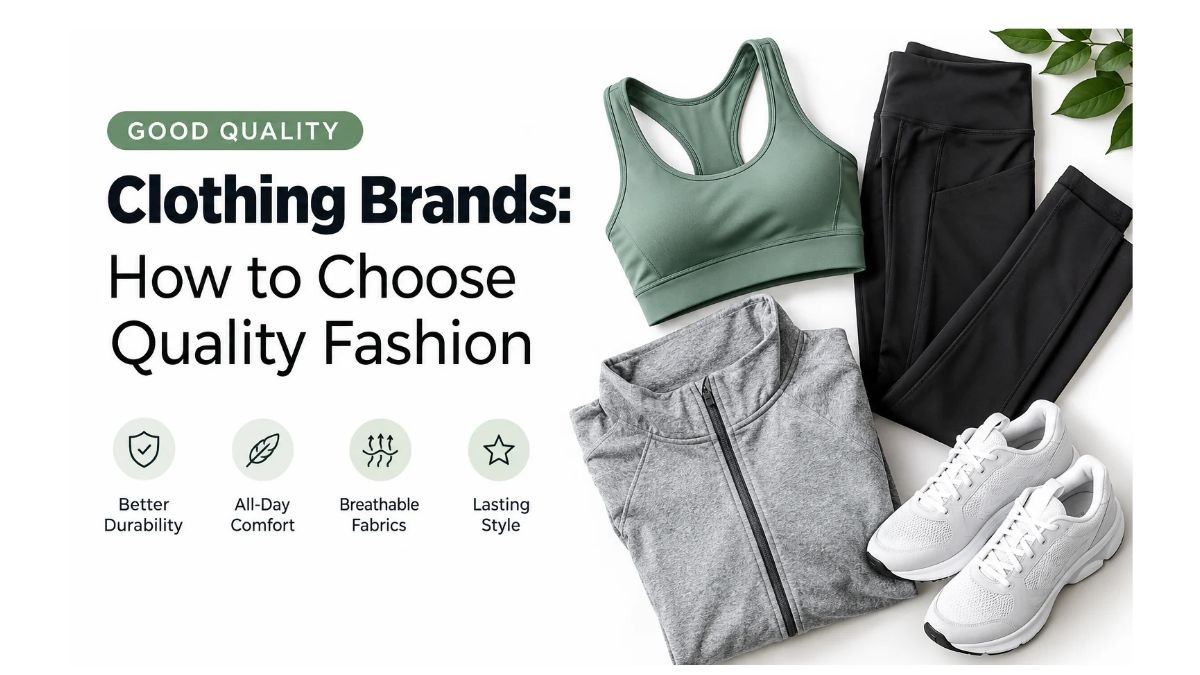
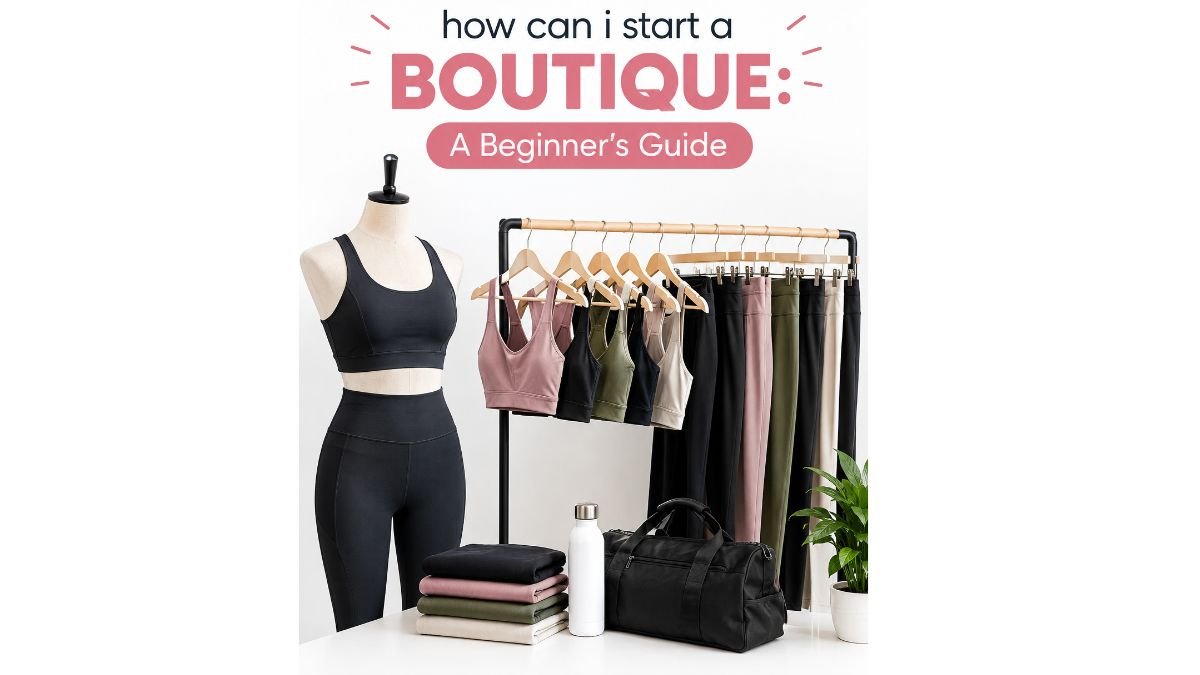
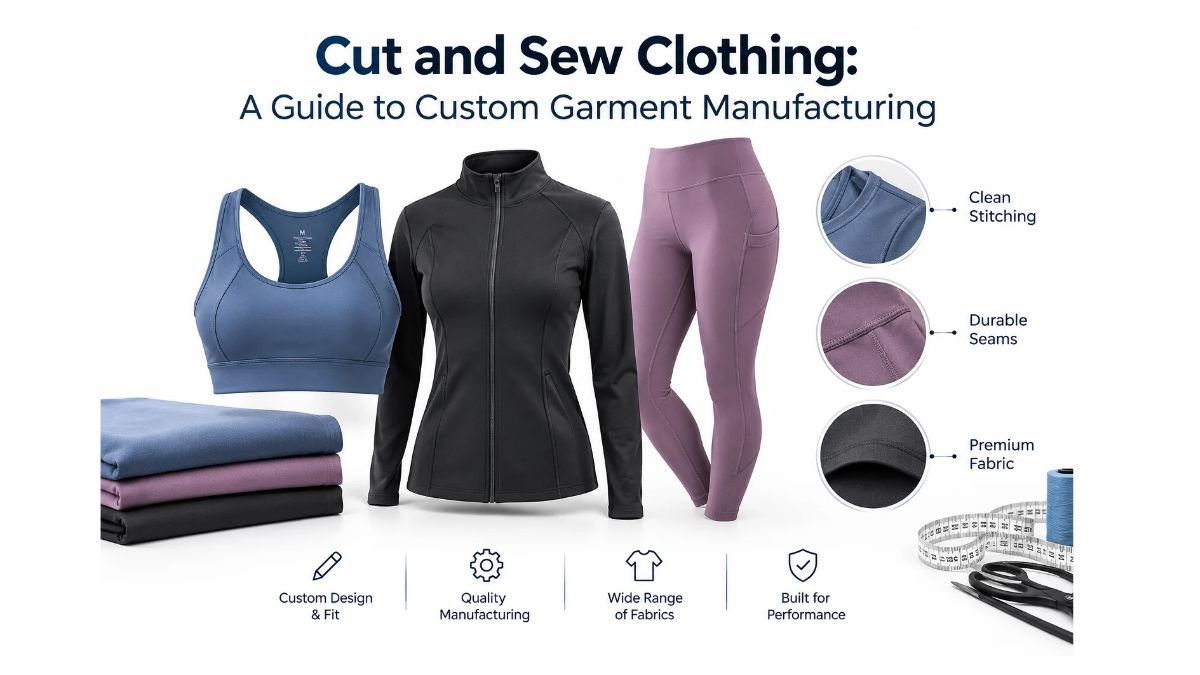
Wholesale clothing is an important part of the fashion supply chain. It allows boutiques, retailers, online stores, and clothing brands to purchase garments in larger quantities for resale. Instead of buying individual pieces at retail prices, businesses can work with manufacturers and wholesale suppliers to source clothing at production-based prices.
Choosing the right wholesale clothing supplier is not only about finding a low price. Buyers also need to consider fabric quality, garment construction, sizing, minimum order quantities, customization, branding, quality control, production timelines, and shipping.
For new and growing fashion businesses, understanding how wholesale clothing works can make sourcing easier and reduce common production problems.
This guide explains how wholesale clothing works, what buyers should look for, how boutique sourcing differs from general wholesale buying, and how a manufacturer can support growing clothing brands.
What Is Wholesale Clothing?
Wholesale clothing refers to garments sold in quantities to businesses rather than individual consumers. The buyer usually purchases multiple pieces of the same or different styles and then sells them through a boutique, website, marketplace retail store, or other sales channel.
Wholesale products can include:
- T-shirts
- Hoodies
- Sweatshirts
- Dresses
- Jackets
- Jeans
- Tracksuits
- Sportswear
- Activewear
- Workwear
- Casual clothing
- Baby and kids’ clothing
- Polos
- Denim
- Streetwear
Wholesale clothing can be ready-made or customized. Some suppliers sell finished garments from an existing collection. Others manufacture products according to a buyer’s design, specifications, branding, and packaging requirements.
For a clothing brand, the second model can provide more control over the final product.
How Does Wholesale Clothing Work?
The wholesale process can vary between suppliers. A typical process begins when a buyer identifies the products they need.
The basic process often includes:
- Product selection or design development
- Supplier inquiry
- Price and MOQ discussion
- Fabric and trim selection
- Sample development
- Sample review
- Changes and approval
- Bulk production
- Quality inspection
- Labeling and packaging
- Export documentation
- Shipping
For customized clothing, sampling is especially important. A physical sample gives the buyer a chance to review measurements, construction, fabric, color, decoration, and overall appearance before bulk manufacturing.
Fashion Soul International states that its manufacturing workflow includes sourcing, pre-production sampling, physical sample approval, bulk production, inline quality control, pre-shipment inspection, AQL auditing, packaging, export documentation, and international shipping.
Wholesale Clothing for Boutiques
Boutiques often need products that feel different from mass-market retail clothing. Their customers may look for specific styles, fabrics, colors, fits, or details.
This makes sourcing an important part of boutique operations.
Boutique buyers can choose between ready-made wholesale garments and customized products.
Ready-made wholesale products can be useful when a boutique wants to add products quickly. Customized manufacturing can be more suitable when the business wants its own designs, labels, packaging, and brand identity.
Boutiques should consider:
- Target customer
- Seasonal demand
- Fabric preferences
- Size range
- Product quality
- Retail price
- Wholesale cost
- Minimum order quantity
- Supplier reliability
- Shipping requirements
- Branding options
The goal is to find products that fit both the boutique’s customers and its business model.
What Are Ladies Garments Wholesale?
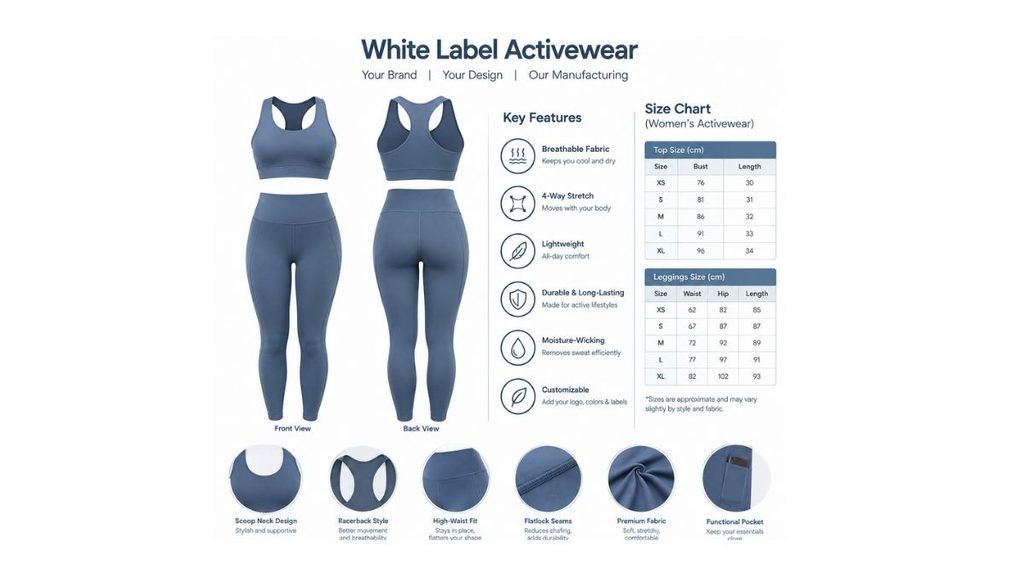
Ladies garments wholesale refers to women’s clothing purchased in larger quantities for resale.
This category covers a wide range of products, including:
- Women’s T-shirts
- Tops
- Dresses
- Hoodies
- Sweatshirts
- Jackets
- Tracksuits
- Activewear
- Casual wear
- Loungewear
- Denim products
- Fashion garments
- Workwear
Businesses sourcing ladies garments wholesale should pay close attention to fit and measurements. Women’s garments can have significant differences in silhouette, sizing, sleeve construction, waist placement, and garment length.
A supplier should be able to work from clear measurements and product specifications.
For customized products, buyers can provide sketches, reference images, technical packs, sample garments, or creative briefs. Fashion Soul International states that customers can begin product development using these types of inputs and that the company can also assist with tech-pack creation.
Wholesale Clothing Manufacturers vs. Wholesale Suppliers
The terms supplier and manufacturer are sometimes used interchangeably, but they can represent different business models.
A wholesale supplier may purchase finished garments from manufacturers and resell them to retailers or boutiques.
A wholesale clothing manufacturer produces garments directly. A manufacturer may offer more control over:
- Fabric selection
- Garment construction
- Measurements
- Patterns
- Colors
- Printing
- Embroidery
- Labels
- Packaging
- Product development
For businesses building a private clothing brand, working directly with a manufacturer can provide more customization.
Fashion Soul International describes itself as a factory-owned apparel manufacturer rather than a middleman, sourcing agent, or trading company. Its services include private-label, OEM, ODM, white-label, cut-and-sew, and full-package production.
How to Choose Wholesale Clothing Manufacturers
Finding wholesale clothing manufacturers requires more than comparing prices.
Before placing an order, buyers should review the manufacturer’s capabilities.
1. Check Manufacturing Capabilities
First, determine whether the manufacturer produces the type of garments you need.
A manufacturer may specialize in specific categories or support a broader product range.
Check whether they can produce your required:
- Garment type
- Fabric
- GSM
- Fit
- Construction
- Decoration
- Labeling
- Packaging
2. Understand the MOQ
MOQ means minimum order quantity.
It represents the smallest quantity a manufacturer normally accepts for a particular production order.
A lower MOQ can be useful for startups and boutiques because it reduces the amount of inventory required for a first production run.
Fashion Soul International lists a standard MOQ starting at 100 pieces per style, while noting that actual requirements can vary by product, fabric, color, construction, decoration, customer, and production model.
Always confirm the MOQ for your specific product before planning an order.
3. Ask About Samples
A sample allows you to review the product before bulk production.
Important sample details include:
- Fabric
- GSM
- Color
- Measurements
- Stitching
- Fit
- Printing
- Embroidery
- Trims
- Labels
- Overall construction
Do not rely only on digital images when product specifications matter. A physical sample can reveal details that are difficult to judge from a screen.
4. Review Quality Control
Quality control should be part of the production process rather than something considered after manufacturing.
Manufacturers may inspect measurements, stitching, fabric, printing, embroidery, trims, and finished garments.
Fashion Soul International states that its quality workflow includes inline inspection and pre-shipment AQL 2.5 inspection, with production checked against specifications and approved samples.
What Is High Quality Boutique Wholesale Clothing?
High quality boutique wholesale clothing is not defined by price alone.
Quality depends on how well the garment meets the required specifications.
Important factors include:
Fabric Quality
Fabric affects the garment’s weight, comfort, appearance, durability, and fit.
Buyers should consider:
- Fiber composition
- GSM
- Stretch
- Softness
- Breathability
- Shrinkage
- Surface appearance
- Intended use
For example, a lightweight T-shirt and a heavyweight streetwear hoodie require different fabric specifications.
Construction
Good construction includes appropriate stitching, seam placement, finishing, and reinforcement.
The construction should match the garment’s intended use.
Activewear, workwear, streetwear, and casual fashion products can all require different construction choices.
Fit and Measurements
A garment can use high-quality fabric and still perform poorly if its measurements are incorrect.
Buyers should provide a clear size chart or approved sample.
Important measurements can include:
- Chest
- Waist
- Hip
- Shoulder
- Sleeve length
- Body length
- Inseam
- Rise
Decoration
Printing and embroidery can strongly affect the final appearance.
Common decoration methods include:
- Screen printing
- DTG
- Sublimation
- Embroidery
- Puff printing
- Heat transfer
- Rubber applications
- Discharge printing
- Foil
The appropriate method depends on the fabric, artwork, durability requirements, quantity, and desired appearance.
Wholesale Boutique Suppliers: What Should You Check?
When searching for wholesale boutique suppliers, buyers should evaluate the supplier from a business perspective.
Consider the following questions:
- What products do they offer?
- Can they provide samples?
- What is the MOQ?
- Can they customize products?
- What fabrics are available?
- Can they add custom labels?
- Can they provide custom packaging?
- How is quality inspected?
- What are the production timelines?
- Which shipping options are available?
- Can they support international orders?
A supplier that provides clear answers makes it easier to plan inventory and production.
Boutique owners should also avoid choosing suppliers based only on attractive product photographs. Product images do not always show fabric weight, stitching quality, measurements, or construction details.
Boutique Wholesale Clothing Suppliers for Growing Brands
Boutique wholesale clothing suppliers can support businesses at different stages.
A new boutique may start with a limited selection of products. As sales grow, the business may need more colors, sizes, styles, or custom branding.
At that stage, a manufacturer can become more important than a simple ready-made wholesaler.
A growing brand may need:
- Custom designs
- Private labels
- Custom hang tags
- Branded packaging
- Multiple size ranges
- Fabric development
- Repeat production
- Consistent measurements
- Product development support
This is where manufacturing and wholesale sourcing can overlap.
Wholesale Clothing and Private Label Manufacturing
Private-label clothing allows a business to sell garments under its own brand name.
The clothing can be manufactured according to agreed product specifications and then finished with the brand’s labels and other branding elements.
Private-label production may include:
- Custom garments
- Woven labels
- Printed labels
- Hang tags
- Packaging
- Custom colors
- Custom prints
- Custom embroidery
Private label can be useful for businesses that want to build a recognizable clothing brand instead of reselling generic products.
Fashion Soul International provides private-label manufacturing along with OEM, ODM, white-label, cut-and-sew, and full-package production.
Wholesale Clothing and OEM Manufacturing
OEM stands for Original Equipment Manufacturing.
In apparel, OEM production generally involves manufacturing according to a buyer’s original design, technical specifications, patterns, or product requirements.
An OEM buyer may provide:
- Tech pack
- Pattern
- Sketch
- Measurements
- Fabric requirements
- Artwork
- Reference garment
The manufacturer then works from those specifications to produce the garment.
This model can give established brands greater control over their products.
Wholesale Clothing and ODM Manufacturing
ODM stands for Original Design Manufacturing.
In an ODM model, a manufacturer can support product development using information such as reference images, mood boards, concepts, or creative briefs.
This can be useful for brands that have a product idea but do not have every technical detail prepared.
The manufacturer’s product-development team can help convert the concept into a manufacturable garment.
Fabric and GSM Matter in Wholesale Clothing
GSM means grams per square meter. It is commonly used to describe fabric weight.
GSM does not automatically determine whether a fabric is good or bad. It helps buyers understand the weight of the material.
For example:
- Lightweight fabrics may suit summer clothing.
- Medium-weight fabrics can work for many everyday garments.
- Heavyweight fabrics may suit hoodies, outerwear, or streetwear.
The right GSM depends on the garment, climate, design, fit, and intended use.
Fashion Soul International lists different fabric and GSM options across categories such as cotton, fleece, polyester, stretch fabrics, denim, twill, canvas, and Oxford materials.
What Should You Send to a Wholesale Clothing Manufacturer?
Clear information can make product development easier.
If available, provide:
- Product sketches
- Technical drawings
- Tech packs
- Measurement charts
- Reference images
- Reference garments
- Fabric requirements
- Color references
- Artwork
- Logo files
- Label requirements
- Packaging instructions
- Expected order quantity
If you do not have a complete tech pack, explain your concept clearly.
A manufacturer may be able to help develop the technical information needed for sampling.
Wholesale Clothing Production Timeline
Production time depends on the product and project requirements.
Sampling generally comes before bulk manufacturing.
Fashion Soul International states that sample development typically takes 7–14 business days after design confirmation and information is available. Its published bulk production timeline is generally 20–35 business days after sample approval.
These timelines should be treated as general published timelines, not guaranteed delivery dates.
Shipping time is separate from manufacturing time and depends on the selected shipping method and destination.
Quality Control for Wholesale Clothing
Quality control is essential when buying clothing in bulk.
A proper quality process can include several stages.
Fabric Inspection
Fabric can be checked for issues such as color consistency, surface defects, weight, and other agreed specifications.
Inline Inspection
Garments can be inspected while production is taking place.
This can help identify problems before the entire order is completed.
Final Inspection
Finished products can be checked before shipment.
Measurements, construction, printing, embroidery, trims, labels, and other requirements can be reviewed.
AQL Inspection
AQL, or Acceptable Quality Limit, is a sampling-based quality inspection approach.
Fashion Soul International states that it uses pre-shipment AQL 2.5 inspection as part of its quality-control process.
Shipping Wholesale Clothing Internationally
International wholesale buyers should discuss shipping before placing an order.
Common shipping methods include air and sea freight.
Depending on the supplier and quotation, buyers may encounter terms such as:
FOB
FOB generally means the seller handles the goods through the agreed export point, while the buyer manages later transportation and related costs according to the agreed terms.
DDP
DDP can provide a more managed delivery arrangement, with the seller handling agreed duties and delivery responsibilities according to the quotation.
The exact responsibilities should always be confirmed in writing.
Fashion Soul International states that it offers international shipping with DDP and FOB options.
Why Work Directly With a Clothing Manufacturer?
Buying directly from a manufacturer can offer greater control over product development.
Potential advantages include:
- Direct communication
- Product customization
- Fabric selection
- Custom measurements
- Private labeling
- Custom packaging
- Sample approval
- Production quality control
- Flexible product development
However, the right supplier depends on the buyer’s needs.
A boutique looking for ready-made inventory may need a different sourcing model from a brand developing completely custom garments.
Fashion Soul International for Wholesale Clothing
Fashion Soul International is a factory-owned custom clothing manufacturer based in Sialkot, Punjab, Pakistan.
The company works with startups, growing brands, established clothing businesses, retailers, wholesalers, e-commerce businesses, sportswear companies, workwear buyers, and other international apparel businesses.
Its services include private-label, OEM, ODM, white-label, cut-and-sew, and full-package production.
The manufacturing workflow covers product development, fabric and trim sourcing, sampling, bulk production, quality control, branding, packaging, export documentation, and international shipping.
The company states that it has served more than 2,500 brands and ships finished apparel to more than 30 countries. It also states that its production capacity is approximately 50,000–100,000 garments per month.
Its standard MOQ starts at 100 pieces, although the actual requirement can vary according to the product and production specifications.
For buyers looking for customized wholesale clothing, this type of factory-direct model can provide access to product development and manufacturing services under one production workflow.
Common Mistakes When Buying Wholesale Clothing
Choosing Only by Price
The cheapest quotation may not provide the required fabric, construction, or quality.
Compare the complete offer instead of looking only at unit price.
Skipping the Sample
Bulk production without reviewing a sample can create avoidable problems.
Always confirm what will be produced before approving bulk manufacturing.
Providing Unclear Measurements
Incorrect or incomplete measurements can affect the fit of the entire order.
Provide a clear measurement chart and approved sample.
Ignoring Fabric Specifications
Simply saying “cotton” or “heavy fabric” may not be enough.
Specify composition, GSM, finish, color, stretch, and other relevant requirements.
Ordering Too Much Too Early
New businesses should consider their available budget, expected demand, storage capacity, and sales channels before choosing an order quantity.
Not Discussing Branding
If you want your own brand labels or packaging, discuss these requirements before production starts.
How to Start a Wholesale Clothing Order
The process can be simple when the requirements are organized.
Start by defining your product.
Then prepare your design or reference material.
Next, contact suitable manufacturers or suppliers and ask about:
- MOQ
- Sample process
- Fabric options
- Customization
- Branding
- Production timeline
- Quality control
- Packaging
- Shipping
After reviewing the quotation, move to sampling.
Check the physical sample carefully.
Once the sample meets the agreed requirements, approve it for bulk production.
Keep the approved sample and specifications as references during manufacturing.
Frequently Asked Questions
What is wholesale clothing?
Wholesale clothing is clothing sold in quantities to businesses for resale. It can include ready-made garments or customized products manufactured according to a buyer’s requirements.
What is the difference between wholesale and private-label clothing?
Wholesale clothing describes a business purchasing clothing in larger quantities for resale. Private-label clothing is produced for sale under the buyer’s own brand and can include custom labels and packaging.
What are ladies garments wholesale?
Ladies garments wholesale refers to women’s clothing purchased in larger quantities for resale. Products can include dresses, tops, T-shirts, activewear, jackets, tracksuits, and casual clothing.
How do I find wholesale clothing manufacturers?
Start by identifying manufacturers that produce your required product categories. Then compare their MOQ, sampling process, fabrics, customization, quality control, production timelines, branding options, and shipping services.
What are boutique wholesale clothing suppliers?
Boutique wholesale clothing suppliers provide garments to boutiques and similar retail businesses. They may offer ready-made clothing or customized production depending on their business model.
What is a good MOQ for a small clothing brand?
There is no universal MOQ that works for every brand. A smaller MOQ can reduce inventory risk, while larger quantities may make sense for products with established demand. The right quantity depends on the product and business plan.
Why is sample approval important?
Sample approval allows a buyer to review the actual product before bulk manufacturing. It helps confirm fabric, measurements, construction, colors, decoration, and branding.
Can wholesale clothing be customized?
Yes. Depending on the manufacturer, wholesale clothing can be customized through fabric selection, colors, measurements, patterns, printing, embroidery, labels, packaging, and other specifications.
Conclusion
Wholesale clothing provides an important sourcing option for boutiques, retailers, online stores, and clothing brands. It allows businesses to purchase garments in larger quantities while selecting products that match their customers and brand strategy.
The right sourcing approach depends on your business model. A boutique may need ready-made products, while a growing fashion brand may need private-label, OEM, ODM, or cut-and-sew manufacturing.
When evaluating wholesale clothing manufacturers and boutique wholesale suppliers, look beyond price. Review MOQ, fabric, GSM, construction, samples, quality control, branding, packaging, production timelines, and shipping.
For customized apparel, a factory-direct manufacturer can also support product development from the initial concept through sampling, bulk production, quality inspection, and international shipping.
By preparing clear specifications and approving a physical sample before bulk production, businesses can make their wholesale clothing sourcing process more organized and predictable. Meta description; Explore wholesale clothing, bulk buying, suppliers, pricing, quality, and sourcing tips for fashion brands and clothing businesses