Wholesale Clothing: A Complete Guide to Buying Quality Apparel in Bulk
Wholesale clothing is an effective way for boutiques, retailers, online stores, and fashion entrepreneurs to purchase apparel in bulk and resell it to customers. By buying products at wholesale prices, businesses can build an inventory, offer different styles, and create a pricing strategy that supports their profit goals.
However, choosing the right supplier requires more than comparing prices. Buyers need to consider product quality, fabric, sizing, minimum order quantities, shipping costs, and supplier reliability. The right sourcing partner can help a business maintain consistent quality and respond to changing customer preferences.
Whether you are looking for ladies garments wholesale, wholesale clothing manufacturers, or high quality boutique wholesale clothing, understanding the sourcing process can help you make better purchasing decisions.
This guide explains how wholesale clothing works, where to find suppliers, how to evaluate garment quality, and what retailers should consider before placing an order.
What Is Wholesale Clothing?
Wholesale clothing refers to apparel purchased in larger quantities from manufacturers, distributors, or wholesalers, usually at a lower per-unit price than individual retail purchases.
Businesses then sell these garments to customers through physical stores, online shops, boutiques, marketplaces, or other retail channels.
For example, a boutique may purchase 100 dresses from a wholesale supplier and sell them individually. The difference between the selling price and the total cost contributes to the business’s gross profit, before expenses such as shipping, rent, marketing, payment fees, and taxes.
Wholesale clothing can include many product categories, such as:
- Women’s dresses, tops, skirts, and trousers
- Men’s T-shirts, shirts, jeans, and jackets
- Children’s clothing and baby garments
- Hoodies, sweatshirts, and tracksuits
- Sportswear and activewear
- Workwear and uniforms
- Seasonal fashion and occasionwear
- Casual clothing and everyday essentials
The best wholesale products depend on your target audience, price range, sales channel, and business model.
How Does Wholesale Clothing Work?
The wholesale process usually begins when a retailer identifies products that suit its customers. The retailer then researches suppliers, compares prices, reviews product samples or specifications, and places an order.
Once the supplier confirms the order, the products are prepared for dispatch or manufactured according to the agreed terms.
A typical wholesale buying process includes these steps:
- Choose your product category. Decide whether you want dresses, casualwear, streetwear, activewear, or another type of apparel.
- Research suppliers. Identify wholesalers and manufacturers that offer the products you need.
- Compare quotations. Review unit prices, minimum order quantities, customization, and shipping charges.
- Check product quality. Request samples or inspect available stock before making a substantial purchase.
- Confirm the order. Agree on sizes, colors, quantities, payment terms, and delivery arrangements.
- Receive and inspect inventory. Check the shipment against the order and report discrepancies promptly.
- Sell through your chosen channel. Price products based on your total costs, customer demand, and business goals.
Wholesale purchasing can help retailers lower their average purchase cost. However, buying in bulk also creates inventory risk. Products may remain unsold if the styles, sizes, or colors do not match customer demand.
Types of Wholesale Clothing Suppliers
Understanding the difference between supplier types can help you choose the right source for your business.
1. Wholesale Distributors
Wholesale distributors purchase finished garments from manufacturers or other sources and resell them to retailers. They may offer a broad selection of products from different brands or suppliers.
Distributors can be useful when you need ready-made stock and do not want to manage product development.
Before placing an order, confirm whether products can be reordered, whether sizes are available consistently, and whether the supplier permits the type of resale you intend.
2. Clothing Wholesalers
Clothing wholesalers sell garments in bulk to boutiques, retailers, and online businesses. Their products may include existing styles, seasonal collections, basics, and fashion accessories.
Some wholesalers maintain ready-to-ship inventory, while others source products after receiving an order.
Ask about stock availability, minimum purchase values, returns, delivery times, and product photographs before buying.
3. Wholesale Clothing Manufacturers
Wholesale clothing manufacturers produce apparel in their own facilities or through an established manufacturing network. Depending on their services, they may offer ready-made garments, custom designs, private-label production, or complete product development.
Manufacturers are particularly useful for businesses that want greater control over fabric, fit, construction, branding, and product specifications.
However, custom production may involve sampling, development costs, minimum quantities, and longer lead times than purchasing existing inventory.
4. Boutique Wholesale Suppliers
Boutique wholesale suppliers focus on products suitable for independent fashion boutiques and smaller retailers. Their collections may include dresses, coordinated outfits, tops, skirts, seasonal pieces, and accessories.
Some suppliers offer smaller purchase quantities, while others require buyers to meet minimum order values.
Boutique owners should compare style selection, fabric quality, sizing consistency, restocking options, and overall costs before selecting a supplier.
5. Private-Label Manufacturers
Private-label manufacturers produce garments that a retailer sells under its own brand. Depending on the agreement, buyers may customize labels, packaging, colors, fabrics, trims, and other product details.
This option can help businesses create a distinctive identity rather than selling only products available from multiple retailers.
Private-label production generally requires more planning than purchasing ready-made wholesale clothing. Buyers should prepare product specifications and confirm all customization costs before approving an order.
How to Find Wholesale Clothing Suppliers
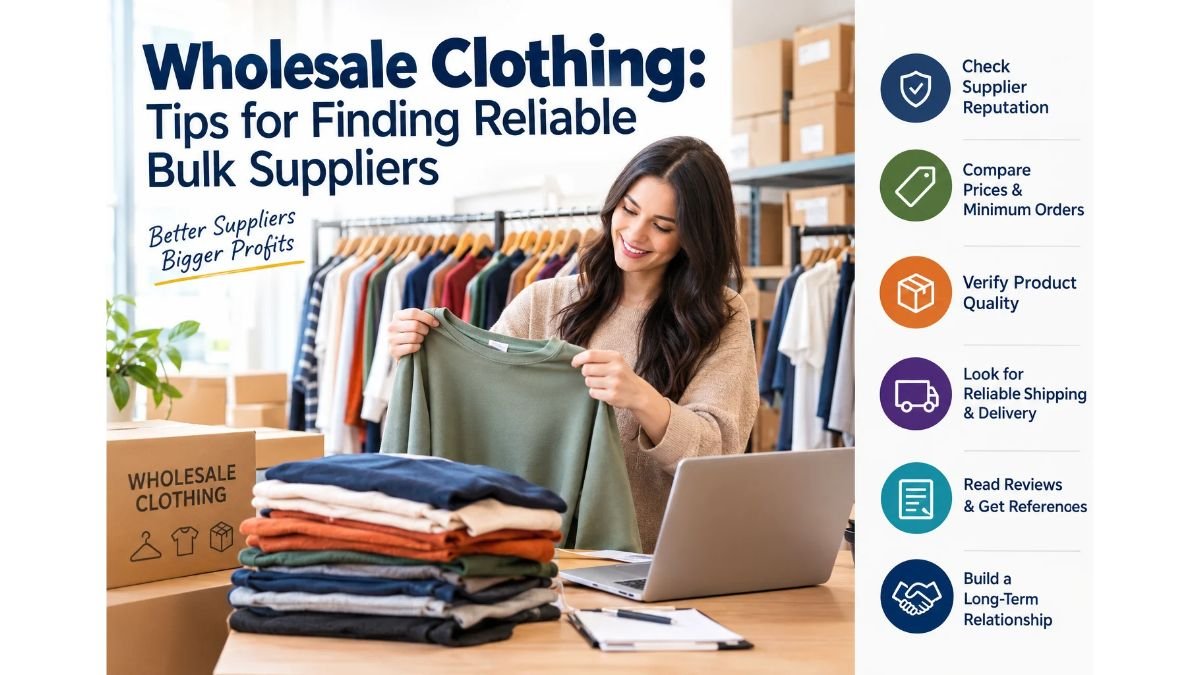
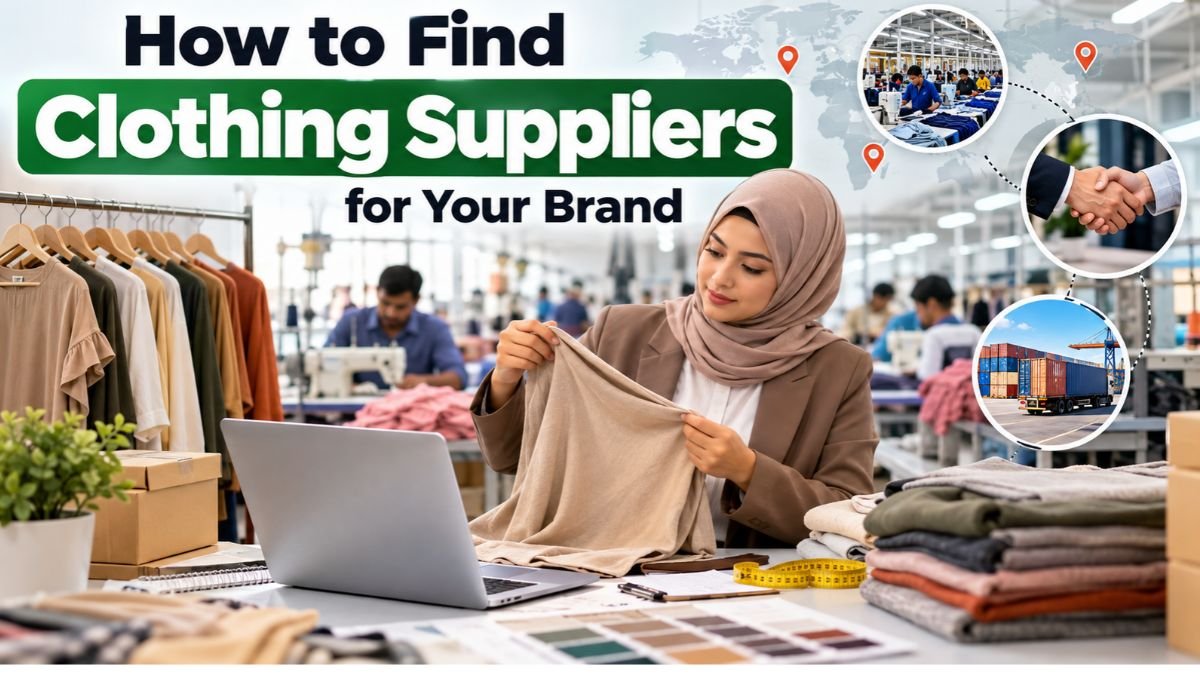
Finding reliable suppliers is one of the most important steps in building a successful retail business. A good supplier should offer products that fit your market, clear commercial terms, consistent quality, and dependable communication.
Search Online
Start by searching for suppliers that specialize in your product category. Specific searches can produce more relevant results than broad terms.
Examples include:
- Wholesale clothing suppliers for boutiques
- Ladies garments wholesale suppliers
- High quality boutique wholesale clothing
- Wholesale clothing manufacturers
- Wholesale women’s dresses
- Wholesale streetwear suppliers
- Private-label apparel manufacturers
- Custom clothing manufacturers for retailers
Review supplier websites to understand their product range, business model, ordering process, and customization services.
Do not assume that a professional website guarantees reliability. Verify business details and request samples or supporting information before placing a large order.
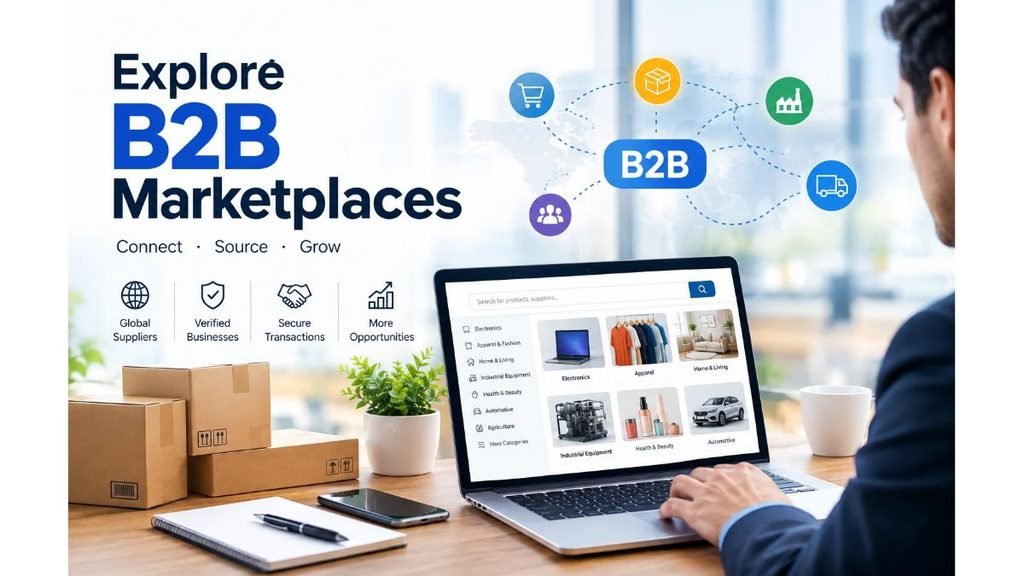
Explore B2B Marketplaces
Business-to-business marketplaces can help buyers discover clothing suppliers from different countries. They often provide product listings, seller information, and tools for requesting quotations.
Use these platforms to build a shortlist, not as a substitute for supplier verification.
Check seller history, product specifications, MOQ, sample availability, shipping terms, and payment protections. Be cautious when a supplier offers unusually low prices without explaining the product specifications or full costs.
Attend Trade Shows
Fashion and textile trade shows allow buyers to meet suppliers, examine garments, compare materials, and discuss ordering requirements.
You may find wholesalers, manufacturers, fabric suppliers, and apparel service providers at relevant events.
Prepare questions about product availability, manufacturing capabilities, lead times, and customization. Collect quotations and compare them after the event.
Contact Manufacturers Directly
If you need custom clothing or your own brand labels, contacting manufacturers directly can help you understand production options.
Share your design references, estimated quantities, preferred fabrics, size range, and branding requirements. Ask whether the company manufactures the products itself or outsources some stages.
Direct communication helps you assess whether a supplier understands your requirements and can support your planned order.
Ladies Garments Wholesale: What Buyers Should Know
Ladies garments wholesale covers a wide range of women’s apparel, including dresses, blouses, skirts, trousers, tunics, co-ord sets, jackets, and casual outfits.
Women’s fashion often includes seasonal changes and a variety of fits, fabrics, colors, and silhouettes. Retailers therefore need to select products that match their customers rather than buying based only on current trends.
Consider these factors when purchasing women’s clothing in bulk.
Understand Your Target Customer
Identify the age range, style preferences, budget, and shopping habits of your customers.
A boutique serving customers who prefer everyday basics may need different products from a store specializing in occasionwear or contemporary fashion.
Use sales history, customer feedback, and market research to guide purchasing decisions.
Check Fabric and Construction
Fabric affects comfort, drape, appearance, durability, and care requirements. Common options include cotton, viscose, polyester, linen, denim, and fabric blends.
Inspect seams, hems, closures, lining, and finishing. For dresses and fitted garments, pay close attention to measurements and fit.
Review Size Availability
Ask whether the supplier provides a consistent size chart and whether each style is available across the sizes your customers need.
Do not assume that sizing is identical across different suppliers. Compare actual garment measurements and review samples when possible.
Consider Seasonal Demand
Lightweight dresses and tops may be suitable for warmer seasons, while knitwear, jackets, and heavier fabrics may be more appropriate for cooler weather.
Plan orders around expected demand and delivery times. Avoid purchasing excessive quantities of a seasonal style without evidence that your customers will buy it.
How to Choose High Quality Boutique Wholesale Clothing
High quality boutique wholesale clothing should combine suitable materials, reliable construction, consistent sizing, and a style that fits your target market.
A garment can look attractive in photographs but perform poorly after regular wear or washing. Evaluate the product carefully before making a bulk commitment.
Examine Fabric Quality
Check the fabric composition, weight, texture, opacity, and stretch. The right material depends on the garment’s intended use.
For example, a lightweight fabric may work well for summer tops, while a sweatshirt may require a heavier knit. Activewear may need stretch and moisture-management properties.
Ask the supplier for fabric specifications when these details influence your product positioning.
Inspect Stitching and Finishing
Examine seams, hems, collars, cuffs, buttons, zippers, and other construction details.
Look for loose threads, uneven stitching, weak attachments, and inconsistent finishing. These issues can affect appearance and customer satisfaction.
Check Color Consistency
Colors may appear different under various lighting conditions or on different screens. If you are ordering several garments in the same color, ask how the supplier controls color consistency.
For custom manufacturing, provide an agreed color reference where possible.
Review Durability
If practical, test a sample according to its intended care instructions. Check whether it shrinks, loses shape, fades, or develops unwanted surface changes.
Testing is particularly useful for basics that customers may wear and wash frequently.
Evaluate the Complete Product
Quality is not limited to fabric. Fit, construction, finishing, comfort, and consistency all contribute to the customer’s experience.
Set clear standards before ordering so that you can evaluate the delivered garments against an agreed reference.
Wholesale Boutique Suppliers: How to Compare Your Options
Wholesale boutique suppliers can differ in their product selection, pricing, ordering requirements, and service. Compare several suppliers before deciding which one best suits your store.
Use the following criteria:
| Factor | What to check |
|---|---|
| Product selection | Does the supplier offer styles that suit your customers? |
| Quality | Are fabric, fit, stitching, and finishing consistent? |
| MOQ | What is the minimum quantity or order value? |
| Pricing | Are discounts available for larger orders? |
| Availability | Can popular styles and sizes be restocked? |
| Shipping | What are the costs, delivery estimates, and shipping terms? |
| Returns | What happens if products arrive damaged or incorrect? |
| Communication | Does the supplier answer questions clearly? |
| Customization | Can you add labels or request product changes? |
| Payment | Are the payment terms clear and documented? |
The best supplier is not necessarily the one with the lowest unit price. A supplier with consistent products, realistic delivery estimates, and clear communication may offer better overall value.
Wholesale Clothing Manufacturers vs. Wholesalers
Although these terms are sometimes used interchangeably, manufacturers and wholesalers often serve different needs.
A wholesaler typically sells finished products in bulk. A manufacturer produces garments and may also offer custom development or private-label services.
| Feature | Wholesaler | Manufacturer |
|---|---|---|
| Main service | Sells bulk clothing | Produces garments |
| Product availability | Often ready-made stock | Existing or custom production |
| Customization | May be limited | May include fabric, fit, and branding |
| Sampling | Depends on supplier | Often relevant for custom products |
| Lead time | May be shorter for in-stock goods | Depends on development and production |
| MOQ | Depends on seller | Depends on product and production setup |
| Best suited for | Retailers needing inventory | Brands needing custom products |
Choose a wholesaler if you want ready-made products and a straightforward buying process. Consider a manufacturer if you want control over the design, material, construction, or branding of your garments.
Understanding MOQ and Wholesale Pricing
Minimum order quantity, or MOQ, is the smallest quantity a supplier accepts under its stated terms. Some wholesalers use minimum order values, while manufacturers may set minimums by style, color, or production run.
Always clarify how the MOQ applies before calculating your budget.
Wholesale prices may decrease as quantities increase, but a larger order is not automatically more profitable. Unsold products can tie up cash and create storage problems.
Before placing an order, calculate your expected total cost, including:
- Unit purchase or manufacturing price
- Sample and development fees
- Branding and packaging
- Shipping and insurance
- Import duties and taxes, where applicable
- Warehousing and handling
- Payment processing and marketplace fees
Then compare the total cost with your expected retail price. Include discounts, returns, and other operating expenses when estimating your potential profit.
A smaller first order may be a sensible way to test demand, provided the supplier’s terms allow it.
How to Start a Wholesale Clothing Business
Starting a wholesale clothing business requires a clear product focus and a sourcing plan. You can operate as a retailer buying wholesale inventory or build a business that sells clothing in bulk to other retailers.
Choose a Business Model
Decide whether you want to sell directly to consumers, supply boutiques, operate an online store, or develop a clothing brand.
Your model determines which suppliers, quantities, and product types are most appropriate.
Research the Market
Study competitors, customer preferences, pricing, and product demand. Look for gaps that your business can serve without assuming that every trending item will sell.
Build a Supplier Shortlist
Identify suppliers with suitable products, realistic MOQs, clear terms, and relevant experience. Compare multiple quotations before making a decision.
Test Products
Order samples or small quantities when possible. Evaluate the products and collect customer feedback before committing more money to inventory.
Plan Pricing and Inventory
Calculate total product costs and choose retail prices that reflect your market and expenses. Track stock levels and sales so you can reorder products that perform well.
Develop Reliable Supplier Relationships
Communicate clearly, pay according to agreed terms, and document product specifications. Share feedback when a delivery meets or falls short of expectations.
A reliable sourcing process helps you make purchasing decisions based on product quality and customer demand.
Custom Clothing Production for Boutique Brands
Some retailers eventually move beyond ready-made wholesale products and develop clothing under their own labels. Custom production can provide more control over design, fit, materials, and branding.
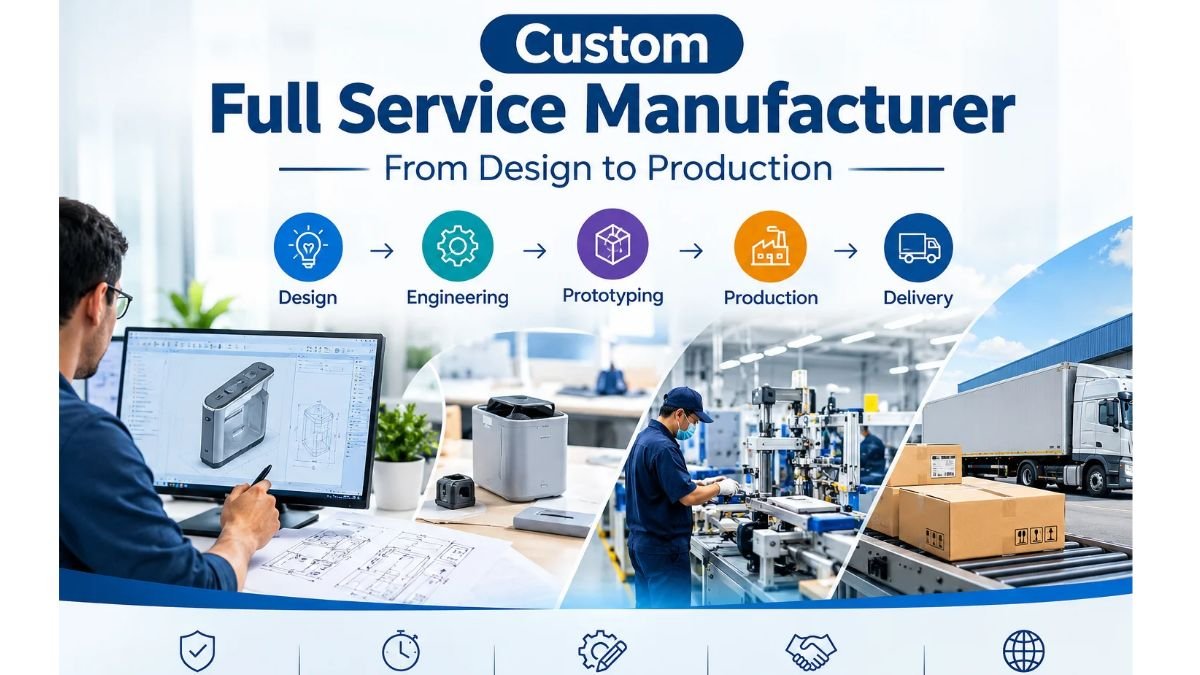
A typical custom manufacturing process includes product development, material selection, sample creation, sample approval, bulk production, quality inspection, packaging, and shipping.
A manufacturer may request a tech pack containing measurements, materials, construction details, artwork, and labeling instructions. If you do not have a finished tech pack, ask whether the supplier can assist with development and what information is needed before sampling.
Fashion Soul International is a factory-owned custom clothing manufacturer based in Sialkot, Pakistan. It offers private-label, OEM, ODM, white-label, cut-and-sew, and full-package production for a range of apparel categories.
Its services include product development, fabric sourcing, sampling, bulk production, quality control, custom branding, packaging, and international shipping. The company publishes a standard MOQ starting at 100 pieces, with final requirements confirmed for each project.
This type of manufacturing partner may be relevant to businesses that want custom products rather than only ready-made wholesale inventory. Buyers should compare its capabilities, quotation, sample, and terms with their specific requirements.
Visit Fashion Soul International to learn more about its apparel manufacturing services.
Common Mistakes to Avoid When Buying Wholesale Clothing
Buying Too Much Inventory
Large orders may reduce unit costs, but they also increase the risk of unsold stock. Start with quantities that match your budget and expected demand.
Ignoring Product Quality
Do not rely entirely on photographs or descriptions. Inspect samples or available products and agree on quality standards before ordering.
Overlooking Hidden Costs
Shipping, duties, packaging, and other charges can change the final cost. Request a detailed quotation and clarify which costs are excluded.
Failing to Check Supplier Terms
Review payment schedules, delivery estimates, returns, defect handling, and cancellation policies before committing.
Choosing Products Without Market Research
A product that appeals to you may not appeal to your customers. Use customer feedback, sales data, and market research to guide your assortment.
Assuming All Suppliers Offer Customization
Some wholesalers sell only existing products. If you need custom labels, unique colors, or specific construction details, confirm those services before proceeding.
Frequently Asked Questions
Where can I buy wholesale clothing?
You can buy wholesale clothing directly from wholesalers, distributors, manufacturers, B2B marketplaces, and trade-show exhibitors. Compare product quality, MOQ, pricing, and supplier terms before ordering.
How do I find wholesale boutique clothing suppliers?
Search for boutique-focused wholesalers and suppliers that specialize in your product category. Review their collections, check size availability, request samples where possible, and compare their minimum order requirements and delivery terms.
Is ladies garments wholesale profitable?
It can be profitable when product costs, retail pricing, demand, and inventory management are handled carefully. Profit depends on the total cost of purchasing and selling garments, not just the difference between wholesale and retail prices.
What is the difference between wholesale clothing and private-label clothing?
Wholesale clothing usually refers to finished products purchased in bulk. Private-label clothing is produced for sale under a retailer’s or brand’s own name. Private-label production may allow customization of labels, materials, colors, and other details.
How much clothing should I order initially?
The appropriate quantity depends on your budget, supplier MOQ, product price, and expected demand. Consider testing a limited selection before making a larger commitment, where supplier terms permit it.
How can I identify a reliable wholesale supplier?
Check business details, product specifications, communication, sample quality, and written terms. For larger purchases, consider additional verification and an independent inspection.
Conclusion
Wholesale clothing gives boutiques, retailers, and online businesses a way to source apparel in bulk and build a product range for their customers. Success depends on selecting suitable products, understanding supplier terms, checking quality, and managing inventory carefully.
Whether you need ladies garments wholesale, wholesale clothing manufacturers, high quality boutique wholesale clothing, or dependable wholesale boutique suppliers, compare options using consistent criteria. Evaluate product quality, MOQ, pricing, availability, shipping, and communication before placing an order.
Start with a clear business plan, test products where possible, and maintain written agreements with your suppliers. If your business eventually needs unique designs and custom branding, explore manufacturing options that fit your product requirements and budget.
A thoughtful sourcing strategy can help you build a more consistent inventory, manage costs, and develop a wholesale or retail clothing business around your customers’ needs.