What Are Yoga Pants Made Of? A Complete Fabric Guide
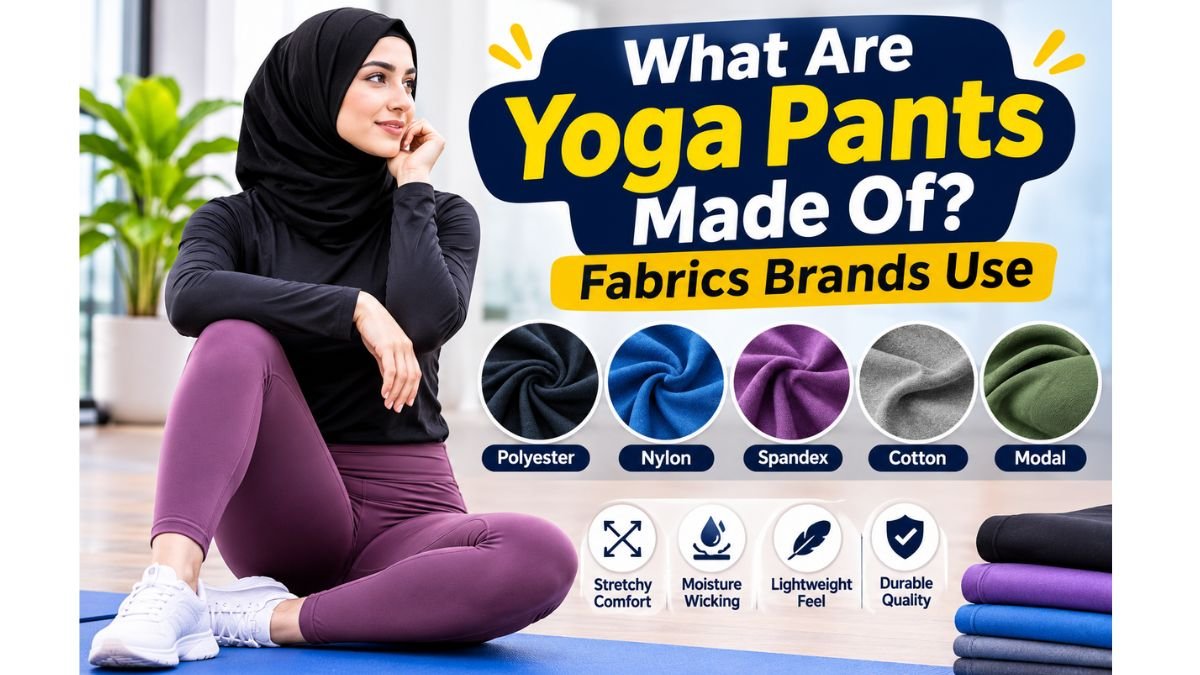
Yoga pants are designed to provide comfort, flexibility, and support during exercise. They allow people to stretch, bend, and move without feeling restricted. But have you ever wondered what are yoga pants made of and why certain fabrics work better than others?
Most yoga pants are made from synthetic materials such as polyester, nylon, and spandex. Some styles also use cotton, bamboo-derived fibers, or recycled materials. Manufacturers often combine different fibers to create a fabric that feels soft, stretches easily, and maintains its shape.
The exact material depends on the garment’s purpose, design, price, and performance requirements. Lightweight yoga pants may use breathable fabrics, while fitted leggings often need stronger stretch and recovery.
Understanding yoga pants fabric can help shoppers choose comfortable clothing. It can also help clothing brands select suitable materials for their activewear collections.
In this guide, we explain the common materials used in yoga pants, how fabric blends work, and what to consider before buying or manufacturing yoga clothing.
What Are Yoga Pants Made Of?
Yoga pants are commonly made from blends of polyester, nylon, and spandex. These materials provide different properties that help the garment perform during physical activity.
Here is a quick overview of common materials:
| Material | Main properties | Common uses |
|---|---|---|
| Polyester | Durable, lightweight, quick-drying | Yoga leggings and training pants |
| Nylon | Smooth, soft, and strong | Premium yoga leggings |
| Spandex | High stretch and flexibility | Fitted yoga pants |
| Cotton | Soft and breathable | Relaxed yoga pants |
| Bamboo-derived viscose | Soft and smooth feel | Comfort-focused activewear |
| Recycled polyester | Made using recycled polyester material | Activewear collections |
Many yoga pants use a combination of two or more fibers. For example, a nylon-spandex blend combines nylon’s smooth feel with spandex’s elasticity.
The best fabric depends on how the pants will be used. Hot yoga, gentle stretching, daily wear, and intense workouts may require different material properties.
1. Polyester: A Common Material for Yoga Pants
Polyester is one of the most widely used materials in sportswear and activewear. It is a synthetic fiber valued for its durability and practical performance.
Manufacturers often use polyester in yoga pants because it can handle regular use and repeated washing when properly constructed and cared for.
Benefits of Polyester Fabric
Polyester offers several useful properties:
- Durability: It can withstand regular wear when made and finished well.
- Quick drying: It generally dries faster than cotton.
- Lightweight feel: Many polyester fabrics feel light against the body.
- Color retention: Polyester can hold color well when properly dyed.
- Easy care: Many polyester garments are relatively easy to maintain.
Polyester can also be engineered into different knit structures. This gives manufacturers flexibility when developing yoga leggings, training pants, and other activewear.
Polyester and Spandex Blends
Polyester is often blended with spandex to improve stretch. Polyester provides the base fabric, while spandex allows the garment to move with the body.
This combination can work well for yoga pants that need flexibility and shape recovery.
For example, a polyester-spandex fabric may be suitable for yoga leggings, fitted exercise pants, and performance clothing.
However, the exact performance depends on the fabric construction and fiber percentages. Always check the specifications before selecting a material.
2. Nylon: A Soft and Smooth Yoga Pants Fabric
Nylon is another popular material used in yoga pants. It is known for its smooth surface, strength, and ability to work well in stretch fabric blends.
Many brands use nylon-based fabrics for premium leggings because they can provide a soft, comfortable feel.
Why Is Nylon Used in Yoga Pants?
Nylon offers several useful qualities:
- Smooth texture against the skin
- Good strength for regular use
- Lightweight construction options
- Ability to blend with spandex
- Suitable performance for fitted garments
Nylon can also create a sleek appearance. This makes it a popular choice for yoga leggings and fitted activewear sets.
Nylon and Spandex
Nylon-spandex blends are common in yoga clothing. Nylon contributes softness and strength, while spandex provides elasticity.
The blend can stretch in multiple directions when the fabric is constructed for that purpose.
This is important because yoga movements often involve bending, twisting, and stretching. The material should move comfortably without pulling or restricting the wearer.
Before choosing nylon fabric, check its stretch, recovery, weight, opacity, and care requirements.
3. Spandex: The Fiber That Makes Yoga Pants Stretch
Spandex is a synthetic elastic fiber. It is also known as elastane in many countries.
Its main purpose is to provide stretch. Even a small percentage can make a noticeable difference to how a fitted garment moves and feels.
Why Do Yoga Pants Contain Spandex?
Yoga pants need to stretch with the body. Without enough elasticity, leggings may feel tight during movement.
Spandex helps the fabric:
- Stretch during bending and stretching
- Fit closely to the body
- Return toward its original shape
- Provide flexibility
- Maintain a comfortable fit
Spandex is usually blended with other fibers rather than used alone.
For example, nylon-spandex and polyester-spandex are common combinations in activewear.
What Is Stretch Recovery?
Stretch recovery describes how well a fabric returns to its original dimensions after being stretched.
Good recovery matters for yoga leggings. If the fabric stays stretched, the pants may become loose after repeated use.
However, spandex content alone does not guarantee good recovery. Yarn quality, fabric construction, finishing, and garment design also matter.
4. Cotton: A Comfortable Natural Fiber
Cotton is a natural fiber commonly used in everyday clothing. It is valued for its softness and familiar feel.
Some yoga pants use cotton or cotton blends, especially styles designed for relaxed movement and casual wear.
Benefits of Cotton Yoga Pants
Cotton can offer:
- A soft feel
- Good comfort for everyday use
- Breathability in suitable fabric constructions
- A natural fiber option
- Easy styling for casual clothing
Cotton may suit gentle yoga, stretching, and lounge clothing.
Limitations of Cotton
Cotton absorbs moisture. It can become heavier when wet and may take longer to dry than many synthetic performance fabrics.
This can make it less suitable for intense exercise or hot yoga sessions.
Cotton also has limited natural stretch. Manufacturers often blend it with spandex when they need a closer fit and better flexibility.
If you prefer cotton yoga pants, consider the activity and how much sweat the garment needs to manage.
5. Bamboo-Derived Fabrics in Yoga Clothing
Some yoga clothing products use bamboo-derived viscose or other bamboo-based textile materials.
These fabrics are often selected for their soft and smooth feel. They may be suitable for relaxed yoga pants and comfort-focused activewear.
What Makes Bamboo-Derived Fabric Popular?
Bamboo-derived viscose can offer:
- A soft surface
- A smooth feel against the skin
- Lightweight fabric options
- Comfort for casual clothing
- A draping appearance
However, bamboo-derived viscose is not the same as untreated bamboo fiber. It is made through a manufacturing process that converts bamboo cellulose into textile fiber.
Brands should describe the fiber accurately on product labels.
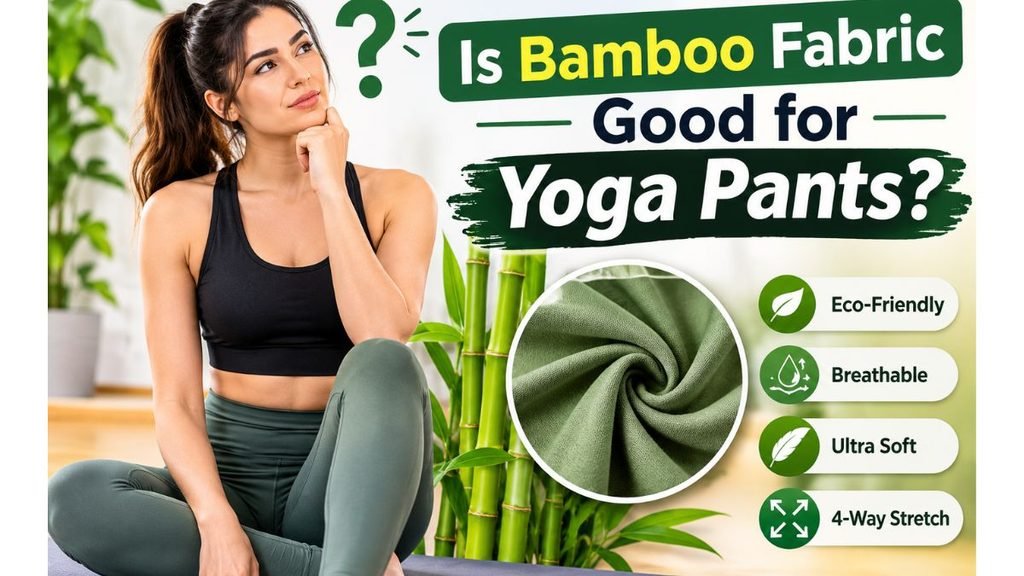
Is Bamboo Fabric Good for Yoga Pants?
It can be suitable for certain yoga clothing styles. However, the material’s stretch, durability, moisture management, and care needs depend on its construction and blend.
Check the fabric composition and request performance information before choosing it for fitted leggings.
6. Recycled Polyester for Yoga Apparel
Recycled polyester is produced using recycled polyester materials. These may include used plastic bottles and other suitable polyester waste.
Some activewear brands use recycled polyester as part of their material sourcing strategy.
Benefits of Recycled Polyester
Recycled polyester can provide properties similar to conventional polyester, depending on the fiber and fabric construction.
It can be used for:
- Yoga leggings
- Sports bras
- Training tops
- Exercise shorts
- Other performance clothing
Brands interested in recycled materials should request documentation that supports recycled-content claims.
It is also important to consider the complete product. Fabric composition alone does not explain every environmental impact of a garment.
What Is the Best Fabric Blend for Yoga Pants?
There is no single best fabric blend for every type of yoga pants. The right option depends on the intended activity, desired feel, fit, and price range.
Some common fabric combinations include:
Nylon and Spandex
This blend is popular for fitted yoga leggings.
Nylon provides a smooth feel, while spandex adds stretch. It can be suitable for premium yoga clothing and performance-focused designs.
Polyester and Spandex
This combination is common in sportswear and activewear.
Polyester provides a durable base, while spandex adds flexibility. It can work well for training pants, yoga leggings, and fitted tops.
Cotton and Spandex
Cotton-spandex blends combine softness with added stretch.
They may suit casual yoga pants, lounge styles, and relaxed exercise clothing.
Polyester, Nylon, and Spandex Blends
Some fabrics combine multiple synthetic fibers to balance different properties.
The exact result depends on the percentages and fabric construction. A higher percentage of one fiber does not automatically mean better quality.
When comparing blends, review the full specifications and test the material in a sample garment.
How Is Yoga Pants Fabric Manufactured?
Yoga pants fabric usually begins with textile fibers that are converted into yarn. The yarn is then knitted or processed into fabric.
The exact process depends on the material and construction.
Step 1: Fiber Selection
The manufacturer selects fibers according to the fabric requirements.
These may include polyester, nylon, cotton, spandex, or recycled fibers.
Each fiber contributes different properties. The blend is selected based on the intended garment.
Step 2: Yarn Production
Fibers are processed into yarn suitable for textile manufacturing.
Spandex is often used alongside other yarns to provide elasticity. The yarn structure affects the final fabric’s feel and performance.
Step 3: Knitting
Many yoga pants use knitted fabrics because knit structures can provide flexibility and comfort.
Common structures include jersey and interlock knits.
Some performance fabrics are designed to stretch in both lengthwise and crosswise directions. This is often called four-way stretch.
Step 4: Dyeing and Finishing
The fabric may be dyed to achieve the required color.
Finishing processes can affect its softness, appearance, and performance. Some fabrics also receive special treatments for moisture management or other functions.
The specific treatment should match the product requirements.
Step 5: Inspection
The finished fabric should be checked before garment production.
Common checks include:
- Fabric weight
- Width
- Color consistency
- Surface defects
- Stretch and recovery
- Shrinkage
- Pilling resistance
These checks help identify material issues before the fabric is cut.
What Does GSM Mean in Yoga Pants Fabric?
GSM stands for grams per square metre. It measures the weight of fabric over a specific area.
GSM helps clothing brands compare fabric weights. It can also help manufacturers select materials for different garment types.
For example, a lighter fabric may suit a breathable yoga top, while a heavier fabric may be considered for leggings that need more coverage.
However, GSM does not determine fabric quality by itself.
Two fabrics with the same GSM may have different softness, stretch, opacity, and durability.
When selecting yoga pants fabric, consider GSM alongside:
- Fiber composition
- Knit structure
- Stretch percentage
- Recovery
- Opacity
- Fabric finish
- Intended use
Always review a physical sample before approving bulk production.
How to Choose the Right Fabric for Different Yoga Pants
Different yoga pants have different performance needs. Selecting material according to garment design can improve comfort and fit.
High-Waisted Yoga Leggings
High-waisted leggings need stretch and suitable recovery around the waist and legs.
Nylon-spandex and polyester-spandex blends are common choices. The fabric should provide suitable coverage and maintain its fit during movement.
Flared Yoga Pants
Flared yoga pants combine a fitted upper section with wider legs.
They may use stretch knits that provide flexibility and a comfortable drape. Fabric weight and recovery can affect how the finished pants hang.
Relaxed Yoga Pants
Relaxed styles offer a looser fit.
Cotton blends and other soft knit fabrics may work well. The main priorities are comfort, movement, and suitable fabric weight.
Hot Yoga Pants
Hot yoga involves higher temperatures and increased sweating.
Quick-drying, lightweight performance fabrics may be suitable. Polyester-spandex and nylon-spandex blends are common options.
The fabric should also provide comfortable movement and suitable coverage.
Everyday Yoga Pants
Some people wear yoga pants for travel, lounging, and daily activities.
These products may prioritize softness, comfort, and easy care. Cotton blends and smooth synthetic knits can both be considered.
How to Check the Quality of Yoga Pants Fabric
Before buying yoga pants or approving a manufacturing order, check the material carefully.
1. Check Stretch
Stretch the fabric gently in different directions.
Notice whether it moves easily and returns toward its original shape. This helps you evaluate flexibility and recovery.
2. Check Opacity
Hold the fabric under suitable lighting and stretch it.
This is especially important for leggings. A fabric that becomes transparent during movement may not meet customer expectations.
3. Check Softness
Touch the material and evaluate its surface.
A soft fabric can improve comfort, but softness alone does not prove durability or performance.
4. Check Shrinkage
Wash a sample according to the recommended care instructions.
Measure it before and after washing. This can reveal changes in the fabric’s dimensions.
5. Check Pilling
Pilling happens when small fiber balls appear on the fabric surface.
It can affect the appearance of yoga pants after repeated use. Ask the supplier about pilling resistance and relevant test results.
6. Check Colorfastness
Colorfastness describes how well a fabric retains its color during washing, rubbing, and exposure to other conditions.
Poor colorfastness can cause fading or color transfer.
For commercial production, ask about suitable laboratory testing when needed.
How to Care for Yoga Pants
Proper care can help yoga pants maintain their appearance and performance.
Always follow the garment’s care label because different fiber blends require different treatment.
General care tips include:
- Wash yoga pants according to the care label.
- Use a suitable washing temperature.
- Avoid excessive heat when drying.
- Turn garments inside out when appropriate.
- Separate colors when necessary.
- Avoid harsh chemicals that may damage fibers.
- Store garments in a clean, dry place.
High heat can damage elastic fibers in some garments. Following the care instructions can help preserve stretch and fit.
What Should Clothing Brands Consider When Sourcing Yoga Pants Fabric?
Clothing brands need to consider more than the appearance of a fabric. They should evaluate material performance, cost, availability, and manufacturing requirements.
Understand Your Target Customer
Start by identifying who will wear your products.
Customers looking for premium yoga leggings may prioritize softness,