Nylon Spandex Fabric: Properties, Benefits, Uses, and Sportswear Guide
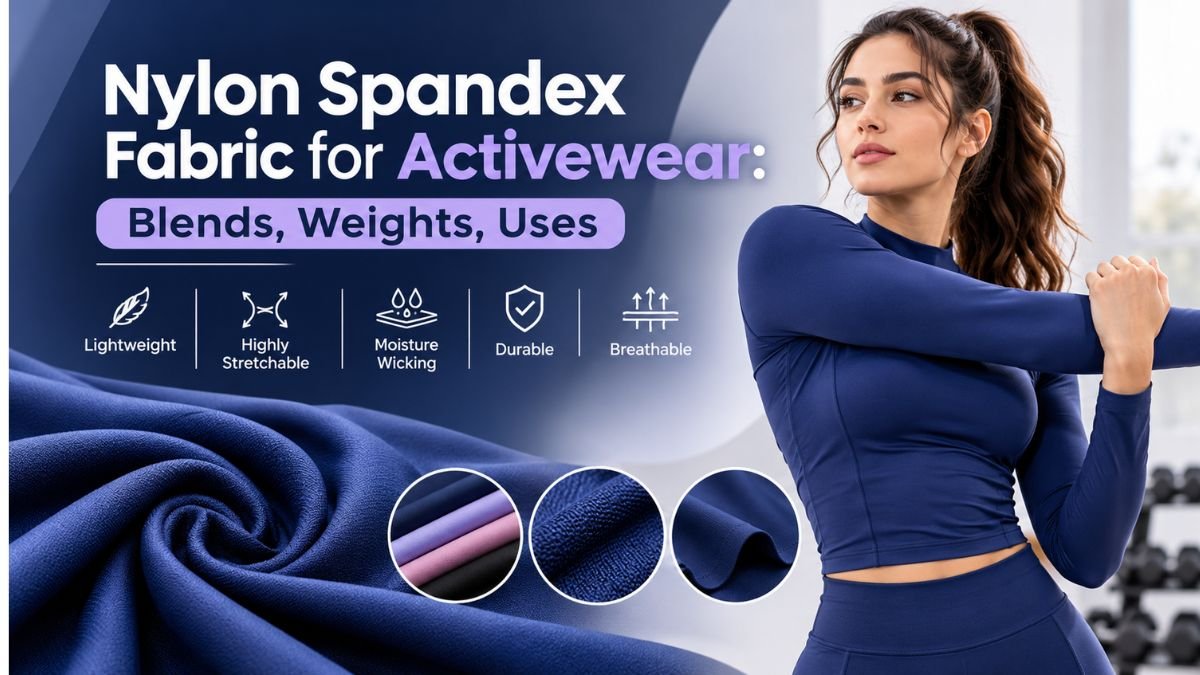
Nylon spandex fabric is a popular choice for clothing that needs stretch, comfort, and durability. It combines the strength of nylon with the flexibility of spandex. This combination creates a smooth, flexible material that supports movement.
Many clothing brands use this fabric for leggings, sports bras, swimwear, cycling shorts, and performance clothing. It can stretch with the body while maintaining a comfortable fit. Its smooth surface also makes it suitable for fitted garments.
However, choosing the right fabric requires more than knowing its name. Buyers should understand its composition, weight, stretch, recovery, breathability, and finishing. These details affect how the finished garment looks and performs.
This guide explains nylon and spandex fabric, its main properties, common applications, and sourcing considerations. It also covers how brands can select the right nylon spandex blend for sportswear and other clothing products.
What Is Nylon Spandex Fabric?
Nylon spandex fabric is a textile made by combining nylon fibers with spandex fibers. Nylon provides strength, abrasion resistance, and a smooth surface. Spandex adds elasticity and helps the material stretch.
The two fibers work together to create a flexible fabric. It can expand during movement and return toward its original shape. This makes it useful for fitted and performance-focused clothing.
Nylon is also known as polyamide. Spandex is called elastane in many countries. Both names refer to the same general fiber types.
The exact fabric construction can vary. Some materials use nylon as the main fiber and a smaller amount of spandex for stretch. Others use different proportions depending on the garment’s purpose.
For example, a fabric designed for leggings may need strong stretch and recovery. A swimwear fabric may require a construction suitable for frequent contact with water. The right choice depends on the intended use.
Understanding Nylon and Spandex Material
To understand this blend, it helps to look at each fiber separately. Nylon and spandex have different functions. Their combination creates a material with a wider range of useful properties.
What Is Nylon?
Nylon is a synthetic fiber used in many types of clothing and textiles. It is valued for its strength, smooth texture, and resistance to everyday wear.
Common characteristics include:
- Strength: Nylon can support durable garment construction.
- Abrasion resistance: It can resist friction during regular use.
- Smooth texture: It often creates a soft, sleek surface.
- Lightweight options: Nylon fabrics can be developed in different weights.
- Quick-drying potential: Many nylon constructions dry relatively quickly.
- Color options: Nylon can be dyed in different shades and finishes.
Nylon is commonly used in activewear, swimwear, outerwear, underwear, and accessories. Its performance depends on fiber quality, fabric construction, finishing, and care.
What Is Spandex?
Spandex is a highly elastic synthetic fiber. It is added to other fibers to improve stretch and flexibility.
Its main characteristics include:
- High elasticity
- Stretch in different fabric constructions
- Ability to recover after stretching
- Support for close-fitting garments
- Improved freedom of movement
- Compatibility with many textile blends
Spandex is rarely selected as the main fiber for everyday garments. Instead, it is usually combined with nylon, polyester, cotton, or other fibers.
Why Are Nylon and Spandex Combined?
Nylon and spandex complement each other. Nylon provides the main fabric structure, while spandex supplies elasticity.
This combination can help clothing feel flexible without becoming loose immediately. It also supports close-fitting designs that need to move with the wearer.
The blend is especially useful when a garment needs both a smooth appearance and reliable stretch. However, the final performance depends on the percentage of each fiber and the fabric construction.
Common Nylon Spandex Blend Ratios
A nylon spandex blend does not have one fixed composition. Manufacturers develop different ratios for different products.
The percentage of each fiber affects stretch, feel, support, weight, and recovery. Buyers should select the ratio according to the garment’s purpose.
| Example blend | Possible characteristics | Common applications |
|---|---|---|
| 90% nylon / 10% spandex | Moderate stretch with a nylon-focused feel | Some fitted garments |
| 85% nylon / 15% spandex | Balanced stretch and structure | Leggings and activewear |
| 80% nylon / 20% spandex | Higher elastane content and flexibility | Performance garments |
| 75% nylon / 25% spandex | High stretch potential | Selected compression or dancewear fabrics |
These are illustrative examples, not universal industry standards. Actual compositions vary by supplier, knitting method, yarn quality, and product requirements.
A higher spandex percentage does not automatically mean better fabric. Too much stretch may not suit every garment. The material must also recover properly and provide the required support.
Before ordering, ask the supplier for the exact fiber composition. Request a fabric specification sheet and test a sample.
Key Properties of Nylon Spandex Fabric
The popularity of nylon spandex fabric comes from its combination of useful textile properties. However, not every fabric performs equally. Construction and finishing can change the final result.
1. Excellent Stretch
Spandex allows the fabric to expand when the wearer moves. This supports activities such as running, cycling, stretching, and training.
The amount of stretch depends on the spandex percentage and fabric construction. Buyers should test the material in both directions when relevant.
2. Good Shape Recovery
Shape recovery describes how well fabric returns toward its original dimensions after stretching.
Good recovery helps fitted garments maintain their intended shape. Poor recovery can cause knees, elbows, waistbands, or other areas to become loose.
Recovery should be tested after repeated stretching. A single stretch test may not reveal long-term performance.
3. Smooth Surface
Nylon often creates a smooth surface that feels comfortable against the skin. This makes it useful for leggings, sports bras, and other close-fitting clothing.
The final hand feel also depends on yarn type, knitting structure, brushing, and finishing treatments.
4. Durability
Nylon is valued for its strength and resistance to abrasion. This can help garments withstand regular movement and friction.
However, durability depends on more than fiber content. Stitching, fabric weight, garment design, and care also matter.
5. Lightweight Construction Options
Nylon spandex fabric is available in different weights. Lightweight options may suit fitted tops and some base layers. Heavier constructions may provide more coverage and support.
The best weight depends on the garment and intended activity.
6. Moisture Management Considerations
Nylon does not absorb moisture in the same way as cotton. Some nylon fabrics can support quick drying and performance-focused clothing.
However, moisture management is not guaranteed by fiber content alone. Knit structure, fabric thickness, surface treatment, and garment design all affect performance.
Brands should request test information if sweat management is an important product requirement.
7. Comfortable Fit
The stretch in nylon and spandex material can help clothing follow the body’s movements. It can reduce the feeling of restriction during exercise.
A comfortable fit still requires correct pattern development. Even a flexible fabric can feel uncomfortable if the garment measurements are unsuitable.
Nylon Spandex Fabric for Sportswear
Nylon spandex fabric for sportswear is widely used because sports clothing often needs flexibility, comfort, and shape retention.
Different sports require different fabric properties. A yoga garment may need four-way stretch and a soft feel. Running clothing may need lightweight construction and effective moisture management.
The fabric should match the product’s intended performance.
Leggings and Yoga Pants
Leggings need enough stretch to support bending, squatting, and stretching. They should also maintain their fit during movement.
Nylon spandex blends are commonly considered for these products because they can combine a smooth surface with elasticity.
When selecting fabric for leggings, check:
- Stretch in both directions
- Recovery after repeated stretching
- Opacity during movement
- Fabric weight and coverage
- Waistband support
- Resistance to pilling
- Colorfastness
- Seam compatibility
Opacity is particularly important. A fabric may look suitable when held flat but become more transparent when stretched.
Always test the material in a finished sample. Include movement tests before approving bulk production.
Sports Bras
Sports bras require a balance of stretch, support, and comfort. Nylon spandex fabric can be used in different sports bra constructions.
The required performance depends on the design and intended activity. A low-impact bra may need different support from a high-impact product.
Consider the following details:
- Fabric recovery
- Elasticity around the body
- Lining requirements
- Strap construction
- Band stability
- Seam placement
- Comfort against the skin
The fabric alone does not determine support. Pattern shape, elastic components, lining, and construction are equally important.
Cycling Shorts
Cycling shorts need a close fit and freedom of movement. The fabric must handle repeated stretching and friction.
Nylon spandex blends can be suitable for fitted cycling garments. However, buyers should also evaluate fabric weight, seam construction, and durability.
For padded cycling shorts, the fabric must work with the selected padding and garment design.
Running and Training Clothing
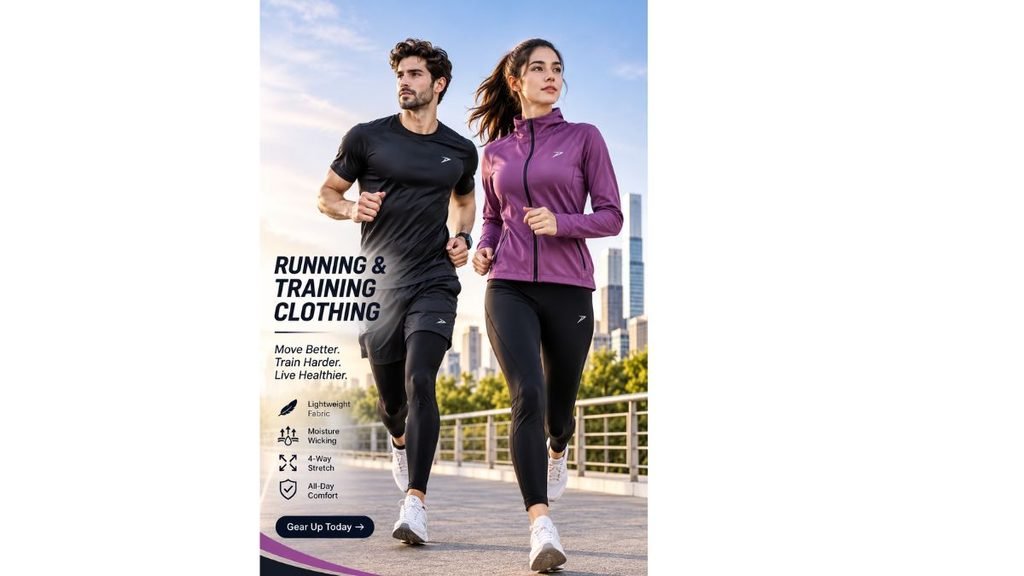
Running and gym clothing often requires flexibility and comfort. Nylon spandex can be used in fitted tops, shorts, leggings, and selected performance garments.
The right material depends on the activity. Some products need lightweight fabric, while others need stronger coverage or compression.
Brands should test the garment during the movements customers are likely to perform.
Swimwear
Nylon spandex blends are also used in some swimwear products. Stretch helps create a close fit, while nylon contributes to the fabric structure.
Swimwear requires additional testing. Buyers should consider exposure to chlorine, salt water, sunlight, and repeated washing.
Not every nylon spandex fabric is designed for swimming. Confirm that the selected material is suitable for the intended water exposure.
Other Uses of Nylon and Spandex Fabric
Although sportswear is a major application, the blend can serve several other clothing categories.
Dancewear and Gymnastics Clothing
Dancewear needs flexibility for stretching and complex movements. Nylon spandex fabric can support fitted designs such as leotards, leggings, and performance tops.
The material should provide suitable coverage and recovery. It should also remain comfortable during extended wear.
Active Casualwear
Some everyday clothing combines athletic comfort with casual styling. Nylon spandex can be used in fitted tops, trousers, and flexible everyday garments.
The selected weight and finish should match the product’s appearance and use.
Underwear and Base Layers
Stretch fabrics are useful for underwear and close-fitting base layers. Nylon can provide a smooth surface, while spandex supports flexibility.
Comfort, breathability, seam placement, and skin feel are important during product development.
Shapewear
Some shapewear products use nylon and spandex material for stretch and controlled fit. The fabric must meet the garment’s intended support requirements.
Buyers should evaluate compression, recovery, comfort, and construction carefully. A fabric that stretches easily may not provide the required support.
Nylon Spandex Fabric vs. Polyester Spandex Fabric
Nylon spandex and polyester spandex are both used in stretch clothing. However, their characteristics can differ.
| Feature | Nylon spandex | Polyester spandex |
|---|---|---|
| Main fiber | Nylon | Polyester |
| Surface feel | Often smooth and soft | Depends on yarn and finishing |
| Strength | Known for good strength | Also offers good strength |
| Moisture behavior | Depends on construction | Depends on construction |
| Abrasion resistance | Often a useful strength | Varies by fabric |
| Common applications | Leggings, swimwear, activewear | Sportswear, uniforms, activewear |
| Cost | Depends on quality and supply | Depends on quality and supply |
Neither option is automatically better for every garment.
Nylon spandex may suit products where a smooth hand feel and stretch are priorities. Polyester spandex may suit projects with different cost, performance, or sourcing requirements.
The best decision comes from testing actual fabric samples. Compare them under the same conditions.
How to Choose the Right Nylon Spandex Fabric
Selecting fabric is one of the most important steps in clothing development. A suitable material supports the design, fit, and expected product performance.
Use the following points when evaluating suppliers and samples.
1. Confirm the Fiber Composition
Ask for the exact percentage of nylon and spandex. Do not rely only on a product name or marketing description.
The composition should match the approved product specification. Keep the information in your tech pack or sourcing records.
2. Check GSM
GSM means grams per square meter. It describes the weight of the fabric.
A lower GSM fabric is generally lighter. A higher GSM fabric is generally heavier. However, GSM alone does not determine quality.
For sportswear, weight affects coverage, drape, feel, and support. Choose a suitable range through sample testing rather than assuming heavier fabric is always better.
3. Test Stretch and Recovery
Stretch and recovery are different properties. Stretch measures how far a material can extend. Recovery measures how well it returns after extension.
Test the fabric in the directions required by the garment. Check whether it becomes loose after repeated stretching.
For leggings and fitted sportswear, this step is especially important.
4. Evaluate Opacity
Opacity matters for leggings, sports bras, and other fitted garments.
Stretching can reduce fabric coverage. Test the material under realistic conditions and lighting.
A finished sample provides a better assessment than a flat fabric swatch.
5. Check Colorfastness
Colorfastness describes how well fabric retains its color during use and care.
Ask about testing for washing, rubbing, and other relevant conditions. Dark and bright colors may need particular attention.
The required testing depends on the product and customer expectations.
6. Assess Pilling and Abrasion
Pilling occurs when small fiber balls develop on a fabric surface. Abrasion relates to damage caused by rubbing.
Both can affect the garment’s appearance over time. Request relevant test results when durability is important.
7. Review Breathability and Moisture Performance
A fabric’s comfort depends partly on how it handles heat and moisture.
Consider the activity level and intended climate. Ask suppliers for test details if moisture management is a key selling point.
Avoid assuming that every nylon spandex blend offers the same performance.
8. Request a Physical Sample
A physical sample allows you to assess the material directly. You can check its stretch, weight, texture, color, and construction.
Do not approve a large order based only on photographs. Sample evaluation can help identify problems before production.
Understanding Fabric Construction
Fiber composition is only one part of fabric performance. Construction also affects how nylon spandex behaves.
Knitted Nylon Spandex
Knitted fabrics are common in stretch garments. Their looped structure can support flexibility and comfort.
Different knitting methods create different levels of stretch, stability, and surface appearance.
Knitted nylon spandex may be used for leggings, sports bras, swimwear, and fitted tops.
Woven Nylon Spandex
Woven fabrics use yarns arranged in an interlaced structure. Adding spandex can provide some stretch while retaining a more structured feel.
These fabrics may suit trousers, selected sportswear, and other garments requiring structure.
The amount and direction of stretch depend on the construction.
Two-Way and Four-Way Stretch
Two-way stretch generally refers to fabric that stretches in one direction or primarily across one axis.
Four-way stretch generally means the fabric stretches both across and along its length.
The exact stretch behavior should be confirmed through testing. A supplier’s description should not replace a physical sample assessment.
For garments involving complex movement, four-way stretch may be worth evaluating.
How Nylon Spandex Fabric Is Used in Clothing Manufacturing
Turning fabric into a finished garment involves several stages. Each stage can affect fit, appearance, and quality.
Step 1: Product Planning
Start with the garment type and target customer. Define how the product should fit and perform.
Decide whether the design needs compression, light support, everyday comfort, or unrestricted movement.
Step 2: Fabric Sourcing
Identify suppliers offering the required composition and construction. Compare GSM, width, color options, finishing, and minimum order requirements.
Ask for specifications and available test reports.
Step 3: Tech Pack Development
A tech pack explains how a garment should be made. It may include measurements, fabric details, colors, trims, artwork, labels, and construction instructions.
For nylon spandex garments, include the approved composition and fabric specifications. Mention stretch and recovery requirements where relevant.
Clear specifications reduce confusion during sampling and production.
Step 4: Sample Development
A sample helps confirm the design and material before bulk production.
Review the fit, seams, fabric behavior, and finishing. Test the garment during the movements expected from its users.
Make necessary adjustments before approval.
Step 5: Bulk Production
Once the sample and specifications are approved, bulk manufacturing can begin.
The manufacturer should follow the approved material and construction details. Any proposed fabric substitution should be discussed and approved first.
Step 6: Quality Control
Quality checks should cover both fabric and garment construction.
Useful checks include:
- Fabric composition verification
- GSM consistency
- Measurement accuracy
- Stitch quality
- Seam strength
- Stretch and recovery
- Color consistency
- Print or decoration quality
- Final garment appearance
The inspection plan should reflect the product’s risks and requirements.
Common Mistakes When Buying Nylon Spandex Material
Choosing fabric without proper evaluation can create problems during production and after delivery.
Avoid these common mistakes.
Choosing Only by Price
Low-cost fabric may seem attractive. However, it may not meet the required performance or quality level.
Compare specifications and sample results before making a decision.
Ignoring Fabric Recovery
A material may stretch well but recover poorly. This can affect the garment’s shape after repeated use.
Test recovery before approving the fabric.
Overlooking GSM
Two fabrics with the same fiber composition can feel very different. Weight can affect coverage, comfort, and appearance.
Confirm GSM and compare physical samples.
Skipping Wash Testing
Washing can affect dimensions, color, and fabric appearance. Test the fabric or finished garment according to its care requirements.
Do not assume that every nylon spandex product behaves identically.
Approving Bulk Fabric Without a Sample
A photograph cannot show every important fabric property. Always evaluate a physical sample before making a large commitment.
Forgetting the End Use
A fabric suitable for leggings may not suit every swimwear or running product.
Select the material according to the garment’s actual purpose.
How to Care for Nylon Spandex Clothing
Correct care can help maintain the appearance and performance of stretch garments.
Always follow the care label because fabric treatments and garment construction can differ.
General care suggestions may include:
- Use the washing temperature stated on the care label.
- Choose a gentle washing cycle when appropriate.
- Avoid excessive heat.
- Do not iron directly unless the care instructions allow it.
- Avoid harsh chemicals that may damage fibers or finishes.
- Air-dry when recommended.
- Keep garments away from rough surfaces that may cause abrasion.
High heat can damage elastic fibers. Care instructions should therefore be checked before drying or ironing.
For brands, care labels should match the tested material and finished garment.
What Should Clothing Brands Ask a Nylon Spandex Fabric Supplier?
Before placing an order, ask clear questions. This helps you compare suppliers and avoid misunderstandings.
Important questions include:
- What is the exact nylon and spandex percentage?
- Is the material knitted or woven?
- What is the fabric GSM?
- What is the usable fabric width?
- Does it offer two-way or four-way stretch?
- What recovery performance can the supplier confirm?
- Is the fabric suitable for the intended garment?
- Are colorfastness or pilling test results available?
- What colors and finishes are available?
- What is the minimum order quantity?
- Can the supplier provide a physical sample?
- How consistent is the material between production batches?
Request written specifications wherever possible. Keep the approved sample for comparison during production.
Working With a Clothing Manufacturer on Nylon Spandex Products
Clothing brands often need more than fabric sourcing. They may also need help with product development, sampling, garment construction, branding, and quality checks.
A manufacturer can help coordinate these stages when its services cover the required work.
Before starting a project, prepare the following information:
- Product type
- Design references or sketches
- Target measurements
- Fabric composition
- GSM requirements
- Color references
- Stretch and recovery expectations
- Labels and branding details
- Printing or embroidery requirements
- Estimated order quantity
- Target delivery schedule
A clear brief makes it easier to review feasibility and prepare a sample.
Fashion Soul International is a factory-owned custom clothing manufacturer based in Sialkot, Pakistan. Its published services include product development, fabric and trim sourcing, sampling, bulk production, quality control, branding, packaging, and international shipping.
Brands considering a nylon spandex garment should confirm the exact fabric composition, availability, specifications, and project requirements with the manufacturing team before placing an order.
Frequently Asked Questions
Is nylon spandex fabric good for sportswear?
Yes. It is commonly used in sportswear because it combines nylon’s strength with spandex’s elasticity. The right construction can support fitted garments and active movement. Buyers should still test stretch, recovery, comfort, and durability.
What is the difference between nylon and spandex?
Nylon is a synthetic fiber known for strength and abrasion resistance. Spandex is an elastic fiber designed to stretch and recover. They are often combined to create flexible clothing materials.
Is nylon and spandex fabric breathable?
Breathability depends on the fabric construction, weight, and finishing. Some nylon spandex fabrics are suitable for activewear, but fiber content alone does not guarantee strong breathability.
Does nylon spandex fabric stretch?
Yes. Spandex gives the blend its elasticity. The amount of stretch depends on the spandex percentage and fabric construction.
Is nylon spandex blend suitable for leggings?
Yes. Many leggings use nylon spandex blends. Buyers should check opacity, stretch, recovery, GSM, pilling resistance, and comfort before approving the material.
Is nylon spandex better than polyester spandex?
Neither blend is always better. Nylon spandex may offer a smooth feel and useful abrasion resistance. Polyester spandex can also provide strong performance. The right choice depends on the garment, budget, and required specifications.
Does nylon spandex fabric lose its shape?
It can lose shape if the elastic fibers or fabric construction perform poorly. Repeated wear, washing, heat, and excessive stretching can also affect recovery. Quality testing helps reduce this risk.
Can nylon spandex be used for swimwear?
Yes, some nylon spandex fabrics are designed for swimwear. Confirm suitability for chlorine, salt water, sunlight, and repeated washing before selecting the material.
What GSM is best for nylon spandex sportswear?
There is no single ideal GSM for every sportswear product. Leggings, tops, sports bras, and swimwear have different requirements. Select weight through sample evaluation and garment testing.
How can I identify good-quality nylon spandex fabric?
Check the fiber composition, GSM, stretch, recovery, surface feel, opacity, and colorfastness. Request a physical sample and test it for the garment’s intended use.
Conclusion
Nylon spandex fabric combines two useful fibers for flexible clothing. Nylon contributes strength and a smooth surface. Spandex adds stretch and helps garments recover their shape.
This blend is widely considered for leggings, sports bras, cycling shorts, swimwear, dancewear, and other fitted products. However, the right material depends on more than its fiber composition.
Brands should evaluate GSM, construction, stretch, recovery, opacity, colorfastness, and durability. They should also approve physical samples before bulk production.
With clear specifications and careful testing, clothing brands can choose nylon spandex material that better matches their product requirements. A suitable fabric, combined with proper garment construction, helps create clothing that feels comfortable and performs as intended.