Are Seamless Leggings More Durable? Everything You Need to Know
Are seamless leggings more durable than regular leggings? The answer depends on fabric quality, knitting construction, fit, and manufacturing standards. Seamless leggings can offer excellent comfort and durability because they have fewer traditional stitched seams. However, seamless construction alone does not guarantee a longer lifespan.
The quality of the yarn, fabric density, elasticity, waistband, and finishing also matters. Poor-quality seamless leggings can lose their shape, develop holes, or become see-through after repeated use.
Whether you are buying workout clothing or developing an activewear collection, understanding these factors helps you make better decisions. This guide explains how seamless leggings are made, what affects their durability, and how to identify squat proof seamless leggings that perform well during exercise.
What Are Seamless Leggings?
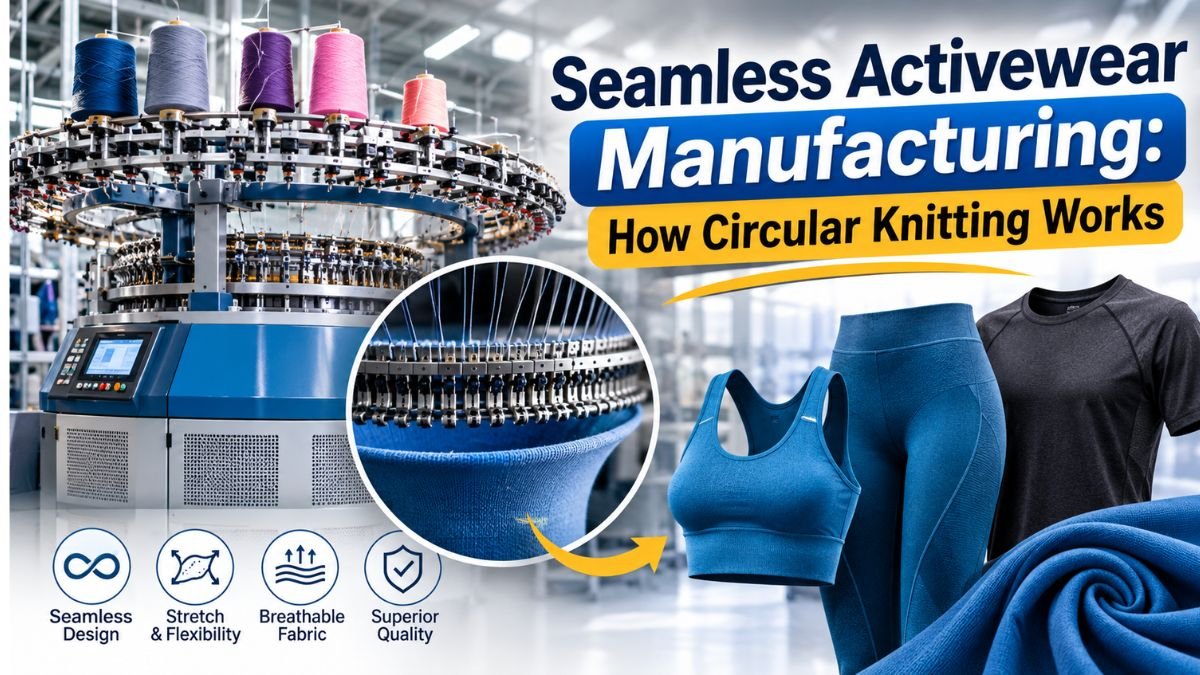
Seamless leggings are activewear garments made using specialized knitting methods. Unlike traditional leggings, they are often produced on circular knitting machines that create fabric tubes with fewer side seams.
The machine forms different sections of the garment through changes in knitting structure. These sections can create shaping, stretch zones, and supportive areas.
Some seamless leggings still have seams at the waistband, gusset, or other joining points. The word “seamless” usually means fewer seams, not that the entire garment has no stitching.
Seamless leggings are popular for several reasons:
- They provide a smooth appearance.
- They reduce the number of traditional side seams.
- They can offer flexible movement.
- They can create a close, body-hugging fit.
- They support different textures and knitted patterns.
- They are commonly used for yoga, gym training, and everyday wear.
Their construction makes them different from conventional cut-and-sew leggings. However, both types can be durable when manufacturers use suitable materials and proper production methods.
Are Seamless Leggings More Durable Than Regular Leggings?
Seamless leggings can be durable, but they are not automatically stronger than regular leggings. Their performance depends on the fabric, knitting technique, garment design, and quality control.
Traditional leggings are usually made by cutting fabric panels and joining them with stitching. These seams can experience stress during stretching and repeated movement.
Seamless leggings reduce some of these joining points. This can lower the risk of certain seam-related problems, such as side-seam irritation or stitching failure.
However, seamless fabric can still suffer from yarn damage, thinning, pilling, and loss of elasticity.
Why Seamless Construction Can Improve Durability
Fewer traditional seams mean fewer stitched areas that can potentially break. This can be useful during activities involving frequent bending, stretching, and movement.
The knitted fabric also stretches across the body. When the garment has the correct fit, this construction can distribute movement across a larger fabric area.
Some seamless designs use different knitting zones for support and flexibility. These zones can improve the garment’s performance when properly designed.
Why Seamless Leggings Can Still Wear Out
Seamless leggings are not immune to damage. Their durability can decrease because of:
- Low-quality yarn
- Weak fabric construction
- Excessive stretching
- Poor recovery after washing
- Repeated friction
- Incorrect garment sizing
- Rough washing methods
- Poor manufacturing quality
For example, leggings made with weak elastic fibers may become loose after repeated workouts. A thin knitted area may also become transparent when stretched.
The important point is simple: seamless construction can reduce certain weaknesses, but overall product quality determines durability.
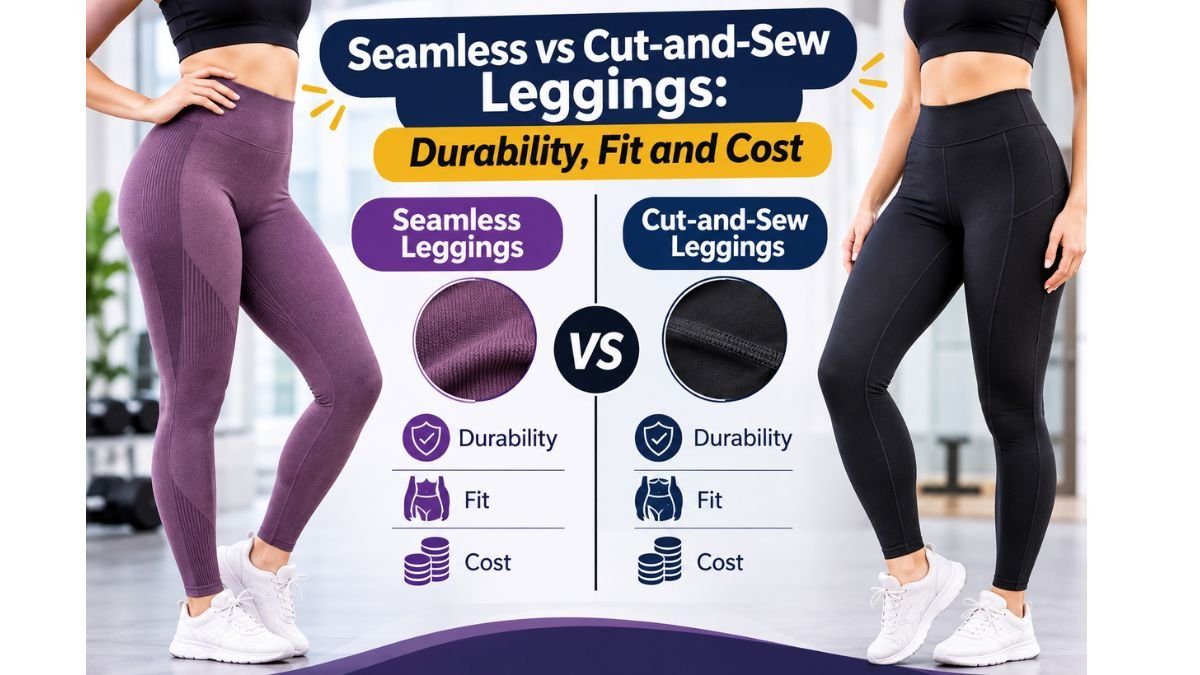
Seamless Leggings vs. Regular Leggings: Which Lasts Longer?
Both seamless and regular leggings can last for a long time. The better option depends on how the garment is designed and used.
| Feature | Seamless Leggings | Regular Leggings |
|---|---|---|
| Construction | Usually knitted with fewer seams | Cut fabric panels joined by stitching |
| Comfort | Often provides a smooth feel | Depends on seam placement and construction |
| Stretch | Depends on yarn and knitting structure | Depends on fabric composition |
| Seam-related damage | Fewer traditional seams to fail | Stitching can weaken under stress |
| Shape retention | Depends on elastic recovery | Depends on fabric and construction |
| Design options | Textured knitting and zoned patterns | Wide range of panel and seam designs |
| Durability | Depends on fabric and manufacturing | Depends on fabric and stitching quality |
Neither construction is always better. A high-quality regular legging may outlast a poorly made seamless pair.
When comparing products, examine fabric thickness, stretch recovery, stitching, waistband construction, and overall finishing.
What Makes Seamless Leggings Durable?
Several manufacturing and material factors influence how long seamless leggings last. Understanding these details can help shoppers identify better products.
1. Fabric Quality
Fabric quality is one of the most important factors in activewear durability.
Many seamless leggings use synthetic fibers, such as nylon and polyester, blended with elastane or spandex. These materials help provide stretch, flexibility, and shape recovery.
Nylon is often selected for its smooth feel and abrasion resistance. Polyester can offer useful strength and moisture-management properties. Elastane provides stretch and helps the garment return toward its original shape.
The right fabric depends on the intended activity and product design.
A good fabric should:
- Stretch without becoming excessively thin.
- Recover its shape after movement.
- Feel comfortable against the skin.
- Resist excessive pilling.
- Maintain its color with proper care.
- Support the garment’s intended fit.
Fabric composition alone does not prove quality. Yarn quality, knitting density, finishing, and testing also matter.
2. Knitting Construction
Seamless leggings rely on knitting construction to create their shape and performance.
Different knitting structures can produce different levels of stretch, compression, texture, and support.
A well-designed structure can provide flexibility in movement areas. It can also create firmer zones around the waist or other parts of the garment.
Poor knitting quality may cause uneven fabric, weak areas, or inconsistent stretch. These problems can affect both appearance and durability.
Manufacturers should check the fabric structure and garment performance during product development.
3. Elasticity and Shape Recovery
Leggings need to stretch during exercise. However, they should also recover their original shape after movement.
This property is often called elastic recovery.
If the fabric stretches but does not recover well, the leggings may become loose around the knees, hips, or waistband.
Good shape recovery helps the garment maintain its fit over repeated use.
Buyers should evaluate stretch and recovery during sampling. A garment should be tested in different directions because knitted fabrics may behave differently across their width and length.
4. Waistband Construction
The waistband plays an important role in comfort and garment performance.
A strong waistband should stay in place during squats, running, stretching, and other movements. It should provide support without creating uncomfortable pressure.
Some seamless leggings use knitted waistbands. Others include additional elastic materials or separate waistband components.
A poorly designed waistband may roll down, lose elasticity, or become loose over time.
During product testing, check whether the waistband stays in place during movement. Also inspect how it behaves after washing.
5. Gusset Design
A gusset is an additional fabric section placed in the crotch area of a garment.
It can improve comfort and movement by changing how fabric stress is distributed. The exact construction varies between leggings.
A well-designed gusset can help reduce tension in an important movement area. However, poor placement or weak construction may cause discomfort or early wear.
Check the gusset area during sampling. Pay attention to fabric strength, shape, fit, and finishing.
6. Fabric Thickness and Density
Fabric thickness can affect opacity, comfort, and durability. However, thicker fabric is not always better.
A very thick fabric may feel warm or restrict movement. A very thin fabric may become transparent when stretched or may wear out faster under friction.
Knitted fabric density also matters. The yarn arrangement and knitting structure affect how the material behaves.
The correct balance depends on the garment’s purpose.
For example, yoga leggings may need flexibility and comfort. Training leggings may require a different balance of support, abrasion resistance, and moisture management.

7. Manufacturing Quality
Even good materials can produce poor garments when manufacturing is inconsistent.
Quality control should check measurements, knitting defects, waistband performance, fabric appearance, and finishing.
Manufacturers should also review the garment after sampling and before bulk production. This helps identify issues before a large order is completed.
A clear specification gives the production team a reference for checking the finished leggings.
What Are Squat Proof Seamless Leggings?
Squat proof seamless leggings are designed to remain sufficiently opaque when the wearer bends, stretches, or performs squats.
The term “squat proof” generally means the fabric should not become see-through during normal exercise movements. However, performance can vary with fabric, color, sizing, lighting, and body movement.
Seamless construction does not automatically make leggings squat proof.
A garment may have a smooth finish and attractive design but still become transparent when stretched.
What Makes Leggings Squat Proof?
Several factors affect opacity during movement.
Fabric density: A suitable knitting structure can help prevent excessive transparency.
Fabric composition: The combination of yarns and elastic fibers affects stretch and coverage.
Fabric weight: Appropriate fabric weight can support opacity, although GSM alone does not guarantee squat-proof performance.
Correct sizing: Leggings that are too small may stretch beyond their intended range.
Color and dye: Some lighter colors may require more careful fabric selection and testing.
Construction: Uneven knitting or weak fabric areas may create visible differences when stretched.
Brands should test leggings under realistic conditions before selling them as squat proof.
How to Test Squat Proof Seamless Leggings
A simple test can help identify transparency problems.
- Wear the leggings in the intended size.
- Check the fabric under bright lighting.
- Perform a deep squat.
- Bend forward and stretch naturally.
- Check the front, back, and hip areas.
- Repeat the test in different lighting conditions.
For product development, testing should be more controlled. Manufacturers can evaluate fabric opacity, fit, stretch, and performance using agreed procedures.
Do not rely only on a photograph or digital mockup. Physical testing gives a better understanding of actual garment performance.
Do Seamless Leggings Lose Their Shape?
Yes, seamless leggings can lose their shape over time. This usually happens when elastic fibers or the knitted structure no longer recover properly.
Frequent stretching, high washing temperatures, harsh detergents, and excessive heat can affect the fabric.
The waistband may become loose first because it experiences repeated tension. The knee and hip areas may also show changes after frequent wear.
To reduce shape loss:
- Choose leggings made from suitable stretch fabrics.
- Buy the correct size.
- Avoid excessive heat during washing and drying.
- Follow the care label.
- Avoid stretching the garment unnecessarily.
- Replace leggings when their fit or support becomes unsuitable.
Good material selection and proper care can help preserve the original fit.
How Long Do Seamless Leggings Last?
There is no fixed lifespan for every pair of seamless leggings.
Some may remain in good condition for years with regular care. Others may show signs of wear much sooner.
Their lifespan depends on several factors:
- Frequency of use
- Exercise type
- Fabric quality
- Knitting construction
- Garment fit
- Washing habits
- Storage conditions
- Manufacturing quality
Leggings worn daily for intense workouts may experience more friction and stretching. A pair used occasionally for light exercise may last longer.
Instead of relying on a fixed number of months, look for signs of wear.
These include thinning fabric, visible holes, loose elastic, excessive pilling, and loss of opacity.
How to Care for Seamless Leggings
Proper care helps maintain fabric elasticity, color, and appearance.
Even high-quality leggings can wear out faster when washed incorrectly.
Wash With Similar Clothing
Wash leggings with similar fabrics and colors. Avoid washing them with rough items that may cause friction.
Items with zippers, hooks, or rough surfaces can catch on knitted fabric.
Turning leggings inside out may also help reduce friction against the outer surface.
Use a Gentle Washing Cycle
A gentle washing cycle can reduce unnecessary stress on the fabric.
Follow the care label because washing instructions may differ by material composition.
Avoid using harsh washing methods unless the manufacturer specifically recommends them.
Avoid Excessive Heat
High heat can affect elastic fibers and fabric performance.
Use the recommended water temperature. Avoid high-temperature drying when the care label advises against it.
Air drying is often a suitable option for stretch activewear.
Avoid Harsh Chemicals
Strong chemicals and unsuitable cleaning products may affect colors and fibers.
Use an appropriate detergent and follow the garment’s care instructions.
Avoid bleach unless the label specifically allows it.
Store Leggings Properly
Store leggings in a clean, dry place.
Avoid leaving damp workout clothing folded for long periods. Allow garments to dry properly before storage.
These simple habits can help preserve their appearance and performance.
Common Signs That Seamless Leggings Are Wearing Out
Knowing the signs of damage helps you decide when to replace leggings.
1. Fabric Becomes See-Through
If the fabric becomes transparent during normal movement, its opacity may have decreased.
This can happen because of thinning, excessive stretching, or poor fabric recovery.
2. Waistband Loses Elasticity
A waistband that repeatedly slips or feels loose may have lost some of its recovery.
This can affect comfort and support during exercise.
3. Pilling Appears on the Surface
Pilling happens when small fiber balls form on the fabric surface.
It can result from repeated friction, fiber characteristics, and washing habits.
Some pilling may be cosmetic, but excessive pilling can make leggings look worn.
4. Fabric Develops Holes
Small holes may develop in areas exposed to repeated friction or tension.
Inspect the crotch, inner thighs, and other high-movement areas.
5. Leggings No Longer Fit Properly
If leggings become loose, sag, or lose their original shape, their performance may have changed.
A poor fit can also make exercise less comfortable.
How to Choose High-Quality Seamless Leggings
Whether you are buying leggings or developing an activewear product, consider more than appearance.
Check the Fabric Composition
Review the material label and understand the role of each fiber.
Nylon, polyester, and elastane are common choices for stretch activewear. The right combination depends on the product’s purpose.
Do not assume a higher percentage of one fiber automatically means better quality.
Check Stretch and Recovery
Stretch the fabric gently and observe how it returns.
The material should provide suitable flexibility without staying excessively stretched.
For brands, this should be checked through product testing and sample approval.
Inspect the Waistband
Check whether the waistband feels supportive and stays in place.
Look for uneven knitting, weak elastic, or uncomfortable pressure.
Review Fabric Opacity
Test the garment in its intended size.
Squat and bend under suitable lighting. Check whether the fabric remains opaque during normal movement.
Examine the Finishing
Inspect the waistband, gusset, leg openings, and any joining seams.
Look for uneven construction, loose threads, or visible defects.
Consider the Intended Activity
Different workouts place different demands on leggings.
Yoga products may prioritize flexibility and comfort. High-intensity training products may need a different balance of support, durability, and moisture management.
Choose materials and construction based on how the garment will be used.
What Should Activewear Brands Consider When Manufacturing Seamless Leggings?
For clothing brands, durability begins during product development.
A successful seamless legging requires more than an attractive design. Material selection, knitting structure, fit, and testing must work together.
Define the Product Requirements
Start with a clear product brief.
Include the target customer, intended activity, fit, colors, fabric preferences, waistband design, and branding requirements.
Explain whether the leggings should provide light support, medium compression, or a firmer feel. Avoid using vague descriptions without technical details.
Select Suitable Materials
Choose yarn and fabric based on the product’s performance needs.
Discuss stretch, recovery, opacity, abrasion resistance, moisture management, and comfort with the manufacturing team.
Ask for available material options and samples before making a final decision.
Develop and Review Samples
Sampling helps identify design and performance issues.
Review the sample for fit, comfort, opacity, waistband stability, and movement.
Test the leggings during squats, lunges, stretching, and other movements relevant to the product.
Record required changes clearly before approving the final sample.
Confirm Quality-Control Requirements
Agree on the quality standards before bulk production.
Possible checks include:
- Measurement consistency
- Fabric defects
- Knitting quality
- Stretch and recovery
- Waistband performance
- Opacity during movement
- Gusset construction
- Color consistency
- Finishing and packaging
A written inspection plan helps the manufacturer understand your expectations.
Plan Branding and Packaging
Custom activewear may include woven labels, printed labels, logos, hang tags, and branded packaging.
Confirm artwork, dimensions, placement, and materials before production.
These details should be included in the approved specifications.
Can a Custom Clothing Manufacturer Help Develop Seamless Activewear?
A custom clothing manufacturer may support activewear development through product planning, material sourcing, sampling, production coordination, branding, and quality control.
However, seamless leggings require suitable knitting capabilities and equipment. Not every cut-and-sew clothing factory can manufacture seamless garments directly.
Before selecting a supplier, ask whether it operates seamless knitting equipment or works with a specialist knitting partner. Also confirm who manages quality checks and product approvals.
Fashion Soul International is a factory-owned custom clothing manufacturer based in Sialkot, Pakistan. Its published services include private-label, OEM, ODM, white-label, cut-and-sew, and full-package apparel production.
The company’s product categories include activewear and sportswear. For a seamless leggings project, buyers should confirm the exact knitting capabilities, construction options, materials, and production arrangements before proceeding.
A useful inquiry should include:
- Legging design or reference images
- Target fabric composition
- Desired fit and compression
- Waistband and gusset requirements
- Color and size range
- Branding details
- Estimated order quantity
- Target delivery date
This information helps the manufacturer assess whether the requested product fits its production capabilities.
Frequently Asked Questions
Are seamless leggings stronger than regular leggings?
Not always. Seamless leggings have fewer traditional seams, which can reduce some seam-related problems. However, fabric quality, knitting construction, elasticity, and manufacturing standards determine overall strength.
Are squat proof seamless leggings better for workouts?
They can be a good option when they provide suitable opacity, stretch, and fit. Always test them during squats and other movements before relying on their performance.
Do seamless leggings tear easily?
They do not necessarily tear easily. Their resistance to damage depends on yarn quality, fabric density, fit, friction, and construction.
Do seamless leggings become loose after washing?
They can lose shape when exposed to unsuitable washing conditions or repeated stress. Following the care label and avoiding excessive heat can help maintain elasticity.
Are thicker seamless leggings more durable?
Not automatically. Thickness can affect coverage and feel, but yarn quality, knitting density, and elastic recovery also matter.
Can seamless leggings be used for weight training?
Yes, many are designed for gym activities. Choose a pair with suitable coverage, stretch, and support for your training routine.
What fabric is best for durable seamless leggings?
There is no single best fabric for every design. Nylon and polyester blends with elastane are common options. The best choice depends on comfort, stretch, opacity, and intended use.
How can I tell if seamless leggings are squat proof?
Wear the correct size and perform squats under bright lighting. Check the fabric from different angles. For brands, test physical samples under consistent conditions.
Final Thoughts
So, are seamless leggings more durable? They can be, but seamless construction alone does not guarantee longer wear.
Fewer traditional seams may reduce certain stitching-related problems. However, fabric quality, knitting density, stretch recovery, waistband construction, and manufacturing standards remain essential.
If you are choosing leggings, check their fit, opacity, comfort, and finishing. If you are developing an activewear collection, test samples before approving bulk production.
High-quality squat proof seamless leggings should combine reliable coverage, comfortable stretch, and consistent construction. Careful material selection and proper manufacturing help create leggings that perform well over time.