Is the first step toward building your own fashion business. Learn how to choose white-label activewear, find reliable suppliers, build your brand, and grow your sales.
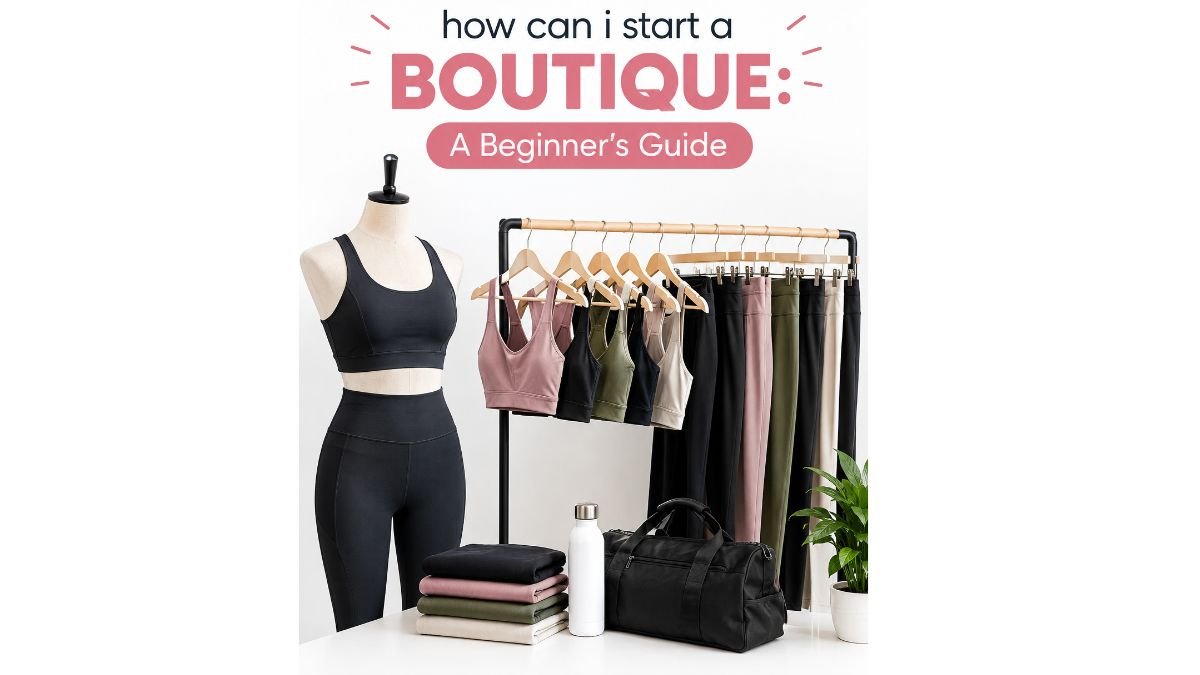
Starting a boutique can be an exciting way to build a fashion business around products you understand and enjoy. A boutique can operate as a physical store, an online shop, or a combination of both.
But opening a boutique involves more than choosing attractive clothes. You need to understand your target customers, choose products, plan your budget, find reliable suppliers, set prices, create a brand, and manage inventory.
If you are asking, how can I start a boutique, the best approach is to build your business step by step. You do not need to begin with a large store or a huge inventory. A clear plan can help you make better decisions and reduce unnecessary costs.
This guide explains how to start a clothing boutique, how to create a boutique business plan, how to source products, and what to consider before opening your store.
What Is a Boutique?
A boutique is a retail business that focuses on a specific type of fashion or lifestyle product. Unlike large general retailers, boutiques often focus on a particular customer group, style, price range, or product category.
A boutique may sell:
- Women’s clothing
- Men’s clothing
- Children’s clothing
- Streetwear
- Activewear
- Casual clothing
- Dresses
- Tops
- Jackets
- Accessories
- Shoes
- Seasonal fashion
- Private-label clothing
A boutique can also have a specific identity. For example, one business may focus on premium women’s fashion, while another may specialize in affordable streetwear.
Your niche affects almost every decision you make, including products, branding, suppliers, pricing, and marketing.
How Can I Start a Boutique?
If you are wondering how can I start a boutique, begin with a simple business roadmap.
The basic process is:
- Choose your boutique niche.
- Research your target customer.
- Create a business plan.
- Decide whether to sell online, offline, or both.
- Choose your products.
- Find clothing suppliers or manufacturers.
- Set your budget and pricing.
- Create your brand identity.
- Order samples or initial inventory.
- Build your store.
- Launch your boutique.
- Track sales and improve your product range.
Each step affects the next one, so avoid rushing into inventory purchases before understanding your customer and business model.
Choose the Right Boutique Niche
The first major decision is deciding what type of boutique you want to create.
A clear niche can make it easier to define your target customer.
For example, you could create a boutique focused on:
- Women’s casual clothing
- Modest fashion
- Premium basics
- Streetwear
- Activewear
- Sportswear
- Workwear
- Kids’ clothing
- Boutique dresses
- Sustainable-style products
- Seasonal fashion
You do not need to sell every type of clothing.
A focused product range can make your brand easier for customers to understand.
Think about what your customers want, what price they can afford, and what type of clothing they are already buying.
Research Your Target Customer
Before buying inventory, understand who you want to sell to.
Ask questions such as:
- Who is my ideal customer?
- What age group am I targeting?
- What styles do they prefer?
- What price range do they expect?
- Where do they shop?
- Do they prefer online or physical shopping?
- What sizes do they need?
- What problems do existing clothing stores fail to solve?
For example, a boutique targeting young customers may focus on trend-driven products and social media marketing.
A boutique targeting working professionals may need different products, colors, fabrics, and price points.
Your customer should influence your product decisions rather than choosing products first and looking for customers later.
Create a Boutique Business Plan
A boutique business plan gives your business a clear direction.
It does not need to be a complicated document. A simple plan can still help you understand your costs, products, customers, and goals.
Your plan can include:
Business Overview
Explain what your boutique will sell and who it will serve.
Target Market
Describe your ideal customer and the market you want to reach.
Product Range
List the main categories you plan to sell.
Pricing Strategy
Decide how you will calculate retail prices and maintain a suitable margin.
Sourcing Plan
Explain whether you will buy ready-made wholesale clothing or manufacture custom products.
Marketing Plan
Identify how you will attract customers through social media, search, advertising, email, influencers, or other channels.
Sales Channels
Decide whether you will sell through:
- Physical store
- Website
- Social media
- Online marketplaces
- Pop-up shops
- Multiple channels
Financial Plan
Estimate your startup costs, inventory budget, packaging, website costs, marketing expenses, rent if applicable, and other operating costs.
A clear plan can help you avoid making decisions based only on trends.
How to Start a Clothing Boutique
If your goal is specifically how to start a clothing boutique, product sourcing becomes one of the most important parts of the process.
You have several sourcing options.
Buy Ready-Made Wholesale Clothing
You can purchase finished clothing from a wholesale supplier and resell it through your boutique.
This approach can be useful when you want to start selling products quickly.
However, you may have limited control over:
- Design
- Fabric
- Fit
- Branding
- Labels
- Packaging
- Product exclusivity
Work With a Clothing Manufacturer
Another option is to work directly with a clothing manufacturer.
This can allow you to develop products according to your own specifications.
You may be able to customize:
- Fabric
- GSM
- Colors
- Measurements
- Patterns
- Printing
- Embroidery
- Labels
- Hang tags
- Packaging
This model can be especially useful if you want to build a recognizable clothing brand rather than simply resell generic products.
Create a Boutique Store Business Plan
A boutique store business plan should consider both your products and your physical retail operation.
If you plan to open a physical store, think about:
- Location
- Store size
- Rent
- Interior design
- Fixtures
- Lighting
- Changing rooms
- Point-of-sale system
- Inventory storage
- Packaging
- Staff
- Utilities
- Security
- Local business requirements
- Marketing
Location can have a major effect on a physical boutique.
A store in a high-traffic shopping area may have higher costs than a smaller location. You need to compare expected customer traffic with your operating expenses.
Do not assume that an expensive location automatically produces better results.
Your product, customer experience, pricing, and marketing also matter.
Create a Boutique Shop Business Plan
A boutique shop business plan should also explain how customers will discover and purchase your products.
Consider your sales process from beginning to end.
For a physical boutique, the process may look like:
Marketing → Store Visit → Product Selection → Purchase → Packaging → Repeat Visit
For an online boutique, it may look like:
Social Media/Search → Website → Product Page → Checkout → Delivery → Repeat Purchase
Understanding this journey helps you identify where customers may leave without buying.
How to Open a Clothing Boutique
If you are researching how to open a clothing boutique, decide first whether you want to start online or with a physical location.
Opening a physical store usually requires more upfront investment.
You may need to pay for:
- Rent
- Deposit
- Interior setup
- Fixtures
- Signage
- Inventory
- Packaging
- Equipment
- Staff
- Marketing
An online boutique can reduce some physical expenses, but it still requires investment in inventory, website development, product photography, packaging, shipping, customer service, and marketing.
The best model depends on your available resources and target market.
Build an Online Boutique Business Plan
An online boutique business plan should focus heavily on digital customer acquisition and the online buying experience.
Your plan should cover:
Website
Your website should make it easy for customers to find products, understand sizing, view images, and complete purchases.
Product Photography
Clothing is highly visual.
Use clear images that show:
- Front
- Back
- Details
- Fabric appearance
- Fit
- Product color
Product Descriptions
Explain the product clearly.
Include information such as:
- Fabric
- Fit
- Size
- Color
- Care instructions
- Key design details
Size Guide
A clear size chart can help customers choose the right product.
Shipping
Clearly explain shipping options, estimated delivery times, and applicable charges.
Returns
Your return policy should be easy for customers to understand.
Digital Marketing
You can promote an online boutique through:
- TikTok
- Search engines
- Email marketing
- Influencer partnerships
- Paid advertising
- Content marketing
Your marketing strategy should match your target customer.
Decide What Products to Sell
Your initial product range should be manageable.
Starting with too many products can tie up money in inventory.
Instead, consider launching with a focused collection.
For example, a boutique might start with:
- 3–5 T-shirt styles
- 2–3 hoodies
- 2 jacket styles
- Several color options
The exact number depends on your business model.
Think about the relationship between styles, colors, sizes, and quantities.
If you offer many colors and sizes, your total inventory can increase quickly.
Choose the Right Clothing Supplier
Your supplier can have a major impact on your boutique.
When comparing suppliers, look beyond the product photos.
Consider:
- Product quality
- Fabric options
- MOQ
- Sampling
- Customization
- Production capacity
- Quality control
- Branding
- Packaging
- Communication
- Production timeline
- Shipping
Ask for samples before committing to a large production order when possible.
A sample gives you an opportunity to check the actual product.
Understand MOQ
MOQ means minimum order quantity.
It tells you the minimum number of pieces a manufacturer or supplier normally accepts for a particular order.
MOQ can be especially important for new boutiques.
A large MOQ can require significant upfront investment and create inventory risk.
A smaller MOQ can make it easier to test a product before committing to a larger production run.
Fashion Soul International lists a standard MOQ starting at 100 pieces per style. However, the company states that actual requirements can vary based on the product, fabric, color, construction, decoration, customer, and production model.
Always confirm the MOQ for your specific product before placing an order.
Consider Private-Label Clothing
Private-label manufacturing can be useful if you want your boutique to develop its own brand.
Instead of selling products under another company’s name, you can produce garments with your own branding.
Private-label options may include:
- Custom labels
- Hang tags
- Branded packaging
- Custom designs
- Custom colors
- Custom measurements
- Printing
- Embroidery
This can help create a more consistent brand experience.
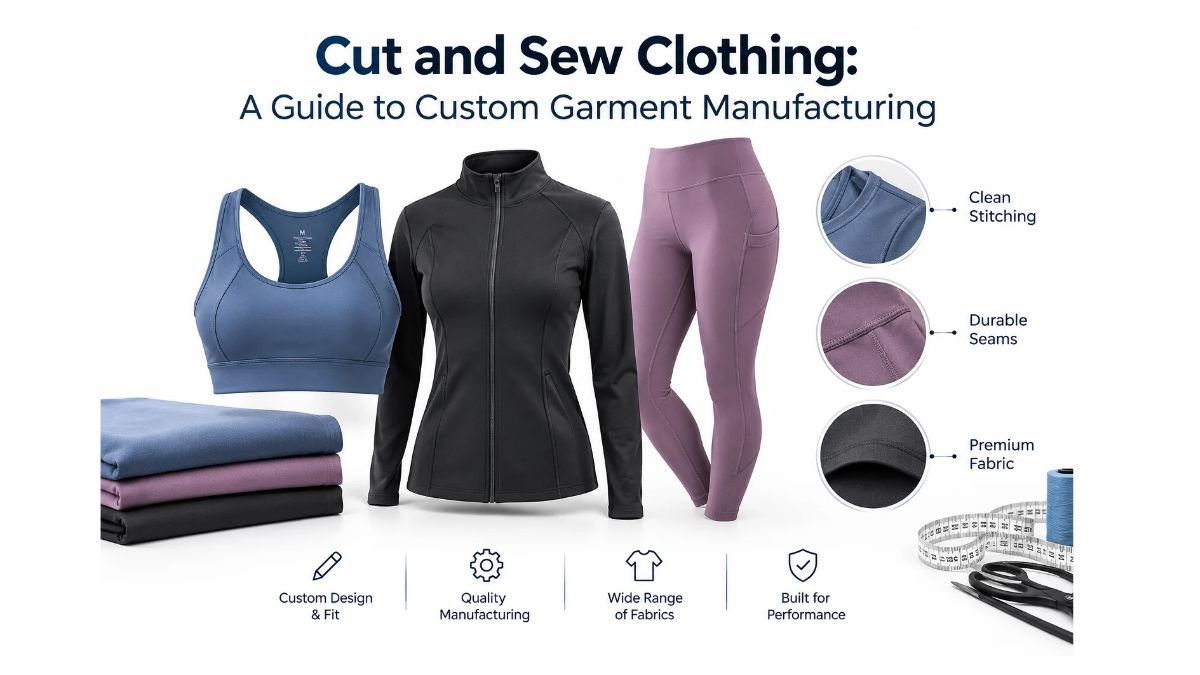
Fashion Soul International offers private-label manufacturing along with OEM, ODM, white-label, cut-and-sew, and full-package production.
Understand Fabric and GSM
Fabric selection affects how clothing looks, feels, and performs.
GSM means grams per square meter and is commonly used to describe fabric weight.
For example, a lightweight fabric may work well for warm-weather clothing, while heavier fabrics may be suitable for hoodies or outerwear.
The right fabric depends on:
- Product type
- Climate
- Fit
- Design
- Durability
- Customer expectations
- Price point
Fashion Soul International lists fabric options across cotton, fleece, polyester, stretch fabrics, denim, twill, canvas, and other materials.
Do not choose fabric only because it has a high GSM.
A higher GSM does not automatically mean higher quality. The fabric must be appropriate for the garment.
Develop Your Brand Identity
Your boutique needs a recognizable identity.
Your brand can include:
- Business name
- Logo
- Colors
- Typography
- Packaging
- Product labels
- Photography style
- Website design
- Social media style
Your branding should match your target customer.
For example, a luxury-inspired boutique may use a different visual identity from a youthful streetwear brand.
Consistency matters.
Use your brand identity across your website, packaging, labels, social media, and customer communications.
Set Your Clothing Prices
Pricing is one of the most important decisions for a new boutique.
Your retail price needs to account for more than the garment’s purchase cost.
Consider:
- Product cost
- Shipping
- Customs or import costs where applicable
- Packaging
- Payment processing
- Website expenses
- Marketing
- Store expenses
- Staff
- Returns
- Taxes and other applicable costs
Then determine a retail price that fits your target market and business model.
Do not copy a competitor’s price without understanding your own costs.
Two boutiques can sell similar garments but have very different operating expenses.
Order Samples Before Bulk Production
Samples are especially important for customized clothing.
Before approving a bulk order, review:
- Fabric
- GSM
- Color
- Fit
- Measurements
- Stitching
- Print quality
- Embroidery
- Labels
- Trims
- Overall construction
If something is incorrect, communicate the required changes before bulk production.
Fashion Soul International states that bulk production begins after physical pre-production sample approval.
This type of approval process helps create a clear production reference.
Plan Your Boutique Inventory
Inventory management can be challenging for new boutiques.
You need enough products to serve customers without purchasing more stock than your business can reasonably sell.
Think about:
- Best-selling categories
- Seasonal products
- Size demand
- Color demand
- New product launches
- Reordering
- Slow-moving products
Track which products sell quickly and which products remain in stock.
Over time, sales data can help you make better purchasing decisions.
Create a Marketing Strategy
A boutique needs customers to succeed.
Your marketing strategy should start before launch.
You can create interest through:
- Social media content
- Product previews
- Behind-the-scenes videos
- Email lists
- Influencer collaborations
- Paid advertising
- Search engine optimization
- Launch offers
- User-generated content
- Fashion guides
Do not rely on one marketing channel.
Your customers may discover your boutique through social media but later purchase through your website.
Use Content to Build Trust
Content can help customers understand your products before buying.
For a clothing boutique, useful content can include:
- Styling guides
- Size guides
- Fabric explanations
- Outfit ideas
- Product videos
- Behind-the-scenes manufacturing content
- New collection announcements
- Care instructions
This type of content can also help your website attract organic search traffic.
Quality Control Matters
Quality control should be considered throughout the production process.
Common quality checks can include:
- Fabric inspection
- Measurements
- Stitching
- Seams
- Printing
- Embroidery
- Trims
- Labels
- Color consistency
- Finished garment inspection
Fashion Soul International describes a workflow involving inline quality inspection and pre-shipment AQL 2.5 inspection.
For a boutique, consistent quality matters because customers expect products to match their descriptions and images.
Consider Packaging
Packaging is part of the customer experience.
Depending on your business model, packaging may include:
- Polybags
- Branded bags
- Boxes
- Tissue paper
- Hang tags
- Thank-you cards
- Care information
The packaging should match your brand identity.
You do not need expensive packaging from day one. Focus on making it clean, practical, and consistent.
Start Small and Learn
A boutique does not necessarily need a large launch.
Starting with a focused collection can help you learn:
- Which products customers prefer
- Which sizes sell
- Which colors perform well
- Which marketing channels work
- How much inventory you need
- What customers say about quality
- Which products should be reordered
Use this information to improve your next collection.
Growth can come from improving decisions rather than simply increasing the number of products.
Common Mistakes New Boutique Owners Make
Buying Too Much Inventory
Large inventory can create cash-flow pressure.
Start with quantities that fit your budget and expected demand.
Ignoring the Target Customer
A product may look attractive to you but still fail to match your target customer.
Always consider the buyer first.
Choosing a Supplier Only by Price
Low prices can sometimes come with differences in fabric, construction, service, or customization.
Compare the complete offer.
Skipping Samples
A sample can reveal problems before they affect a larger order.
Poor Product Descriptions
Customers need accurate information about fit, fabric, sizing, and care.
Weak Branding
A boutique should have a clear identity across its products and customer experience.
Ignoring Cash Flow
Revenue is not the same as available cash.
Track your inventory spending, operating expenses, marketing costs, and other commitments.
A Simple Boutique Launch Checklist
Before launching your boutique, review the following checklist:
Business
- Choose your niche.
- Define your target customer.
- Create your business plan.
- Set a realistic budget.
- Decide your sales channels.
Products
- Select your product categories.
- Research suppliers.
- Compare MOQs.
- Request samples.
- Confirm fabrics and measurements.
- Approve products before bulk production.
Branding
- Choose your business name.
- Create your logo.
- Develop your visual identity.
- Prepare labels.
- Plan packaging.
Store
- Build your website or prepare your physical location.
- Add product photography.
- Write product descriptions.
- Create a size guide.
- Set payment options.
- Set shipping and return policies.
Marketing
- Create social media profiles.
- Prepare launch content.
- Build an email list.
- Plan advertising.
- Create product videos.
- Prepare launch announcements.
When Should You Work With a Clothing Manufacturer?
A manufacturer can become particularly useful when you want control over your products.
You may want to work directly with a manufacturer if you need:
- Custom designs
- Private labels
- Custom measurements
- Specific fabrics
- Custom printing
- Embroidery
- Custom packaging
- Repeat production
- Product development
Fashion Soul International is a factory-owned custom clothing manufacturer based in Sialkot, Pakistan. The company states that it serves startups, growing brands, retailers, wholesalers, e-commerce businesses, and established apparel companies.
Its services include product development, fabric and trim sourcing, sampling, bulk production, quality control, branding, packaging, export documentation, and international shipping.
This type of full-package service can be useful for boutique owners who want to develop products under their own brand.
Frequently Asked Questions
How can I start a boutique with a small budget?
Start with a focused product range and carefully control inventory. An online boutique can reduce some physical-store costs. You can also consider lower-MOQ manufacturing or a small initial wholesale order where available.
How much inventory should a new boutique buy?
There is no universal quantity. It depends on your budget, product cost, expected demand, number of styles, sizes, colors, and sales channels. Start with quantities you can reasonably manage.
Is an online boutique easier to start than a physical store?
An online boutique can avoid some physical-store costs, but it still requires investment in inventory, website development, photography, marketing, packaging, shipping, and customer service.
Do I need a business plan for a boutique?
A business plan is useful because it helps you define your target market, products, costs, pricing, sourcing strategy, marketing, and sales channels.
How do I find clothing manufacturers for my boutique?
Look for manufacturers that produce your required clothing categories and compare their MOQ, samples, fabrics, customization options, quality-control process, branding services, production timelines, and shipping options.
Can I create my own clothing for a boutique?
Yes. You can work with a manufacturer to develop custom garments using sketches, reference images, tech packs, measurements, fabric requirements, and other specifications.
What is the difference between wholesale and private-label clothing?
Wholesale clothing can refer to buying finished products for resale. Private-label clothing is produced for sale under your own brand and may include custom designs, labels, and packaging.
Can a boutique use a 100-piece MOQ?
Some manufacturers offer low starting MOQs. Fashion Soul International states that its standard MOQ starts at 100 pieces per style, although actual requirements vary by product and production specifications.
Final Thoughts
If you are asking how can I start a boutique, begin with your customer rather than your inventory.
Define your niche, understand your target market, create a practical boutique business plan, and decide whether an online or physical model fits your resources.
Then focus on sourcing.
Compare wholesale suppliers and clothing manufacturers based on quality, MOQ, samples, customization, branding, production, quality control, and shipping rather than price alone.
If you want to build a distinctive clothing brand, private-label or custom manufacturing can give you more control over your products and brand identity.
Most importantly, start with a manageable collection, learn from customer demand, and improve your product range over time. A successful boutique is built through consistent product quality, clear branding, careful sourcing, and a strong understanding of the people you want to serve.