Top Sustainable Yoga Clothing Brands: Eco-Friendly Picks for Conscious Yogis
Yoga is about balance, mindfulness, and making thoughtful choices. These values can also influence the clothing you wear during your practice. Choosing from the top sustainable yoga clothing brands is one way to support more responsible fashion.
Traditional activewear often uses synthetic fabrics made from fossil fuels. Some garments also involve resource-intensive dyeing, chemical treatments, and complex supply chains. These issues make it important to understand how yoga clothing is designed and produced.
Today, many brands are exploring recycled materials, organic fibers, responsible manufacturing, and better product durability. However, not every company that uses the word sustainable follows the same standards.
This guide explores eco-friendly sustainable yoga clothing brands, the materials they use, and the features worth checking before buying. It also explains how to choose comfortable yoga outfits without overlooking environmental and social concerns.
What Are Sustainable Yoga Clothing Brands?
Sustainable yoga clothing brands create activewear while considering its environmental and social impact. They may use recycled fabrics, organic materials, responsible production methods, and longer-lasting designs.
Their approach can cover several parts of the clothing supply chain:
- Materials: Using recycled polyester, organic cotton, or other lower-impact fibers.
- Manufacturing: Working toward safer production processes and responsible labor practices.
- Durability: Making garments that maintain their fit and performance over time.
- Transparency: Sharing information about materials, factories, and certifications.
- Waste reduction: Reducing unnecessary packaging, production waste, and textile disposal.
No clothing product is completely impact-free. Even organic or recycled materials require resources to produce and transport.
The goal is to make more informed choices. A brand should provide clear information that helps customers understand its products and practices.
Why Choose Eco-Friendly Yoga Clothing?
Yoga clothing should support movement and comfort. It should also match the values of people who want to make more thoughtful purchasing decisions.
Reduced Dependence on Virgin Materials
Conventional polyester and nylon are commonly made from fossil-based resources. Recycled versions can reduce demand for virgin raw materials.
Some activewear brands use recycled polyester made from recovered plastic or textile waste. Others use regenerated nylon in selected collections.
Recycled materials still have environmental impacts. However, they can provide another option for brands seeking to reduce their use of new resources.
Better Material Awareness
Sustainable fashion encourages shoppers to look beyond color, style, and price.
For example, organic cotton is grown under specific agricultural standards. Recycled polyester uses existing plastic-based material rather than relying entirely on newly produced polyester.
Understanding these differences helps customers choose products that match their priorities.
More Attention to Worker Welfare
Environmental responsibility is only one part of sustainable fashion. The people who make clothing also matter.
Responsible brands should provide information about their manufacturing partners, workplace standards, and supply chain practices.
Certifications and independent assessments can help customers evaluate these claims. However, shoppers should check what each certification actually covers.
Long-Term Clothing Use
Buying fewer, longer-lasting garments can be a practical way to reduce clothing waste.
Yoga leggings, tops, and sports bras should maintain their shape and comfort through regular use. Strong seams, suitable fabric, and proper care can help extend their useful life.
Top Sustainable Yoga Clothing Brands to Explore
The following brands offer different approaches to more responsible yoga and activewear. They are not presented in a strict first-to-last ranking.
Their product materials and sustainability programs can change. Check individual product pages and current company disclosures before purchasing.
1. Girlfriend Collective
Girlfriend Collective is known for activewear made with recycled materials and a broad size range. Its collections include leggings, sports bras, tops, and other everyday activewear.
The brand has become a familiar name among shoppers looking for recycled-fabric workout clothing.
What makes it worth exploring:
- Recycled materials in selected activewear products
- Leggings and sports bras designed for movement
- A wide range of sizes across many collections
- Simple styles suitable for yoga and everyday wear
Its products may suit people who want fitted yoga clothing with a performance-focused design.
Before buying, check the fabric composition of the specific item. Different products may use different material blends.
2. Dharma Bums
Dharma Bums is an Australian yoga and activewear brand. It offers clothing designed for yoga practice, fitness, and everyday movement.
The brand is associated with Australian-made products and ethical clothing considerations. Its approach makes it worth exploring for shoppers interested in locally made activewear.
What makes it worth exploring:
- Yoga-focused clothing collections
- Activewear for different types of movement
- Attention to ethical production
- Options for yoga tops, leggings, and related apparel
Customers should check the manufacturing details for individual products. Product origin and material information are useful when comparing brands.
3. Purusha People
Purusha People offers yoga-inspired clothing with a focus on plant-based materials and distinctive designs.
Its collections include leggings, tops, and other comfortable pieces. The brand appeals to people who prefer a softer, more expressive style of activewear.
What makes it worth exploring:
- Plant-based material options
- Yoga and lifestyle clothing
- Distinctive colors and design details
- Products intended for comfortable movement
If you prefer natural-material clothing, review the exact fiber composition. Some stretch garments may combine plant-based fibers with elastane or other materials.
4. MATE the Label
MATE the Label focuses on everyday essentials made with organic and other lower-impact materials.
The brand offers comfortable clothing that can work for relaxed yoga sessions, stretching, and everyday wear.
What makes it worth exploring:
- Organic cotton products
- Plant-based material options
- Simple everyday designs
- Attention to material and dye choices
Its clothing may appeal to people who prefer comfortable basics instead of highly technical compression garments.
Check whether a specific product offers the support and stretch needed for your yoga style.
5. Tripulse
Tripulse is an activewear brand focused on lower-impact material choices. Its product range includes performance clothing designed for exercise and movement.
The brand has featured materials such as TENCEL Lyocell in its approach to activewear.
What makes it worth exploring:
- Focus on lower-impact textile options
- Performance-oriented activewear
- Products designed for movement
- A range that includes different body sizes
Tripulse may be worth considering if you want performance clothing with a stronger focus on material selection.
As with other brands, review the composition and care instructions for each garment.
6. BAM
BAM is a UK-based clothing brand known for bamboo-viscose products and everyday essentials.
Its clothing range includes items that may suit yoga, stretching, and casual use. The brand also discusses supply chain transparency and clothing recycling.
What makes it worth exploring:
- Bamboo-viscose clothing options
- Comfortable everyday basics
- Men’s and women’s collections
- Attention to supply chain information
Bamboo-derived fabric can feel soft and comfortable. However, the sustainability of bamboo viscose depends on how the raw material is processed.
Look for clear information about the fiber and manufacturing process rather than relying on the word bamboo alone.
7. PACT
PACT is a US-based clothing brand focused on organic cotton and more responsible clothing production.
Its product range includes everyday basics and selected activewear. This makes it an option for shoppers who prefer cotton-based clothing.
What makes it worth exploring:
- Organic cotton products
- Everyday clothing essentials
- Activewear options
- Published information about responsible production
Cotton garments can be comfortable for gentle yoga, stretching, and relaxed sessions. However, cotton may absorb moisture and dry more slowly than some technical synthetic fabrics.
Consider the type of yoga you practice before choosing a cotton-based outfit.
8. tentree
tentree is a Canadian clothing brand that connects apparel with environmental initiatives.
The company is known for its tree-planting model and use of materials such as organic cotton and recycled fibers in selected products.
What makes it worth exploring:
- Recycled and organic material options
- Everyday activewear and casual clothing
- Environmental initiatives
- Products designed for regular use
Some pieces may work well for gentle yoga, outdoor movement, or comfortable everyday wear.
Check product specifications to determine whether a garment provides enough stretch and support for your practice.
9. Ambiletics
Ambiletics is a yoga and activewear label based in Germany. Its collections focus on sports and yoga clothing with an emphasis on more responsible fashion choices.
What makes it worth exploring:
- Yoga and sportswear collections
- Clothing designed for active movement
- A focus on production transparency
- Options for people seeking specialized yoga apparel
If you are shopping in Europe, review its current product range and shipping information. Availability can vary by location and collection.
10. Miakoda
Miakoda is a US-based brand offering plant-based clothing, activewear, and loungewear.
Its designs focus on comfort and simple styling. The brand may appeal to shoppers who want relaxed clothing for yoga and daily activities.
What makes it worth exploring:
- Plant-based fabric options
- Comfortable activewear and loungewear
- Simple designs
- A focus on more responsible material choices
Check the construction and fabric blend before purchasing. A relaxed garment may not provide the compression required for more demanding workouts.
11. Happy Earth
Happy Earth Apparel is a US clothing brand with an environmental focus. It promotes nature-related initiatives and offers clothing made with selected lower-impact materials.
What makes it worth exploring:
- Environmental initiatives
- Organic and other selected material options
- Casual clothing for everyday use
- Nature-inspired brand identity
Some products may suit gentle movement and relaxed yoga sessions. Check the product details to make sure the fit and fabric meet your needs.
12. Threads 4 Thought
Threads 4 Thought produces everyday clothing and activewear with a focus on more responsible materials.
Its approach includes selected recycled and lower-impact fabric options.
What makes it worth exploring:
- Everyday essentials and activewear
- Recycled material options
- Comfortable designs
- Attention to responsible production
Its products may suit people looking for versatile clothing that can be worn during light exercise and daily activities.
Compare fabric weight, stretch, and moisture management before selecting a product for regular yoga practice.
Comparison of Sustainable Yoga Clothing Brands
A quick comparison can help you understand the different approaches these brands take.
| Brand | Main focus | What to explore |
|---|---|---|
| Girlfriend Collective | Recycled activewear | Leggings and sports bras |
| Dharma Bums | Yoga-focused clothing | Yoga tops and leggings |
| Purusha People | Plant-based materials | Yoga-inspired designs |
| MATE the Label | Organic and plant-based basics | Comfortable essentials |
| Tripulse | Lower-impact performance wear | Technical activewear |
| BAM | Bamboo-viscose clothing | Everyday yoga basics |
| PACT | Organic cotton | Cotton-based essentials |
| tentree | Environmental initiatives | Casual activewear |
| Ambiletics | Yoga and sportswear | Movement-focused clothing |
| Miakoda | Plant-based clothing | Activewear and loungewear |
| Happy Earth | Environmental focus | Casual clothing |
| Threads 4 Thought | Responsible material choices | Everyday activewear |
This comparison is a starting point, not a certification ranking. Materials and manufacturing practices can differ between products from the same brand.
What Materials Are Used in Sustainable Yoga Clothing?
The fabric plays an important role in yoga clothing. It affects comfort, flexibility, breathability, durability, and environmental impact.
Here are some common materials used in more responsible activewear.
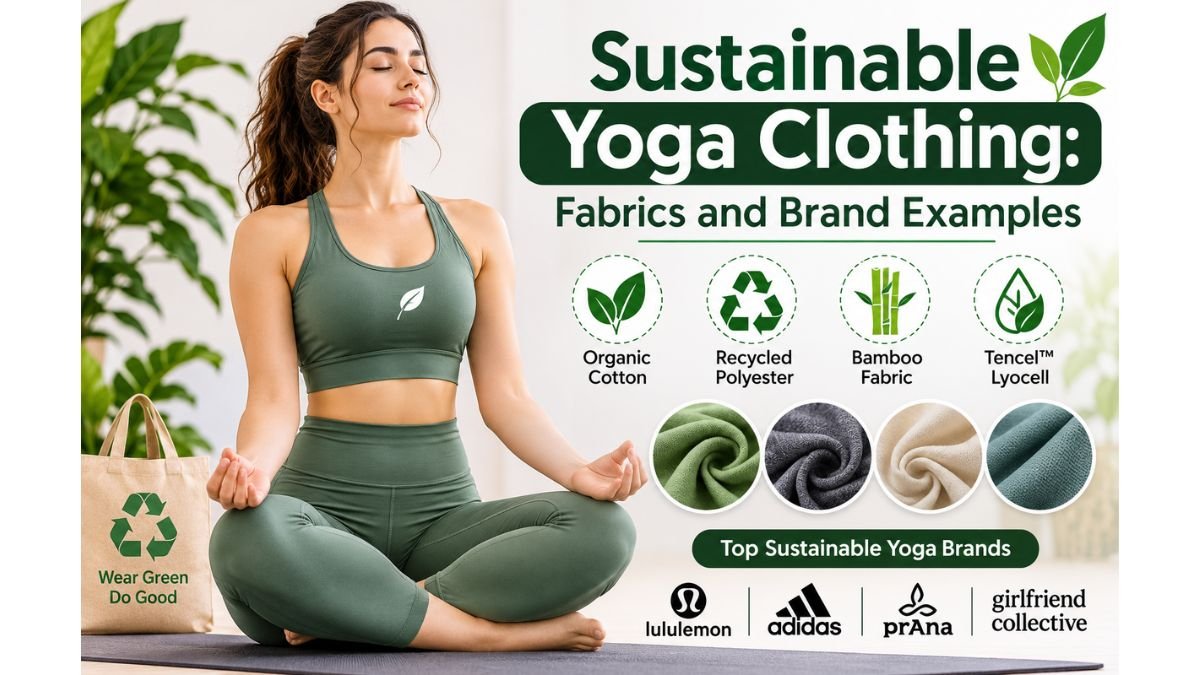
Organic Cotton
Organic cotton is produced under agricultural standards that restrict certain synthetic pesticides and fertilizers.
It is often used in yoga T-shirts, relaxed tops, and comfortable pants.
Benefits include:
- Soft feel against the skin
- Breathability
- Comfort for everyday wear
- Plant-based fiber content
However, cotton can hold moisture. It may not be the best choice for intense sessions where quick drying is important.
Recycled Polyester
Recycled polyester is made by processing existing polyester materials. Some brands use recycled plastic bottles or textile waste as raw material.
It is commonly used in leggings, sports bras, and performance tops.
Benefits include:
- Stretch-friendly fabric blends
- Quick-drying performance
- Use of recycled raw materials
- Suitability for fitted activewear
Recycled polyester is still a synthetic fiber. It can release microfibers during washing, so garment care remains important.
Recycled Nylon
Recycled nylon is another material used in performance clothing. It can be made from recovered nylon waste and regenerated textile materials.
It offers useful properties for fitted yoga clothing.
Benefits include:
- Smooth fabric surface
- Good stretch when blended appropriately
- Durability
- Suitability for leggings and sports bras
Check the percentage of recycled content and whether the product includes elastane or other synthetic fibers.
Bamboo-Derived Viscose
Bamboo-derived viscose is a regenerated cellulose fiber. It is often used in soft clothing and everyday basics.
Its environmental impact depends on how the bamboo is processed, the chemicals used, and how production waste is managed.
Do not assume that every bamboo garment is automatically sustainable. Look for clear processing and certification information.
TENCEL Lyocell
TENCEL Lyocell is a branded form of lyocell fiber made from wood-based cellulose using a controlled production process.
It is known for its soft feel and moisture-management properties.
It may be used in yoga tops, relaxed clothing, and selected activewear blends.
Always check the complete fabric composition. A garment made with lyocell may still contain other fibers.
How to Choose the Best Sustainable Yoga Clothing
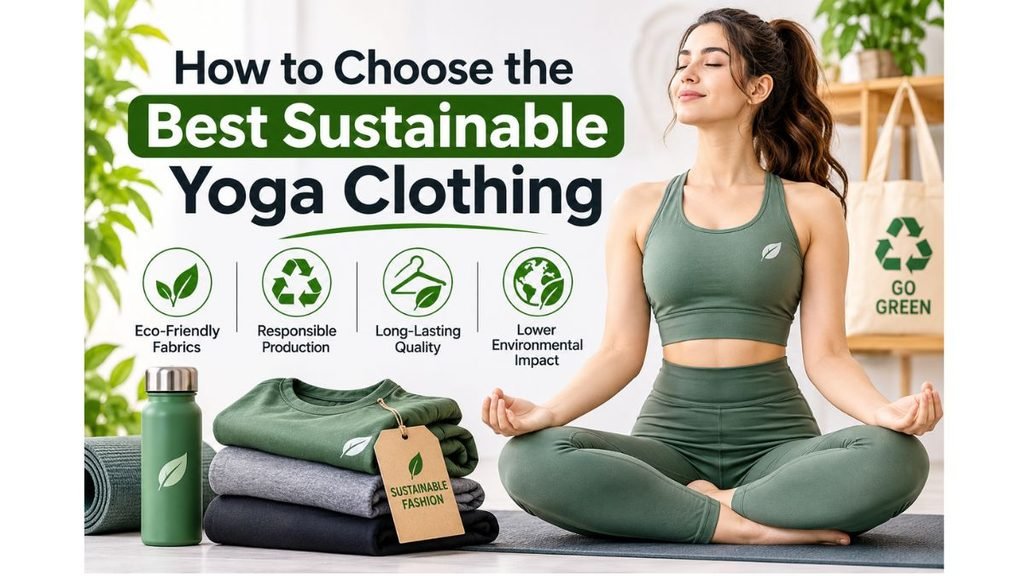
The best yoga outfit depends on your body, practice, comfort needs, and personal values. A product that works well for one person may not suit another.
Consider these factors before making a purchase.
1. Check the Fabric Composition
Read the product label before buying. It should identify the fibers used and their percentages.
For example, a garment may contain recycled polyester, elastane, organic cotton, or a blend of several materials.
A clear material breakdown is more useful than a general statement such as eco-friendly fabric.
2. Look for Recognized Certifications
Certifications can provide additional information about materials or production standards.
Some examples include:
- GOTS: Covers organic textile processing and related environmental and social criteria.
- OEKO-TEX STANDARD 100: Tests textile products for certain harmful substances.
- Fair Trade: Can provide information about specific labor and trading standards.
- GRS: Verifies recycled content and includes requirements for processing and chain of custody.
These certifications cover different issues. One certification does not prove that an entire brand is sustainable.
Check whether the certification applies to the actual product, material, factory, or company.
3. Evaluate Comfort and Stretch
Yoga requires clothing that moves with your body.
Try to choose garments that allow comfortable bending, stretching, and twisting. The waistband should stay in place without causing discomfort.
For fitted leggings, check whether the fabric offers suitable stretch and recovery. For relaxed yoga, softer and looser garments may be more comfortable.
4. Consider Breathability
Different yoga styles create different levels of heat and sweat.
Gentle yoga may work well with cotton or soft natural-fiber blends. Hot yoga and more intense sessions may require moisture-managing fabrics.
Choose a fabric that matches the conditions in which you practice.
5. Check Durability
Sustainable clothing should be suitable for repeated use.
Look for strong seams, secure waistbands, good stitching, and fabric that maintains its shape.
Read care instructions before buying. Proper washing and storage can help extend the life of your garments.
6. Research the Brand’s Supply Chain
Responsible sourcing includes more than the final fabric.
Look for information about manufacturing locations, supplier relationships, worker welfare, and environmental policies.
Brands that publish detailed information make it easier for customers to assess their claims.
7. Avoid Greenwashing
Greenwashing happens when a company makes environmental claims that are vague, misleading, or unsupported.
Be careful with statements such as:
- Completely sustainable
- 100% eco-friendly
- Zero environmental impact
- Fully green manufacturing
Ask what the company means and look for evidence. Specific information about recycled content, certifications, factories, and production methods is more useful.
Sustainable Yoga Leggings: What Should You Look For?
Yoga leggings are among the most frequently used activewear products. They need to provide comfort, stretch, and reliable coverage.
When shopping for sustainable leggings, consider the following features:
Fabric opacity: Check whether the material remains sufficiently covered when stretched or bent.
Stretch and recovery: The fabric should move comfortably and return to its original shape.
Waistband design: A stable waistband helps prevent repeated adjustments during practice.
Seam construction: Strong seams support durability and reduce the risk of early damage.
Moisture management: Choose a fabric suited to the temperature and intensity of your yoga sessions.
Material transparency: Look for clear information about recycled content, organic fibers, and other fabric components.
A recycled-fabric legging may be a useful option, but its actual performance depends on the fabric construction and garment quality.
Sustainable Yoga Tops and Sports Bras
Yoga tops and sports bras should support comfortable movement without restricting breathing.
A suitable top may include a relaxed T-shirt, fitted tank, crop top, or long-sleeve layer.
When choosing a yoga top, consider:
- Fabric softness
- Breathability
- Stretch
- Length and coverage
- Seam placement
- Ease of washing
Sports bras require additional attention. Their support level should match your body and activity.
Gentle yoga may need less support than running or high-impact exercise. Check the product’s fit guide and construction details before ordering.
How to Make Your Yoga Clothing Last Longer
Buying sustainable clothing is only one part of responsible fashion. Caring for garments properly can help reduce the need for frequent replacement.
Wash Clothes When Necessary
Avoid washing lightly worn clothing more often than needed. Follow the garment’s care label and use suitable washing settings.
Use Cold Water When Appropriate
Cold washing can help reduce energy use and may protect some fabrics from unnecessary wear.
However, always follow the manufacturer’s instructions.
Avoid Excessive Heat
High heat can damage elastic fibers and affect garment shape. Air drying may be a suitable option for many yoga clothes.
Use a Microfiber Washing Bag
Some synthetic fabrics release tiny fibers during washing. A suitable microfiber-catching laundry bag may help capture some of these fibers.
It is not a complete solution, but it can be one part of a more careful laundry routine.
Repair Small Problems
A loose seam or small hole does not always mean a garment needs replacement.
Simple repairs can extend the useful life of yoga clothing.
Donate or Reuse Unwanted Clothing
If your yoga clothes are still wearable, consider donating or passing them on. Damaged garments may be suitable for textile recycling where collection programs exist.
Are Sustainable Yoga Clothes More Expensive?
Some sustainable yoga clothes cost more than conventional alternatives. This can happen because of material costs, production methods, certification requirements, and smaller manufacturing runs.
However, not every eco-conscious product is expensive. The price depends on the brand, garment type, material, and construction.
Instead of comparing price alone, consider the expected useful life of the product.
A durable pair of leggings that maintains its fit may offer better value than a cheaper garment that needs frequent replacement.
You can also build a sustainable yoga wardrobe gradually. Start with essential pieces and add products when you genuinely need them.
The Future of Sustainable Yoga Clothing
The activewear industry continues to explore new ways to reduce waste and improve material choices.
Several developments may influence the future of yoga clothing.
More Recycled Textile Materials
Brands are exploring ways to use recovered textiles and recycled fibers in new garments.
Improved recycling systems may help reduce the amount of clothing sent to landfill. However, textile-to-textile recycling still faces technical and commercial challenges.
Better Supply Chain Transparency
Customers increasingly want to know where clothing comes from and how it is made.
Brands may respond by sharing more information about factories, material sourcing, and production standards.
Circular Fashion Models
Circular fashion focuses on keeping products and materials in use for longer.
Repair services, resale platforms, take-back programs, and textile recycling can all support this approach.
More Durable Product Design
Long-lasting clothing can reduce the need for frequent replacement.
Brands can support durability through fabric selection, garment construction, quality checks, and repair options.
Responsible Manufacturing Practices
Sustainable clothing also depends on how garments are produced.
Better resource management, safer chemical practices, waste reduction, and responsible labor standards can improve manufacturing practices.
Progress requires action across the supply chain, not just a change in fabric.
Frequently Asked Questions
What are the top sustainable yoga clothing brands?
Brands worth exploring include Girlfriend Collective, Dharma Bums, Purusha People, MATE the Label, Tripulse, BAM, PACT, tentree, and Miakoda. They take different approaches to materials and responsible production, so compare individual products before buying.
Which eco-friendly sustainable yoga clothing brands use recycled materials?
Girlfriend Collective, tentree, and Threads 4 Thought are examples of brands that feature recycled materials in selected products. Check the product descriptions for exact fiber percentages and current material details.
Is organic cotton good for yoga clothing?
Organic cotton can be comfortable and breathable for gentle yoga and everyday wear. However, it may absorb moisture and dry slowly. Technical fabric blends may be more suitable for intense or hot yoga sessions.
Are recycled polyester leggings sustainable?
Recycled polyester can reduce demand for virgin polyester. However, it remains a synthetic material and can release microfibers during washing. Consider recycled content, durability, garment care, and the brand’s production practices.
How can I identify a truly sustainable yoga brand?
Look for clear material information, relevant certifications, supply chain transparency, responsible labor policies, and durable products. Avoid relying only on broad environmental marketing claims.
Are bamboo yoga clothes eco-friendly?
Bamboo-derived fabrics can be soft and comfortable. Their environmental impact depends on the processing method, chemicals, energy use, and manufacturing controls. Look for specific information about how the fabric is produced.
What is the best fabric for sustainable yoga leggings?
There is no single best fabric for every person. Recycled nylon and recycled polyester blends can offer stretch and performance. Other materials may suit lighter practice. Choose based on comfort, durability, material transparency, and your activity level.
Can sustainable yoga clothing be used for everyday wear?
Yes. Many yoga brands offer versatile leggings, tops, sweatshirts, and relaxed clothing. These products can work for stretching, walking, travel, and everyday activities.
Final Thoughts
Choosing from the top sustainable yoga clothing brands involves more than finding attractive leggings or comfortable tops. It means understanding the materials, production methods, durability, and supply chain behind each product.
Brands such as Girlfriend Collective, Dharma Bums, Purusha People, MATE the Label, Tripulse, and BAM offer different approaches to more responsible clothing.
Before purchasing, check fabric composition, certifications, garment construction, and company transparency. Choose products that suit your practice and can remain useful for a long time.
Building a more responsible yoga wardrobe does not require replacing everything at once. Start with practical essentials, care for them properly, and make informed choices with each new purchase.
Sustainable fashion is an ongoing process. Small, thoughtful decisions can help encourage better practices across the clothing industry.