Business Plan for Fashion Line: A Complete Guide to Building a Successful Clothing Brand
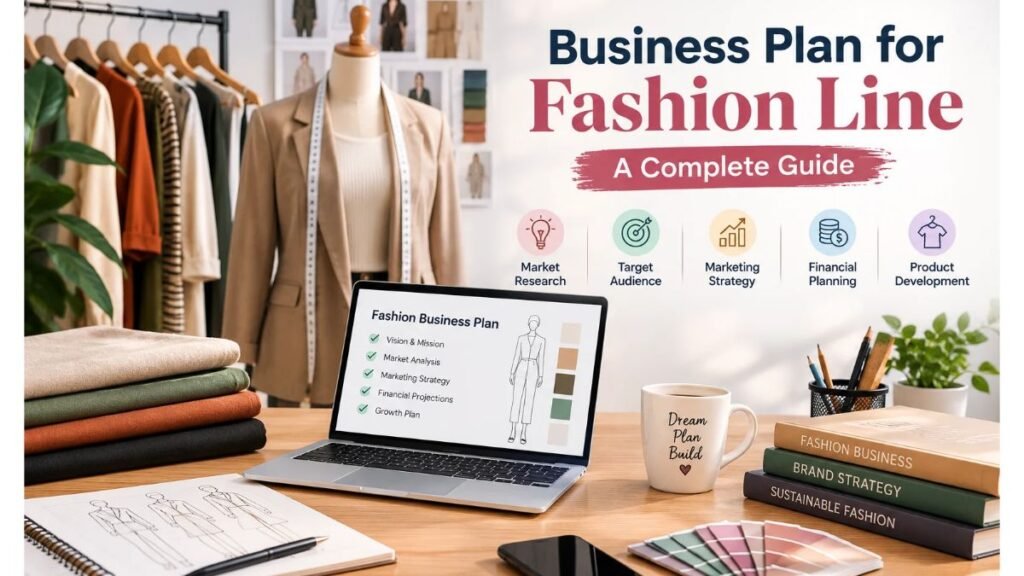
A business plan for fashion line development helps you turn a clothing idea into a practical business. It explains what you want to sell, who will buy your products, how you will produce them, and how your business will earn money. Whether you are launching a small clothing brand, an online apparel store, or a fashion boutique, a clear plan helps you make informed decisions.
A strong plan covers your brand identity, target customers, product range, startup costs, pricing, marketing, manufacturing, and sales strategy. It also helps you understand financial risks before investing in inventory.
This guide explains how to create a clothing brand business plan step by step. You will learn what to include, how to estimate costs, and how to use a clothing business plan template to organize your ideas. The goal is to help you build a realistic plan that supports long-term growth.
What Is a Business Plan for a Fashion Line?
A business plan for a fashion line is a written document describing how you will launch, manage, and grow a clothing business. It outlines your business goals, products, customers, operating process, marketing activities, and financial expectations.
Your plan can support several business models, including:
- A new clothing line selling directly to customers.
- An online clothing store serving a specific audience.
- A fashion boutique selling selected brands or private-label products.
- A clothing company producing custom garments.
- An apparel brand selling wholesale to retailers.
- A startup fashion business using a third-party manufacturer.
The plan should reflect your actual business model. For example, an online streetwear brand may focus on social media and direct sales. A wholesale apparel company may need more information about retailer relationships, production quantities, and delivery schedules.
You do not need a complicated document to begin. A clear plan with realistic assumptions is more useful than a lengthy document filled with unsupported sales forecasts.
Why Do You Need a Clothing Line Business Plan?
A clothing line business plan gives your business direction. It helps you understand what you are building and what resources you need.
1. Define Your Business Goals
Your plan should explain what you want to achieve during the first year and beyond. You might aim to launch a small collection, build an online store, secure wholesale customers, or introduce additional product categories.
Set measurable goals wherever possible. Instead of writing that you want to grow your brand, identify a target such as launching five products within six months.
2. Understand Your Target Market
Research helps you identify the people most likely to purchase your clothing. Consider their age range, lifestyle, preferred styles, shopping habits, budget, and location.
Understanding your audience also helps you select suitable fabrics, designs, sizes, and prices.
3. Plan Your Budget
A business plan identifies expected startup expenses and ongoing costs. These may include product development, samples, manufacturing, website development, marketing, packaging, shipping, and business administration.
A realistic budget helps prevent overspending before your brand begins generating revenue.
4. Prepare for Financial Decisions
Your plan helps you estimate sales, calculate product margins, and determine how much money you need to operate. It can also help you explain your business model to potential lenders, investors, or business partners.
Remember that projections are estimates, not guarantees. Base them on research and clearly stated assumptions.
Essential Sections of a Fashion Business Plan
A useful apparel business plan should cover the main areas of your business without unnecessary complexity.
1. Executive Summary
The executive summary provides a short overview of your clothing business. Although it appears first, you may find it easier to write after completing the other sections.
Include:
- Your business name and concept.
- The clothing products you intend to sell.
- Your target customers.
- Your competitive advantage.
- Your sales channels.
- Your startup funding requirements.
- Your short-term business goals.
Example:
A startup plans to launch a direct-to-consumer clothing brand focused on everyday casualwear. Its first collection will include T-shirts, hoodies, and sweatpants. The business will sell through its own website and use social media to reach customers. Initial funding will cover product samples, inventory, website development, packaging, and marketing.
This example is a starting point. Adapt it to your actual products, budget, market, and sales strategy.
2. Company Description
The company description explains what your business does and how it will operate.
Include your business name, ownership structure, location, business model, and mission. You should also explain whether you will design clothing yourself, work with independent designers, purchase ready-made products, or use a custom manufacturer.
For example, a clothing company business plan might describe a private-label brand that develops original designs and contracts a manufacturer to produce them.
You should also establish your brand values. These might include functional design, comfort, inclusive sizing, distinctive graphics, or carefully selected materials. Only make sustainability or ethical sourcing claims that you can support with evidence.
3. Products and Clothing Line Description
Your product section explains what you will sell and why customers may want it.
Start with a focused collection instead of trying to offer every type of clothing. A small brand might begin with three to six related products, depending on its budget and production requirements.
Describe each product using details such as:
- Product type and design.
- Fabric composition and weight.
- Available sizes and colors.
- Fit and construction.
- Printing or embroidery.
- Labels, tags, and packaging.
- Expected retail price.
For example, a streetwear line might focus on oversized T-shirts, heavyweight hoodies, and relaxed-fit sweatpants. A boutique fashion brand may offer dresses, blouses, and matching sets.
Keep the first collection manageable. Every additional product can introduce more sizing, inventory, sampling, and production decisions.
4. Market Research and Competitor Analysis
Market research helps you determine whether customers are interested in your products and how your brand can stand apart.
Identify Your Ideal Customer
Create a practical customer profile. Consider:
- Age range and lifestyle.
- Preferred clothing styles.
- Typical spending budget.
- Main shopping channels.
- Product quality expectations.
- Reasons for choosing one brand over another.
Use surveys, customer interviews, search trends, marketplace listings, and competitor reviews to understand customer needs. Avoid assuming that your personal preferences represent the entire market.
Analyze Your Competitors
Study brands that sell similar products to your target audience. Review their pricing, product range, website, shipping policies, brand presentation, and customer feedback.
Look for gaps you can address. Perhaps competitors offer limited sizing, lack distinctive designs, or provide unclear product information.
Your advantage should be specific and realistic. It might involve a focused niche, a recognizable design style, a better product experience, or a strong connection with a particular customer group.
A clothing business plan sample can help you understand how to present this research, but your findings should come from your own market and competitors.
5. Branding and Business Positioning
Your brand identity influences how customers recognize and remember your products.
Choose a brand name that is suitable for your audience and check its availability before investing heavily in labels, packaging, or marketing. Review relevant business-name, domain, and trademark requirements in your target market.
Develop a consistent visual identity, including:
- Logo and typography.
- Brand colors.
- Photography style.
- Packaging design.
- Tone of voice.
- Product presentation.
Your positioning should explain why customers should consider your brand. You might focus on minimalist basics, performance clothing, contemporary streetwear, formal boutique apparel, or affordable everyday fashion.
Avoid trying to appeal to everyone. A clear position makes product decisions and marketing messages easier to develop.
6. Pricing Strategy and Profit Margins
Pricing must cover more than the garment’s manufacturing cost. Your clothing line business plan should account for the full cost of getting a product ready to sell.
Possible costs include fabric, garment construction, decoration, labels, packaging, freight, import duties, payment processing, fulfillment, returns, and marketing.
Consider this simplified example:
| Cost item | Example cost per garment |
|---|---|
| Manufacturing | $12 |
| Labels and packaging | $2 |
| Allocated shipping and import costs | $3 |
| Total landed product cost | $17 |
| Selling price | $40 |
| Amount remaining before other expenses | $23 |
These figures are illustrative, not supplier quotations. The remaining $23 is not net profit. You still need to account for payment fees, fulfillment, advertising, returns, overhead, and other expenses.
A basic gross margin calculation is:
Gross margin = (Selling price − Cost of goods sold) ÷ Selling price × 100
Using the example above, the product-level gross margin before other selling expenses is 57.5%.
Compare your proposed price with your target customers’ budgets and competing products. A higher price needs a clear justification through design, materials, quality, service, or brand positioning.
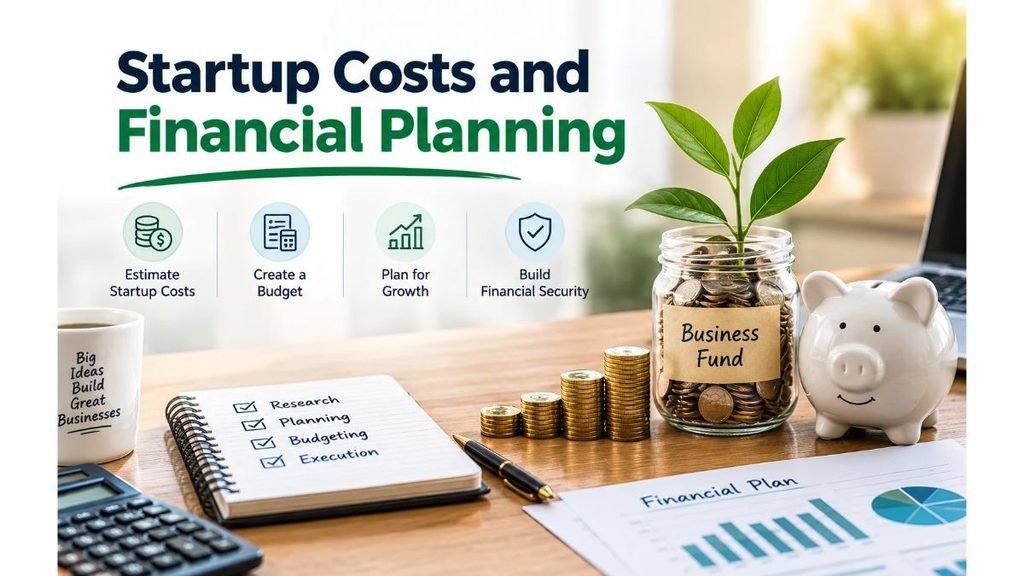
7. Startup Costs and Financial Planning
A business plan for clothing business operations should show how much money you need to launch and keep the business running.
Startup expenses depend on your products, business location, production quantities, and sales model.
Common Startup Expenses
| Expense category | What to include |
|---|---|
| Product development | Design work, tech packs, and prototypes |
| Sampling | Sample garments and revisions |
| Manufacturing | Initial inventory and production costs |
| Branding | Logo, labels, tags, and packaging |
| Online store | Domain, website, software, and setup |
| Marketing | Photography, content, advertising, and promotions |
| Logistics | Freight, duties, storage, and fulfillment |
| Administration | Registration, accounting, and professional services |
| Working capital | Money reserved for regular operating expenses |
Create low, expected, and high estimates for major expenses. Ask suppliers for written quotations when possible, and include a contingency for unexpected costs.
Estimate Revenue and Expenses
Your financial plan should include a monthly sales forecast, operating budget, cash-flow forecast, and estimated break-even point.
For example, if your fixed monthly costs are $3,000 and your contribution margin is $15 per unit, you need to sell 200 units per month to cover those fixed costs.
Break-even units = Fixed costs ÷ Contribution per unit
Contribution per unit is the selling price minus variable costs per unit. Use your own figures rather than relying on generic industry estimates.
Cash flow deserves particular attention. Manufacturers may require deposits before production, while customers may pay weeks later. You need enough available cash to cover expenses during that gap.
8. Manufacturing and Clothing Production
Manufacturing is an important part of an apparel business plan, especially if you intend to create original garments.
First, decide whether you will purchase ready-made clothing, customize existing products, or develop garments from scratch.
Choose a Production Model
Common options include:
- Private label: Products made by a manufacturer and sold under your brand, depending on the agreed customization.
- OEM: Manufacturing based on your specifications, designs, or technical requirements.
- ODM: Products developed or designed by a manufacturer and adapted according to the agreed arrangement.
- White label: Existing products sold under your brand, subject to the supplier’s available options.
- Cut and sew: Garments produced by cutting fabric patterns and sewing the pieces together.
- Full-package production: A service that may coordinate materials, development, sampling, manufacturing, and finishing.
The right model depends on your budget, design requirements, experience, and desired level of control.
How to Find a Clothing Manufacturer
Research manufacturers that work with your product category and order size. Compare their experience with similar garments, customization options, communication, sample process, quality procedures, and shipping arrangements.
Before placing a bulk order, clarify:
- Minimum order quantity (MOQ).
- Fabric and trim availability.
- Sample cost and turnaround.
- Production lead time.
- Payment terms.
- Quality inspection arrangements.
- Branding and packaging options.
- Shipping terms and export documentation.
Request a written quotation based on your actual specifications. Do not assume that a manufacturer’s advertised MOQ, price, or timeline applies to every garment.
Prepare a Tech Pack
A tech pack is a document containing the specifications needed to develop and produce a garment. It can include technical drawings, measurements, size grading, fabric details, colors, stitching, trims, labels, and artwork placement.
A complete tech pack reduces confusion and gives the manufacturer a clearer production reference. If you are new to fashion, you can start with sketches, reference images, and a written design brief, then work with a qualified professional to finalize the specifications.
Approve Samples Before Bulk Production
Review sample fit, measurements, fabric, stitching, decoration, and finishing. Check that the garment matches your intended design and quality level.
Record corrections clearly and approve the final pre-production sample before bulk production begins. Keep an approved reference for comparison during manufacturing and quality checks.
9. Marketing and Sales Strategy
Your marketing plan explains how customers will discover your brand, evaluate your products, and place orders.
Build an Online Presence
For many startups, a website is a useful central sales channel. Product pages should include clear photographs, accurate descriptions, size charts, fabric details, pricing, shipping information, and return policies.
You can also sell through selected marketplaces or social media platforms if they match your audience and business model.
Use Content Marketing
Publish useful content that helps customers understand your products and brand. Examples include styling guides, product-care instructions, collection previews, behind-the-scenes development, and fabric explanations.
Search engine optimization can help potential customers discover your website when they search for relevant products. Use descriptive page titles, clear product information, helpful category pages, and relevant internal links.
Plan Social Media Campaigns
Choose platforms based on where your customers spend time. Share product photography, styling videos, launch announcements, and useful content that reflects your brand.
Track results instead of focusing only on followers. Useful metrics include website visits, conversion rate, customer acquisition cost, average order value, return rate, and repeat purchases.
Consider Wholesale Sales
If your brand is suitable for retailers, include wholesale outreach in your plan. Prepare a line sheet, product specifications, wholesale pricing, minimum order quantities, and delivery expectations.
Wholesale pricing must leave enough margin for your business while allowing retailers to earn a reasonable margin.
10. Operations and Inventory Management
Your operating plan explains how your business will function from product development to customer delivery.
Document the main steps, including purchasing, inventory tracking, order processing, packaging, fulfillment, returns, and customer support.
Start with a manageable inventory system. Track each product by style, color, and size. This helps you identify popular items and avoid reordering products that are not selling.
Inventory planning is particularly important for clothing because each style may have multiple sizes and colors. Buying too much stock ties up cash, while buying too little can cause missed sales.
Review sales data regularly and use it to guide future production. Where appropriate, consider pre-orders or small initial collections, but communicate delivery dates and terms clearly to customers.
11. Business Risks and How to Manage Them
Every clothing company faces risks. Your business plan should identify likely problems and explain how you will respond.
Low demand: Test product ideas with customer feedback, small launches, or limited collections before committing to large inventory quantities.
Production delays: Confirm specifications and timelines in writing, allow a realistic buffer, and communicate early when schedules change.
Quality problems: Approve samples, document quality requirements, and agree on inspection procedures before bulk production.
Cash-flow pressure: Maintain a cash reserve, monitor outstanding payments, and avoid committing all available funds to inventory.
Changing trends: Build a clear brand identity instead of relying entirely on short-lived trends. Review sales data before expanding the collection.
Supplier dependence: Document specifications and maintain clear records. For important products, understand alternative sourcing options where practical.
Risk planning does not remove uncertainty, but it helps you make better decisions when challenges arise.
12. Clothing Business Plan Template: A Simple Outline
A business plan template for clothing brand development can help you organize your ideas in a consistent format. Use the following outline as a starting point.
- Executive Summary: Business concept, goals, and funding needs.
- Company Description: Ownership, business model, mission, and structure.
- Products: Clothing categories, materials, designs, and pricing.
- Market Analysis: Target customers, market demand, and competitors.
- Brand Strategy: Positioning, identity, and value proposition.
- Marketing and Sales: Website, social media, wholesale, and customer acquisition.
- Manufacturing and Operations: Suppliers, sampling, MOQ, quality, inventory, and shipping.
- Financial Plan: Startup costs, revenue assumptions, expenses, cash flow, and break-even analysis.
- Risk Management: Potential challenges and practical responses.
- Milestones: Launch dates, product development, marketing activities, and review points.
This clothing business plan template can be adapted to your business size. A small startup may need a concise plan for internal use, while a business seeking outside funding may require more detailed financial statements and supporting documents.
13. Business Plan for a Fashion Boutique or Online Clothing Store
Not every fashion business manufactures its own products. A business plan for fashion boutique operations may focus on selecting brands, buying inventory, merchandising, store location, customer service, and local marketing.
A boutique should explain how it will select products, manage stock, price items, and attract repeat customers. If it sells through a physical shop, include rent, utilities, staffing, store fittings, and local operating expenses.
An online clothing store business plan should address website costs, product photography, digital marketing, payment processing, fulfillment, shipping, and returns. It should also explain how customers will find the store and why they should purchase from it.
For a hybrid business, describe how online and physical sales will work together. Make sure the financial forecast includes the costs of each channel.
14. Fashion Line Business Plan Sample: A Practical Example
Imagine a startup called Urban Thread that wants to sell casual streetwear online.
Its first collection includes T-shirts, hoodies, and sweatpants. The target audience is customers looking for simple designs and comfortable everyday clothing. The business will sell through its website and promote the collection through social media and email marketing.
The startup’s plan would include:
- Products: A limited initial collection with clearly defined specifications.
- Customers: A researched audience with identified preferences and spending habits.
- Production: A manufacturer selected after comparing samples, MOQ, costs, and quality.
- Pricing: Retail prices based on landed product costs and operating expenses.
- Marketing: Product photography, launch content, email sign-ups, and measured advertising tests.
- Finances: Startup budget, monthly expenses, cash-flow forecast, and break-even target.
- Growth: Review first-collection sales before adding more styles or colors.
This fictional sample illustrates how the sections work together. It is not a prediction of revenue or a guarantee of success. Your own business plan should use actual quotations, researched demand, and realistic financial assumptions.
15. Where to Find a Clothing Business Plan PDF or Apparel Business Plan Template
If you are looking for a clothing business plan PDF, apparel business plan PDF, or clothing line business plan template, start with resources that provide clear sections for market research, operations, and financial forecasts.
A useful template should help you document:
- Business goals and product details.
- Market research and competitor analysis.
- Startup costs and financial projections.
- Sales and marketing activities.
- Manufacturing and supply-chain requirements.
- Risks, milestones, and performance measures.
You can create your own document using a word processor or spreadsheet. A downloadable template is only a starting point; it will not automatically make your business plan accurate or investor-ready.
Before using a sample business proposal for clothing brand development, replace generic figures with your own research. If you plan to seek funding, check whether the lender or investor requires a specific format, financial statements, or supporting documents.
Frequently Asked Questions
What should a business plan for fashion line include?
It should include an executive summary, company description, product range, market research, brand strategy, marketing plan, manufacturing arrangements, operating plan, financial forecasts, risks, and milestones.
How do I start a clothing business with a small budget?
Begin with a focused niche and a manageable product range. Research your audience, compare supplier quotations, calculate all costs, and avoid ordering more inventory than your budget can support. A smaller launch can help you test demand before expanding.
How much money do I need to start a clothing line?
There is no single startup amount for every brand. Costs depend on product complexity, sample development, MOQ, inventory, marketing, website expenses, shipping, and business location. Prepare a budget using actual supplier quotations and a cash-flow forecast.
Can I use a clothing business plan sample for my own brand?
Yes. A sample can show you how to organize your plan, but you should replace its business details, market research, costs, and financial projections with your own information.
What is the difference between a clothing line and a clothing boutique business plan?
A clothing line plan often focuses on product development, design, manufacturing, and brand identity. A boutique plan usually emphasizes product selection, inventory buying, merchandising, store operations, and customer service. Some businesses combine both models.
Why is manufacturing important in an apparel business plan?
Manufacturing affects product quality, costs, minimum order quantities, lead times, and inventory availability. Understanding these factors helps you set prices, plan cash flow, and make realistic launch commitments.
Should I include a financial forecast in a fashion business plan?
Yes. A financial forecast helps estimate sales, expenses, cash flow, and break-even requirements. Use transparent assumptions and update your projections as you collect real business data.
Conclusion
A strong business plan for fashion line development connects your creative vision with practical business decisions. It helps you define your customers, develop a focused collection, understand costs, choose production partners, and create a marketing strategy.
Start with a realistic product range and research your market before investing heavily in inventory. Build your financial forecasts around actual quotations, account for cash-flow needs, and approve garment samples before bulk production.
If your brand requires custom apparel, compare manufacturers based on their product experience, sampling process, MOQ, quality procedures, customization options, and shipping terms. Fashion Soul International is a factory-owned custom clothing manufacturer based in Sialkot, Pakistan, offering private-label, OEM, ODM, white-label, cut-and-sew, and full-package production options. You can explore the company’s services at https://fashionsoulintl.com/ to understand whether its manufacturing model fits your product requirements.
The most useful business plan is one you revisit as your brand develops. Track results, learn from customer feedback, and use real sales and cost data to guide your next decisions.