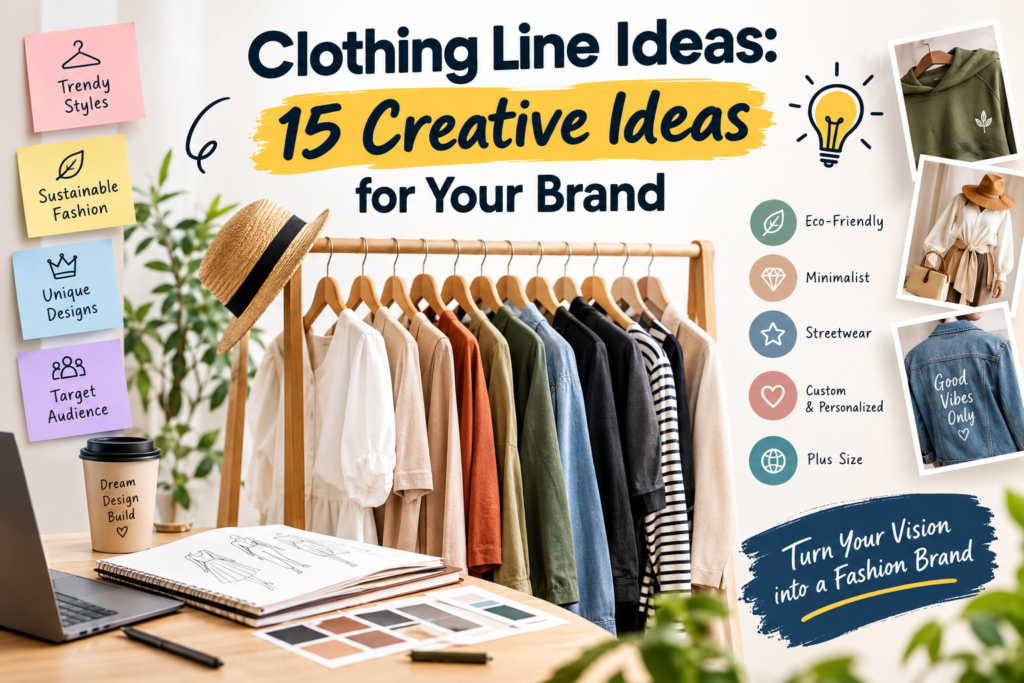
Clothing Line Ideas: Creative Concepts to Start Your Fashion Brand
Choosing the right clothing line idea is the first step toward building a recognizable fashion brand. Your concept influences your target audience, product designs, fabric choices, pricing, branding, and marketing strategy. A clear idea also helps you stand out in a crowded clothing market.
Whether you want to launch a streetwear label, create sustainable basics, sell activewear, or build a small online fashion business, start with a specific customer need. You do not need dozens of products to begin. A focused collection with a clear identity can be easier to develop, manufacture, and promote.
In this guide, you will discover 25 clothing line ideas, learn how to choose a profitable niche, understand product development, and explore the steps involved in turning your concept into a clothing brand.
1. Streetwear Clothing Line
Streetwear is a popular option for entrepreneurs who want to combine casual clothing with culture, creativity, and individual expression. A streetwear brand can focus on oversized silhouettes, graphic designs, relaxed fits, and distinctive branding.
Potential products include:
- Oversized T-shirts
- Graphic hoodies
- Sweatshirts
- Cargo pants
- Joggers
- Caps and accessories
Your brand needs a clear identity rather than simply copying existing streetwear labels. You might build your concept around local culture, original artwork, music, skateboarding, or minimalist design.
Think carefully about fabric weight, garment proportions, print placement, and finishing. For example, a heavyweight oversized T-shirt creates a different look and feel from a lightweight standard-fit shirt.
Start with a small collection that shares the same visual direction. A few well-developed products can communicate your brand identity more effectively than a large assortment of unrelated designs.
2. Sustainable Clothing Line
A sustainable clothing line focuses on reducing environmental impact through considered material choices, product durability, manufacturing decisions, or business practices.
Possible products include everyday T-shirts, long-lasting basics, reusable fabric accessories, and versatile wardrobe essentials.
You can explore materials such as organic cotton, recycled fibers, or other lower-impact options that suit your product requirements. However, verify material composition and supplier documentation before making environmental claims.
A sustainable brand should explain what makes its products different. This could include durable construction, reduced packaging, repair-friendly designs, or carefully selected materials.
Avoid using vague labels such as “100% eco-friendly” without evidence. Sustainability depends on several factors, including raw materials, dyeing, manufacturing, transportation, garment lifespan, and disposal.
Idea to explore: Create a small collection of timeless essentials designed to be worn repeatedly across different seasons.
3. Activewear Clothing Brand
Activewear is suitable for entrepreneurs interested in fitness, comfort, and performance-focused apparel.
Your product range could include:
- Leggings
- Sports bras
- Training T-shirts
- Gym shorts
- Performance tops
- Lightweight jackets
The key is to identify a particular customer group. You might serve weightlifters, runners, yoga enthusiasts, beginners, or people who prefer comfortable clothing for everyday activities.
Fabric selection is especially important. Consider stretch, recovery, breathability, opacity, moisture management, and comfort during movement.
Pay attention to construction details such as waistband stability, seam placement, and garment coverage. Test samples through appropriate movement and washing routines before approving production.
A focused launch could begin with a coordinated set of leggings, a sports bra, and a training top. Expand the collection after understanding customer feedback and demand.
4. Minimalist Clothing Line
Minimalist fashion emphasizes clean silhouettes, simple colors, and versatile pieces. This concept can appeal to customers who prefer practical wardrobes rather than rapidly changing trends.
Potential products include plain T-shirts, neutral sweatshirts, tailored trousers, simple dresses, and lightweight outerwear.
The challenge is making basic products feel distinctive. Fabric quality, fit, stitching, color selection, and finishing become especially important when designs have few decorative elements.
You could create a recognizable signature through a particular fit, carefully selected color palette, subtle branding, or consistent garment proportions.
For example, your first collection might include five core products in black, white, grey, and navy. These items could be styled together to create multiple outfits.
Minimalist clothing can also support repeat purchasing when customers trust the fit and quality of your products.
5. Plus-Size Clothing Brand
A plus-size clothing line can address customers who struggle to find garments with comfortable fits, thoughtful proportions, and appealing designs.
Rather than simply extending existing sizes, develop patterns with the intended customer in mind. Different body shapes may require adjustments to sleeve openings, waist placement, rise, garment length, and other measurements.
Potential products include everyday basics, dresses, denim, workwear, activewear, and occasion clothing.
Research your audience before developing the collection. Customer interviews, surveys, and competitor reviews can reveal common fit problems and missing product options.
Use wear testing and sample fittings to evaluate comfort and movement. Make sizing information clear on your website so customers can make more informed choices.
A strong brand can combine inclusive sizing with distinctive design, consistent product quality, and respectful marketing.
6. Luxury Basics Clothing Line
Luxury basics combine simple designs with careful attention to materials, construction, and finishing.
Products might include premium T-shirts, heavyweight sweatshirts, relaxed trousers, knitwear, and refined loungewear.
Your positioning should explain why customers might pay more for your products. Relevant factors could include fabric selection, fit, construction, durability, limited color palettes, or a well-developed brand experience.
Avoid relying only on expensive packaging or a high price. Customers need to experience meaningful value in the garment itself.
Before launching, compare fabrics and samples carefully. Check shrinkage, surface appearance, seam quality, color consistency, and performance after washing.
A small collection of well-executed essentials can provide a clear starting point for a premium clothing brand.
7. Graphic T-Shirt Brand
Graphic T-shirts are a flexible option for creative entrepreneurs. They can feature original illustrations, typography, abstract artwork, cultural references, or niche interests.
The most important decision is choosing a recognizable theme. A brand built around original illustration will need a different creative direction from one focused on minimal typography.
Consider:
- Artwork originality
- Shirt fit and fabric weight
- Print size and placement
- Printing method
- Color combinations
- Copyright and licensing
Screen printing may suit certain larger production runs, while other printing methods may work better for different artwork and quantities. Discuss the available options with your supplier.
Do not use copyrighted characters, logos, artwork, or celebrity images without the necessary rights.
Start with a cohesive group of designs aimed at a defined audience. You can test interest through mockups, customer feedback, or a small production run before expanding.
8. Modest Fashion Clothing Line
A modest fashion brand can serve customers seeking clothing that combines coverage, comfort, and contemporary styling.
Potential products include long tunics, maxi dresses, loose trousers, abayas, layering pieces, and coordinated sets.
Design details may include sleeve length, neckline coverage, garment opacity, breathable fabrics, and comfortable silhouettes. These requirements should guide both material selection and pattern development.
Research the preferences of your intended customers. Modest fashion tastes vary across regions, communities, climates, and personal styles.
A clear collection might focus on everyday essentials, workwear, occasion clothing, or travel-friendly garments.
Build consistency through coordinated colors, versatile silhouettes, and reliable sizing. This can help customers combine different pieces within the same wardrobe.
9. Eco-Conscious Baby Clothing Line
Baby clothing offers an opportunity to focus on comfort, practicality, and thoughtful product design.
Possible products include bodysuits, sleepsuits, soft tops, leggings, rompers, and coordinated sets.
Consider fabric softness, seam placement, washing requirements, closures, and ease of dressing. Any buttons, cords, snaps, or decorative elements must be appropriate for the intended age group and meet applicable product-safety requirements.
If you promote organic or recycled materials, verify the relevant documentation before making claims.
Parents may value clear size guides, easy-care instructions, and straightforward product descriptions. Practical details can be as important as appearance.
You could begin with a compact range of everyday essentials in a coordinated color palette. Test fit, comfort, durability, and washing performance before adding more styles.
10. Workwear and Uniform Clothing Brand
Workwear focuses on garments designed for specific professional environments. Potential customers include hospitality businesses, service companies, trades, healthcare organizations, and other employers.
Possible products include polos, work trousers, jackets, aprons, coveralls, and branded uniforms.
The requirements depend on the industry. Some workplaces need durable fabrics and reinforced seams, while others prioritize easy-care materials, professional appearance, or freedom of movement.
Ask buyers about their working conditions, washing routines, branding requirements, and expected garment lifespan.
For protective clothing, identify applicable safety standards and ensure the products meet the required specifications. Ordinary workwear should not be marketed as protective equipment without appropriate evidence.
A business-to-business model may involve repeat orders when clients need replacement garments or uniforms for new employees.
11. Athleisure Clothing Line
Athleisure combines the comfort of sportswear with styling intended for everyday use.
Your collection could include joggers, relaxed sweatshirts, matching sets, fitted tops, and lightweight jackets.
Unlike performance-focused activewear, athleisure may place greater emphasis on versatility, comfort, and appearance outside the gym.
Choose materials that match the intended use. Soft knits and fleece may suit relaxed clothing, while stretch blends can support more fitted designs.
Coordinated colors and consistent silhouettes can help customers purchase matching products.
You could build a launch collection around travel, casual weekends, remote work, or everyday comfort. A clear use case makes the brand easier to explain and market.
12. Denim Clothing Line
Denim provides opportunities for a focused brand built around fit, washes, and garment details.
Possible products include jeans, denim jackets, skirts, shorts, and coordinated denim sets.
Product development requires careful attention to measurements, fabric weight, stretch, stitching, pocket placement, hardware, and washing effects.
Different denim washes can create noticeably different appearances. Discuss wash development, color consistency, shrinkage, and finishing with your manufacturer before finalizing the product.
Fit is especially important because customers often have strong preferences about rise, leg shape, and overall silhouette.
Instead of launching many styles, begin with one or two carefully developed fits. Use customer feedback to decide which cuts and washes deserve further investment.
13. Outdoor and Adventure Clothing Line
Outdoor clothing can serve customers who enjoy hiking, camping, travel, and other outdoor activities.
Potential products include lightweight jackets, fleece layers, hiking trousers, base layers, and weather-resistant outerwear.
Start by defining the conditions your garments are designed for. Everyday outdoor clothing has different requirements from technical products intended for severe weather.
Depending on the intended use, you may need to evaluate abrasion resistance, layering compatibility, water resistance, breathability, pocket placement, and freedom of movement.
Do not claim that a garment is waterproof, flame-resistant, or suitable for extreme conditions without appropriate testing and evidence.
A focused collection for casual hiking or travel may be easier to develop than a full technical outdoor range.
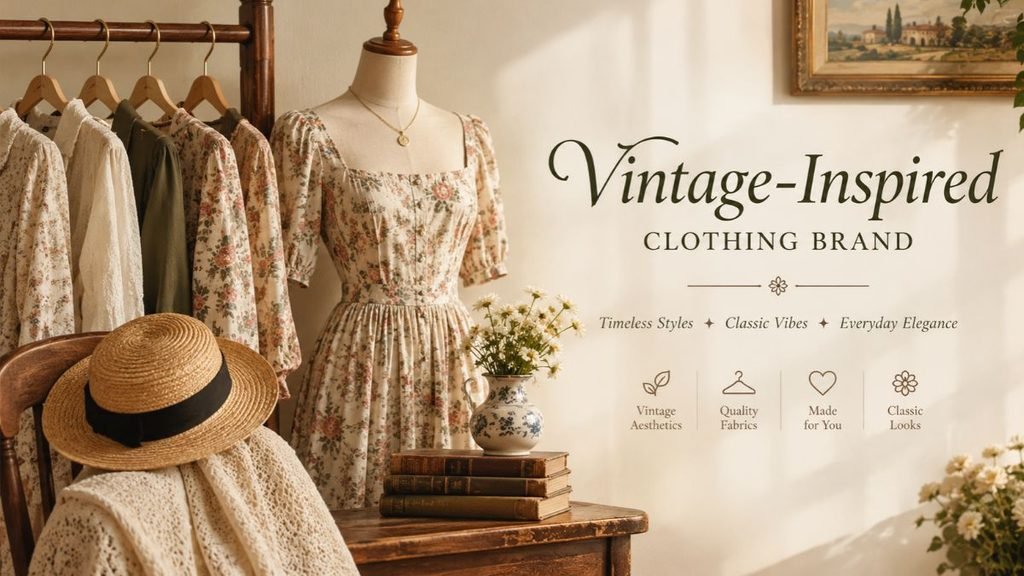
14. Vintage-Inspired Clothing Brand
Vintage-inspired fashion draws on earlier silhouettes, colors, graphics, and styling details.
Your brand could explore retro sportswear, classic workwear, nostalgic graphics, or vintage-inspired casual clothing.
Potential products include washed T-shirts, sweatshirts, relaxed denim, track jackets, and graphic tops.
The key is creating a consistent reference point. Decide which era, visual style, or cultural influence guides the collection.
Garment dyeing, distressed finishes, embroidery, and washed fabrics can contribute to a vintage appearance, but these processes need appropriate development and testing.
Make sure any artwork or branding is original or properly licensed.
A small collection built around a consistent visual theme can feel more intentional than a mixture of unrelated retro references.
15. Gender-Neutral Clothing Line
A gender-neutral clothing brand focuses on garments designed around fit, style, and personal preference rather than conventional gender categories.
Possible products include oversized shirts, sweatshirts, relaxed trousers, jackets, and versatile basics.
Think about how garments fit different body shapes. A single size chart may not work equally well for every customer, so test samples with people from your intended audience.
Use clear measurements, fit descriptions, and product photographs to help customers choose the right size.
Your marketing should communicate the brand’s design approach without relying on stereotypes.
Start with versatile silhouettes and a consistent color palette. Expand the range after learning which products customers find most comfortable and useful.
16. Travel Clothing Line
Travel clothing is designed for customers who want practical, comfortable garments while moving between destinations.
Potential products include wrinkle-resistant shirts, lightweight trousers, layering tops, soft jackets, and coordinated travel sets.
Useful features may include comfortable waistbands, functional pockets, easy-care materials, and garments that work in several settings.
Avoid promising that clothing is wrinkle-proof or temperature-regulating unless product testing supports the claim.
Consider the intended climate and travel style. A collection for warm-weather city breaks may require different fabrics from one intended for cooler destinations.
You could launch with a small capsule wardrobe designed around a few garments that can be combined into multiple outfits.
17. Custom Sports Team Apparel
A sports team apparel brand can serve clubs, schools, training groups, and recreational teams.
Potential products include jerseys, shorts, tracksuits, warm-up tops, training shirts, and team hoodies.
Customers may need custom colors, player numbers, names, logos, and coordinated accessories.
To serve this market, create a clear ordering process. Gather artwork, size lists, quantities, and delivery requirements before confirming a quotation.
Confirm the available printing or embroidery methods and test decoration durability where appropriate.
Team orders often involve multiple sizes and personalized details, so production planning is important.
You can also explore repeat business by supplying training apparel, travel clothing, or replacement uniforms to existing customers.
18. Personalized Clothing Brand
Personalized clothing allows customers to customize products with names, initials, dates, messages, or approved artwork.
Potential products include T-shirts, hoodies, sweatshirts, baby clothing, and gifts for special occasions.
Your business needs a reliable way to collect customization details and approve designs before production.
Consider how personalization affects production time, minimum quantities, costs, and the handling of customer information.
Set clear rules for artwork, spelling confirmation, returns, and order changes.
Personalized products can be attractive for gifts, events, and group orders. However, avoid offering too many customization choices before you understand the production workflow.
19. Maternity Clothing Line
Maternity clothing serves customers whose clothing needs change during pregnancy and sometimes after childbirth.
Possible products include maternity leggings, relaxed dresses, adjustable trousers, nursing tops, and comfortable layering pieces.
Prioritize fit, softness, movement, and practical design. Adjustable waistbands, accessible closures, and flexible fabrics may help garments adapt to changing needs.
Test products on the intended users when possible. Feedback can reveal problems that are difficult to identify from a flat pattern or photograph.
Provide accurate size guidance and explain the garment’s intended fit.
A focused collection of everyday essentials may offer a practical starting point before developing more specialized products.
20. Resort and Vacation Wear
Resort wear focuses on clothing for holidays, warm-weather destinations, and relaxed occasions.
Potential products include linen-blend shirts, lightweight dresses, shorts, coordinated sets, cover-ups, and relaxed trousers.
Color palettes, breathable fabrics, and versatile styling can help define the collection.
Think about how customers will use each garment. Beachwear, evening resort clothing, and everyday summer basics may require different fabrics and construction.
A coordinated capsule collection can make styling easier and help customers purchase multiple items.
Test fabric opacity, shrinkage, colorfastness, and care requirements before approving production, especially for lightweight materials.
21. Kids’ Everyday Clothing Line
A children’s clothing brand can focus on comfortable, practical garments for everyday use.
Products may include T-shirts, leggings, sweatshirts, shorts, dresses, and coordinated sets.
Children’s clothing needs to account for movement, washing, fit, and age-appropriate design. Details such as cords, small parts, and closures must be evaluated for applicable safety requirements.
Parents may appreciate durable materials, easy-care instructions, clear sizing, and practical product descriptions.
Instead of launching every size and style at once, choose a defined age range and a small group of products. This helps you understand demand and manage inventory.
22. Loungewear Clothing Brand
Loungewear focuses on relaxed clothing for home, rest, and casual everyday activities.
Potential products include pajama sets, lounge trousers, soft T-shirts, robes, and relaxed sweatshirts.
Comfort depends on more than fabric softness. Fit, seams, waistbands, breathability, and temperature suitability also affect the wearing experience.
Choose materials according to your target price and intended product use. Test garments after washing to assess shrinkage, surface changes, and shape retention.
A clear brand direction might focus on premium relaxation, affordable everyday basics, or coordinated matching sets.
23. Plus-Size Activewear
Plus-size activewear combines the specific fit considerations of inclusive sizing with the movement needs of sports clothing.
Products might include leggings, supportive tops, training T-shirts, sports bras, and lightweight jackets.
Development should consider waistband stability, coverage, stretch recovery, seam placement, and comfort during different movements.
Do not assume that simply scaling up a standard pattern will deliver a good fit. Use fit testing and customer feedback to refine the product.
Clear size charts and honest product descriptions can help customers understand how each garment is intended to fit.
A specialized range can serve a defined audience more effectively than an overly broad collection without a clear focus.
24. Limited-Edition Capsule Clothing Line
A capsule clothing line contains a small group of products designed to work together. A limited-edition approach introduces a collection in restricted quantities or for a defined period.
Products might include a T-shirt, hoodie, trousers, and jacket that share the same design language.
This approach can help a new brand concentrate its resources on a few products rather than maintaining a large inventory.
Before announcing a limited release, confirm production quantities and realistic delivery dates. Do not create artificial scarcity or advertise stock limitations that are not genuine.
Use customer feedback, product performance, and sales data to guide future collections.
25. Personalized Corporate and Event Clothing
Corporate and event clothing can serve businesses, organizations, conferences, clubs, and promotional campaigns.
Potential products include branded T-shirts, polos, hoodies, jackets, and event uniforms.
Buyers may need logo placement, specific brand colors, individual names, and delivery by a particular date.
Create a clear process for artwork approval, size collection, quotation, production, and shipping.
Ask customers about expected wear, washing frequency, and intended use. These details help you recommend suitable fabrics and decoration methods.
Repeat orders may become possible when organizations need additional garments or new sizes, but each order should have clearly documented specifications.
How to Choose the Best Clothing Line Idea
Having many ideas is useful, but you should not develop all of them at once. The best starting point is a concept that matches your audience, budget, product knowledge, and ability to deliver consistent quality.
1. Identify a Specific Target Audience
Define who you want to serve. Your audience might be gym beginners, streetwear enthusiasts, parents, travelers, or customers seeking minimalist essentials.
A defined audience helps you make decisions about products, price points, styling, and marketing.
2. Research Customer Problems
Look for needs that existing products do not fully address. Read product reviews, study competitor collections, and speak with potential customers.
You might discover that buyers want better sizing, more practical pockets, softer fabrics, longer-lasting prints, or more consistent fits.
Use evidence from your intended market rather than assuming that a product will sell because you personally like it.
3. Evaluate Competition
Review brands that target a similar audience. Examine their product range, pricing, visual identity, customer feedback, and positioning.
The purpose is not to copy another brand. It is to understand the market and identify ways to offer a distinct product.
Your difference might be a specialized fit, a focused product category, original artwork, or a more useful combination of features.
4. Check Production Feasibility
Some ideas are easier to manufacture than others. Basic T-shirts may require fewer specialized processes than technical outerwear or complex denim products.
Consider fabric availability, trims, printing methods, construction requirements, sample development, and minimum order quantities.
Discuss your concept with a suitable manufacturer before finalizing your collection.
5. Estimate Costs and Pricing
Calculate more than the factory price. Include samples, labels, packaging, shipping, duties, taxes, marketing, payment fees, storage, and expected returns.
Then compare your estimated total cost with your planned selling price.
A product is not automatically a good business opportunity simply because it is inexpensive to produce. You need a price that customers will accept and a margin that supports your business expenses.
How to Turn Clothing Line Ideas Into a Real Brand
Once you choose your concept, follow a structured development process.
Step 1: Build Your Brand Identity
Choose a brand name, visual direction, target audience, and clear positioning. Check name availability and relevant trademark requirements before investing heavily in branding.
Your identity should be consistent across products, packaging, website content, and marketing materials.
Step 2: Create Your First Product Collection
Start with a manageable range of products. Define colors, fabrics, fit, sizes, and key design details.
A small collection makes it easier to control development costs and understand customer demand.
Step 3: Prepare Product Specifications
A tech pack can document measurements, materials, artwork, labels, construction details, and finishing requirements.
If you do not have a complete tech pack, you may begin discussions using sketches, reference images, or a product brief. Before sampling, however, the manufacturer will need sufficiently detailed specifications or a suitable reference garment.
Step 4: Find a Suitable Clothing Manufacturer
Search for manufacturers with relevant experience in your product category. Compare their customization options, MOQ, sample process, quality-control procedures, and shipping arrangements.
Request written quotations and clarify which services are included.
Step 5: Develop and Approve Samples
Review the sample for fit, materials, construction, branding, and finishing. Document any changes and request revisions where necessary.
Approve the final sample and specifications in writing before bulk production.
Step 6: Plan Branding and Packaging
Consider woven labels, printed labels, hang tags, packaging, and other brand details. Choose options that suit your product and budget.
Confirm that the supplier can produce the required branding accurately and that all artwork has been approved.
Step 7: Launch and Learn
Prepare product photographs, sizing information, product descriptions, and a launch plan. Use customer feedback and sales data to identify what works.
Expand the collection gradually rather than assuming every initial product will perform equally well.
Working With a Clothing Manufacturer
A suitable manufacturing partner can help turn your clothing line ideas into finished garments. Depending on the supplier, services may include product development, fabric sourcing, sampling, bulk production, quality control, branding, packaging, and international shipping.
Fashion Soul International is a factory-owned custom clothing manufacturer based in Sialkot, Pakistan. Its services include private-label, OEM, ODM, white-label, cut-and-sew, and full-package production.
The company works with product categories such as streetwear, activewear, sportswear, workwear, jackets, denim, casual wear, tracksuits, T-shirts, and hoodies. Its published standard MOQ starts at 100 pieces, with project requirements confirmed during quotation.
When contacting a manufacturer, prepare a short brief that explains your product category, expected quantity, design references, fabric preferences, branding needs, and destination country.
You can review manufacturing services at Fashion Soul International and discuss the requirements for your proposed collection.
Frequently Asked Questions
What are the best clothing line ideas for beginners?
Beginner-friendly options may include graphic T-shirts, minimalist basics, loungewear, streetwear, or a small capsule collection. The best choice depends on your audience, budget, design skills, and access to suitable manufacturing.
How many products should I launch with?
There is no universal number. A focused collection with a few coordinated products can help you test demand without spreading your budget across too many designs, colors, and sizes.
How do I make my clothing brand different?
Start with a clear audience and a specific customer need. Develop original designs, consistent sizing, thoughtful materials, and a recognizable brand identity. Validate your concept with customer research instead of relying only on personal preferences.
Can I start a clothing line with custom manufacturing?
Yes. Custom manufacturing allows you to develop garments around your own specifications. You should account for sampling, minimum order quantities, materials, branding, production costs, and shipping before committing to an order.
What should I consider before choosing a clothing manufacturer?
Review product expertise, MOQ, sample quality, communication, customization options, quality control, payment terms, production timelines, and shipping. Confirm the details in writing before approving bulk production.
Should I follow fashion trends when developing a clothing line?
Trends can help you understand customer interest, but they should not replace a clear brand strategy. Consider whether a trend fits your audience, price point, production capabilities, and long-term product direction.
Conclusion
The right clothing line ideas combine a clear customer need with products you can develop and manufacture consistently. From streetwear and activewear to modest fashion, workwear, and minimalist basics, each concept offers different opportunities and production requirements.
Before launching, research your audience, review competitors, estimate total costs, and choose a manageable first collection. Develop samples, confirm product specifications, and select a manufacturing partner whose capabilities match your needs.
A focused strategy gives you a practical starting point. Learn from customer feedback, improve your products, and expand the collection when you have evidence that your audience wants more.