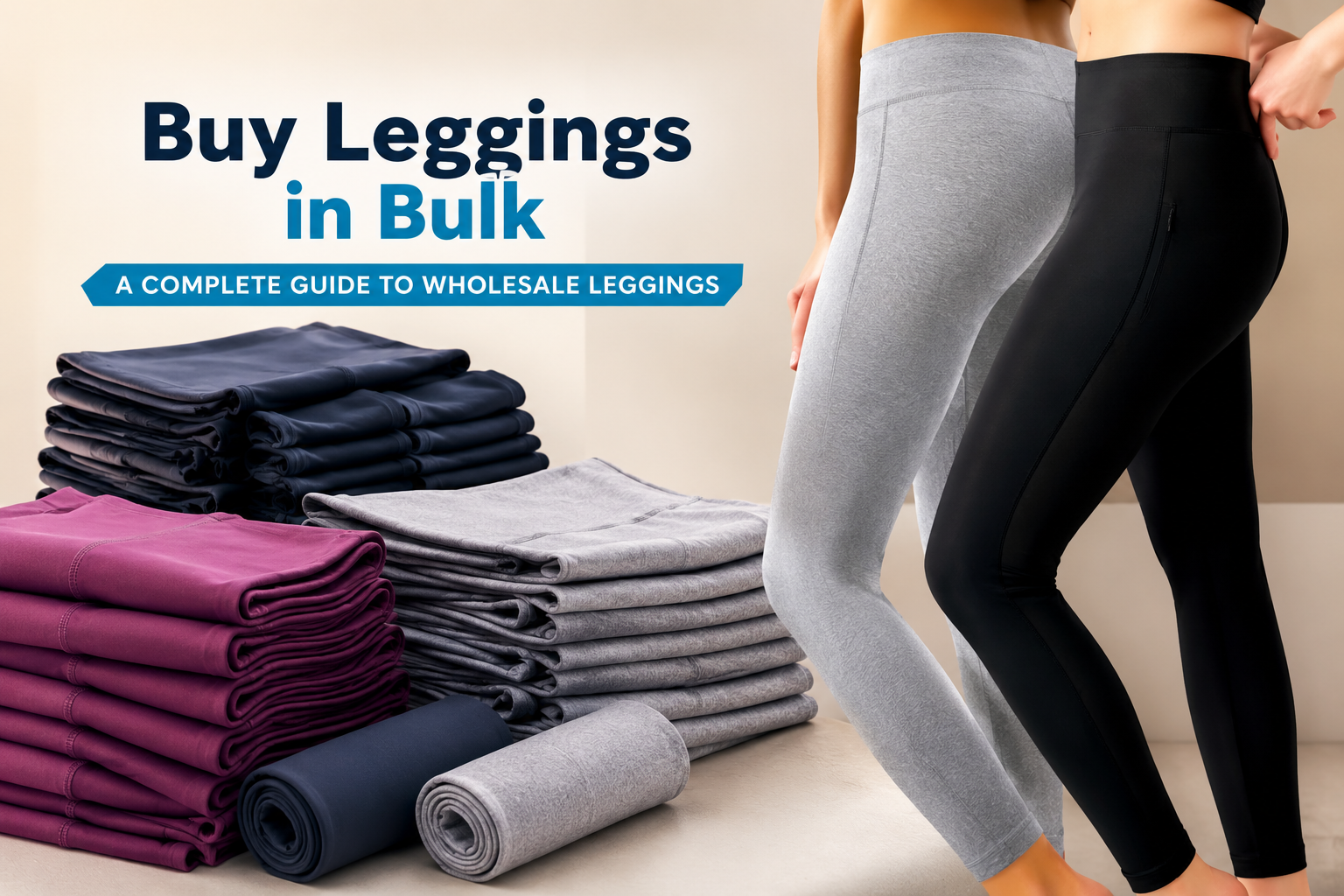
Buy Leggings in Bulk: A Complete Guide to Wholesale Leggings
Leggings are a popular clothing product for fashion retailers, fitness brands, boutiques, and online stores. Their comfort, flexibility, and everyday use make them a practical addition to many clothing collections. For businesses planning to expand their product range, choosing to buy leggings in bulk can help simplify purchasing and support consistent inventory planning.
However, buying wholesale leggings involves more than finding a low price. Buyers need to consider fabric quality, stretch, sizing, stitching, design, customization, minimum order quantities, and shipping. The right supplier should understand your product requirements and provide clear information before production begins.
Whether you operate a fitness clothing brand, fashion boutique, sportswear store, or e-commerce business, this guide explains how to source leggings in larger quantities. You will learn how wholesale purchasing works, what affects pricing, how to compare suppliers, and how custom manufacturing can support your business.
Why Buy Leggings in Bulk for Your Business?
Buying leggings in bulk allows businesses to purchase multiple units through one wholesale order. Instead of sourcing individual products repeatedly, retailers can plan inventory around their expected demand.
Wholesale purchasing can be useful for several reasons.
1. Better Inventory Planning
When you purchase leggings in larger quantities, you can plan stock for upcoming sales, seasonal collections, and customer demand.
For example, a fitness retailer may need black leggings throughout the year. A fashion boutique may prefer different colors and styles for seasonal collections.
Planning quantities in advance can help reduce repeated purchasing and make stock management easier.
2. More Consistent Product Availability
Customers often expect their favorite products to remain available. Wholesale purchasing can help retailers maintain stock across popular sizes and colors.
However, you should confirm whether the supplier can reproduce the same fabric, color, fit, and construction in future orders.
Keep approved samples and product specifications for reference. These records can help when placing repeat orders.
3. Opportunities for Private-Label Branding
Businesses that want to develop their own clothing identity can explore private-label leggings.
Private-label production allows you to add brand elements such as:
- Custom waistband labels
- Printed logos
- Woven labels
- Hang tags
- Branded packaging
- Custom colors and design details
This approach can help your products stand apart from generic wholesale collections.
4. Support for Business Growth
Buying wholesale leggings can support different business models. Retailers may sell individual pieces, while fitness brands may create complete activewear collections.
You can also offer leggings through online stores, fitness studios, sportswear shops, and boutique retailers.
The important step is to choose quantities that match your sales forecast and available budget.
What Types of Leggings Can You Buy Wholesale?
Before choosing a supplier, decide which leggings suit your target customers. Different styles serve different needs, and each requires suitable fabric and construction.
1. Basic Everyday Leggings
Basic leggings are designed for daily comfort. Customers may wear them at home, while shopping, or during casual activities.
Common features include:
- Soft and comfortable fabric
- Stretch construction
- Simple colors
- Elastic waistbands
- Minimal decoration
Black, grey, navy, and other neutral shades are common choices for everyday collections.
2. High-Waisted Leggings
High-waisted leggings feature a waistband that sits higher on the waist. This design is popular in both casual fashion and activewear.
When sourcing this style, check the waistband height, elastic support, seam placement, and fit.
The waistband should remain comfortable during movement without creating unnecessary pressure.
3. Gym and Workout Leggings
Workout leggings are designed for physical activities such as gym training, fitness classes, and strength exercises.
Important product features may include:
- Stretch and recovery
- Breathable fabric
- Moisture management
- Secure waistbands
- Durable seams
- Comfortable movement
The correct fabric depends on the intended activity. A product designed for low-impact exercise may have different requirements from compression-style training leggings.
4. Yoga Leggings
Yoga leggings need to support bending, stretching, and other movements.
Buyers should pay attention to fabric opacity, flexibility, softness, and seam placement.
Four-way stretch fabrics are often considered for products that need movement in multiple directions. Test the garment during different poses before approving bulk production.
5. Seamless Leggings
Seamless leggings are designed to reduce traditional seam lines through specialized knitting methods.
They may appeal to customers who prefer a smooth appearance and close fit.
However, seamless manufacturing requires suitable equipment and production expertise. Confirm that the supplier can produce this construction before requesting a quotation.
6. Compression Leggings
Compression-style leggings use close-fitting construction and stretch fabrics to create a supported feel.
Buyers should define the desired compression level and fit. They should also avoid making unsupported medical or performance claims when marketing these products.
7. Fashion Leggings
Fashion leggings may include decorative details, prints, panels, textures, and different colors.
Examples include:
- Printed leggings
- Ribbed leggings
- Color-block leggings
- Mesh-panel leggings
- Flared leggings
- Textured leggings
These products can help boutiques and fashion retailers offer more variety.
How to Choose the Best Wholesale Leggings
Finding the best wholesale leggings means finding products that match your customers, budget, and quality requirements. The lowest quotation is not always the best option.
Use the following factors when comparing suppliers.
Fabric Quality and Composition
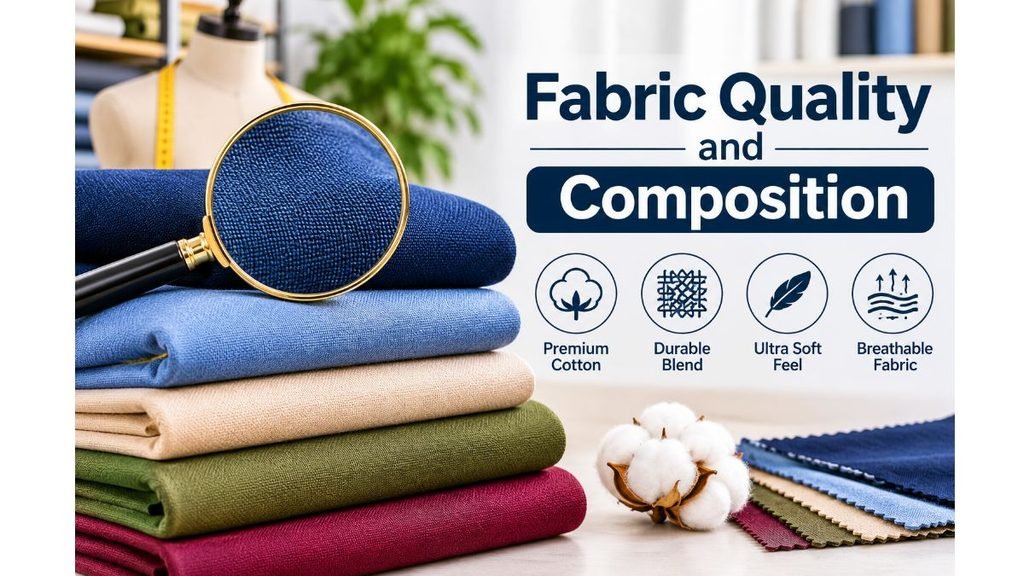
Fabric affects how leggings feel, stretch, fit, and perform.
Common material choices include:
| Fabric | Common characteristics |
|---|---|
| Cotton blends | Soft feel and everyday comfort |
| Polyester blends | Useful for many activewear applications |
| Nylon blends | Smooth feel and suitable stretch options |
| Spandex or elastane blends | Adds stretch and flexibility |
| Polyester-spandex | Commonly used for workout clothing |
| Nylon-spandex | Often selected for fitted activewear |
The ideal material depends on the product’s purpose.
For example, leggings designed for everyday wear may need a soft hand feel. Gym leggings may require greater stretch recovery and moisture-management features.
Ask the supplier for the fabric composition and weight. Request a swatch or sample before approving a large order.
Stretch and Recovery
Stretch allows leggings to move with the body. Recovery describes how well the material returns to its original shape.
Poor recovery may cause leggings to lose their fit after repeated wear.
When reviewing samples, stretch the fabric and observe how it returns. Check the waistband, knees, and other areas that experience regular movement.
Opacity and Coverage
Leggings should provide the coverage expected by their intended customers.
Fabric opacity can depend on material, weight, color, construction, and garment fit.
Test samples under suitable lighting and during movement. Do not rely only on a product photograph to judge coverage.
Stitching and Construction
Stitching plays an important role in garment durability and comfort.
Inspect:
- Inner leg seams
- Side seams
- Gusset construction
- Waistband attachment
- Hem finishing
- Loose threads
- Seam strength
Flatlock stitching may be useful for some activewear designs because it can reduce bulky seam areas. The right construction method depends on the product.
Size and Fit
Sizing is another important part of wholesale purchasing.
Ask the supplier for a measurement chart and available size range. Confirm whether the sizing follows your target market’s requirements.
Check measurements such as waist, hip, inseam, rise, and leg opening. Review samples on suitable body types when possible.
How to Buy Leggings Wholesale
A clear purchasing process helps businesses avoid confusion and unexpected costs.
Step 1: Identify Your Target Customers
Start by deciding who will buy your leggings.
Your customers may include:
- Gym members
- Yoga practitioners
- Casual fashion shoppers
- Boutique customers
- Sportswear retailers
- Online activewear shoppers
Their needs will influence your fabric, fit, design, and pricing decisions.
For example, a premium activewear brand may focus on stretch recovery and fabric performance. A budget fashion retailer may prioritize simple designs and accessible pricing.
Step 2: Select Your Legging Styles
Choose the products you want to offer.
You might begin with a small range of essential styles, such as black high-waisted leggings, basic everyday leggings, and workout leggings.
Avoid ordering too many variations before understanding customer demand.
Step 3: Decide Your Quantity
Estimate how many pieces you can realistically sell.
Consider:
- Expected monthly sales
- Available storage
- Marketing budget
- Number of sizes
- Number of colors
- Seasonal demand
- Reorder possibilities
Also ask how the supplier calculates minimum order quantity. Some manufacturers apply MOQ per style, while others may use different terms for colors or size runs.
Step 4: Compare Wholesale Suppliers
Look for suppliers that understand your product category.
Review their manufacturing capabilities, sample process, material options, customization services, and communication.
Ask whether they manufacture leggings directly or purchase finished products from another source. This distinction can affect customization and production control.
Step 5: Request Samples
Never depend only on product images when making a large purchase.
A physical sample lets you check fabric, fit, stitching, stretch, opacity, and finishing.
If you plan to sell branded leggings, request a sample with the intended logo and labels.
Step 6: Confirm the Quotation
Ask for a written quotation with all important costs.
It should clearly explain:
- Product specifications
- Fabric composition
- Order quantity
- Available colors and sizes
- Customization costs
- Sample charges
- Packaging
- Production timeline
- Shipping terms
- Payment terms
This makes it easier to compare offers from different suppliers.
Step 7: Approve Production Details
Before bulk production, confirm the final sample and specifications.
Keep a written record of approved measurements, colors, fabric, stitching, labels, and artwork.
This helps the supplier follow the same requirements throughout the order.
Understanding Wholesale Leggings Price
The wholesale leggings price depends on several production and purchasing factors. There is no single price that applies to every style or supplier.
A basic pair of leggings may cost less to produce than a customized activewear design with special fabric, multiple panels, and detailed branding.
Main Factors That Affect Price
Fabric selection: Material composition, quality, weight, and availability affect the final cost.
Order quantity: Larger orders may reduce the unit cost in some cases. However, they require a higher total investment.
Design complexity: Special waistbands, pockets, mesh panels, and unique construction can increase production costs.
Branding: Printing, embroidery, woven labels, and custom packaging may add extra charges.
Sampling: Pattern development and sample production may be charged separately.
Shipping: Freight method, destination, customs duties, and delivery terms affect the total landed cost.
How to Compare Wholesale Prices
Do not compare prices without checking product specifications.
For example, two suppliers may offer black workout leggings at different prices. One quotation may include a premium stretch fabric and custom labels, while the other may cover only a basic garment.
Compare the same:
- Fabric composition
- Fabric weight
- Measurements
- Construction
- Decoration
- Order quantity
- Packaging
- Shipping arrangement
A complete cost comparison helps you understand which quotation offers the right value.
Where to Find Cheapest Leggings Wholesale
Businesses often search for the cheapest leggings wholesale options to reduce purchasing costs. However, low prices should not come at the expense of product quality.
Poor fabric, weak seams, incorrect sizing, and inconsistent colors can lead to customer complaints and returns.
Here are practical ways to control costs.
Choose Simple Designs
Basic designs generally involve fewer construction steps than complex garments.
Starting with simple colors, standard waistbands, and limited decoration may help manage production costs.
Select Suitable Fabrics
Choose materials that meet your customers’ needs without adding unnecessary features.
For example, a casual legging collection may not need the same fabric specifications as high-performance training apparel.
Plan Order Quantities Carefully
Larger quantities can sometimes reduce the price per piece. However, buying more than you can sell may create storage costs and unsold inventory.
Use sales estimates to decide your starting order.
Avoid Unnecessary Customization
Every added design feature may affect cost.
Choose branding and decorative details that support your product identity. Do not add features simply because they are available.
Request Complete Quotations
Ask suppliers to explain all charges before confirming an order.
This includes sample fees, packaging, shipping, and any additional costs for special materials or artwork.
The goal should be affordable leggings that meet your quality requirements, not simply the lowest initial quotation.
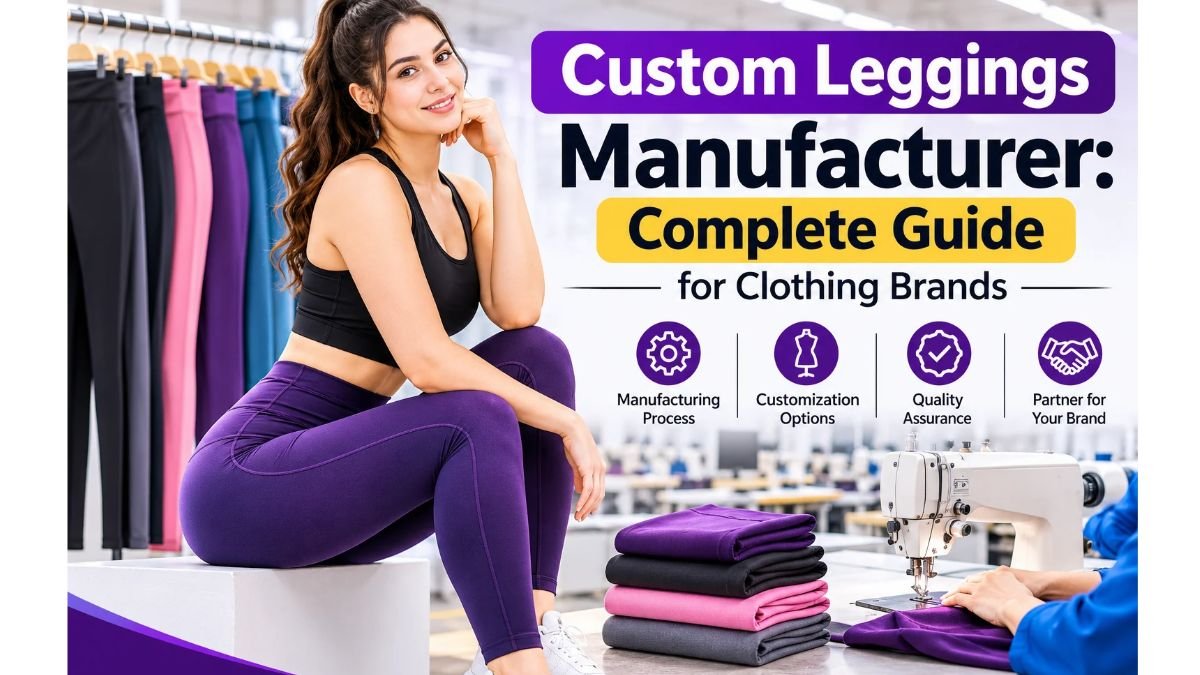
Custom Leggings Manufacturing for Clothing Brands
Wholesale purchasing can involve ready-made products, but clothing brands may need more control over their products.
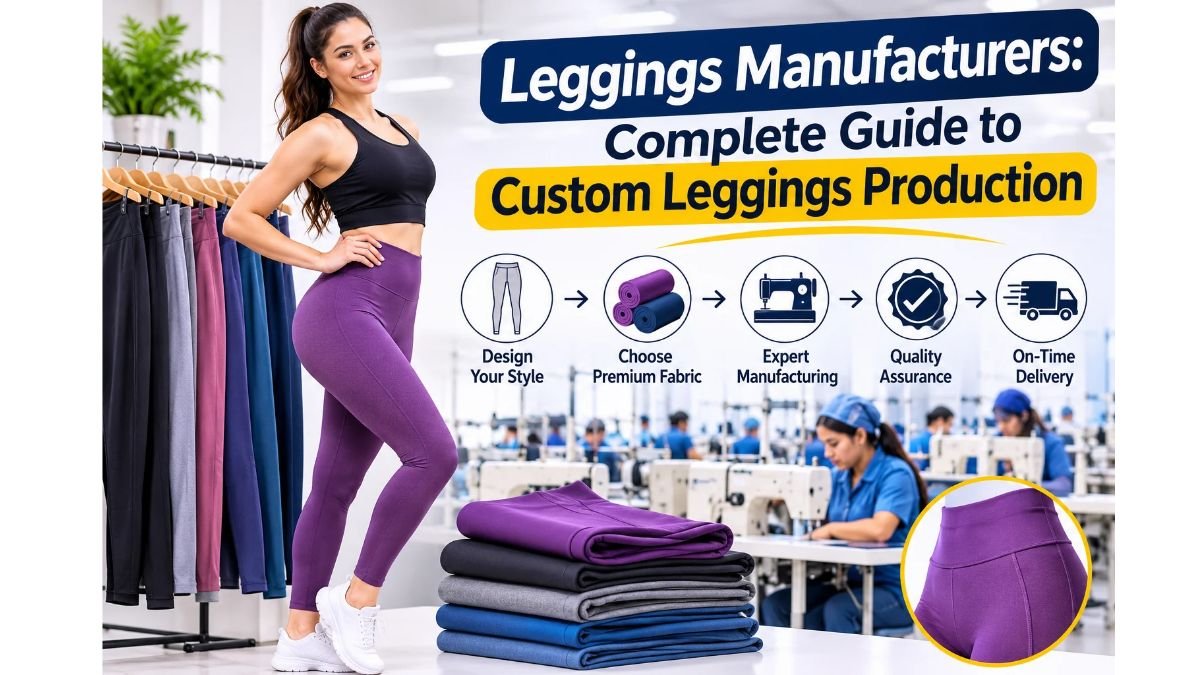
Custom leggings manufacturing allows brands to define the garment’s materials, fit, colors, construction, and branding.
A custom manufacturer may support several stages of development.
Product Development
You can start with a design brief, reference images, sketches, or a technical pack.
The manufacturer reviews the concept and helps prepare the product specifications.
Fabric and Trim Sourcing
The team identifies materials that suit the intended use.
This may include stretch fabrics, elastic, drawcords, labels, and other components.
Pattern Development
Patterns determine the garment’s shape and measurements.
The pattern should match the intended fit and size range. Changes may be needed after reviewing the first sample.
Sample Production
The manufacturer creates a physical sample for evaluation.
You should check the fit, stretch, coverage, seams, waistband, and overall appearance.
Bulk Production
Once the sample and specifications receive approval, the manufacturer can proceed with the agreed order.
Production includes fabric preparation, cutting or knitting processes as applicable, garment construction, branding, and finishing.
Quality Inspection
Quality checks help confirm that the finished garments match approved requirements.
Inspection may cover measurements, stitching, fabric defects, branding, and packaging.
Why Choose a Private-Label Leggings Manufacturer?
Private-label manufacturing allows you to sell leggings under your own brand identity.
Instead of relying only on generic wholesale products, you can develop garments that reflect your business.
A private-label project may include:
- Custom fabric selection
- Brand labels
- Custom colors
- Printed or embroidered logos
- Custom waistband details
- Hang tags
- Packaging
This model can suit startups, established activewear brands, boutiques, and online retailers.
Before choosing a supplier, ask about its customization options and MOQ. Confirm whether the manufacturer can support your design from development through finished production.
What Is the Minimum Order Quantity for Wholesale Leggings?
Minimum order quantity, or MOQ, is the smallest quantity a supplier accepts for an order.
MOQ varies by manufacturer and product requirements. Ready-made wholesale products may have different minimums from custom-manufactured leggings.
Custom projects may require minimum quantities based on fabric availability, colors, construction, and decoration.
Fashion Soul International publishes a standard manufacturing MOQ starting at 100 pieces. Actual project requirements should be confirmed through a quotation.
Before placing an order, ask:
- Is the MOQ per style?
- Can I mix sizes?
- Can I select multiple colors?
- Does custom branding change the minimum?
- Are special fabrics subject to separate minimums?
Clear answers help you plan your investment.
Quality Control for Wholesale Leggings
Quality control is important because leggings need to maintain their fit, comfort, and construction through regular use.
A suitable inspection process should follow the product specifications approved before bulk production.
Fabric Inspection
Check for holes, stains, uneven color, and other visible fabric defects.
Also confirm that the fabric composition and weight match the agreed specifications.
Measurement Inspection
Measurements should follow the approved size chart.
Important areas include waist, hip, rise, inseam, and leg opening.
Stitching Inspection
Check seams for skipped stitches, loose threads, uneven construction, and weak areas.
The waistband and crotch area deserve particular attention because they experience regular movement and tension.
Stretch and Recovery Testing
Stretch the fabric and observe how it returns to its original shape.
Testing should reflect the product’s intended use and agreed quality requirements.
Final Product Inspection
Before packing, inspect finished garments for defects, branding errors, stains, and incorrect labels.
Agree on inspection methods and acceptance criteria with your manufacturer before production starts.
Common Mistakes When Buying Leggings in Bulk
Avoiding common purchasing mistakes can protect your budget and help you build a reliable product range.
Buying Without Checking Samples
Product photos cannot confirm fabric feel, stretch, opacity, or fit. Request a sample before approving a large order.
Choosing Only the Lowest Price
A low price may reflect differences in fabric, construction, or included services. Compare complete product specifications.
Ignoring Size Requirements
Different markets may use different size expectations. Confirm your size chart and measurements before production.
Ordering Too Much Stock
Large orders can reduce unit costs, but unsold inventory ties up money. Start with quantities that match realistic demand.
Forgetting Shipping Costs
The product quotation may not include freight, customs duties, or local delivery. Confirm the complete shipping arrangement.
Not Confirming Branding Details
Incorrect logo placement or label information can affect the finished product. Approve artwork and placement before production.
Why Work With Fashion Soul International for Custom Leggings?
Fashion Soul International is a factory-owned custom clothing manufacturer based in Sialkot, Punjab, Pakistan. The company supports international clothing brands
through private-label, OEM, ODM, white-label, cut-and-sew, and full-package manufacturing.
Its stated services include product development, fabric and trim sourcing, sampling, bulk production, quality control, branding, packaging, export documentation, and international shipping.
For brands developing custom leggings or activewear collections, these services can help coordinate different stages of production.
Fashion Soul International works with apparel categories including activewear, sportswear, streetwear, workwear, casual wear, and other custom garments.
The company publishes a standard MOQ starting at 100 pieces. Project requirements should be confirmed based on the selected product, fabric, color, construction, and decoration.
Its published production information gives a typical sample-development period of 7–14 business days. General bulk-production timelines are 20–35 business days after sample approval. Actual schedules depend on the project and should be confirmed in writing.
If you want to develop private-label leggings, prepare your design references, fabric preferences, size requirements, branding details, and estimated quantity. You can then discuss your requirements and request a quotation through the official Fashion Soul International website.
Frequently Asked Questions
Where can I buy leggings in bulk?
You can buy leggings in bulk from wholesale clothing suppliers, activewear distributors, and custom clothing manufacturers. Compare their product quality, MOQ, fabric options, prices, samples, and shipping arrangements before ordering.
How do I buy leggings wholesale for my boutique?
Start by choosing the styles, sizes, and colors that suit your customers. Contact suppliers, request samples, compare complete quotations, and confirm the order requirements before purchasing.
What are the best wholesale leggings?
The best wholesale leggings depend on your target market. Look for suitable fabric, comfortable fit, reliable stitching, consistent sizing, and a price that supports your business model.
How can I find cheapest leggings wholesale?
Compare suppliers offering similar fabrics, construction, quantities, and services. Simple designs and careful order planning may help control costs. Avoid choosing a supplier based only on the lowest price.
What affects wholesale leggings price?
Fabric, garment construction, order quantity, customization, labels, packaging, sampling, and shipping all affect wholesale leggings price.
Can I order leggings with my own brand logo?
Many custom clothing manufacturers offer private-label services. Depending on their capabilities, you may add printed logos, embroidery, woven labels, hang tags, and custom packaging.
What fabric is commonly used for workout leggings?
Workout leggings often use stretch fabric blends containing polyester or nylon with elastane or spandex. The best choice depends on the required fit, stretch, feel, and intended activity.
Is buying leggings in bulk profitable?
It can be profitable when your selling price covers the product cost, shipping, duties, marketing, storage, and other business expenses. Profitability also depends on demand, product quality, and inventory management.
Final Thoughts
Choosing to buy leggings in bulk can help retailers, fitness businesses, and clothing brands plan their inventory and develop their product ranges. However, successful wholesale purchasing requires careful supplier selection and product evaluation.
Compare fabric, fit, stitching, size options, MOQ, customization, and total cost before placing an order. Request samples and approve the final specifications before bulk production.
If you want more control over product design and branding, consider working with a custom manufacturer that offers private-label and full-package production.
With the right planning and manufacturing partner, you can build a leggings collection that meets customer expectations and supports your business goals.