Athletic Material Fabric: A Complete Guide to Choosing the Right Sportswear Material
Choosing the right athletic material fabric is important when developing sportswear. The fabric affects comfort, flexibility, breathability, durability, and overall performance. A well-designed sports garment should support movement while helping the wearer stay comfortable during exercise.
Different sports require different fabric properties. Running clothes need lightweight and breathable materials. Gym clothing often requires stretch and moisture management. Outdoor sportswear may need additional protection against wind, rain, or changing temperatures.
For clothing brands, selecting the right material is also an important manufacturing decision. Fabric composition, GSM, construction, stretch, and finishing all influence the final garment.
This guide explains the main types of athletic fabrics, their benefits, and how to choose suitable materials for different sportswear products.
What Is Athletic Material Fabric?
Athletic material fabric refers to textiles designed for sportswear, workout clothing, and active apparel. These materials are selected to support physical movement and provide comfort during exercise.
Unlike some everyday clothing fabrics, sportswear materials often need to manage sweat, stretch with the body, and maintain their shape after repeated use.
Common athletic fabrics include:
- Polyester
- Nylon
- Spandex or elastane
- Cotton blends
- Recycled polyester
- Polyamide blends
- Performance mesh
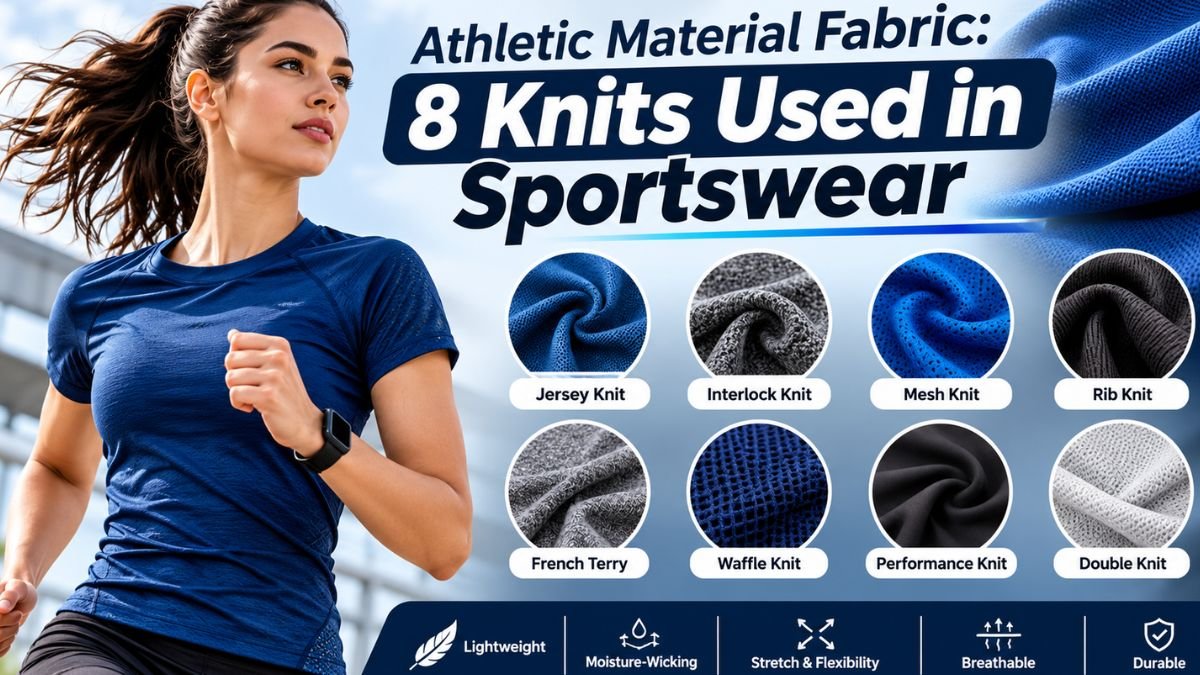
- Fleece and technical knits
Each material has different properties. Some are lightweight and breathable, while others provide compression, warmth, or extra durability.
The best choice depends on the garment’s purpose and the activities it is designed for.
What Type of Fabric Is Used for Sportswear?
One common question among sportswear buyers is: what type of fabric is used for sportswear?
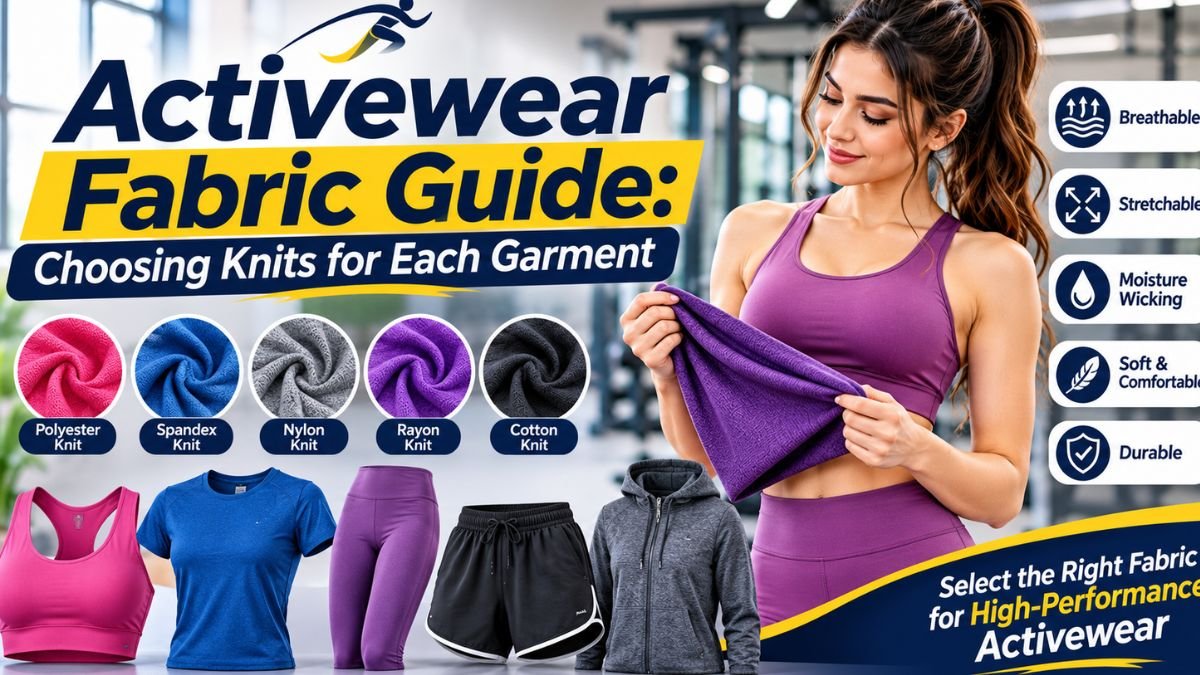
The answer depends on the product. Manufacturers use different materials for leggings, running shirts, sports bras, jackets, tracksuits, and training shorts.
However, synthetic fibers are widely used in performance sportswear because they can offer useful combinations of durability, stretch, and moisture management.
1. Polyester Fabric
Polyester is one of the most common materials used in sportswear. It is a synthetic fiber known for its strength, lightweight feel, and relatively quick drying.
Many sportswear brands use polyester for:
- Running shirts
- Training shorts
- Football jerseys
- Tracksuits
- Workout tops
- Sports jackets
Polyester can help move moisture away from the skin when it is made with suitable yarns and fabric construction. This can make it useful during intense physical activities.
It also holds its shape well and is available in many weights and textures.
Benefits of polyester:
- Lightweight options
- Good durability
- Quick-drying potential
- Easy-care properties
- Suitable for different printing methods
- Available in many fabric constructions
However, not every polyester fabric performs the same way. Fabric quality, yarn structure, finishing, and construction affect its performance.
2. Nylon Fabric
Nylon is another popular athletic material. It is known for its strength, smooth texture, and abrasion resistance.
It is commonly used in sports leggings, gym wear, sports bras, cycling clothing, and fitted activewear.
Nylon blends can provide a soft hand feel while maintaining useful stretch and recovery when combined with elastane.
Benefits of nylon:
- Strong and durable
- Smooth surface
- Good abrasion resistance
- Comfortable for fitted garments
- Suitable for stretch fabric blends
- Available in lightweight and medium-weight constructions
Nylon is often selected for premium activewear because of its soft feel and appearance.
However, buyers should check the exact fiber composition and fabric specifications before placing a production order.
3. Spandex or Elastane
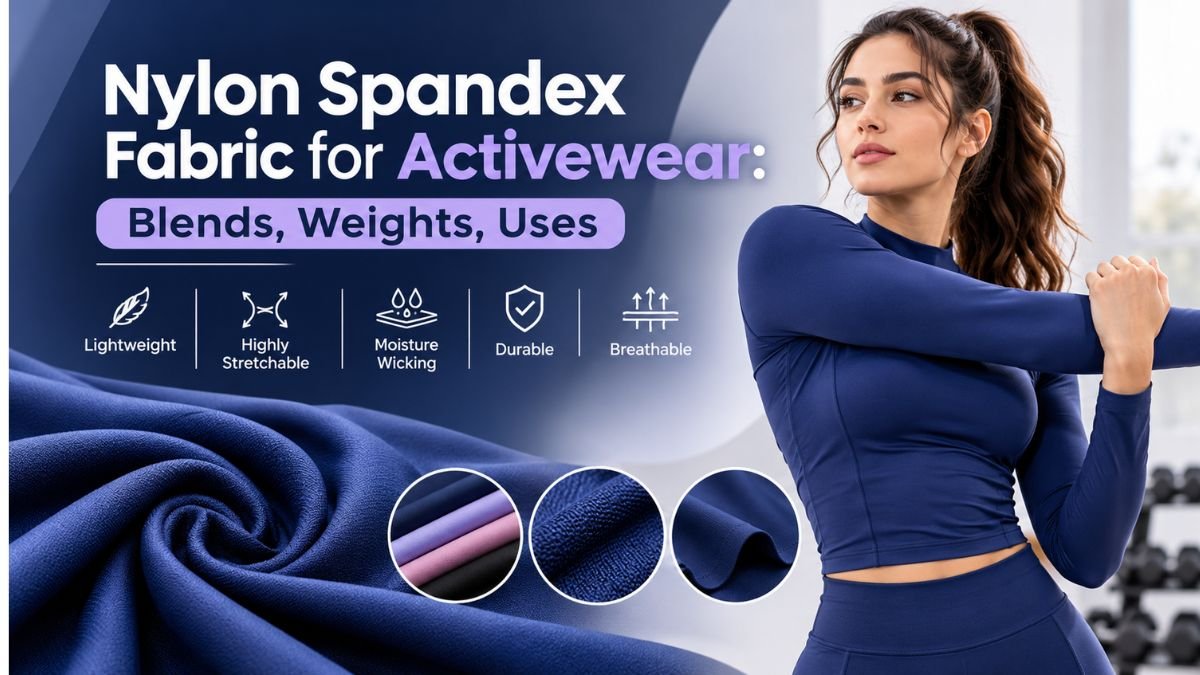
Spandex, also called elastane, is a stretch fiber. It is commonly blended with polyester or nylon to improve flexibility.
It allows fabric to stretch and return toward its original shape. This makes it useful for garments that need to fit closely to the body.
Common products include:
- Sports leggings
- Compression tops
- Sports bras
- Yoga pants
- Cycling shorts
- Stretch training wear
Benefits of spandex:
- High stretch potential
- Better flexibility
- Improved body fit
- Useful stretch recovery
- Suitable for fitted sportswear
Spandex is generally blended with other fibers rather than used alone.
The percentage of elastane should match the garment’s purpose. Too little may limit the required stretch, while an unsuitable blend can affect comfort and recovery.
4. Cotton Fabric
Cotton is a natural fiber valued for its softness and comfort. It is commonly used in casual sportswear and everyday workout clothing.
Cotton may be suitable for:
- Relaxed-fit T-shirts
- Casual gym shirts
- Sweatshirts
- Tracksuits
- Lifestyle sportswear
Cotton is breathable and comfortable for many everyday uses. However, it can absorb and hold moisture. This may make it less suitable for intense workouts where quick drying is important.
Cotton blends can provide a balance of softness and performance. For example, cotton-polyester blends combine some of cotton’s comfort with polyester’s durability and drying characteristics.
5. Recycled Polyester
Recycled polyester is made from recycled polyester materials, which may include processed plastic bottles or textile waste.
It can be used in many of the same applications as conventional polyester.
Sportswear brands may choose it when recycled content is part of their product strategy.
Benefits can include:
- Use of recycled raw materials
- Lightweight fabric options
- Durability
- Quick-drying potential
- Suitability for sportswear blends
However, recycled content alone does not prove that a garment is environmentally responsible. Brands should check supplier documentation, material traceability, and any relevant certification before making sustainability claims.
6. Polyamide Fabric
Polyamide is a synthetic fiber family that includes nylon. It is used in different sportswear applications because of its strength and smooth feel.
Polyamide fabrics are often found in leggings, fitted tops, sports bras, and other performance garments.
The exact performance depends on yarn type, construction, fiber blend, and finishing.
Which Fabric Is Best for Sports?
The answer to “which fabric is best for sports” depends on the activity, garment design, and performance requirements.
There is no single fabric that works perfectly for every sport.
For example, running clothing often benefits from lightweight, breathable materials. Yoga clothing needs flexibility and a comfortable fit. Outdoor sportswear may require wind-resistant or water-resistant fabrics.
Here is a simple comparison:
| Fabric | Main Strength | Common Use |
|---|---|---|
| Polyester | Lightweight and quick-drying options | Running shirts and jerseys |
| Nylon | Strength and smooth feel | Leggings and fitted activewear |
| Spandex blend | Stretch and flexibility | Yoga pants and compression wear |
| Cotton | Softness and comfort | Casual gym clothing |
| Recycled polyester | Recycled material content | Performance sportswear |
| Fleece | Warmth and insulation | Sports sweatshirts and jackets |
When choosing a fabric, consider the activity first. Then compare the fabric’s weight, stretch, breathability, durability, and care requirements.
Important Features of High-Quality Athletic Fabrics
A good athletic material fabric should match the intended use of the garment. Several properties help determine whether a material is suitable.
1. Moisture Management
Moisture management is important for workout clothing. During exercise, the body produces sweat. A suitable fabric can help move moisture away from the skin.
This process is often called moisture wicking.
Moisture-wicking performance depends on fiber type, yarn structure, fabric construction, and finishing. Not every polyester or nylon fabric automatically provides the same result.
Brands should request fabric specifications and test samples before production.
2. Breathability
Breathability describes how easily air and water vapor can pass through a fabric.
Breathable sportswear can help improve comfort during exercise, especially in warm conditions.
Mesh panels and lightweight knitted fabrics are common ways to improve airflow.
Breathability should be considered alongside coverage and durability. A very open fabric may not provide enough opacity or support for certain garments.
3. Stretch and Recovery
Sportswear often needs to move with the body. Stretch allows fabric to expand during movement.
Recovery describes how well the fabric returns toward its original shape after stretching.
Four-way stretch generally means the material stretches in both width and length directions. This can be useful for leggings, compression clothing, and fitted training garments.
For brands, stretch testing is important. It helps confirm that the material suits the intended pattern and fit.
4. Durability
Sportswear may experience frequent washing, friction, and repeated stretching.
A durable fabric should maintain its appearance and function during normal use.
Important factors include:
- Yarn quality
- Fabric construction
- Abrasion resistance
- Stitching compatibility
- Colorfastness
- Pilling resistance
- Shape retention
The garment’s seams and construction also affect durability. Good fabric cannot compensate for poor stitching or unsuitable garment design.
5. Lightweight Feel
Lightweight fabrics are often preferred for running, training, and warm-weather sports.
They can support comfortable movement without adding unnecessary bulk.
However, lightweight does not always mean better. Some garments require thicker materials for coverage, compression, warmth, or support.
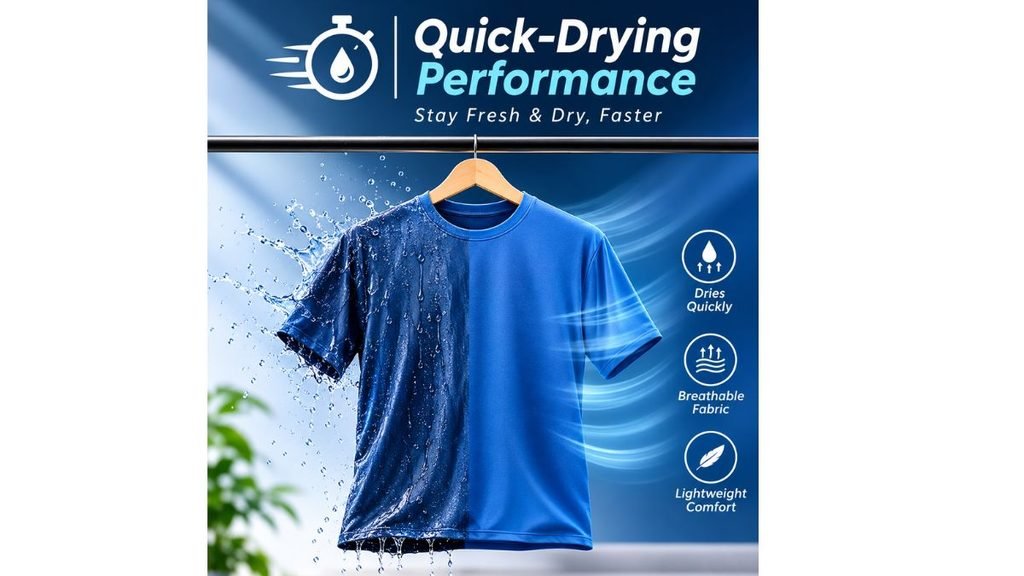
6. Quick-Drying Performance
Quick-drying fabrics can be useful when clothing becomes wet through sweat or rain.
Polyester and some nylon constructions are often selected for this purpose.
Drying speed depends on the fiber, fabric thickness, construction, and surrounding conditions. Brands should evaluate the actual fabric rather than relying only on its fiber name.
7. Softness and Skin Comfort
Sportswear stays close to the body during movement. A rough or uncomfortable fabric can affect the wearer’s experience.
Softness depends on fiber type, yarn, knitting, brushing, and finishing.
For fitted clothing, brands should also check seam placement, labels, and other details that may cause irritation.
Best Athletic Material Fabric for Different Sportswear Products
Different garments have different performance needs. Choosing materials according to product type helps brands create more suitable collections.
1. Running Clothes
Running clothes should be lightweight and comfortable. They should also support moisture management and airflow.
Common choices include:
- Polyester jersey
- Lightweight polyester blends
- Nylon blends
- Stretch performance knits
Running shirts often use lightweight fabrics. Running shorts may require breathable materials with suitable durability.
For cold-weather running, brands can consider layered fabrics or technical fleece.
2. Gym Wear
Gym clothing needs to support a wide range of movements. Weight training, cardio, and general fitness exercises place different demands on garments.
Common materials include polyester-spandex and nylon-spandex blends.
These materials can provide stretch, flexibility, and a close fit.
For gym leggings, check opacity during stretching. Also evaluate waistband stability, seam strength, and recovery.
3. Yoga Clothing
Yoga clothing requires flexibility and comfort. The material should allow bending, stretching, and different body positions.
Nylon-spandex and polyester-spandex blends are common options.
Important features include:
- Four-way stretch
- Soft hand feel
- Good recovery
- Suitable opacity
- Comfortable waistband construction
The fabric should be tested in movement, not only inspected while lying flat.
4. Football and Team Sports Jerseys
Football and other team sports jerseys often use lightweight polyester fabrics.
Knitted polyester can support breathability and moisture management. It also works with several decoration methods, depending on the fabric and printing process.
Brands should consider colorfastness, print quality, fit, and repeated washing.
5. Cycling Clothing
Cycling clothing often requires close-fitting materials that move with the body.
Stretch nylon or polyester blends with elastane may be suitable.
For cycling shorts, brands should also consider garment construction, seam placement, fit, and any padding requirements.
6. Outdoor Sportswear
Outdoor sportswear may need protection from wind, rain, or cold temperatures.
Depending on the product, manufacturers may use:
- Polyester woven fabrics
- Nylon woven fabrics
- Fleece
- Water-resistant materials
- Layered technical fabrics
A water-resistant fabric is not necessarily waterproof. Brands should specify the level of protection required and request relevant test information.
Understanding GSM in Athletic Material Fabric
GSM means grams per square meter. It describes the weight of a fabric.
GSM is an important specification when selecting athletic material fabric. It can help brands compare fabric options and communicate requirements to manufacturers.
A lower GSM often indicates a lighter fabric. A higher GSM often indicates a heavier fabric.
However, GSM alone does not determine quality or performance.
Two fabrics with the same GSM may feel and perform differently because of their fiber composition, yarn, knitting structure, and finishing.
For example:
- Lightweight fabric may suit running shirts.
- Medium-weight fabric may suit many training tops.
- Heavier fabric may suit sweatshirts and warm-up clothing.
These are general examples, not fixed rules. The correct GSM depends on the product, climate, design, and required coverage.
Before production, brands should approve a physical fabric swatch and confirm the agreed GSM tolerance.
How to Choose the Right Fabric for Sportswear Manufacturing
Choosing fabric is not only about selecting polyester or nylon. Brands should evaluate the full material specification.
1. Identify the Product
Start by defining the garment.
Is it a running shirt, gym legging, sports bra, jacket, or tracksuit?
Each product has different requirements. A fabric suitable for a loose training shirt may not work for compression leggings.
2. Define Performance Requirements
Write down the most important features.
These may include:
- Stretch
- Recovery
- Breathability
- Moisture management
- Softness
- Durability
- Opacity
- Warmth
- Water resistance
Prioritize the features that matter most for the product.
3. Confirm Fabric Composition
Check the exact fiber percentages.
For example, a fabric may contain polyester and elastane or nylon and elastane.
The blend affects stretch, feel, drying behavior, and garment performance.
Do not rely only on general descriptions such as “performance fabric.” Request the actual composition.
4. Check GSM and Construction
Ask for the fabric weight and construction details.
Determine whether the material is knitted or woven. Also check its width, texture, and stretch direction.
These details help manufacturers plan patterns and garment construction.
5. Request Fabric Swatches
A fabric swatch allows the brand to inspect the material before sampling.
Check its softness, thickness, stretch, recovery, and appearance.
If the garment requires special performance, request suitable test reports or arrange testing.
6. Develop a Sample
A sample helps confirm how the selected material works in the actual garment.
Check fit, comfort, stitching, movement, and finishing.
For activewear, test the sample during the intended activity whenever possible.
7. Approve the Material Before Bulk Production
Once the fabric and garment sample meet the requirements, document the approved specifications.
Record the composition, GSM, color, construction, and any agreed performance standards.
This helps reduce confusion during bulk production.
Common Mistakes When Selecting Athletic Fabrics
Some fabric choices look good during the sourcing stage but cause problems later.
Avoid these common mistakes.
Choosing Only by Price
Low-cost fabric may reduce the initial budget. However, it may not provide the required durability, comfort, or performance.
Compare quality and specifications, not just price.
Ignoring Stretch Recovery
A fabric may stretch easily but fail to return to its original shape.
This can affect leggings, sports bras, and fitted tops.
Always evaluate both stretch and recovery.
Selecting the Wrong GSM
A fabric that is too light may lack coverage. A fabric that is too heavy may feel uncomfortable during exercise.
Choose GSM according to the product and intended use.
Not Testing Opacity
Leggings and fitted sportswear need suitable coverage.
Check opacity during movement and stretching, especially under strong lighting.
Overlooking Colorfastness
Sportswear may be washed frequently and exposed to sweat.
Colorfastness testing helps assess whether color may fade or transfer.
Skipping Sample Approval
Bulk production should not begin before the garment and fabric have been properly reviewed.
A physical sample helps identify issues with fit, construction, and material selection.
Athletic Fabric and Sustainable Sportswear
Sustainability is becoming an important consideration for many sportswear brands.
Some brands explore recycled polyester, recycled nylon, and other materials with recycled content.
Natural fibers and blended materials may also be considered for selected products.
However, sustainability is more complex than choosing a material with a recycled label.
Brands should review:
- Fiber composition
- Recycled content documentation
- Supplier traceability
- Dyeing and finishing processes
- Durability
- Product lifespan
- Relevant certifications
Avoid making broad environmental claims without evidence.
A durable garment that meets its intended use can also support better product value by reducing the need for frequent replacement.
The Role of a Sportswear Manufacturer in Fabric Selection
A sportswear manufacturer can help brands evaluate materials before production.
Manufacturers may support fabric sourcing, swatch review, sampling, pattern development, and bulk production planning.
This support is useful for startups that do not have an established material sourcing team.
When working with a manufacturer, share clear product requirements. Include reference images, sketches, measurements, preferred fabric composition, and performance expectations.
A technical pack can make the process more organized.
It should describe fabric details, colors, measurements, trims, stitching, labels, and decoration requirements.
Athletic Material Fabric Manufacturing with Fashion Soul International
Fashion Soul International Private Limited is a factory-owned custom clothing manufacturer based in Sialkot, Pakistan.
The company works with international apparel brands on custom clothing production, including sportswear and activewear.
Its services include fabric and trim sourcing, product development, sampling, bulk production, quality control, custom branding, packaging, export documentation, and international shipping.
Brands can discuss their sportswear requirements before selecting a suitable material. Fabric composition, GSM, construction, color, and performance expectations should be confirmed for each project.
The company’s stated standard MOQ starts at 100 pieces per style. Actual requirements depend on the garment, fabric, color, construction, and customization.
The manufacturing process includes pre-production sample development and physical sample approval before bulk production. Inline quality checks and pre-shipment inspection are also part of the stated workflow.
For brands developing sportswear collections, working through these steps can help align the material with the final garment.
Questions to Ask Before Ordering Sportswear Fabric
Before confirming a fabric, ask your supplier or manufacturer:
- What is the exact fiber composition?
- What is the fabric GSM?
- Is the fabric knitted or woven?
- Does it offer two-way or four-way stretch?
- How well does it recover after stretching?
- Is moisture-wicking performance available or tested?
- What is the fabric width?
- Is the material suitable for the intended printing method?
- What colors are available?
- Can I approve a physical swatch before sampling?
Clear answers help brands compare materials and make informed decisions.
Frequently Asked Questions
1. What Is the Best Athletic Material Fabric?
There is no single best material for every sport. Polyester is widely used for lightweight sportswear. Nylon blends are common in fitted activewear. Spandex improves stretch when blended with other fibers.
The best option depends on the garment and its intended use.
2. What Type of Fabric Is Used for Sportswear?
Common sportswear materials include polyester, nylon, spandex, cotton blends, recycled polyester, and technical knits.
The choice depends on whether the garment needs stretch, breathability, durability, moisture management, or warmth.
3. Which Fabric Is Best for Sports?
Polyester is a common choice for running shirts and sports jerseys. Nylon-spandex blends are often suitable for leggings and fitted gym wear. Cotton may work well for casual exercise clothing.
Choose according to the activity and performance requirements.
4. Is Polyester Good for Athletic Clothing?
Yes. Polyester is widely used in athletic clothing because it can be lightweight, durable, and quick-drying.
Its actual performance depends on the fabric construction, yarn, and finishing.
5. Is Nylon Better Than Polyester for Sportswear?
Neither material is always better. Nylon often offers a smooth feel and good abrasion resistance. Polyester is widely used for lightweight sportswear and moisture-management applications.
The right choice depends on the garment and required properties.
6. Is Cotton Suitable for Sportswear?
Cotton is suitable for casual sportswear and relaxed-fit clothing. It is soft and comfortable, but it can hold moisture.
For intense workouts, performance polyester or suitable synthetic blends may be more practical.
7. What Does GSM Mean in Sportswear Fabric?
GSM means grams per square meter. It measures fabric weight.
It helps brands compare materials, but it does not independently determine fabric quality or performance.
8. Why Is Spandex Used in Athletic Fabrics?
Spandex adds stretch and flexibility. It is commonly blended with polyester or nylon for leggings, sports bras, compression clothing, and fitted training wear.
9. Is Recycled Polyester Good for Sportswear?
Recycled polyester can be used in many sportswear applications. It offers similar material options to conventional polyester, depending on its construction and quality.
Brands should verify recycled-content claims with suitable documentation.
10. How Can Brands Choose the Right Sportswear Fabric?
Brands should identify the product, define its performance needs, compare fiber compositions, check GSM, request swatches, and develop samples.
Testing the sample before bulk production helps confirm whether the fabric suits the design.
Conclusion
Selecting the right athletic material fabric is an important step in developing comfortable and functional sportswear.
Polyester, nylon, spandex, cotton blends, and recycled polyester all have useful applications. However, the best choice depends on the garment, sport, and required performance.
Brands should compare fabric composition, GSM, stretch, recovery, breathability, durability, and comfort before production.
Working with an experienced manufacturer can also help simplify fabric sourcing, sampling, and quality control. With clear specifications and proper sample approval, brands can develop sportswear that meets their design and performance goals.