Antimicrobial Fabric: Benefits, Uses, and Guide for Clothing Brands
Antimicrobial fabric is becoming an important material in modern clothing and textile manufacturing. It is designed to help control the growth of certain microorganisms on textile surfaces. These materials are used in activewear, sportswear, healthcare textiles, uniforms, and everyday clothing.
Many clothing brands are exploring antimicrobial textiles because customers want garments that stay fresher during regular use. However, not every treated fabric offers the same performance. The treatment method, fiber type, fabric construction, and testing process all affect its results.
Understanding how antimicrobial materials work can help brands make better sourcing decisions. It can also help manufacturers select suitable fabrics for different clothing products.
In this guide, we explain what antimicrobial fabric is, how it works, its benefits, common treatments, and its uses in clothing production. We also explore antimicrobial garments, antimicrobial activewear, and important factors brands should consider before choosing these materials.
What Is Antimicrobial Fabric?
Antimicrobial fabric is a textile designed to reduce or control the growth of microorganisms under specified conditions. These microorganisms may include certain bacteria, fungi, and other microbes.
Manufacturers can create antimicrobial textiles by applying special treatments during fabric processing or by using fibers that contain antimicrobial agents.
The purpose is to provide an additional material feature. Depending on the treatment, it may help reduce bacterial growth, control odor-causing bacteria, or protect the textile from certain forms of microbial activity.
Antimicrobial performance depends on several factors, including:
- The type of antimicrobial agent
- The amount of treatment applied
- The fabric’s fiber composition
- The textile construction
- Washing and care conditions
- The microorganisms included in testing
- The testing method used
It is important to understand that antimicrobial fabric does not automatically prevent infections or make clothing completely germ-free. Its performance must be evaluated through suitable testing.
How Does Antimicrobial Fabric Work?
Antimicrobial treatments work in different ways. Their exact mechanism depends on the active ingredient and the textile application.
Some treatments affect the growth or activity of microorganisms on the fabric surface. Others may interfere with important processes that microorganisms need to survive.
Here are common approaches used in antimicrobial textile production.
1. Silver-Based Treatments
Silver-based antimicrobial treatments are used in some performance textiles and clothing products.
Silver ions can interact with certain microbial processes. This may help limit the growth of selected bacteria under tested conditions.
Silver-based treatments are used in some sportswear, socks, uniforms, and other textile products.
However, the amount of silver, its form, treatment method, and release behavior can affect performance. Brands should request technical information and relevant test reports before making product claims.
2. Zinc-Based Treatments
Some antimicrobial textiles use zinc-based compounds.
These treatments may help control selected microorganisms. Their performance depends on the specific zinc compound, concentration, fabric construction, and application process.
Zinc-based technologies can be used in certain textile finishes and functional clothing materials.
Do not assume every zinc-treated textile offers identical results. Ask the supplier for the treatment details and supporting evidence.
3. Copper-Based Treatments
Copper-based materials are another option used in antimicrobial textile development.
Certain copper compounds can affect microbial activity. Their effectiveness depends on how the material is incorporated into the textile and which microorganisms are tested.
Brands should review the supplier’s documentation before selecting copper-treated fabric for commercial products.
4. Chemical Antimicrobial Finishes
Some manufacturers apply antimicrobial chemicals during textile finishing.
These treatments may be added through coating, padding, spraying, or other finishing processes. The method depends on the fabric and the chemical formulation.
The treatment must be suitable for the textile’s intended use. Manufacturers should also consider durability, skin-contact requirements, washing performance, and applicable regulations.
5. Antimicrobial Fibers
Some textiles use fibers that contain antimicrobial agents as part of their material structure.
These fibers are different from fabrics that receive a surface treatment after manufacturing. The active ingredient may be incorporated during fiber production.
The expected performance depends on the fiber technology and the way the textile is constructed.
What Is the Difference Between Antimicrobial and Antibacterial Fabric?
The terms antimicrobial and antibacterial are related, but they do not mean exactly the same thing.
Antimicrobial is a broad term. It refers to materials designed to act against certain microorganisms, which may include bacteria and fungi.
Antibacterial refers more specifically to activity against bacteria.
For example, a fabric tested for antibacterial performance may show reduced growth of particular bacterial strains. That result does not automatically prove activity against fungi or viruses.
Brands should use the correct terminology when describing textile products. Claims should match the actual treatment and test results.
| Term | Meaning |
|---|---|
| Antimicrobial fabric | Designed to control certain microorganisms |
| Antibacterial fabric | Designed to act against certain bacteria |
| Antifungal fabric | Designed to control certain fungi |
| Odor-control fabric | Designed to help reduce or manage unwanted odors |
| Moisture-wicking fabric | Designed to move moisture across or away from the skin |
These features may appear together in one product, but they are not interchangeable.
Main Benefits of Antimicrobial Fabric
Antimicrobial textiles can offer useful features for specific clothing applications. Their benefits depend on the treatment and the conditions in which the garment is used.
1. Helps Control Certain Bacteria
Some antimicrobial treatments can reduce the growth of selected bacteria on textile surfaces.
This feature may be useful for clothing that experiences regular sweat and repeated use. However, the level of activity varies between treatments.
A brand should check which bacteria were included in the supplier’s testing. It should also review the test conditions and reported results.
2. Supports Odor Management
Unpleasant clothing odors can develop when sweat, body oils, and microorganisms interact.
Certain antimicrobial treatments target bacteria associated with odor formation. This may help garments stay fresher under suitable conditions.
However, antimicrobial treatment is not the only factor that affects odor. Fabric breathability, moisture management, washing habits, and garment design also matter.
3. Adds Functional Value to Clothing
Brands can use antimicrobial finishes as an additional product feature.
For example, activewear brands may combine suitable antimicrobial technology with stretch, moisture management, and comfortable construction.
This allows companies to develop garments for customers who value functional textile features.
4. Can Be Used in Different Textile Categories
Antimicrobial treatments are not limited to one type of clothing.
Depending on the technology, they may be used in:
- Sportswear
- Activewear
- Socks
- Workwear
- Healthcare textiles
- Uniforms
- Bedding
- Selected everyday garments
The treatment must be suitable for the product and its intended use.
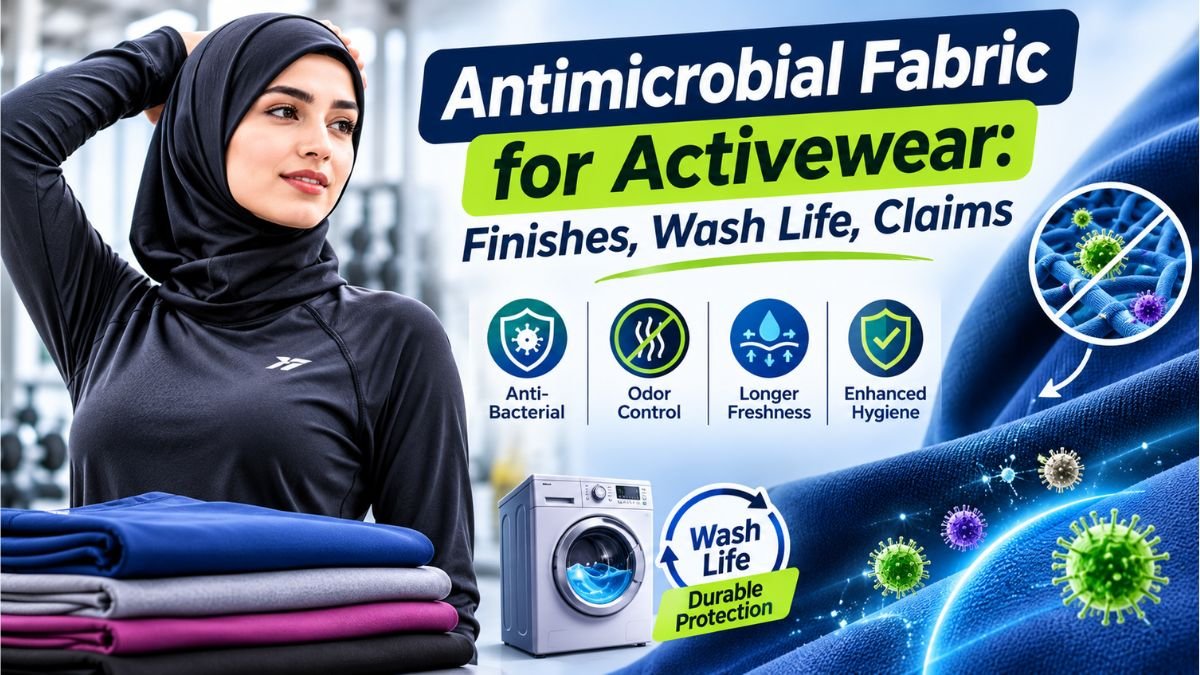
5. May Support Longer-Lasting Fabric Freshness
Some treatments are designed to maintain their activity after repeated washing.
However, durability varies. Some finishes may lose effectiveness over time, while others are designed for better wash resistance.
Always ask how the fabric performs after laundering. A single initial test does not prove that the treatment will remain effective throughout the garment’s useful life.

What Are Antimicrobial Garments?
Antimicrobial garments are clothing products made with fabrics or finishes designed to control selected microorganisms.
These garments may be developed for customers who want additional odor-management or textile-performance features.
They are available in different product categories, depending on the material and treatment.
Common examples include:
- Antimicrobial sports shirts
- Performance leggings
- Athletic socks
- Training tops
- Work uniforms
- Healthcare garments
- Selected underwear products
The treatment does not replace normal garment hygiene. Antimicrobial clothing still needs proper washing, drying, and care.
Brands should also avoid claims that suggest the garments prevent disease unless strong, appropriate evidence and regulatory approval support those claims.
What Is Antimicrobial Activewear?
Antimicrobial activewear combines performance clothing materials with an antimicrobial treatment or technology.
It is designed for exercise and other physical activities where sweat and repeated garment use are common.
Products may include leggings, sports bras, T-shirts, shorts, training tops, and athletic uniforms.
A good activewear product needs more than antimicrobial treatment. It should also provide suitable stretch, recovery, comfort, and durability.
Important Features of Antimicrobial Activewear
When developing antimicrobial activewear, consider these features:
Stretch: The fabric should support movement during exercise.
Recovery: It should return close to its original shape after stretching.
Moisture management: The fabric should suit the level of activity and expected sweat exposure.
Breathability: The material should provide suitable comfort during wear.
Softness: The fabric should feel comfortable against the skin.
Durability: The material should maintain its expected appearance and performance after regular use.
Treatment durability: The antimicrobial feature should be evaluated after the required number of washing cycles.
These properties should be tested together. A fabric may perform well in one area but need improvement in another.
Best Fabrics Used for Antimicrobial Clothing
Different fabric types can receive antimicrobial treatments. The best choice depends on the garment, its intended use, and the required performance.
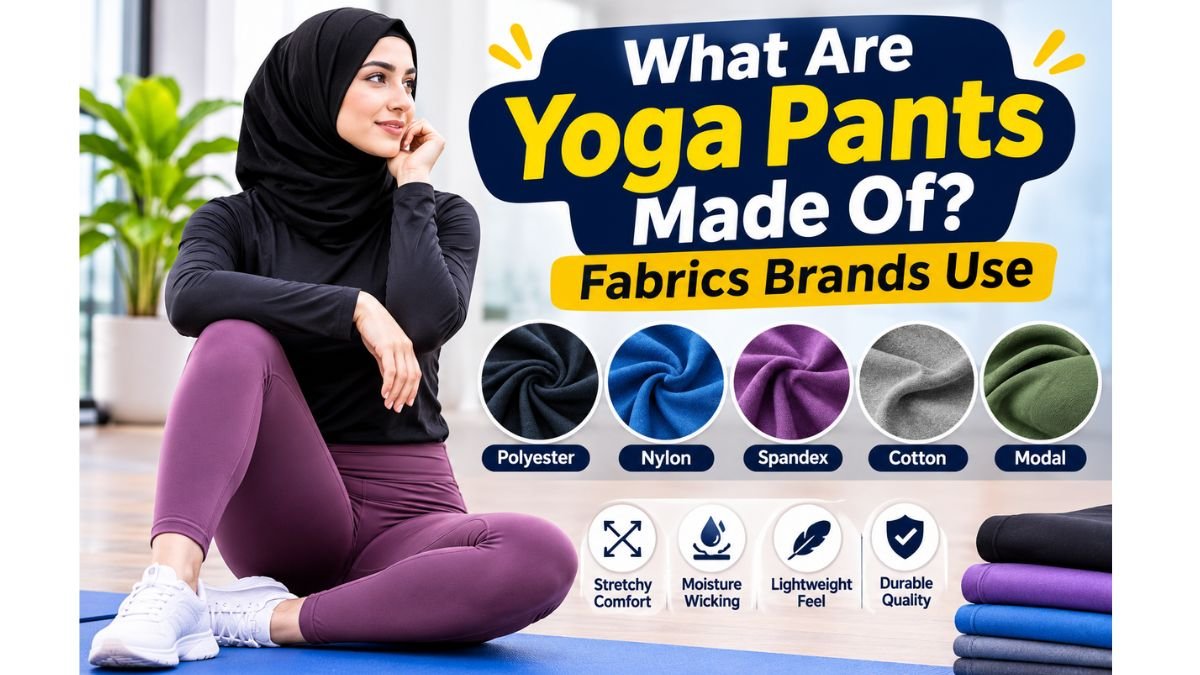
1. Polyester
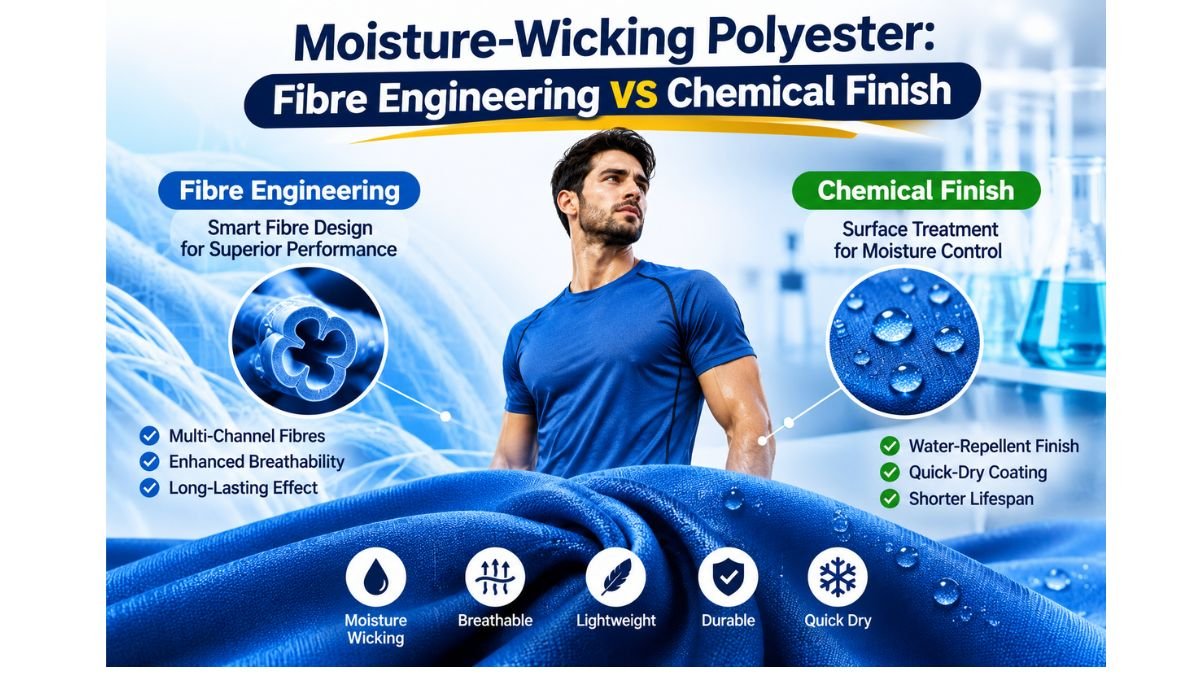
Polyester is widely used in sportswear and activewear.
It is popular because it can provide durability, lightweight construction, and quick-drying performance. It can also be engineered with different knit structures and finishes.
Some polyester fabrics receive antimicrobial treatments for selected performance applications.
2. Nylon
Nylon is used in many stretch garments, including leggings, sports bras, and fitted activewear.
It can provide a smooth feel and good durability. When blended with elastane, it can offer the stretch needed for close-fitting clothing.
Nylon fabrics can also be developed with antimicrobial finishes, depending on the textile technology.
3. Cotton
Cotton is a natural fiber valued for its soft feel and comfort.
It is commonly used in T-shirts, casual clothing, and some activewear products. However, cotton absorbs moisture and may dry more slowly than certain synthetic fabrics.
Antimicrobial finishes can be applied to suitable cotton textiles. Brands should evaluate how the treatment affects softness, breathability, and washing performance.
4. Polyester and Spandex Blends
Polyester-spandex blends are commonly used in fitted sportswear.
Polyester provides the main fabric structure, while spandex adds stretch. These blends may be suitable for leggings, sports bras, shorts, and training tops.
An antimicrobial finish can be considered when the product requires additional odor-management features.
5. Nylon and Spandex Blends
Nylon-spandex fabrics are popular for premium activewear.
They can provide a smooth surface, flexibility, and close-fitting comfort. Their exact performance depends on fiber percentages, fabric weight, knit construction, and finishing.
Brands should test the complete fabric rather than relying only on its fiber composition.
How Is Antimicrobial Fabric Manufactured?
The manufacturing process depends on whether the antimicrobial agent is added during fiber production or applied as a textile finish.
A typical fabric-finishing process may include the following stages.
1. Fiber and Fabric Selection
The manufacturer selects a suitable base material.
This may include polyester, nylon, cotton, or a blended fabric. The choice depends on the garment’s intended use and required performance.
2. Fabric Preparation
The textile may go through preparation processes such as washing, scouring, or other treatments.
These processes help prepare the fabric for further finishing. The exact method depends on the material and production requirements.
3. Antimicrobial Treatment
The antimicrobial agent is applied using a suitable method.
Depending on the technology, this may involve padding, coating, spraying, or another finishing technique.
The treatment must be compatible with the fabric. Incorrect application may affect the material’s feel, appearance, or performance.
4. Drying and Curing
After treatment, the fabric may require drying or curing.
These processes help complete the finish and prepare the textile for further production.
Temperature and processing conditions depend on the chemical formulation and fabric type.
5. Testing and Quality Inspection
The treated fabric should be checked against its agreed specifications.
Testing may evaluate antimicrobial performance, washing durability, colorfastness, fabric strength, and other relevant properties.
6. Garment Manufacturing
Once the fabric meets the required specifications, it can move into garment production.
The material is cut, sewn, finished, inspected, and packed according to the product’s technical requirements.
How to Test Antimicrobial Fabric Quality
Testing is an important part of antimicrobial textile development. It helps brands understand whether a material performs as expected.
Several factors should be considered before approving a fabric.
Antimicrobial Activity Testing
Ask the supplier which testing method was used.
Common standards include ISO 20743 for evaluating antibacterial activity of textile products and AATCC 100 for assessing antibacterial finishes on textile materials.
The test report should identify the tested material, microorganisms, conditions, and results.
Do not assume that one test proves activity against every type of microorganism.
Washing Durability
Some antimicrobial treatments are designed to remain active after repeated washing.
Ask whether the supplier has tested the fabric after laundering. Confirm the number of wash cycles and the method used.
This information is especially important for sportswear and everyday garments.
Fabric Strength
A treatment should not make the fabric unsuitable for its intended use.
Check tensile strength, seam performance, and other relevant construction properties when necessary.
Skin Contact and Chemical Safety
Clothing often stays in direct contact with the skin.
Ask for relevant chemical safety documentation and confirm that the treatment meets applicable requirements in your target market.
Consider the intended wearer, product category, and contact conditions.
Odor Performance
If your product includes an odor-control claim, ask for evidence that supports it.
Antibacterial activity alone does not prove a specific level of odor reduction. Odor performance should be evaluated separately where relevant.
Is Antimicrobial Fabric Safe for Skin?
The safety of antimicrobial fabric depends on the active ingredient, treatment concentration, application method, and intended use.
A properly evaluated textile treatment may be suitable for its intended clothing application. However, brands should not assume that every antimicrobial chemical is safe for every product.
Before choosing a treated fabric, consider:
- Chemical composition
- Supplier safety documentation
- Applicable textile regulations
- Skin-contact requirements
- Potential irritation or sensitivity concerns
- Treatment durability
- Washing instructions
Ask the supplier for relevant safety information and testing documents.
For products designed for babies, healthcare settings, or sensitive skin, review the requirements carefully. These applications may need additional evaluation.
Environmental Considerations of Antimicrobial Textiles
Antimicrobial textiles can raise environmental questions, especially when treatments contain active substances that may be released during washing.
Brands should consider the complete material lifecycle instead of focusing only on the product’s advertised benefits.
Important questions include:
- What active ingredient does the treatment use?
- How is it applied to the fabric?
- Can the treatment enter wastewater during washing?
- Does the supplier provide environmental documentation?
- Does the finish affect fabric recycling?
- Is the treatment compatible with the brand’s sustainability goals?
Some treatments may have different environmental impacts from others. A claim such as eco-friendly or sustainable should be supported by reliable evidence.
Brands should also avoid assuming that antimicrobial treatment automatically makes a garment more sustainable.
How to Choose an Antimicrobial Fabric Supplier
Choosing the right supplier can affect product quality, production costs, and customer trust.
Use the following points when comparing suppliers.
1. Check Textile Experience
Look for suppliers with experience in performance fabrics and functional textile finishing.
Ask whether they have supplied materials for activewear, sportswear, uniforms, or other products similar to yours.
2. Request Technical Specifications
Ask for fiber composition, GSM, width, construction, and finishing details.
For antimicrobial textiles, also request information about the active ingredient and treatment process where available.
3. Review Test Reports
Ask for relevant antimicrobial test reports and washing durability results.
Check that the reports relate to the actual fabric you plan to purchase.
4. Request Physical Samples
A physical sample helps you evaluate softness, stretch, appearance, and overall suitability.
You can also use it for garment sampling and performance testing.
5. Confirm Minimum Order Quantity
Fabric suppliers may have different minimum order requirements for stock and custom-treated materials.
Ask whether the MOQ applies per fabric, color, or treatment.
6. Discuss Lead Times
Confirm whether the fabric is available in stock or requires special processing.
Custom treatments, colors, and finishing may affect delivery schedules.
7. Compare Complete Costs
Compare more than the price per meter.
Consider treatment charges, testing, sample costs, minimum quantities, shipping, and any additional processing.
A complete quotation gives you a clearer view of the total sourcing cost.
Common Mistakes When Buying Antimicrobial Fabric
Brands can avoid unnecessary costs by checking important details before placing an order.
Choosing fabric without testing: A fabric may look good but fail to meet performance requirements. Always request samples and relevant test information.
Assuming all treatments are the same: Different active ingredients and finishing methods can produce different results.
Ignoring washing durability: An initial antimicrobial result does not prove that the finish remains effective after repeated washing.
Making unsupported product claims: Do not advertise a fabric as antibacterial, antiviral, or infection-preventing without appropriate evidence.
Ignoring fabric comfort: A treatment should not compromise the softness, breathability, or flexibility required by the garment.
Overlooking regulations: Textile chemical requirements can differ by country and product category. Check the rules that apply to your target market.
Failing to approve production samples: Review the finished garment before bulk production to confirm fit, construction, fabric feel, and branding.
Antimicrobial Fabric in Custom Clothing Manufacturing
For clothing brands, choosing antimicrobial material is only one part of product development. The fabric must also work with the garment design, construction, and production process.
A custom clothing manufacturer can help coordinate material sourcing, sampling, bulk production, branding, and quality control.
During development, the brand should provide clear requirements. These may include:
- Garment type and intended use
- Preferred fiber composition
- Fabric weight and construction
- Required stretch and recovery
- Antimicrobial treatment specifications
- Color and finishing requirements
- Labels and branding details
- Packaging instructions
The manufacturer should review the material and confirm whether it is suitable for the intended garment.
A physical pre-production sample is important. It allows the buyer to review the fabric and finished product before approving bulk manufacturing.
Fashion Soul International for Custom Activewear and Apparel Manufacturing
Fashion Soul International is a factory-owned custom clothing manufacturer based in Sialkot, Punjab, Pakistan. The company provides private-label, OEM, ODM, white-label, cut-and-sew, and full-package apparel manufacturing.
Its services include product development, fabric and trim sourcing, sampling, bulk production, quality control, custom branding, packaging, export documentation, and international shipping.
The company manufactures different apparel categories, including activewear, sportswear, streetwear, workwear, casual clothing, T-shirts, hoodies, and other custom garments.
For brands planning antimicrobial garments, the material and treatment requirements should be confirmed during product development. Buyers should provide the required fabric specifications and request supporting documentation for any antimicrobial performance claims.
Fashion Soul International publishes a standard MOQ starting at 100 pieces. Actual project requirements depend on the product and specifications, so buyers should confirm the details through a quotation.
The company’s stated workflow includes fabric sourcing, physical sample development, customer approval, bulk production, inline quality inspections, and pre-shipment inspection.
If you are developing antimicrobial activewear or another custom clothing collection, prepare your design brief, preferred materials, and technical requirements before requesting a quotation.
You can learn more about its manufacturing services at https://fashionsoulintl.com/.
Frequently Asked Questions
What is antimicrobial fabric used for?
Antimicrobial fabric is used in selected clothing and textile products to control certain microorganisms. Applications include activewear, sportswear, socks, uniforms, healthcare textiles, and bedding.
Is antimicrobial fabric the same as antibacterial fabric?
No. Antibacterial fabric specifically targets bacteria. Antimicrobial fabric is a broader term that can include activity against other microorganisms, depending on the treatment and testing.
Does antimicrobial fabric prevent infections?
Antimicrobial fabric should not automatically be considered infection-preventing. Textile treatments may control selected microorganisms under tested conditions, but that does not prove protection against infections.
Is antimicrobial activewear suitable for everyday use?
It may be suitable for everyday use when the fabric and treatment meet the product’s safety and performance requirements. Check the supplier’s documentation and follow the garment’s care instructions.
Does antimicrobial fabric lose its effectiveness after washing?
Some treatments may lose activity after repeated washing, while others are designed for better durability. The result depends on the treatment and fabric. Ask for wash-durability test reports.
Which fabrics can receive antimicrobial treatments?
Suitable textiles may include polyester, nylon, cotton, and blended fabrics. The treatment method must be compatible with the fiber and fabric construction.
How can I identify quality antimicrobial garments?
Check the product specifications, treatment information, relevant test reports, and washing durability. Also review the garment’s fit, fabric comfort, construction, and care instructions.
Is antimicrobial fabric environmentally friendly?
Not automatically. Environmental impact depends on the active ingredient, application process, durability, and potential release during washing. Ask suppliers for relevant environmental documentation.
Can antimicrobial fabric be used in yoga clothing?
Yes, suitable antimicrobial fabrics may be used in yoga leggings, sports bras, tops, and other activewear. The material must also provide the required stretch, recovery, comfort, and opacity.
Final Thoughts
Antimicrobial fabric offers an additional functional feature for clothing and textile products. It can help control selected microorganisms and may support odor management in certain applications.
However, the right fabric requires more than an antimicrobial label. Brands should review the treatment method, fiber composition, fabric performance, washing durability, safety information, and relevant test reports.
For manufacturers and clothing brands, careful material selection is essential. Test the fabric, approve a physical sample, and confirm the specifications before bulk production.
By understanding antimicrobial textiles and choosing suitable materials, brands can develop functional garments that meet customer needs while making accurate product claims.