Spandex Polyamide: Properties, Uses, Benefits and Clothing Guide
Spandex polyamide is a popular fabric combination used in activewear, sportswear, leggings, swimwear, and fitted clothing. It combines the smooth feel and strength of polyamide with the flexibility of spandex. This combination helps garments stretch, fit comfortably, and support body movement.
If you are developing a clothing collection, understanding this fabric can help you make better material choices. You need to know how it feels, how it performs, and which garments benefit from it.
Many people also ask, what is spandex in clothing, and how does it differ from polyamide? Both fibers have different properties, but they work well together in many textile applications.
This guide explains spandex polyamide, its composition, benefits, limitations, common uses, and care requirements. It also covers important factors clothing brands should consider before selecting this material for production.
What Is Spandex Polyamide?
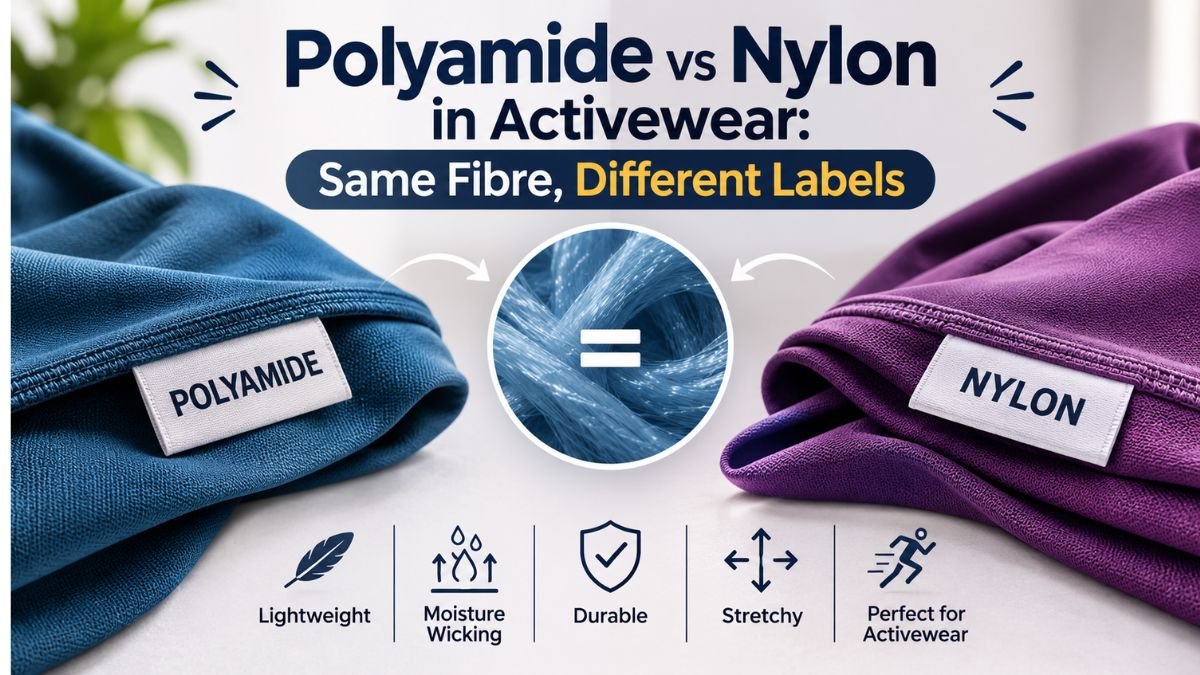
Spandex polyamide is a blended textile made by combining polyamide fibers with spandex fibers. Polyamide is commonly known as nylon, while spandex is an elastic synthetic fiber.
Each fiber contributes different properties to the finished material.
Polyamide provides strength, durability, and a smooth surface. Spandex adds elasticity, allowing the fabric to stretch and recover its shape.
The exact composition varies between fabrics. For example, a supplier may offer a blend containing 80% polyamide and 20% spandex. Other materials may use different percentages depending on the intended garment.
This combination is especially useful for clothing that needs a close fit and freedom of movement.
You can find spandex polyamide in products such as:
- Yoga leggings
- Sports bras
- Fitness tops
- Cycling shorts
- Swimwear
- Compression clothing
- Dancewear
- Stretch sportswear
The fabric’s final performance depends on its fiber ratio, knitting method, weight, and finishing.
What Is Spandex in Clothing?
Spandex is a synthetic elastic fiber used to give clothing stretch. It is also known as elastane in many countries. In some markets, Lycra is a familiar brand name associated with elastane fibers.
Spandex can stretch significantly and return close to its original length. This makes it useful for garments that need flexibility and a close fit.
You may find spandex blended with:
- Polyamide
- Polyester
- Cotton
- Nylon
- Other suitable textile fibers
Spandex is rarely used alone in everyday clothing. It is usually combined with another fiber to balance stretch, comfort, strength, and appearance.
Why Is Spandex Added to Clothing?
Spandex helps clothing move with the body. It reduces the stiffness that can occur in fabrics without elastic fibers.
For example, ordinary woven trousers may restrict movement during exercise. Adding spandex can improve flexibility and comfort.
Its main functions include:
- Improving fabric stretch
- Supporting a closer fit
- Helping garments recover their shape
- Reducing unwanted looseness
- Supporting comfortable body movement
- Improving flexibility in fitted designs
The amount of spandex affects the final fabric. A higher percentage may provide greater stretch, but it does not automatically mean better quality.
What Is Polyamide Fabric?
Polyamide is a family of synthetic polymers used to produce textile fibers. Nylon is one of the best-known types of polyamide.
Polyamide fabric is popular because it can provide strength, abrasion resistance, and a smooth surface. It is widely used in clothing, sportswear, hosiery, swimwear, and other textile products.
In activewear, polyamide is often blended with spandex. The combination creates a fabric that offers both durability and elasticity.
Main Properties of Polyamide
Polyamide has several useful properties for clothing production.
Strength: Polyamide fibers can provide good tensile strength. This helps garments withstand regular use.
Smooth texture: Many polyamide fabrics have a soft, smooth surface. This can make them comfortable against the skin.
Abrasion resistance: Polyamide can resist surface wear from repeated contact. This is useful for garments used during physical activities.
Lightweight options: Polyamide fabrics can be developed in different weights. Lightweight versions may suit fitted tops and sportswear.
Quick drying: Many polyamide fabrics dry relatively quickly compared with absorbent natural fibers. Actual drying time depends on fabric construction and finishing.
These properties make polyamide a useful choice for many performance garments.
Difference Between Spandex and Polyamide
Spandex and polyamide are both synthetic fibers, but they perform different roles.
| Feature | Spandex | Polyamide |
|---|---|---|
| Main purpose | Provides elasticity | Provides strength and durability |
| Stretch | Very high | Limited compared with spandex |
| Shape recovery | Excellent elastic recovery | Depends on fabric construction |
| Common name | Elastane | Nylon |
| Main use | Stretch garments | Clothing and performance textiles |
| Texture | Depends on the blend | Often smooth and soft |
| Common combination | Blended with other fibers | Blended with spandex for activewear |
The key difference is simple: spandex provides stretch, while polyamide contributes strength and fabric performance.
When combined, they can create a material suitable for fitted clothing and sportswear.
Benefits of Spandex Polyamide Fabric
Spandex polyamide is popular because it combines two fibers with complementary properties. Here are some of its main advantages.
1. Excellent Stretch and Flexibility
One of the biggest benefits is its ability to stretch during movement.
Yoga, gym training, dancing, and cycling involve repeated body movements. Clothing needs to adapt without feeling restrictive.
Spandex helps the fabric stretch in different directions, depending on its construction. This can improve comfort during exercise.
For leggings, it supports bending, squatting, and stretching. For sports bras, it can help the garment fit closely to the body.
2. Comfortable Fit
Polyamide can provide a smooth surface, while spandex supports flexibility.
Together, these properties can create a comfortable fabric for fitted garments.
A well-designed garment should not feel excessively tight. Its pattern, size, elastic placement, and fabric recovery also affect comfort.
Brands should test the finished garment on different body shapes before approving production.
3. Good Shape Recovery
Shape recovery means a fabric’s ability to return toward its original dimensions after stretching.
Spandex plays an important role in this process.
Good recovery helps leggings, sports bras, and fitted tops maintain their intended fit. It can also reduce the risk of garments becoming loose after repeated wear.
However, recovery depends on more than fiber composition. Yarn quality, knitting structure, fabric finishing, and garment construction also matter.
4. Durability for Regular Use
Polyamide can offer good resistance to abrasion and everyday wear.
This makes it useful for activewear products that experience repeated movement and friction.
For example, leggings may experience rubbing around the thighs and knees. A suitable polyamide blend can help the fabric handle this type of use.
Durability still depends on fabric quality, thickness, construction, and care.
5. Smooth Appearance
Polyamide fabrics often have a smooth surface. This can create a clean appearance in fitted clothing.
Depending on the knitting method, the fabric may have a matte, soft, or slightly shiny finish.
This gives clothing brands different design options. The final appearance should be checked using physical samples.

6. Suitable for Different Garment Designs
Spandex polyamide can be used in several types of clothing.
Brands may choose it for:
- High-waisted leggings
- Fitted sports tops
- Compression-style garments
- Yoga clothing
- Cycling apparel
- Swimwear
- Stretch shorts
- Dancewear
Its flexibility makes it useful for both basic and technical clothing designs.
7. Supports Close-Fitting Garments
Some clothing designs need to stay close to the body during movement.
Spandex helps provide the required elasticity. Polyamide contributes strength and a smooth surface.
This combination can suit garments where fit and flexibility are important.
However, garment patterns must also be designed correctly. Fabric stretch alone cannot guarantee a good fit.
Common Uses of Spandex Polyamide in Clothing
This fabric combination is used in several clothing categories. Its properties make it suitable for products that require stretch and comfort.
1. Yoga Leggings
Yoga leggings need to support stretching, bending, and different poses.
Spandex polyamide can provide the flexibility and smooth feel required for fitted leggings.
When choosing fabric for yoga leggings, brands should check:
- Four-way stretch
- Stretch recovery
- Opacity
- Fabric weight
- Pilling resistance
- Colorfastness
- Comfort against the skin
Opacity is particularly important. The fabric should provide suitable coverage when stretched.
Do not judge this property by looking at a flat swatch alone. Test it on a sample garment during movement.
2. Sports Bras
Sports bras need suitable stretch, support, and comfort.
Spandex provides elasticity, while polyamide can contribute strength and durability.
The fabric must work with the garment’s construction. Cup design, elastic bands, lining, straps, and stitching all affect support.
A suitable fabric blend can help create a close fit. However, fabric composition alone does not determine the level of support.
3. Gym and Fitness Clothing
Gym clothing often needs to handle movement, stretching, and repeated washing.
Spandex polyamide can be used for fitted tops, shorts, leggings, and other performance garments.
The material may also suit products designed for strength training, fitness classes, and general exercise.
For high-intensity activities, brands should evaluate moisture management and drying performance.
4. Swimwear
Some swimwear designs use polyamide and elastane blends.
Polyamide can provide a smooth surface, while spandex helps the garment stretch and fit closely.
Swimwear requires additional testing because it is exposed to water, sunlight, chlorine, salt, and repeated washing.
Ask suppliers about chlorine resistance, colorfastness, and suitability for swimwear applications.
5. Cycling Clothing
Cycling garments need flexibility and a close fit.
Spandex polyamide blends may be used in cycling shorts, fitted tops, and other performance apparel.
The fabric should be tested for stretch, recovery, durability, and comfort during prolonged use.
Other design features, such as seams and padding, also influence the finished product.
6. Dancewear and Performance Clothing
Dancewear needs to support a wide range of movements.
Stretch fabrics help performers move without unnecessary restriction. Spandex polyamide may be suitable for fitted dance tops, leggings, shorts, and similar garments.
The final material should match the required coverage, fit, and performance.
Is Spandex Polyamide Good for Activewear?
Yes, spandex polyamide can be a good option for activewear when its specifications match the intended use.
It combines stretch with the strength and smooth feel associated with polyamide. This makes it useful for many fitted sportswear products.
However, not every blend is suitable for every activity.
For example, a yoga legging may need excellent stretch and opacity. A running top may place more importance on lightweight construction and moisture management.
Before choosing the material, consider the following:
- What activity is the garment designed for?
- How much stretch does the product need?
- What level of coverage is required?
- Does the fabric feel comfortable against the skin?
- How does it perform after washing?
- Does it meet your target production cost?
Testing helps you select the right material for your product.
What Does the Spandex Percentage Mean?
The spandex percentage shows how much elastic fiber is present in a fabric blend.
For example, an 80% polyamide and 20% spandex fabric contains mostly polyamide with a smaller amount of spandex.
A different blend may contain 85% polyamide and 15% spandex.
The percentage affects the fabric’s properties, but it should not be used as the only quality measure.
Higher Spandex Content
A higher spandex percentage can provide greater elasticity. This may suit garments that need significant stretch.
However, the final result depends on the yarn, knitting method, and construction.
Lower Spandex Content
A lower percentage may provide moderate stretch while allowing the main fiber to contribute more to the fabric’s overall character.
This may suit products that do not need extreme elasticity.
How Should Brands Choose?
The best ratio depends on the garment’s purpose.
Ask the fabric supplier for recommendations and test different blends. Compare stretch, recovery, comfort, appearance, and durability.
Never select a fabric based only on the highest spandex percentage.
How to Choose the Right Spandex Polyamide Fabric
Clothing brands should evaluate several technical and practical factors before placing a fabric order.
Check Fabric Composition
Ask for the exact fiber percentages.
Confirm whether the material contains polyamide and elastane. Also request information about any additional fibers or finishes.
Review GSM
GSM means grams per square metre. It describes fabric weight.
Different garments need different weights. A lightweight top may require a different GSM from supportive leggings.
Higher GSM does not always mean better quality. Consider the intended product and test the material.
Test Stretch and Recovery
Stretch the fabric horizontally and vertically.
Check how easily it stretches and whether it returns toward its original shape.
For activewear, four-way stretch may be useful. However, the required performance depends on the garment design.
Check Opacity
For leggings and fitted clothing, coverage is important.
Test the fabric under suitable lighting and while stretched. Review the material in a finished sample.
Evaluate Pilling Resistance
Pilling can affect the appearance of clothing after repeated use.
Ask whether the supplier has relevant pilling test results. Compare samples after suitable wear and washing tests.
Check Colorfastness
Colorfastness describes how well a fabric retains its color.
This matters for dark leggings, bright sports bras, and matching activewear sets.
Ask about washing and rubbing tests when color performance is important.
Confirm Fabric Availability
Some fabrics are available from stock, while others require custom production.
Confirm the available colors, quantities, lead times, and minimum order requirements.
How to Care for Spandex Polyamide Clothing
Proper care can help clothing maintain its appearance and performance.
Always follow the garment’s care label because different fabric constructions and finishes may need different instructions.
Common care recommendations include:
- Use a suitable cool or low-temperature wash.
- Avoid excessive heat.
- Use mild detergent when appropriate.
- Avoid harsh bleaching products.
- Do not iron directly at high temperatures.
- Follow the recommended drying instructions.
- Keep garments away from unnecessary rough surfaces.
High heat can damage elastic fibers. Excessive heat may reduce the stretch and recovery of the garment.
Avoid treating all polyamide-spandex fabrics in exactly the same way. Check the manufacturer’s care guidance.
Limitations of Spandex Polyamide Fabric
Although this blend offers useful properties, it also has limitations.
It Is a Synthetic Fabric
Polyamide and spandex are synthetic fibers. Brands that focus on natural fibers may prefer other materials.
Both fibers also raise questions about microfiber release during washing and end-of-life disposal.
Heat Sensitivity
Spandex can be sensitive to high temperatures.
Excessive heat during washing, drying, or ironing may affect elasticity. Follow the recommended care instructions.
Quality Varies Between Suppliers
Two fabrics with similar fiber percentages may perform differently.
Yarn quality, knitting, finishing, and production standards all influence the final material.
This is why physical samples and testing are important.
Recycling Can Be More Complex
Blended fabrics can be harder to recycle than some single-fiber materials.
Polyamide and spandex are different polymers. Separating them may require specialized recycling processes.
Brands interested in circular design should consider material sourcing and end-of-life options early.
Spandex Polyamide vs. Polyester Spandex
Both blends are common in sportswear, but they have different characteristics.
| Feature | Spandex Polyamide | Polyester Spandex |
|---|---|---|
| Main fibers | Polyamide and spandex | Polyester and spandex |
| Feel | Often smooth and soft | Depends on yarn and construction |
| Stretch | Provided mainly by spandex | Provided mainly by spandex |
| Durability | Can offer good abrasion resistance | Can offer good durability |
| Moisture performance | Depends on fabric construction | Often used in moisture-management fabrics |
| Common uses | Leggings, swimwear, sports bras | Sportswear, gym clothing, activewear |
| Cost | Depends on material and supplier | Depends on material and supplier |
Neither blend is automatically the best choice.
Compare actual fabric samples and consider the garment’s performance requirements, cost, and target customers.
How Clothing Manufacturers Use Spandex Polyamide
Selecting the correct fabric is only one part of clothing production. The material must also work with the pattern, cutting, stitching, and finishing methods.
A clothing manufacturer evaluates fabric specifications before creating the sample.
Pattern Development
The pattern must account for the fabric’s stretch and recovery.
A pattern designed for a non-stretch material may not fit correctly when made using a highly elastic fabric.
The manufacturer should consider the fabric’s stretch direction and intended fit.
Cutting
Stretch fabrics require careful handling during cutting.
Fabric movement, tension, and alignment can affect panel measurements. Proper preparation helps maintain consistency.
Sewing
The sewing method should suit the material.
Stretch garments often require suitable stitches and machines that allow seams to move with the fabric.
Incorrect stitching can cause seams to break or become uncomfortable during movement.
Quality Inspection
Finished garments should be checked for measurements, stitching, fabric defects, and construction.
For activewear, checks may also include stretch performance, print placement, and recovery.
A physical sample should be approved before bulk production begins.
Fashion Soul International and Custom Activewear Manufacturing
Fashion Soul International is a factory-owned custom clothing manufacturer based in Sialkot, Pakistan. The company provides private-label, OEM, ODM, white-label, cut-and-sew, and full-package apparel manufacturing.
Its services cover product development, fabric and trim sourcing, sampling, bulk production, quality control, custom branding, packaging, export documentation, and international shipping.
For brands developing activewear, fabric selection is an important part of product development. The correct material depends on the garment’s design, intended activity, fit, and performance requirements.
Fashion Soul International lists stretch fabrics and polyester among its available material options. Buyers interested in a specific polyamide-spandex blend should confirm its exact composition, GSM, availability, and performance requirements with the company.
The company publishes a standard MOQ starting at 100 pieces. Actual requirements depend on the product and project specifications.
Its manufacturing process includes sample development and customer approval before bulk production. This gives buyers an opportunity to review the garment before confirming the main order.
If you are planning yoga leggings, sports bras, fitted tops, or other activewear, prepare your design references and material requirements before requesting a quotation.
Frequently Asked Questions
Is spandex polyamide a good fabric?
Yes. Spandex polyamide can be a good fabric for fitted clothing and activewear. It combines elasticity with the strength and smooth feel of polyamide. Its suitability depends on composition, construction, and intended use.
What is spandex in clothing used for?
Spandex is used to provide stretch and elasticity. It helps garments fit closely, move with the body, and recover their shape after stretching.
Is polyamide the same as spandex?
No. Polyamide is commonly known as nylon, while spandex is an elastic synthetic fiber. They have different properties but are often blended together.
Is spandex polyamide suitable for leggings?
Yes. It can suit yoga and fitness leggings because it offers stretch and a smooth surface. Always check opacity, recovery, fabric weight, and durability before production.
Does spandex polyamide stretch?
Yes. Spandex provides elasticity, allowing the fabric to stretch. The amount of stretch depends on the blend percentage and fabric construction.
Is polyamide fabric breathable?
Breathability depends on the fabric structure, weight, and finishing. Some lightweight polyamide knits allow airflow, while dense fabrics may behave differently.
Is spandex polyamide suitable for summer clothing?
It can be suitable for lightweight activewear and fitted garments. Choose a fabric with an appropriate weight and construction for the intended climate and activity.
How do you wash spandex polyamide clothing?
Follow the garment’s care label. In general, avoid excessive heat and harsh washing conditions. Use suitable detergent and follow the recommended drying instructions.
Is spandex polyamide better than polyester spandex?
Neither blend is better for every product. Polyamide blends may offer a smooth feel and good abrasion resistance. Polyester blends are also widely used in activewear. Compare samples based on the garment’s needs.
Can clothing brands order custom spandex polyamide fabric?
Some textile suppliers offer custom blends, colors, and fabric weights. Minimum quantities and availability vary. Ask for samples and technical specifications before placing a bulk order.
Final Thoughts
Spandex polyamide is a useful fabric combination for clothing that needs flexibility, strength, and a smooth feel. It is commonly used in yoga leggings, sports bras, swimwear, cycling clothing, and other fitted garments.
Understanding what is spandex in clothing helps brands make better material decisions. Spandex provides elasticity, while polyamide contributes strength and other useful fabric properties.
Before choosing this blend, review its composition, GSM, stretch, recovery, opacity, and durability. Request physical samples and test them under realistic conditions.
For clothing brands, the right fabric is only one part of a successful product. Good patterns, suitable stitching, sample approval, and quality control also matter. Careful material selection can help create activewear that meets customer expectations and supports your brand’s long-term goals.