Custom Full Service Manufacturer: A Complete Guide for Clothing Brands
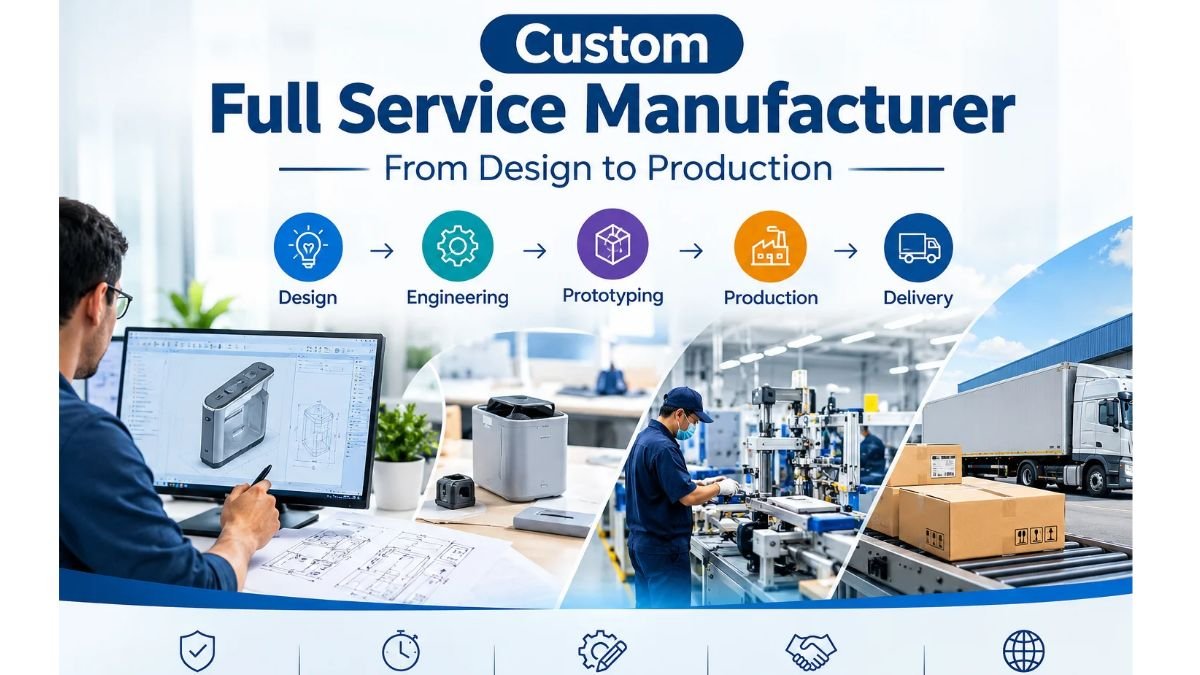
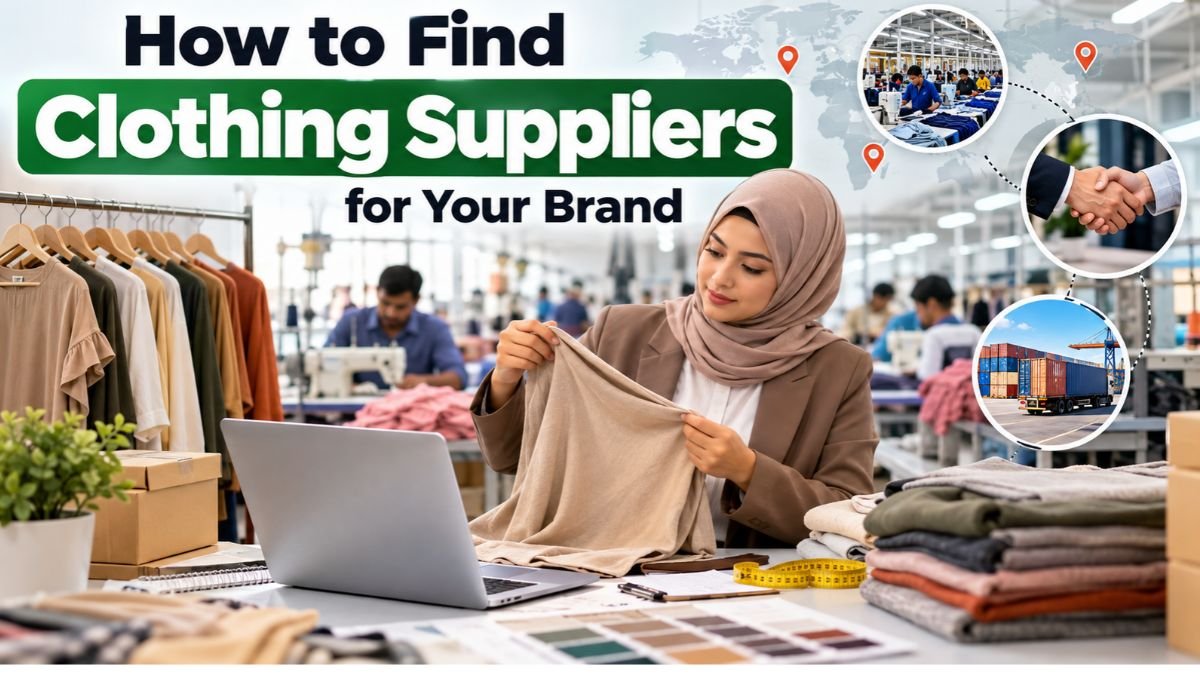
Choosing a custom full service manufacturer can make clothing production easier for startups, growing fashion brands, retailers, and established apparel businesses. Instead of coordinating multiple suppliers, you can work with one manufacturing partner for several stages of product development and production.
These services may include design development, fabric sourcing, sampling, garment manufacturing, custom branding, quality control, packaging, and shipping. The exact services depend on the manufacturer and your project requirements.
If you want to launch a clothing line or expand an existing collection, understanding full-service manufacturing can help you make better sourcing decisions. This guide explains how it works, what services to expect, how pricing and minimum order quantities affect your budget, and how to choose the right partner for your brand.
What Is a Custom Full Service Manufacturer?
A custom full service manufacturer is a manufacturing partner that manages multiple stages of creating a product according to a customer’s requirements. In the clothing industry, this usually means helping brands move from an initial design idea to finished garments ready for delivery.
Depending on the agreement, the manufacturer may handle material sourcing, pattern development, sampling, cutting, sewing, decoration, finishing, quality inspection, labeling, packaging, and shipping.
This approach can reduce the need to coordinate separate suppliers for every production stage. It can also make communication easier because several services are managed through one relationship.
For example, a brand developing custom hoodies may need help selecting fleece, finalizing measurements, creating a sample, applying embroidery, attaching labels, and packing the finished garments. A full-service apparel manufacturer may coordinate these steps under one production plan.
However, the term full service does not mean every supplier offers every service. Always request a written list of included services, outsourced processes, costs, and responsibilities before placing an order.
How Does Full-Service Clothing Manufacturing Work?
The process typically follows a series of stages. Each stage builds on the decisions made earlier, helping ensure the final garments match the approved design.
1. Product Consultation and Planning
The process starts with your product idea and business requirements.
You may already have a finalized design, or you may need assistance turning a concept into a manufacturable garment. The manufacturer reviews the design, target quantity, material preferences, construction details, and expected delivery schedule.
Useful information includes:
- Garment type and intended use
- Design sketches or reference images
- Preferred fabric and colors
- Size range and measurements
- Target order quantity
- Printing or embroidery requirements
- Labels and packaging preferences
- Destination country
You can begin with a design brief or reference images when a complete technical pack is not yet available. The manufacturer can explain what additional information is needed before sampling.
2. Design Development and Technical Specifications
A design must be translated into clear production instructions before manufacturing can begin.
This stage may include creating or reviewing a tech pack. A tech pack is a document containing the technical information needed to make a garment consistently.
It can include measurements, construction details, fabric specifications, color references, stitching instructions, artwork placement, trims, and labeling requirements.
For example, an oversized T-shirt project may require a specific body width, sleeve length, shoulder drop, neckline construction, fabric weight, and print position.
Clear specifications reduce confusion and help the manufacturer prepare an accurate sample.
If you are still developing your first clothing collection, ask whether the manufacturer provides technical development support and whether this service is included in the quotation.
3. Fabric and Trim Sourcing
Fabric selection affects the appearance, comfort, durability, and cost of a garment. A full-service manufacturer may help you source suitable materials and trims.
Common fabric options include:
- Cotton jersey for T-shirts
- French terry for sweatshirts and casualwear
- Brushed fleece for hoodies and tracksuits
- Polyester blends for selected sportswear products
- Stretch fabrics for fitted garments and activewear
- Denim for jeans and jackets
- Twill and canvas for selected workwear products
The best material depends on the intended product, performance requirements, construction, and budget.
You should also confirm the details of trims such as zippers, buttons, drawcords, elastic, labels, and other accessories.
Ask for fabric swatches or material samples when appropriate. Confirm the composition, weight, color, and finish before approving the material for production.
4. Pattern Making and Sampling
Pattern making converts garment measurements and design details into pattern pieces used to cut the fabric. Accurate patterns are essential for achieving the intended fit and construction.
After the specifications and materials are confirmed, the manufacturer can prepare a prototype or pre-production sample.
Use the sample to evaluate the fit, proportions, stitching, fabric, trims, and branding. Try the garment on the intended wearer or fit model when possible.
Record all necessary changes and request revisions before approving the final sample.
A reliable process includes written approval of the physical pre-production sample before bulk manufacturing begins. This gives both parties a clear reference for the agreed product.
5. Bulk Garment Production
Bulk production begins after the required specifications, materials, and sample have been approved.
Depending on the garment, the production process may include fabric inspection, spreading, cutting, sewing, assembly, decoration, finishing, and final checks.
The manufacturer should confirm the production schedule, expected quantities, inspection points, and process for communicating problems.
Changes made after production begins can cause delays or extra costs. Finalize important details before authorizing bulk manufacturing.
6. Quality Control and Inspection
Quality control helps identify defects and confirm that garments match the approved specifications.
Checks may cover:
- Fabric defects and color consistency
- Garment measurements
- Stitching and seam construction
- Print or embroidery placement
- Trim attachment
- Label accuracy
- Finishing and packaging
Some inspections occur during production, while final inspections take place before shipment.
Before ordering, ask what checks are included and how defective items are handled. For large or high-value orders, you may also consider an independent inspection based on agreed acceptance criteria.
7. Branding, Packaging, and Shipping
The final stages prepare garments for delivery.
Branding services may include woven labels, printed neck labels, hang tags, embroidery, screen printing, heat transfer, or other suitable decoration methods.
Packaging can include folding, individual bags, tags, size stickers, and cartons, depending on the order requirements.
For international orders, discuss the shipping method, destination, export documentation, customs responsibilities, and delivery terms. Confirm whether the quotation includes freight, duties, and taxes or whether these are charged separately.
What Services Should a Custom Full Service Manufacturer Offer?
A full-service manufacturer may provide a combination of the following services. Check which ones are included in your specific project.
| Service | Purpose |
|---|---|
| Product development | Turns an idea into clear production requirements |
| Tech-pack support | Documents garment specifications |
| Fabric sourcing | Finds suitable materials and trims |
| Pattern making | Develops patterns for garment construction |
| Sampling | Creates a sample for evaluation and approval |
| Cut-and-sew production | Cuts fabric and assembles garments |
| Printing and embroidery | Adds custom graphics and decoration |
| Quality control | Checks garments against agreed standards |
| Private labeling | Adds branding under your company’s name |
| Packaging | Prepares garments for storage or shipment |
| Export documentation | Supports required shipping paperwork |
| International shipping | Coordinates delivery options |
Some manufacturers provide these services directly, while others coordinate selected processes through specialist partners. Ask who is responsible for each stage and how quality is maintained across the complete process.
Custom Full-Service Manufacturing vs. Traditional Manufacturing
The main difference is the range of services managed by the manufacturing partner.
A traditional cut-and-sew supplier may expect you to provide finalized patterns, materials, and detailed instructions. You may need to coordinate fabric sourcing, printing, labeling, and shipping separately.
A full-service partner can potentially manage more of these activities through a coordinated workflow.
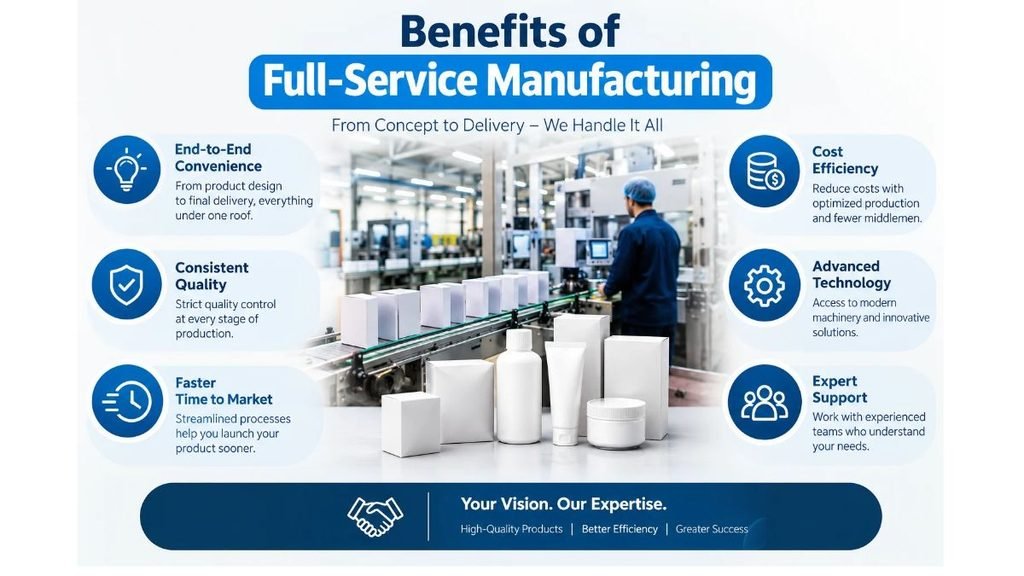
Benefits of Full-Service Manufacturing
Fewer supplier relationships: You may not need to manage separate vendors for materials, production, and decoration.
Simplified communication: One primary contact can coordinate multiple production stages.
Better process coordination: Fabric sourcing, sampling, and bulk production can follow a shared schedule.
Support for developing brands: Brands without an in-house product-development team may benefit from guidance during the early stages.
More organized production: A documented process can help clarify responsibilities, approvals, and quality requirements.
Potential Limitations
Full-service manufacturing is not automatically cheaper or faster. Coordination fees, development costs, material requirements, and shipping can affect the total price.
You may also have less direct control over specialist subcontractors unless the agreement provides transparency about them.
Before choosing a full-service model, compare the total cost, included services, communication process, and level of control with the alternative of coordinating suppliers yourself.
Which Clothing Brands Benefit From Full-Service Manufacturing?
Full-service production can suit different types of apparel businesses, but the most useful services depend on each brand’s stage and goals.
Startups Launching a Clothing Line
New brands often need help understanding fabrics, fit, construction, and production requirements. A manufacturer that supports product development and sampling can help turn an idea into a more detailed production plan.
Start with a manageable product range and establish a clear budget. Avoid ordering more inventory than your business can reasonably sell.
Streetwear Brands
Streetwear collections may include oversized T-shirts, hoodies, sweatpants, jackets, and other custom garments.
These products may require specific fabric weights, relaxed fits, custom washes, embroidery, puff printing, or distinctive labels.
Confirm that the manufacturer has experience with your desired construction and decoration methods.
Activewear and Sportswear Brands
Activewear often requires stretch, recovery, comfort, and durable construction. Some products may also need moisture-wicking fabrics or specialized seams.
Explain how the garment will be used and what performance characteristics matter. Ask about material specifications, fit testing, and relevant quality checks.
Retailers and Established Brands
Established businesses may need consistent repeat production, organized quality control, and clear communication across multiple orders.
A full-service partner can help coordinate sourcing, manufacturing, labeling, and shipping. However, production capacity and repeat-order requirements should be confirmed before committing to a large program.
E-Commerce Businesses
Online brands need products that match photographs, descriptions, and size charts. Consistent sizing and reliable quality can help reduce avoidable customer complaints and returns.
Confirm the final product specifications, packaging requirements, and restocking arrangements before launching the collection.
How Much Does Full-Service Clothing Manufacturing Cost?
The cost depends on the garment, materials, quantity, construction, customization, and services included.
There is no single price that applies to every custom clothing project. A basic T-shirt and a technical jacket require different materials, equipment, labor, and production steps.
Important cost factors include:
Fabric and Material Selection
Fabric composition, weight, quality, finish, and availability influence the cost. Specialty materials or custom fabric production may require additional investment or higher minimum quantities.
Garment Construction
Complex patterns, multiple panels, pockets, lining, special seams, and technical details can increase production time and labor requirements.
Customization
Printing, embroidery, garment dyeing, special washes, woven labels, and custom trims can add costs. The method selected should suit the fabric, design, durability requirements, and budget.
Order Quantity
The total order size affects material purchasing and production planning. Smaller orders may have a higher cost per garment because setup and development expenses are spread across fewer pieces.
Sampling and Development
Pattern development, sample production, revisions, and testing may be charged separately. Ask whether sample costs are credited toward a later bulk order.
Packaging and Shipping
Custom packaging, export documentation, freight, insurance, duties, and taxes may affect the final cost.
Request an itemized quotation that separates the garment price from development, decoration, packaging, and shipping costs. This makes it easier to compare manufacturers fairly.
Understanding MOQ and Production Timelines
Minimum order quantity, or MOQ, is the smallest order a manufacturer accepts under its stated terms.
MOQ can vary by garment type, material, color, construction, and customization. Confirm whether the minimum applies per style, color, or size run.
A lower MOQ can be useful for startups that want to test demand. However, make sure the total cost still fits your business plan.
Production timelines also depend on the complexity of the garment, material availability, sample revisions, order quantity, and factory schedule.
Ask the manufacturer to explain the expected timeline for:
- Material sourcing
- Sample development
- Sample revisions and approval
- Bulk production
- Quality inspection
- Packaging
- Shipping
Production time and shipping transit time are not necessarily the same. Request a project-specific schedule and confirm what could cause delays.
How to Choose the Right Custom Full Service Manufacturer
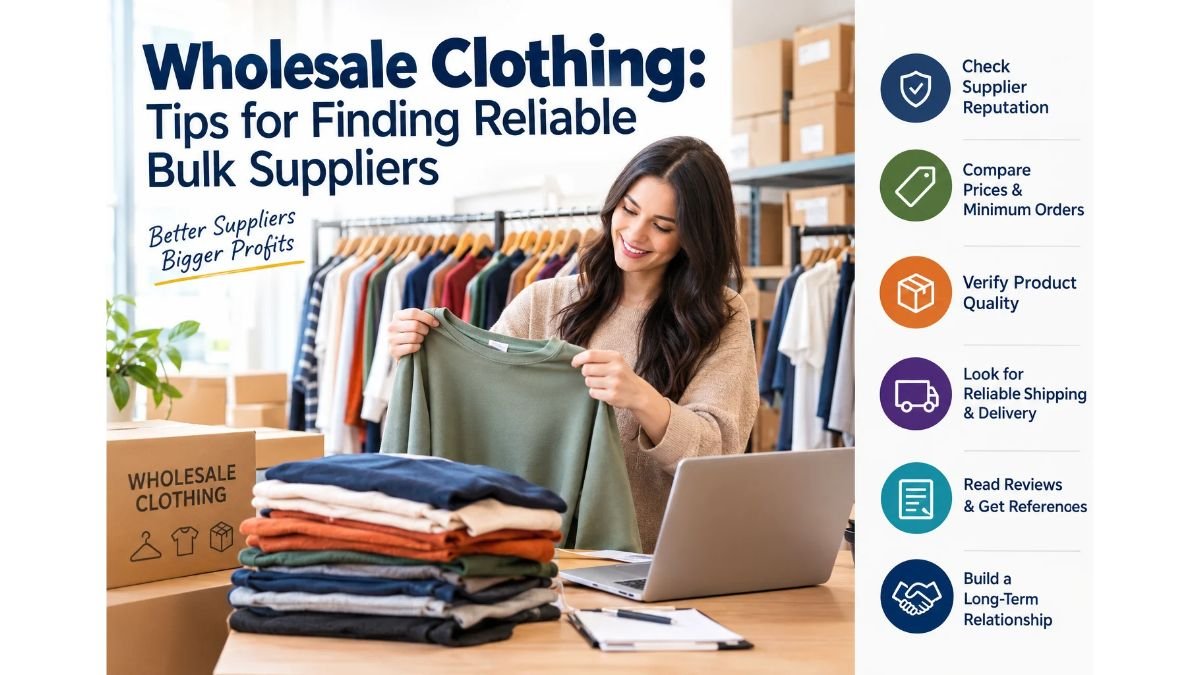
Selecting a manufacturing partner requires more than comparing prices. You should evaluate product expertise, communication, quality procedures, and commercial terms.
Review Relevant Experience
Look for experience with your specific garment category. Ask for product examples that demonstrate the type of construction, material, or decoration you need.
Verify Business Information
Check the company’s identity, business details, address, and communication channels. For significant orders, consider a factory visit, video walkthrough, or other suitable verification.
Request Samples
Samples provide direct evidence of a supplier’s ability to interpret your specifications. Evaluate fit, materials, workmanship, and finishing before authorizing bulk production.
Ask About Quality Control
Find out how materials are inspected, how defects are recorded, and when finished garments are checked. Confirm the acceptance criteria before production.
Compare Written Quotations
Make sure quotations cover the same specifications, quantity, and services. Check payment terms, revision costs, packaging, shipping, and any excluded charges.
Confirm Communication and Accountability
A good supplier should explain requirements clearly and communicate issues promptly. Establish who will manage your order and how approvals or changes should be documented.
Review the Contract
Document the approved specifications, sample, order quantity, price, delivery terms, payment schedule, inspection requirements, and defect-resolution process.
These steps help you evaluate suppliers based on practical evidence rather than marketing claims alone.
Why Work With Fashion Soul International?
Fashion Soul International Private Limited is a factory-owned custom clothing manufacturer based in Sialkot, Punjab, Pakistan. The company provides several apparel production models, including private-label, OEM, ODM, white-label, cut-and-sew, and full-package manufacturing.
Its stated services cover product development, fabric and trim sourcing, sampling, bulk production, quality control, custom branding, packaging, export documentation, and international shipping.
The company manufactures a range of apparel, including:
- Streetwear and casual clothing
- T-shirts and hoodies
- Sportswear and activewear
- Workwear and uniforms
- Jackets and denim
- Tracksuits and other custom garments
- Baby clothing
Fashion Soul International publishes a standard minimum order quantity starting at 100 pieces, with the actual requirements confirmed during quotation. Its published sample-development timeline is typically 7–14 business days. Bulk production is generally stated as 20–35 business days after sample approval, excluding shipping transit unless otherwise specified.
The company’s stated workflow includes physical pre-production sample approval before bulk manufacturing, inline quality checks, and pre-shipment inspection.
For brands considering a custom manufacturing partner, sharing your design brief, product category, estimated quantity, material preferences, and destination country is a practical starting point.
Visit Fashion Soul International to learn more about its manufacturing services and discuss your requirements.
Frequently Asked Questions
What is a custom full service manufacturer?
A custom full service manufacturer manages multiple stages of making a product to a customer’s specifications. In apparel, services may include product development, fabric sourcing, sampling, garment production, branding, quality control, packaging, and shipping.
Is full-service clothing manufacturing suitable for startups?
It can be suitable for startups that need support with product development and production coordination. Compare minimum quantities, sampling costs, customization options, and total expenses before choosing a supplier.
What is the difference between full-package and full-service manufacturing?
The terms are often used similarly in apparel, but their exact meaning varies by supplier. Both can involve several stages of production, while the specific services included must be confirmed in writing.
Does a full-service manufacturer help with fabric sourcing?
Many full-service apparel manufacturers offer fabric and trim sourcing. Confirm the available materials, specifications, swatch approval process, and whether sourcing costs are included in the quotation.
Do I need a tech pack to work with a clothing manufacturer?
A tech pack is helpful because it records the specifications required for production. Some manufacturers can provide development support if you begin with sketches, reference images, or a design brief. Ask what documentation is required before sampling.
Can a full-service manufacturer add custom branding?
Many offer branding options such as printed graphics, embroidery, woven labels, hang tags, and custom packaging. Availability and minimum quantities depend on the product and manufacturing process.
How can I check the quality of a manufacturer?
Review samples, verify business information, ask about inspection procedures, and document the agreed specifications. For larger orders, consider an independent inspection with clear acceptance criteria.
What information should I provide to get a quotation?
Provide the garment type, design references, estimated quantity, fabric preferences, size range, customization requirements, and destination country. A detailed brief helps the manufacturer prepare a more useful estimate.
Conclusion
A custom full service manufacturer can help clothing brands coordinate product development, sourcing, sampling, production, branding, quality control, and delivery through a more organized process.
The right partner depends on your product category, budget, order quantity, and customization needs. Before committing, verify the supplier’s capabilities, review physical samples, compare complete quotations, and document all important requirements.
Whether you are launching your first clothing collection or expanding an established brand, a clear production plan and a reliable manufacturing relationship can help you manage the process more effectively. Take time to compare your options and select a partner that can meet your requirements with clear communication and realistic terms.