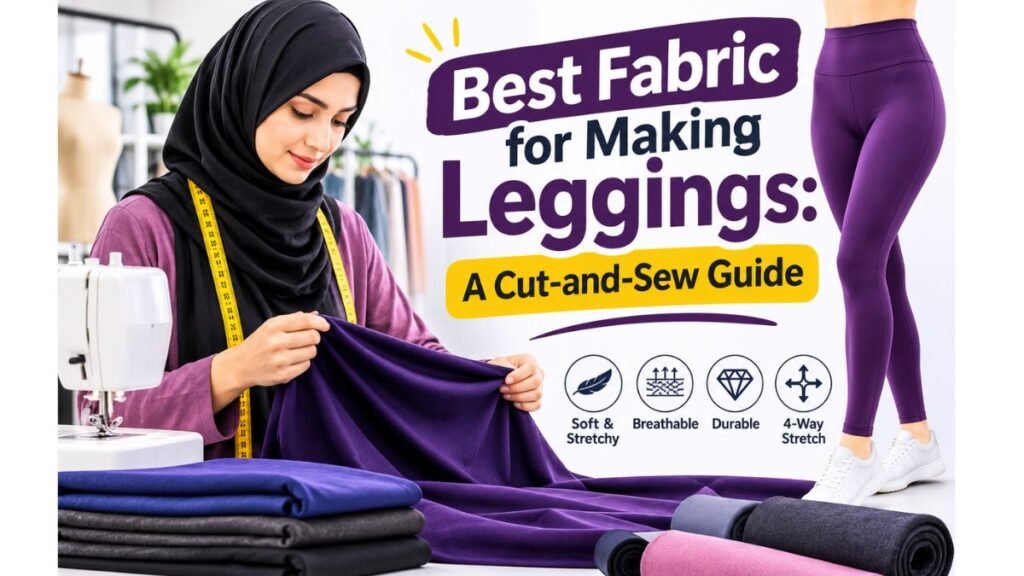
Best Fabric for Making Leggings: A Complete Guide to Choosing the Right Material
Choosing the best fabric for making leggings is one of the most important decisions when developing comfortable, durable, and high-quality activewear. The fabric affects how leggings stretch, fit, feel, and perform during different activities. It also influences their appearance, breathability, opacity, and overall lifespan.
Whether you are starting an activewear brand, developing a private-label collection, or making leggings for personal use, understanding fabric options can help you make better decisions.
Leggings are used for yoga, gym workouts, running, casual outfits, and everyday wear. Each purpose may require different fabric properties. Some materials offer excellent stretch and compression, while others provide softness, moisture management, or lightweight comfort.
In this guide, you will learn about popular fabrics, common material blends, important performance features, and how to choose the right fabric for your leggings.
Why Fabric Selection Matters When Making Leggings
Leggings are close-fitting garments. They need to move with the body without restricting movement or losing their shape. This makes fabric selection especially important.
A fabric that feels soft may not provide enough support for exercise. Similarly, a material with excellent compression may feel uncomfortable during long periods of everyday wear.
The right fabric should match the intended use of the leggings.
Here are some important reasons why fabric selection matters:
- Stretch: Leggings need enough flexibility for bending, stretching, and movement.
- Shape retention: Good recovery helps the garment return to its original shape after stretching.
- Comfort: Softness and a suitable fabric weight improve the wearing experience.
- Breathability: Airflow can help users stay comfortable during physical activity.
- Moisture management: Certain synthetic fabrics help move sweat away from the skin.
- Opacity: The material should provide suitable coverage when stretched.
- Durability: Quality fabric should withstand regular use and washing.
Before choosing a material, decide whether the leggings are designed for sports, yoga, fashion, or everyday clothing.
What Is the Best Fabric for Making Leggings?
There is no single fabric that works best for every type of leggings. However, polyester-spandex and nylon-spandex blends are popular choices for activewear because they combine stretch with useful performance properties.
Nylon blends are often selected for their smooth feel and flexibility. Polyester blends are widely used for their durability, moisture-management options, and versatility.
Cotton-spandex blends can work well for casual leggings when softness and everyday comfort are priorities.
The best option depends on the garment’s purpose, desired fit, price point, and performance requirements.
1. Nylon and Spandex: A Popular Choice for Active Leggings
Nylon and spandex are commonly combined to produce flexible, close-fitting activewear fabrics.
Nylon provides a smooth surface and can offer a soft, comfortable feel. Spandex, also called elastane, adds stretch and helps the garment fit closely to the body.
This combination is frequently used for yoga pants, workout leggings, and other performance garments.
Benefits of Nylon-Spandex Fabric
- Smooth and comfortable surface
- Excellent stretch potential
- Suitable for fitted garment construction
- Flexible movement during exercise
- Good shape recovery when properly engineered
- Suitable for different activewear designs
Nylon-spandex fabric can be a strong option for premium leggings. However, the final performance depends on fiber quality, fabric construction, weight, and finishing.
What Should Brands Consider?
Brands should check whether the material provides sufficient opacity during stretching. They should also test pilling, colorfastness, shrinkage, and recovery.
A soft fabric is not automatically a durable fabric. Testing samples before bulk production helps identify possible issues.
2. Polyester and Spandex: A Versatile Fabric for Leggings
Polyester-spandex is another widely used material for making leggings. It combines polyester’s versatility with the flexibility of spandex.
Polyester fabrics are available in different constructions, weights, and finishes. This makes them suitable for various activewear products.
Benefits of Polyester-Spandex
- Good durability potential
- Flexible and comfortable fit
- Suitable for sportswear and gym leggings
- Available in different fabric weights
- Can support moisture-wicking finishes
- Suitable for printing and different color options
Polyester-spandex blends are commonly considered for gym leggings, running tights, and sports collections.
Is Polyester Good for Making Leggings?
Yes. Polyester can be a suitable choice, especially when combined with spandex. The blend can provide the stretch required for fitted leggings while supporting durability and easy-care properties.
However, not every polyester fabric has the same performance. Brands should evaluate the fabric’s construction, breathability, stretch, and moisture-management characteristics.
For example, a lightweight polyester-spandex fabric may suit certain workout designs, while a heavier construction may be more appropriate for leggings requiring additional coverage.
3. Cotton and Spandex: Comfortable Fabric for Everyday Leggings
Cotton is known for its soft, natural feel. When combined with spandex, it can create a comfortable fabric for casual leggings.
Cotton-spandex blends are often used for everyday clothing, lounge wear, and lightweight fashion leggings.
Advantages of Cotton-Spandex Fabric
- Soft feel against the skin
- Comfortable for everyday use
- Natural cotton fiber content
- Stretch provided by spandex
- Suitable for casual clothing designs
Cotton leggings can be comfortable for relaxed activities. However, cotton generally absorbs more moisture than many synthetic activewear fabrics.
This means it may take longer to dry after intense exercise. Cotton blends may also require careful testing for shrinkage and shape retention.
When Should You Choose Cotton?
Choose cotton-spandex when the main priority is everyday comfort rather than high-performance athletic use.
For example, casual leggings, lounge leggings, and comfortable homewear may benefit from this combination.
For high-intensity workouts, a properly engineered synthetic blend may be more suitable.
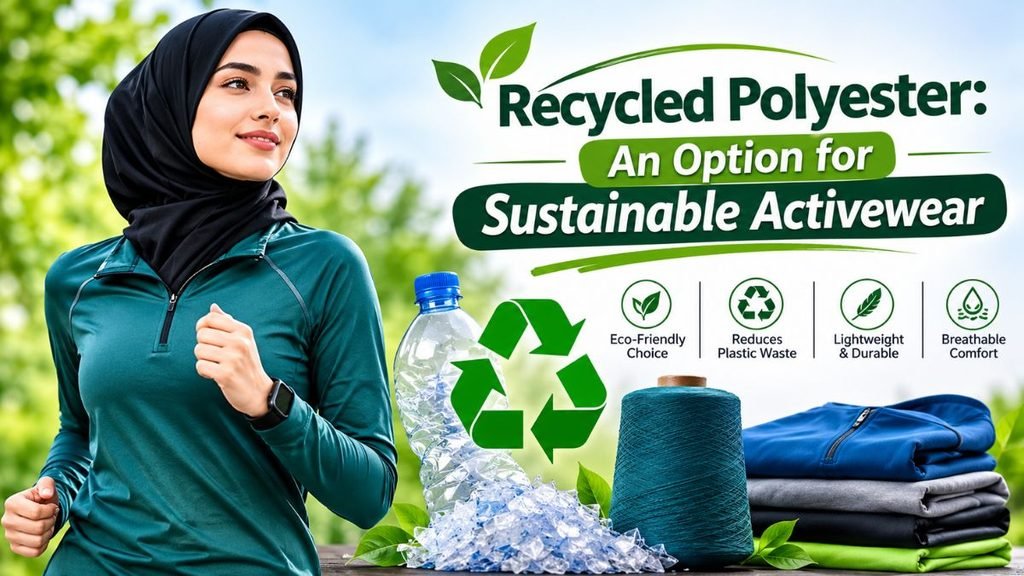
4. Recycled Polyester: An Option for Sustainable Activewear
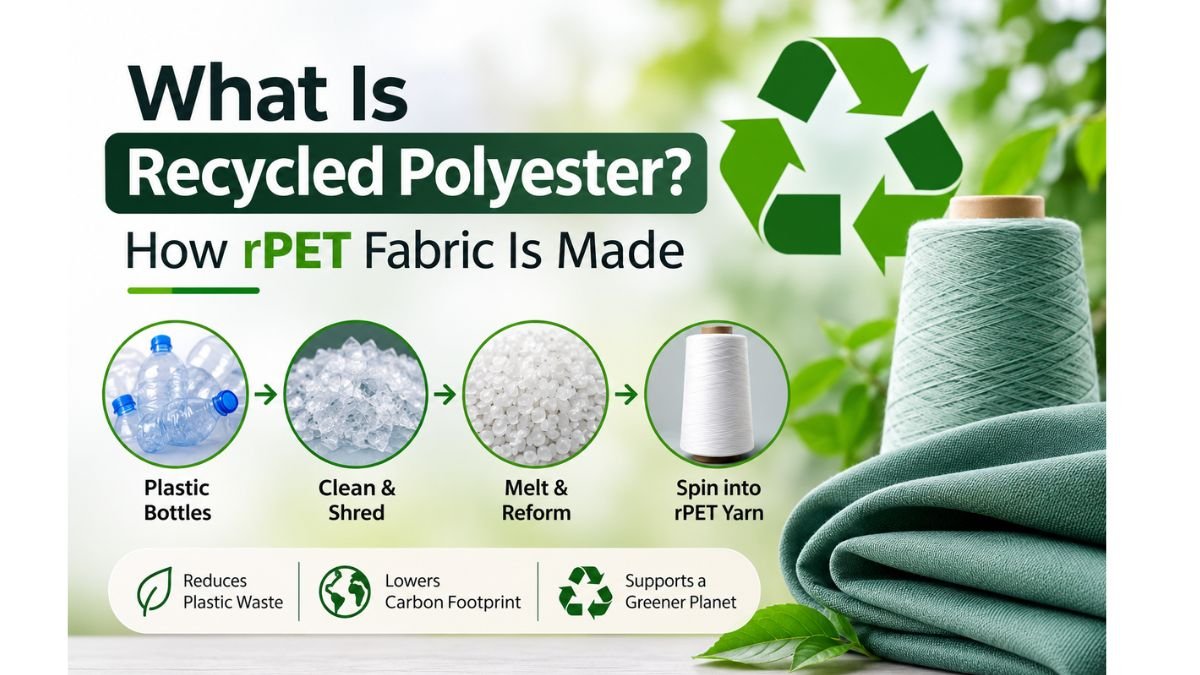
Recycled polyester is made from recycled polyester materials. It can be used to develop different types of activewear fabrics, including leggings.
Many clothing brands explore recycled materials when developing collections with specific environmental goals.
Benefits of Recycled Polyester
- Uses recycled polyester feedstock
- Available in different fabric constructions
- Can be blended with elastane
- Suitable for certain sportswear applications
- Supports material sourcing goals when properly documented
Recycled polyester can offer performance properties similar to conventional polyester, depending on the quality and construction.
However, brands should not assume that every recycled fabric has identical performance or environmental benefits.
Ask suppliers for documentation supporting recycled-content claims. Also test the fabric for stretch, recovery, durability, opacity, and colorfastness.
5. Polyamide Fabric for Premium Leggings
Polyamide is a name commonly used for nylon fibers. It is popular in performance clothing because it can provide a smooth surface and flexible fabric construction.
Polyamide blended with elastane is often considered for premium leggings and fitted sportswear.
Why Consider Polyamide?
- Smooth hand feel
- Suitable for close-fitting garments
- Good flexibility when blended with elastane
- Available in different fabric weights
- Can be developed for different activewear applications
Polyamide fabrics can be useful for brands looking to create leggings with a soft, refined finish.
The actual quality still depends on yarn selection, knitting construction, fabric finishing, and testing.
6. Bamboo-Derived Viscose for Soft Leggings
Bamboo-derived viscose is another material that may be used in clothing. It is made by processing cellulose obtained from bamboo.
This fabric can provide a soft and smooth feel. It is sometimes blended with elastane to improve stretch.
Benefits of Bamboo-Derived Viscose
- Soft texture
- Comfortable feel
- Smooth appearance
- Suitable for certain casual garments
- Can be blended with stretch fibers
However, bamboo-derived viscose should not automatically be described as a natural bamboo fiber. It is a manufactured regenerated cellulose fiber.
It may also require careful consideration of durability, moisture behavior, and care instructions.
For leggings, test the complete fabric rather than selecting it based only on its fiber name.
Comparison of Popular Leggings Fabrics
The following table provides a general comparison of common materials.
| Fabric | Main advantages | Suitable applications |
|---|---|---|
| Nylon-spandex | Smooth feel and stretch | Yoga and activewear leggings |
| Polyester-spandex | Versatility and durability potential | Gym and sports leggings |
| Cotton-spandex | Softness and everyday comfort | Casual and lounge leggings |
| Recycled polyester-spandex | Recycled content and stretch options | Selected activewear collections |
| Polyamide-spandex | Smooth surface and flexibility | Premium fitted leggings |
| Bamboo-derived viscose blends | Soft feel | Selected casual clothing |
The best fabric depends on the required performance, construction, and customer expectations.
What Fabric to Use for Leggings Based on Their Purpose?
When deciding what fabric to use for leggings, begin with the intended activity. Different customers expect different features from their clothing.
Yoga Leggings
Yoga leggings need flexibility and comfort. Users regularly bend, stretch, and change positions.
Nylon-spandex and polyester-spandex blends are common options to consider.
Look for:
- Four-way stretch
- Good stretch recovery
- Comfortable hand feel
- Suitable opacity
- A waistband that stays in place
The fabric should allow movement without becoming uncomfortable or transparent when stretched.
Gym Leggings
Gym leggings may be used for weight training, cardio, and other exercises.
Polyester-spandex and nylon-spandex fabrics can be suitable choices.
Important features include:
- Stretch and flexibility
- Moisture-management performance
- Durability
- Resistance to pilling
- Comfortable construction
The fabric should also withstand repeated washing and regular use.
Running Leggings
Running leggings need to support repeated movement. Depending on the design, brands may prefer lightweight and flexible synthetic blends.
Consider breathability, moisture management, stretch recovery, and seam construction.
Additional features such as reflective details and practical pockets may also be important.
Casual Leggings
Casual leggings are often designed for daily wear, travel, or relaxed activities.
Cotton-spandex can be a suitable choice when softness is the main priority. Other stretch blends can also work depending on the desired appearance and price.
The material should provide a comfortable fit without becoming loose too quickly.
Compression Leggings
Compression-style leggings require careful fabric and construction selection.
A suitable stretch fabric should provide the intended level of support while allowing comfortable movement.
Brands should evaluate the fabric’s stretch behavior, recovery, thickness, and fit through wear testing.
Do not assume that a higher spandex percentage automatically means better compression. Fabric construction and garment patterning also matter.
Important Features to Check Before Buying Fabric to Make Leggings
Selecting the right fiber is only the first step. You should also evaluate the fabric’s technical properties.
1. Stretch and Flexibility
Leggings need to stretch with the body. A fabric with insufficient elasticity may restrict movement or create uncomfortable tension.
Four-way stretch means the material stretches in both lengthwise and crosswise directions.
This can be useful for fitted activewear. However, four-way stretch should be confirmed through fabric testing rather than assumed from the fiber blend.
2. Stretch Recovery
Stretch recovery describes how well a fabric returns toward its original dimensions after being stretched.
Poor recovery can cause leggings to become loose around the knees, waist, or hips.
Ask suppliers about recovery performance and test samples after repeated stretching.
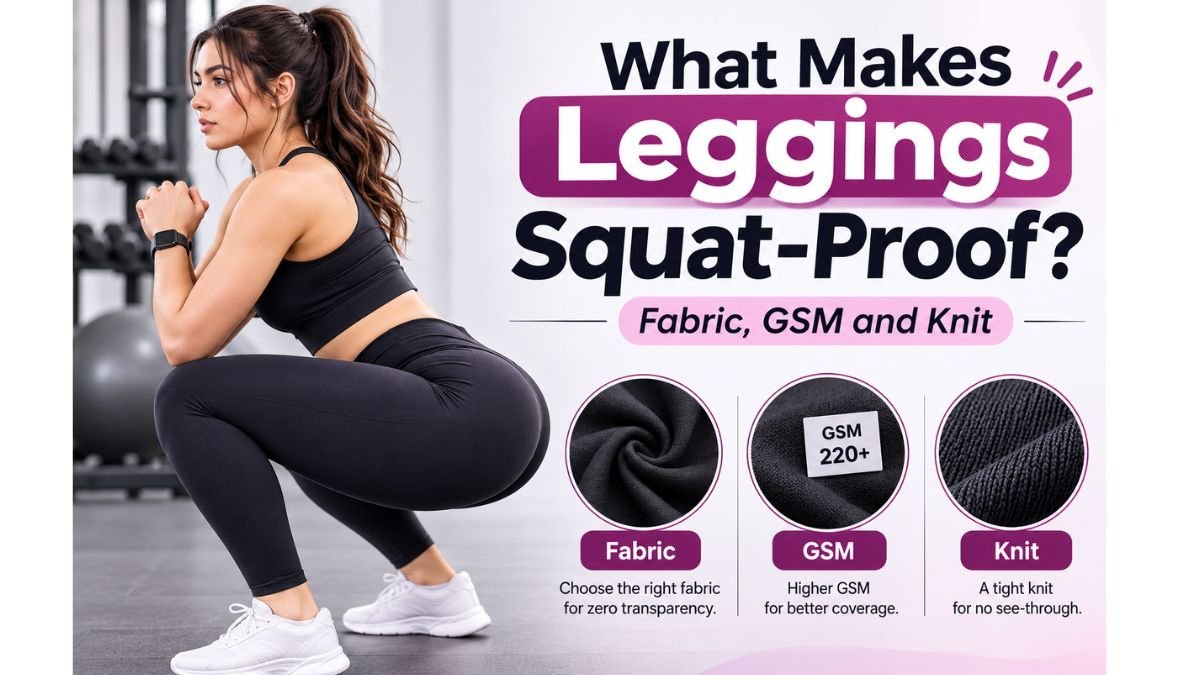
3. Opacity and Coverage
Opacity is particularly important for leggings.
A fabric may appear opaque when laid flat but become transparent when stretched over the body.
Check coverage during different movements, including squats and bending. Test the fabric at the intended garment size and fit.
4. Breathability
Breathability affects how comfortable leggings feel during wear.
Fabric construction, fiber type, thickness, and finishing all influence airflow.
A breathable fabric can be useful for exercise clothing, especially when customers wear leggings for extended periods.
5. Moisture Management
Some activewear fabrics are designed to move moisture away from the skin.
Polyester and nylon fabrics can be developed with moisture-management properties, but these features are not guaranteed by fiber type alone.
Ask whether the material has a moisture-wicking finish and request suitable test information.
6. Durability and Pilling Resistance
Leggings experience repeated friction during exercise and everyday use.
Pilling can affect their appearance. Weak seams or poor fabric recovery can also reduce garment life.
Evaluate:
- Abrasion resistance
- Pilling performance
- Seam strength
- Colorfastness
- Shrinkage
- Resistance to repeated washing
These checks help brands select material that matches their quality expectations.
Understanding GSM When Choosing Leggings Fabric
GSM means grams per square metre. It measures the weight of a fabric over a specific area.
GSM is an important consideration when selecting the material to make leggings because fabric weight can influence coverage, drape, and overall feel.
However, higher GSM does not automatically mean better quality.
A lightweight fabric may be suitable for certain designs, while a heavier fabric may provide a more substantial feel. The right choice depends on the intended product.
When comparing suppliers, consider GSM alongside:
- Fiber composition
- Fabric construction
- Stretch percentage
- Recovery
- Opacity
- Breathability
- Intended garment use
Always request a physical swatch before confirming a bulk fabric order.
How to Choose the Right Material to Make Leggings
Choosing fabric becomes easier when you follow a clear sourcing process.
Step 1: Define Your Target Customer
Understand who will wear the leggings.
Are you developing clothing for yoga enthusiasts, gym users, runners, or everyday customers?
Each audience may prioritize different features.
For example, yoga customers may value flexibility and comfort. Gym customers may look for durability and moisture management.
Step 2: Decide the Leggings Style
The garment design affects fabric requirements.
High-waisted leggings, compression leggings, seamless styles, and everyday leggings may need different material specifications.
Consider the waistband, seams, pockets, panels, and overall fit before choosing fabric.
Step 3: Select the Fiber Blend
Compare available materials such as nylon-spandex, polyester-spandex, and cotton-spandex.
Ask suppliers for exact fiber percentages. Do not rely only on general descriptions such as stretch fabric or premium activewear material.
Step 4: Request Fabric Swatches
Swatches allow you to examine the material before ordering.
Check the surface, softness, thickness, stretch, recovery, and appearance.
If possible, wash and stretch the swatches to understand how they behave after use.
Step 5: Test the Fabric
Testing helps identify problems before production.
Important tests may include:
- Stretch and recovery testing
- Opacity testing
- Pilling resistance
- Abrasion resistance
- Colorfastness
- Shrinkage
- Seam performance
The required tests depend on the product and quality standards.
Step 6: Compare Price and Availability
Fabric price can affect the final cost of leggings.
Compare suppliers based on quality, minimum order quantity, available colors, lead times, and consistency.
The cheapest material may not provide the performance your customers expect.
How Leggings Are Manufactured Using Different Fabrics
After selecting the material, the next step is garment development and manufacturing.
The process may vary depending on the product design and production method.
1. Design and Product Development
The brand prepares the leggings design, measurements, fabric requirements, and construction details.
A tech pack can include:
- Technical sketches
- Measurement specifications
- Fabric composition
- GSM requirements
- Color details
- Stitching instructions
- Waistband specifications
- Logo placement
- Label and packaging details
A clear specification helps the manufacturer understand the product.
2. Fabric and Trim Sourcing
The manufacturer sources fabric and required trims according to the approved specifications.
This may include elastane-blend fabric, elastic, drawcords, labels, threads, and other components.
Fabric availability should be checked before confirming the production schedule.
3. Sample Development
A sample is produced to evaluate the design, measurements, fit, and construction.
The brand should review the sample carefully.
Check whether the leggings provide suitable coverage, stretch, waistband support, and comfort.
Changes should be communicated before bulk production.
4. Cutting and Sewing
Once the sample is approved, the production team prepares fabric for cutting.
Pattern pieces are cut according to the approved measurements. Workers then assemble the garment using suitable stitching methods.
Stretch fabrics require appropriate sewing techniques to help seams move with the material.
5. Quality Control
Quality checks help identify problems during and after production.
Inspectors may review measurements, stitching, fabric defects, print placement, and finishing.
For leggings, particular attention should be given to seams, waistband construction, and fabric opacity.
6. Finishing and Packaging
The finished leggings are checked, folded, labeled, and packed according to the buyer’s requirements.
Packaging details should be confirmed before bulk production begins.
Common Mistakes to Avoid When Selecting Leggings Fabric
Even an attractive fabric may not perform well in the finished garment.
Avoid these common mistakes when choosing fabric to make leggings.
Choosing fabric based only on softness: Softness matters, but stretch recovery, opacity, and durability are also important.
Ignoring fabric transparency: Always check how the material looks when stretched.
Selecting the wrong GSM: Fabric weight should match the garment’s purpose. A heavier material is not automatically better.
Ignoring shrinkage: Test the fabric before production to understand how it behaves after washing.
Not checking pilling: Repeated friction can affect the appearance of leggings.
Assuming every stretch fabric is suitable: Stretch fabrics vary in recovery, construction, and performance.
Skipping sample approval: A sample helps identify issues before a larger production order.
Ignoring customer needs: The right fabric for casual leggings may not be suitable for intense workouts.
Why Work With a Professional Leggings Manufacturer?
Working with an experienced clothing manufacturer can help brands manage fabric selection, product development, sampling, and production.
A manufacturing partner can provide guidance on fabric availability, construction methods, and garment specifications.
Fashion Soul International is a factory-owned custom clothing manufacturer based in Sialkot, Pakistan. The company offers private-label, OEM, ODM, white-label, and cut-and-sew manufacturing services.
Its services include product development, fabric and trim sourcing, sampling, bulk production, quality control, branding, packaging, export documentation, and international shipping.
For leggings and other activewear projects, brands can discuss their preferred fabric composition, GSM, stretch requirements, colors, and construction details.
The company works with materials that include polyester, cotton, and stretch fabrics. Exact fabric availability and specifications should be confirmed for each project.
What Should You Discuss With Your Manufacturer?
Before starting production, share important product details.
These may include:
- Leggings design and reference images
- Required fabric composition
- Target GSM
- Stretch and recovery expectations
- Color and size range
- Logo and decoration requirements
- Quantity per style
- Packaging specifications
- Delivery destination
Fashion Soul International publishes a standard MOQ starting at 100 pieces per style. Actual requirements can vary by fabric, color, design, construction, and decoration.
Sample development and bulk production timelines should also be confirmed for the specific order. Bulk production begins after the customer approves the physical pre-production sample.
Clear communication helps reduce misunderstandings and supports a smoother manufacturing process.
Frequently Asked Questions
1. What Is the Best Fabric for Making Leggings?
Nylon-spandex and polyester-spandex are popular options for making activewear leggings. They can provide flexibility and a comfortable fitted construction. The best choice depends on the intended activity, fabric weight, and required performance.
2. What Fabric Is Commonly Used for Gym Leggings?
Polyester-spandex and nylon-spandex are commonly considered for gym leggings. These blends can offer stretch and support different activewear constructions. Fabric performance should be tested before production.
3. Is Cotton Good for Making Leggings?
Cotton-spandex can be a good option for casual and everyday leggings. It provides a soft feel and some stretch. However, cotton may retain more moisture than many synthetic activewear fabrics.
4. How Much Spandex Should Leggings Have?
The required spandex percentage depends on the fabric construction, intended fit, and performance goals. There is no single percentage that works for every leggings design. Ask the fabric supplier for specifications and test the finished material.
5. What GSM Is Best for Leggings?
There is no universal GSM for leggings. Lightweight, medium-weight, and heavier fabrics can all be suitable for different designs. Choose GSM based on coverage, comfort, stretch, and intended use.
6. Is Polyester Better Than Nylon for Leggings?
Neither is always better. Nylon can provide a smooth feel, while polyester offers versatility and durability potential. Both can work well when blended with elastane and properly constructed.
7. Can Recycled Polyester Be Used for Leggings?
Yes. Recycled polyester can be used in leggings fabric and blended with elastane. Brands should confirm the recycled content and test the material for the required performance.
8. How Can I Check Whether Leggings Fabric Is High Quality?
Check stretch recovery, opacity, pilling resistance, abrasion performance, colorfastness, and shrinkage. Also inspect the fabric’s surface and comfort. A physical sample is useful before confirming production.
Conclusion
Choosing the best fabric for making leggings requires more than selecting a material that feels comfortable. You need to consider stretch, recovery, opacity, breathability, durability, and the intended use of the garment.
Nylon-spandex and polyester-spandex are popular choices for activewear. Cotton-spandex can work well for casual leggings, while recycled polyester and other specialty blends offer additional sourcing options.
The best material is the one that matches your design, target customer, quality expectations, and budget.
If you are developing a leggings collection, start with clear fabric specifications, request samples, and test the material before bulk production. Working with a suitable manufacturing partner can also help you manage product development and create leggings that meet your brand’s requirements.