Squat Proof Leggings: How to Choose the Best Workout Leggings
Squat proof leggings are an essential part of a comfortable and reliable workout wardrobe. Whether you are lifting weights, practicing yoga, running, or performing bodyweight exercises, your leggings should provide proper coverage and support. They should stretch with your body without becoming transparent during movement.
However, not all leggings offer the same level of coverage. Some fabrics become see-through when stretched, while others lose their shape after repeated washing. The right combination of fabric, construction, fit, and opacity makes a significant difference.
Understanding what makes leggings squat proof can help shoppers choose better activewear. It can also help clothing brands develop high-quality workout collections that meet customer expectations.
This guide explains how squat proof leggings work, which materials provide better coverage, how to test leggings before buying, and what brands should consider during manufacturing.
What Are Squat Proof Leggings?
Squat proof leggings are workout leggings designed to maintain coverage when the wearer bends, stretches, or performs squats. Their fabric should remain sufficiently opaque when stretched over the hips, thighs, and other areas.
Regular leggings may look thick enough when standing. However, their material can become transparent during exercise. This often happens when the fabric is stretched beyond its comfortable limit.
Squat proof designs address this problem through suitable fabric selection, adequate thickness, stretch recovery, and proper garment construction.
Good squat proof leggings generally offer:
- Reliable coverage during squats and lunges.
- Four-way stretch for comfortable movement.
- A supportive waistband that stays in place.
- Fabric that recovers its original shape.
- Comfortable seams that reduce irritation.
- Moisture management for active workouts.
Squat proof does not automatically mean completely opaque under every condition. Lighting, fabric color, size, and fit can affect how much coverage leggings provide.
Why Are Squat Proof Leggings Important?
Workout clothing should support movement without creating unnecessary distractions. When leggings become transparent during exercise, wearers may feel uncomfortable or lose confidence.
Squat proof leggings help solve this issue by offering better coverage during common fitness movements.
1. Better Confidence During Exercise
Confidence is important when performing exercises in public gyms or fitness studios. Leggings that maintain coverage allow wearers to concentrate on their workout.
They can perform squats, lunges, stretching, and other movements without constantly checking their clothing.
2. Comfortable Movement
High-quality workout leggings should move naturally with the body. Their fabric should stretch without feeling restrictive.
This is particularly important during exercises that involve deep bending, hip movement, and leg extension.
3. Reliable Coverage
Coverage is one of the most important features of activewear. A suitable fabric construction helps reduce transparency when the garment stretches.
However, the correct size is equally important. Even thick fabric can become transparent if leggings are too tight.
4. Better Shape Retention
Good leggings should return to their original shape after stretching. This property is called stretch recovery.
Poor recovery can cause fabric to become loose around the knees, hips, or waistband. Strong stretch recovery helps leggings maintain their fit after repeated workouts.
How to Tell If Leggings Are Squat Proof
Knowing how to tell if leggings are squat proof can prevent uncomfortable purchases. You do not need complicated equipment to check basic fabric coverage.
A few simple tests can help you understand whether leggings provide suitable opacity and fit.
1. Perform the Squat Test
The squat test is one of the easiest ways to check leggings.
Wear the leggings in a well-lit area and perform several deep squats. Check the fabric around your hips, thighs, and seat.
If the material becomes noticeably transparent, the leggings may not provide enough coverage for your workouts.
For a more reliable assessment, ask someone you trust to check the fabric under normal lighting.
2. Check the Fabric in Bright Lighting
Lighting can affect how transparent fabric appears. Some leggings look completely opaque indoors but become see-through under bright lights.
Stand near a window or use normal bright indoor lighting. Stretch the fabric gently and check whether the skin becomes visible.
Avoid relying only on product photographs because studio lighting can hide fabric transparency.
3. Check the Fabric Thickness
Fabric thickness can influence opacity, but thicker material is not always better.
A heavy fabric may provide coverage but feel uncomfortable during intense exercise. The goal is to find a balanced material that offers sufficient opacity, stretch, and breathability.
Check the fabric construction and product specifications before purchasing.
4. Choose the Correct Size
Wearing leggings that are too small can increase transparency.
When fabric stretches beyond its intended capacity, the spaces between its yarns may become more visible. This can make the material appear thinner.
Choose a size that fits comfortably around the waist, hips, and thighs without excessive tension.
5. Check the Fabric Recovery
Stretch the material gently and release it. Good-quality fabric should return close to its original shape.
Leggings with poor recovery may become loose after repeated movement. This can affect their fit and overall appearance.
6. Read Customer Reviews
Customer reviews can provide useful information about real-world performance.
Look for comments that specifically mention:
- Transparency during squats.
- Fabric thickness and softness.
- Waistband stability.
- Stretch and recovery.
- Performance after washing.
- Comfort during different exercises.
Reviews from customers who perform similar activities can be particularly helpful.
Best Fabrics for Squat Proof Workout Leggings
Fabric selection plays a major role in the performance of squat proof workout leggings. The right material should combine opacity, flexibility, durability, and moisture management.
Different fabrics offer different benefits. Brands should consider their target customers and intended activities before choosing a material.
1. Nylon and Spandex
Nylon blended with spandex is a popular choice for performance leggings.
Nylon provides a smooth surface, durability, and good stretch performance when combined with elastane. Spandex helps the fabric stretch and recover its original shape.
Benefits include:
- Smooth and comfortable texture.
- Good flexibility.
- Supportive fit.
- Suitable stretch recovery.
- Lightweight construction options.
The final performance depends on yarn quality, fabric weight, knitting structure, and the percentage of each fiber.
2. Polyester and Spandex
Polyester and spandex blends are also widely used in activewear.
Polyester offers durability and can be developed with moisture-management properties. Spandex adds flexibility and helps the leggings maintain their shape.
This combination can work well for gym training, running, and general fitness activities.
Brands should evaluate the finished fabric rather than choosing it based only on fiber names.
3. Nylon-Based Performance Fabric
Some leggings use specialized nylon-based knitted fabrics designed for a supportive and smooth feel.
These materials can offer a balance of stretch, softness, and coverage. Their performance depends on fabric density, yarn construction, and finishing.
A well-developed nylon fabric can be suitable for premium activewear collections.
4. Polyester Interlock
Polyester interlock is a knitted fabric structure commonly used in sportswear.
It can provide a smooth surface and stable construction. When combined with suitable elastane content, it can offer the flexibility required for workout leggings.
Brands should test its opacity, stretch, and recovery before approving it for production.
5. Cotton and Spandex
Cotton and spandex blends provide a soft, familiar feel.
Cotton offers comfort and breathability, while spandex improves flexibility. However, cotton-based leggings may absorb more moisture than some performance polyester fabrics.
They may be suitable for light exercise, casual wear, and certain yoga collections.
For intense workouts, brands should carefully assess moisture management and drying performance.
What Makes Leggings Truly Squat Proof?
Choosing a suitable fabric is only one part of creating squat proof leggings. Several design and manufacturing factors influence the final result.
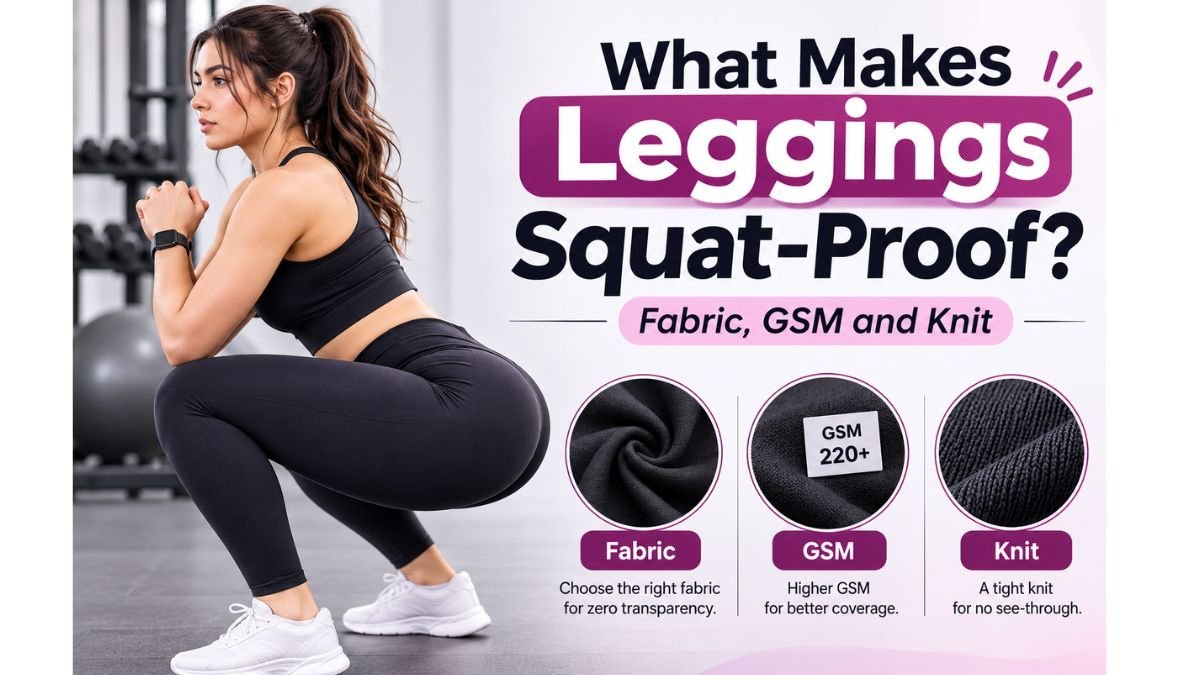
Fabric Weight and GSM
GSM means grams per square meter. It measures the weight of fabric and helps manufacturers compare different materials.
Fabric weight can influence opacity, durability, and garment feel. However, a higher GSM does not automatically guarantee better coverage.
Two fabrics with the same GSM can perform differently because of their yarn, knitting structure, fiber composition, and finishing.
Brands should test the actual fabric rather than relying on GSM alone.
Fabric Density
Fabric density describes how closely the yarns and loops are arranged.
A suitable knitted construction can help reduce gaps that become visible when the material stretches.
The knitting structure should provide enough coverage while maintaining comfortable flexibility.
Four-Way Stretch
Four-way stretch allows fabric to stretch both horizontally and vertically.
This feature is useful for exercises involving bending, squatting, twisting, and stretching.
However, stretch should be balanced with recovery. Material that stretches easily but does not recover properly may lose its shape over time.
Waistband Construction
The waistband affects both comfort and garment stability.
A supportive waistband should stay in place during movement without creating excessive pressure.
High-waisted leggings are popular because they provide additional coverage around the waist. However, waistband height alone does not make leggings squat proof.
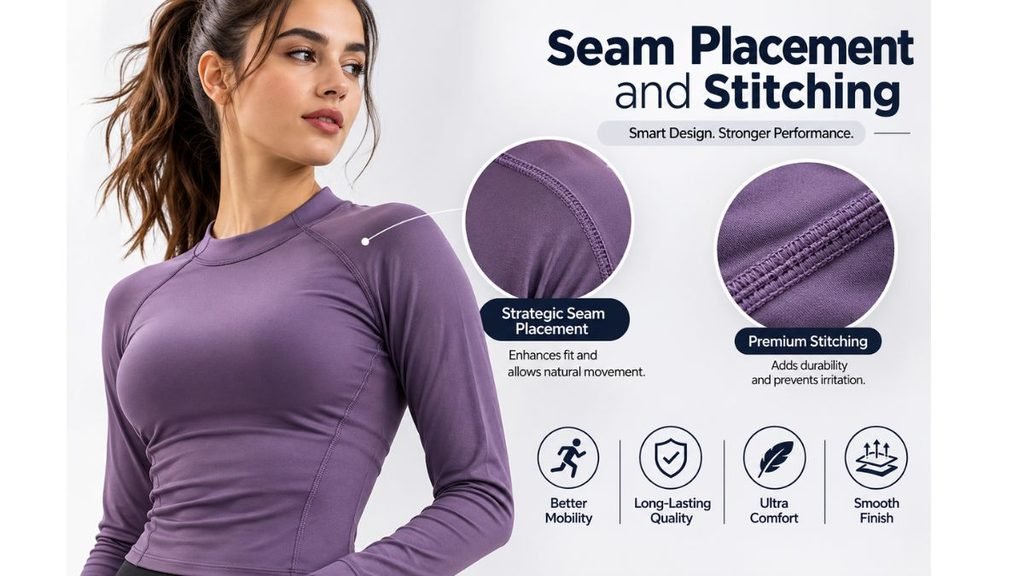
Seam Placement and Stitching
Seams influence the comfort, durability, and fit of workout leggings.
Flatlock stitching can help reduce friction in areas where seams contact the skin. Reinforced construction may improve durability in high-stress areas.
The pattern and seam placement should also allow the wearer to move freely.
Color and Dye Quality
Dark colors are often perceived as more opaque, but color alone cannot guarantee coverage.
Light colors may require additional attention during fabric selection and testing.
Manufacturers should evaluate the finished dyed fabric because dyeing and finishing processes can influence its final appearance and performance.
Breathable Squat Proof Legging: What Should You Look For?
A breathable squat proof legging should provide coverage while allowing comfortable airflow and moisture management.
Breathability matters because exercise increases body temperature and sweating. Leggings that trap too much heat or moisture may become uncomfortable during longer workouts.
Look for these features when selecting breathable leggings.
Moisture-Wicking Properties
Moisture-wicking fabric helps move sweat away from the skin toward the outer surface, where it can spread and evaporate.
Polyester-based performance fabrics are commonly developed for this purpose.
However, moisture-wicking performance depends on the complete fabric construction and finishing.
Lightweight Construction
Lightweight fabric can improve comfort during exercise. However, it should not sacrifice the coverage required for squat proof performance.
A well-designed fabric balances weight, opacity, flexibility, and durability.
Flexible Knitted Structure
Knitted fabrics are widely used for activewear because they can provide natural flexibility.
The right knitting structure allows leggings to stretch during movement while maintaining a comfortable fit.
Comfortable Fit
Breathability also depends on how leggings fit the body.
Overly tight clothing may restrict movement and make heat feel more noticeable. Choose a size that provides support without excessive compression.
Squat Proof Leggings vs. Regular Leggings
Regular leggings and squat proof leggings may look similar, but their intended performance can differ.
| Feature | Regular Leggings | Squat Proof Leggings |
|---|---|---|
| Main purpose | Everyday comfort | Exercise and active movement |
| Fabric coverage | Varies | Designed to maintain opacity when stretched |
| Stretch | Depends on material | Usually developed for active movement |
| Recovery | Varies | Should maintain shape after stretching |
| Waistband | Different styles | Often designed for workout stability |
| Testing | May focus on general wear | Should include movement and opacity checks |
Not every regular legging is transparent, and not every product marketed as squat proof will perform equally well. Always check the fit, fabric, and testing results.
How to Choose the Best Squat Proof Yoga Pants
Squat proof yoga pants should support flexibility, comfort, and coverage during different yoga positions.
Yoga involves deep stretches, forward folds, lunges, and balance movements. Leggings should remain comfortable throughout these activities.
Consider the following factors before buying.
1. Choose Stretchable Fabric
Look for materials with sufficient elastane or spandex content.
The fabric should stretch naturally during yoga poses without creating excessive tension.
2. Check the Waistband
A stable waistband can help prevent leggings from rolling down during movement.
Choose a design that stays comfortable during forward bends and stretching exercises.
3. Look for Soft Fabric
Soft fabric can improve comfort during longer yoga sessions.
Nylon and spandex blends are common choices for smooth, flexible activewear.
4. Consider Breathability
Yoga can involve both gentle movement and physically demanding sequences.
Choose fabric that feels comfortable and manages moisture according to your exercise intensity.
5. Check Coverage in Different Positions
Do not test leggings only while standing.
Try bending, stretching, and performing different yoga positions. Check whether the material maintains suitable coverage throughout movement.
Common Mistakes When Buying Squat Proof Leggings
Even experienced fitness enthusiasts can make mistakes when purchasing workout leggings.
Avoiding these common problems can help you choose a better product.
Choosing Leggings Only by Appearance
Attractive colors and designs do not guarantee performance.
Always consider fabric specifications, construction, and customer feedback.
Assuming Thick Fabric Is Always Better
Heavy fabric may provide coverage but can feel warm during exercise.
A balanced fabric construction is more important than thickness alone.
Buying the Wrong Size
Very tight leggings may stretch beyond their intended capacity.
Always check the size chart and consider your waist, hips, and body measurements.
Ignoring Fabric Recovery
Leggings that lose their shape can become uncomfortable after repeated use.
Look for products that provide good stretch recovery and follow the care instructions.
Skipping the Squat Test
Product descriptions may use terms such as squat proof or high coverage. However, a simple movement test can help you evaluate the actual product.
How Should You Care for Squat Proof Leggings?
Proper care can help maintain the appearance and performance of activewear.
Follow these general washing recommendations, while always checking the garment’s care label.
- Wash leggings according to the recommended temperature.
- Use a mild detergent.
- Avoid excessive fabric softener when the care label advises against it.
- Turn leggings inside out before washing.
- Avoid washing them with rough items that may cause abrasion.
- Use a suitable drying method.
- Avoid excessive heat if the fabric contains elastane.
- Store leggings in a clean and dry place.
Repeated exposure to high heat and harsh washing conditions may damage elastic fibers.
Good care habits can help leggings maintain their fit, stretch, and appearance for longer.
How Clothing Brands Can Develop Squat Proof Leggings
For clothing brands, developing reliable activewear requires more than choosing a popular fabric.
Brands need to consider product design, fabric sourcing, sampling, testing, and manufacturing quality.
1. Define Your Target Market
Start by identifying the customers you want to serve.
Your collection might target:
- Gym and strength-training enthusiasts.
- Yoga and Pilates customers.
- Running and fitness communities.
- Premium activewear shoppers.
- Everyday athleisure customers.
Different customers may expect different levels of compression, coverage, softness, and breathability.
2. Select the Right Fabric
Choose a fabric according to the intended use of the leggings.
Nylon-spandex and polyester-spandex blends are common options for performance activewear.
Evaluate fabric composition, GSM, stretch, recovery, opacity, and moisture management.
3. Develop a Technical Specification
A tech pack helps communicate the design and manufacturing requirements.
It may include:
- Legging measurements.
- Fabric composition and GSM.
- Color specifications.
- Waistband dimensions.
- Stitching details.
- Seam placement.
- Logo position.
- Label and packaging requirements.
Clear specifications help reduce misunderstandings during sampling and production.
4. Develop a Physical Sample
A physical sample allows brands to evaluate the garment before bulk manufacturing.
Check the fit, waistband, seams, fabric feel, and overall appearance.
Perform squat and stretch tests under suitable lighting. If the fabric becomes transparent, consider changing its construction, weight, or composition.
5. Test Fabric Performance
Testing should cover more than appearance.
Depending on the product requirements, brands may evaluate:
- Opacity during stretching.
- Stretch and recovery.
- Pilling resistance.
- Colorfastness.
- Seam strength.
- Dimensional stability.
- Moisture-management performance.
Testing helps identify problems before they affect larger production quantities.
6. Approve the Final Sample
Review the finished sample against the approved specifications.
Bulk production should begin only after the brand approves the required sample and confirms the important product details.
7. Maintain Quality Control
Quality control helps ensure that finished leggings match the approved design and specifications.
Checks may include measurements, stitching, fabric defects, color consistency, logo placement, and finishing.
A clear inspection process helps reduce avoidable production issues.
Working With a Custom Activewear Manufacturer
Choosing the right manufacturing partner is important when launching a squat proof leggings collection.
A suitable manufacturer should understand stretch fabrics, activewear construction, sampling, branding, and quality control.
Fashion Soul International is a factory-owned custom clothing manufacturer based in Sialkot, Pakistan. The company offers private-label, OEM, ODM, white-label, cut-and-sew, and full-package apparel manufacturing services.
Its product development and manufacturing services cover fabric and trim sourcing, sampling, bulk production, quality checks, custom branding, packaging, and international shipping.
For activewear projects, available material options include polyester interlock, four-way stretch spandex fabrics, moisture-wicking polyester, and other fabric choices depending on product requirements.
Brands can discuss their preferred fabric composition, garment specifications, colors, design details, and production quantities during the development process.
The company’s standard MOQ starts at 100 pieces per style. However, actual minimum quantities depend on the product, fabric, colors, construction, and decoration requirements.
Sample development typically takes 7–14 business days, while published bulk production estimates are 20–35 business days after sample approval. Actual timelines should be confirmed for each project.
Brands should discuss their testing requirements clearly. Squat proof performance must be evaluated through appropriate fabric and garment testing rather than assumed from the material name alone.
FAQs About Squat Proof Leggings
1. What does squat proof mean in leggings?
Squat proof means leggings are designed to maintain suitable fabric coverage when the wearer performs squats, bends, and stretches. Their material should not become noticeably transparent during normal exercise movements.
2. How to tell if leggings are squat proof?
Wear the leggings and perform several deep squats under normal bright lighting. Check the fabric around the hips and thighs for transparency. Also consider fabric thickness, fit, and customer reviews.
3. What fabric is best for squat proof leggings?
Nylon-spandex and polyester-spandex blends are popular choices. Their performance depends on fabric construction, GSM, stretch, recovery, and opacity.
4. Are thicker leggings always squat proof?
No. Thickness alone does not guarantee opacity. Fabric density, fiber composition, knitting structure, fit, and stretch all influence coverage.
5. Are black leggings always squat proof?
No. Black fabric may hide transparency better in some situations, but color does not guarantee coverage. The material should still be tested during movement.
6. Are squat proof yoga pants suitable for gym workouts?
Yes, many squat proof yoga pants can also be used for gym workouts. However, check whether their fabric, support, and construction suit your exercise activities.
7. What makes a breathable squat proof legging?
A breathable squat proof legging combines suitable fabric coverage with comfortable airflow and moisture management. Polyester performance blends and selected nylon-based fabrics can be developed for these properties.
8. Can leggings become see-through after washing?
They can lose performance if elastic fibers become damaged or the fabric wears down. Following the care label and avoiding excessive heat can help maintain their original condition.
9. Do high-waisted leggings provide better coverage?
High-waisted leggings provide additional coverage around the waist and abdomen. However, their waist height does not automatically make the fabric squat proof.
10. Can clothing brands manufacture custom squat proof leggings?
Yes. Brands can work with activewear manufacturers to develop custom leggings using selected fabrics, colors, measurements, waistbands, and branding. They should request physical samples and test opacity before approving bulk production.
Conclusion
Squat proof leggings combine suitable fabric construction, stretch, recovery, fit, and reliable coverage. They help fitness enthusiasts move comfortably during squats, yoga, strength training, and other activities.
When choosing leggings, check their opacity under bright lighting, perform a squat test, select the correct size, and review the fabric specifications. Nylon-spandex and polyester-spandex blends are popular options, but actual performance depends on the finished fabric and garment construction.
For clothing brands, product development should include careful fabric selection, technical specifications, physical sampling, performance testing, and quality control. These steps help create activewear that meets customer expectations and supports a dependable product collection.