Apparel Sourcing: A Complete Guide to Finding the Right Clothing Manufacturers
Introduction to Apparel Sourcing
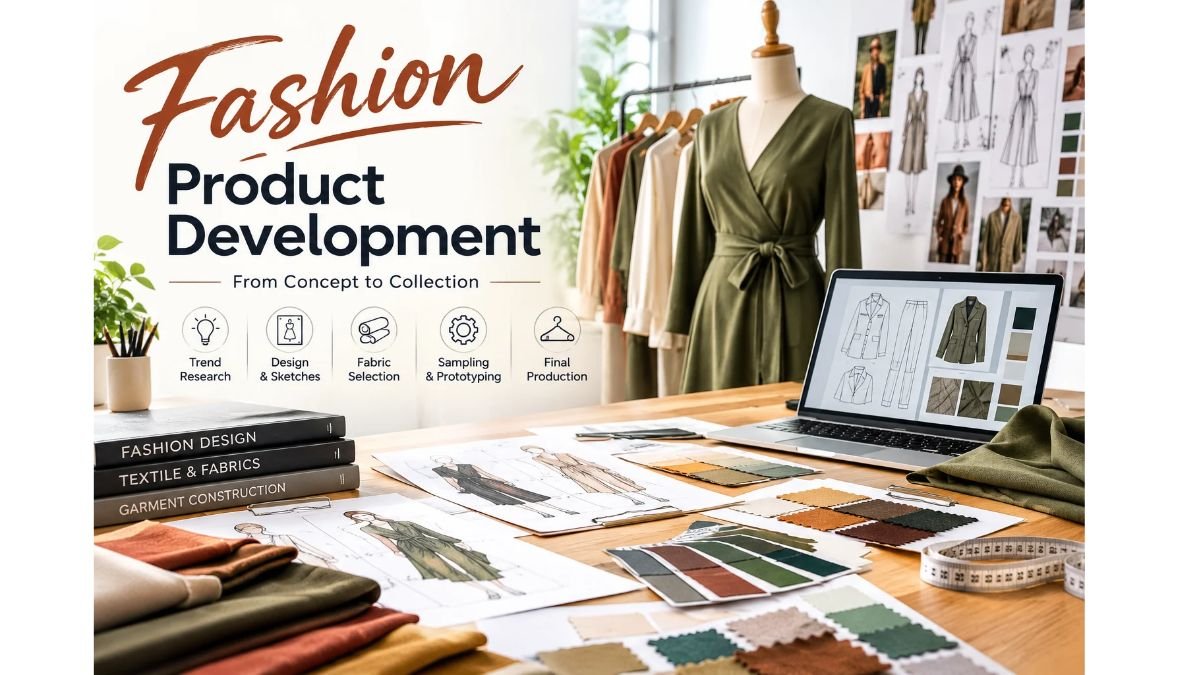
Apparel sourcing is an essential part of the fashion industry because it helps clothing brands find the right manufacturers, fabrics, suppliers, and production partners. Whether a business is launching a new clothing line or expanding an established fashion brand, an effective sourcing strategy can improve product quality, manage production costs, and support long-term growth.
The process involves identifying reliable suppliers, comparing manufacturing capabilities, negotiating prices, selecting materials, and ensuring that finished garments meet the required quality standards. Successful apparel sourcing also requires careful planning, clear communication, and an understanding of the global garment supply chain.
Today, brands can source clothing from local manufacturers or international production hubs, depending on their budgets, product requirements, and target markets. Working with a professional clothing sourcing agency can simplify this process by connecting businesses with suitable suppliers and helping coordinate production.
This guide explains how apparel sourcing works, why it matters, how to find reliable suppliers, and what fashion businesses should consider when choosing a sourcing partner.
What Is Apparel Sourcing?
Apparel sourcing is the process of finding and selecting suppliers, manufacturers, and materials needed to produce clothing. It covers several activities, including fabric selection, product development, sample creation, cost negotiation, manufacturing coordination, quality control, and shipping.
For example, a fashion startup planning to launch a collection of hoodies needs to identify a manufacturer that can produce the required designs, source suitable fleece fabric, apply custom branding, and deliver the finished products within the agreed timeline.
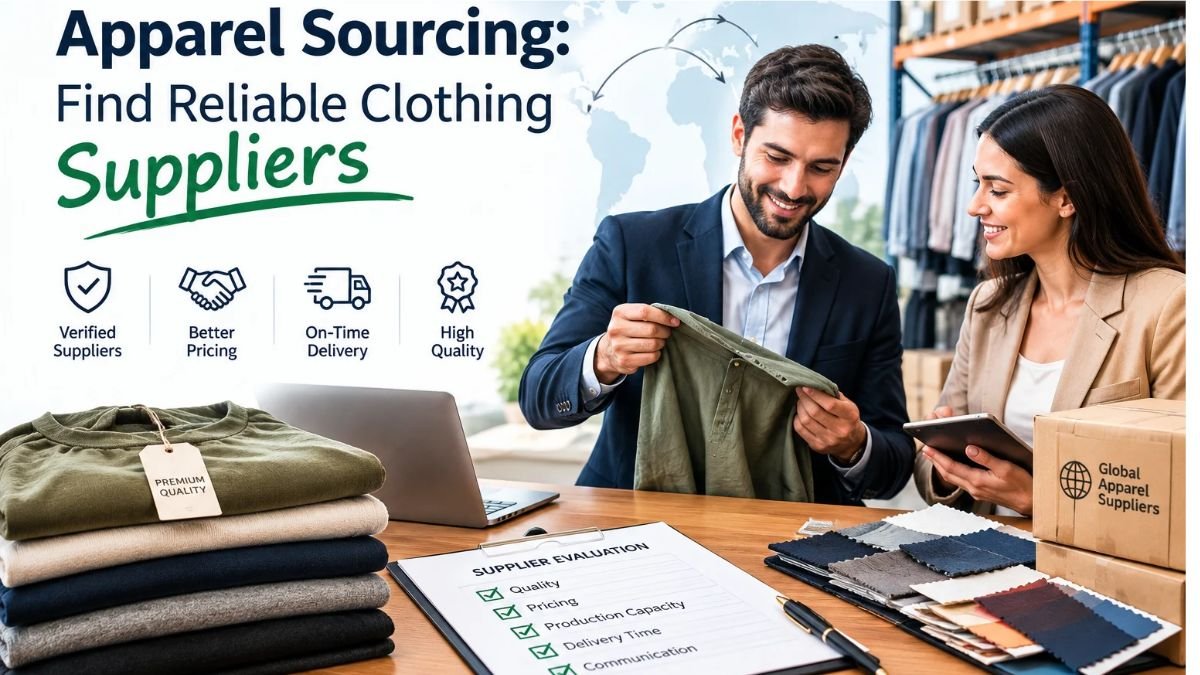
The sourcing process helps the business evaluate different suppliers before committing to bulk production. Instead of selecting a manufacturer based only on price, brands can compare quality, production capacity, communication, minimum order quantities, and delivery reliability.
Apparel sourcing is useful for businesses of different sizes, including independent designers, online stores, private-label brands, retailers, and established fashion companies.
Why Apparel Sourcing Matters for Fashion Businesses
A well-planned sourcing strategy can directly influence a clothing brand’s profitability, reputation, and ability to compete.
1. Better Product Quality
Quality begins with the selection of suitable fabrics, trims, and manufacturing partners. A reliable supplier understands garment construction, stitching requirements, finishing methods, and the importance of consistent production standards.
Brands should request samples before placing bulk orders. Reviewing fabric weight, fit, stitching, color, and durability helps identify problems before large quantities are manufactured.
2. Effective Cost Management
Production costs include more than the price of each garment. Fabric, trims, labor, packaging, transportation, customs duties, and quality inspections can all affect the final cost.
Comparing multiple suppliers helps brands understand the actual cost of production. A manufacturer offering a lower unit price may not provide the best overall value if shipping costs are high or quality problems lead to expensive returns.
3. Reliable Production Timelines
Fashion businesses often work around seasonal collections, promotional campaigns, and product launches. Delays in sourcing materials or manufacturing garments can affect inventory and sales.
A professional sourcing partner can help coordinate suppliers, monitor production progress, and communicate potential delays before they become major problems.
4. Greater Product Flexibility
Different clothing brands require different production capabilities. Some need basic T-shirts, while others require technical activewear, denim, outerwear, or custom-designed garments.
Effective apparel sourcing allows brands to identify manufacturers with the equipment, experience, and materials required for their specific products.
5. Business Growth and Scalability
As a clothing business grows, its production requirements may change. A supplier suitable for a small collection might not have the capacity to handle larger orders.
Building relationships with dependable manufacturers makes it easier to plan future collections, increase order volumes, and maintain consistent product standards.
Understanding the Clothing Sourcing Process
Clothing sourcing involves several stages. Following a structured process reduces uncertainty and helps brands make informed purchasing decisions.
Step 1: Define Your Product Requirements
Before contacting suppliers, determine exactly what you want to produce. Create a clear product brief that includes garment types, target customers, sizes, colors, fabric preferences, quantities, and branding requirements.
For example, a brand developing premium cotton T-shirts should specify the desired fabric composition, fabric weight, fit, neckline, stitching details, labels, and packaging.
Providing clear specifications allows manufacturers to quote more accurately and reduces misunderstandings during production.
Step 2: Research Potential Suppliers
Search for manufacturers that specialize in your product category. Industry directories, trade fairs, professional referrals, business websites, and sourcing agencies can help identify potential partners.
Review each supplier’s product range, manufacturing experience, production capacity, and communication practices. Request examples of previous work when possible.
Do not rely exclusively on online reviews or attractive product photographs. Verify business details and request samples before making a significant financial commitment.
Step 3: Compare Quotes and Minimum Order Quantities
Once you have shortlisted suppliers, request detailed quotations. Each quote should explain the unit price, sample charges, minimum order quantity, production timeline, payment terms, packaging costs, and shipping arrangements.
Minimum order quantity, commonly called MOQ, refers to the smallest order a supplier is willing to accept under specified conditions.
Some manufacturers offer smaller production runs, while others focus on large wholesale orders. Choose a supplier whose MOQ matches your budget and expected sales.
Step 4: Develop and Approve Samples
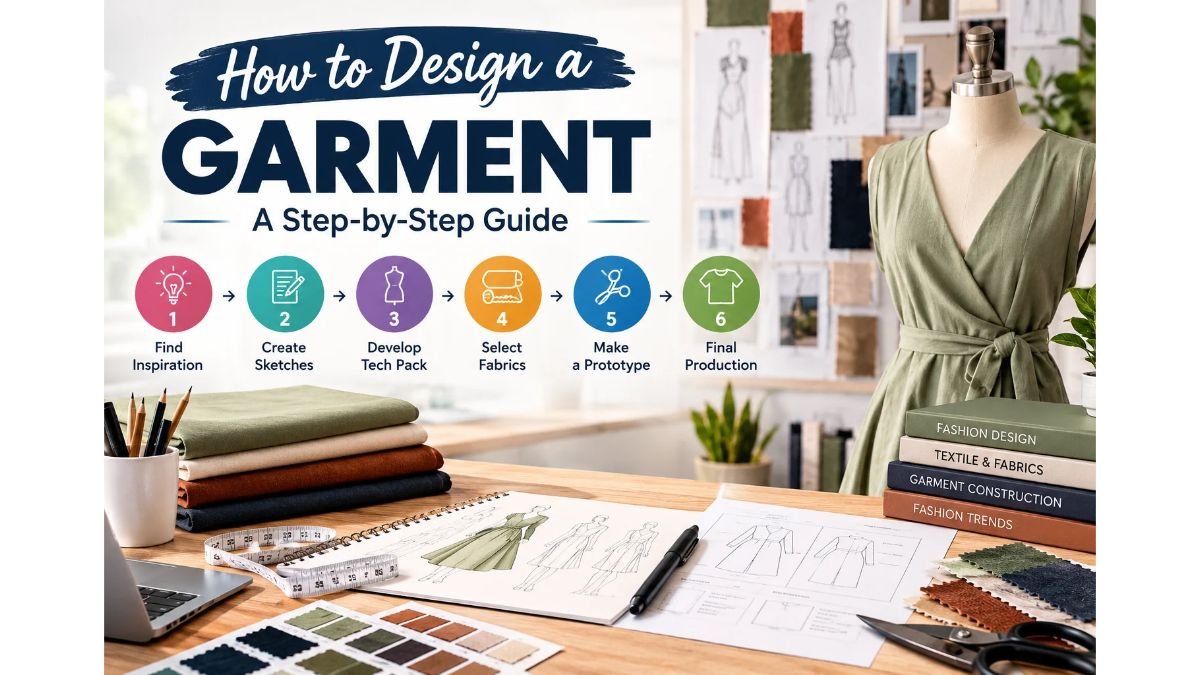
Sampling allows a brand to evaluate a garment before bulk production. Depending on the product, the process may include a prototype, fit sample, size set, and pre-production sample.
Check measurements, fabric quality, stitching, trims, colors, prints, embroidery, and overall appearance. Test the garment for comfort and performance where relevant.
Approve the final sample in writing and ensure the manufacturer understands that bulk production should follow the approved specifications.
Step 5: Monitor Bulk Production
After sample approval, the manufacturer begins bulk production according to the agreed schedule.
Maintain communication with the supplier and request updates at important production stages. For larger orders, arrange appropriate quality inspections during manufacturing and before shipment.
Documenting changes and approvals helps prevent disputes about design details, quantities, and finishing requirements.
Step 6: Arrange Quality Control and Shipping
Before shipment, verify the order quantity, measurements, workmanship, labeling, packaging, and other agreed specifications.
Brands importing garments should also understand shipping methods, customs documentation, applicable duties, and import requirements in their destination markets.
A successful sourcing process ends when the products arrive in the expected condition and meet the agreed standards.
What Is Clothing Sourcing in the Fashion Industry?
Clothing sourcing is the practical process of obtaining finished garments or arranging their production through suitable suppliers. Although the terms apparel sourcing and clothing sourcing are often used interchangeably, sourcing requirements can vary depending on the product and business model.
A retailer purchasing ready-made garments from a wholesaler follows a different process from a fashion brand commissioning custom garments from a factory.
Ready-made sourcing may prioritize availability, price, and delivery speed. Custom production usually requires technical specifications, fabric selection, sampling, branding, and production planning.
For brands developing distinctive collections, working directly with a manufacturer can provide more control over garment design and construction. Businesses that want to minimize supplier research and coordination may benefit from an experienced sourcing intermediary.
What Does a Clothing Sourcing Agency Do?
A clothing sourcing agency helps fashion businesses find suitable manufacturers and coordinate the purchasing or production process. Its exact responsibilities depend on the services offered and the agreement with the client.
A sourcing agency may assist with:
- Identifying manufacturers that match product requirements.
- Requesting and comparing supplier quotations.
- Coordinating fabric and trim sourcing.
- Managing sample development and revisions.
- Communicating technical specifications.
- Monitoring production schedules.
- Organizing quality inspections.
- Coordinating packaging, shipping, and export documentation.
For new clothing brands, these services can reduce the time spent researching suppliers and communicating with multiple factories.
However, not every agency provides the same level of support. Some primarily introduce buyers to manufacturers, while others offer end-to-end production management.
Before hiring an agency, clarify its fees, supplier relationships, quality-control responsibilities, communication process, and accountability for delays or defective products.
Fashion Sourcing: How Brands Choose the Right Suppliers
Fashion sourcing involves more than finding a factory that can produce garments at a competitive price. It requires aligning product design, materials, manufacturing capabilities, cost, quality, and delivery expectations.
Fabric and Material Selection
Fabric selection affects comfort, appearance, durability, and garment performance. Cotton, polyester, fleece, denim, linen, and stretch blends serve different purposes.
For example, activewear may require moisture management and stretch recovery, while premium casualwear may prioritize softness, structure, and durability.
Brands should consider fabric composition, weight, color consistency, shrinkage, and care requirements before approving materials.
Manufacturing Specialization
A supplier experienced in basic T-shirts may not have the right expertise for technical sportswear or complex outerwear.
Look for manufacturers with relevant product experience, suitable machinery, trained workers, and a proven understanding of your garment category.
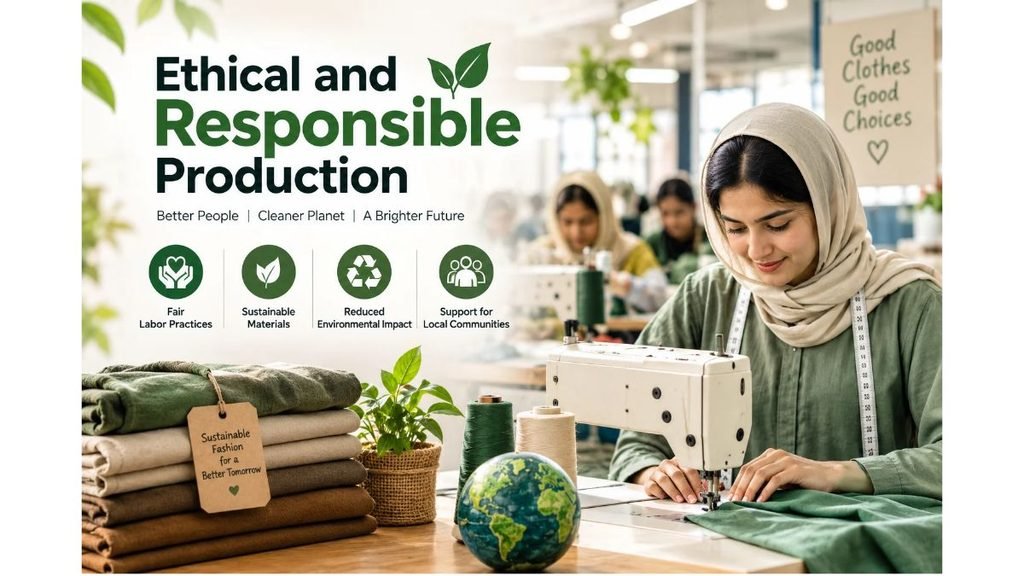
Ethical and Responsible Production
Businesses increasingly need to understand the working conditions and environmental practices associated with their supply chains.
Ask suppliers about workplace safety, labor policies, material traceability, waste management, and relevant certifications. Verify claims through appropriate documentation or independent assessments rather than relying solely on marketing statements.
Communication and Reliability
Good communication helps prevent costly misunderstandings. Suppliers should respond clearly to questions, explain production limitations, and provide realistic delivery estimates.
A reliable sourcing relationship depends on transparency, documented agreements, and consistent follow-through.
Apparel Sourcing in New York: Opportunities for Fashion Brands
New York is an important fashion business center, offering access to designers, showrooms, fabric suppliers, wholesalers, and apparel industry professionals.
For businesses searching for apparel sourcing New York services, local sourcing can be useful when close communication, in-person meetings, or faster sample reviews are priorities.
Local suppliers may also simplify certain stages of product development because brands can meet partners directly and review samples without international shipping.
However, local production costs, manufacturing capacity, and minimum order quantities vary considerably. A New York-based sourcing company may also work with factories located elsewhere in the United States or overseas.
Before selecting a partner, ask where garments will actually be manufactured, which services are handled locally, and whether the quoted price includes factory coordination, quality inspections, and logistics.
Brands should compare local and international options based on total landed cost, quality, lead time, order flexibility, and the level of oversight required.
How to Find a Reliable Apparel Sourcing Agent
An apparel sourcing agent acts as an intermediary between clothing brands and manufacturers. Depending on the agreement, the agent may help locate factories, negotiate production terms, arrange samples, monitor orders, and coordinate communication.
Choosing the right agent is important because the agent’s supplier network and working practices can influence product quality and production reliability.
Check Industry Experience
Look for an agent with experience in your product category. Ask about previous projects involving similar fabrics, garment construction methods, production volumes, and quality requirements.
Experience with your specific product type is often more useful than general claims about serving the fashion industry.
Verify Supplier Relationships
Ask how the agent evaluates factories and whether the manufacturers have the equipment and capacity needed for your order.
Whenever possible, obtain factory details and clarify whether you will communicate directly with the manufacturer during development and production.
Understand Fees and Pricing
Some agents charge a fixed service fee, while others earn commissions or include their costs in supplier quotations.
Request a written breakdown of charges and ask whether the agent receives commissions from manufacturers. Transparent pricing makes it easier to evaluate the total cost of the arrangement.
Confirm Quality-Control Procedures
Ask who checks samples, monitors production, and inspects finished garments. Determine whether inspection costs are included and what happens if products fail to meet agreed specifications.
Start With a Manageable Order
If the supplier relationship is new, begin with a sample order or manageable production run when practical. This allows you to evaluate communication, quality, and delivery performance before committing to larger quantities.
Apparel Sourcing Agent vs. Direct Manufacturer
Fashion brands can source products through an intermediary or work directly with a factory. Each approach has advantages and limitations.
| Factor | Sourcing agent | Direct manufacturer |
|---|---|---|
| Supplier discovery | Can identify multiple factories | Requires independent research |
| Communication | Agent may coordinate discussions | Direct factory communication |
| Service fees | May include agency fees or commissions | No separate agent fee unless otherwise agreed |
| Production oversight | Depends on the agent’s services | Depends on the brand’s own monitoring |
| Supplier flexibility | May offer access to several factories | Usually limited to the selected factory |
| Best suited for | Brands needing sourcing support | Brands able to manage supplier relationships |
Neither option is automatically better. A sourcing agent can be valuable when a business lacks experience or needs help coordinating multiple suppliers. Direct manufacturing can be suitable for brands that already understand product development and have the resources to manage production.
Some manufacturers also provide full-package services, combining development, material sourcing, manufacturing, branding, and shipping coordination.
Garment Sourcing for Different Types of Clothing Brands
Garment sourcing requirements vary according to the type of clothing being produced and the business model.
Startups and Small Clothing Brands
Startups often work with limited budgets and uncertain demand. Smaller MOQs, transparent pricing, and accessible sampling services can help reduce initial inventory risk.
A startup should prioritize essential products, test customer demand, and avoid ordering large quantities before understanding which designs sell consistently.
Private-Label Clothing Brands
Private-label brands sell products manufactured by another company under their own branding. Depending on the supplier, these products may be existing designs or customized garments.
Before selecting a partner, clarify whether the arrangement allows changes to fabrics, measurements, labels, packaging, and other design elements.
Activewear Brands
Activewear requires careful attention to stretch, recovery, breathability, moisture management, seam construction, and durability.
Brands should test garments under realistic conditions and ensure that fabrics and construction methods are appropriate for the intended activity.
Streetwear and Casualwear Brands
Streetwear and casualwear collections may emphasize oversized fits, distinctive graphics, heavyweight fabrics, embroidery, custom washes, or specialized finishing.
Manufacturers should understand the brand’s aesthetic and have the production capabilities required to reproduce the approved samples consistently.
Established Retailers
Retailers with larger purchasing volumes may focus on production capacity, consistent quality, reliable replenishment, and supplier diversification.
Working with more than one qualified manufacturer can reduce dependence on a single supplier, although it requires careful coordination to maintain consistent product standards.
Common Apparel Sourcing Mistakes to Avoid
Even experienced businesses can encounter sourcing problems when they overlook important details.
Choosing a Supplier Based Only on Price
Low prices may seem attractive, but poor workmanship, inconsistent materials, and shipping delays can increase total costs.
Compare complete quotations and evaluate quality, reliability, and service before making a decision.
Skipping Sample Approval
Ordering bulk production without approving a representative sample creates unnecessary risk. A garment may differ from the intended design in measurements, fabric weight, color, or construction.
Always document sample approval and agreed product specifications.
Ignoring Minimum Order Quantities
A factory’s MOQ may apply per style, color, fabric, or other production variable. Confirm the exact requirements before finalizing an order.
Do not assume that a quoted MOQ applies to every variation in a collection.
Failing to Document Agreements
Verbal promises can lead to misunderstandings. Record specifications, prices, payment milestones, delivery dates, inspection standards, and remedies for nonconforming products in a written agreement.
Overlooking Shipping and Import Costs
The quoted manufacturing price may exclude freight, insurance, customs duties, taxes, and local handling charges.
Calculate the expected landed cost before setting retail prices or confirming a purchasing budget.
Neglecting Supplier Verification
Fraudulent intermediaries and unqualified suppliers can create financial and operational risks.
Verify business identities, review documentation, check references, and use appropriate payment protections. Be cautious of unusual payment requests or pressure to transfer large amounts before supplier verification.
How Technology Is Changing Apparel Sourcing
Digital tools are making sourcing more accessible and improving communication between brands, agents, and manufacturers.
Online supplier directories allow buyers to compare potential production partners. Digital tech packs help communicate measurements, materials, construction details, and branding requirements.
Video meetings and digital sample reviews can accelerate early discussions, while production-management systems help teams track milestones, orders, and quality issues.
Some businesses also use data analytics to estimate demand, monitor supplier performance, and reduce excess inventory.
However, technology does not eliminate the need for physical samples, supplier verification, or appropriate quality inspections. Digital tools are most effective when combined with clear processes and professional oversight.
Sustainable Apparel Sourcing and Responsible Manufacturing
Sustainability is becoming an important consideration for clothing brands seeking to reduce environmental impact and improve supply-chain transparency.
Responsible apparel sourcing can include selecting suitable lower-impact materials, reducing unnecessary production, improving durability, minimizing packaging waste, and working with suppliers that follow responsible labor practices.
Material selection should be based on credible evidence rather than broad environmental claims. Organic fibers, recycled materials, and other alternatives have different benefits and limitations depending on how they are produced, processed, transported, and used.
Brands can also reduce waste by forecasting demand more carefully, choosing manageable order quantities, and designing garments that remain useful over time.
Supplier assessments should consider both environmental practices and working conditions. Certifications may provide useful evidence, but their scope and validity should be checked.
A practical sustainability strategy focuses on measurable improvements and transparent communication rather than making unsupported claims about products or factories.
How to Calculate the Total Cost of Apparel Sourcing
Understanding the full cost of sourcing helps fashion businesses establish realistic budgets and pricing strategies.
The total cost may include:
- Fabric and garment production.
- Trims, labels, prints, and embroidery.
- Product development and sample charges.
- Packaging and labeling.
- Sourcing agent fees, where applicable.
- Quality inspections and testing.
- Freight and cargo insurance.
- Customs duties, taxes, and handling charges.
- Warehousing and domestic transportation.
For example, a garment with a low factory price may become more expensive after international shipping and import charges are included.
Brands should compare suppliers using estimated landed cost per sellable unit. They should also consider the potential costs of defective garments, delays, returns, and unsold inventory.
Accurate cost planning supports more informed decisions about retail pricing, profit margins, and future production volumes.
Questions to Ask Before Choosing a Clothing Sourcing Partner
Before committing to a manufacturer or sourcing agency, ask questions that clarify the supplier’s capabilities and working process.
- What types of garments do you specialize in?
- Where will the products be manufactured?
- What is the minimum order quantity for each style and color?
- Can you source the required fabrics and trims?
- What sampling services do you provide?
- How long do sampling and bulk production usually take?
- What quality-control procedures are available?
- Are third-party inspections permitted?
- What payment terms and cancellation conditions apply?
- Who manages shipping, export documents, and import coordination?
- What happens if the finished garments do not meet approved specifications?
- Can you provide references or evidence of previous relevant work?
The answers should help you assess whether the partner is suitable for your budget, product requirements, and expected production schedule.
Conclusion
Apparel sourcing is a critical process for clothing brands that want to develop quality products, control production costs, and build reliable supply chains. From researching manufacturers and selecting fabrics to approving samples and arranging quality inspections, every stage contributes to the success of a clothing collection.
Whether a business chooses direct manufacturing, a clothing sourcing agency, or an experienced apparel sourcing agent, the right partnership depends on transparent communication, verified capabilities, realistic pricing, and clearly documented expectations.
Fashion brands should compare suppliers carefully, consider total landed costs, test samples before bulk production, and establish quality standards from the beginning. They should also evaluate ethical practices, production flexibility, and the supplier’s ability to support future growth.
With a structured approach to clothing sourcing and fashion sourcing, businesses can make better production decisions, reduce avoidable risks, and create a stronger foundation for long-term success in the competitive apparel industry.