How to Start a Small Clothing Business From Home: A Step-by-Step Guide
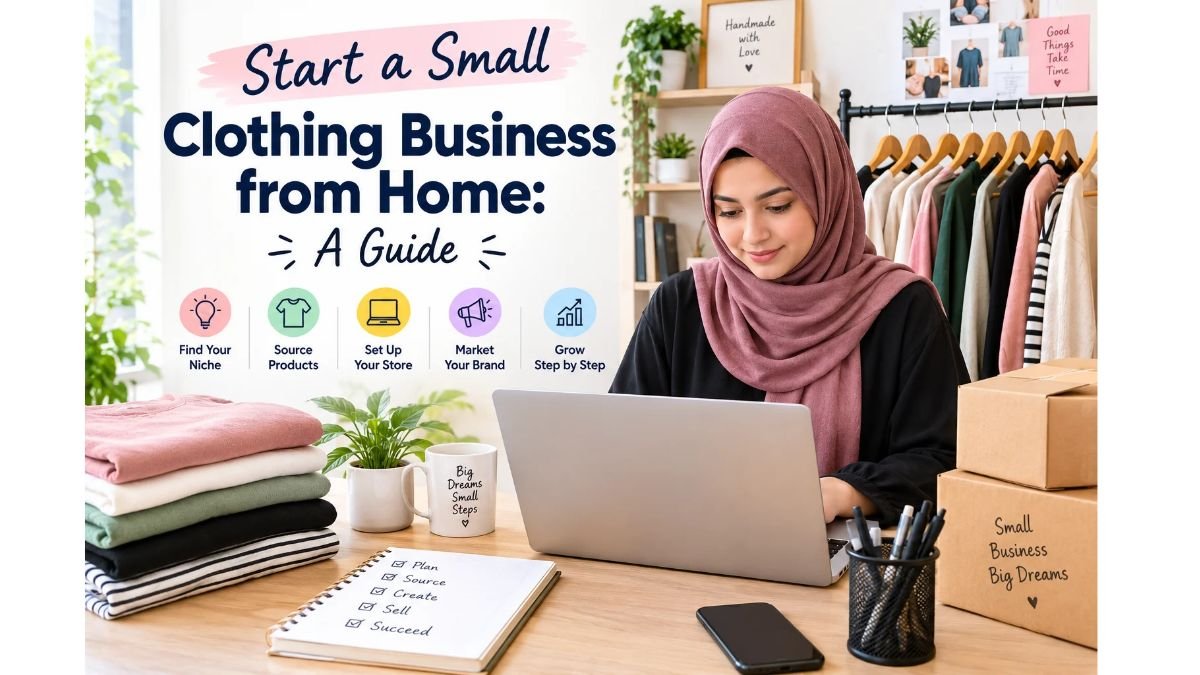
Starting a clothing business from home allows you to build a fashion brand without renting a retail store. You can begin with a small budget, sell through online platforms, and expand as your customer base grows. However, success requires more than attractive designs. You need a clear business idea, reliable suppliers, quality products, effective marketing, and a plan for managing orders.
If you want to learn how to start a small clothing business from home, this guide explains each major step. You will learn how to choose a niche, research customers, source clothing, build an online store, set prices, and promote your products. It also explains how to manage manufacturing and prepare your business for growth.
1. Choose Your Clothing Business Niche
The first step is deciding what type of clothing you want to sell. A focused niche makes it easier to understand your audience, choose products, and build a recognizable brand.
Instead of selling every type of clothing, start with a specific category that matches your interests and market research.
Popular clothing business niches include:
- Streetwear: Oversized T-shirts, hoodies, sweatshirts, and graphic apparel.
- Activewear: Leggings, gym shirts, sports bras, and workout clothing.
- Casual wear: Everyday shirts, trousers, dresses, and comfortable basics.
- Modest fashion: Abayas, long dresses, tunics, and modest casual clothing.
- Baby and children’s clothing: Everyday outfits, sleepwear, and seasonal collections.
- Workwear: Uniforms, branded shirts, and practical work clothing.
- Sustainable fashion: Clothing made with carefully selected materials and responsible production practices.
Consider three factors before selecting your niche: customer demand, competition, and your available budget.
For example, if you want to create a streetwear brand, you might begin with two T-shirt designs and one hoodie. This smaller collection helps you test customer interest before investing in a large inventory.
Tip: Choose a niche you understand, but confirm that people are willing to pay for the products you plan to sell.
2. Research Your Target Customers
Before investing in products, identify the people most likely to purchase your clothing. Understanding your target customers helps you make better decisions about designs, prices, sizes, and marketing.
Consider these questions:
- Who will buy your clothing?
- What age group are you targeting?
- What styles do these customers prefer?
- How much are they willing to spend?
- Where do they discover new clothing brands?
- What problems do they experience with existing products?
You can research customers through social media comments, fashion communities, online marketplaces, competitor reviews, and short surveys.
Pay attention to complaints about poor sizing, uncomfortable fabrics, limited size ranges, weak stitching, or slow delivery. These issues can reveal opportunities for your business.
Analyze Your Competitors
Study several brands that sell products similar to yours. Review their product range, pricing, photography, return policies, customer feedback, and social media content.
Do not simply copy their designs or marketing. Instead, identify what customers appreciate and where your business could offer a different experience.
Your advantage might be better product descriptions, distinctive designs, inclusive sizing, personalized service, or a focused collection for a particular audience.
3. Create a Simple Clothing Business Plan
A business plan gives your idea direction and helps you control spending. You do not need a complicated document when starting from home. A practical plan can cover your products, audience, budget, pricing, marketing, and sales goals.
Include the following sections:
Business concept: Explain what your brand sells and why customers might choose it.
Target audience: Describe your ideal customer and their shopping preferences.
Product range: List your initial products, sizes, colors, and design options.
Sourcing strategy: Decide whether you will resell existing garments, customize ready-made products, or manufacture your own designs.
Sales channels: Choose between an independent website, an online marketplace, social media, or a combination.
Marketing plan: Identify how you will attract customers through content, partnerships, email, and paid advertising.
Financial plan: Estimate startup costs, product costs, shipping, packaging, platform fees, and other expenses.
Set realistic goals for your first three months. For example, you might aim to launch a small collection, collect customer feedback, and identify which products generate the most interest.
Your plan should guide decisions rather than force you to follow assumptions that the market later disproves.
4. Calculate Your Startup Budget
One advantage of starting a clothing business from home is that you may avoid commercial rent and some staffing costs. However, you still need money for product development, inventory, packaging, marketing, and business operations.
Your startup budget depends on your business model.
| Expense | What to consider |
|---|---|
| Product samples | Test fabric, fit, construction, and quality |
| Initial inventory | Purchase or manufacture the first batch |
| Branding | Logo, labels, tags, and packaging |
| Online store | Domain, platform fees, and website setup |
| Photography | Product images and promotional content |
| Marketing | Content creation, collaborations, or advertisements |
| Shipping | Packaging supplies and delivery expenses |
| Administration | Registration, taxes, and applicable business fees |
You can reduce initial costs by launching fewer designs, using simple packaging, taking product photographs at home, and testing demand before placing a large order.
Keep personal and business finances separate where practical. Track every expense, sale, refund, and supplier payment.
Also, maintain a cash reserve. A product can be profitable on paper while your business struggles to pay for new inventory before customer payments arrive.
5. Decide What Type of Clothing Business to Start
There are several ways to enter the clothing market. The best model depends on your budget, creative goals, and ability to manage inventory.
Reselling Existing Clothing
You purchase ready-made clothing from wholesalers and sell it at a retail price. This model can help you begin without developing original products.
Your main responsibilities include selecting products, checking quality, photographing items, setting prices, and managing orders.
The challenge is competition. Other sellers may offer similar garments, so your customer service, product selection, and presentation become important differentiators.
Print-on-Demand Clothing
Print-on-demand allows you to offer products such as T-shirts, sweatshirts, and hoodies with custom graphics. A production partner prints items after customers place orders.
This model can reduce the need to hold inventory. However, you should order samples and check fabric quality, print durability, sizing, production time, and delivery costs before launching.
Your profit margins depend on the supplier’s prices, platform fees, shipping, and selling price.
Private-Label Clothing
Private-label clothing allows you to sell garments under your own brand name. Depending on the supplier, you may select existing product styles and customize labels, colors, prints, or other details.
This approach helps you create a consistent brand without necessarily developing every garment from scratch.
Custom Clothing Manufacturing
If you have original designs, you can work with a manufacturer to develop garments according to your specifications.
This option may involve fabric selection, pattern development, samples, fit adjustments, custom branding, and bulk production. It generally requires more planning than reselling ready-made clothing.
Choose the model that fits your resources today while leaving room for future development.
6. Find Reliable Clothing Suppliers
Your supplier affects product quality, delivery schedules, costs, and customer satisfaction. Take time to evaluate suppliers before making a large purchase.
Start by searching for wholesalers, clothing manufacturers, private-label suppliers, and print-on-demand partners that serve your product category.
Compare suppliers using these factors:
- Product quality and fabric options.
- Minimum order quantity, or MOQ.
- Customization and branding services.
- Sample availability and sample costs.
- Production timelines and communication.
- Quality inspection procedures.
- Shipping options and delivery estimates.
- Payment terms and written order conditions.
Ask for detailed product information instead of relying only on photographs. Request fabric composition, size charts, garment measurements, decoration details, and care instructions.
If you plan to develop custom products, prepare a design brief or tech pack. A tech pack is a document that explains a garment’s specifications, measurements, materials, construction, trims, and branding requirements.
Why Samples Matter
Always evaluate a sample before committing to substantial production when possible. Check the fit, stitching, fabric feel, color, print placement, and finishing.
Wash the sample according to the intended care instructions if appropriate. This can help you identify shrinkage, color bleeding, or other problems before customers receive the product.
A supplier offering the lowest price may not provide the best overall value. Poor quality can lead to returns, complaints, and damage to your brand’s reputation.
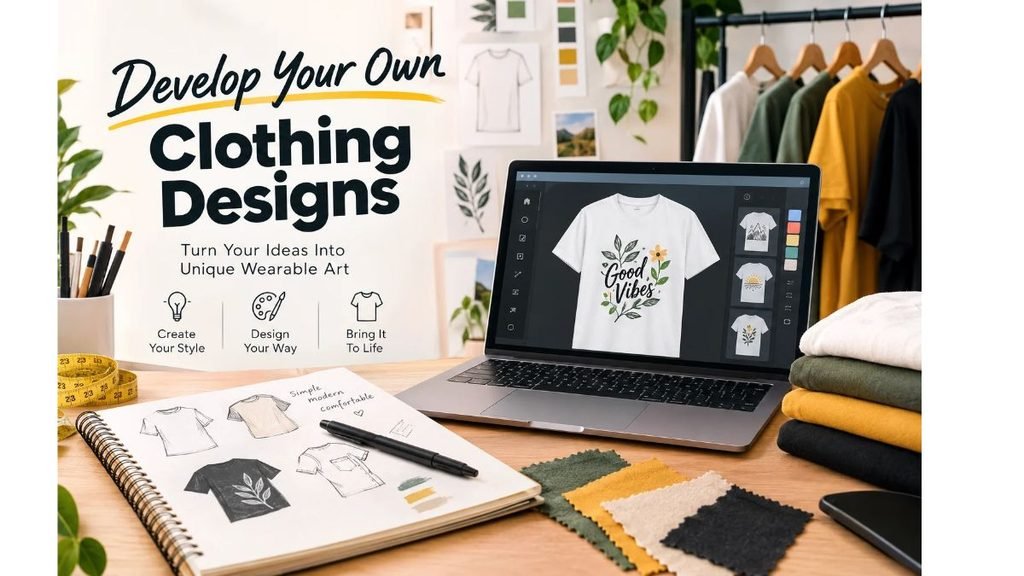
7. Develop Your Own Clothing Designs
If your goal is to build a distinctive fashion brand, design development deserves careful attention.
Start with a clear concept. Decide what your brand should communicate through its colors, silhouettes, materials, and overall style.
You do not need advanced design software to begin. You can create initial concepts using sketches, reference images, mood boards, and simple digital design tools.
Before finalizing a design, consider:
- Intended fit and silhouette.
- Fabric composition and weight.
- Available sizes and grading.
- Stitching and construction requirements.
- Print, embroidery, or other decoration.
- Labels, trims, and packaging.
- Target retail price and production cost.
For example, an oversized streetwear T-shirt may require a different fabric weight and fit specification than a lightweight everyday T-shirt.
Communicate your expectations clearly to the supplier. If you are manufacturing custom garments, approve the pre-production sample before authorizing bulk production.
This step helps reduce misunderstandings and makes it easier to check whether the finished garments match your expectations.
8. Build Your Clothing Brand Identity
Your brand identity helps customers recognize your products and understand what makes your business different.
Begin with a brand name that is easy to remember, pronounce, and spell. Before using it commercially, check relevant business-name, domain, and trademark availability in your target market.
Next, develop a consistent visual identity.
This may include:
- A simple logo.
- Brand colors and typography.
- Clothing labels and hang tags.
- Packaging materials.
- Product photography style.
- A consistent tone of voice.
Your branding should suit your niche. A premium minimalist brand may use clean photography and understated packaging, while a colorful youth-focused brand may use bolder visuals.
Avoid spending too much money on branding before validating your products. A professional, consistent presentation is more important at the beginning than expensive packaging.
Your products, website, social media profiles, and customer communications should all reflect the same identity.
9. How to Start an Online Clothing Store
Once your products and branding are ready, choose where customers will purchase your clothing. Your sales platform should fit your budget, technical skills, and audience.
If you are learning how to start an online clothing store, compare three common options.
Build Your Own Ecommerce Website
An independent website gives you greater control over product pages, branding, customer experience, and marketing.
You can use an ecommerce platform to manage products, payments, inventory, orders, and shipping. Compare its subscription costs, transaction fees, payment availability, design flexibility, and integrations before selecting one.
Your website should include:
- A clear homepage.
- Organized product categories.
- Detailed product pages.
- Accurate size charts.
- Shipping and return policies.
- Contact information.
- Secure checkout.
- Privacy and other legally required notices.
Make the shopping experience simple on mobile devices because many customers browse clothing on their phones.
Sell Through Online Marketplaces
Marketplaces can provide access to shoppers who are already searching for products. However, you must understand their fees, seller policies, competition, and restrictions on branding or customer communication.
Choose platforms that suit your product category and target country.
Use Social Media to Generate Sales
Social media can help new brands showcase products, explain their style, and build relationships with potential customers.
Depending on platform availability and eligibility, you may be able to sell directly through social commerce features or direct customers to your website.
A practical approach is to use social media for discovery and an organized checkout system for completed orders.
You do not need to launch on every platform at once. Start with one or two channels you can manage consistently.
10. Create Product Pages That Convert Visitors
Product pages should help customers decide whether a garment meets their needs.
Use clear photographs that show the front, back, fabric texture, important details, and fit. Include additional images where they help explain the product.
Write descriptions that answer practical questions.
For each garment, provide:
- Product name and style.
- Fabric composition, where known.
- Available colors and sizes.
- Fit and model measurements, when available.
- Care instructions.
- Design and construction details.
- Price and stock availability.
- Shipping and return information.
Use accurate descriptions. Do not claim that a product is organic, sustainable, locally made, or ethically certified unless you can support that statement.
A clear size chart is particularly important for online clothing sales. Explain how customers should measure themselves and distinguish body measurements from actual garment measurements.
Good product pages reduce uncertainty and can help prevent avoidable returns.
11. Set Prices and Calculate Profit Margins
Pricing should cover your costs while remaining appropriate for your target market.
Start by calculating the full cost of selling each garment. Depending on your business model, this may include:
- Purchase or manufacturing cost.
- Custom labels and packaging.
- Shipping to your storage location.
- Payment processing and marketplace fees.
- Shipping subsidies or fulfillment costs.
- Advertising expenses.
- Expected returns, defects, and discounts.
Suppose a T-shirt costs $10 to purchase and prepare for sale, excluding some business overhead. If you sell it for $25, the difference is $15 before those additional costs.
That difference is not automatically your net profit.
Use these formulas to understand your pricing:
Gross profit per item = Selling price − Cost of goods sold
Gross margin = (Gross profit ÷ Selling price) × 100
For example, a product sold for $25 with a cost of goods sold of $10 has a gross profit of $15 and a gross margin of 60%.
You must still account for other operating expenses to estimate net profit.
Research comparable products, but do not set your price based on competitors alone. Your quality, positioning, customer service, and total costs should also influence the decision.
12. Source Inventory and Manage Stock
Inventory management becomes important as soon as you start receiving orders. Too much stock ties up cash, while too little stock can cause missed sales.
For a small home-based clothing business, begin with a limited collection and track sales by style, size, and color.
Use a spreadsheet or inventory tool to record:
- Opening stock.
- New purchases or production.
- Units sold.
- Returns and damaged items.
- Remaining inventory.
- Reorder requirements.
Pay attention to which sizes and colors sell consistently. Use real order data to guide future purchasing instead of assuming every product will perform equally well.
If your supplier requires a minimum order quantity, calculate the total investment before committing. A style with several colors and sizes may require more stock than expected.
For custom production, confirm the MOQ, specifications, price, sample approval, and delivery terms in writing.
Avoid placing large repeat orders until you have evidence of demand.
13. Market Your Online Clothing Business
Marketing helps potential customers discover your brand. You can start with low-cost methods and increase spending when you understand which activities generate sales.
Create Useful Social Media Content
Post content that shows your products clearly and gives customers a reason to follow your brand.
Examples include:
- Product styling ideas.
- Outfit combinations.
- Fabric and design details.
- Behind-the-scenes product development.
- Packaging and order preparation.
- Size and fit explanations.
- New collection announcements.
- Customer feedback shared with permission.
Consistency matters, but you do not need to post constantly at the expense of product quality or customer service.
Work With Relevant Creators
Small creators whose audiences match your target customers may be suitable partners. Review their audience, content quality, engagement, and previous collaborations.
Agree on deliverables, payment or product exchanges, usage rights, and disclosure requirements before beginning a campaign.
Use Email Marketing
An email list can help you announce new products, share styling ideas, and inform subscribers about restocks or promotions.
Collect email addresses transparently and follow applicable privacy and marketing rules. Give customers a clear way to unsubscribe.
Test Paid Advertising Carefully
Paid advertising can increase visibility, but it can also consume your budget quickly.
Begin with a small test, define your audience, and measure meaningful outcomes such as purchases, acquisition costs, and revenue after returns.
Do not increase spending just because an advertisement receives likes or clicks. Focus on whether it contributes to profitable sales.
14. Optimize Your Website for SEO
Search engine optimization can help shoppers discover your products and educational content through relevant searches.
Start by organizing your website into clear categories, such as T-shirts, hoodies, activewear, or casual clothing.
Write descriptive page titles, helpful product descriptions, and concise meta descriptions. Use clear URLs and descriptive image alt text where appropriate.
For example, a product title such as “Black Oversized Cotton T-Shirt” tells customers more than a vague title such as “Style 01.”
You can also publish helpful articles about clothing care, sizing, styling, fabric selection, or choosing the right fit. These topics should genuinely support your customers rather than exist only to target keywords.
Make sure your website works on mobile devices, loads efficiently, and allows search engines to access important pages.
Track performance through tools such as Google Search Console and your ecommerce analytics. Review which pages attract visitors, what customers search for, and where shoppers leave the buying process.
SEO takes time, and rankings or sales cannot be guaranteed. Focus on accurate information, a useful shopping experience, and relevant content.
15. Handle Orders, Shipping, and Customer Service
A reliable order process helps build trust and encourages repeat purchases.
Before launching, decide how you will store garments, pack orders, arrange delivery, and manage returns. If you operate from home, keep products clean, organized, and protected from moisture or damage.
Create written policies for:
- Order processing times.
- Delivery estimates.
- Shipping charges.
- Returns and exchanges.
- Damaged or incorrect products.
- Refund processing.
- Customer inquiries.
Give realistic delivery estimates and communicate delays promptly. Do not promise delivery dates that your suppliers or shipping partners cannot support.
If you sell internationally, check destination-country requirements, duties, taxes, customs documentation, and the shipping terms applicable to your business.
Respond professionally to customer questions, even when a customer is dissatisfied. Keep records of complaints and look for repeated issues that indicate a problem with sizing, quality, packaging, or delivery.
16. Understand Legal and Tax Requirements
The legal requirements for a home-based clothing business depend on where you live and where you sell.
Before accepting orders, research applicable business registration, tax, consumer protection, privacy, and product-labeling requirements. Some locations also have rules for operating a business from a residential property.
If you sell clothing internationally, check the requirements for each target market. These may cover textile fiber labels, care information, product safety, import duties, and consumer rights.
Do not assume that selling online removes your legal responsibilities.
Keep invoices, supplier agreements, sales records, and tax documents organized. If you are unsure about a requirement, consult the relevant government authority or a qualified local professional.
17. How to Start a Small Fashion Business at Home With Limited Money
A limited budget does not mean you must abandon your clothing business idea. It means you should make smaller, more controlled decisions.
Consider the following approach:
Start with a narrow product range. Launch one category and a few carefully selected designs instead of a large collection.
Validate demand. Use customer interviews, product previews, or a small test launch to assess interest before buying substantial inventory.
Order samples first. Check product quality before committing to larger quantities.
Use existing resources. Create initial product photos with good natural light and a clean background. Use affordable tools for early designs and business administration.
Choose a manageable sales channel. Start with a simple ecommerce website or a suitable marketplace instead of building a complicated system.
Reinvest carefully. Use sales data to decide which products deserve more inventory and marketing.
Track every cost. Small expenses can reduce margins when they accumulate.
If you choose custom manufacturing, remember that low starting costs do not always mean zero inventory. Manufacturers may require a minimum order, and sampling, shipping, and branding can add to the initial investment.
The right strategy is to test your business model before making commitments you cannot comfortably afford.
18. When Should You Work With a Clothing Manufacturer?
You may begin by reselling clothing or using print-on-demand services. As your brand develops, custom manufacturing can help you create more distinctive products and maintain consistent specifications.
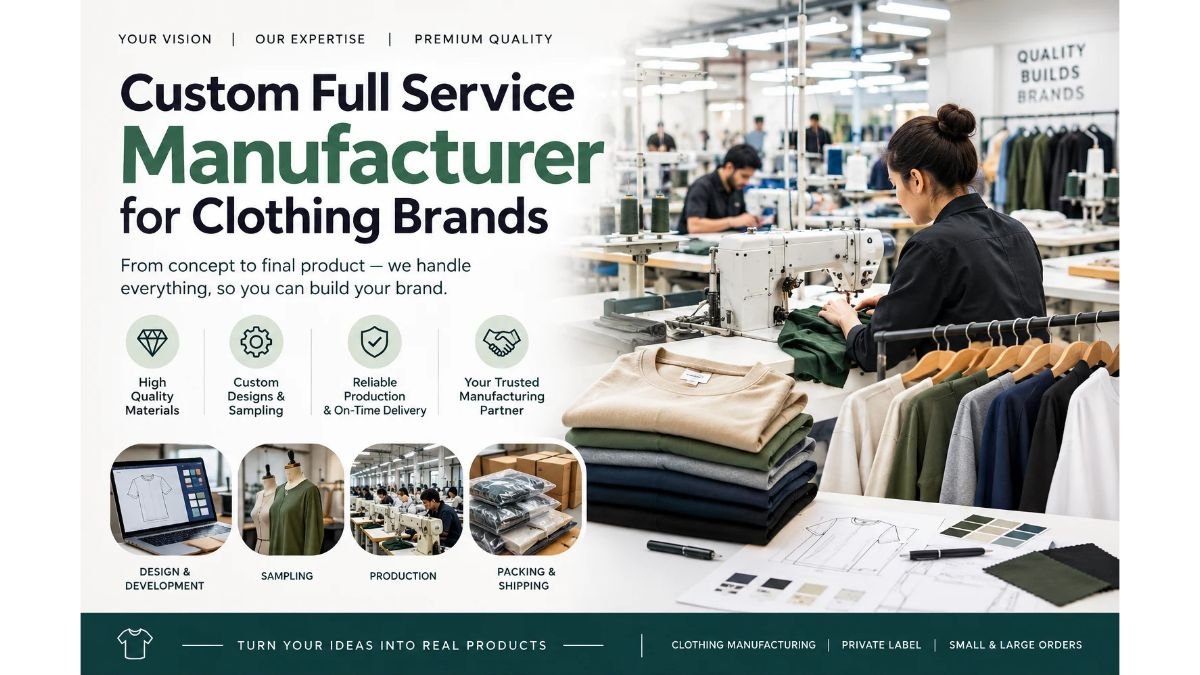
A clothing manufacturer may support fabric sourcing, pattern development, sampling, bulk production, branding, quality control, and packaging.
Fashion Soul International is a custom clothing manufacturer based in Sialkot, Pakistan. Its manufacturing services include private-label, OEM, ODM, white-label, cut-and-sew, and full-package production.
When evaluating a manufacturer, ask about its product experience, MOQ, sampling process, fabric options, customization capabilities, quality checks, production timelines, and shipping arrangements.
Prepare a design brief or tech pack with the information available. Confirm all specifications and costs before approving a sample or placing a bulk order.
Fashion Soul International publishes a standard starting MOQ of 100 pieces, although the actual requirement depends on the product and order specifications. Confirm current terms directly with the company before planning your inventory.
A manufacturing partner is most useful when its capabilities, communication, quality standards, and minimum order requirements fit your business needs.
19. Common Mistakes to Avoid
New clothing entrepreneurs often face similar challenges. Planning for them early can help protect your budget and reputation.
Buying too much inventory: Large orders can leave you with unsold sizes or colors. Test demand before expanding.
Ignoring product quality: Attractive photographs cannot compensate for poor fabric, inconsistent sizing, or weak stitching.
Underpricing products: Forgetting packaging, fees, returns, and advertising can make apparently profitable sales unprofitable.
Copying competitors: Build your own identity and use original designs or properly licensed assets.
Launching without a clear audience: A brand aimed at everyone can struggle to communicate why its products matter.
Neglecting customer service: Slow replies and unclear policies can discourage repeat purchases.
Relying on one marketing channel: Platform changes can affect your reach. Gradually build additional channels that suit your business.
Expecting instant results: Sales and customer trust usually require testing, learning, and consistent work.
Review your results regularly. Correct small problems before they become expensive ones.
20. Frequently Asked Questions
How do I start an online clothing business from home?
Choose a niche, research your customers, select a sourcing model, calculate your budget, and create a small product range. Set up a suitable online sales channel, publish accurate product pages, and develop a marketing plan. Test demand before investing heavily in inventory.
How to start an online clothing company with no experience?
Begin by learning basic product sourcing, pricing, ecommerce, and customer service. Research competitors, order product samples, and launch a small collection. Use customer feedback to improve your products and processes. You can learn as you go, but you should understand your costs before accepting orders.
How much money do I need to start a small clothing business?
There is no single startup cost. The amount depends on your country, business model, inventory, product customization, website, and marketing budget. Reselling or print-on-demand may require less upfront inventory spending than custom bulk manufacturing. Build a budget around actual supplier quotes and operating costs.
Can I run an online apparel store from home?
Yes, many clothing businesses manage product selection, online listings, marketing, and customer service from home. You may also store and pack inventory at home if local rules and your available space allow it. You can outsource fulfillment or manufacturing as the business grows.
How do I choose the right clothing supplier?
Compare product quality, samples, MOQ, customization, communication, payment terms, lead times, and shipping. Ask clear questions and confirm specifications in writing. Avoid selecting a supplier based only on the lowest quoted price.
Is it better to manufacture my own clothing or resell existing products?
Reselling can be simpler when you are testing a market or have limited funds. Custom manufacturing offers more control over design and product specifications but usually requires additional planning and may involve minimum order quantities. Choose based on your budget, brand goals, and customer demand.
How can I attract my first clothing customers?
Start with clear product photographs, useful social media content, a simple buying process, and an audience that matches your niche. Ask early customers for honest feedback and permission before sharing testimonials or photographs. Measure actual purchases rather than relying only on likes and views.
Conclusion
Learning how to start a small clothing business from home begins with a focused niche, realistic budget, and clear understanding of your customers. You do not need a large collection or expensive retail space to begin. You need products people want, a reliable sourcing strategy, accurate pricing, and a practical way to reach customers.
Start small, check product quality, build a recognizable brand, and create an online store that makes buying easy. Track your expenses and sales, improve your products through customer feedback, and expand only when demand supports it.
If your next step is developing original clothing, explore suitable manufacturing partners and confirm their samples, minimum order quantities, customization options, and production terms. Careful preparation will help you build a more sustainable foundation for your clothing business.