Introduction
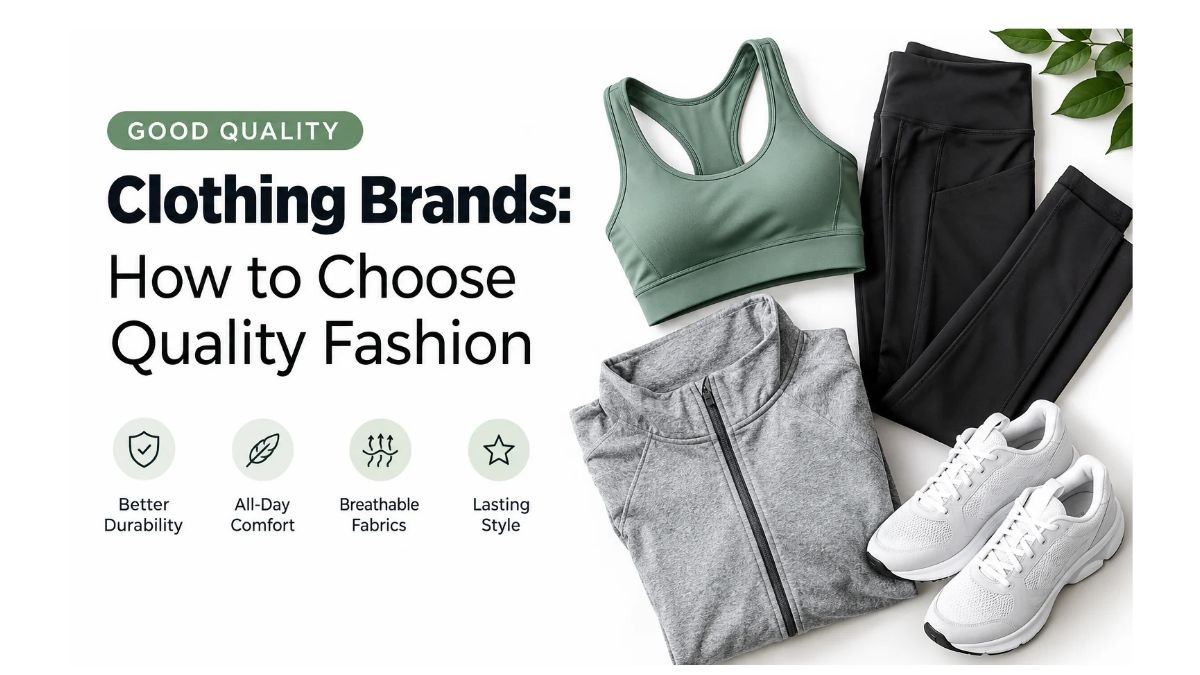
The apparel industry trends are changing with new fashion styles and consumer preferences.
The apparel industry continues to evolve with changing consumer preferences, emerging fashion styles, and new market developments. Staying informed about apparel industry trends helps clothing manufacturers, retailers, and fashion brands understand market opportunities and make better business decisions.
The global clothing business changes constantly. New fabrics, production methods, sourcing strategies, consumer preferences, and supply chain developments can affect fashion brands every day.
That is why following apparel industry news is important for clothing brands, manufacturers, retailers, wholesalers, and sourcing professionals.
Industry updates can help businesses understand what is happening across garment manufacturing, textile production, fashion sourcing, logistics, and retail. They can also help brands make better decisions about product development and manufacturing.
This guide explains the major areas to watch when following apparel news. It covers supply chain fashion news, garment industry news, apparel sourcing news, and the topics buyers often look for when searching for apparel news today.
Apparel Industry Trends in 2026
Apparel industry news covers developments connected to the production, sourcing, manufacturing, distribution, and sale of clothing.
It can include updates about:
- Garment manufacturing
- Textile production
- Fabric sourcing
- Apparel factories
- Fashion brands
- Supply chains
- International trade
- Production technology
- Clothing materials
- Consumer demand
- Logistics
- Sustainability
- Quality standards
- Sourcing markets
- Manufacturing costs
- Product development
The industry is broad, so one news story may affect several parts of the clothing supply chain.
For example, a change in fabric availability can affect manufacturers. That can then affect production schedules, sourcing decisions, and final product delivery.
Latest Apparel Industry Trends in 2026
Fashion brands need more than creative ideas to succeed.
They also need reliable information about manufacturing and sourcing.
Following industry developments can help brands understand:
- Which production challenges are emerging
- How sourcing practices are changing
- What fabrics are becoming relevant
- How manufacturers operate
- What buyers should prepare before production
- How supply chains affect production
- Which technologies are being adopted
- What quality considerations matter
This is particularly important for growing brands.
A small change in sourcing or production can have a bigger effect on a smaller company because it may have fewer suppliers and less inventory flexibility.
Paragraph 1 — Important Apparel Industry Trends for Fashion Brands
continue to influence clothing production, consumer preferences, and retail strategies across global markets.
Paragraph 2 — Fashion Developments
Following apparel industry trends helps businesses identify emerging styles and understand changing customer expectations.
Paragraph 3 — Market Insights
Understanding apparel industry trends can help manufacturers and retailers make informed decisions about product development and market opportunities.
Paragraph 4 — Future Outlook
Future apparel industry trends may be shaped by sustainability, technological innovation, and evolving shopping habits.
Sustainable Fashion and Apparel Trends
Not every apparel news story covers the same subject.
Some topics focus on fashion brands. Others focus on factories, materials, technology, or international trade.
Here are some of the most useful areas to monitor.
1. Garment Manufacturing
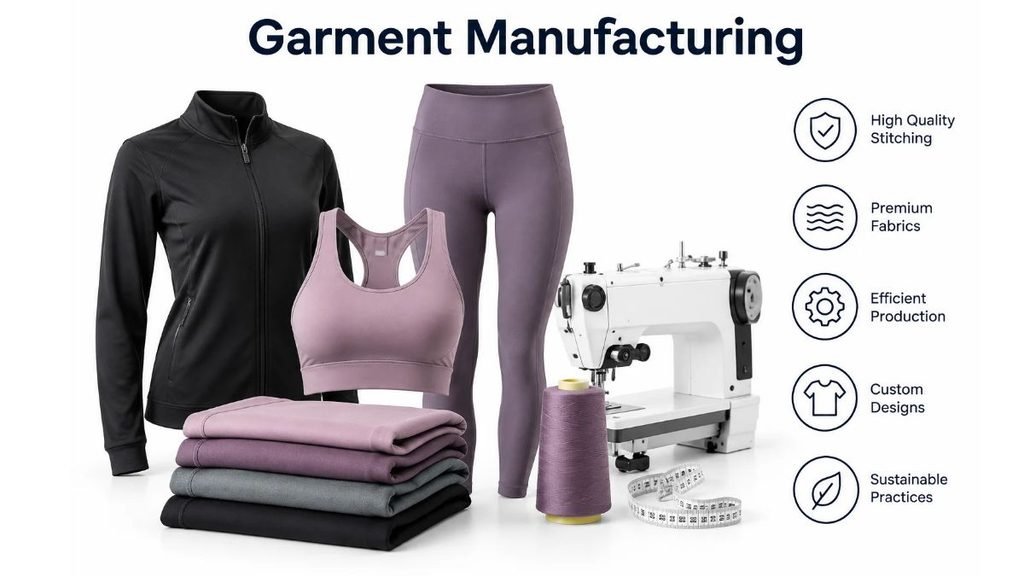
Garment industry news often focuses on how clothing is made.
Manufacturing stories may discuss:
- Factory production
- New manufacturing facilities
- Production technology
- Quality control
- Workforce development
- Automation
- Manufacturing capacity
- Product development
- Sampling
- Production efficiency
For clothing brands, manufacturing news can provide useful context when selecting production partners.
A manufacturer should be able to understand the technical requirements of the garment, not just the final design.
2. Textile and Fabric Developments
Textiles are the foundation of apparel manufacturing.
Fabric-related news may cover:
- Cotton
- Polyester
- Nylon
- Denim
- Fleece
- French terry
- Stretch fabrics
- Performance fabrics
- Fabric finishing
- Dyeing
- New textile technologies
Fabric choice affects garment weight, comfort, appearance, durability, and construction.
GSM is another important subject.
GSM means grams per square metre and is commonly used to describe fabric weight.
A lightweight T-shirt and heavyweight streetwear T-shirt may require very different fabrics.
Fashion Soul International lists cotton, French terry, brushed fleece, polyester interlock, four-way stretch, moisture-wicking polyester, Supplex nylon, denim, twill, canvas, and Oxford fabrics among its available fabric groups.
Supply Chain Fashion News
Supply chain fashion news is important because clothing production involves many connected stages.
A typical apparel supply chain may involve:
- Raw materials
- Yarn or fabric production
- Fabric sourcing
- Trims and accessories
- Pattern development
- Cutting
- Sewing
- Decoration
- Quality control
- Packaging
- Export documentation
- Shipping
- Distribution
- Retail or direct-to-consumer sales
A disruption in one stage can affect later stages.
For example, if a required fabric is unavailable, production may need to wait for another material.
This is why brands should think about supply chain planning before placing a production order.
Why Supply Chain Visibility Matters
Brands need to know where important production inputs come from.
Useful questions include:
- Where is the fabric sourced?
- Is the required GSM available?
- Are trims available?
- How long does sampling take?
- What happens after sample approval?
- How is quality checked?
- How will the finished goods be shipped?
Clear communication can reduce avoidable problems.
Apparel Sourcing News
Apparel sourcing news focuses on how clothing companies find materials, manufacturers, and production partners.
Sourcing decisions can affect:
- Product quality
- Cost
- MOQ
- Lead time
- Customization
- Shipping
- Production flexibility
A clothing brand may compare different manufacturing markets based on its product requirements.
However, the cheapest quotation is not always the only factor to consider.
Brands should also evaluate:
- Manufacturing capabilities
- Fabric options
- Sampling process
- Quality control
- Communication
- Production requirements
- Branding options
- Packaging
- Shipping arrangements
A manufacturer that understands the product can make the development process easier.
Apparel News Today: What Should Buyers Watch?
People searching for apparel news today usually want recent developments.
Because daily news changes quickly, buyers should focus on reliable information rather than unverified headlines.
Important daily or weekly topics can include:
- Fabric market developments
- Supply chain changes
- Shipping conditions
- Manufacturing developments
- Sourcing announcements
- Fashion retail changes
- Technology adoption
- New materials
- Trade developments
- Consumer demand
Current information should always be checked against reliable sources before making major business decisions.
For company-specific information, Fashion Soul International’s content guidelines identify the current official company website as the primary source for company facts.
How Apparel Supply Chains Work
Understanding the supply chain makes industry news easier to understand.
Raw Materials
The process starts with materials.
These can include natural fibers, synthetic fibers, blends, and other textile inputs.
Fabric Production
Fibers can be processed into yarn and then into fabric.
Fabric may be woven, knitted, or produced using other textile methods.
Fabric Finishing
Fabric can receive different finishes depending on the intended result.
Examples include:
- Enzyme wash
- Stone wash
- Acid wash
- Pigment dye
- Garment dye
- Overdye
Garment Production
Once fabric is ready, it can be cut according to patterns.
The pieces are then assembled through sewing and other construction processes.
Decoration and Branding
The garment may then receive:
- Screen printing
- DTG
- Embroidery
- Sublimation
- Puff printing
- Heat transfer
- Rubber printing
- Discharge printing
- Foil printing
The appropriate method depends on fabric, design, durability, quantity, appearance, and budget.
Quality Control
Quality inspections can take place during production and before shipment.
Packaging and Shipping
Finished garments are folded, labelled, packed, and prepared for export or distribution.
Understanding these stages helps buyers interpret manufacturing news more effectively.
Technology in the Apparel Industry
Technology continues to affect apparel production.
Technology can support areas such as:
- Design
- Pattern development
- Production planning
- Quality inspection
- Inventory management
- Communication
- Product development
Digital tools can make it easier to create and share technical information.
However, technology does not remove the need for clear specifications and physical product checks.
A digital design still needs to become a physical garment.
The sample must be checked for fit, fabric, construction, measurements, and appearance.
Garment Industry News and Quality Control
Quality is a major part of garment manufacturing.
A product may look correct in a design file but still have problems during production.
Quality control can check:
- Measurements
- Stitching
- Seam construction
- Print registration
- Trim attachment
- Fabric appearance
- Color
- Overall garment appearance
Fashion Soul International states that its production process includes inline quality inspections and a pre-shipment AQL 2.5 inspection. The company also states that measurements are checked against customer specifications and visual quality is compared with the approved sample
Understanding apparel industry trends helps businesses stay updated with changing fashion preferences and consumer demands..
This illustrates why quality control remains an important manufacturing topic.
Why Pre-Production Samples Matter
A physical sample gives a brand something concrete to evaluate.
Before bulk production, buyers can review:
- Fit
- Fabric
- Color
- Measurements
- Construction
- Printing
- Embroidery
- Labels
- Overall appearance
Fashion Soul International states that bulk production begins after physical pre-production sample approval.
This approach gives both the buyer and manufacturer a physical reference.
MOQ in Apparel Manufacturing
MOQ means minimum order quantity.
It is an important subject in apparel industry discussions because it affects how easily a brand can start production.
Fashion Soul International states a standard MOQ of 100 pieces per style, per color, per size run.
However, the company also states that MOQ can vary depending on factors such as:
- Product
- Fabric
- Color
- Construction
- Decoration
- Customer requirements
- Production model
Brands should therefore request a product-specific quotation instead of assuming that one MOQ applies to every garment.
Apparel Industry News and Fabric Selection
Fabric remains one of the most important decisions in apparel development.
Different products require different materials.
T-Shirts
T-shirts may use cotton, cotton blends, polyester, or other materials.
Weight can vary depending on the desired style.
Hoodies
Hoodies can use fleece, French terry, or other heavier materials.
Fashion Soul International lists hoodie GSM options including 280g, 320g, 380g, and 460g.
Sportswear
Sportswear often requires fabrics with properties such as stretch and moisture management.
Denim
Denim is commonly measured in ounces rather than GSM.
Fashion Soul International lists denim options from 8oz to 14oz.
Understanding these differences helps brands make better product decisions.
Private Label and Apparel Manufacturing
Private-label manufacturing is another important subject for fashion brands.
In a private-label model, a manufacturer produces clothing according to the brand’s requirements.
Customization can include:
- Fabric
- Fit
- Construction
- Printing
- Embroidery
- Woven labels
- Hang tags
- Packaging
Fashion Soul International states that its private-label service supports custom garment production and lists a minimum of 100 pieces per style.
Private-label production can be useful for brands that want control over their product specifications without operating their own manufacturing facility.
OEM, ODM and White Label in Industry News
Industry discussions often use terms such as OEM, ODM, and white label.
These models are not identical.
OEM
OEM manufacturing is based on the customer’s original design, specifications, tech pack, or patterns.
ODM
ODM production can provide design and development support.
Fashion Soul International states that its ODM team can work from mood boards, reference images, and creative briefs.
White Label
White-label production typically starts with an existing base garment that can receive brand-specific labels or other branding.
Understanding these terms can help buyers interpret sourcing information more accurately.
Full-Package Apparel Production
Some brands prefer to work with a manufacturer that handles several production stages.
Full-package production can include:
- Fabric procurement
- Trim sourcing
- Production
- Quality control
- Labels
- Packaging
- Export documentation
- Delivery
Fashion Soul International states that its full-package production model can cover these services, with DDP and FOB shipping options available.
This model can reduce the number of separate suppliers a brand needs to coordinate.
International Apparel Manufacturing
The apparel industry is international by nature.
Brands may design products in one country, source materials from another, manufacture in another market, and sell globally.
This makes international communication important.
Key considerations include:
- Product specifications
- Currency
- Shipping
- Export documentation
- Production timelines
- Quality requirements
- Labels
- Packaging
- Customs requirements
Fashion Soul International is based in Sialkot, Punjab, Pakistan, and states that it serves international markets including the USA, UK, Canada, Australia, and Europe.
The company states that finished apparel is shipped to brands in 30+ countries.
Apparel Manufacturing Timelines
Production timelines are another area buyers should understand when reading industry updates.
Fashion Soul International publishes a sample development timeline of 7–14 business days after design confirmation and required information are available.
Its published bulk-production timeline is 20–35 business days from sample approval. Shipping time is separate unless a quotation states otherwise.
Actual timelines can depend on the product, materials, revisions, quantity, and production requirements.
For this reason, brands should use project-specific timelines rather than assuming that every garment follows the same schedule.
What Apparel Brands Should Learn From Industry News
News is most useful when it helps you make better decisions.
Instead of simply reading headlines, ask:
Does This Affect My Product?
A fabric development may matter to an activewear company but not to a denim brand.
Does This Affect My Supply Chain?
A sourcing or logistics update may affect production planning.
Does This Affect My Target Market?
Trade or consumer developments may be more relevant to brands selling in specific regions.
Does This Require Action?
Not every industry update requires a change.
The goal is to separate useful information from noise.
How Manufacturers Can Help Brands Respond to Industry Changes
Manufacturers can play an important role when brands need to adjust products or sourcing strategies.
A capable manufacturer may support:
- Fabric sourcing
- Product development
- Sampling
- Pattern development
- Decoration
- Branding
- Packaging
- Quality control
- Export documentation
- Shipping
Fashion Soul International describes its production workflow as covering inquiry, material sourcing, pre-production sampling, sample approval, bulk production, quality control, inspection, packaging, documentation, and international shipping.
This type of integrated workflow can be useful when brands need clear communication across several manufacturing stages.
Apparel Industry News for Startups
Startups may have different priorities from established brands.
A new brand may focus on:
- Lower starting quantities
- Product development
- Sampling
- Branding
- Cost control
- Small initial collections
- Packaging
- Reliable communication
The manufacturing process should match the brand’s stage.
A startup does not necessarily need the same production structure as a large retailer.
The key is to find a production model that fits the product and order requirements.
Apparel Industry News for Established Brands
Established brands may focus more on:
- Consistent quality
- Replenishment
- Production capacity
- Supply planning
- Multiple product categories
- International shipping
- Quality systems
- Long-term manufacturing relationships
As order volume grows, production consistency becomes increasingly important.
The manufacturer must be able to follow approved specifications across production runs.
How to Evaluate an Apparel Manufacturer
Industry news can introduce you to manufacturers, but research should continue before placing an order.
Consider:
Manufacturing Model
Is the company factory-owned, a sourcing agent, or a trading company?
Product Experience
Does the manufacturer produce your type of garment?
Fabric Options
Can it source the required fabric and GSM?
Sampling
Does it provide physical samples before bulk production?
Quality Control
What inspections are performed?
Branding
Can it handle labels, printing, embroidery, and packaging?
MOQ
Does the order quantity fit your business?
Shipping
Can the manufacturer support your target market and preferred shipping method?
These questions are more useful than relying on a simple list of suppliers.
Middle:
Apparel industry trends help clothing businesses understand market changes and customer demands.
Fashion Soul International and Apparel Manufacturing
Fashion Soul International is a factory-owned custom apparel manufacturer based in Sialkot, Pakistan.
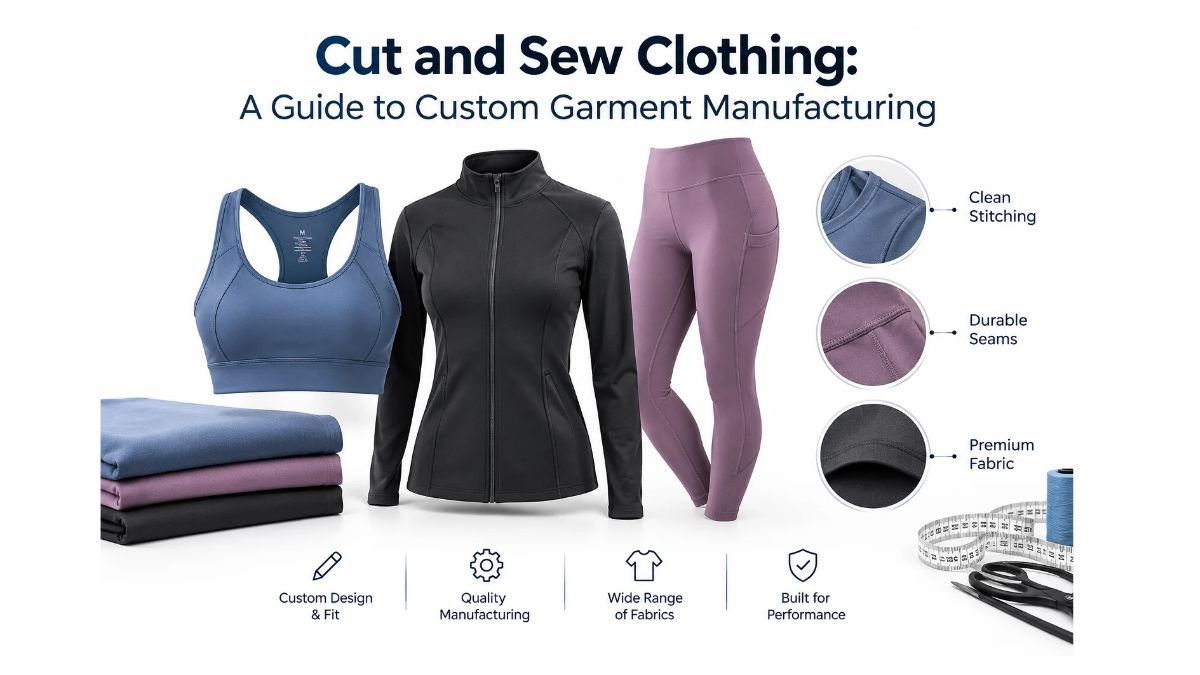
The company provides private-label, OEM, ODM, white-label, cut-and-sew, and full-package production.
Its services include product development, fabric and trim sourcing, sampling, bulk production, quality control, branding, packaging, export documentation, and international shipping.
The company states that it has 250+ workers, serves 2,500+ brands, and has production capacity of approximately 50,000–100,000 garments per month. It also states that it ships finished apparel to 30+ countries.
These company-published figures provide context for buyers researching manufacturing partners.
Brands can also work with the company across different apparel categories, including streetwear, sportswear, activewear, workwear, jackets, denim, casualwear, tracksuits, T-shirts, hoodies, uniforms, and other apparel.
How to Stay Informed About Apparel News
A useful industry-news routine does not need to be complicated.
Follow updates across several areas:
- Apparel manufacturing
- Textile production
- Fabric developments
- Fashion sourcing
- Supply chains
- Logistics
- Technology
- Retail
- Consumer trends
- Manufacturing standards
Always check the date of a report.
An older article may still provide useful background, but it should not automatically be treated as current information.
Also check the source.
Company announcements, official trade bodies, government information, certification organizations, and reputable industry publications can provide different types of evidence.
Frequently Asked Questions
What is apparel industry news?
Apparel industry news covers developments related to clothing manufacturing, textile production, sourcing, supply chains, fashion brands, technology, logistics, and retail.
What does garment industry news cover?
Garment industry news can cover factories, production methods, clothing manufacturing, quality control, materials, technology, workforce developments, and production markets.
What is apparel sourcing news?
Apparel sourcing news focuses on how clothing brands find fabrics, trims, manufacturers, and production partners. It can also cover sourcing markets and supply chain developments.
What is supply chain fashion news?
Supply chain fashion news covers developments affecting the movement of materials and finished clothing through the apparel production and distribution process.
Where can I find apparel news today?
Current apparel news should be checked through reliable and up-to-date industry sources. Always verify the publication date and source before using recent information for business decisions.
Why should clothing brands follow apparel industry news?
Industry news can help brands understand changes in sourcing, manufacturing, materials, logistics, technology, and consumer markets.
Does apparel industry news affect small clothing brands?
Yes. Changes in materials, sourcing, production, shipping, and consumer demand can affect brands of different sizes. Smaller brands may need to pay particular attention to MOQ, lead time, and sourcing flexibility.
What should I check before choosing an apparel manufacturer?
Review the manufacturer’s product capabilities, fabric options, MOQ, sampling process, quality control, branding services, production process, and shipping options.
Final Thoughts
Following apparel industry news is not simply about reading the latest fashion headlines.
For clothing brands, the most useful information often relates to manufacturing, sourcing, fabrics, supply chains, technology, quality, and logistics.
Supply chain fashion news can help brands understand how production and distribution are connected. Garment industry news can provide insight into manufacturing practices and production developments. Apparel sourcing news can help buyers evaluate materials and manufacturing partners.
When looking for apparel news today, always check the source and publication date. Current information should be verified before it is used for important business decisions.
For brands developing custom clothing, understanding these industry topics can make communication with manufacturers easier. It can also help buyers ask better questions about fabrics, samples, production, quality control, branding, packaging, and shipping.
Conclusion
The apparel industry will continue to evolve. Brands that understand the manufacturing side of fashion can respond to changes with clearer planning and better product decisions.