Clothing Trade Shows: A Complete Guide for Fashion Brands and Manufacturers
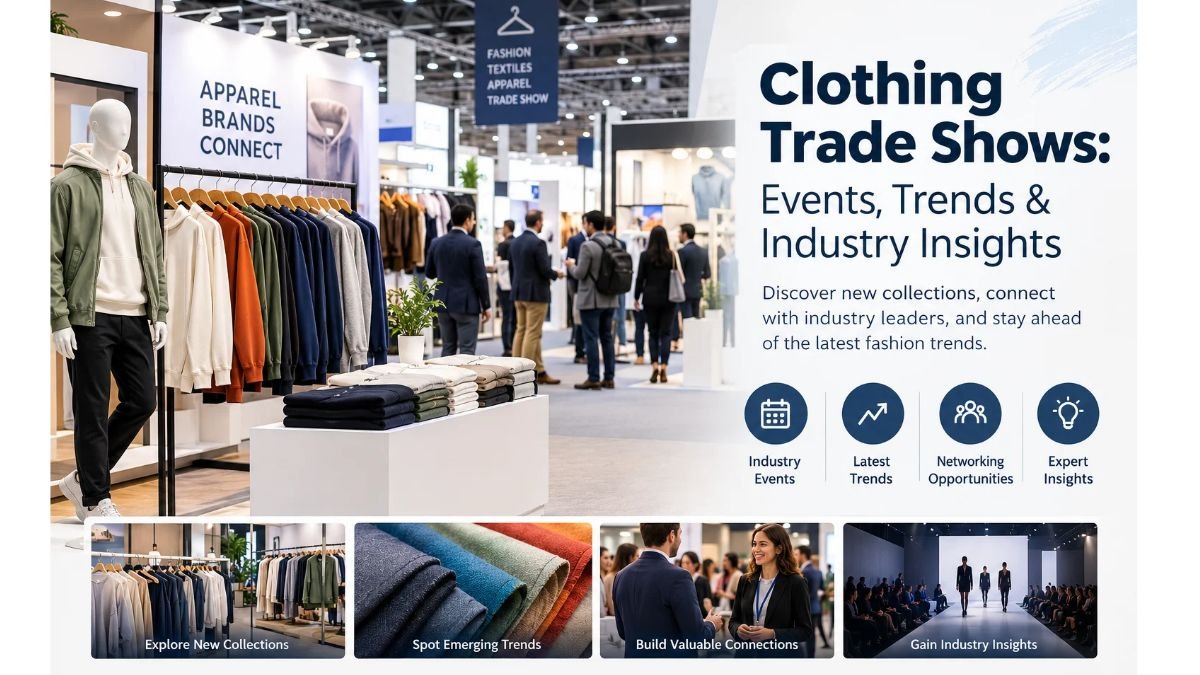
Clothing trade shows bring together fashion brands, clothing manufacturers, fabric suppliers, wholesalers, designers, and other professionals from the apparel industry. These events provide opportunities to explore new products, compare materials, discover manufacturing partners, and understand changing fashion trends.
Whether you are launching a clothing brand, expanding an existing business, or searching for a reliable apparel supplier, attending the right trade show can help you make more informed decisions. You can meet potential partners, examine fabric samples, discuss production requirements, and learn about new technologies shaping the fashion industry.
However, not every trade show serves the same purpose. Some focus on finished garments and wholesale buying, while others specialize in textiles, machinery, sourcing, or garment manufacturing.
This guide explains the different types of clothing trade shows, what visitors can expect, how to choose suitable events, and how to prepare for productive conversations with suppliers and manufacturers.
What Are Clothing Trade Shows?
Clothing trade shows are professional events where businesses present apparel, materials, services, and technologies to potential buyers and industry partners. They may be organized around fashion collections, textiles, clothing production, sourcing, or specific product categories.
Unlike consumer shopping events, many trade shows primarily serve businesses. Their visitors may include fashion designers, retailers, wholesalers, clothing brand owners, sourcing managers, manufacturers, and product developers.
At these events, businesses can:
- Discover new clothing collections and product ideas.
- Meet garment manufacturers and wholesale suppliers.
- Compare fabrics, trims, and decorative materials.
- Explore private-label and custom clothing options.
- Learn about manufacturing methods and industry developments.
- Build relationships with potential suppliers and distributors.
- Discuss pricing, minimum order quantities, and production requirements.
Some events are open to qualified trade visitors, while others have different registration requirements. Before attending, check the event’s official website for dates, visitor eligibility, exhibitor information, and registration details.
Why Are Clothing Trade Shows Important for Fashion Businesses?
The fashion industry relies on relationships between designers, material suppliers, manufacturers, distributors, and retailers. Trade shows bring many of these businesses together in one place.
For a new clothing brand, this can make supplier discovery easier. For an established company, an event may provide an opportunity to compare new materials, explore production methods, or meet potential business partners.
1. Discover New Fashion Trends
Trade shows often present upcoming collections, new fabric developments, updated silhouettes, and different approaches to garment design.
Visitors can observe colors, textures, prints, and product categories receiving attention from exhibitors. This information can support product planning and help brands evaluate which ideas suit their customers.
However, trends shown at an event do not guarantee future sales. Businesses should compare what they see with their target market, customer feedback, and pricing strategy.
2. Meet Clothing Manufacturers
Finding a suitable production partner is an important step when launching or expanding a clothing line.
Trade shows can help you meet manufacturers and ask questions about their services, product categories, customization capabilities, and production processes.
For example, a brand developing hoodies may want to discuss fabric weight, stitching, oversized fits, screen printing, embroidery, and custom labels.
Use these conversations to identify potential partners. Before placing an order, verify their capabilities, request relevant samples, and confirm commercial terms in writing.
3. Compare Fabrics and Materials
Fabric selection affects garment comfort, appearance, durability, and cost. A fabric that looks attractive in a photograph may feel different in person or behave differently during production.
Textile-focused events let visitors examine fabric samples, compare textures, and discuss material specifications with suppliers.
You may want to compare cotton jersey, French terry, fleece, polyester blends, denim, twill, and stretch fabrics. Ask about fabric composition, GSM, shrinkage, color consistency, and suitability for the intended garment.
4. Build Professional Relationships
Face-to-face meetings can help businesses explain their requirements and understand what a potential partner can provide.
You can discuss future collections, sourcing needs, production challenges, and possible collaborations. Follow-up communication after the event is essential because exchanging contact details alone does not establish a business relationship.
5. Understand Industry Developments
Many events include seminars, demonstrations, panel discussions, and presentations about technology, sourcing, retail, sustainability, and production.
These sessions can help businesses understand new approaches and identify questions to investigate further.
Use industry presentations as a starting point for research. Verify technical, regulatory, and commercial claims before making major business decisions.
Types of Apparel Trade Shows
Different apparel trade shows serve different business needs. Understanding these categories can help you choose an event that matches your goals.
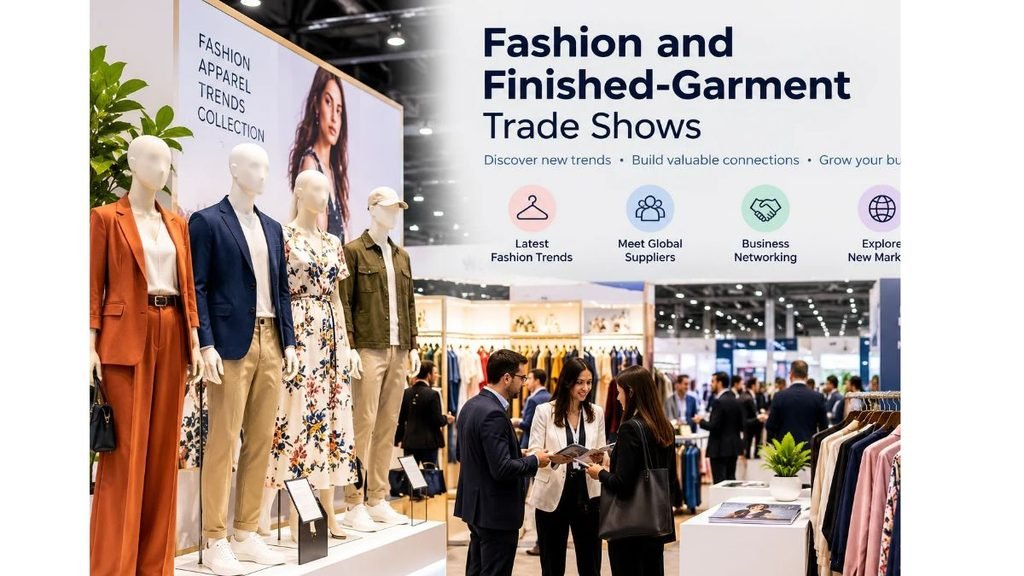
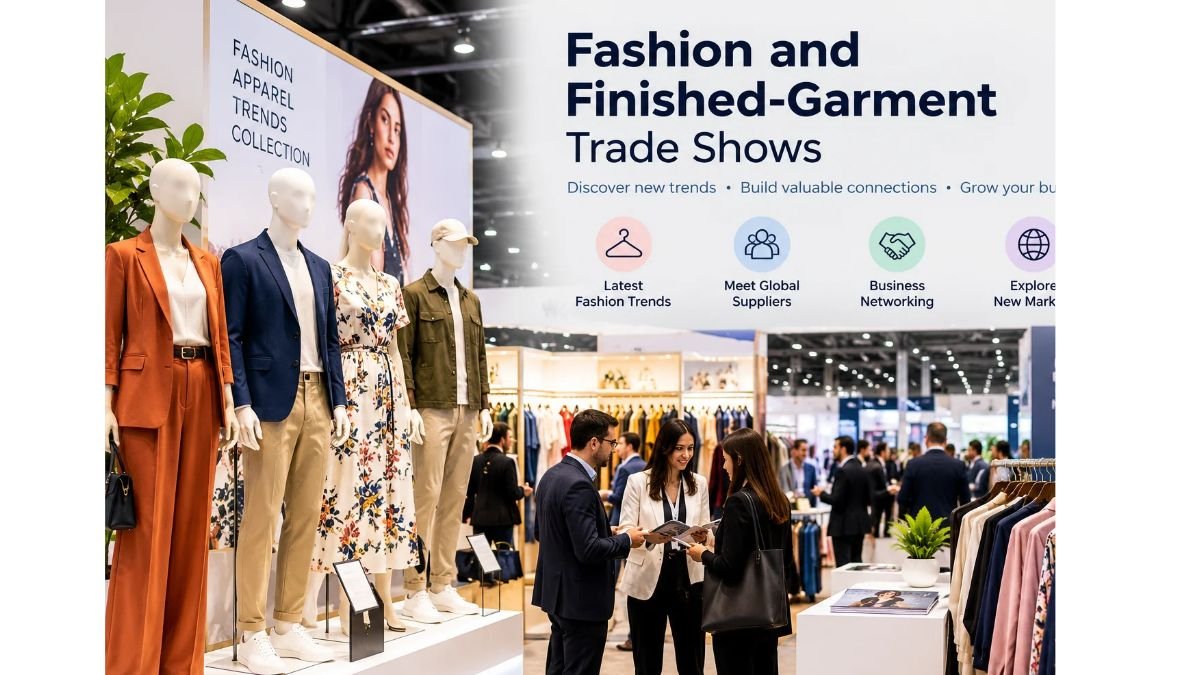
Fashion and Finished-Garment Trade Shows
Fashion-focused events showcase finished clothing collections from brands and designers. They may include casualwear, formalwear, streetwear, sportswear, accessories, or other categories.
These events are useful for retailers, boutique owners, wholesalers, and buyers looking for products to stock.
Visitors may compare styles, colors, product ranges, and wholesale terms. Some exhibitors sell established collections, while others introduce new seasonal products.
If your goal is to purchase finished clothing for resale, review the exhibitor list before attending. Confirm whether the event supports wholesale orders, retail partnerships, or direct consumer sales.
Textile Trade Shows
Textile events focus on the materials used to make clothing and other products. Exhibitors may include fabric mills, yarn suppliers, textile processors, trim suppliers, and companies developing innovative materials.
These events are valuable for brands that need particular fabrics or want to understand new material options.
You can discuss fiber composition, fabric construction, weight, finishes, dyeing, printing, and availability. If you plan to manufacture custom garments, collect technical information alongside the samples.
A fabric’s appearance alone is not enough to determine whether it suits a product. Consider its performance, care requirements, cost, and compatibility with the intended construction.
Garment Trade Shows
Garment trade shows focus on finished apparel, garment sourcing, or products made for specific markets. Depending on the event, they may attract manufacturers, sourcing companies, wholesalers, retailers, and fashion brands.
Visitors can explore product categories such as T-shirts, hoodies, jackets, denim, uniforms, activewear, and casual clothing.
Some events emphasize ready-made products, while others are more suitable for businesses seeking custom manufacturing partners. Review the exhibitor profiles to understand which services are represented.
Manufacturing and Machinery Events
These events focus on the equipment, technology, and processes used in clothing production.
Exhibitors may present cutting equipment, sewing machines, embroidery systems, printing technologies, automation solutions, and production management software.
They are especially relevant to factory owners, production managers, and businesses evaluating manufacturing technology.
A brand owner may also benefit from learning how different processes affect product quality, cost, lead time, and design possibilities.
Sourcing and Private-Label Events
Sourcing events connect buyers with potential production partners and suppliers. Depending on the event, exhibitors may offer finished products, private-label services, OEM production, ODM development, or full-package manufacturing.
These events can help a brand understand what a manufacturer can produce and which services are available.
Ask whether the supplier supports custom patterns, fabric sourcing, sampling, branding, packaging, and export shipping. Confirm minimum order quantities and production requirements before assuming a supplier is suitable for your business.
Textile Trade Shows: What Can You Learn?
A textile show can be particularly useful when fabric quality and material selection are important to your clothing line.
Textile suppliers may present a range of fibers, yarns, knitted fabrics, woven fabrics, finishes, and technical materials. You can compare options and discuss how each material performs.
Fabric Weight and GSM
GSM means grams per square metre. It is a measure of fabric weight and is often used when specifying materials for T-shirts, hoodies, and other garments.
A heavier fabric may provide a more structured feel, while a lighter fabric may suit products designed for warmer weather. However, GSM alone does not determine quality or comfort.
Consider the fiber content, knit or weave, finishing, durability, and intended use.
Fabric Composition
Fabric composition describes the fibers used in a material. Common examples include cotton, polyester, elastane, and blends of different fibers.
Cotton may be suitable for everyday apparel, while polyester blends can offer properties useful in sportswear. Stretch fibers may improve flexibility when used appropriately.
Ask suppliers about composition, care instructions, and any performance claims relevant to your product.
Dyeing and Finishing
Textile suppliers may demonstrate dyed fabrics and different finishing methods.
The final appearance and performance of a material can be affected by dyeing, washing, brushing, coating, and other treatments.
If you are developing a garment with a special finish, discuss its appearance, consistency, care requirements, and effect on the fabric before approving it for production.
Sustainable Material Options
Some textile exhibitors offer materials marketed for environmental or resource-efficiency benefits.
If sustainability matters to your brand, ask for clear information about fiber content, material origin, processing, certifications, and supporting documentation.
Do not rely on general terms such as “eco-friendly” without understanding what they mean for the specific material.
Fashion Industry Trade Shows and Emerging Trends
Fashion industry trade shows provide opportunities to observe how brands and suppliers respond to changing customer preferences and business requirements.
They can offer insights into product development, manufacturing technology, retail needs, and sourcing strategies. The value depends on the event’s focus and the quality of the information presented.
Digital Product Development
Digital design tools and three-dimensional visualization can help teams review garment concepts before physical sampling.
These tools may support faster design discussions, but physical samples remain useful for assessing fabric feel, fit, construction, and finishing.
Customization and Brand Identity
Many clothing businesses use custom colors, graphics, labels, and garment details to distinguish their products.
Trade shows can help buyers learn about available decoration methods and identify suppliers who support their requirements.
When comparing options, consider both appearance and production practicality. A design may require special materials, additional processes, or higher minimum quantities.
Performance Apparel
Sportswear and activewear require attention to comfort, fit, stretch, durability, and moisture management.
If you are sourcing performance products, ask exhibitors about material specifications, construction methods, testing, and the intended use of each fabric.
Product claims should be supported by suitable evidence rather than marketing language alone.
Supply Chain Transparency
Brands may also use trade shows to ask questions about material sourcing, production locations, quality processes, and supplier documentation.
A professional conversation can help you identify what information a potential partner can provide. Still, you should verify important claims and request relevant documentation before entering a business agreement.
Apparel Manufacturing Trade Shows: Finding Production Partners
Apparel manufacturing trade shows are especially relevant to businesses that want to manufacture clothing rather than simply purchase finished garments.
They may bring together factories, sourcing agents, machinery suppliers, textile companies, and production service providers.
A manufacturer can be suitable for one product but unsuitable for another. For example, a factory experienced in basic T-shirts may not have the equipment or expertise required for technical outerwear.
Use the event to understand a supplier’s actual capabilities.
Questions to Ask a Manufacturer
Prepare a list of questions before meeting exhibitors.
| Topic | Questions to ask |
|---|---|
| Product range | Which garment categories do you manufacture? |
| Customization | Can you develop custom patterns, fits, colors, and designs? |
| Minimum order | What is the MOQ per style, color, or size run? |
| Materials | Can you source the required fabric and trims? |
| Sampling | How are samples developed, revised, and approved? |
| Quality control | What checks are performed during and after production? |
| Branding | Can you provide labels, printing, embroidery, and packaging? |
| Lead time | What affects sample and bulk production timelines? |
| Shipping | Which shipping methods and trade terms are available? |
Write down the answers and compare suppliers after the event. A professional-looking booth or attractive sample does not automatically prove that a manufacturer can meet your requirements.
Understand Minimum Order Quantities
Minimum order quantity, or MOQ, is the smallest quantity a supplier is willing to produce or sell under specified terms.
The MOQ may vary by product, fabric, color, construction, and decoration method. A custom-dyed fabric or complex garment may require a different minimum from a basic product using readily available materials.
Ask the supplier to explain how its MOQ is calculated. Also confirm whether the minimum applies to each style, color, or size range.
Discuss Sampling and Quality
Sampling allows you to evaluate a garment before bulk production.
Ask whether the supplier can create a physical pre-production sample based on your specifications. Find out how revisions are handled and whether sample costs are separate from production costs.
During evaluation, check measurements, stitching, fabric, artwork placement, trims, labels, and finishing. Agree on the quality requirements and sample approval process before placing a bulk order.
How to Choose the Right Clothing Trade Shows
You do not need to attend every industry event. Select shows based on your business goals, budget, and product requirements.
Define Your Objective
Start by identifying what you want to achieve.
Your objective may be to:
- Find a clothing manufacturer.
- Source fabric or trims.
- Buy finished apparel for resale.
- Explore private-label services.
- Research new product categories.
- Learn about production equipment.
- Meet distributors or retail buyers.
Choose events that attract the types of exhibitors and visitors you need.
Research the Exhibitor List
Review the official exhibitor directory before registering or traveling.
Look for companies whose products and services match your project. Make a shortlist of exhibitors you want to meet, then check their websites and product information.
If you are searching for a manufacturer, prioritize exhibitors that clearly describe their manufacturing capabilities rather than assuming every apparel supplier operates a factory.
Check Dates, Location, and Visitor Requirements
Event dates, venues, and registration rules can change. Verify all details on the organizer’s official website.
Check whether the event is open to your type of business, whether pre-registration is required, and whether meetings can be scheduled in advance.
For international travel, also consider travel costs, accommodation, visa requirements, and the time needed to visit relevant exhibitors.
Compare the Cost With the Expected Value
Attending an event may involve registration, transport, accommodation, meals, and time away from regular business operations.
Estimate the total cost and define a realistic goal. You might aim to meet several qualified suppliers, evaluate particular materials, or arrange follow-up meetings with potential partners.
The goal is not simply to collect the largest number of business cards. It is to create useful opportunities for your business.
How to Prepare for a Clothing Trade Show
Preparation can make your visit more productive and help suppliers understand your needs.
1. Prepare a Clear Business Brief
Create a short document explaining your business, target customers, product categories, and project requirements.
If you are developing a new garment, include the expected fit, fabric preferences, design references, and estimated order quantity.
You do not need every specification finalized to begin a conversation, but clear information helps suppliers assess whether they can support your project.
2. Bring Design References
Useful materials may include sketches, reference images, a mood board, product photographs, or a tech pack.
A tech pack typically provides technical drawings, measurements, materials, trims, construction details, and branding instructions.
If you do not have a completed tech pack, explain what is already decided and what still needs development. Ask whether the supplier can help with product development or technical documentation.
3. Prepare Questions and Take Notes
Write down your most important questions before attending. Keep notes about each exhibitor’s product range, MOQ, sampling process, capabilities, and next steps.
This makes it easier to compare suppliers after the event, particularly when you meet several businesses offering similar services.
4. Schedule Important Meetings
Contact priority exhibitors in advance when possible. A scheduled meeting can provide more time to discuss your product than an unplanned booth visit.
Share a brief outline of your needs so the supplier can prepare relevant information.
5. Follow Up After the Event
After the show, organize your notes and contact the suppliers who appear most suitable.
Send a concise follow-up message explaining your project and asking for the information needed to proceed. This may include a quotation, product catalog, sample details, MOQ, or a technical discussion.
Keep a record of responses and agreed actions. Clear communication helps you assess suppliers more objectively.
Common Mistakes to Avoid at Apparel Trade Shows
A successful visit depends on the quality of your research and follow-up, not only on the event itself.
Choosing an Event Without Research
An event may focus on retail collections rather than manufacturing or textiles.
How to avoid it: Review the exhibitor list, visitor profile, and event focus before registering.
Focusing Only on Price
A low quotation does not necessarily mean a supplier is the best fit. Differences in fabric, construction, quality requirements, order quantity, and shipping can affect the final cost.
How to avoid it: Compare quotations using the same product specifications and commercial terms.
Assuming Every Supplier Is a Manufacturer
Some exhibitors are wholesalers, trading companies, sourcing agents, or distributors.
How to avoid it: Ask about the company’s role, production arrangements, and which processes it manages directly.
Forgetting to Confirm Details in Writing
A brief conversation may not capture every product specification or commercial condition.
How to avoid it: Request written confirmation of the quotation, MOQ, sampling terms, production schedule, quality requirements, and shipping arrangements before placing an order.
Failing to Follow Up
Useful contacts can lose value when no one continues the conversation after the event.
How to avoid it: Follow up promptly, refer to your discussion, and provide a clear next step.
How Fashion Soul International Fits Into the Clothing Manufacturing Process
Trade shows can help clothing brands discover suppliers, but the next stage is evaluating whether a manufacturing partner can produce the intended garment.
Fashion Soul International is a factory-owned custom clothing manufacturer based in Sialkot, Pakistan. The company provides private-label, OEM, ODM, white-label, cut-and-sew, and full-package production for international apparel businesses.
Its services include product development, fabric and trim sourcing, sampling, bulk production, quality control, custom branding, packaging, and international shipping.
For brands that meet potential suppliers at a trade show, the same preparation is useful when contacting a manufacturer directly. Share your product concept, design references, estimated quantities, fabric preferences, and branding requirements.
The company publishes a standard MOQ starting at 100 pieces, with actual requirements depending on the product and project specifications. Physical sample approval takes place before bulk production, helping buyers review the garment before committing to the full order.
If you are considering custom clothing production, visit Fashion Soul International to explore its services and discuss your requirements.
Frequently Asked Questions About Clothing Trade Shows
1. What is the main purpose of clothing trade shows?
Their main purpose is to connect fashion businesses with potential buyers, suppliers, manufacturers, and industry partners. Visitors can explore products, compare materials, discuss sourcing, and learn about developments in the apparel market.
2. What is the difference between apparel trade shows and textile trade shows?
Apparel trade shows generally focus on finished garments, clothing collections, and apparel sourcing. Textile trade shows focus more on fabrics, fibers, yarns, trims, and material technologies. Some events cover both areas.
3. Are clothing trade shows useful for small clothing brands?
Yes. Small brands can use them to discover suppliers, compare product options, understand manufacturing requirements, and build professional relationships. It is important to choose events that suit the brand’s budget and order quantities.
4. How do I find a clothing manufacturer at a trade show?
Review the exhibitor list, shortlist relevant companies, and ask about product categories, customization, MOQ, sampling, quality control, and shipping. Verify the supplier’s capabilities and confirm the terms in writing before ordering.
5. What should I bring to a garment trade show?
Bring business cards or digital contact details, a short business brief, design references, a list of questions, and any available technical specifications. If you are sourcing fabrics, prepare the material requirements and intended product uses.
6. Are manufacturing trade shows different from fashion trade shows?
Yes. Manufacturing events may focus on factories, sourcing services, machinery, and production technology. Fashion events often emphasize finished collections, designers, brands, and retail buying. The actual focus varies by event.
7. How can I check current clothing trade show dates?
Use the official event website to confirm dates, venues, registration deadlines, exhibitor lists, and visitor requirements. Avoid relying only on old listings because event schedules can change.
8. Do trade shows guarantee that I will find a reliable supplier?
No. Trade shows provide opportunities to meet potential partners, but they do not guarantee supplier quality. Check references where available, review samples, verify relevant documentation, and agree on written specifications and commercial terms.
Conclusion
Clothing trade shows can be valuable resources for fashion brands, retailers, wholesalers, and manufacturers. They provide opportunities to explore apparel collections, examine textiles, discover production technologies, and build relationships with potential business partners.
The best event depends on your objective. Fashion-focused shows may suit retailers seeking finished products, textile events may help with material sourcing, and manufacturing-focused events may be more useful for businesses developing custom garments.
Prepare your questions, research exhibitors, compare suppliers carefully, and follow up after each meeting. Most importantly, verify manufacturing capabilities, samples, order requirements, and commercial terms before committing to production.
With a clear plan, trade shows can become a practical part of your sourcing strategy and help you make better-informed decisions as your clothing business grows.