Sustainable Gym Wear: A Complete Guide to Eco-Friendly Workout Clothing
Fitness clothing has become an important part of everyday life. People wear workout clothes at the gym, during outdoor activities, and even while running daily errands. As demand for activewear grows, more consumers are asking how their clothes are made and what happens to them after use.
Sustainable gym wear offers an approach to fitness clothing that considers materials, manufacturing, durability, and environmental impact. It focuses on making workout garments with more responsible choices throughout their life cycle.
For clothing brands, this growing interest creates an opportunity to develop products that combine performance, comfort, and thoughtful production. However, choosing sustainable materials is only one part of the process.
This guide explains what sustainable gym wear means, which fabrics are commonly used, how eco-friendly workout clothes are manufactured, and what brands should consider when developing a responsible activewear collection.
What Is Sustainable Gym Wear?
Sustainable gym wear refers to workout clothing designed and produced with greater attention to environmental and social impacts. It may use recycled or lower-impact materials, efficient manufacturing methods, durable construction, and responsible sourcing practices.
The goal is to reduce unnecessary waste and resource use while creating garments that perform well during exercise.
Common examples include:
- Leggings made with recycled polyester or recycled nylon.
- Workout tops made from responsibly sourced cotton blends.
- Sports bras designed for long-term use.
- Gym shorts made with recycled performance fabrics.
- Training shirts designed to manage moisture.
- Durable tracksuits made with carefully selected materials.
Not every garment described as sustainable follows the same standards. Some brands focus on recycled fabrics, while others prioritize durability, material traceability, or manufacturing practices.
Consumers should look beyond labels and marketing language. A responsible product should have clear information about its materials, production, and care.
Why Is Sustainable Gym Wear Becoming Popular?
Interest in sustainable clothing has grown as consumers pay more attention to waste, material choices, and manufacturing practices. Fitness customers are also looking for garments that last longer and provide reliable performance.
Several factors are contributing to this interest.
1. Greater Awareness of Clothing Waste
Clothing waste is an important concern across the fashion industry. Poor-quality garments may lose their shape, develop holes, or become uncomfortable after limited use.
Workout clothing can face additional stress. Stretching, sweating, washing, and repeated movement can affect its condition.
Choosing durable garments may reduce the need for frequent replacement. Brands can support this by selecting suitable fabrics and testing construction before production.
2. Demand for Better Materials
Many customers now check fabric composition before buying activewear. They may look for recycled fibers, organic cotton, or materials with documented sourcing information.
These materials can support different product goals. However, the best choice depends on the garment’s purpose.
For example, compression leggings need stretch and recovery. A relaxed gym T-shirt may need softness and breathability instead.
3. Growth of Conscious Fitness Brands
Fitness brands are expanding beyond product appearance. They are paying more attention to material selection, packaging, manufacturing, and product life.
A brand can communicate these choices through accurate product descriptions and clear sourcing information.
It is important to avoid broad environmental claims without evidence. Customers should be able to understand what makes a particular product more responsible.
4. Interest in Long-Lasting Activewear
Durability is a key part of responsible clothing design. A garment that maintains its fit and performance may remain useful for longer.
Customers often want leggings that do not become loose, shirts that retain their shape, and sports bras that continue to provide support.
Brands can address these needs through fabric testing, suitable construction, and proper garment care instructions.
What Materials Are Used in Sustainable Gym Wear?
Material selection plays a major role in activewear development. Different fabrics provide different levels of stretch, comfort, moisture management, and durability.
There is no single fabric that suits every workout garment. Brands should select materials based on product use and available environmental information.
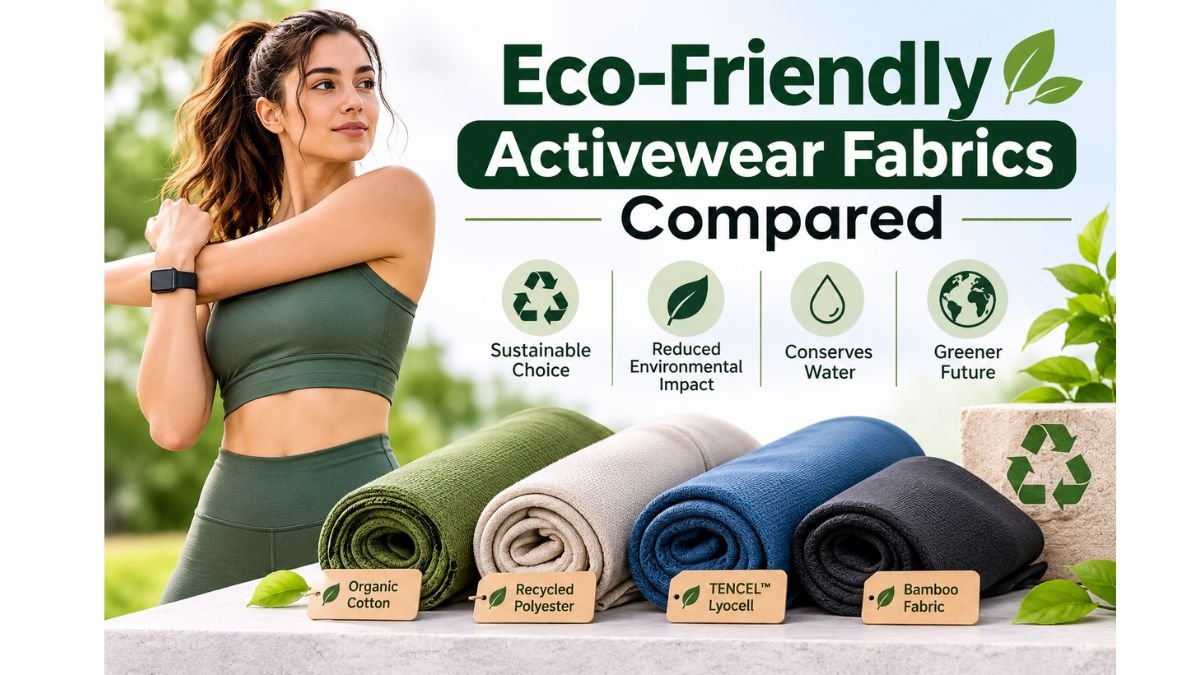
1. Recycled Polyester
Recycled polyester is made from recovered polyester materials. Depending on the supply chain, these materials may include used plastic bottles or discarded polyester textiles.
It is commonly used in performance clothing because polyester can offer:
- Lightweight construction.
- Moisture-management options.
- Quick-drying properties.
- Good color retention.
- Suitability for sportswear blends.
Recycled polyester can be useful for gym shirts, shorts, jackets, and tracksuits.
However, recycled polyester is still a synthetic fiber. It can release microfibers during washing, so brands should not describe it as impact-free.
The recycled content should also be supported by reliable supplier documentation.
2. Recycled Nylon
Recycled nylon is another material used in performance apparel. It can be produced from recovered nylon waste, including selected industrial or textile waste streams.
It is often considered for garments that need stretch, strength, and a smooth feel.
Possible applications include:
- Leggings.
- Sports bras.
- Compression wear.
- Training shorts.
- Fitted workout tops.
Recycled nylon can be blended with elastane to provide stretch and recovery. Brands should check the exact fiber composition and performance requirements before choosing it.
3. Organic Cotton
Organic cotton is grown under defined agricultural standards that restrict certain synthetic pesticides and fertilizers.
It can be a suitable option for casual fitness clothing, warm-up garments, and relaxed gym T-shirts.
Common benefits include:
- Soft feel.
- Breathability.
- Comfort for everyday wear.
- Suitability for casual activewear.
However, cotton does not always provide the moisture-management performance required for intense training. It can absorb sweat and take longer to dry than some synthetic fabrics.
Organic cotton is therefore more suitable for certain products than others.
4. Recycled Cotton
Recycled cotton comes from recovered cotton textiles or manufacturing waste. It can help use existing fiber resources instead of relying entirely on new cotton.
It may be used in casual gym clothing, sweatshirts, and selected blended fabrics.
The final performance depends on fiber length, processing, and fabric construction. Recycled cotton is sometimes blended with other fibers to improve strength and durability.
Brands should ask suppliers about the recycled content and available quality specifications.
5. TENCEL™ Lyocell
Lyocell is a regenerated cellulosic fiber. TENCEL™ is a branded fiber name associated with Lenzing.
Lyocell fabrics are known for their soft feel and moisture-management characteristics. They may be used in casual activewear, yoga clothing, and lightweight tops.
When considering this material, brands should verify the fiber source, supplier documentation, and exact fabric composition.
The presence of a branded fiber does not automatically make an entire garment sustainable. Other materials, dyes, trims, and manufacturing steps also matter.
6. Elastane and Stretch Blends
Elastane, also known as spandex, provides stretch and recovery. It is widely used in leggings, sports bras, compression clothing, and fitted workout garments.
Many performance fabrics combine polyester or nylon with elastane.
Elastane creates a challenge for recycling because mixed-fiber garments can be harder to process. Brands should balance performance needs with material choices and product durability.
A garment that does not provide enough stretch or recovery may fail to meet its intended use. Material decisions should consider both performance and environmental trade-offs.
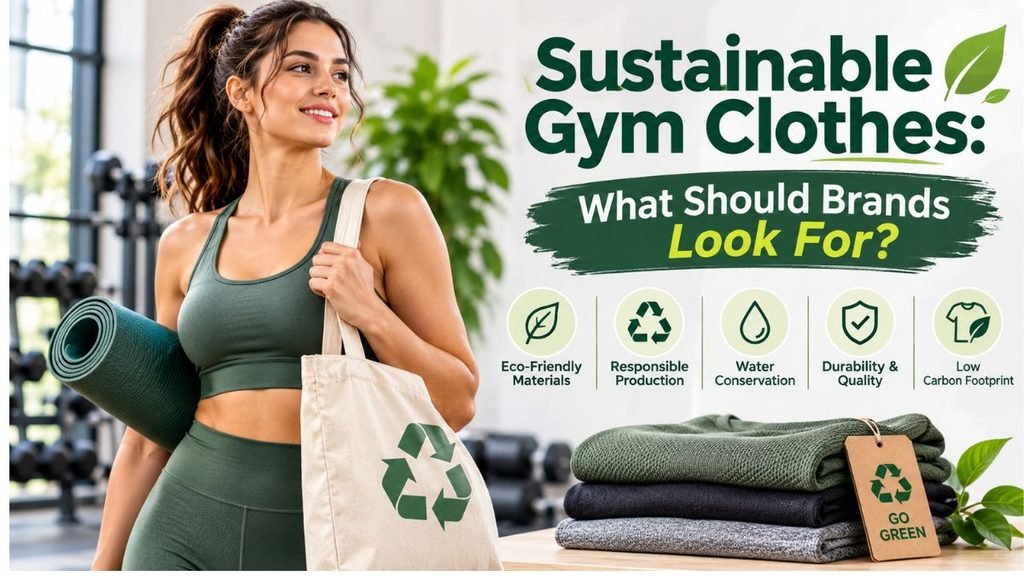
Sustainable Gym Clothes: What Should Brands Look For?
Brands developing sustainable gym clothes should evaluate more than the fabric label. A responsible product requires attention to the entire manufacturing process.
Here are some important areas to review.
Material Transparency
Ask suppliers for clear fabric details. These should include fiber composition, recycled content, fabric weight, and relevant certifications or test documents.
For example, a fabric described as recycled polyester should have documentation supporting that claim.
Avoid relying only on supplier marketing descriptions. Keep material records for product development and future orders.
Product Durability
Durability helps garments remain useful for longer. It is especially important for fitness clothing because activewear experiences repeated stretching and washing.
Consider testing:
- Seam strength.
- Stretch and recovery.
- Pilling resistance.
- Colorfastness.
- Fabric shrinkage.
- Print durability.
- Shape retention.
Testing should match the garment’s intended use. Leggings, sports bras, and loose training shirts have different performance requirements.
Responsible Manufacturing
The way clothing is manufactured also matters. Brands should ask suppliers about material handling, waste management, quality procedures, and relevant environmental practices.
A factory’s environmental certification may provide useful information about its management systems. However, a certification should not be treated as proof that every product has zero environmental impact.
Request current documents and understand what each certification covers.
Better Packaging Choices
Packaging can create unnecessary material waste when it is not planned carefully.
Brands can review options such as:
- Using packaging that is appropriately sized.
- Reducing unnecessary layers.
- Selecting recyclable packaging where suitable.
- Avoiding excessive plastic components.
- Using clear disposal instructions.
Packaging decisions should also protect garments during storage and international shipping.
Accurate Product Claims
Sustainability claims should be specific and supported by evidence.
For example, saying a garment contains a stated percentage of recycled polyester is more useful than calling it completely eco-friendly without explanation.
Brands should document material content and avoid claims that cannot be verified.
What Is Eco Gym Wear?
Eco gym wear is a general term for workout clothing developed with environmental considerations in mind. It may include recycled fabrics, responsibly sourced fibers, durable construction, and production practices intended to reduce waste.
The term is not a single technical standard. Different brands may use it to describe different product features.
For customers, the most useful information is specific. They should be able to see which material is used, how much recycled content it contains, and what evidence supports the claim.
For example, a pair of gym shorts made with documented recycled polyester may have a clear material benefit. But the full product still needs to be evaluated for durability, trims, dyeing, packaging, and other production stages.
Eco gym wear should therefore be discussed through measurable product details rather than vague labels.
How Is Sustainable Gym Wear Manufactured?
Manufacturing involves several stages, from initial design to final packaging. Each stage can affect product quality, material use, and waste.
1. Product Design and Planning
The first stage is deciding what the garment needs to do.
A brand should identify the target customer, exercise type, fit, fabric, color, and required features.
For example, running shorts may need lightweight construction and suitable movement. Yoga leggings may need stretch, opacity, and comfort.
A clear design plan helps prevent unnecessary changes during production.
2. Fabric Sourcing
Once the product requirements are clear, the manufacturer identifies suitable fabrics and trims.
Brands should request information about:
- Fiber composition.
- Fabric weight or GSM.
- Stretch and recovery.
- Moisture-management properties.
- Recycled or organic content.
- Supplier documentation.
- Available colors and minimum quantities.
The selected material should meet both performance and sourcing requirements.
3. Pattern Making and Sampling
Pattern development turns the design into garment components. Sampling then allows the brand to check fit, construction, and material performance.
For sustainable activewear, the sample should be tested during realistic use.
Check whether leggings remain opaque during movement. Review whether waistbands stay in place and seams remain comfortable.
Also test the garment after washing. This can reveal shrinkage, color changes, or loss of stretch.
4. Cutting and Sewing
After sample approval, the manufacturer prepares fabric for bulk production.
Careful cutting plans can help reduce leftover fabric. Pattern placement, fabric width, and garment size distribution all affect material use.
The sewing stage joins the garment components. Operators follow approved construction details and measurements.
Quality checks during production can identify defects before they affect a larger quantity of garments.
5. Printing, Embroidery, and Branding
Activewear brands may add logos, graphics, labels, and other design elements.
Common options include screen printing, heat transfer, sublimation, and embroidery. The best method depends on the fabric and design.
For performance garments, decoration should not reduce comfort or flexibility. Testing can help confirm that prints remain suitable after washing and stretching.
6. Quality Inspection
Quality control checks whether finished garments match the approved sample and specifications.
For gym wear, inspection may include measurements, seam quality, fabric defects, print placement, and stretch performance.
A brand should define acceptable quality standards before production. This gives the manufacturer clear requirements.
7. Packaging and Shipping
The final stage includes folding, labeling, packing, export documentation, and delivery.
Brands should confirm packaging specifications and shipping arrangements before production is completed.
For international orders, shipping method, destination requirements, duties, and delivery terms should be agreed in advance.
Popular Sustainable Gym Wear Products
Sustainable activewear can cover many types of fitness clothing. Each product requires different material and construction choices.
Sustainable Leggings
Leggings are among the most common activewear products. They need stretch, recovery, comfort, and suitable coverage.
Brands may explore recycled nylon or recycled polyester blends with elastane. Important quality checks include opacity, waistband stability, seam strength, and shape retention.
Sustainable Sports Bras
Sports bras need to provide suitable support and comfort. Material selection should consider stretch, recovery, breathability, and skin contact.
Recycled synthetic blends may be suitable for certain designs. Padding, elastic, lining, and closures should also be included in the material review.
Sustainable Gym T-Shirts
Gym T-shirts can use recycled polyester, selected cotton blends, or other suitable fabrics.
The best choice depends on whether the shirt is intended for intense exercise or everyday athleisure.
Brands should review moisture management, softness, weight, and wash performance.
Sustainable Workout Shorts
Workout shorts may be designed for running, gym training, cycling, or general fitness.
Fabric selection should match the intended movement. Check waistband construction, inner lining, pocket design, and seam placement.
Sustainable Tracksuits
Tracksuits can combine jackets and trousers for warm-ups, travel, or casual fitness use.
Brands may consider recycled polyester blends or other suitable materials. Zippers, drawcords, elastic, and trims should also be reviewed.
Challenges in Producing Sustainable Gym Wear
Developing responsible activewear can involve trade-offs. Brands should understand these challenges before launching a collection.
Balancing Performance and Material Choices
Some recycled or alternative fabrics may not match every performance requirement.
A fabric may feel comfortable but lack the recovery needed for compression leggings. Another may dry quickly but feel less suitable for casual wear.
Brands should test materials against the product’s actual purpose instead of choosing them based on marketing claims alone.
Managing Material Costs
Some certified or specialty fabrics may cost more than conventional alternatives. Minimum fabric quantities and supplier availability can also affect pricing.
Brands should compare the full cost of materials, sampling, production, decoration, and shipping.
A clear product plan can help control unnecessary changes and reduce avoidable expenses.
Finding Reliable Suppliers
Not every supplier provides the same level of material transparency. Some may use broad environmental terms without enough supporting information.
Ask for specifications and supporting documents. Keep records of approved suppliers and materials.
Recycling Mixed-Fiber Garments
Performance clothing often combines polyester or nylon with elastane. These blends can make recycling more complex.
Brands should consider material choices during design rather than waiting until products reach the end of their useful life.
Durable construction, repair guidance, and clear care instructions can also support longer product use.
Avoiding Greenwashing
Greenwashing happens when a company makes environmental claims that create a misleading impression.
Examples include calling an entire collection completely sustainable because one component contains recycled material.
Brands should describe specific product features and avoid unsupported claims. Clear evidence builds more trust than broad promises.
How Clothing Brands Can Build a Sustainable Activewear Collection
Launching a sustainable gym wear collection requires careful planning. Brands should start with a focused product range and clear material goals.
Step 1: Identify Your Target Customer
Understand who will buy your products. A yoga customer may prioritize softness and flexibility, while a weight-training customer may need durable construction and support.
Your target customer helps guide product design and fabric selection.
Step 2: Choose a Focused Product Range
Start with products that match your brand’s strengths and customer needs.
For example, an initial collection could include leggings, sports bras, gym tops, and shorts.
A focused range makes it easier to manage samples, materials, and production requirements.
Step 3: Set Material Requirements
Decide which materials you want to explore. You may prioritize recycled polyester, recycled nylon, organic cotton, or selected blends.
Set clear requirements for fiber content and supplier documentation.
Do not select materials only because they have an environmental label. Check their suitability for the garment.
Step 4: Prepare a Tech Pack
A tech pack records the details needed to produce your garments.
It should include measurements, fabric composition, GSM, colors, trims, stitching, artwork, and labeling requirements.
Accurate documentation helps reduce misunderstandings during sampling and bulk production.
Step 5: Test Samples
Review samples for fit, comfort, movement, and durability.
Try the garment during the activities it is designed for. Wash it according to the intended care instructions and inspect it again.
Make necessary changes before approving bulk production.
Step 6: Choose a Suitable Manufacturer
Look for a manufacturing partner with experience in activewear and the required fabric types.
Ask about sourcing support, sampling, quality control, branding, MOQ, and shipping.
Confirm whether the manufacturer can provide documentation for any material claims you plan to make.
Step 7: Communicate Product Information Clearly
Use accurate descriptions on product pages, labels, and packaging.
Explain the fabric composition and any verified recycled or certified content. Provide clear washing and care instructions.
Specific information helps customers understand what they are buying.
How to Choose a Sustainable Gym Wear Manufacturer
A suitable manufacturer should understand both activewear construction and your material requirements.
Consider these points before choosing a production partner.
Activewear experience: Ask whether the manufacturer produces leggings, sports bras, gym tops, shorts, tracksuits, and other performance garments.
Fabric sourcing: Confirm whether the company can source the materials you require and provide relevant specifications.
Sampling support: Ask how samples are developed and whether you can request revisions before bulk production.
Quality control: Review how the manufacturer checks measurements, seams, fabric defects, and decoration.
Branding options: Confirm whether custom labels, hang tags, printing, embroidery, and packaging are available.
MOQ and pricing: Understand the minimum quantity and the full cost of production.
Material evidence: Request documentation before making recycled, organic, or other environmental claims.
Sustainable Gym Wear Manufacturing at Fashion Soul International
Fashion Soul International is a factory-owned clothing manufacturer based in Sialkot, Punjab, Pakistan. The company offers custom apparel manufacturing services for international clothing brands.
Its product categories include activewear, sportswear, fitness apparel, tracksuits, and other custom garments.
The company’s manufacturing services cover fabric sourcing, product development, sampling, bulk production, quality control, custom branding, packaging, and international shipping.
For brands developing a sustainable gym wear collection, the first step is to share clear material and product requirements. These may include recycled fabric preferences, fiber composition, fabric weight, stretch requirements, colors, garment measurements, and decoration details.
Material availability and supporting documentation should be confirmed for each project. Do not assume that every fabric option has recycled or certified content.
Fashion Soul International publishes a standard manufacturing MOQ starting at 100 pieces per style. Actual requirements depend on the product, fabric, color, construction, and order details.
Brands can begin with a design brief, sketches, reference images, or a tech pack. A finalized tech pack or suitable reference sample is needed before accurate sampling.
This process helps buyers understand their options before approving bulk production.
Tips for Caring for Sustainable Gym Clothes
Good garment care can help extend the useful life of workout clothing.
Follow the care label first because different fabrics need different treatment.
Some general practices include:
- Wash garments according to the recommended temperature.
- Avoid excessive washing when clothing is not heavily soiled.
- Use suitable detergents.
- Avoid high heat when the care label recommends lower temperatures.
- Air-dry garments when appropriate.
- Separate clothing when colors may transfer.
- Store activewear in a clean, dry place.
Avoid assuming every sustainable fabric needs the same care. Follow the instructions for the specific garment.
Proper care can help maintain fit, color, and fabric performance over time.
Frequently Asked Questions About Sustainable Gym Wear
What is sustainable gym wear?
Sustainable gym wear is workout clothing developed with attention to materials, manufacturing, durability, and environmental impact. It may use recycled fibers, responsibly sourced materials, and production methods intended to reduce waste.
What fabrics are used in sustainable gym clothes?
Common options include recycled polyester, recycled nylon, organic cotton, recycled cotton, and selected cellulosic fibers. Stretch garments may also contain elastane for flexibility and recovery.
Is recycled polyester good for gym wear?
Recycled polyester can be suitable for gym wear because it offers lightweight construction and moisture-management options. Its suitability depends on fabric construction, performance testing, and the garment’s intended use.
What is eco gym wear?
Eco gym wear is a general term for workout clothing made with environmental considerations. It may include recycled materials, responsible sourcing, durable construction, or reduced packaging.
Are sustainable leggings suitable for intense workouts?
They can be, provided the fabric and construction meet the activity’s performance needs. Check stretch, recovery, opacity, seam strength, and comfort before approving a product.
Is organic cotton suitable for workout clothing?
Organic cotton can work well for casual gym tops and relaxed activewear. It may be less suitable for intense training when quick drying and strong moisture management are important.
How can I identify genuinely sustainable activewear?
Review the fabric composition, recycled or organic content, supplier documentation, manufacturing information, and care instructions. Look for specific evidence instead of relying on general environmental claims.
Can a clothing manufacturer produce custom sustainable gym wear?
A manufacturer can develop custom activewear based on available materials and production capabilities. Brands should confirm fabric sourcing, material documentation, sampling, MOQ, quality checks, and branding options before placing an order.
What should I include in a sustainable activewear tech pack?
Include garment drawings, measurements, fabric composition, GSM, color references, stitching details, trims, decoration, labels, and packaging instructions. Add any material or certification requirements that the manufacturer must follow.
Conclusion
Sustainable gym wear brings together fitness performance, thoughtful material selection, garment durability, and responsible production choices. It gives clothing brands an opportunity to create workout products that meet customer needs while paying closer attention to their environmental impact.
However, sustainability requires more than choosing a recycled fabric. Brands should review sourcing information, manufacturing practices, garment construction, quality, packaging, and product care.
Whether you are developing leggings, sports bras, gym T-shirts, or tracksuits, start with clear product requirements and test every sample before bulk production.
By working with a suitable manufacturing partner and making accurate product claims, your brand can build a more responsible activewear collection that customers can understand and trust.