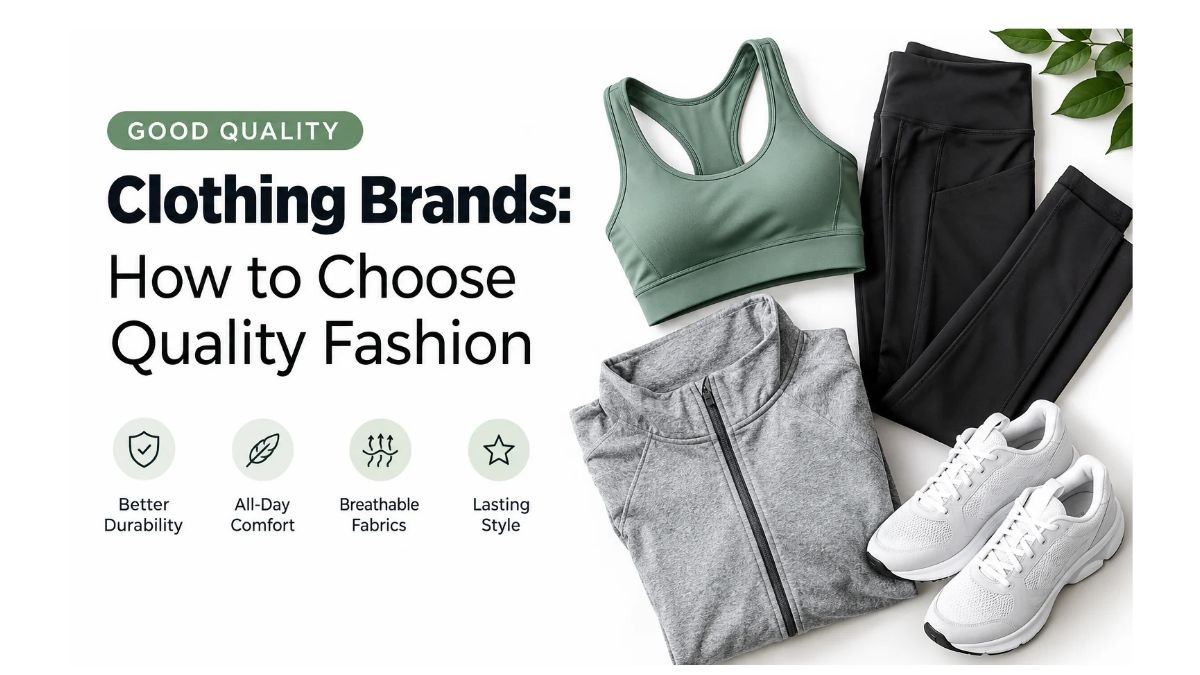
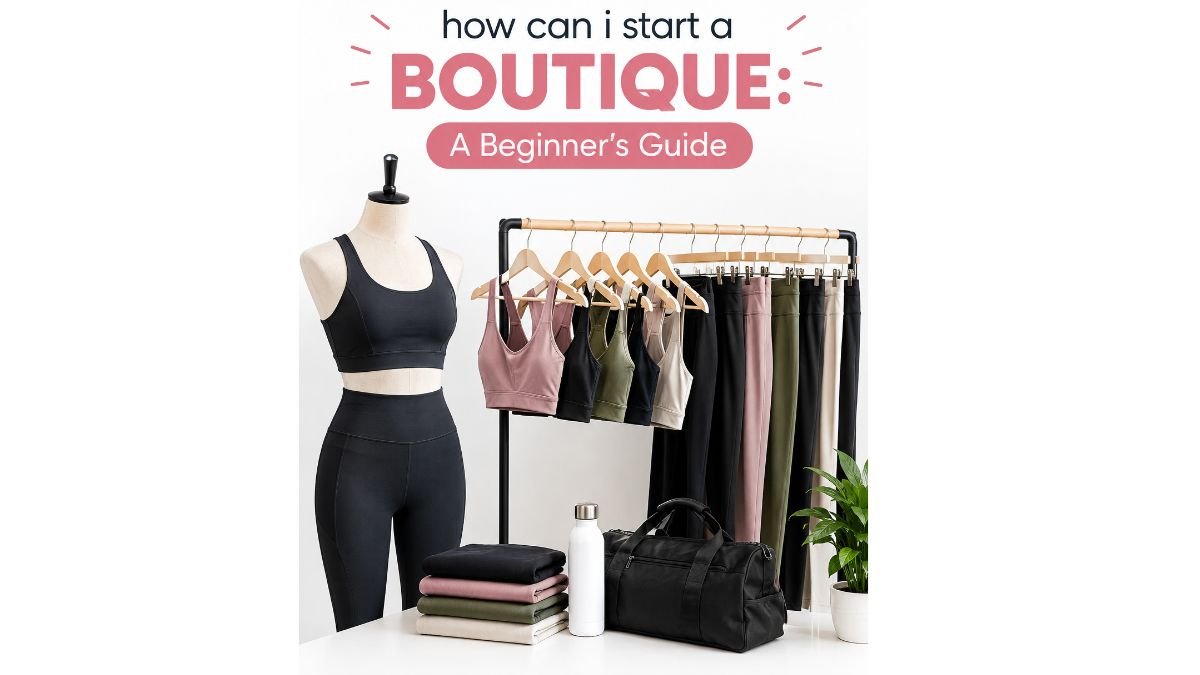
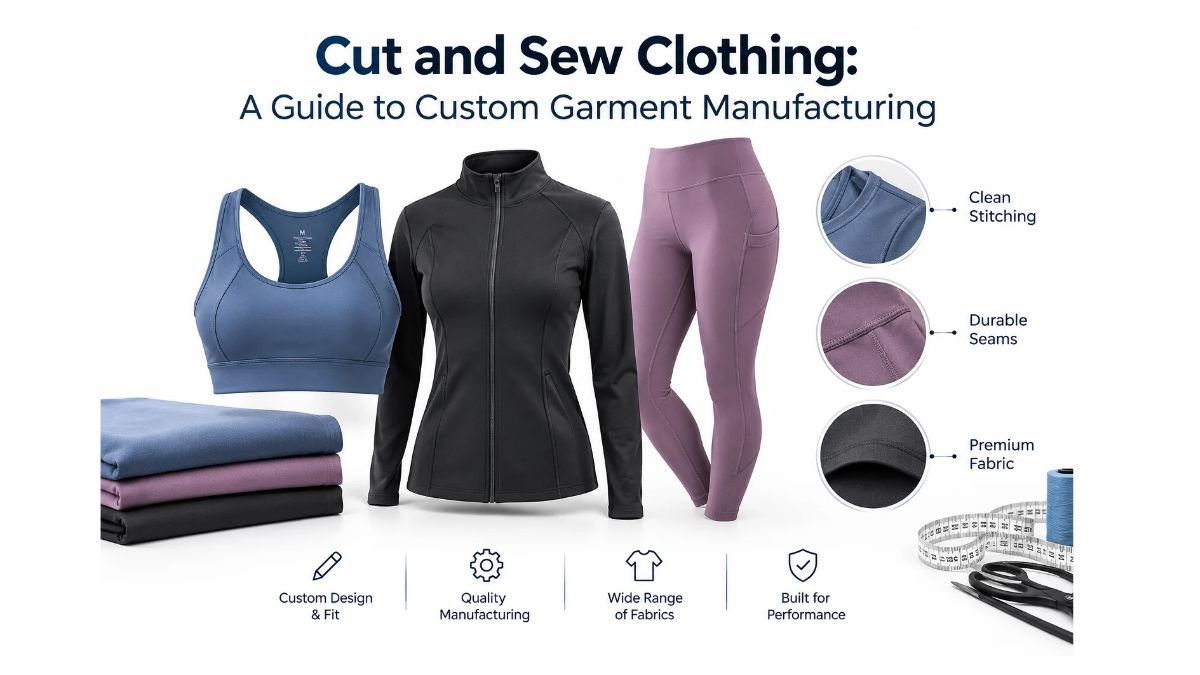
Clothing Brand Design Ideas for Activewear
Clothing Brand Design Ideas can help you create a unique and memorable fashion brand. From minimalist activewear and stylish sportswear to modern logos, colors, and packaging, the right design choices can make your clothing brand stand out. Explore these creative activewear design ideas to inspire your next collection and build a strong brand identity.
Starting a clothing brand can be exciting, but choosing the right product direction is often difficult. A strong clothing line needs more than attractive designs. It should have a clear audience, consistent style, useful products, and a practical production plan.
Finding the right clothing line ideas can help you turn a general fashion concept into a focused collection. Whether you want to build a streetwear label, activewear brand, casual clothing business, or private-label collection, your first ideas can shape the entire brand.
This guide explores different clothing concepts, how to develop clothing brand design ideas, how to choose a niche, and how to turn fashion line ideas into products that can actually be manufactured.
What Makes a Good Clothing Line Idea?
A good clothing concept should solve a clear need or express a recognizable style.
It does not have to be completely new. Many successful clothing concepts build on familiar products while offering a different fit, fabric, design, audience, or brand identity.
Before choosing an idea, consider:
- Who will wear the clothing?
- What problem does the product solve?
- What style does the brand represent?
- What products will make up the first collection?
- What fabrics will be needed?
- What price range will the customer expect?
- Can the products be manufactured consistently?
- Can the idea grow into future collections?
A clear answer to these questions makes product development easier.
Start With a Specific Target Customer
One of the easiest ways to develop clothing line ideas is to start with the customer rather than the garment.
Think about the people you want to serve.
For example, your audience could include:
- Gym and fitness customers
- Streetwear shoppers
- Outdoor enthusiasts
- Young adults
- Children
- Athletes
- Professionals
- Travelers
- Casual fashion shoppers
- Modest fashion customers
- Workwear buyers
Each audience has different expectations.
A fitness customer may care about stretch, moisture management, and movement. A streetwear customer may care more about oversized silhouettes, graphics, fabric weight, and unique details.
Your customer should influence the products you design.
Modern Clothing Brand Design Ideas
There are many directions a new clothing brand can explore. The following ideas can help you find a starting point.
1. Streetwear Clothing Line
Streetwear remains a flexible category for creative brands.
A streetwear collection could include:
- Oversized T-shirts
- Heavyweight hoodies
- Cargo trousers
- Tracksuits
- Varsity-style jackets
- Sweatshirts
- Graphic tees
- Denim pieces
- Caps and other accessories
The identity can come from silhouettes, graphics, fabric weights, embroidery, labels, and color combinations.
For example, a brand could build its identity around heavyweight garments with minimal branding and carefully designed embroidery.
2. Activewear Clothing Line
Activewear is another possible direction.
Products could include:
- Training T-shirts
- Leggings
- Sports bras
- Shorts
- Tracksuits
- Training tops
- Performance jackets
- Gym sets
When developing activewear, focus on movement and fabric performance.
Stretch, breathability, moisture management, construction, and fit can be important depending on the intended activity.
3. Athleisure Collection
Athleisure combines casual fashion with sports-inspired design.
Possible products include:
- Relaxed joggers
- Oversized sweatshirts
- Matching sets
- Hoodies
- Casual tracksuits
- Lightweight jackets
- Comfortable T-shirts
This type of collection can target customers who want clothing suitable for both everyday activities and casual workouts.
4. Minimalist Clothing Brand
A minimalist brand can focus on simple silhouettes and a limited color palette.
The collection might include:
- Plain T-shirts
- Clean-cut trousers
- Neutral hoodies
- Overshirts
- Simple jackets
- Relaxed sweatpants
Instead of relying on large graphics, the brand can focus on fabric quality, fit, construction, and subtle branding.
5. Sustainable-Focused Collection
A clothing concept can also focus on material choices and responsible product development.
Possible directions include natural fabrics, durable garments, recycled material options, or designs intended for longer use.
However, brands should be precise with sustainability claims. A product should not be described as sustainable simply because it uses one particular fabric.
Material composition, sourcing, manufacturing, packaging, durability, and product lifecycle can all matter.
6. Workwear Clothing Line
Workwear offers opportunities for practical product design.
A collection could include:
- Work jackets
- Utility trousers
- Work shirts
- Vests
- Polo shirts
- Heavy-duty outerwear
- Branded uniforms
Pockets, durability, construction, fit, and functional details can be central to the product concept.
7. Modest Fashion Line
Modest fashion can provide another focused direction.
Products may include:
- Long shirts
- Modest dresses
- Loose trousers
- Oversized tops
- Layering pieces
- Long outerwear
- Modest activewear
The important point is to define the customer’s expectations clearly before developing the garments.
8. Children’s Clothing Line
Children’s fashion can focus on comfort, practical construction, and age-appropriate designs.
Possible products include:
- T-shirts
- Hoodies
- Tracksuits
- Joggers
- Jackets
- Matching sets
- Casual dresses
Sizing and construction need careful attention because children’s garments must be developed for specific age and size ranges.
Clothing Brand Design Ideas
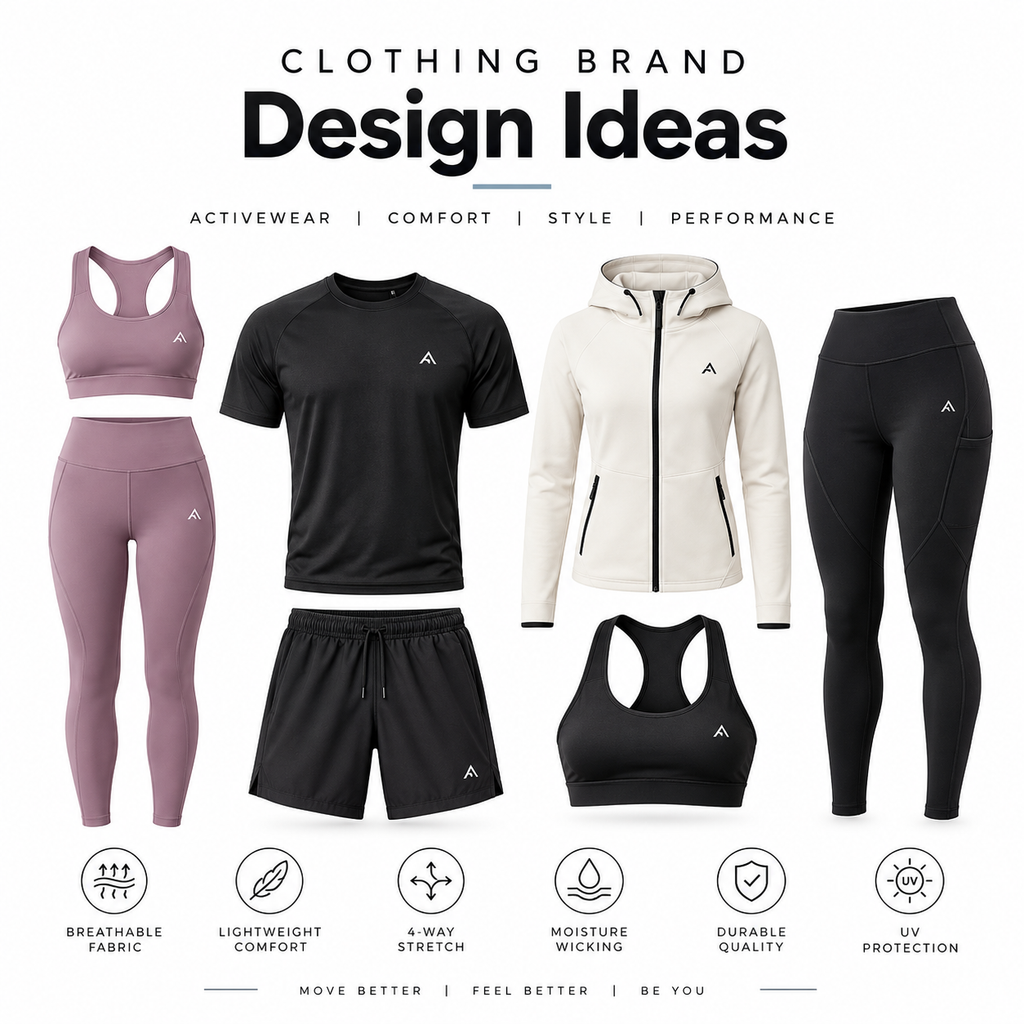
Once you select a niche, you need to turn it into a recognizable brand concept.
Your clothing brand design ideas should work together rather than looking like unrelated products.
Clothing Brand Logo and Color Ideas
Think about:
- Brand name
- Logo
- Color palette
- Typography
- Garment style
- Photography style
- Packaging
- Labels
- Graphic direction
For example, a premium streetwear brand may use a simple logo, heavyweight fabrics, neutral colors, and subtle embroidery.
A youth-focused sports brand may use brighter colors, performance fabrics, bold graphics, and athletic silhouettes.
The product and branding should communicate the same message.
Create a Mood Board
A mood board can help turn abstract ideas into a clear visual direction.
Include examples of:
- Colors
- Garments
- Fabrics
- Textures
- Graphics
- Silhouettes
- Typography
- Photography
- Accessories
A mood board is also useful when communicating with a clothing manufacturer.
It gives the development team a clearer understanding of the intended aesthetic.
Build a Small First Collection
A new brand does not necessarily need dozens of products at launch.
A smaller collection can be easier to develop and manage.
For example, a first collection could contain:
- Two T-shirts
- One hoodie
- One trouser
- One jacket
The products can share colors, graphics, fabrics, or design details.
This creates a more cohesive collection.
Develop Fashion Line Ideas Around a Theme
Strong fashion line ideas often have a central theme.
A theme can influence the entire collection.
For example:
Urban Utility
Use functional pockets, utility fabrics, cargo details, and practical silhouettes.
Modern Essentials
Focus on simple garments, neutral colors, clean construction, and versatile styling.
Performance Lifestyle
Combine athletic construction with everyday silhouettes.
Heritage-Inspired
Use traditional colors, classic construction, vintage graphics, or heritage-inspired fabrics.
Future Minimalism
Use clean shapes, technical fabrics, simple graphics, and modern details.
A theme gives the collection a stronger identity.
Unique Clothing Brand Design Inspiration
Fabric can change how a garment looks and feels.
Do not finalize a design without considering its material requirements.
Important fabric factors include:
- Fiber composition
- GSM
- Stretch
- Weight
- Texture
- Breathability
- Durability
- Shrinkage
- Finish
- Color
For example, a lightweight cotton fabric may work well for a summer T-shirt, while a heavier fleece may suit a winter hoodie.
Fashion Soul’s published fabric options include cotton, French terry, brushed and bonded fleece, polyester interlock, four-way stretch fabrics, moisture-wicking polyester, Supplex nylon, denim, twill, canvas, and Oxford fabrics.
The right fabric depends on the garment and intended use.
Consider GSM When Developing Clothing Ideas
GSM means grams per square meter. It indicates fabric weight.
It can affect:
- Garment weight
- Thickness
- Structure
- Drape
- Warmth
- Perceived quality
- Overall appearance
For example, a lightweight T-shirt and a heavyweight streetwear T-shirt can have completely different appearances even when they use similar designs.
Fashion Soul publishes custom T-shirt fabric options around 160–280 GSM and hoodie options around 280, 320, 380, and 460 GSM.
These are examples of available specifications, not universal requirements for every garment.
Creative Activewear Branding Ideas
A creative idea needs technical information before production.
A manufacturer may need:
- Garment measurements
- Fabric specifications
- Color references
- Construction details
- Artwork
- Placement information
- Label requirements
- Size specifications
- Packaging instructions
A technical pack can bring these details together.
It helps translate a creative concept into production instructions.
Use Reference Images Carefully
Reference images can be helpful when explaining a clothing concept.
You might use them to show:
- Desired silhouette
- Pocket shape
- Sleeve style
- Collar shape
- Stitching
- Fabric appearance
- Print placement
However, a reference image does not automatically provide enough information for manufacturing.
You may still need measurements, materials, artwork, and construction details.
Add Custom Branding
Branding can make a basic garment feel like part of a complete collection.
Possible branding elements include:
- Woven labels
- Printed neck labels
- Embroidery
- Screen printing
- Heat transfers
- Patches
- Hang tags
- Custom packaging
The decoration method should match the fabric, artwork, durability requirements, quantity, appearance, and budget.
Common apparel decoration methods include screen printing, DTG, sublimation, embroidery, puff printing, heat transfer, rubber applications, discharge printing, and foil.
Clothing Brand Logo and Color Ideas
You can also make a collection distinctive through construction.
Instead of creating completely different products, develop a recognizable detail across multiple garments.
For example, your collection could use:
- A signature pocket
- A specific stitch detail
- Custom zipper pulls
- A unique collar
- Repeated panel construction
- A recognizable embroidery placement
- A consistent label design
This creates visual consistency across the collection.
Matching Sets as a Clothing Line Idea
Matching sets can create a simple product structure for a new brand.
Possible combinations include:
- Hoodie and joggers
- Sweatshirt and trousers
- Crop top and leggings
- Jacket and pants
- T-shirt and shorts
- Tracksuit jacket and trousers
Matching products can use the same fabric, colors, and branding.
This can also make collection styling easier.
Seasonal Clothing Line Ideas
Your product ideas can also be based on seasons.
Spring
Consider lightweight shirts, casual jackets, relaxed trousers, and breathable fabrics.
Summer
Focus on lightweight T-shirts, shorts, tanks, dresses, and breathable materials.
Autumn
Consider sweatshirts, hoodies, overshirts, tracksuits, and lightweight outerwear.
Winter
Heavier hoodies, jackets, fleece garments, coats, and warm layering pieces can be considered.
Seasonal planning also helps with fabric selection and production timing.
How to Choose the Right Clothing Line Idea
Having many ideas can create another problem: deciding which one to develop.
Use a simple evaluation process.
Check Customer Demand
Ask whether your target customer actually needs or wants the product.
Check Competition
Study existing brands in the same category.
Look at their:
- Products
- Pricing
- Styling
- Materials
- Branding
- Customer reviews
The goal is not to copy competitors. It is to understand the market.
Check Production Requirements
Some designs are much more complex than others.
A garment with multiple panels, special fabrics, embroidery, custom hardware, and complex construction may require more development work.
Check Your Budget
Your budget should account for more than garment production.
Consider:
- Sampling
- Fabric
- Decoration
- Labels
- Packaging
- Shipping
- Marketing
- Product photography
Check Future Expansion
Choose an idea that can support additional products.
For example, a streetwear concept could eventually expand from T-shirts into hoodies, trousers, jackets, and accessories.
How to Develop Your Clothing Line With a Manufacturer
Once your concept is clear, the next step is finding a suitable manufacturer.
Start by preparing your product information.
Share your:
- Product type
- Design
- Reference images
- Measurements
- Fabric requirements
- Quantity
- Branding requirements
- Decoration requirements
- Packaging requirements
- Target delivery location
A manufacturer can then evaluate the project more accurately.
Fashion Soul’s stated workflow includes customer inquiry, quotation, sourcing, pre-production sample development, physical sample approval, bulk production, inline quality control, pre-shipment inspection, packaging, export documentation, and international shipping.
Why Sampling Matters
A digital design can look different from the finished garment.
A physical sample allows you to check the actual product.
Review:
- Fit
- Measurements
- Fabric
- GSM
- Color
- Stitching
- Embroidery
- Labels
- Construction
Make necessary changes before approving bulk production.
Fashion Soul states that bulk production begins after physical pre-production sample approval.
Understanding MOQ for a New Clothing Line
MOQ means minimum order quantity.
It is important when planning your first collection.
Fashion Soul’s published standard MOQ is 100 pieces per style, per color, per size run. Actual requirements can vary based on the product, fabric, color, construction, decoration, and production model.
Therefore, brands should request a project-specific quotation before finalizing quantities.
Quality Control for a New Clothing Collection
Quality should be considered during development rather than after production.
A manufacturer may inspect:
- Measurements
- Stitching
- Fabric
- Construction
- Print placement
- Embroidery
- Trim attachment
- Overall garment appearance
Fashion Soul’s published workflow includes inline inspection and pre-shipment AQL 2.5 inspection.
Using the approved sample as a production reference can also help maintain consistency.
Clothing Line Ideas for Small and Growing Brands
Small brands often need to balance creativity with practical production.
A useful approach is to begin with a focused collection.
For example:
Collection A: Everyday Streetwear
- Oversized T-shirt
- Hoodie
- Joggers
- Cap
Collection B: Fitness Essentials
- Training T-shirt
- Shorts
- Leggings
- Lightweight jacket
Collection C: Modern Casual
- Premium T-shirt
- Overshirt
- Relaxed trousers
- Lightweight jacket
Each collection can use a consistent color palette and branding system.
Fashion Soul International for Custom Apparel Development
Fashion Soul International Private Limited is a factory-owned custom clothing manufacturer based in Sialkot, Pakistan.
The company offers private-label, OEM, ODM, white-label, cut-and-sew, and full-package production.
Its published services include product development, fabric and trim sourcing, sampling, bulk production, quality control, branding, packaging, export documentation, and international shipping.
The company states that it works with startups, growing brands, established clothing companies, retailers, wholesalers, e-commerce businesses, sportswear companies, workwear buyers, and other international apparel businesses.
Its current company information states that Fashion Soul has 250+ workers, production capacity of approximately 50,000–100,000 garments per month, and has served 2,500+ brands. The company also states that it ships finished apparel to more than 30 countries.
For brands with a custom collection idea, this type of production model can support development from initial concept through finished garments.
Common Mistakes When Starting a Clothing Line
Trying to Serve Everyone
A clothing brand needs a clear target audience.
A very broad concept can make product and marketing decisions harder.
Creating Too Many Products
A large first collection can increase development and inventory complexity.
Start with a focused range that represents your brand.
Ignoring Fabric
A design is not complete until the material is considered.
Fabric affects fit, appearance, comfort, and construction.
Skipping the Sample
Never assume a digital design will look exactly the same when manufactured.
Use a physical sample to identify problems.
Copying Existing Brands
Research competitors, but develop your own identity.
Your collection should have its own design direction.
Ignoring Production Details
Creative ideas need practical specifications.
Measurements, GSM, construction, decoration, labels, and packaging should be planned before bulk production.
A Simple Process for Turning Ideas Into a Clothing Brand
You can use this process to move from an initial idea to production:
Step 1: Choose Your Niche
Define the type of customer and clothing you want to serve.
Step 2: Develop Your Concept
Create a clear theme, style, and visual direction.
Step 3: Choose Your First Products
Select a small group of garments that work together.
Step 4: Develop Designs
Create sketches, references, measurements, and technical information.
Step 5: Select Fabrics
Consider fiber, GSM, stretch, weight, feel, and intended use.
Step 6: Find a Manufacturer
Compare manufacturing capabilities, MOQ, sampling, quality control, and shipping options.
Step 7: Develop a Sample
Review the physical garment carefully.
Step 8: Approve the Sample
Confirm all measurements, materials, branding, and construction.
Step 9: Start Bulk Production
Use the approved specifications and sample as production references.
Step 10: Complete Quality Control
Inspect the finished garments before shipment.
Step 11: Package and Ship
Complete labels, packaging, export documents, and delivery arrangements.
Frequently Asked Questions
What are some good clothing line ideas?
Popular directions include streetwear, activewear, athleisure, minimalist clothing, workwear, children’s clothing, modest fashion, and casual essentials.
The right idea depends on your target customer, design direction, budget, and production requirements.
How do I come up with clothing brand design ideas?
Start with your target customer and brand identity. Build a mood board, choose a visual theme, study the market, and develop garments that share consistent colors, fabrics, silhouettes, and branding.
What are fashion line ideas?
Fashion line ideas are concepts for a clothing collection. They can be based on a niche, theme, customer group, season, lifestyle, fabric, or design style.
How many products should a new clothing line have?
There is no universal number. A focused first collection can make product development and inventory management easier. The ideal number depends on your budget, audience, production model, and brand strategy.
Can I create custom clothing from my own designs?
Yes. Custom apparel manufacturers can develop garments from designs, sketches, reference images, technical packs, mood boards, or creative briefs, depending on their development capabilities.
Why is fabric important for clothing design?
Fabric affects the garment’s weight, fit, appearance, comfort, durability, and construction. It should be selected alongside the design rather than treated as an afterthought.
What is MOQ in clothing manufacturing?
MOQ stands for minimum order quantity. It is the minimum quantity a manufacturer requires for a particular production project. MOQ can vary by style, color, fabric, construction, and decoration.
Final Thoughts
Developing a clothing brand starts with an idea, but a successful collection requires more than creativity.
The strongest clothing line ideas combine a clear customer, useful products, consistent design, suitable fabrics, practical construction, and realistic manufacturing requirements.
Start by defining your niche. Then build a visual identity around it. Choose a small group of products that work together and develop each garment with careful attention to fabric, GSM, fit, construction, decoration, and branding.
Your clothing brand design ideas should create a recognizable identity, while your fashion line ideas should give the collection enough direction to grow.
Once the designs are ready, work with a manufacturer that can support the required production process. Request samples, review quality, confirm MOQ, and approve the physical product before bulk manufacturing.
A thoughtful development process can turn an early clothing concept into a practical collection that is ready for the market.