Why Is Athleisure So Popular? Understanding the Rise of Everyday Activewear
Athleisure has become one of the most recognizable styles in modern fashion. Leggings, joggers, sports bras, hoodies, sneakers, and performance T-shirts are no longer limited to gyms and sports facilities. People now wear these clothes while shopping, travelling, working from home, meeting friends, and completing everyday activities.
But why is athleisure so popular? The answer goes beyond fashion trends. Athleisure combines comfort, functionality, versatility, and personal style. It allows people to wear clothing that supports movement while still looking suitable for casual social settings.
Changing lifestyles have also influenced this trend. Many people prefer flexible wardrobes that work for different parts of their day. Instead of changing outfits several times, they choose garments that can move easily between exercise, errands, and relaxation.
For fashion brands, athleisure represents an important clothing category with opportunities for product development, fabric innovation, and creative design. This guide explains why athleisure became popular, when the trend started, what makes it attractive, and how brands can develop products that meet modern customer expectations.
What Is Athleisure?
Athleisure is a clothing style that combines athletic wear with everyday casual fashion. The word itself combines the terms “athletic” and “leisure.”
Traditional sportswear is mainly designed for physical activities. For example, running shorts, training shirts, and sports bras are made to support exercise. Athleisure, however, brings athletic-inspired clothing into everyday wardrobes.
The main idea is simple: clothing should be comfortable and functional while also looking fashionable.
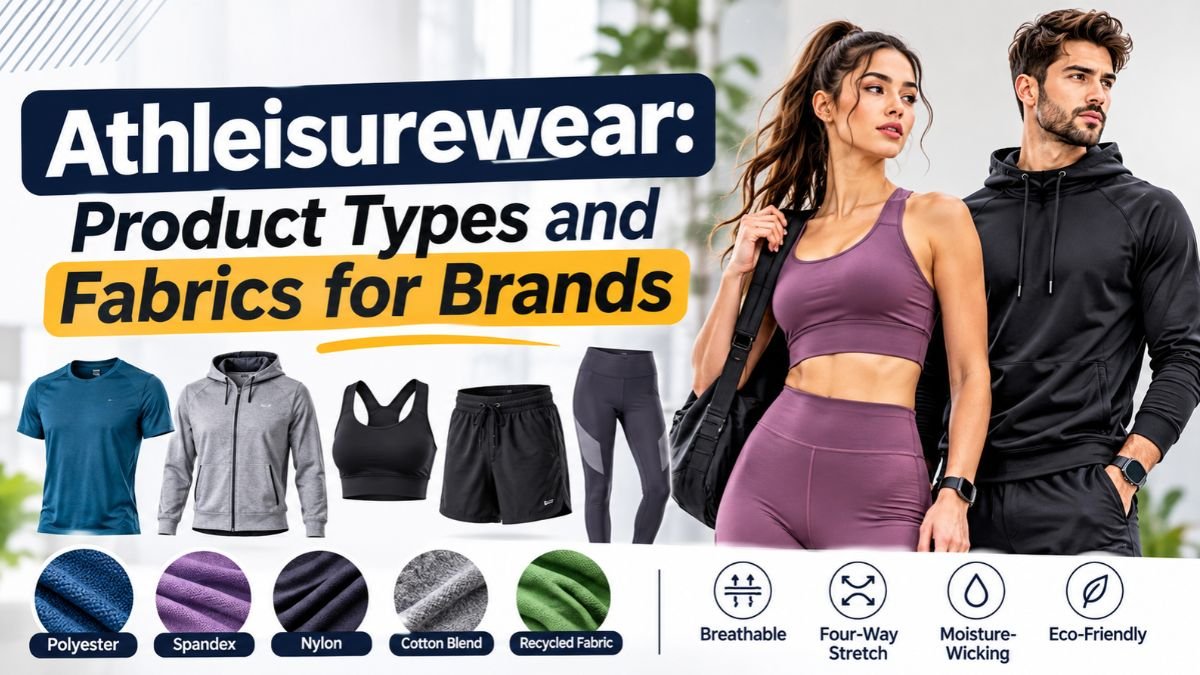
Common athleisure products include:
- Leggings and yoga pants
- Joggers and sweatpants
- Sports bras and fitted tops
- Oversized T-shirts
- Hoodies and sweatshirts
- Lightweight jackets
- Matching tracksuits
- Comfortable sneakers
- Stretchable casual trousers
These products can be worn for different activities. Someone might wear leggings to a yoga class, visit a coffee shop afterward, and continue running errands without changing clothes.
Athleisure is not exactly the same as performance sportswear. Performance clothing focuses mainly on the requirements of a particular sport or workout. Athleisure places greater emphasis on combining performance features with everyday appearance.
Why Is Athleisure So Popular?
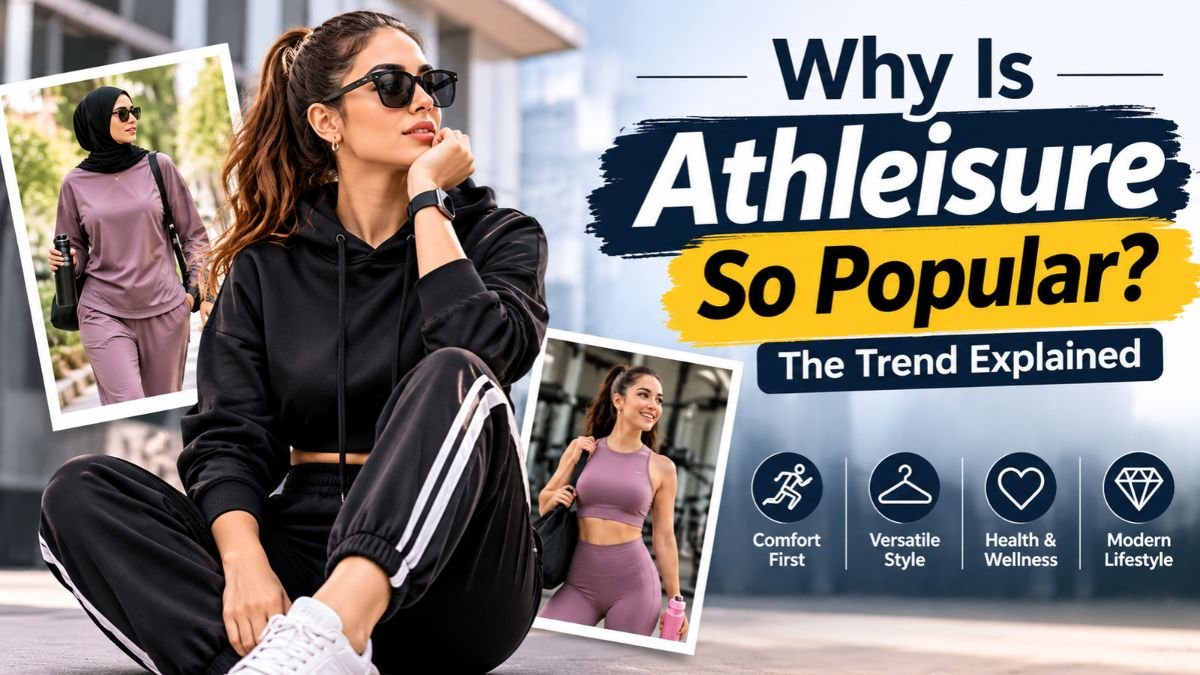
Athleisure has become popular because it meets several everyday clothing needs at once. Customers want garments that feel comfortable, look attractive, and support different activities.
Here are the main reasons behind its popularity.
1. Comfort Has Become a Major Fashion Priority
Comfort is one of the biggest reasons people choose athleisure. Traditional clothing can sometimes feel restrictive during long working days, travel, or everyday activities.
Athleisure offers alternatives made with stretchable fabrics, relaxed silhouettes, elastic waistbands, and soft materials.
For example, leggings can provide flexibility during movement. Joggers offer a relaxed fit, while oversized sweatshirts provide comfort in cooler weather.
These features make athleisure suitable for people who spend many hours outside their homes.
Comfort also does not mean sacrificing appearance. Modern designs include coordinated colors, clean silhouettes, attractive details, and different fabric textures.
As a result, people can build outfits that feel relaxed without looking unfinished.
2. People Want Clothing That Serves Multiple Purposes
Modern lifestyles often involve several activities throughout the day. A person may exercise in the morning, attend an online meeting, visit a store, and meet friends later.
Changing outfits for every activity can be inconvenient.
Athleisure addresses this problem by combining practical features with casual styling. A matching tracksuit, for example, can work for travel, light exercise, and relaxed social activities.
Similarly, a fitted sports top can be worn during training and styled with a casual jacket afterward.
This versatility gives customers more ways to use individual garments. It also makes athleisure attractive to people who prefer smaller, more practical wardrobes.
3. Health and Fitness Have Influenced Everyday Fashion
Growing interest in fitness has helped bring athletic clothing into mainstream fashion.
Activities such as yoga, walking, running, cycling, strength training, and home workouts have become part of many people’s routines.
As more people participate in physical activities, they also look for clothing that supports movement.
However, fitness clothing is no longer viewed only as equipment for exercise. People increasingly wear athletic-inspired products outside workout environments.
Leggings, joggers, sneakers, and breathable T-shirts have become familiar parts of casual wardrobes.
This connection between fitness and everyday fashion has helped athleisure develop into a lasting clothing category.
4. Work-From-Home Lifestyles Increased Demand for Relaxed Clothing
Changes in working habits have influenced how people dress.
Remote and hybrid work arrangements have made comfortable clothing more practical for many professionals. People working from home may prefer soft trousers, stretchable tops, and relaxed sweatshirts instead of formal office clothing.
Athleisure offers a middle ground between traditional workwear and sleepwear.
For example, someone can wear comfortable joggers with a clean, well-fitted T-shirt during a video meeting. A simple sweatshirt can also provide a relaxed but presentable appearance.
Although not every workplace accepts athletic clothing, flexible working environments have helped normalize more casual dressing.
5. Fashion and Functionality Work Together
Another reason athleisure became popular is the improvement in clothing design.
Earlier workout clothing often focused mainly on physical performance. Modern products combine useful fabric properties with fashionable shapes, colors, and finishing details.
Designers now develop activewear with:
- Four-way stretch
- Moisture-wicking properties
- Breathable construction
- Lightweight materials
- Comfortable waistbands
- Flat or reduced-friction seams
- Functional pockets
- Attractive surface textures
These features make clothing useful for movement while supporting a modern appearance.
For instance, a pair of high-waisted leggings may include stretch fabric, a supportive waistband, and a simple design suitable for everyday styling.
Therefore, customers do not always need to choose between looking fashionable and feeling comfortable.
6. Social Media Made Athleisure More Visible
Social media has played an important role in the spread of athleisure.
Platforms such as Instagram, TikTok, Pinterest, and YouTube allow people to discover outfit ideas, fitness routines, styling inspiration, and new clothing brands.
Fitness creators and fashion influencers frequently share outfits featuring leggings, matching sets, sneakers, crop tops, and oversized sweatshirts.
These posts show customers how athletic clothing can be styled beyond the gym.
For example, a creator may pair black leggings with a fitted top and jacket. Another may combine joggers with a simple T-shirt and sneakers.
This visual inspiration makes it easier for customers to imagine different ways to wear athleisure.
Social media also helps smaller clothing brands introduce their designs to potential customers. However, a product still needs suitable quality, fit, and value to build long-term demand.
7. Athleisure Offers Many Styling Options
Athleisure is not limited to one outfit or fashion identity. It includes minimal, sporty, streetwear-inspired, casual, and luxury-inspired designs.
Customers can choose products according to their personal preferences.
Some popular styling approaches include:
Minimal athleisure: Neutral leggings, plain T-shirts, and simple sneakers create a clean appearance.
Sporty athleisure: Training shorts, performance tops, and athletic shoes create a more active look.
Streetwear athleisure: Oversized hoodies, relaxed joggers, and graphic T-shirts offer a casual streetwear influence.
Coordinated athleisure: Matching leggings and sports bras or matching sweatshirts and joggers create a complete outfit.
Layered athleisure: Lightweight jackets, zip-up hoodies, and relaxed outerwear add flexibility.
This variety allows customers to select clothing that matches their lifestyle rather than following one fixed style.
8. Fabric Technology Has Improved
Fabric innovation has helped make athleisure more practical.
Modern textile development gives manufacturers access to materials designed for stretch, breathability, moisture management, and comfort.
Different fabrics serve different purposes.
Polyester
Polyester is commonly used in sportswear because it is lightweight and can be developed for moisture-management applications. It is suitable for training shirts, running tops, and many performance garments.
Nylon
Nylon is often selected for smooth, durable, and flexible activewear fabrics. It is commonly used in leggings, sports bras, and fitted garments.
Spandex or Elastane
Spandex provides stretch and helps garments move with the body. It is often blended with polyester or nylon to create flexible activewear.
Cotton Blends
Cotton blends can provide a soft feel for casual products such as T-shirts, sweatshirts, and relaxed joggers.
French Terry and Fleece
French terry and fleece are commonly used for sweatshirts, hoodies, and tracksuits. They offer different levels of warmth and surface texture.
The right material depends on the intended product. A running shirt has different requirements from a relaxed hoodie or yoga legging.
9. Athleisure Is Suitable for Different Age Groups
Athleisure has broad appeal because it includes many fits, styles, and product categories.
Younger customers may prefer oversized hoodies, graphic T-shirts, colorful matching sets, and streetwear-inspired joggers.
Other customers may prefer simple leggings, neutral tops, comfortable tracksuits, and minimal designs.
Men’s, women’s, and unisex collections can all include athleisure products.
Brands can also offer different fits, including slim, relaxed, oversized, and fitted silhouettes.
This flexibility helps clothing companies develop collections for different customer groups without limiting themselves to one narrow fashion style.
10. Travel and Everyday Convenience
Travel is another situation where athleisure can be useful.
Long journeys often require clothing that allows movement and feels comfortable for extended periods. Stretchable trousers, lightweight sweatshirts, breathable T-shirts, and comfortable sneakers can be practical choices.
Athleisure also works for everyday tasks such as grocery shopping, walking, casual outings, and relaxed weekends.
The ability to wear the same outfit across several activities makes it appealing to people who value convenience.
However, the best travel outfit still depends on the weather, destination, and type of journey.
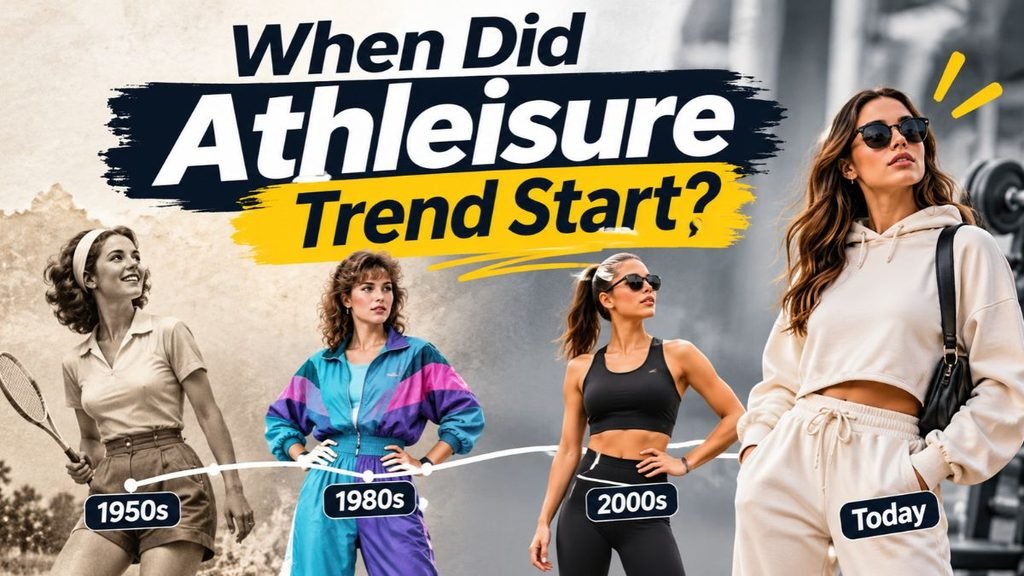
When Did Athleisure Trend Start?
The history of athleisure is longer than many people expect. Its roots go back to the development of sportswear in the late nineteenth and early twentieth centuries.
At that time, clothing designed for activities such as tennis, cycling, and other sports gradually influenced everyday fashion.
Late 19th Century: Early Sportswear Influences
During the late nineteenth century, more practical clothing began appearing for specific physical activities.
Sports shoes, for example, developed features that supported movement and grip. Some athletic clothing also began moving beyond sports settings.
These developments helped establish the connection between sports clothing and everyday dress.
1920s: Sportswear Became More Fashionable
During the 1920s, sports-inspired clothing became more visible in mainstream fashion.
Polo shirts and other relaxed garments developed from practical sporting needs. Designers also helped bring comfortable and functional clothing into fashionable wardrobes.
This period contributed to the longer history of sportswear influencing casual clothing.
1970s: Modern Athleisure Began Taking Shape
The 1970s are often identified as an important period in the development of modern athleisure.
Growing interest in exercise and physical fitness helped increase demand for athletic clothing. At the same time, the fashion industry began exploring materials and designs that offered better comfort and performance.
The word “athleisure” was also used in 1979 in Nation’s Business to describe clothing associated with an athletic appearance.
This is why the 1970s are frequently connected with the beginning of the modern athleisure movement.
1980s: Fitness Fashion Became More Visible
The 1980s brought greater visibility to fitness-inspired fashion.
Aerobics, home workout videos, and popular fitness culture helped make items such as leggings, leotards, sweatshirts, and athletic shoes more recognizable.
Bright colors and body-conscious silhouettes also became important parts of workout fashion.
Some of these styles influenced casual clothing beyond exercise environments.
1990s: Sportswear and Casual Fashion Continued to Mix
During the 1990s, athletic shoes, tracksuits, sweatshirts, and relaxed sportswear became familiar parts of everyday wardrobes.
Sports brands also gained strong visibility in youth culture and casual fashion.
The distinction between clothing for exercise and clothing for everyday use continued to become less strict.
2000s: Athleisure Developed Into a Larger Category
In the 2000s, more consumers began looking for clothing that combined modern styling with athletic comfort.
Yoga clothing and fitted activewear became more visible. Brands also explored new materials, silhouettes, and product categories.
This period helped prepare the market for the wider athleisure movement that followed.
2010s: Athleisure Entered the Mainstream
The 2010s were a major period of growth for athleisure.
Leggings, sports bras, joggers, sneakers, and matching sets became widely accepted outside gyms. Fashion brands, sportswear companies, and celebrity collaborations helped increase the category’s visibility.
Social media also made fitness-inspired outfits easier to discover and share.
By this period, athleisure had developed from a fitness-related style into a major part of everyday fashion.
2020s: Comfort and Versatility Remained Important
During the 2020s, remote work, flexible lifestyles, and changing clothing preferences continued to support demand for comfortable casual fashion.
Consumers became familiar with wearing relaxed clothing in more settings.
At the same time, brands began exploring new fabric technologies, improved garment construction, inclusive sizing, and different design directions.
Athleisure continues to evolve as fashion and lifestyle preferences change.
What Is the Difference Between Athleisure and Activewear?
Athleisure and activewear are related, but they do not mean exactly the same thing.
Activewear generally refers to clothing designed for exercise and physical activities. Athleisure combines athletic-inspired features with everyday fashion.
| Feature | Activewear | Athleisure |
|---|---|---|
| Main purpose | Exercise and sports | Everyday wear and light activity |
| Design focus | Performance and function | Comfort, style, and versatility |
| Common products | Running shirts, sports bras, training shorts | Leggings, joggers, hoodies, matching sets |
| Fabric priorities | Breathability, stretch, moisture management | Comfort, appearance, and useful performance features |
| Typical use | Gym, running, sports | Casual outings, travel, relaxation, and exercise |
There is considerable overlap between the two categories. A pair of leggings, for example, may be designed for workouts but also styled as everyday clothing.
The main difference is the intended use and design priorities.
Why Athleisure Is Important for Clothing Brands
Athleisure provides opportunities for brands that want to develop clothing for customers who value comfort and versatile styling.
However, launching a successful collection requires more than selecting attractive designs. Brands need to understand their audience, product requirements, fabric options, and manufacturing process.
1. Develop Products for Clear Customer Needs
Start by identifying the products your target customers are likely to use.
For example, a yoga-focused brand may prioritize leggings, sports bras, and lightweight tops. A streetwear-inspired brand may focus on oversized hoodies, joggers, and relaxed T-shirts.
A clear product direction makes collection planning easier.
2. Select Suitable Fabrics
Fabric selection affects comfort, fit, durability, and appearance.
For fitted activewear, brands may consider nylon-spandex or polyester-spandex blends. For casual products, cotton blends, French terry, and fleece may be suitable.
Before finalizing materials, review fabric composition, GSM, stretch, recovery, surface feel, and intended use.
GSM means grams per square metre. It describes fabric weight and helps brands compare material options.
3. Create a Consistent Design Identity
A collection should feel connected.
Choose colors, silhouettes, logos, and finishing details that support the brand’s identity.
For example, a minimalist collection may use black, grey, cream, and neutral shades. A more energetic fitness collection may include bright colors and contrasting panels.
Consistency helps customers recognize the brand across different products.
4. Focus on Fit and Construction
Good athleisure design requires attention to garment construction.
Important details include:
- Accurate measurements
- Comfortable waistbands
- Suitable seam placement
- Appropriate stretch and recovery
- Secure stitching
- Functional pockets
- Suitable garment length
- Consistent sizing
For leggings and sports bras, fit testing is especially important because the garments need to move comfortably with the body.
5. Approve Samples Before Bulk Production
A physical sample allows a brand to review the product before placing a larger order.
During sample review, check fabric feel, color, measurements, stitching, fit, branding, and finishing.
If changes are required, communicate them before approving bulk production.
This step helps reduce avoidable production issues.
How Fashion Soul International Supports Athleisure Manufacturing
Developing an athleisure collection requires coordination between product design, fabric sourcing, sampling, manufacturing, and quality control.
Fashion Soul International is a factory-owned custom clothing manufacturer based in Sialkot, Pakistan. The company supports international apparel brands with product development, fabric sourcing, sampling, bulk production, custom branding, packaging, and shipping.
Its production options include private-label, OEM, ODM, white-label, cut-and-sew, and full-package manufacturing.
For athleisure projects, brands can discuss requirements such as:
- Custom leggings and sports bras
- Joggers and tracksuits
- Hoodies and sweatshirts
- Performance T-shirts
- Fabric composition and GSM
- Stretch and recovery
- Custom colors and sizing
- Printing and embroidery
- Woven labels and printed branding
- Packaging and export requirements
The standard MOQ starts at 100 pieces, although actual requirements depend on the product, fabric, color, construction, and project specifications.
A typical development process includes discussing the design, selecting materials, preparing a sample, reviewing the physical sample, and approving it before bulk production.
The company also describes inline quality inspections and pre-shipment AQL 2.5 inspection as part of its quality process.
For brands planning an athleisure range, clear design specifications and sample approval can help make production requirements easier to communicate.
What Makes a Good Athleisure Collection?
A good athleisure collection should combine practical clothing features with a clear design direction.
Consider these elements when planning products.
Comfortable fabrics: Select materials that suit the intended activity and wearing conditions.
Useful silhouettes: Offer fits that support movement without unnecessary restriction.
Versatile colors: Include core shades that customers can combine with different garments.
Functional details: Consider pockets, waistbands, zippers, drawstrings, and suitable seam construction.
Consistent sizing: Use clear measurement specifications and review fit during sampling.
Reliable finishing: Check stitching, labels, trims, prints, and garment appearance.
Clear product purpose: Make sure every item has a defined place in the collection.
A well-planned range does not need dozens of products. A focused collection with coordinated designs can offer customers useful choices.
Common Misunderstandings About Athleisure
Although athleisure is widely recognized, some misunderstandings remain.
Athleisure Is Only for the Gym
This is incorrect. Athleisure is designed to combine athletic-inspired clothing with everyday use. Many products are suitable for casual activities as well as exercise.
Athleisure Always Means Leggings
Leggings are popular, but the category includes much more. Hoodies, joggers, sweatshirts, relaxed T-shirts, jackets, and matching sets are also common.
Every Athleisure Product Is Performance Clothing
Not necessarily. Some garments are designed mainly for casual comfort and appearance. Others include technical features for exercise.
Brands should describe product performance accurately rather than assuming every athletic-looking garment is suitable for intense workouts.
Comfortable Clothing Cannot Look Stylish
Modern athleisure shows that comfort and style can work together. Fit, color, fabric texture, and thoughtful details all contribute to the final appearance.
Frequently Asked Questions
Why is athleisure so popular?
Athleisure is popular because it combines comfort, functionality, and everyday style. People can wear many athleisure products for exercise, travel, casual outings, and relaxation without changing outfits.
Why athleisure became popular?
Athleisure became popular as fitness culture, casual fashion, fabric technology, and changing lifestyles influenced clothing preferences. Social media and the growth of flexible work arrangements also helped increase its visibility.
When did athleisure trend start?
The roots of athleisure go back to earlier sportswear developments in the late nineteenth and early twentieth centuries. The modern movement is often traced to the 1970s, when fitness culture grew and the term “athleisure” appeared in 1979.
Is athleisure the same as activewear?
No. Activewear is mainly designed for physical activity and sports. Athleisure combines athletic-inspired clothing with everyday casual fashion. Some garments belong to both categories.
Why do people wear athleisure outside the gym?
People wear athleisure outside the gym because it is comfortable, easy to style, and suitable for many casual activities. Products such as joggers, leggings, and hoodies can fit into everyday wardrobes.
What fabrics are commonly used in athleisure?
Common materials include polyester, nylon, spandex, cotton blends, French terry, and fleece. The right option depends on the garment’s intended use, stretch requirements, comfort, and construction.
Is athleisure still popular?
Athleisure remains an established part of modern casual fashion. Its designs continue to change with customer preferences, fabric developments, and new styling directions.
Can small clothing brands start an athleisure collection?
Yes. Small brands can begin with a focused range of products, such as leggings, T-shirts, joggers, or hoodies. They should plan their target audience, fabric requirements, samples, MOQ, and production budget before starting.
Conclusion
So, why is athleisure so popular? It brings together several things people want from modern clothing: comfort, flexibility, practical design, and personal style.
Its development reflects a long history of sportswear influencing everyday fashion. Although its roots go back much further, the modern athleisure movement became more recognizable during the 1970s and expanded significantly in the 2010s.
Today, athleisure includes far more than leggings and sports bras. It covers joggers, hoodies, tracksuits, performance tops, casual jackets, and many other products.
For clothing brands, the category offers opportunities to create collections around useful fabrics, thoughtful construction, and versatile designs. The strongest products begin with a clear understanding of customer needs and careful development from fabric selection to final sample approval.
As everyday lifestyles continue to change, athleisure remains an important example of how fashion can combine function with personal expression.