Why Do People Wear Compression Shirts to the Gym? Benefits and Uses
If you visit a gym, you will probably notice many people wearing tight-fitting athletic shirts. These are known as compression shirts. They look different from regular workout T-shirts because they fit closely against the body and use stretch fabrics to provide a snug feel.
But why do people wear compression shirts to the gym? Many gym-goers choose them because they offer comfort, support, flexibility, and moisture management. They can also reduce fabric movement during exercise and work well as a base layer under other sportswear.
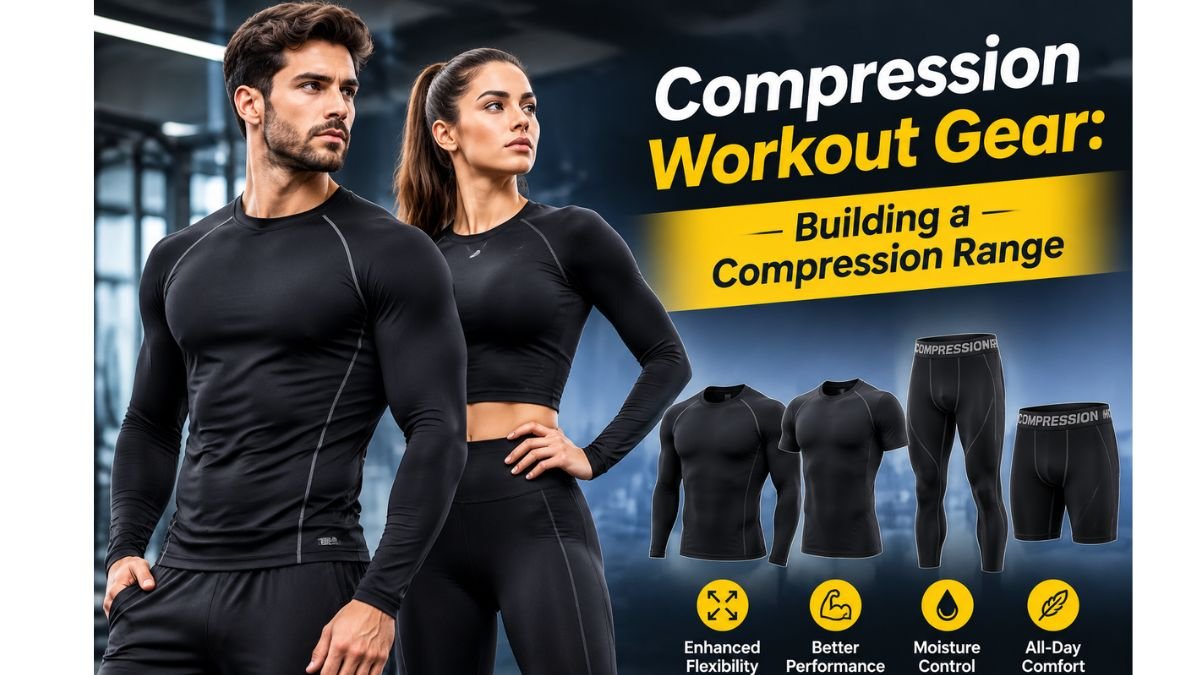
Compression clothing is available in different styles, including short-sleeve shirts, long-sleeve tops, leggings, shorts, and full-body garments. Each option is designed for particular activities and personal preferences.
Understanding how compression shirts work can help you decide whether they belong in your workout wardrobe. This guide explains their main benefits, how to choose the right fit, which fabrics are commonly used, and what to consider before buying them.
What Is a Compression Shirt?
A compression shirt is a close-fitting athletic top made from stretchable fabric. It gently applies pressure around the upper body while allowing the wearer to move during exercise.
Unlike loose gym T-shirts, compression shirts stay close to the skin. They are commonly made from polyester, nylon, spandex, or blends of these materials.
The exact level of compression depends on the garment’s design, fabric, and construction. Some shirts provide light compression for everyday training, while others are designed for a firmer fit.
Common types include:
- Short-sleeve compression shirts: Suitable for weight training, running, and general workouts.
- Long-sleeve compression shirts: Useful as base layers or for outdoor exercise.
- Sleeveless compression tops: Offer greater arm movement and are popular for gym training.
- Compression base layers: Designed to fit under other clothing.
- Performance compression tops: Made for specific athletic activities and training needs.
Compression shirts are not the same as ordinary fitted T-shirts. Their stretch, construction, and intended pressure are designed around athletic movement.
Why Do People Wear Compression Shirts to the Gym?
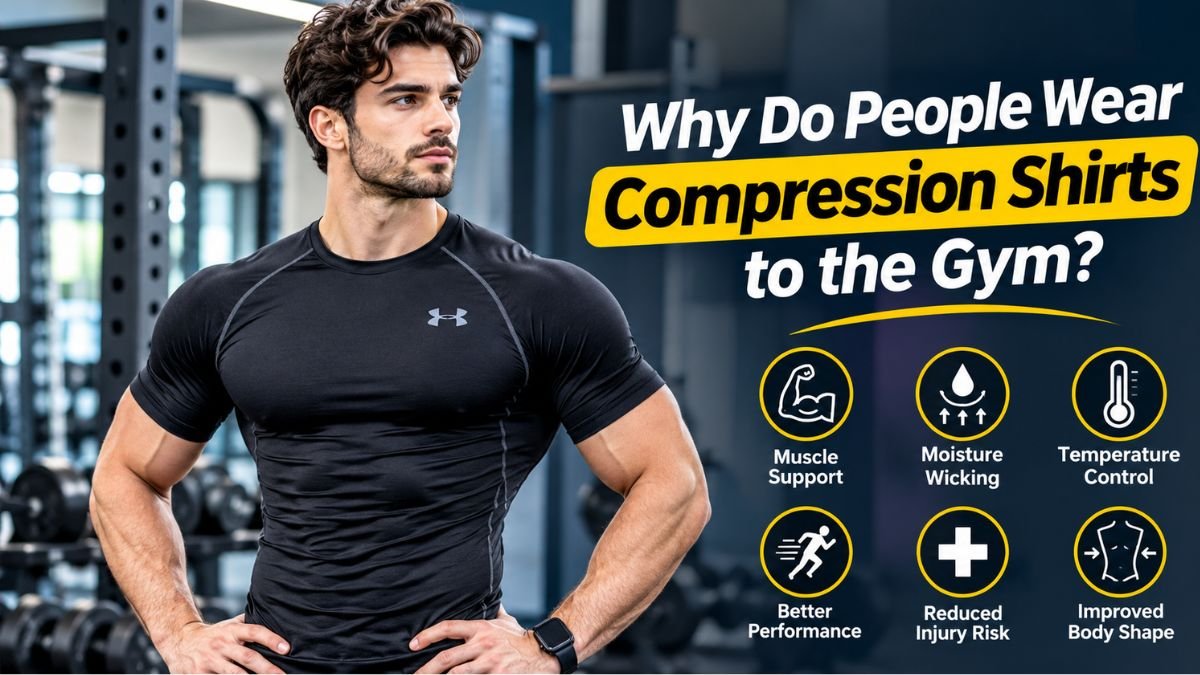
People wear compression shirts for several reasons. Some want a close-fitting top that does not move around during exercise. Others prefer the stretch, sweat management, and support that performance fabrics can provide.
Here are the main reasons compression shirts are popular in gyms.
1. They Provide a Supportive Fit
One of the main reasons people choose compression shirts is their snug fit.
Loose clothing can move around during exercises such as bench presses, pull-ups, squats, and running. A compression shirt stays close to the body and reduces unnecessary fabric movement.
This can make training feel more comfortable, especially during exercises that involve repeated movement.
The shirt may also provide a gentle feeling of support around the chest, shoulders, and upper body. However, it should never feel painfully tight or restrict normal breathing.
2. They Help Manage Sweat
Many compression shirts use synthetic performance fabrics designed to move moisture away from the skin.
During intense exercise, the body produces sweat to help regulate temperature. A suitable moisture-wicking shirt can spread sweat across the fabric surface, where it may evaporate more easily.
This can help reduce the uncomfortable feeling of wet fabric sticking to the body.
Common moisture-management materials include:
- Polyester
- Nylon
- Polyester-spandex blends
- Nylon-spandex blends
Moisture management depends on the fabric construction, finishing, and environmental conditions. Not every compression shirt performs equally well.
3. They Allow Flexible Movement
Gym workouts often involve stretching, lifting, pushing, pulling, and bending. Clothing should move with the body rather than restrict it.
Compression shirts commonly contain elastane or spandex. These fibres help the fabric stretch and return toward its original shape.
This makes them useful for activities such as:
- Weightlifting
- Functional fitness
- Running
- Cycling
- Bodyweight exercises
- Sports training
- Stretching and mobility work
A good compression shirt should provide a close fit without limiting shoulder movement or arm extension.
4. They Reduce Fabric Distraction
Loose shirts can shift, bunch up, or fold during certain exercises. This may become distracting when performing movements that require concentration.
Compression shirts stay close to the body, which reduces excess fabric movement.
For example, someone performing push-ups, pull-ups, or overhead presses may prefer a fitted shirt that remains in place.
This is a practical comfort benefit rather than a guarantee of better athletic performance.
5. They Work Well as Base Layers
Compression shirts are often worn under hoodies, training jackets, or other sportswear.
Their close fit helps prevent extra fabric from bunching beneath another garment. Long-sleeve compression tops are especially useful as base layers during outdoor training or in cooler conditions.
Some people wear them alone during indoor workouts, while others combine them with loose gym shirts.
6. They Offer a Streamlined Athletic Appearance
Appearance is another reason compression shirts are popular.
Their fitted design creates a clean athletic look. Many gym-goers prefer this style because it highlights the shape of the upper body and works well with modern sportswear.
Compression shirts are available in different colours, patterns, and designs. Brands also use printed graphics, logos, and contrast panels to create distinctive athletic collections.
7. They Can Feel Comfortable During Long Training Sessions
Comfort is important when a workout lasts an hour or longer.
A well-designed compression shirt can provide a smooth fit, flexible movement, and useful moisture management. Flat seams, suitable fabric weight, and breathable construction can also improve comfort.
However, the wrong size or fabric may cause discomfort. A compression shirt should feel secure without digging into the skin.
What Does Compression Shirts Help With?
A common question among gym beginners is, what does compression shirts help with?
Compression shirts can help with clothing comfort, moisture management, movement, and a supportive fit. Some athletes also use compression garments because they prefer the sensation of gentle pressure during exercise.
It is important to separate practical clothing benefits from medical or performance claims.
Muscle Support and Body Awareness
Compression garments apply pressure to the areas they cover. Some wearers find this sensation comfortable during training.
The close fit may also make people more aware of their posture and body position. However, a compression shirt does not automatically correct posture or prevent injuries.
Moisture Management
Many performance compression shirts use fabrics that move sweat away from the skin.
This feature can make exercise more comfortable, especially during workouts that involve a lot of movement or sweating.
Reduced Clothing Movement
The close fit keeps fabric near the body. This can reduce bunching and shifting during exercise.
It is particularly useful for athletes who prefer minimal clothing movement while lifting weights or performing bodyweight exercises.
Comfort During Repeated Movement
Stretch fabrics can move with the body during different exercises.
A suitable compression shirt may feel comfortable during running, cycling, strength training, and sports practice.
Recovery Claims: What Should You Know?
Some compression garments are marketed for muscle recovery. Research on compression clothing has produced mixed results, and benefits can depend on the garment, activity, wearer, and how it is used.
A regular gym compression shirt should not be treated as a medical recovery device. It cannot replace proper rest, nutrition, hydration, or medical advice.
Are Compression Shirts Good for Working Out?
Yes, compression shirts can be suitable for many types of workouts. They are designed to provide a close fit and flexibility, which makes them practical for different training activities.
However, they are not necessary for everyone. Some people prefer loose T-shirts because they feel more comfortable in relaxed clothing.
The best choice depends on the activity, fabric, fit, and personal preference.
Compression Shirts for Weightlifting
Weightlifting involves repeated movements that require a good range of motion.
A compression shirt can reduce fabric movement during exercises such as:
- Bench presses
- Shoulder presses
- Deadlifts
- Squats
- Pull-ups
- Dumbbell exercises
Choose a shirt with enough stretch around the shoulders, chest, and arms.
Compression Shirts for Running
Runners often prefer lightweight shirts that manage moisture and remain close to the body.
A suitable compression shirt can reduce excess fabric movement and work well under a running jacket.
For outdoor running, consider sleeve length, fabric weight, breathability, and weather conditions.
Compression Shirts for Cycling
Cycling requires repeated upper-body movement and a comfortable position for extended periods.
Some cycling tops use compression-style construction to provide a close fit. However, dedicated cycling jerseys may include additional features such as rear pockets and sport-specific panels.
Compression Shirts for High-Intensity Training
High-intensity workouts often involve quick movements, jumping, and changes in direction.
Stretchable compression tops can stay close to the body during these exercises.
Look for moisture management, secure seams, and a comfortable fit that does not restrict breathing.
Compression Shirts for Team Sports
Compression shirts are also used in sports such as football, basketball, rugby, and martial arts training.
They can be worn alone or beneath team uniforms. The right design depends on the sport’s movement requirements and equipment.
Compression Clothes for Working Out: What Are the Options?
Compression clothes for working out include more than shirts. They cover different parts of the body and are available in several styles.
Each garment serves a different purpose.
Compression Shirts
Compression shirts cover the upper body and are available in short-sleeve, long-sleeve, and sleeveless styles.
They are commonly used for gym training, running, and sports practice.
Compression Leggings
Compression leggings provide a close fit around the legs. They are popular for running, cycling, weight training, and fitness classes.
They usually contain stretch fibres to support movement.
Compression Shorts
Compression shorts cover the upper legs and can be worn alone or beneath regular sports shorts.
Some athletes prefer them because they reduce excess fabric movement during exercise.
Compression Sleeves
Arm and leg sleeves cover specific body areas without requiring a full garment.
They are used in different sports and may provide warmth, a close fit, or a preferred compression sensation.
Compression Base Layers
Base layers are worn underneath other athletic clothing. They may be designed for warmth, moisture management, or a close-fitting feel.
Their fabric weight should match the weather and activity.
What Fabrics Are Used in Compression Shirts?
Fabric selection affects the fit, stretch, comfort, and performance of compression shirts.
Manufacturers usually select materials based on the garment’s intended use.
Polyester
Polyester is widely used in sportswear because it is lightweight, durable, and suitable for moisture-management fabric constructions.
It can also hold colour well and works with several printing methods.
Nylon
Nylon is known for its smooth feel and strength. It is often used in performance garments that require a close, flexible fit.
Nylon blends can provide a soft surface and good stretch when combined with elastane.
Spandex or Elastane
Spandex, also known as elastane, is a stretch fibre.
It allows a compression shirt to expand during movement and recover toward its original shape.
It is usually blended with polyester or nylon rather than used alone.
Polyester and Spandex Blends
This combination is common in athletic clothing.
Polyester provides the main fabric structure, while spandex adds stretch and recovery. The exact ratio depends on the required fit and performance.
Nylon and Spandex Blends
Nylon-spandex blends are often selected for their smooth feel and flexibility.
They can be suitable for fitted training tops and other close-fitting sportswear.
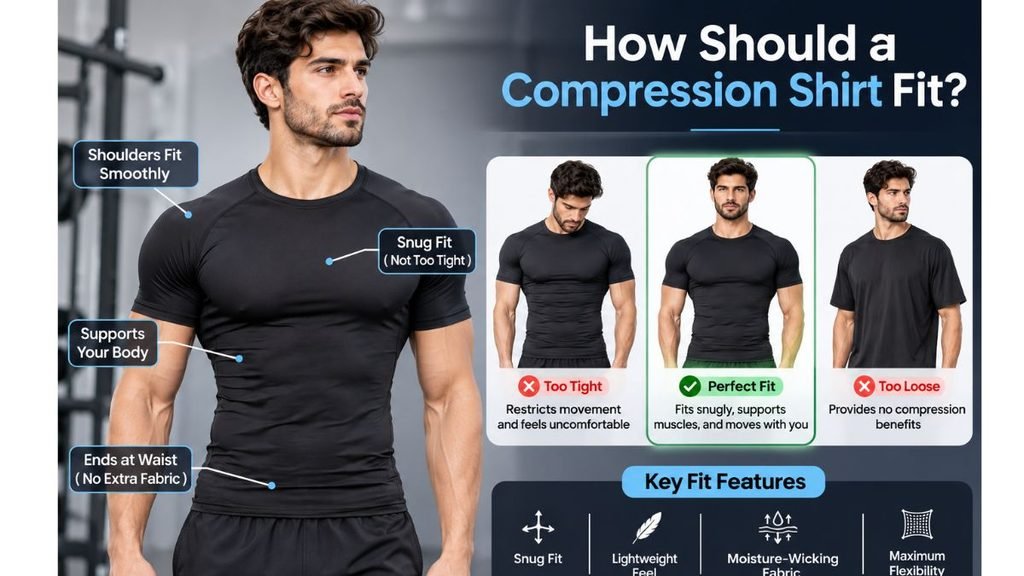
How Should a Compression Shirt Fit?
Fit is one of the most important factors when choosing a compression shirt.
The garment should feel snug and stay close to the body. However, it should not cause pain, numbness, or breathing difficulty.
Here are some signs of a suitable fit.
Chest: The shirt should sit close to the chest without creating uncomfortable pressure.
Shoulders: You should be able to move your arms freely.
Waist: The fabric should remain close to the body without excessive folding or rolling.
Sleeves: Sleeves should stay in place without cutting into the arms.
Length: The shirt should cover the required area and remain in position during movement.
If the shirt feels too tight, restricts breathing, or causes skin irritation, try a different size or style.
Always check the manufacturer’s size chart. Sizing can vary between brands and fabric constructions.
Compression Shirt vs Regular Gym Shirt
Both compression shirts and regular gym shirts can be useful for exercise. The difference is mainly in fit, construction, and intended use.
| Feature | Compression Shirt | Regular Gym Shirt |
|---|---|---|
| Fit | Close and snug | Relaxed or regular |
| Fabric | Usually stretch performance fabric | Cotton or synthetic blends |
| Movement | Designed to stay close to the body | May move more during exercise |
| Moisture management | Often designed for sweat management | Depends on fabric |
| Layering | Works well as a base layer | Can be worn alone or layered |
| Style | Athletic and fitted | Available in many fits |
Neither option is automatically better. Choose the one that feels comfortable and suits your workout.
How to Choose the Best Compression Shirt for the Gym
Finding the right compression shirt requires more than choosing an attractive design.
Consider the following factors before buying.
1. Choose the Correct Size
Start with the brand’s size chart. Measure your chest and waist if needed.
Do not automatically choose a smaller size to get more compression. A garment that is too tight may restrict movement and feel uncomfortable.
2. Check the Fabric Composition
Look for the fibre information on the product label.
Polyester-spandex and nylon-spandex blends are common choices. Compare their stretch, softness, weight, and moisture-management features.
3. Consider the Workout Type
Your activity should influence your selection.
A lightweight shirt may suit running and high-intensity training. A slightly heavier option may work better as a base layer in cooler conditions.
4. Look at Stitching and Seams
Seam construction affects comfort and durability.
Flat seams can help reduce friction in areas where fabric touches the skin. Check the shoulder seams, underarms, sides, and neckline.
5. Check Breathability
A shirt should feel suitable for the environment in which you train.
Look for fabric constructions designed for airflow and moisture management. Mesh panels may also be included in some sportswear designs.
6. Review Care Instructions
Follow the garment’s washing instructions to maintain its fit and fabric quality.
Avoid care methods that can damage stretch fibres. Check whether the manufacturer recommends low-temperature washing or air drying.
Are Compression Shirts Safe to Wear at the Gym?
For most healthy adults, a properly fitted athletic compression shirt is generally suitable for exercise.
However, comfort and fit matter. A shirt should not cause pain, numbness, tingling, skin irritation, or difficulty breathing.
People with certain medical conditions or circulation concerns should seek advice from a qualified healthcare professional before using garments that apply compression.
Also remember that ordinary athletic compression shirts are different from medical compression garments. Medical products may require professional guidance about pressure levels and fit.
If discomfort develops during exercise, remove the garment and reassess its size and construction.
Do Compression Shirts Improve Gym Performance?
Compression shirts may improve the workout experience for some people, but they should not be viewed as a shortcut to better results.
Their practical advantages include a close fit, stretch, and moisture management. Some wearers also prefer the feeling of gentle pressure.
However, wearing one does not automatically increase strength, build muscle, burn body fat, or improve endurance.
Your training results depend on factors such as:
- Consistent exercise
- Proper technique
- Suitable training intensity
- Balanced nutrition
- Adequate hydration
- Sleep and recovery
- A realistic fitness plan
Compression clothing is an apparel choice, not a replacement for effective training.
How Clothing Brands Can Develop Custom Compression Shirts
Compression shirts are also an important product category for sportswear and activewear brands.
Brands planning a collection should consider fabric performance, fit, construction, and customer requirements before manufacturing begins.
Fabric and GSM Selection
The fabric should match the intended use. Buyers should confirm the fibre composition, stretch, recovery, breathability, and weight.
GSM means grams per square metre. It describes fabric weight and helps buyers compare material options.
A fabric swatch can help assess its feel and stretch before sampling.
Pattern and Fit Development
Compression garments need accurate patterns because small measurement differences can change the fit.
Brands should provide body measurements, size charts, fit references, and design specifications.
Sampling allows the team to review the garment before bulk production.
Stitching and Construction
Stretch fabrics require suitable sewing methods and thread selection.
Seams should remain secure during movement. The neckline, sleeve openings, and body panels should also be checked for comfort.
Printing and Branding
Compression shirts can include printed logos, graphics, and other brand elements.
The decoration method should be compatible with the selected fabric. Buyers should review a sample to confirm placement, appearance, and durability.
Quality Control
Quality inspections should cover measurements, seam strength, fabric defects, colour consistency, and branding.
A clear specification sheet helps the manufacturer check the product against the approved sample.
Final Thoughts
So, why do people wear compression shirts to the gym? The main reasons include a supportive fit, flexible movement, moisture management, reduced fabric movement, and a streamlined athletic appearance.
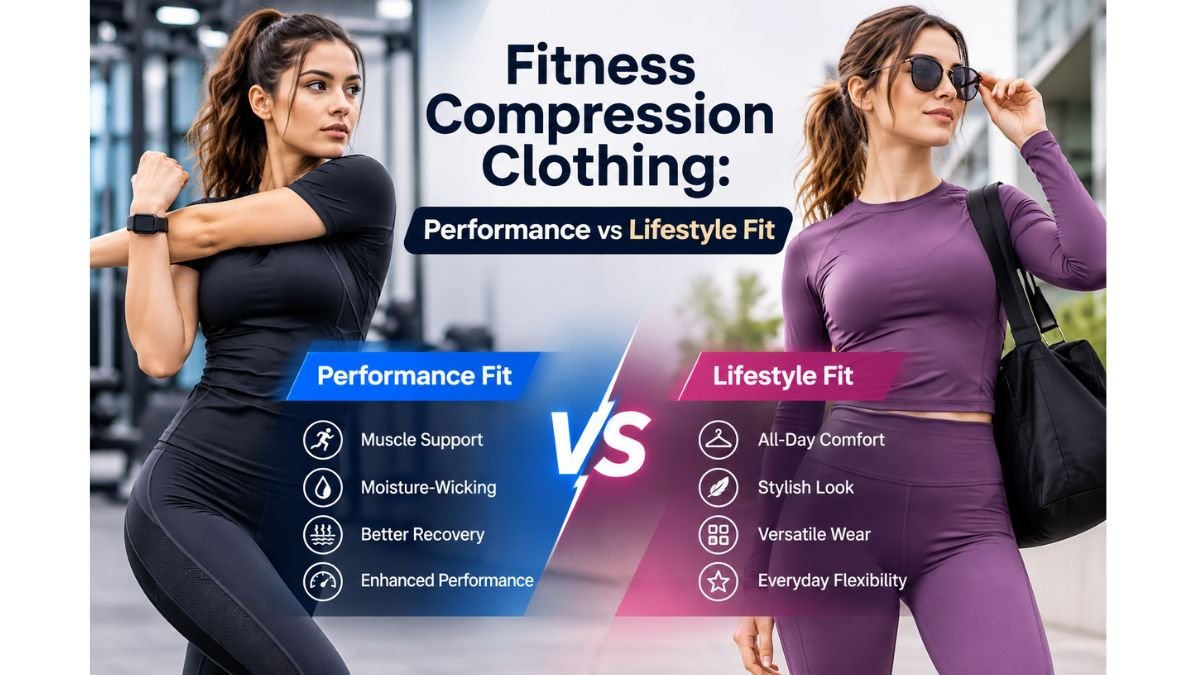
Compression shirts can be useful for weightlifting, running, cycling, and many other activities. They are also available as part of a wider range of compression clothes for working out, including leggings, shorts, sleeves, and base layers.
Understanding what compression shirts help with makes it easier to choose the right product. They can improve clothing comfort and provide a close-fitting workout option, but they do not automatically increase strength, prevent injuries, or guarantee faster recovery.
For the best experience, choose a suitable size, check the fabric composition, and select a design that matches your training needs. Comfortable clothing can support a consistent workout routine, while your results still depend on proper training, recovery, and healthy habits.
Frequently Asked Questions
1. Why Do People Wear Compression Shirts to the Gym?
People wear compression shirts because they provide a close fit, flexible movement, and moisture management. They also reduce excess fabric movement during exercises and can be worn as base layers.
2. What Does a Compression Shirt Help With?
A compression shirt can help manage sweat, reduce fabric movement, and provide a snug, supportive feel. Its benefits depend on the fabric, fit, and garment construction.
3. Are Compression Shirts Better Than Regular Gym Shirts?
Not necessarily. Compression shirts offer a closer fit, while regular gym shirts provide a more relaxed feel. Both can work well for exercise.
4. Can Beginners Wear Compression Shirts?
Yes. Beginners can wear compression shirts if they find them comfortable. Choose a suitable size that allows normal breathing and unrestricted movement.
5. Should Compression Shirts Be Tight?
They should fit snugly against the body but should not cause pain or restrict breathing. If the garment feels uncomfortable, consider a different size.
6. Can I Wear a Compression Shirt Every Day?
You can wear one for different activities if it fits comfortably and is cared for properly. Change out of sweaty clothing after exercise and follow the garment’s washing instructions.
7. Do Compression Shirts Help Build Muscle?
No. Compression shirts do not directly build muscle. Muscle growth depends on resistance training, nutrition, rest, and consistent exercise.
8. Are Compression Shirts Good for Sweating?
Many are made with moisture-wicking fabrics that help move sweat away from the skin. Their performance depends on the material and fabric construction.