What Is Athleisure Fashion? Meaning, Style and Complete Guide
Athleisure fashion combines the comfort of athletic clothing with the style of everyday fashion. It allows people to wear comfortable outfits for workouts, shopping, travelling, casual meetings, and daily activities. Instead of changing clothes for every occasion, people can choose versatile pieces that work in different settings.
The popularity of this style has encouraged clothing brands to create leggings, joggers, sports bras, hoodies, sweatshirts, and performance-inspired tops. These garments focus on comfort, flexibility, and modern design.
But what is athleisure fashion, and how is it different from regular sportswear? The answer involves more than wearing gym clothes outside the gym. Athleisure combines practical clothing features with thoughtful styling.
This guide explains the definition of athleisure, what the word means, its history, popular clothing items, fabrics, outfit ideas, and tips for choosing or developing an athleisure collection.
What Is Athleisure Fashion?
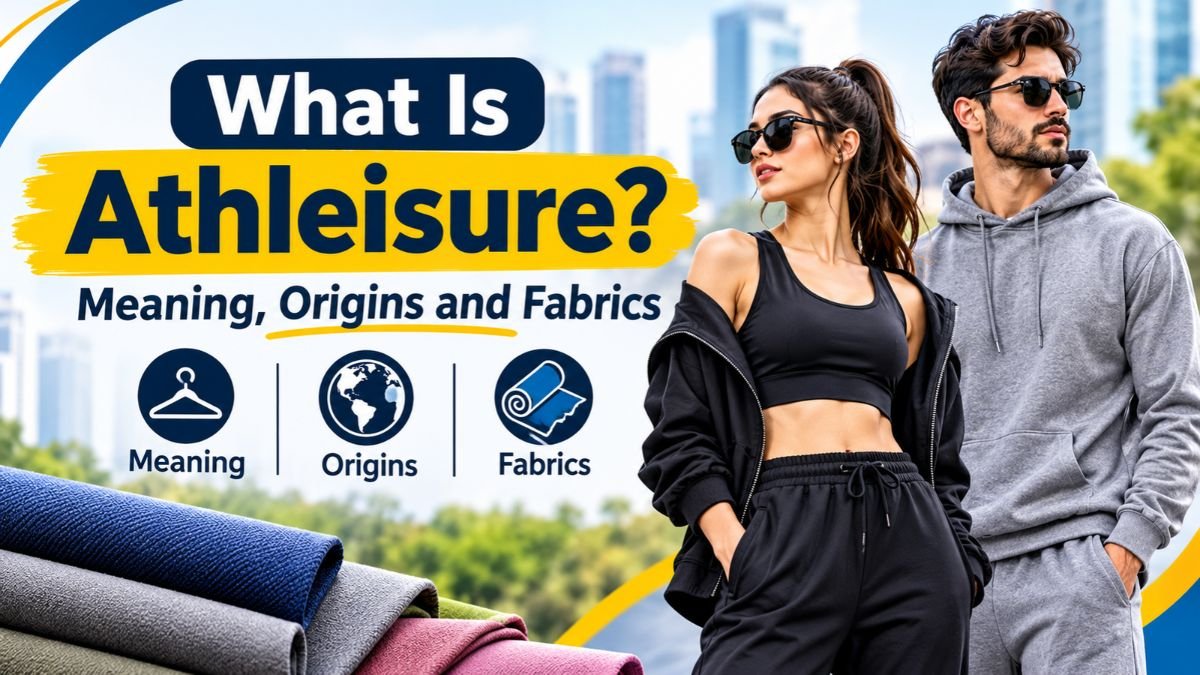
Athleisure fashion is a clothing style that combines athletic-inspired garments with casual everyday wear. It includes comfortable, functional, and stylish clothing designed for activities beyond traditional exercise.
The term brings together two words: athletic and leisure. Athletic refers to sports or physical activity, while leisure describes free time and relaxed activities.
Athleisure clothing often includes sportswear features such as stretch, breathability, moisture management, and flexible construction. At the same time, its designs are suitable for everyday outfits.
For example, a person might wear black leggings with a fitted T-shirt, a lightweight jacket, and sneakers. This outfit can work for a morning walk, a coffee stop, or casual errands.
Common athleisure pieces include:
- Leggings and yoga pants
- Joggers and sweatpants
- Sports bras and fitted tops
- Oversized T-shirts
- Hoodies and sweatshirts
- Zip-up jackets
- Athletic shorts
- Comfortable sneakers
- Matching tracksuits
The main idea is simple: athleisure makes comfortable clothing suitable for everyday style.
What Does Athleisure Mean?
The word athleisure describes clothing that combines athletic performance influences with leisurewear. It refers to garments that look suitable for casual activities while offering some features associated with sportswear.
When people ask what athleisure means, they usually want to understand why gym-inspired clothing has become part of everyday fashion.
Consider a pair of stretch leggings. They may be designed for yoga or exercise, but they can also be worn with an oversized sweatshirt and sneakers. Similarly, joggers can be comfortable enough for relaxing while looking suitable for casual outings.
Athleisure does not mean every outfit must be suitable for intense exercise. Some garments are designed mainly for comfort and appearance. Others offer technical features for physical activity.
The category can therefore include both performance-focused and lifestyle-focused products.
Is Athleisure a Word?
Yes, athleisure is a word. It is a recognized English term used in fashion and retail to describe clothing that combines athletic and leisure styles.
The word is a blend of athletic and leisure. It became widely used as sports-inspired clothing gained popularity outside gyms and sports facilities.
You may see the term in fashion articles, clothing stores, product descriptions, and brand collections. Retailers often use it to describe leggings, joggers, sweatshirts, casual sportswear, and matching sets.
Athleisure is generally used as a noun or an adjective, depending on the sentence.
Examples include:
- “Athleisure is popular in everyday fashion.”
- “The brand launched a new athleisure collection.”
- “She prefers athleisure clothing for travelling.”
- “The store offers athleisure-inspired outfits.”
Therefore, athleisure is not simply an informal nickname for gym clothes. It describes a broader fashion category.
Definition of Athleisure: Understanding the Main Features
The definition of athleisure becomes clearer when you look at its main characteristics. These features help distinguish it from ordinary casual clothing and traditional sportswear.
1. Comfort
Comfort is one of the most important parts of athleisure fashion. Garments should feel comfortable during daily movement and extended wear.
Soft fabrics, flexible waistbands, smooth seams, and suitable garment fits can improve comfort.
For example, joggers with an elastic waistband offer flexibility. A soft sweatshirt can provide warmth without feeling too restrictive.
2. Functionality
Athleisure often borrows practical features from athletic clothing.
Depending on the product, these may include:
- Stretch for freedom of movement
- Breathable fabric construction
- Moisture-wicking materials
- Lightweight designs
- Flexible waistbands
- Secure pockets
- Quick-drying fabric options
Not every athleisure garment needs all these features. A casual hoodie, for example, may focus more on softness and warmth.
3. Versatile Styling
Athleisure clothing can be styled for different casual settings. A single garment may work with several other pieces.
For instance, black leggings can be paired with a sports bra for exercise. They can also be worn with an oversized shirt and jacket for a relaxed outfit.
This versatility makes athleisure useful for people who prefer practical wardrobes.
4. Modern Appearance
Athleisure combines functional clothing with modern fashion details.
These can include clean silhouettes, coordinated colors, minimal logos, textured fabrics, and carefully designed proportions.
Some brands prefer simple neutral collections. Others use bright colors, graphic prints, and bold panel designs.
5. Flexible Fit
Athleisure clothing comes in different fits. These include fitted leggings, relaxed joggers, oversized sweatshirts, cropped tops, and regular-fit T-shirts.
The right fit depends on the product and the customer’s preferences. Some people prefer close-fitting garments, while others choose loose silhouettes for daily wear.
How Did Athleisure Fashion Become Popular?
Athletic clothing has been part of everyday wardrobes for many years. However, athleisure developed as a broader fashion category when sportswear and casual clothing increasingly overlapped.
Several factors helped this style grow.
The Influence of Fitness Culture
As more people adopted activities such as running, yoga, cycling, and gym training, comfortable athletic clothing became a regular part of their wardrobes.
Leggings, sports bras, tracksuits, and performance tops moved beyond dedicated exercise settings.
People began choosing these garments for activities such as walking, shopping, and travelling.
The Growth of Casual Dressing
Casual clothing became an important part of modern everyday style. Many people wanted outfits that felt relaxed without looking unfinished.
Athleisure offered a useful balance. It combined comfortable garments with coordinated colors, clean designs, and fashionable accessories.
Social Media and Fashion Inspiration
Social media helped people discover new ways to style sportswear-inspired clothing.
Fitness creators, fashion influencers, and lifestyle content introduced combinations such as leggings with oversized shirts, matching sets, and sneakers with casual jackets.
As a result, athleisure became easier for consumers to understand and adopt.
Changing Lifestyle Preferences
Busy daily schedules have encouraged interest in clothing that works across different activities.
For example, someone may walk in the morning, work from home, run errands, and meet friends later. Versatile clothing can make these transitions easier.
However, the popularity of athleisure is not limited to convenience. Many customers also enjoy its simple styling and comfortable feel.
What Is the Difference Between Athleisure, Activewear, and Sportswear?
Athleisure, activewear, and sportswear are related terms, but they do not always mean the same thing.
Understanding their differences helps customers choose clothing and helps brands plan product collections.
| Category | Main purpose | Common products |
|---|---|---|
| Athleisure | Everyday style with athletic influences | Leggings, joggers, hoodies, matching sets |
| Activewear | Clothing designed for physical activity | Training tops, sports bras, yoga pants |
| Sportswear | Clothing for sports and athletic activities | Team uniforms, training kits, sports jackets |
Athleisure vs. Activewear
Activewear is generally designed around movement and exercise. It may include technical features such as moisture management, stretch, support, and breathability.
Athleisure uses some of these features but also focuses on everyday appearance.
For example, a high-support sports bra is mainly activewear. A soft sports-inspired top designed for casual styling may be considered athleisure.
Some products belong to both categories. A pair of leggings can be designed for workouts and everyday wear.
Athleisure vs. Sportswear
Sportswear is a broad term for clothing associated with sports and athletic activities. It can include team uniforms, training garments, running apparel, and sports-specific clothing.
Athleisure is more focused on combining athletic influences with casual fashion.
A football uniform is sportswear, but it is not normally considered athleisure. Joggers worn with a casual jacket may fit the athleisure category.
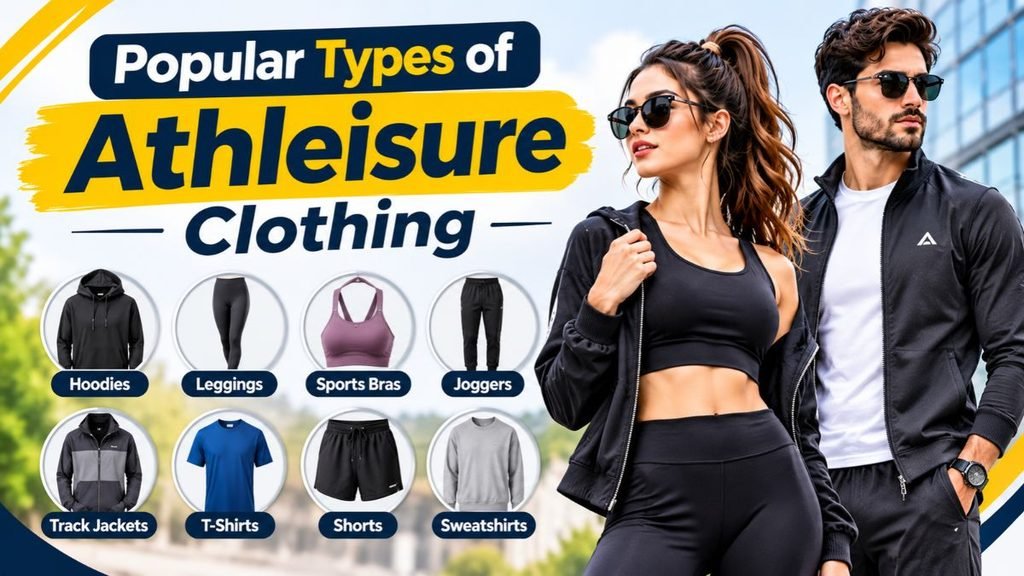
Popular Types of Athleisure Clothing
Athleisure includes a wide range of products. Brands can build complete collections around a few essential garments or offer many different styles.
1. Leggings
Leggings are among the most recognizable athleisure products. They are commonly made from stretch fabrics that provide flexibility and a close fit.
Popular designs include:
- High-waisted leggings
- Full-length leggings
- Cropped leggings
- Seamless-look leggings
- Flared leggings
- Compression-style leggings
Leggings can be styled with sports bras, oversized T-shirts, hoodies, or casual jackets.
2. Joggers
Joggers combine a relaxed fit with athletic-inspired design details. They often feature elastic waistbands, adjustable drawstrings, and tapered legs.
They are suitable for travelling, relaxing, casual outings, and light activities.
Cotton blends, French terry, and fleece are common fabric options, depending on the intended use.
3. Hoodies and Sweatshirts
Hoodies and sweatshirts are important parts of many athleisure collections.
They provide warmth and can be styled with leggings, joggers, shorts, and casual trousers.
Popular options include oversized hoodies, cropped sweatshirts, zip-up hoodies, and minimal crewneck designs.
4. Sports Bras and Crop Tops
Sports bras provide support for physical activity. Their construction and support level should match the intended activity.
Athleisure collections may also include casual crop tops inspired by sportswear.
These products can be paired with leggings, joggers, and matching bottoms.
5. Matching Sets
Matching sets are coordinated outfits made from pieces with the same or complementary colors and design details.
Examples include:
- Sports bra and leggings
- Hoodie and joggers
- Crop top and shorts
- Zip-up jacket and matching pants
Matching sets create a complete look without requiring customers to coordinate separate pieces.
6. Oversized T-Shirts
Oversized T-shirts are popular in relaxed athleisure styling. They can be worn with fitted leggings, cycling shorts, joggers, or casual trousers.
Cotton and cotton-blend fabrics are common choices, depending on the desired feel and product requirements.
7. Athletic Jackets
Lightweight jackets can complete an athleisure outfit. They may include zip closures, pockets, elastic cuffs, and adjustable features.
Some designs are intended for outdoor activities, while others focus on casual styling.
Best Fabrics Used in Athleisure Clothing
Fabric selection affects comfort, appearance, flexibility, durability, and garment performance.
Brands should choose materials according to the intended product rather than selecting fabric based only on appearance.
Polyester
Polyester is commonly used in sportswear and activewear. It is lightweight and can be suitable for moisture-wicking fabric constructions.
It is often used in training tops, running shirts, and lightweight jackets.
Nylon
Nylon is valued for its smooth feel and durability. It is often used in fitted activewear and stretch fabric blends.
Nylon-spandex combinations are common in leggings and sports bras.
Spandex or Elastane
Spandex, also called elastane, provides stretch and helps garments move with the body.
It is usually blended with other fibres rather than used alone.
The amount of stretch should match the garment’s intended use. Leggings may need more flexibility than a relaxed-fit sweatshirt.
Cotton
Cotton is popular for casual clothing because of its soft and comfortable feel.
It is commonly used in T-shirts, sweatshirts, and relaxed joggers. However, pure cotton may not provide the same moisture management as some technical sportswear fabrics.
French Terry
French terry is a knitted fabric with a smooth outer surface and looped inner structure.
It is commonly used for sweatshirts, joggers, and lightweight casual sets.
Fleece
Fleece provides a soft and warm feel. It is often used in hoodies, sweatpants, and colder-weather athleisure products.
Fabric weight and thickness should be selected according to the garment’s intended use.
How to Style Athleisure Outfits for Everyday Wear
One reason people enjoy athleisure is its flexibility. Many pieces can be combined with casual clothing and accessories.
Here are some outfit ideas.
Casual Everyday Outfit
Pair black leggings with an oversized T-shirt and comfortable sneakers.
This combination is simple and suitable for errands, walks, and relaxed daily activities.
Travel Outfit
Choose joggers, a soft hoodie, and lightweight sneakers. Add a practical jacket for changing weather.
This outfit offers comfort during long journeys and casual travel.
Minimalist Athleisure Look
Combine neutral leggings with a fitted top and a simple zip-up jacket.
Colors such as black, grey, beige, navy, and cream can create a coordinated appearance.
Relaxed Weekend Style
Wear loose joggers with a sweatshirt and casual shoes. You can also add a cap or lightweight jacket.
This look is suitable for relaxed activities and informal outings.
Layered Athleisure Outfit
Layer a sports bra or fitted top under an open zip-up hoodie. Pair it with leggings or cycling shorts.
Layering allows people to adjust their clothing as temperatures change.
How to Choose the Right Athleisure Clothing
Not every athleisure garment offers the same fit, fabric, or performance features. Before buying, consider how you plan to wear it.
Check the Fabric
Look for fabric that suits the intended activity.
For exercise, stretch, breathability, and moisture management may be important. For casual wear, softness and comfort may matter more.
Choose a Suitable Fit
The garment should allow comfortable movement without unnecessary tightness or restriction.
Check the waistband, seams, sleeves, and overall length. Also, review the size chart before purchasing online.
Consider Durability
Look at stitching, fabric quality, seams, and finishing.
For leggings, check stretch recovery and opacity. For hoodies, examine the fabric surface, cuffs, and waistband.
Select Versatile Colors
Neutral colors can be easier to coordinate with different outfits.
Black, navy, grey, beige, and brown are common options. However, brighter shades can add personality to a collection.
Check Care Instructions
Some technical fabrics require specific washing instructions.
Following the care label can help maintain fabric appearance and garment performance.
How Fashion Brands Can Develop an Athleisure Collection
Athleisure offers opportunities for clothing brands that want to combine casual fashion with athletic-inspired products.
However, developing a collection requires more than selecting a few popular designs. Brands should plan their audience, product range, materials, construction, and manufacturing requirements.
1. Identify Your Target Customer
First, understand who will buy the collection.
Some brands may focus on gym users and fitness enthusiasts. Others may target customers who prefer comfortable everyday outfits.
This decision affects fabric choices, garment fits, product categories, and design details.
2. Plan Your Product Range
Start with a focused selection of products.
A small collection could include leggings, sports bras, joggers, and hoodies. As the brand grows, it may introduce jackets, T-shirts, shorts, and additional styles.
Each product should have a clear purpose within the collection.
3. Select Suitable Fabrics
Choose materials according to the product requirements.
For example, stretch nylon blends may suit fitted leggings. French terry may work for joggers and sweatshirts.
Brands should also consider GSM, fabric composition, stretch recovery, and finishing.
GSM means grams per square meter. It describes the weight of a fabric and can help buyers compare material options.
4. Prepare Product Specifications
A tech pack or detailed product brief helps communicate design requirements to a manufacturer.
It may include:
- Technical sketches
- Measurements and size specifications
- Fabric composition and GSM
- Color references
- Stitching and construction details
- Logo placement
- Label requirements
- Printing or embroidery details
- Packaging instructions
Clear specifications help reduce confusion during sampling and production.
5. Develop and Approve Samples
A physical sample allows the brand to review the garment before bulk production.
Check the fit, fabric, stitching, measurements, color, and finishing. If changes are required, communicate them before approving the final sample.
Bulk production should begin only after the pre-production sample has been approved.
6. Plan Quality Control
Quality checks should match the product’s construction and intended use.
For athleisure, useful checks may include:
- Measurement accuracy
- Stitch quality
- Seam strength
- Fabric appearance
- Stretch and recovery
- Print or embroidery placement
- Color consistency
- Trim attachment
These checks help brands identify production issues before products are shipped.
Custom Athleisure Manufacturing With Fashion Soul International
Brands planning an athleisure collection may need support with product development, material sourcing, sampling, branding, and production.
Fashion Soul International is a factory-owned custom clothing manufacturer based in Sialkot, Pakistan. It offers private-label, OEM, ODM, white-label, cut-and-sew, and full-package manufacturing options.
Its services include fabric sourcing, product development, sampling, bulk production, quality control, custom branding, packaging, and international shipping.
For athleisure projects, brands can discuss requirements such as:
- Custom leggings and joggers
- Sports bras and fitted tops
- Hoodies and sweatshirts
- Tracksuits and matching sets
- Fabric composition and GSM
- Custom colors and sizing
- Labels and packaging
- Printing and embroidery
The standard MOQ starts at 100 pieces, although actual requirements vary by product, fabric, color, and construction.
The process includes sample development and approval before bulk production. Inline inspections and pre-shipment AQL 2.5 inspection are also part of the company’s stated quality process.
Brands should prepare their design references, size requirements, fabric preferences, and branding details before requesting a quotation. This helps the manufacturing team understand the project more clearly.
Common Mistakes to Avoid When Wearing or Developing Athleisure
Athleisure looks simple, but a few mistakes can affect the appearance and practicality of an outfit or product.
Choosing the wrong size: Clothing that is too tight or too loose may affect comfort. Check garment measurements and fit before buying.
Ignoring fabric quality: A garment may look attractive but feel uncomfortable during movement. Consider the fabric’s stretch, weight, and surface.
Wearing too many athletic pieces together: Some outfits may look more like gym uniforms than everyday clothing. Balance fitted garments with relaxed pieces when appropriate.
Overlooking product construction: Brands should not focus only on color and design. Stitching, seams, fit, and finishing are equally important.
Using unsuitable fabrics: A soft casual fabric may not meet the requirements of a high-performance garment. Match materials to the product’s intended use.
Skipping sample approval: A digital design cannot show every detail of a finished garment. Review physical samples before bulk manufacturing.
Frequently Asked Questions About Athleisure Fashion
What is athleisure fashion in simple words?
Athleisure fashion is a style that combines athletic clothing with everyday casual wear. It includes items such as leggings, joggers, hoodies, sports bras, and comfortable T-shirts.
What does athleisure mean in clothing?
Athleisure means clothing that combines features of athletic wear and leisurewear. It is designed to provide comfort and a casual appearance, often with practical features such as stretch and breathability.
Is athleisure a word?
Yes. Athleisure is a recognized English word formed by combining athletic and leisure. It describes the fashion category that blends sportswear influences with everyday clothing.
What is the definition of athleisure?
The definition of athleisure is a style of clothing that combines athletic-inspired design with comfortable everyday fashion. It can include both performance-focused and casual garments.
Is athleisure the same as activewear?
No. Activewear is mainly designed for exercise and physical activity. Athleisure combines athletic influences with casual styling, so garments can be worn in everyday settings as well.
Can you wear athleisure clothing every day?
Yes. Many athleisure garments are designed for regular casual wear. Leggings, joggers, T-shirts, hoodies, and sneakers can be styled for errands, travel, walks, and relaxed activities.
What are the most common athleisure outfits?
Common outfits include leggings with oversized T-shirts, joggers with hoodies, sports bras with matching leggings, and tracksuits with sneakers.
What fabrics are used in athleisure clothing?
Common fabrics include polyester, nylon, spandex blends, cotton, French terry, and fleece. The best option depends on the garment’s purpose, fit, and performance requirements.
Is athleisure suitable for exercise?
Some athleisure garments are suitable for exercise, but not all are designed for high-performance activities. Check the garment’s support, stretch, breathability, and construction before using it for a workout.
Conclusion
Athleisure fashion combines athletic-inspired clothing with the comfort and versatility of everyday wear. It includes leggings, joggers, sports bras, hoodies, sweatshirts, and matching sets.
The term brings together athletic and leisure styles. It describes a clothing category that has made sportswear-inspired outfits part of daily fashion.
Understanding the definition of athleisure helps customers choose suitable outfits and helps clothing brands plan better collections. Fabric, fit, construction, and styling all influence the final result.
For brands, a successful athleisure collection starts with a clear customer profile and suitable product specifications. Careful fabric selection, sample approval, and quality checks can help turn a design concept into a finished garment.
Ultimately, athleisure is about combining comfort, function, and personal style in clothing that fits modern everyday life.