Fall 2025 Athleisure Trends: Styles, Colors, and Fabrics to Know
Fall fashion in 2025 brought together comfort, performance, and everyday style. Athleisure continued to move beyond gyms and fitness studios. People wanted clothing that could support workouts while also looking appropriate for travel, shopping, casual meetings, and daily activities.
The fall 2025 athleisure trends reflected this shift. Collections combined relaxed silhouettes, warm seasonal colors, technical fabrics, retro sportswear, and versatile layering pieces. Instead of choosing between fashion and function, designers explored ways to bring both together.
For clothing brands, these trends created opportunities to develop more flexible collections. A coordinated outfit could include leggings, an oversized sweatshirt, a lightweight jacket, and comfortable joggers. Each piece could work on its own or as part of a complete look.
This guide explores the key athleisure wear trends 2025, including popular colors, fabrics, silhouettes, outfit ideas, and manufacturing considerations. It is useful for fashion businesses, activewear designers, fitness clothing brands, and shoppers who want to understand the season’s style direction.
What Made Fall 2025 Athleisure Different?
Athleisure is a clothing category that combines athletic clothing with casual fashion. It includes leggings, joggers, sports bras, hoodies, sweatshirts, performance tops, and jackets designed for comfort and movement.
In Fall 2025, the category continued to develop through more refined styling and practical design. Clothing was not always designed for one activity. Instead, many pieces were suitable for different parts of the day.
Several influences shaped the season:
- Everyday versatility: Customers wanted clothing that could move between workouts and daily activities.
- Comfortable construction: Soft fabrics, relaxed fits, and flexible designs remained important.
- Seasonal layering: Jackets, sweatshirts, and long-sleeve tops supported changing temperatures.
- Retro inspiration: Vintage sportswear influenced tracksuits, jerseys, and casual silhouettes.
- Technical materials: Performance fabrics helped make everyday clothing more functional.
- Refined appearance: Minimal details, tonal colors, and clean construction gave casual outfits a more polished look.
Industry reporting also highlighted the growing connection between sportswear and everyday fashion. The State of Fashion 2025 report by McKinsey and The Business of Fashion identified this blurred boundary as an important factor in sportswear demand. Read the report.
1. Oversized Hoodies and Relaxed Sweatshirts
Oversized hoodies were an important part of Fall 2025 athleisure styling. Their relaxed shape offered comfort and made layering easier during cooler weather.
Unlike basic gym hoodies, many seasonal designs focused on details that gave the garment a more considered appearance. These included dropped shoulders, structured hoods, ribbed cuffs, adjustable drawstrings, and subtle branding.
Popular hoodie styles included:
- Oversized pullover hoodies
- Zip-up hoodies
- Cropped sweatshirts
- Relaxed crewneck sweatshirts
- Hoodies with front pockets
- Minimal logo sweatshirts
These pieces worked well with fitted leggings, wide-leg joggers, and relaxed sweatpants.
For example, a charcoal oversized hoodie paired with black leggings created a simple everyday outfit. A cream sweatshirt with mocha joggers offered a softer seasonal combination.
Fabric choice also mattered. Cotton fleece and French terry were useful options because they provided a comfortable feel and supported different garment weights.
For brands, oversized sweatshirts offered flexibility. The same basic design could be developed in several colors, with different prints, embroidery, labels, and finishing details.
2. Wide-Leg Joggers and Relaxed Athletic Pants
Wide-leg joggers gained attention as athleisure moved toward more relaxed silhouettes. Traditional fitted workout pants remained useful, but wider shapes provided another option for everyday wear.
These trousers combined the comfort of sportswear with the appearance of casual fashion. They could be styled with fitted tops, oversized sweatshirts, cropped jackets, and basic T-shirts.
Common design features included:
- Elasticated waistbands
- Adjustable drawstrings
- Side pockets
- Relaxed legs
- Cuffed or open hems
- Lightweight or midweight fabric
The main advantage was versatility. Wide-leg joggers could be worn while travelling, walking, relaxing, or attending casual activities.
Fabric selection depended on the intended use. French terry and cotton blends worked for relaxed everyday pieces. Lightweight technical fabrics could suit more performance-focused designs.
For clothing brands, a coordinated jogger and sweatshirt set was a practical way to build a complete collection rather than offering only separate products.
3. Retro Sportswear and Vintage Athletic Details
Retro sportswear was another noticeable direction in 2025. The trend drew inspiration from older athletic clothing, including 1970s tracksuits, 1980s windbreakers, and 1990s sports silhouettes.
The look brought nostalgia into modern casual outfits. Instead of reproducing old designs exactly, brands could use vintage references with updated fabrics and construction.
Popular details included:
- Contrast sleeve stripes
- Retro color blocking
- Collared sports tops
- Vintage-inspired logos
- Track jackets
- Relaxed track pants
- Varsity-style lettering
This trend also connected with sports such as football, rugby, tennis, and baseball. Sport-inspired jerseys and collared tops offered a more casual alternative to traditional workout shirts.
The 2025 Depop trend report identified retro sportswear as a significant fashion direction, drawing on vintage athletic silhouettes and niche sports culture. Explore the 2025 report.
For brands, retro-inspired clothing can be developed through panel construction, contrast piping, embroidery, and custom graphics. However, logos and graphics should be original or properly licensed.
4. Matching Athleisure Sets
Matching sets remained a useful part of the athleisure market. They make outfit selection easier and allow brands to present several coordinated products together.
In Fall 2025, matching outfits extended beyond the familiar leggings-and-sports-bra combination. Brands could create sets using joggers, sweatshirts, long-sleeve tops, jackets, and relaxed trousers.
Popular combinations included:
- Leggings with matching long-sleeve tops
- Joggers with crewneck sweatshirts
- Sports bras with lightweight jackets
- Wide-leg pants with cropped sweatshirts
- Shorts with oversized T-shirts
A matching set can create a clean appearance because its colors and design details are consistent.
However, the pieces should also look attractive when worn separately. Customers may prefer to combine a matching top with different bottoms or wear the trousers with another sweatshirt.
For manufacturers, matching sets require careful color control. Both pieces should use approved color references, compatible materials, and consistent finishing.
5. Balletcore and Studio-Inspired Athleisure
Ballet-inspired fashion influenced parts of the 2025 activewear market. This style combined athletic comfort with delicate details associated with dancewear.
It was particularly relevant to Pilates, yoga, barre, and studio-inspired clothing.
Common features included:
- Wrap-style tops
- Crossover waist details
- Soft pink and muted purple shades
- Fitted leggings
- Ballet-inspired cardigans
- Subtle mesh panels
- Leg warmers and layering accessories
The goal was not to make every garment look like a traditional ballet uniform. Instead, designers used selected details to create a softer and more refined athletic appearance.
For example, a fitted black top with wrap detailing could be paired with flared leggings. A soft pink cardigan could be layered over a matching studio set.
This direction also created opportunities for brands to develop coordinated collections around Pilates and low-impact fitness activities.
6. Technical Outerwear and Lightweight Jackets
Fall weather can change throughout the day. Therefore, outerwear played an important role in seasonal athleisure.
In 2025, lightweight jackets offered a balance between practical coverage and casual styling. They could be worn before workouts, during outdoor activities, or as part of everyday outfits.
Popular options included:
Soft utility jackets: These designs used practical pockets, simple closures, and relaxed shapes.
Cropped nylon jackets: Their shorter length created a modern silhouette and worked well with high-waisted leggings or joggers.
Windbreakers: Lightweight construction made them suitable for outdoor activities and changing weather.
Puffer vests: These provided an additional layer without covering the arms.
Hybrid jackets: These combined different fabrics or construction details to balance comfort and protection.
A useful jacket should do more than look attractive. Brands should consider movement, ventilation, pocket placement, closures, and the type of weather the product is intended to handle.
7. Fall 2025 Athleisure Color Trends
Color helped define the seasonal appearance of athleisure collections. Fall 2025 included warm earthy shades, deep colors, urban-inspired neutrals, and brighter accents.
These colors gave brands several options for creating both understated and expressive collections.
Mocha and Chocolate Brown
Brown shades offered warmth and versatility. Mocha, cocoa, chocolate, and caramel could be used across leggings, joggers, hoodies, and jackets.
They also worked well with cream, beige, and soft pink.
Burgundy and Wine Red
Burgundy created a rich seasonal appearance. It was suitable for matching sets, fitted tops, sweatshirts, and accessories.
It could be paired with charcoal, black, blush pink, or cream.
Forest and Olive Green
Nature-inspired greens added depth to fall collections. Olive and forest green worked particularly well for outdoor-inspired clothing, joggers, and utility jackets.
Charcoal and Graphite
Grey shades offered practical alternatives to black. They were suitable for minimalist designs and could be combined with brighter accent colors.
Deep Navy and Purple
Deep navy and dark purple provided darker options without relying entirely on black. These shades worked well for technical layers and coordinated outfits.
Bright Orange and Electric Blue
Brighter shades created contrast within otherwise neutral collections. They could appear in panels, piping, graphic details, or selected statement pieces.
Fall 2025 activewear coverage also highlighted combinations of earthy tones, industrial greys, bright accents, burgundy, navy, and purple. See the seasonal activewear overview.
8. Textured Fabrics and Premium-Looking Materials
Fabric texture became an important way to make simple activewear designs look more distinctive.
Rather than depending only on prints or logos, brands could use the material itself to add visual interest.
Examples included:
- Ribbed knit leggings
- Textured sports bras
- Brushed fleece sweatshirts
- Soft interlock tops
- Matte performance fabrics
- Subtle mesh panels
- Bonded fabric details
A ribbed fabric could give a fitted top more visual depth. Meanwhile, brushed fleece could make a sweatshirt feel more suitable for cooler weather.
The material should still match the garment’s purpose. A fabric used for training leggings needs suitable stretch and recovery. A fabric for an oversized sweatshirt may place greater importance on softness, weight, and shape retention.
Therefore, texture should support both appearance and performance.
9. Performance Fabrics for Everyday Comfort
Athleisure combines casual styling with some of the functional features of sportswear. This makes fabric performance an important part of product development.
Different fabrics serve different purposes.
Polyester
Polyester is widely used in sportswear because it is lightweight and suitable for many performance applications. It can be used for training tops, running shirts, and lightweight layers.
Nylon and Spandex
Nylon-spandex blends are common in fitted activewear. They can provide stretch, a smooth feel, and flexibility.
These blends are suitable for leggings, sports bras, and compression-style garments.
Cotton Blends
Cotton blends are useful for casual athleisure. They can offer a soft feel and work well for T-shirts, joggers, and sweatshirts.
French Terry
French terry is a practical choice for sweatshirts and relaxed joggers. Its loopback construction provides a different feel from traditional fleece.
Brushed Fleece
Brushed fleece is often used for warmer hoodies and sweatpants. Its soft inner surface makes it suitable for cooler conditions.
When choosing materials, brands should consider fabric composition, GSM, stretch, recovery, durability, and care requirements.
10. Minimalist Athleisure and Quiet Styling
Minimalist clothing remained an important direction for brands that preferred simple, versatile products.
This approach focused on clean shapes, limited decoration, and colors that were easy to combine.
Common features included:
- Small or subtle logos
- Solid-color garments
- Clean seam placement
- Neutral palettes
- Simple waistbands
- Limited graphic decoration
- Coordinated product ranges
A minimalist outfit could include a black fitted top, charcoal joggers, and a simple lightweight jacket.
However, minimalism does not mean that every garment must look identical. Small details such as fabric texture, panel placement, stitching, and fit can give a product its own identity.
For brands, this style can also support longer-lasting collections. Core colors and simple designs may remain useful beyond one seasonal release.
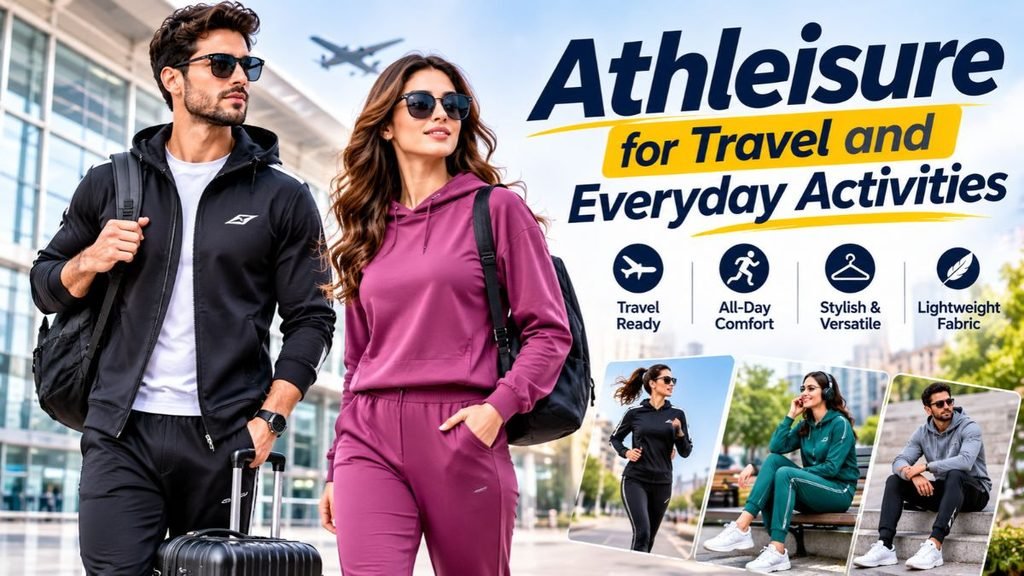
11. Athleisure for Travel and Everyday Activities
Another important part of the 2025 athleisure direction was clothing designed for different situations.
People often wanted comfortable outfits for travelling, shopping, walking, and relaxing. As a result, brands explored designs that looked casual without appearing like traditional gym uniforms.
Useful pieces included:
- Relaxed joggers
- Oversized T-shirts
- Zip-up sweatshirts
- Lightweight jackets
- Comfortable co-ord sets
- Stretch trousers
- Simple performance tops
For example, a matching jogger set could be worn during a journey and then styled separately for everyday activities.
The most useful designs considered comfort, pockets, fabric care, and ease of movement. These details could make a product more practical than a design based on appearance alone.
12. How to Style Fall 2025 Athleisure Outfits
Understanding trends is easier when they are applied to complete outfits. Here are some combinations inspired by the season.
Casual Everyday Outfit
Combine wide-leg joggers with an oversized sweatshirt and comfortable trainers. Choose mocha, charcoal, or cream for a coordinated look.
Gym-to-Street Outfit
Wear fitted leggings with a sports bra and lightweight zip-up jacket. A neutral base with one brighter accent can create a balanced appearance.
Outdoor Workout Outfit
Choose a long-sleeve performance top, flexible joggers, and a lightweight windbreaker. Consider fabric breathability and weather protection.
Pilates-Inspired Outfit
Pair flared leggings with a fitted top and a wrap-style cardigan. Lavender, dusty pink, and charcoal can support this softer look.
Retro Sportswear Outfit
Combine track pants with a collared sports top or vintage-inspired jacket. Contrast stripes and simple graphics can add character.
Travel Outfit
Choose a relaxed co-ord set with a soft T-shirt and lightweight outer layer. Neutral colors make the pieces easier to mix with other clothing.
13. How Clothing Brands Can Apply Athleisure Wear Trends 2025
For clothing businesses, seasonal trends are useful when they lead to clear product decisions.
A brand does not need to copy every trend. Instead, it should identify the styles that fit its customers and product category.
Start With a Clear Customer Profile
Consider whether the collection is intended for gym users, runners, yoga customers, travellers, or people who prefer casual clothing.
Different groups may have different expectations for fit, fabric, color, and performance.
Select a Focused Product Range
A new collection could begin with a few practical products:
- One oversized hoodie
- One relaxed jogger
- One fitted performance top
- One pair of leggings
- One lightweight jacket
This creates a foundation for a coordinated collection without introducing too many unrelated designs.
Choose a Consistent Color Palette
Select core colors first, then add seasonal shades and accent colors.
For example, charcoal, mocha, and cream could form the core palette. Burgundy and forest green could provide seasonal variation.
Develop Clear Product Specifications
A product specification should explain the garment’s fabric, GSM, measurements, construction, stitching, trims, colors, labels, and finishing.
Reference images and sketches can help communicate the design. A detailed tech pack is useful when available.
Approve Samples Before Bulk Production
A physical sample allows the brand to check fit, comfort, fabric, color, and construction.
Any required changes should be discussed before bulk production begins.
14. Manufacturing Considerations for Fall Athleisure Collections
A successful athleisure product requires more than a fashionable design. The garment must also be suitable for its intended activity.
Manufacturers and brands should consider several technical details.
Fabric weight: GSM means grams per square metre. It describes fabric weight and helps brands compare materials.
Stretch and recovery: Fitted garments need suitable stretch and the ability to return toward their original shape.
Seam construction: Seam placement and stitching affect comfort, durability, and appearance.
Moisture management: Performance garments may need fabrics designed to move moisture away from the skin.
Color consistency: Matching pieces should use approved color references and be checked together.
Decoration: Screen printing, embroidery, heat transfer, and other methods should suit the fabric and design.
Quality inspection: Measurements, stitching, print placement, trims, and finishing should be checked during production.
For cold-weather products, brands should also consider fabric warmth, layering space, and practical details such as pockets and adjustable hems.
15. How Fashion Soul International Supports Custom Athleisure Production
Fashion brands looking to develop seasonal collections may need support with product development, fabric sourcing, sampling, and bulk manufacturing.
Fashion Soul International is a factory-owned custom clothing manufacturer based in Sialkot, Pakistan. The company offers private-label, OEM, ODM, white-label, cut-and-sew, and full-package production options.
Its services include:
- Product development
- Fabric and trim sourcing
- Sample development
- Bulk garment production
- Custom labels and branding
- Printing and embroidery
- Packaging
- Quality control
- International shipping
For an athleisure project, brands can discuss fabric composition, GSM, stretch requirements, garment construction, color references, and decoration methods.
The company’s standard MOQ starts at 100 pieces, although actual requirements can vary by product, fabric, color, and construction. Brands should confirm the MOQ for their specific project before proceeding.
Sample approval is an important step. Buyers should review the physical garment for fit, color, stitching, fabric feel, and finishing before authorizing bulk production.
Fashion Soul also describes inline quality checks and pre-shipment AQL 2.5 inspection as part of its quality process.
For brands planning a new collection, clear specifications and timely sample feedback can help make the production process more organized.
16. Common Mistakes to Avoid When Following Athleisure Trends
Following a trend does not automatically create a successful product. Brands should avoid decisions that make clothing less useful or difficult to manufacture.
Choosing appearance over comfort: A stylish garment still needs suitable fabric, fit, and construction.
Using too many colors: A collection can lose its identity when every product uses a completely different palette.
Ignoring fabric performance: Stretch, recovery, opacity, and durability matter, especially for fitted garments.
Copying another brand’s design: Use trends as inspiration, but develop original designs, graphics, and brand details.
Skipping sample approval: A digital design cannot fully show how a garment will fit and feel.
Overcomplicating the collection: Too many styles and variations can make production and inventory planning harder.
Making unsupported sustainability claims: A fabric or color should not be described as sustainable without evidence about its materials and production.
A clear design direction and careful product development can help brands avoid these problems.
Frequently Asked Questions
What are the biggest fall 2025 athleisure trends?
Major directions included oversized hoodies, wide-leg joggers, retro sportswear, matching sets, technical jackets, minimalist styling, textured fabrics, and studio-inspired clothing.
What colors were popular for Fall 2025 athleisure?
Seasonal color directions included mocha, chocolate brown, burgundy, forest green, olive, charcoal, deep navy, purple, and brighter accents such as orange and electric blue.
Is oversized clothing part of athleisure wear trends 2025?
Yes. Oversized sweatshirts, relaxed hoodies, and wide-leg joggers were important options. They offered comfort and made layering easier.
Are matching activewear sets still fashionable?
Matching sets remained useful because they created coordinated outfits. Brands also expanded beyond leggings and sports bras to include joggers, sweatshirts, and jackets.
What fabrics are suitable for fall athleisure?
French terry, cotton blends, fleece, polyester, and nylon-spandex blends can all be suitable. The right choice depends on the product’s purpose, desired warmth, stretch, and performance requirements.
How can I start an athleisure clothing collection?
Start by defining your target audience and product range. Select fabrics and colors, prepare product specifications, request samples, and approve the final design before bulk production.
Can small brands manufacture custom athleisure clothing?
Yes. Small brands can discuss custom manufacturing with suitable clothing manufacturers. However, MOQ, fabric availability, customization, and production requirements should be confirmed before placing an order.
Conclusion
The fall 2025 athleisure trends reflected a growing interest in clothing that combines comfort, performance, and everyday style. Oversized hoodies, wide-leg joggers, retro sportswear, matching sets, technical outerwear, and textured fabrics helped shape the season’s look.
The wider athleisure wear trends 2025 also showed how brands could use seasonal colors, practical materials, and versatile silhouettes to develop more coordinated collections.
For clothing businesses, the most useful approach is to choose trends that match their customers rather than copying every seasonal idea. Clear product specifications, suitable fabric selection, physical sample approval, and quality checks remain important throughout development.
By combining thoughtful design with practical manufacturing decisions, brands can create athleisure collections that look modern and serve real everyday needs.