Is Athleisure Still in Style 2025? Trends, Outfits and Fashion Ideas
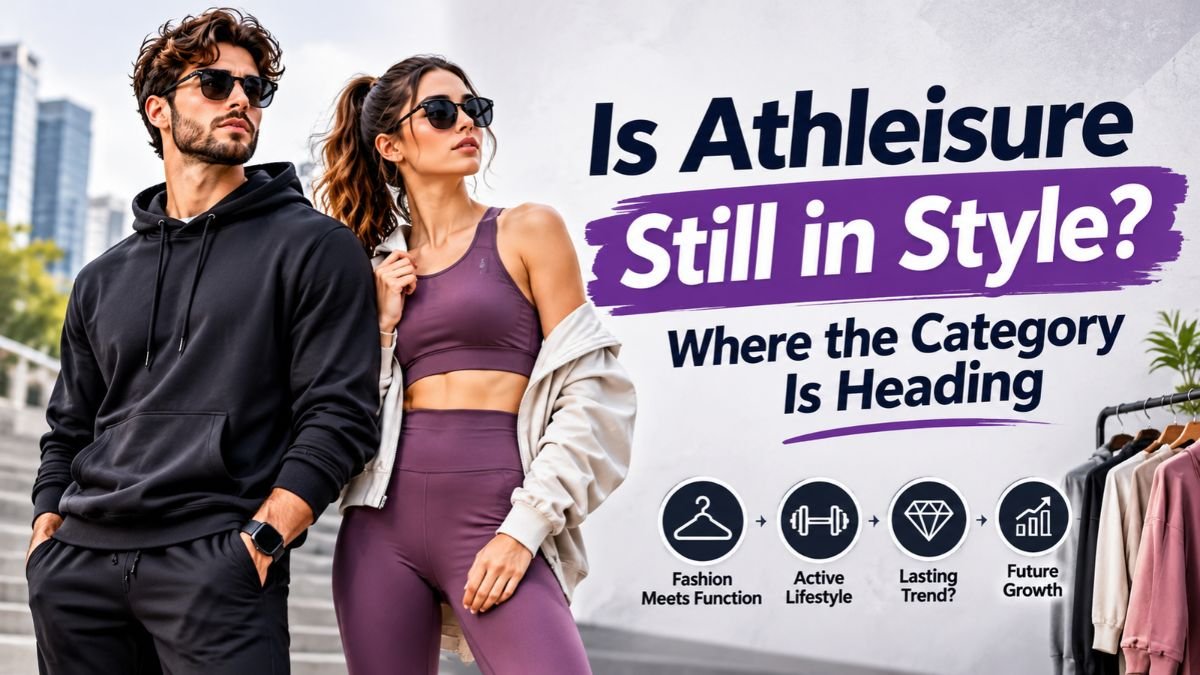
Is athleisure still in style 2025? Yes. Athleisure remained an important fashion direction in 2025, combining comfortable sportswear with everyday clothing. People continued choosing outfits that could work for workouts, shopping, travel, casual meetings, and relaxed social activities.
However, athleisure was no longer limited to basic leggings, oversized T-shirts, and simple hoodies. The style developed into more polished outfits, better fabric choices, coordinated sets, and thoughtful details. This shift made everyday sportswear look more fashionable without losing comfort.
The athleisure trend 2025 focused on versatility, personal style, and practical clothing. Meanwhile, elevated athleisure 2025 introduced more refined shapes, neutral colors, premium-looking materials, and carefully selected accessories.
For fashion lovers, clothing brands, and activewear designers, understanding these changes helps create outfits that feel modern and useful. This guide explains why athleisure remained popular, which styles shaped 2025, and how brands could use these ideas when developing new collections.
Is Athleisure Still in Style in 2025?
Yes, athleisure was still in style in 2025. Its appeal came from the balance between comfort and appearance. People wanted clothing that looked presentable but did not feel restrictive.
Traditional sportswear was mainly designed for exercise. Athleisure, however, allowed people to wear athletic-inspired clothing in everyday settings.
For example, leggings could be paired with an oversized sweatshirt and clean sneakers. Similarly, tailored joggers could be styled with a fitted top and a lightweight jacket.
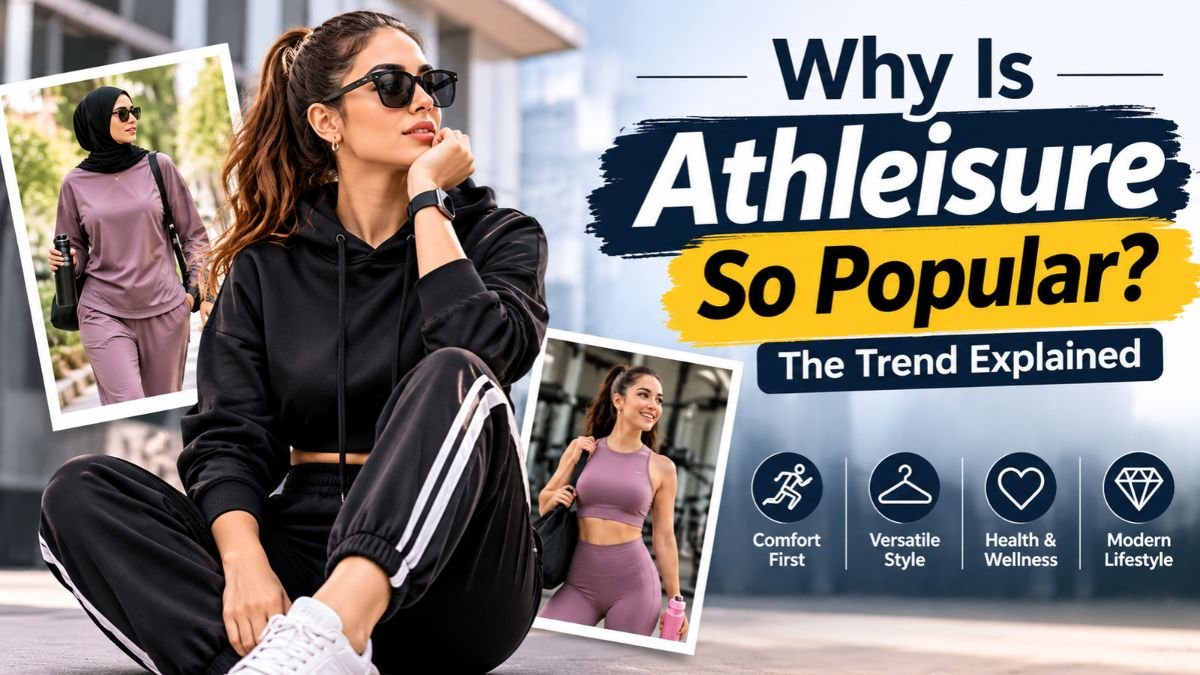
Several factors supported athleisure’s continued popularity:
- Comfort: Stretch fabrics and relaxed fits made everyday movement easier.
- Versatility: Many pieces worked for workouts and casual activities.
- Practicality: Customers could build outfits from a smaller group of useful garments.
- Personal expression: Different colors, silhouettes, and accessories allowed individual styling.
- Modern design: Improved cuts and fabric finishes made sportswear look more polished.
Therefore, athleisure was not simply a temporary gym clothing trend. It had developed into a wider everyday fashion category.
What Is the Athleisure Trend in 2025?
The athleisure trend 2025 focused on making athletic clothing suitable for more situations. Instead of wearing a complete gym outfit everywhere, people combined sportswear with casual and smart-casual pieces.
This created a more balanced approach to dressing.
Some outfits used traditional athletic garments, such as leggings and sports bras. Others included structured jackets, relaxed trousers, premium-looking sweatshirts, and minimal sneakers.
The main styling directions included:
1. Matching Activewear Sets
Matching sets remained a practical choice for people who wanted coordinated outfits.
A matching sports bra and leggings combination creates a clean appearance. Similarly, a sweatshirt and jogger set can provide a relaxed outfit for travel or casual activities.
Popular set combinations included:
- Black leggings with a matching sports bra
- Chocolate brown leggings with a fitted top
- Grey joggers with a matching sweatshirt
- Sage green sets for yoga and casual wear
- Neutral tracksuits with simple sneakers
Matching sets also make product development easier for brands. They can create coordinated collections using shared colors, fabric choices, and design details.
2. Oversized Sweatshirts and Hoodies
Oversized sweatshirts remained useful athleisure pieces. Their relaxed shape makes them easy to combine with fitted leggings, shorts, and joggers.
A simple hoodie can also create a layered outfit. For example, wear it over a fitted tank top with straight-leg joggers.
In addition, brands can experiment with different sweatshirt details, including dropped shoulders, ribbed cuffs, embroidered logos, and textured fabrics.
The key is to maintain a balanced silhouette. If the top is oversized, a more fitted bottom can create a cleaner overall look.
3. Wide-Leg Athletic Pants
Wide-leg pants offered another alternative to traditional fitted leggings.
They combine the relaxed shape of casual trousers with the comfort of athletic-inspired materials. Depending on the fabric and design, they can work for travel, shopping, and relaxed everyday outfits.
Useful design features include:
- Elasticated waistbands
- Adjustable drawstrings
- Side pockets
- Lightweight stretch fabrics
- Clean hems
- Relaxed or straight-leg cuts
Wide-leg athletic pants also give brands an opportunity to reach customers who prefer looser clothing.
4. Flared Leggings
Flared leggings remained a recognizable athleisure option. Their fitted upper section and wider lower leg create a different silhouette from traditional leggings.
They can be styled with fitted sports bras, cropped sweatshirts, or oversized tops.
For brands, fabric recovery is important. The material should return to its original shape after stretching. Waistband construction and seam placement also affect comfort and fit.
5. Minimalist Sportswear
Minimalist sportswear uses simple designs, limited colors, and clean garment details.
Instead of large graphics or complicated patterns, these outfits often feature small logos, smooth fabrics, and coordinated neutral shades.
This direction suits customers who prefer clothing that can be worn in several settings.
Elevated Athleisure 2025: What Makes It Different?
Elevated athleisure 2025 took basic athletic clothing and gave it a more refined appearance. The goal was to make comfortable outfits look more intentional.
It did not mean every garment had to be expensive or formal. Rather, the focus was on better styling, suitable fabrics, cleaner construction, and thoughtful details.
Several elements helped define this direction.
Premium-Looking Fabrics
Fabric quality has a major effect on how an outfit looks and feels.
Smooth stretch fabrics, soft cotton blends, structured fleece, and quality knit materials can create a more refined appearance.
For example, a pair of well-fitted joggers in a smooth fabric may look more polished than loose trousers with poor construction.
Brands should consider:
- Fabric composition
- GSM or fabric weight
- Stretch and recovery
- Surface texture
- Breathability
- Durability
- Color consistency
The right fabric depends on the garment’s intended use. A running top may need lightweight moisture-management properties. Meanwhile, a casual sweatshirt may need a softer and heavier material.
Neutral and Coordinated Colors
Elevated athleisure often uses colors that are easy to combine.
Popular color directions included:
- Black and charcoal
- Cream and off-white
- Chocolate brown and mocha
- Navy and grey
- Sage and olive green
- Beige and taupe
- Burgundy and muted pink
These shades can make separate garments work together.
For example, cream joggers can be paired with a brown sweatshirt. Similarly, charcoal leggings can work with a white fitted top and a neutral jacket.
Refined Silhouettes
Fit is another important part of elevated athleisure.
A garment does not need to be tight to look stylish. Clean shoulder lines, suitable lengths, balanced proportions, and well-designed waistbands can improve its overall appearance.
Some useful silhouettes include:
- Straight-leg joggers
- Fitted athletic tops
- Cropped sweatshirts
- Structured zip-up jackets
- Relaxed tracksuit bottoms
- Flared leggings
- Lightweight performance jackets
The most suitable shape depends on the customer’s preferences and the garment’s intended function.
Subtle Branding
Large logos are not necessary for every athleisure collection.
Small embroidery, tonal prints, minimal labels, and carefully placed graphics can create a more understated look.
This approach also gives clothing brands more flexibility when developing products for different customer groups.
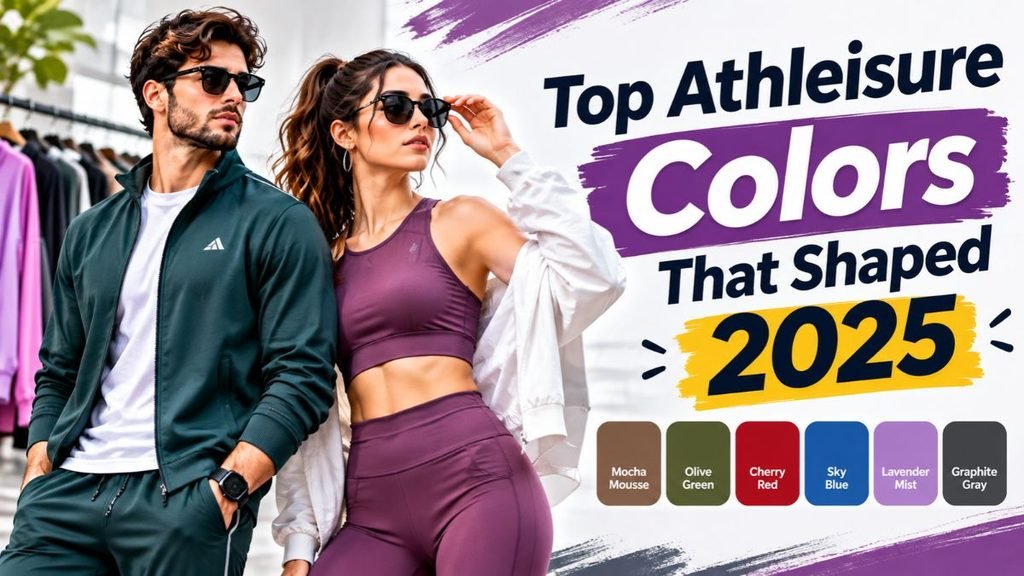
Top Athleisure Colors That Shaped 2025
Color selection can influence the entire appearance of an outfit. In 2025, brands and designers had several options beyond traditional black sportswear.
Chocolate Brown and Mocha
Brown shades offered a warm alternative to black and grey.
Chocolate, cocoa, caramel, and mocha could be used for leggings, sweatshirts, joggers, and matching sets.
These colors pair well with cream, beige, white, and muted pink.
Sage and Olive Green
Sage and olive created a natural, relaxed appearance. They were suitable for yoga clothing, casual tracksuits, and outdoor-inspired activewear.
These shades work particularly well with cream, charcoal, and brown.
Burgundy and Cherry Red
Deeper red shades added personality without relying on neon colors.
Burgundy leggings, cherry-red tops, and wine-colored sweatshirts could create strong statement pieces.
Soft Grey and Charcoal
Grey remained a versatile choice for everyday sportswear.
Charcoal joggers, grey hoodies, and matching sets were easy to coordinate with brighter accent colors.
Cream and Off-White
Cream and off-white offered a softer look than pure white. These colors could be used for sweatshirts, casual tops, and relaxed trousers.
However, fitted garments in lighter colors need proper opacity testing.
How to Style Athleisure Outfits in 2025
Athleisure styling does not require complicated clothing combinations. A few well-selected pieces can create practical outfits for different situations.
Here are some useful outfit ideas.
1. Leggings With an Oversized Hoodie
This combination is simple and comfortable.
Choose fitted black or brown leggings with an oversized hoodie. Add clean sneakers and a small crossbody bag.
The fitted bottom balances the loose upper section. Meanwhile, neutral colors help the outfit look coordinated.
2. Matching Sports Bra and Leggings
A matching set creates a complete athletic look.
You can choose black, mocha, sage, or burgundy. Add a lightweight zip-up jacket when extra coverage is needed.
This combination works for gym sessions, yoga, and other active settings.
3. Joggers With a Fitted Top
Joggers can be styled with a fitted T-shirt, tank top, or long-sleeve athletic shirt.
Choose a clean design with minimal graphics. Then add sneakers and a lightweight jacket.
This outfit is useful for travel and everyday activities.
4. Flared Leggings With a Cropped Sweatshirt
Flared leggings offer a different shape from traditional workout bottoms.
Pair them with a cropped sweatshirt or fitted top. The combination creates balanced proportions while keeping the outfit comfortable.
5. Wide-Leg Pants With a Basic T-Shirt
Wide-leg athletic trousers can create a relaxed everyday look.
Wear them with a fitted or slightly oversized T-shirt. Add simple sneakers and a structured bag for a more finished appearance.
6. A Minimalist Tracksuit
A coordinated tracksuit is useful when you want an outfit that requires little styling.
Choose a clean color, suitable fit, and quality fabric. Small design details can make the set look more refined.
Athleisure vs. Activewear: What Is the Difference?
Athleisure and activewear are related, but they do not have exactly the same purpose.
Activewear is designed mainly for physical activities. Athleisure combines athletic-inspired clothing with everyday fashion.
| Feature | Activewear | Athleisure |
|---|---|---|
| Main purpose | Exercise and performance | Everyday wear and casual activities |
| Design | Function-focused | Style and comfort combined |
| Fabrics | Performance materials | Performance and lifestyle fabrics |
| Fit | Depends on the sport | Fitted, relaxed, or oversized |
| Common products | Running tops, sports bras, compression leggings | Joggers, hoodies, leggings, casual sets |
| Styling | Mainly sportswear | Sportswear mixed with everyday pieces |
For example, a moisture-wicking running shirt is primarily activewear. A pair of leggings styled with an oversized hoodie and casual sneakers is an athleisure outfit.
Some garments can belong to both categories. A pair of leggings may work for exercise and everyday wear, depending on its design and performance features.
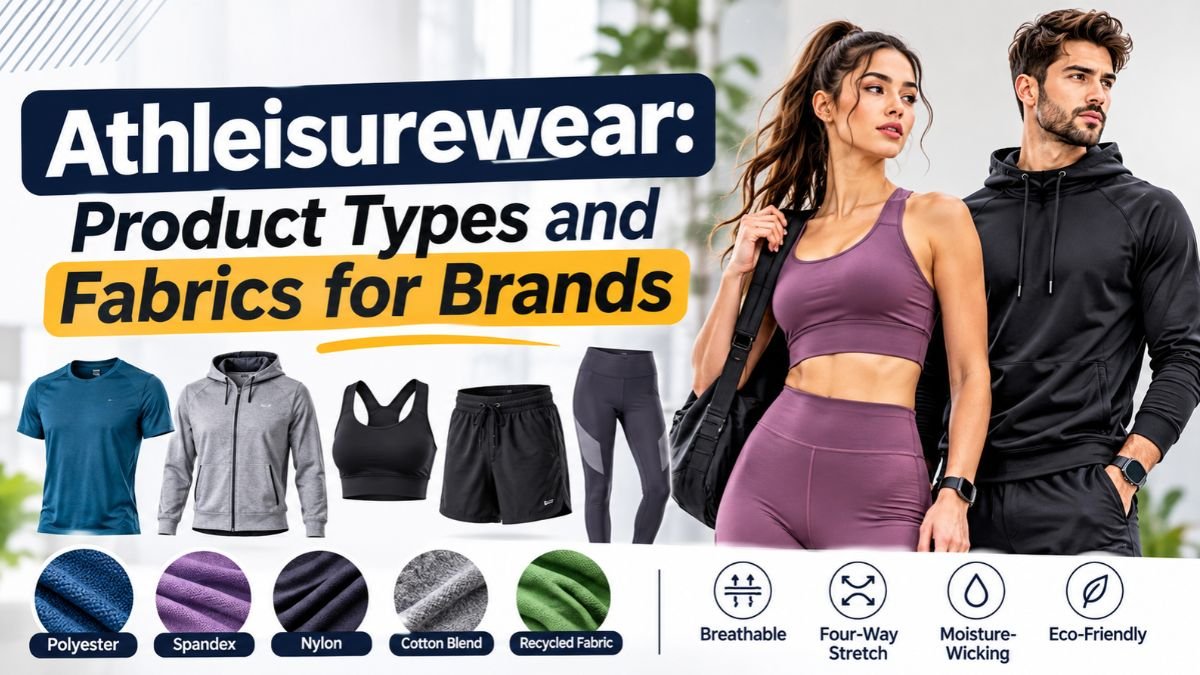
Fabrics That Work Well for Athleisure Clothing
Fabric selection is important because athleisure garments need to balance comfort, appearance, and durability.
A fabric that feels suitable for a gym workout may not always provide the structure needed for an everyday outfit.
Cotton and Cotton Blends
Cotton is commonly used in casual clothing because of its soft feel.
Cotton blends can work well for T-shirts, sweatshirts, and relaxed joggers. The exact performance depends on the blend and fabric construction.
Polyester
Polyester is widely used in sportswear and performance clothing.
It can be suitable for lightweight tops, training shirts, and other garments that require specific moisture-management properties.
However, moisture-wicking performance depends on the fabric construction and finishing. Polyester alone does not guarantee a particular performance result.
Nylon and Spandex
Nylon and spandex blends are useful for fitted activewear.
They can provide a smooth surface, stretch, and flexibility. These materials are commonly considered for leggings, sports bras, and fitted tops.
Brands should test stretch recovery and opacity before approving the final fabric.
French Terry
French terry is often used for sweatshirts, joggers, and casual tracksuits.
Its looped inner surface can provide a comfortable feel. It is a useful option for lifestyle-focused collections.
Fleece
Fleece fabrics can provide warmth and a soft interior.
They are suitable for hoodies, sweatshirts, and tracksuits designed for cooler conditions.
When selecting fleece, brands should consider fabric weight, surface finish, and the intended fit.
Why Comfort and Functionality Still Matter
Although athleisure has a strong fashion element, comfort remains essential.
A garment may look attractive in a product photograph but still disappoint customers if it restricts movement or feels uncomfortable.
For this reason, brands should consider several practical features.
Stretch: Fitted garments should allow suitable movement without feeling restrictive.
Recovery: Stretch fabrics should return to their original shape after use.
Breathability: The material should suit the activity and expected wearing conditions.
Fit: Waistbands, shoulder seams, sleeve lengths, and garment proportions should be tested.
Durability: Stitching, seams, fabric quality, and finishing affect how a garment performs over time.
Care: Washing instructions should match the selected fabric and garment construction.
These details help create clothing that looks good and remains practical.
How Clothing Brands Can Build an Athleisure Collection
For a clothing brand, developing an athleisure collection requires more than selecting fashionable products. Each garment should have a clear purpose and fit the overall brand identity.
1. Define Your Target Customer
Start by understanding who will wear the collection.
Some customers want gym clothing that also works for casual outings. Others prefer relaxed outfits for travel, errands, and daily activities.
Your target customer influences product selection, colors, fabric choices, and price positioning.
2. Choose a Focused Product Range
A new collection does not need dozens of products.
A focused range could include:
- Leggings
- Sports bras
- Oversized T-shirts
- Hoodies
- Joggers
- Zip-up jackets
- Matching tracksuits
Start with products that support the brand’s main purpose.
3. Develop a Coordinated Color Palette
Select core shades and supporting colors.
For example, a collection could use black, cream, and mocha as core colors. Sage green and burgundy could provide seasonal variety.
A consistent palette helps customers combine different pieces.
4. Select Suitable Fabrics
Choose materials according to the garment’s purpose.
Leggings may require stretch and recovery. Sweatshirts may need a heavier knit. Performance tops may require lightweight fabrics.
Compare fabric samples before making a final decision.
5. Prepare Product Specifications
A clear product brief or tech pack helps communicate the design.
It can include:
- Garment measurements
- Fabric composition
- GSM
- Color references
- Stitching details
- Trims and accessories
- Logo placement
- Printing or embroidery
- Labels and packaging
These details reduce confusion during sampling and production.
6. Approve a Physical Sample
A physical sample helps brands evaluate the actual garment.
Check the fit, fabric feel, color, stitching, and finishing. If changes are needed, communicate them before approving bulk production.
This step is especially important for matching sets. The top and bottom should have compatible colors, materials, and construction.
Common Mistakes to Avoid When Wearing or Designing Athleisure
Athleisure may look simple, but small design and styling mistakes can affect the final result.
Wearing Too Many Oversized Pieces
Oversized clothing can look relaxed and modern. However, wearing an oversized top with extremely loose bottoms may create an unbalanced silhouette.
Try combining one relaxed garment with a more fitted piece.
Choosing Poor-Quality Fabrics
A garment can lose its appearance if the fabric stretches out, pills, or becomes uncomfortable.
Brands should test material quality before choosing it for bulk production.
Ignoring Color Coordination
Not every color combination works equally well.
Use a consistent palette and consider how separate garments will look together.
Overusing Logos and Graphics
Large prints are useful for some styles, but they may not suit every collection.
Consider small logos, tonal branding, or minimal embroidery when developing a cleaner look.
Ignoring Fit and Construction
Even attractive designs can disappoint when the waistband rolls, seams feel uncomfortable, or garment proportions are incorrect.
Fit testing and sample approval should be part of product development.
How Fashion Soul International Supports Custom Athleisure Manufacturing
Developing an athleisure collection requires coordinated work across fabric sourcing, product development, sampling, production, and quality control.
Fashion Soul International is a factory-owned custom clothing manufacturer based in Sialkot, Pakistan. The company supports clothing brands through private-label, OEM, ODM, white-label, cut-and-sew, and full-package manufacturing.
Its services include product development, fabric sourcing, sampling, bulk production, quality control, custom branding, packaging, and international shipping.
For athleisure projects, brands can discuss requirements such as:
- Custom leggings and sports bras
- Hoodies, joggers, and tracksuits
- Fabric composition and GSM
- Stretch and recovery requirements
- Custom colors and fabric references
- Labels and packaging
- Printing and embroidery
- Garment measurements and construction
The standard MOQ starts at 100 pieces, although actual requirements depend on the product, fabric, color, and construction.
Before bulk production, brands should review and approve a physical pre-production sample. This helps confirm the design, measurements, fabric, color, and finishing.
Fashion Soul also describes inline quality checks and pre-shipment AQL 2.5 inspection as part of its quality process.
For new brands, clear product specifications can make communication with a manufacturer more efficient. They also help reduce avoidable changes during production.
Frequently Asked Questions
Is athleisure still in style 2025?
Yes. Athleisure remained a popular fashion direction in 2025. Matching sets, leggings, joggers, oversized sweatshirts, and versatile athletic-inspired outfits continued to offer comfort and everyday styling options.
What is the biggest athleisure trend in 2025?
Matching sets, elevated basics, wide-leg athletic pants, flared leggings, and neutral color palettes were important styling directions. The overall focus was on combining comfort with a more polished appearance.
What is elevated athleisure?
Elevated athleisure is a more refined version of everyday sportswear. It uses comfortable garments with cleaner silhouettes, coordinated colors, thoughtful details, and suitable fabrics.
What colors were popular for athleisure in 2025?
Popular color directions included mocha, chocolate brown, cream, sage green, charcoal, burgundy, navy, and muted pink. These colors offered flexibility for matching sets and everyday outfits.
Can you wear athleisure outside the gym?
Yes. Athleisure is designed to combine athletic-inspired clothing with everyday fashion. Leggings, joggers, sweatshirts, and casual tracksuits can work for shopping, travel, and relaxed activities.
What is the difference between athleisure and sportswear?
Sportswear is generally designed for physical activity and performance. Athleisure combines athletic clothing with casual fashion, making it suitable for both active and everyday settings.
What fabrics are best for athleisure?
Suitable fabrics depend on the garment. Cotton blends and French terry work well for casual clothing. Nylon-spandex blends are useful for fitted pieces, while selected polyester fabrics suit performance tops.
How can a clothing brand start an athleisure line?
Start by defining your target audience and product range. Then select fabrics, colors, and garment designs. Prepare product specifications, request samples, review fit and quality, and approve the sample before bulk production.
Conclusion
So, is athleisure still in style 2025? Absolutely. It remained a practical and fashionable choice because it combined comfort, versatility, and modern design.
The athleisure trend 2025 moved beyond basic gym outfits. Matching sets, relaxed joggers, flared leggings, oversized sweatshirts, and coordinated colors helped create more complete everyday looks.
Meanwhile, elevated athleisure 2025 showed how simple athletic clothing could look more refined through better fabrics, cleaner silhouettes, and subtle details.
For clothing brands, the opportunity was to develop collections that balance appearance with function. By choosing suitable materials, testing garment fit, and planning coordinated colors, brands could create athleisure products that meet real customer needs.
Ultimately, successful athleisure is not only about following a trend. It is about creating comfortable, versatile clothing that people enjoy wearing in their everyday lives.