Activewear Trade Shows 2025: Key Events, Trends and Industry Insights
The activewear industry brings together fashion, fitness, sports, and textile innovation. In 2025, trade shows around the world gave clothing brands, manufacturers, designers, and suppliers opportunities to explore new products and business connections.
Activewear trade shows 2025 covered several important areas, including performance fabrics, sportswear collections, sustainable materials, garment manufacturing, and retail trends. Some events focused directly on activewear and functional textiles. Others covered the wider apparel and sports industries.
These exhibitions were useful for businesses planning new collections, finding material suppliers, studying competitors, and understanding changing customer needs.
For clothing brands, attending the right exhibition can help answer important questions. Which fabrics are suitable for performance leggings? What materials work best for sports bras? How can manufacturers improve comfort and durability? Which sourcing partners can support custom production?
This guide explores notable activewear-related trade shows held in 2025. It also explains the role of activewear fashion shows, the benefits of attending industry events, and how brands can use exhibition insights when developing new collections.
What Are Activewear Trade Shows?
Activewear trade shows are business exhibitions where companies present products, materials, technologies, and services related to fitness and performance clothing.
These events bring together different parts of the apparel supply chain. Visitors may include sportswear brands, clothing manufacturers, fabric suppliers, textile engineers, retailers, designers, and sourcing professionals.
Unlike ordinary shopping exhibitions, many trade shows focus on business relationships. Companies attend to discover suppliers, compare products, discuss production requirements, and explore future partnerships.
Common exhibition categories include:
- Sports bras, leggings, and gym clothing
- Running and cycling apparel
- Yoga and fitness clothing
- Performance fabrics and technical textiles
- Moisture-wicking and stretch materials
- Sustainable textile innovations
- Garment manufacturing equipment
- Printing, embroidery, and decoration
- Sports accessories and footwear
- Private-label and custom apparel services
Some events focus on finished clothing collections. Others concentrate on the materials and technologies used to produce them.
Therefore, brands should understand an exhibition’s focus before deciding to attend.
Why Activewear Trade Shows Matter for Clothing Brands
Trade shows help businesses understand the market beyond online research. Visitors can examine actual products, feel fabric samples, meet suppliers, and discuss technical requirements.
For new clothing brands, these opportunities can make product development easier. Established businesses can also use exhibitions to explore new materials and expand their supplier networks.
1. Discover New Performance Fabrics
Fabric quality has a direct impact on activewear comfort and performance. Customers expect workout clothing to provide suitable stretch, breathability, durability, and fit.
At textile-focused exhibitions, visitors can explore materials such as:
- Polyester interlock
- Nylon and spandex blends
- Recycled polyester
- Four-way stretch fabrics
- Moisture-wicking materials
- Lightweight performance mesh
- Technical cotton blends
- Functional and coated textiles
These materials serve different purposes. For example, a nylon and spandex blend may suit fitted leggings. Lightweight polyester can be useful for running tops.
Seeing physical samples helps buyers compare texture, weight, stretch, and construction.
2. Find Manufacturing and Sourcing Partners
Trade exhibitions allow brands to meet suppliers and manufacturers directly. This can help businesses understand available services and production capabilities.
A brand may be searching for a factory that offers custom leggings, sports bras, tracksuits, or performance T-shirts.
During an exhibition, buyers can ask about:
- Minimum order quantities
- Fabric sourcing
- Sample development
- Custom colors
- Printing and embroidery
- Private-label services
- Quality-control procedures
- Production timelines
- International shipping
However, an exhibition meeting should be the beginning of supplier research, not the final decision. Brands should verify the manufacturer’s details and request samples before placing an order.
3. Understand New Sportswear Trends
Trade shows provide a view of products and ideas being developed across the industry.
Visitors may notice changing fabric preferences, garment designs, colors, and functional features. These observations can help brands plan future collections.
For example, a business may identify demand for coordinated gym sets, lightweight running clothing, or versatile athleisure products.
Nevertheless, a trend displayed at an exhibition does not guarantee customer demand. Brands should compare exhibition observations with their own customer research.
4. Build Business Relationships
Personal communication remains valuable in apparel sourcing.
Meeting a supplier can help buyers explain their requirements more clearly. They can also discuss fabric specifications, product samples, pricing structures, and future production plans.
In addition, industry events create opportunities to meet designers, distributors, retailers, and other business professionals.
Notable Activewear Trade Shows Held in 2025
Several international exhibitions in 2025 covered activewear, sportswear, technical textiles, and apparel sourcing.
The following events are selected because of their relevance to performance clothing, materials, or the wider sportswear supply chain. They are not all dedicated activewear-only exhibitions.
1. Feel Sport Milano 2025 – Milan, Italy
<PRIVATE_PERSON> Feel Sport Milano took place from January 14 to 16, 2025, at Allianz MiCo in Milan.
The event focused on contemporary sportswear and the connection between active products, lifestyle fashion, and international distribution.
Its stated themes included athleisure, luxury sportswear, sustainability, women’s activewear, and sneakers.
This made it relevant to brands interested in the relationship between performance clothing and everyday fashion.
For example, a sportswear company could use this type of event to explore how technical clothing fits into casual wardrobes.
The exhibition also highlighted product categories connected with outdoor activities, training, cycling, and other sports.
Why it mattered: Feel Sport Milano provided a business-focused setting for companies interested in contemporary sportswear and active lifestyle products.
2. Vietnam International Trade Fair for Apparel, Textiles and Textile Technologies (VIATT)
VIATT 2025 took place from February 26 to 28 at the Saigon Exhibition and Convention Center in Ho Chi Minh City, Vietnam.
The event covered apparel fabrics and fashion, home and contract textiles, and technical textiles and technologies.
Although it was not exclusively an activewear exhibition, its textile and technology focus made it relevant to sportswear businesses.
Brands interested in technical materials could use this type of event to explore fabric sourcing and textile developments.
It was also relevant to companies looking at different stages of the textile supply chain.
Why it mattered: VIATT connected the wider textile and apparel industry, including technical textile categories that can support performance clothing development.
3. Performance Days – Munich, Germany
Performance Days was held on March 5 and 6, 2025, at Messe München.
It is an important event for functional textiles, sportswear materials, and performance-related product development.
The exhibition brings together material suppliers, designers, product managers, and decision-makers from sports and outdoor brands.
Its focus includes functional fabrics, yarns, finishes, and accessories.
For activewear brands, these areas are important because garment performance begins with material selection.
A buyer developing running apparel may need lightweight and breathable materials. A brand creating leggings may prioritize stretch, recovery, and opacity.
Why it mattered: Performance Days offered a focused environment for exploring functional materials and innovations used in sports and performance clothing.
4. Functional Fabric Fair Spring 2025 – Portland, USA
Functional Fabric Fair Spring 2025 took place from April 14 to 16 at the Oregon Convention Center in Portland.
The event focused on high-performance functional fabrics, trims, accessories, sourcing, and industry education.
Its programme included material innovation, sustainability sessions, and networking opportunities for apparel professionals.
The event also featured a Bodywear Collective focused on categories such as underwear, swimwear, shapewear, and seamless performance clothing.
Another feature was its Innovation Zone, which highlighted new textile technologies and material solutions.
The exhibition’s Trend Forum presented selected fabric categories and allowed visitors to explore and request samples.
Why it mattered: This event was especially relevant to activewear designers and product developers who needed to compare performance materials and learn about textile developments.
5. Outdoor Retailer Summer 2025 – Salt Lake City, USA
Outdoor Retailer Summer was held from June 18 to 20, 2025, at the Salt Palace Convention Center in Salt Lake City.
The event focused on the outdoor and sports market.
Its relevance to activewear comes from the connection between outdoor activities and functional apparel.
Brands producing hiking clothing, outdoor training products, and performance layers can benefit from studying this market.
For example, outdoor apparel often needs practical features such as weather resistance, comfortable movement, suitable layering, and durable construction.
Why it mattered: Outdoor Retailer offered a wider view of functional clothing and outdoor product development.
6. Future Fabrics Expo 2025 – London, United Kingdom
Future Fabrics Expo took place on June 24 and 25, 2025, at Magazine London.
The exhibition focused on certified, sustainable, and responsibly produced materials.
This made it relevant to apparel businesses exploring material sourcing and sustainability information.
Activewear brands can use fabric exhibitions to investigate material composition, supplier documentation, and available textile options.
However, sustainability claims should always be supported by reliable product and supplier information.
A recycled fibre, for example, should be supported by appropriate documentation. A natural-looking fabric is not automatically sustainable.
Why it mattered: Future Fabrics Expo highlighted material sourcing and responsible production considerations for fashion and performance apparel.
7. ISPO Shanghai 2025 – Shanghai, China
ISPO Shanghai took place from July 4 to 6, 2025, at the Shanghai New International Expo Center.
ISPO events connect companies and professionals from the sports, outdoor, and performance industries.
The Shanghai exhibition was relevant to brands interested in sports products, functional materials, and active lifestyle markets.
For activewear businesses, exhibitions of this kind provide opportunities to explore the relationship between sports products and consumer lifestyles.
Brands can also study how product features and presentation differ across international markets.
Why it mattered: ISPO Shanghai offered exposure to the sports and outdoor product market in an important Asian business region.
8. Functional Fabric Fair New York 2025
Functional Fabric Fair New York was held from July 21 to 23, 2025, at the Javits Center.
The event focused on functional and sustainable textiles.
It was relevant to designers, product developers, and sourcing teams working with performance apparel.
For brands developing sports bras, leggings, running tops, or outdoor clothing, textile exhibitions can help compare material options.
Buyers can investigate stretch, moisture management, fabric weight, surface feel, and other performance requirements.
Why it mattered: The exhibition offered a North American sourcing opportunity for businesses exploring technical and functional textiles.
9. The Apparel Sourcing Show 2025 – Guatemala City
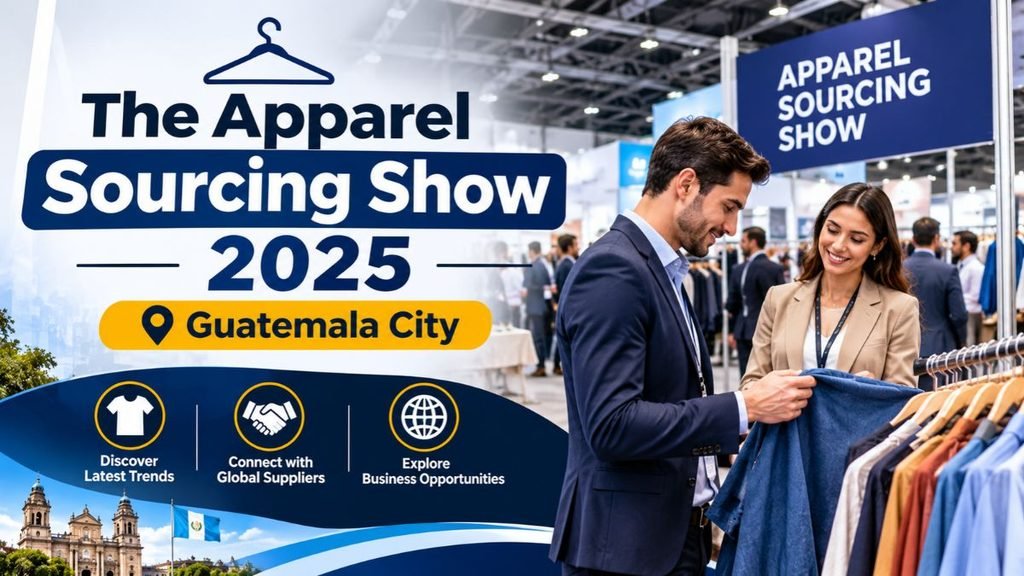
The Apparel Sourcing Show took place from August 12 to 14, 2025, at Tikal Futura Hotel and Convention Center in Guatemala City.
It covered apparel, textiles, trimmings, and accessories.
Although the event was not limited to activewear, its sourcing focus made it relevant to clothing brands looking for apparel supply-chain connections.
Businesses can use apparel sourcing exhibitions to investigate manufacturing options and understand supplier services.
Why it mattered: The event provided a regional platform for apparel and textile sourcing discussions.
10. Preview in Seoul 2025 – South Korea
Preview in Seoul 2025 was held from August 20 to 22 at the COEX Exhibition Centre.
The exhibition covered fashion and functional textiles.
This focus makes it relevant to businesses interested in both fashion materials and performance-related fabric development.
Activewear companies may use textile events to explore material innovation, fabric finishes, and new product possibilities.
Why it mattered: Preview in Seoul connected fashion and functional textile interests in the South Korean market.
11. Performance Days – Munich, October 2025
The second 2025 edition of Performance Days took place on October 29 and 30 at Trade Fair Center Messe München.
It covered functional textiles, footwear, bodywear, and accessories.
The event was designed for professionals working with sports and sports fashion products.
It also included guided tours, workshops, and expert talks.
For activewear brands, the event offered another opportunity to study fabrics and materials for future collections.
Why it mattered: The October edition continued the focus on functional materials and product development for sports and outdoor businesses.
12. Sporttech at Techtextil India 2025 – Mumbai
Techtextil India introduced a special Sporttech pavilion from November 19 to 21, 2025, at the Bombay Exhibition Centre in Mumbai.
The pavilion focused on sports textiles, fitness apparel, and specialty fibres.
Its exhibitor categories included:
- Performance clothing and activewear
- Sports and activewear textiles
- Wearable smart textiles
- Functional fabrics
- High-performance yarns and fibres
- Machinery for activewear production
- Chemicals for sports textiles
- Fitness-related textile equipment
The event was designed to connect brands, manufacturers, and resellers from the fitness apparel and sports textile industries.
Why it mattered: Sporttech provided a dedicated space for sports textile professionals and activewear-related businesses.
13. ISPO Munich 2025 – Germany
ISPO Munich took place from November 30 to December 2, 2025, at Trade Fair Center Messe München.
It was a major international event for the sports, outdoor, and winter sports industries.
The exhibition covered several areas of the sports business, including brands, products, materials, fibres, fabrics, and performance clothing.
Its 2025 exhibition structure included a Training and Performance area covering activewear and indoor and outdoor training equipment.
It also included a textiles-focused area covering materials, fibres, and fabrics.
For activewear brands, this made ISPO relevant to product development, sports technology, and industry networking.
Why it mattered: ISPO Munich connected different parts of the sports industry and provided insight into product and material developments.
Activewear Trade Shows vs Activewear Fashion Shows
The terms trade show and fashion show are sometimes used together. However, they describe different types of events.
An activewear trade show is mainly designed for business visitors. Companies display products, fabrics, technologies, and services to buyers and industry professionals.
An activewear fashion show usually focuses on presenting clothing designs through runway presentations, models, styling, and visual storytelling.
Both can help brands understand the market, but their main purposes differ.
| Feature | Activewear trade show | Activewear fashion show |
|---|---|---|
| Main purpose | Business and sourcing | Design and presentation |
| Main audience | Buyers, suppliers, manufacturers | Fashion audiences, media, buyers |
| Main focus | Products, materials, services | Clothing collections and styling |
| Activities | Meetings, product displays, workshops | Runway presentations and showcases |
| Business value | Supplier discovery and sourcing | Brand visibility and design exposure |
Some larger fashion and sports events may combine both formats.
For example, a trade exhibition may include product demonstrations, while a fashion event may invite buyers to view collections.
What Can Brands Learn From an Activewear Fashion Show?
An activewear fashion show can help brands understand how sportswear is presented as fashion.
Designers can observe how garments move, how collections are styled, and how different products work together.
1. New Design Ideas
Runway presentations can introduce fresh silhouettes, panel designs, proportions, and garment details.
A designer may notice new ways to combine fitted leggings with oversized tops or lightweight jackets.
These ideas can support future collection planning.
2. Color and Styling Direction
Fashion presentations often show how colors work together across a collection.
Brands can study matching sets, contrast panels, neutral palettes, and statement colors.
However, a runway color combination should still be tested with the intended fabric and target customers.
3. Product Presentation
The way clothing is presented can influence customer perception.
Fashion shows help brands observe styling, accessories, layering, and visual storytelling.
These lessons can also improve product photography and marketing campaigns.
4. Brand Positioning
A collection’s design and presentation communicate its identity.
Minimalist sportswear, luxury activewear, and high-performance gym clothing may use different visual approaches.
Brands should choose a presentation style that matches their products and customers.
Major Activewear Trends Businesses Could Explore in 2025
The events above covered several areas of interest for the activewear industry. These topics can help brands plan product development and evaluate future opportunities.
Performance and Stretch Fabrics
Stretch fabrics are important for products that require freedom of movement.
Nylon and spandex blends are common options for fitted garments. Polyester blends can also suit many sportswear applications.
Brands should consider stretch, recovery, opacity, and durability when selecting materials.
Moisture Management
Workout clothing needs to manage sweat and moisture according to the activity.
Moisture-wicking fabrics help move moisture away from the skin. However, performance depends on fabric construction, fibre composition, and finishing.
Product testing is important before making performance claims.
Sustainable Material Development
Many textile exhibitions include discussions about recycled fibres, material traceability, and responsible sourcing.
Brands can explore recycled polyester, recycled nylon, and other material options.
However, they should request documentation and understand what each sustainability claim means.
Athleisure and Everyday Sportswear
Activewear increasingly overlaps with casual clothing.
Products such as joggers, oversized T-shirts, zip-up jackets, and coordinated sets can serve both fitness and everyday styling needs.
This creates opportunities for brands to develop versatile collections.
Functional Details
Activewear design also depends on garment construction.
Useful details may include:
- Secure waistbands
- Flat seams
- Reinforced stitching
- Functional pockets
- Adjustable features
- Breathable panels
- Comfortable elastic
- Suitable lining and support
The right features depend on the garment and intended activity.
How to Prepare for an Activewear Trade Show
Attending an exhibition without a plan can waste time and money.
Brands should prepare before visiting so they can focus on useful suppliers and relevant product categories.
1. Define Your Business Goals
Decide what you want to achieve.
For example, you may want to find a fabric supplier, compare manufacturers, study new products, or explore a new market.
Clear goals make it easier to select relevant exhibitors.
2. Research the Exhibitor List
Check the official event website before attending.
Identify suppliers that offer the products or services you need.
Create a shortlist of companies to visit and note their booth details.
3. Prepare Your Product Requirements
If you are developing a new collection, prepare basic product information.
This may include:
- Product type
- Fabric composition
- Target GSM
- Color references
- Size range
- Fit requirements
- Branding details
- Estimated order quantity
- Packaging needs
A clear brief helps suppliers understand your expectations.
4. Ask Useful Questions
Do not focus only on product appearance.
Ask about material composition, minimum order quantities, sampling, production timelines, testing, and customization.
For manufacturers, also ask about quality checks and shipping arrangements.
5. Collect Samples and Supplier Details
Where permitted, collect fabric swatches, product information, and contact details.
Record the supplier’s name and the products discussed.
This will make follow-up communication easier after the event.
6. Compare Suppliers Carefully
Do not choose a supplier based only on a short conversation.
Compare samples, specifications, prices, communication, production capabilities, and documentation.
Request written quotations before making a commercial decision.
How to Choose the Right Activewear Manufacturer After a Trade Show
Meeting a manufacturer at an exhibition can be a useful first step. However, brands should complete further checks before confirming an order.
Review Manufacturing Experience
Look for a manufacturer that understands your product category.
Making a basic T-shirt is different from producing a supportive sports bra or fitted compression garment.
Ask about relevant product experience and construction capabilities.
Check Fabric Options
Confirm that the manufacturer can source materials that match your requirements.
Discuss composition, GSM, stretch, recovery, moisture management, and color availability.
Request a Physical Sample
A physical sample helps you review the garment before bulk production.
Check the measurements, stitching, fit, fabric, trims, and finishing.
Also, compare the sample with your approved design specifications.
Understand the MOQ
MOQ means minimum order quantity. It is the smallest order a manufacturer accepts under its stated conditions.
Some suppliers have different MOQs for each product, fabric, color, or production method.
Confirm the actual requirement before planning your budget.
Discuss Quality Control
Ask how the manufacturer checks garments during production.
Useful checks can include measurements, stitch quality, print placement, trim attachment, and final inspection.
Agree on quality requirements before production begins.
How Fashion Soul International Supports Custom Activewear Production
After researching suppliers and studying the market, brands need a manufacturing partner that understands their product requirements.
Fashion Soul International is a factory-owned custom clothing manufacturer based in Sialkot, Pakistan. The company supports apparel brands through product development, fabric sourcing, sampling, bulk production, quality control, custom branding, and packaging.
Its production options include private-label, OEM, ODM, white-label, cut-and-sew, and full-package manufacturing.
For activewear projects, brands can discuss requirements such as:
- Custom leggings and sports bras
- Gym shirts and training tops
- Tracksuits and fitness sets
- Fabric composition and GSM
- Stretch and recovery
- Custom colors and designs
- Printing and embroidery
- Custom labels and packaging
The standard MOQ starts at 100 pieces, although actual requirements vary by product, fabric, color, and construction.
The development process can include fabric sourcing, sample preparation, and physical pre-production sample approval before bulk manufacturing.
Fashion Soul also describes inline quality inspections and pre-shipment AQL 2.5 inspection as part of its quality process.
For brands that have discovered new ideas at activewear exhibitions, these services can support the next stage: turning a product concept into a manufactured collection.
Frequently Asked Questions
What are the most important activewear trade shows in 2025?
Notable activewear-related events included Performance Days, Functional Fabric Fair, ISPO Munich, ISPO Shanghai, Feel Sport Milano, and Sporttech at Techtextil India. Each covered different areas of sportswear, textiles, or sourcing.
What is the difference between an activewear trade show and a fashion show?
A trade show focuses on business connections, suppliers, materials, and products. A fashion show presents clothing collections through models, styling, and runway presentations.
Are activewear trade shows only for large companies?
No. Small clothing brands, independent designers, startups, manufacturers, and established businesses may all benefit from relevant exhibitions. Access rules vary by event.
Can I find activewear manufacturers at trade shows?
Some trade shows include manufacturers and sourcing companies. Others focus mainly on fabrics, materials, or finished sports products. Always review the exhibitor list before attending.
What should I take to an activewear trade show?
Bring business cards or digital contact details, product specifications, design references, fabric requirements, and a list of questions. If you are sourcing a manufacturer, prepare an estimated order quantity.
Why are textile exhibitions important for activewear brands?
Textile exhibitions allow brands to compare materials and meet fabric suppliers. They can also provide information about functional fabrics, textile technology, and sourcing options.
How can a new brand use trade show research?
A new brand can study product categories, compare materials, identify suppliers, and understand industry requirements. It should then test its ideas with samples and customer research.
Conclusion
Activewear trade shows in 2025 provided opportunities to explore performance fabrics, sportswear collections, textile innovation, and apparel sourcing.
Events such as Performance Days, Functional Fabric Fair, ISPO, Feel Sport Milano, and Sporttech at Techtextil India covered different parts of the industry.
For clothing brands, the value of these exhibitions goes beyond discovering new products. They can help businesses understand materials, meet suppliers, compare manufacturing options, and plan future collections.
An activewear fashion show can also provide design and styling inspiration. However, brands should distinguish creative presentation from practical sourcing and manufacturing research.
Ultimately, a successful activewear collection needs more than an attractive design. It requires suitable fabrics, thoughtful construction, reliable production, and careful quality checks. By using trade show insights alongside proper product development, brands can make better decisions when building their next fitness clothing range.