Latest Tech Fabrics in Stylish Activewear 2025–2026: Innovations Shaping Modern Sportswear
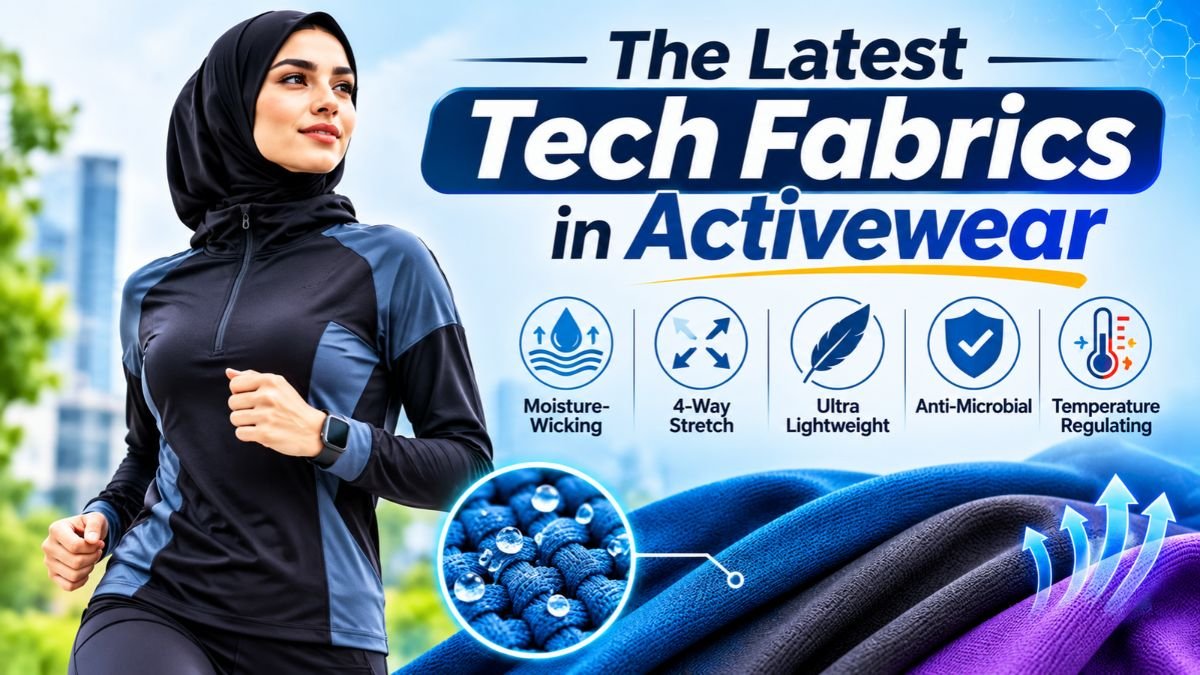
The latest tech fabrics in stylish activewear 2025 2026 are changing how sportswear looks, feels, and performs. Modern activewear is no longer designed only for exercise. Consumers now expect clothing that offers comfort, flexibility, breathability, durability, and a fashionable appearance.
Fabric technology plays an important role in meeting these expectations. New textile developments combine moisture management, stretch, temperature regulation, lightweight construction, and recycled materials. Some innovations also explore smart features that can monitor movement or interact with wearable technology.
For clothing brands, understanding these developments can help create better sportswear collections. Choosing the right fabric affects product quality, customer comfort, manufacturing costs, and brand positioning.
This guide explores the latest performance fabrics, sustainable textile innovations, smart materials, and activewear design trends shaping 2025 and 2026. It also explains how brands can select suitable fabrics and work with manufacturers to develop modern activewear.
What Are Technical Fabrics in Activewear?
Technical fabrics are textiles developed to provide specific performance features. Unlike ordinary fabrics, they are designed around particular needs, such as moisture control, stretch, temperature management, abrasion resistance, or lightweight comfort.
These fabrics are commonly used in leggings, sports bras, gym shirts, running jackets, tracksuits, and training apparel.
Their performance depends on several factors:
- Fibre composition: The type and combination of fibres used.
- Fabric construction: How the yarns are knitted or woven.
- Stretch and recovery: How well the material stretches and returns to its original shape.
- Moisture management: How the fabric handles sweat and drying.
- Durability: How well it withstands repeated wear and washing.
- Finishing: Treatments that add specific performance properties.
For example, a running shirt may use lightweight polyester with moisture-wicking construction. Yoga leggings may use a nylon and elastane blend for flexibility and recovery.
The best material depends on the activity, design, and customer expectations.
Latest Tech Fabrics in Stylish Activewear 2025–2026
Textile innovation in 2025 and 2026 focuses on balancing performance, comfort, appearance, and sustainability. Industry developments include advanced fibres, functional finishes, smart textiles, recycled materials, and improved fabric constructions. These developments are also visible in technical textile exhibitions and research. https://www.texdata.com/news/Techtextil2026/22675.html
Here are some important fabric technologies and material directions brands should understand.
1. Advanced Moisture-Wicking Fabrics
Moisture-wicking fabrics help move sweat away from the skin toward the outer surface of a garment. This can support evaporation and improve comfort during physical activity.
Polyester and specially constructed synthetic fabrics are commonly used for this purpose. Their performance depends on fibre characteristics, yarn design, fabric structure, and finishing.
Main benefits include:
- Helps manage sweat during exercise
- Supports quicker drying
- Suitable for gym shirts and running tops
- Available in lightweight constructions
- Can be combined with stretch fibres
Brands should remember that moisture-wicking and quick-drying are related but different properties. A fabric may move moisture away from the skin but still require time to dry.
Testing is important when developing performance garments. Buyers can request moisture-management and drying information from fabric suppliers.
2. Four-Way Stretch Fabrics
Four-way stretch fabrics are designed to stretch across both the length and width of the material. This allows garments to move with the body during different activities.
These materials are often made with nylon or polyester blended with elastane, also known as spandex.
They are popular in:
- Yoga leggings
- Sports bras
- Training tights
- Cycling apparel
- Compression-style garments
- Flexible gym tops
Four-way stretch can improve comfort and movement. However, stretch alone does not guarantee a high-quality garment.
Recovery is equally important. A fabric should return close to its original dimensions after stretching. Poor recovery may cause leggings or sportswear to lose their shape.
3. Recycled Polyester Fabrics
Recycled polyester is produced from recovered polyester materials. Depending on the supply chain, the feedstock may include used plastic bottles or textile waste.
It can provide performance properties similar to conventional polyester, depending on fibre quality and fabric construction.
In 2026, recycled fibres remain an important part of textile sustainability discussions. Industry developments also include resource-efficient fibre production and mono-material constructions designed to support future recycling. https://www.texdata.com/news/Techtextil2026/22675.html
Why brands consider recycled polyester:
- Makes use of recovered material
- Suitable for lightweight sportswear
- Can support moisture-management fabric designs
- Available in different fabric weights
- Can be used in tracksuits and training apparel
However, recycled polyester is not automatically environmentally harmless. Brands should verify the recycled content and understand the material’s sourcing.
They should also consider fibre shedding, washing requirements, and end-of-life recycling options.
4. Bio-Based and Renewable Fibre Materials
Bio-based materials are gaining attention as textile companies explore alternatives to conventional fossil-based resources.
One example is cellulose-based fibre made from renewable wood sources. TENCEL™ Lyocell is one recognised example of this material category.
Cellulose-based fabrics can offer a soft feel and moisture-management properties. Their suitability depends on the fabric construction and garment requirements.
Potential applications include:
- Lightweight activewear tops
- Comfortable base layers
- Athleisure clothing
- Casual sportswear
- Soft performance-inspired garments
Bio-based does not automatically mean biodegradable or environmentally harmless. The full fibre composition, chemical processing, dyes, finishes, and garment construction must be considered.
5. Temperature-Regulating Fabrics
Temperature-regulating textiles are designed to help manage the microclimate between the body and clothing.
Some technologies use phase-change materials. These materials can absorb, store, and release heat as temperatures change.
This type of technology may help reduce overheating or improve comfort in changing conditions.
Potential applications include:
- Outdoor sportswear
- Training layers
- Running jackets
- Base layers
- Performance clothing for changing weather
Temperature-regulating fabrics should not be confused with ordinary breathable fabrics. Their performance depends on the specific technology and testing method.
6. Lightweight Performance Mesh
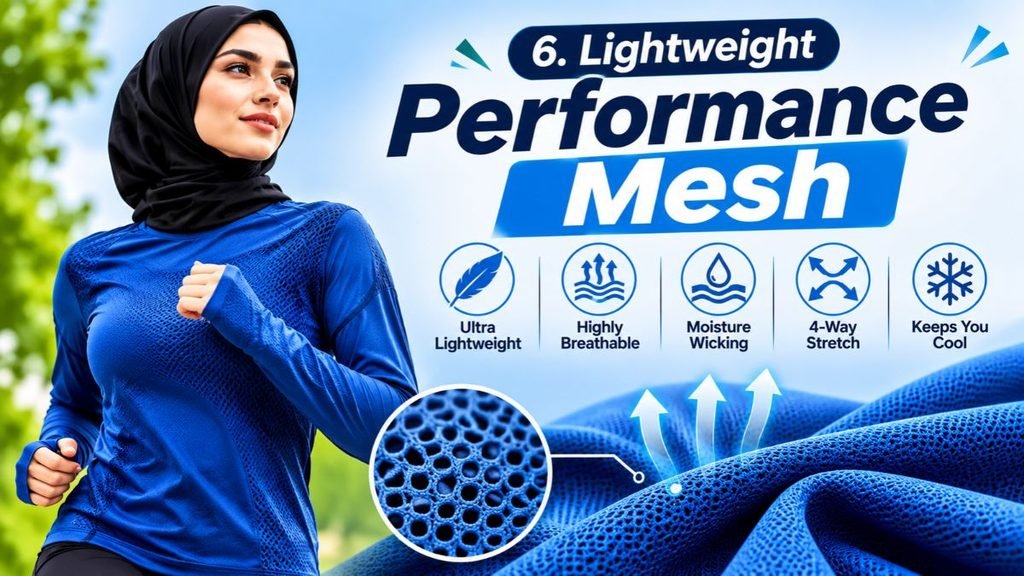
Mesh fabrics contain an open structure that supports airflow. They are used in sportswear where ventilation is important.
Different mesh constructions offer different levels of openness, strength, stretch, and coverage.
Common applications include:
- Running shirts
- Sports jerseys
- Training tops
- Ventilation panels
- Gym shorts
- Sports uniforms
Designers can use mesh as a full garment fabric or as a panel in areas where additional airflow is useful.
The fabric should be selected carefully because very open mesh may provide less coverage or abrasion resistance.
7. Nylon and Elastane Blends
Nylon and elastane blends are widely used in performance activewear. Nylon provides a smooth feel and useful strength, while elastane adds stretch.
These fabrics are suitable for products that need flexibility and a close fit.
Common examples include leggings, sports bras, cycling shorts, and fitted training tops.
Brands should evaluate:
- Stretch in both directions
- Recovery after repeated movement
- Fabric opacity
- Pilling resistance
- Colourfastness
- Comfort against the skin
The correct fibre percentage depends on the product. A high-stretch garment may require a different composition from a relaxed-fit sportswear top.
8. Functional Finishes and Cooling Treatments
Textile finishing can add performance properties to an existing fabric.
Some finishes are developed to improve contact cooling, evaporative cooling, water repellency, or other functional features.
For example, developments showcased at Techtextil 2026 included finishes designed to improve thermal comfort during physical activity. https://www.texdata.com/news/Techtextil2026/22675.html
Brands should ask suppliers what a finish actually does and how long its performance lasts.
Important questions include:
- Does the finish remain effective after washing?
- Has the fabric been tested?
- What chemicals are used?
- Does the finish affect skin comfort?
- Is the treatment compatible with the fibre composition?
Avoid using terms such as antimicrobial, antibacterial, or cooling without suitable product evidence.
Smart Textiles: The Future of Activewear
Smart textiles are fabrics that include electronic or responsive features. They may collect information, detect movement, or interact with connected devices.
Research published in 2025 and 2026 explores the integration of sensors, conductive materials, and electronic functions into textile structures. https://doi.org/10.1039/D5RA07231J
These technologies are developing, and not every application is ready for everyday mass-market clothing.
Wearable Sensors
Some smart textile systems can collect information about body movement or physiological signals.
Potential applications include:
- Fitness monitoring
- Movement analysis
- Posture feedback
- Sports training
- Rehabilitation support
The garment may use conductive yarns, flexible sensors, or connected electronic components.
Conductive Fabrics
Conductive textiles use materials that can carry electrical signals. They may include conductive yarns, coatings, or specialised fibres.
These materials can support sensors and other electronic functions.
Designers must consider comfort, flexibility, washability, and durability when using conductive components in clothing.
Responsive Textile Systems
Some advanced textiles are designed to respond to changes in their surroundings. These may react to temperature, moisture, pressure, or other conditions.
Such materials could support future sportswear that adjusts to the wearer’s environment or activity.
However, smart clothing often requires additional components and careful testing. Brands should evaluate cost, maintenance, safety, and practical customer benefits before adding these features.
Sustainable Fabric Innovations in Activewear
Sustainability is an important part of textile development. Brands are exploring recycled fibres, renewable materials, lower-impact dyeing, and designs that make garments easier to repair or recycle.
No fabric is completely impact-free. A responsible material choice requires information about sourcing, processing, durability, and disposal.
Recycled Nylon
Recycled nylon is produced using recovered nylon materials. It can be used in leggings, swimwear, sports bras, and other performance products.
Its suitability depends on the recycled feedstock, fibre quality, and fabric construction.
Brands should ask for evidence of recycled content rather than relying only on a supplier’s product description.
Cellulose-Based Fabrics
Cellulose-based fibres are made from plant-based raw materials. Some options provide a soft feel and can be used in comfortable activewear or athleisure designs.
Their environmental profile depends on forestry practices, processing methods, chemical recovery, and manufacturing controls.
Dope-Dyed Fibres
Dope dyeing adds colour during fibre production instead of relying on conventional dyeing after the fabric has been made.
This method can reduce water use compared with some conventional dyeing processes. Actual savings depend on the material and production system.
It can be useful for brands that need consistent colours in synthetic performance fabrics.
Mono-Material Construction
Mono-material garments use one main fibre type rather than combining many different fibres.
This can make sorting and recycling easier in suitable recycling systems.
For example, a polyester-based garment may be easier to process through a polyester recycling route than a garment containing several difficult-to-separate fibres.
Trims, zippers, elastane, prints, and labels can still affect recyclability. Product design should consider the complete garment.
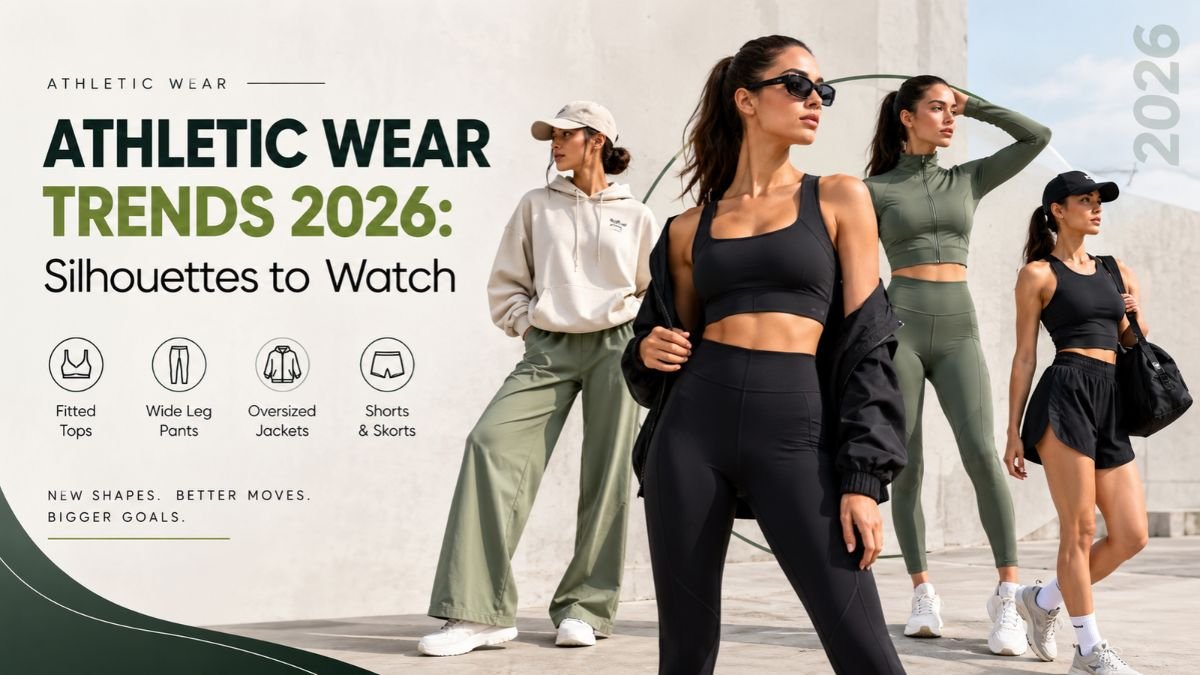
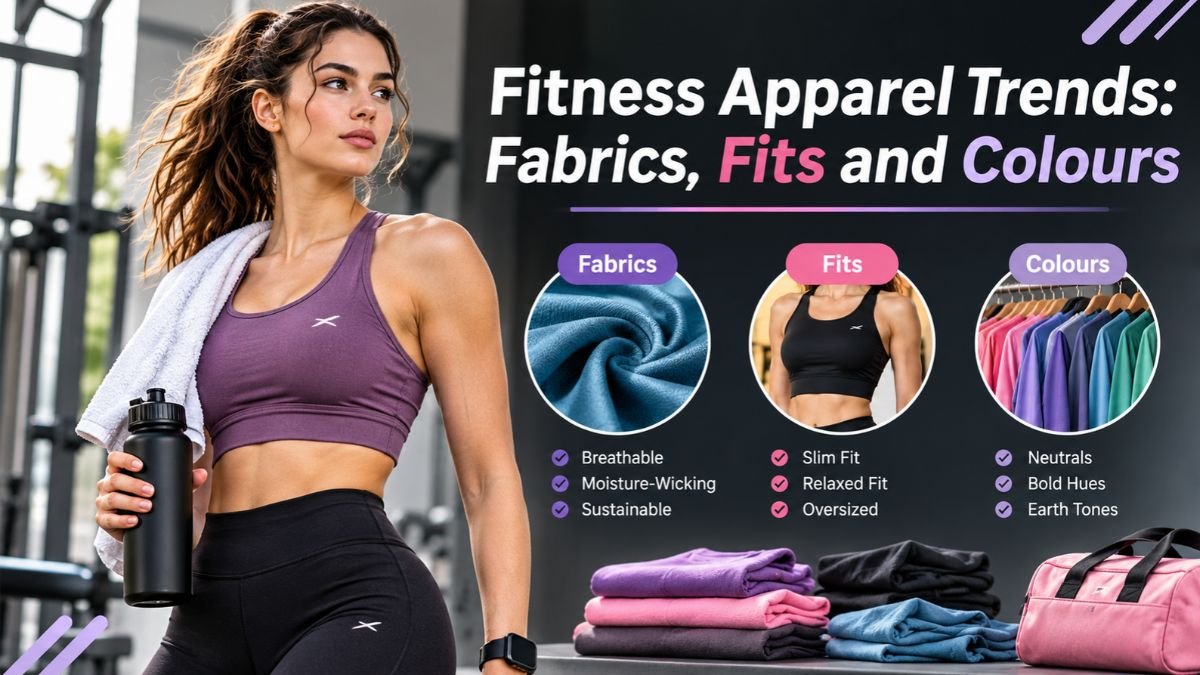
Stylish Activewear Trends for 2025–2026
Fabric innovation is only one part of modern activewear. Consumers also want clothing that looks attractive outside the gym.
The strongest product ideas combine useful performance features with modern colours, shapes, and details.
1. Athleisure for Everyday Wear
Athleisure combines sportswear comfort with casual fashion.
Popular product options include relaxed joggers, fitted tops, lightweight jackets, and matching sets.
Soft fabrics and simple designs can help garments move between exercise and everyday activities.
2. Minimalist Activewear
Minimalist activewear focuses on clean lines, simple colours, and subtle branding.
Neutral shades such as black, grey, beige, navy, and earth tones can create versatile collections.
The fabric should support the intended fit and appearance. Smooth surfaces and consistent colour quality are important.
3. Seamless-Look Designs
Seamless and reduced-seam styles are used in leggings, sports bras, and fitted tops.
Knitting technology can create garments with fewer traditional seams, depending on the machine and construction.
These designs can reduce bulky seam lines and support a close fit. Brands should still check stretch, opacity, comfort, and garment recovery.
4. Textured Fabrics
Textured fabrics add visual interest without relying only on printed graphics.
Examples include ribbed knits, waffle structures, jacquard patterns, and engineered mesh.
Texture can also affect stretch, airflow, and garment appearance. The designer should consider how the fabric behaves during movement.
5. Matching Activewear Sets
Matching sets remain useful for brands that want coordinated product collections.
A set may include leggings and a sports bra, joggers and a hoodie, or shorts and a training top.
Consistent fabric, colour, fit, and finishing help create a polished collection.
6. Versatile Layering Pieces
Lightweight jackets, zip-up tops, and performance hoodies allow customers to build outfits for different conditions.
Brands can use breathable fabrics for warmer conditions and heavier constructions for cooler weather.
The best designs balance practical performance with everyday styling.
How to Choose the Right Technical Fabric for Your Activewear Brand
Selecting a fabric should begin with the purpose of the garment. A material suitable for yoga may not be the best choice for running or outdoor training.
Use these factors when comparing options.
Understand the Activity
First, identify how customers will use the product.
For example:
- Yoga clothing needs flexibility and comfortable stretch.
- Running tops need lightweight construction and moisture management.
- Gym leggings need suitable stretch, recovery, and opacity.
- Outdoor activewear may need weather protection and durability.
- Casual athleisure may prioritise softness and appearance.
Check GSM and Fabric Weight
GSM means grams per square metre. It measures fabric weight and helps buyers compare material options.
A lightweight fabric may suit running tops, while a heavier knit may work better for leggings or sweatshirts.
There is no universal ideal GSM. Ask for swatches and test the material in the actual garment design.
Evaluate Stretch and Recovery
Stretch allows the garment to move with the body. Recovery helps it return to its original shape.
Both features matter for fitted sportswear.
Ask the supplier for stretch and recovery test results when these properties are important to the product.
Review Durability
Activewear may experience repeated stretching, washing, friction, and sweat exposure.
Check fabric strength, seam construction, pilling resistance, colourfastness, and shrinkage.
Testing helps identify problems before bulk production.
Confirm Sustainability Claims
If you plan to market recycled or organic fabric, request documentation.
Check fibre percentages, certificate scope, supplier details, and whether the documentation covers the actual material being purchased.
Avoid making environmental claims that cannot be supported.
The Role of Manufacturing in Modern Activewear
Advanced fabric alone cannot guarantee a successful product. Manufacturing quality affects how the material performs in a finished garment.
A good production process should consider fabric behaviour, pattern design, cutting, sewing, finishing, and quality inspection.
Product Development and Tech Packs
A tech pack provides the manufacturer with instructions for making the garment.
It may include measurements, fabric specifications, colour references, trims, construction details, and logo placement.
Clear documentation helps reduce misunderstandings during sampling and production.
Fabric Testing and Sampling
Before bulk manufacturing, brands should review the selected fabric and request a physical sample.
Check stretch, comfort, thickness, opacity, colour, and construction.
Wash testing can also help identify shrinkage, fading, or changes in fabric recovery.
Cutting and Stitching
Technical fabrics may behave differently during cutting and sewing.
Stretch materials require suitable handling, needle selection, thread, and stitch construction.
The manufacturer should follow the approved specifications and check measurements during production.
Quality Control
Quality checks help confirm that garments meet the approved requirements.
For activewear, inspection may include:
- Fabric appearance
- Stitch consistency
- Measurement accuracy
- Stretch and recovery
- Print and embroidery placement
- Seam strength
- Zipper and trim function
- Overall finishing
A clear inspection plan helps reduce production problems.
Developing Custom Activewear with Fashion Soul International
Fashion Soul International is a factory-owned custom clothing manufacturer based in Sialkot, Pakistan. The company supports brands that need private-label, OEM, ODM, white-label, cut-and-sew, and full-package apparel production.
Its product range includes activewear, sportswear, tracksuits, hoodies, T-shirts, streetwear, and other custom garments.
Brands planning a modern activewear collection can share their product requirements with the company. These may include fabric composition, GSM, colour, fit, measurements, stitching, trims, and branding details.
Fashion Soul International supports product development, fabric sourcing, sampling, bulk production, quality control, custom branding, packaging, and international shipping.
Fabric Selection and Sourcing
The fabric should match the intended use of the garment.
For example, a yoga collection may require stretch fabric, while a running shirt may need lightweight material with moisture-management properties.
If the project requires recycled or organic materials, brands should specify the exact composition and request supporting documents. Availability and verification should be confirmed before production.
Custom Sampling
Sampling allows a brand to review the product before bulk manufacturing.
The sample can be checked for fit, fabric feel, stretch, colour, stitching, and finishing.
Any changes should be agreed before the final pre-production sample is approved.
MOQ and Production Planning
Fashion Soul International publishes a standard MOQ starting at 100 pieces. Actual requirements can vary by style, fabric, colour, and construction.
Brands should confirm the quantity and production schedule during quotation.
Branding and Finishing
Custom activewear can include printed logos, embroidery, labels, hang tags, and packaging.
The selected decoration method should be compatible with the fabric. Brands should approve the artwork and placement before bulk production.
Common Mistakes to Avoid When Choosing Activewear Fabrics
Choosing technical fabrics without checking their actual performance can create problems for a clothing brand.
Selecting fabric based only on appearance: A fabric may look attractive but lack the stretch or durability required for exercise.
Ignoring recovery: Stretch materials that do not recover properly may lose their shape.
Using unsuitable GSM: Fabric that is too heavy or too light can affect comfort and product performance.
Making unsupported sustainability claims: Recycled and organic content should be supported by relevant documents.
Skipping sample approval: A sample helps identify fit, construction, and fabric problems before bulk production.
Overcomplicating the design: Too many fabric types, trims, and decorative details can increase production complexity.
Ignoring care requirements: Washing and drying instructions affect how customers maintain their activewear.
Frequently Asked Questions
What Are the Latest Tech Fabrics in Activewear for 2025–2026?
Important material directions include moisture-wicking polyester, four-way stretch fabrics, recycled polyester, nylon and elastane blends, cellulose-based fibres, temperature-regulating textiles, and advanced mesh constructions. Smart textiles are also developing for specialised applications.
Which Fabric Is Best for Gym Wear?
The best fabric depends on the activity. Polyester blends can suit lightweight training tops, while nylon and elastane blends are common for fitted leggings and sports bras. Consider stretch, recovery, moisture management, comfort, and durability.
What Is the Difference Between Moisture-Wicking and Quick-Dry Fabric?
Moisture-wicking fabric moves moisture away from the skin toward the fabric surface. Quick-dry fabric is designed to dry faster after becoming wet. Some fabrics provide both properties, but the terms do not mean exactly the same thing.
Are Recycled Fabrics Good for Activewear?
Recycled polyester and recycled nylon can be suitable for performance clothing. Their performance depends on fibre quality and fabric construction. Brands should also verify recycled content and consider durability and end-of-life options.
What Is Four-Way Stretch Fabric?
Four-way stretch fabric can stretch across both its length and width. It is useful for garments that require movement in multiple directions, such as leggings, sports bras, and fitted training clothing.
What Are Smart Textiles in Sportswear?
Smart textiles include fabrics or garments with integrated sensing or electronic functions. They may monitor movement, pressure, or selected physiological signals. Many applications are still developing and require testing for comfort and durability.
How Can Clothing Brands Choose a Fabric Manufacturer?
Brands should review the manufacturer’s fabric options, technical knowledge, sampling process, MOQ, quality control, production capabilities, and documentation. Physical samples and written specifications help support better decisions.
Conclusion
The latest tech fabrics in stylish activewear 2025–2026 show how textile innovation is bringing performance and fashion closer together. Moisture-wicking materials, four-way stretch fabrics, recycled fibres, temperature-regulating textiles, and smart textile systems are expanding the possibilities for modern sportswear.
However, choosing the right fabric requires more than following trends. Brands must consider garment purpose, comfort, durability, fabric weight, construction, and verified material claims.
For clothing businesses, working with a capable manufacturer and approving samples before bulk production can help turn fabric ideas into reliable products. With thoughtful material selection and careful development, brands can create activewear collections that meet modern customer expectations.