Fitness Apparel Trends: What’s Shaping Activewear and Fitness Fashion?
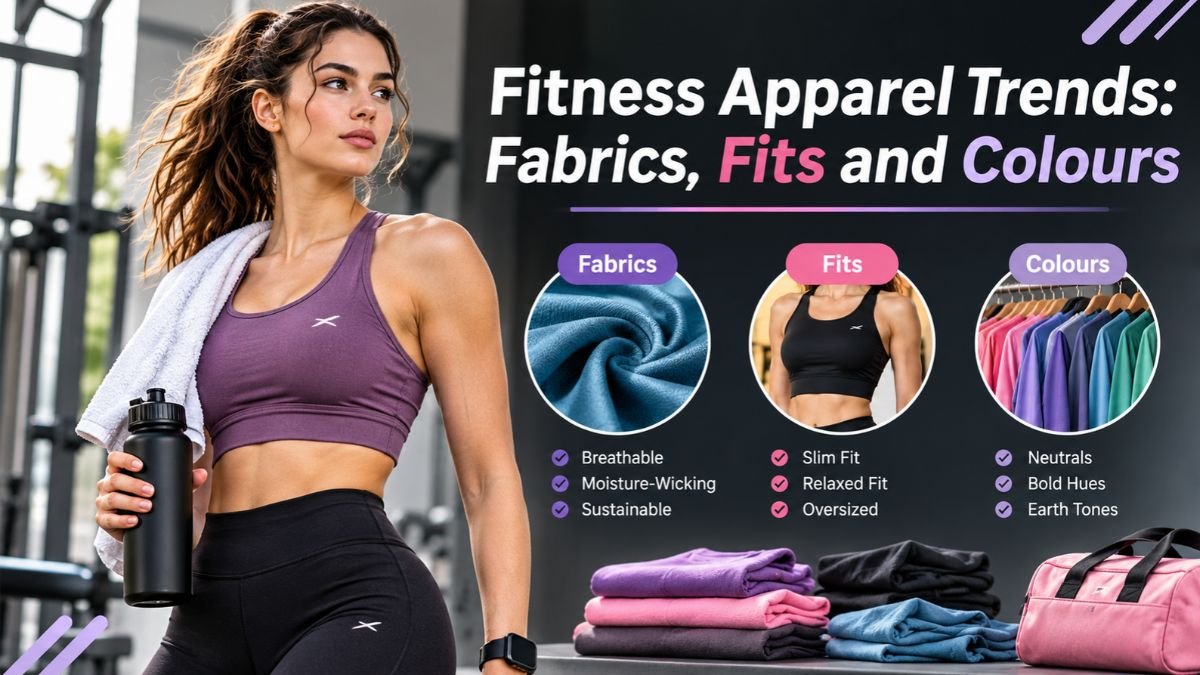
The world of sportswear is changing quickly. Today, people want clothing that supports their workouts while looking stylish outside the gym. This shift is influencing fitness apparel trends, encouraging brands to create garments that combine comfort, performance, versatility, and modern design.
Activewear is no longer limited to athletes and fitness enthusiasts. People wear leggings, joggers, sports bras, hoodies, performance T-shirts, and tracksuits for exercise, travel, shopping, and everyday activities. As a result, clothing brands are exploring new fabrics, relaxed silhouettes, functional details, and more personal styles.
Understanding the latest trends in activewear can help clothing brands make better product decisions. It can also help retailers identify what customers want from modern fitness clothing.
This guide explores the major fitness fashion trends, popular materials, changing designs, manufacturing considerations, and opportunities for apparel brands.
What Are Fitness Apparel Trends?
Fitness apparel trends are changing preferences in the design, materials, colours, and features of clothing made for exercise and active lifestyles.
These trends influence how sportswear brands develop their collections. They also reflect changes in consumer needs, fitness habits, fashion preferences, and textile technology.
Modern fitness clothing often combines several important qualities:
- Comfort during physical activity
- Breathable and flexible fabrics
- Durable garment construction
- Functional design features
- Modern colours and silhouettes
- Versatility for everyday wear
- More responsible material choices
For example, a pair of training leggings may include stretch fabric, moisture-management properties, and a comfortable waistband. A performance hoodie may combine lightweight construction with a relaxed fit.
The goal is to create clothing that works well during movement without sacrificing appearance.
Why Are Fitness Apparel Trends Changing?
Consumer expectations are influencing the development of modern activewear. People increasingly want clothing that fits different parts of their daily routines.
Several factors are contributing to this change.
The Growth of Athleisure
Athleisure combines athletic clothing with everyday fashion. It allows people to wear comfortable sports-inspired garments outside traditional workout settings.
Leggings, joggers, sweatshirts, sports bras, and performance jackets are now common parts of casual wardrobes.
Brands are responding by developing products with cleaner designs, comfortable fabrics, and versatile silhouettes.
Changing Fitness Lifestyles
People participate in different activities, including gym training, running, yoga, Pilates, cycling, walking, and outdoor sports.
Each activity has different clothing requirements. Running apparel may need lightweight materials, while yoga clothing needs flexibility and comfort.
This creates opportunities for brands to develop specialised collections for different customers.
Social Media and Fashion Influence
Social platforms help new styles reach consumers quickly. Fitness creators, athletes, and fashion influencers introduce new combinations of colours, garments, and accessories.
However, a popular social media style does not automatically become a long-term trend. Brands should consider customer demand, product usefulness, and manufacturing feasibility before developing a collection.
Demand for Versatile Clothing
Consumers increasingly value garments that can be worn in different settings.
A performance T-shirt may work for exercise and casual outings. A tracksuit may suit travel, warm-ups, and everyday activities.
This demand encourages brands to combine technical features with modern fashion details.
Top Fitness Apparel Trends to Watch in 2026
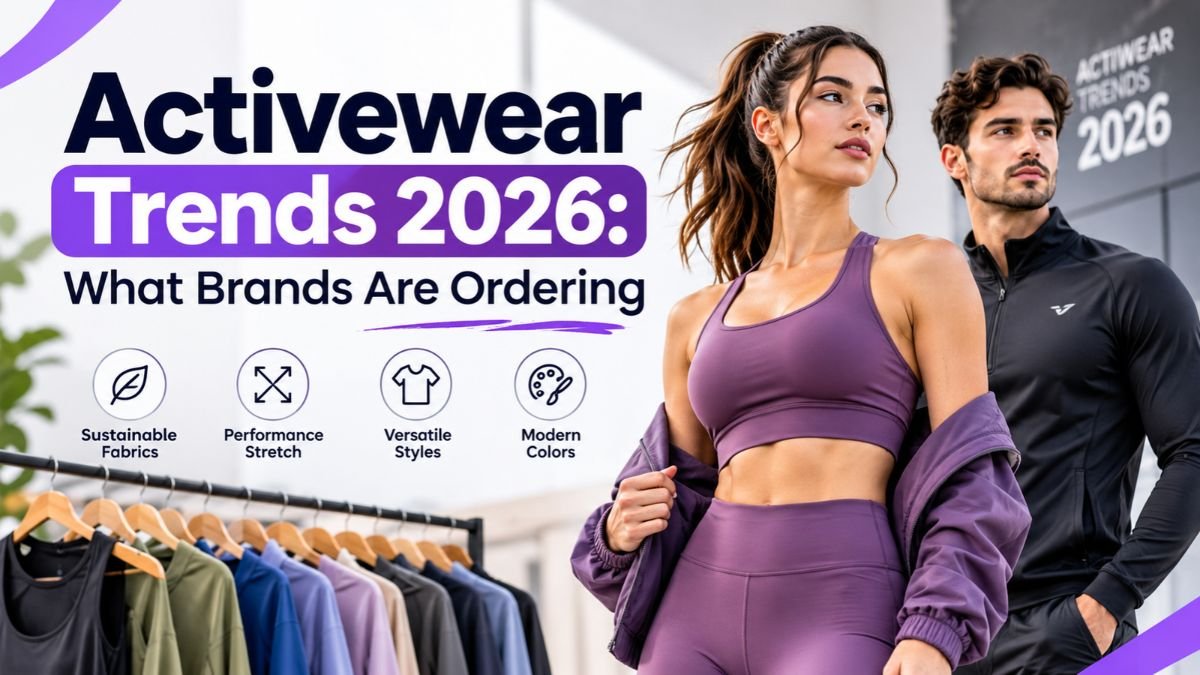
The activewear market continues to evolve. Current 2026 coverage highlights a stronger connection between performance clothing, everyday style, relaxed silhouettes, and personal expression. The following trends offer useful direction for brands developing new collections.
1. Studio-to-Street Activewear
One of the strongest directions in activewear is clothing that moves easily between workouts and everyday activities.
Consumers want garments that look suitable outside the gym while still offering practical performance features.
Popular examples include:
- Performance leggings with refined styling
- Lightweight zip-up jackets
- Relaxed joggers
- Comfortable sports bras
- Oversized sweatshirts
- Matching or coordinated separates
This trend gives brands an opportunity to develop versatile collections instead of focusing only on traditional gym uniforms.
A successful studio-to-street product should offer comfortable construction, useful fabric properties, and a design that suits different occasions.
2. Relaxed and Oversized Silhouettes
Relaxed fits continue to influence sportswear and casual fitness fashion.
Oversized T-shirts, loose hoodies, relaxed joggers, and boxy sweatshirts provide freedom of movement and a casual appearance.
Brands can combine oversized pieces with fitted garments to create balanced outfits.
For example, a loose performance T-shirt can be paired with fitted leggings. Oversized joggers can also be styled with a fitted sports top.
The important manufacturing consideration is fit control. Oversized garments still need carefully developed patterns to achieve the intended shape without becoming uncomfortable.
3. Retro-Inspired Sportswear
Retro fashion continues to influence modern fitness collections.
Designers are revisiting details associated with earlier sportswear styles, including colour blocking, contrast piping, athletic stripes, varsity-inspired graphics, and relaxed tracksuits.
These designs create a familiar appearance while allowing brands to introduce modern fabrics and construction.
Popular retro-inspired products include:
- Track jackets
- Straight-leg track pants
- Vintage-style sweatshirts
- Colour-blocked sports tops
- Graphic athletic T-shirts
- Matching tracksuit sets
The Y2K influence is also visible in some fitness fashion, particularly oversized tops, bold graphics, and relaxed athletic styling.
4. Personalised and Mix-and-Match Outfits
Matching sets remain relevant, but personal styling is also receiving attention.
Consumers can combine different colours, textures, and garment shapes to create individual outfits.
For brands, this creates opportunities to sell coordinated separates rather than only complete sets.
A collection might include several sports bras, leggings, shorts, jackets, and tops designed to work together.
The manufacturer must maintain consistent colours and fabric quality across related products.
5. Flared Leggings and Alternative Bottoms
Leggings remain an important part of activewear, but customers have several styling options.
Flared leggings, straight-leg sports trousers, cycling shorts, and relaxed track pants offer alternatives to traditional fitted leggings.
These styles can suit different activities and fashion preferences.
Brands should pay attention to waistband construction, stretch recovery, fabric opacity, and seam placement. These features affect both appearance and performance.
6. Functional Layering
Layering is becoming an important part of fitness fashion.
Consumers may combine sports bras, fitted tops, lightweight jackets, sweatshirts, and performance outerwear depending on the weather and activity.
Layering pieces can also help customers transition between indoor exercise and outdoor environments.
Useful product ideas include:
- Lightweight training jackets
- Quarter-zip tops
- Long-sleeve performance shirts
- Breathable hoodies
- Stretch base layers
- Packable outerwear
Brands should choose fabrics that work comfortably together. Excessively heavy or restrictive layers can reduce movement and comfort.
7. Bold Prints and Statement Details
Although minimalist designs remain popular, expressive graphics and colour combinations are also influencing activewear.
Large prints, contrast panels, graphic T-shirts, and distinctive logos allow customers to show their personal style.
Some brands use retro-inspired artwork, while others prefer geometric patterns or simple branding details.
When developing printed garments, manufacturers should check artwork placement, colour consistency, print durability, and fabric compatibility.
8. Elevated and Premium Activewear
Customers are increasingly interested in sportswear that feels comfortable and looks refined.
This has encouraged brands to explore softer fabric finishes, cleaner silhouettes, better construction, and thoughtful details.
Premium activewear may include:
- Smooth and soft-touch fabrics
- Refined stitching
- Comfortable waistbands
- Quality zippers
- Subtle branding
- Carefully finished seams
A premium appearance depends on more than the fabric price. Fit, construction, finishing, and consistency also matter.
9. Gender-Neutral Fitness Clothing
Gender-neutral clothing is another useful direction for brands that want to offer versatile products.
Relaxed T-shirts, sweatshirts, joggers, hoodies, and lightweight jackets can be developed around inclusive fits.
However, a gender-neutral product still needs clear sizing information. Brands should test garments on suitable fit models and provide accurate measurements.
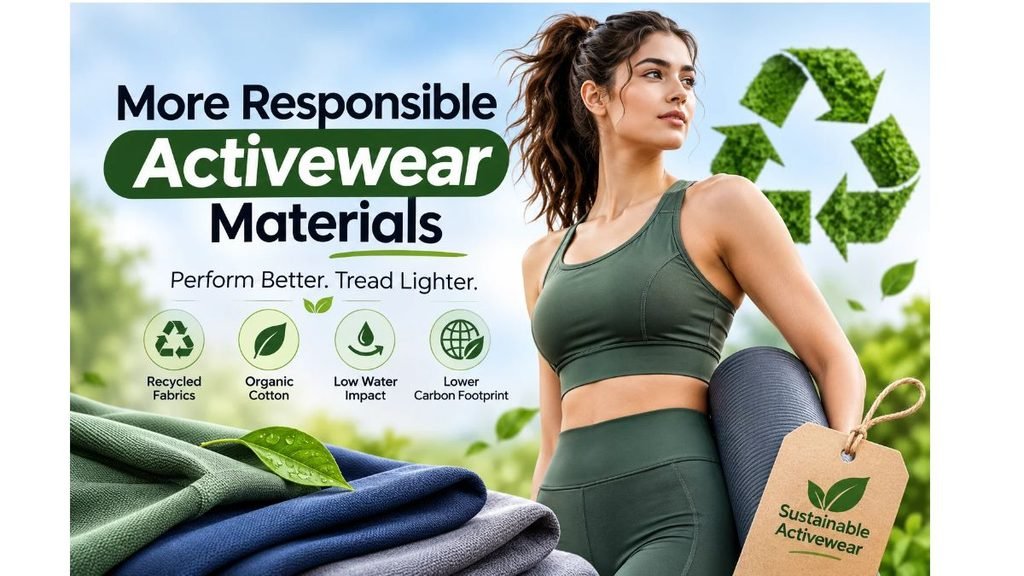
10. More Responsible Activewear Materials
Sustainability continues to influence product development.
Some brands are exploring recycled polyester, organic cotton, recycled cotton, and other material options with documented sourcing information.
However, a fabric should not be described as environmentally friendly simply because it contains recycled or natural fibres. Brands should examine the complete material and production information.
Durability also matters. Clothing that maintains its fit and quality through regular use can offer longer product life.
Popular Fabrics Used in Modern Fitness Apparel
Fabric selection affects how sportswear feels, performs, and lasts. The right material depends on the garment’s purpose and target customer.
Polyester
Polyester is widely used in sportswear because it is lightweight, durable, and suitable for many performance fabric constructions.
It can support moisture-management finishes and quick-drying properties.
Common applications include training T-shirts, sports shorts, running tops, and tracksuits.
Recycled Polyester
Recycled polyester uses recovered polyester materials as a source of fibre.
It can reduce reliance on virgin polyester feedstock, depending on the material source and production method.
Brands should request documentation confirming the recycled content and any relevant certification.
Cotton
Cotton is popular for casual fitness clothing because of its soft and familiar feel.
It is commonly used in sweatshirts, joggers, hoodies, and relaxed T-shirts.
However, cotton may retain more moisture than some performance polyester fabrics. It may be more suitable for casual activewear than high-intensity training garments.
French Terry
French terry is a knitted fabric with a smooth outer surface and looped inner construction.
It is commonly used for sweatshirts, joggers, and lightweight tracksuits.
Its comfort and construction make it useful for casual sportswear collections.
Fleece
Fleece fabrics are popular for colder-weather activewear.
They can provide warmth and a soft feel. Brushed fleece is often used in hoodies, sweatpants, and tracksuits.
The correct fabric weight depends on the intended product and climate.
Spandex and Elastane Blends
Spandex, also known as elastane, adds stretch to fabric.
It is commonly blended with polyester or nylon for leggings, sports bras, compression garments, and fitted training clothes.
Stretch percentage and recovery should be tested to ensure the garment maintains its shape during use.
Important Features Customers Expect in Fitness Clothing
Following fashion trends is useful, but brands must still deliver products that work well.
Breathability
Breathable fabrics help improve comfort during physical activity.
Fabric construction, fibre type, and finishing all influence how air moves through a garment.
Moisture Management
Moisture-wicking fabrics are designed to move sweat away from the skin toward the fabric surface, where it can spread and evaporate.
This feature is especially useful in training shirts, running tops, and sportswear.
Stretch and Flexibility
Fitness clothing should allow natural movement.
Stretch fabrics are important for activities such as yoga, gym training, and cycling.
Manufacturers should check stretch recovery to help prevent garments from becoming loose after repeated use.
Comfortable Construction
Seams, waistbands, cuffs, and garment panels all affect comfort.
Flatlock stitching may be useful for certain sportswear products because it can reduce bulky seam construction.
The correct stitching method depends on the garment design and fabric.
Durability
Sportswear often experiences repeated movement, washing, and stretching.
Strong seams, suitable fabrics, and reliable trims help products maintain their quality.
Brands should consider wash testing, colourfastness, shrinkage, and seam strength during product development.
How Fitness Apparel Brands Can Build a Trend-Ready Collection
A successful collection needs more than popular designs. Brands should connect fashion direction with customer needs, product quality, and production planning.
1. Identify Your Target Customers
Start by understanding who will wear the collection.
Your customers may include gym users, runners, yoga enthusiasts, athletes, outdoor fitness participants, or people interested in athleisure.
Each group has different expectations.
For example, runners may prioritise lightweight construction, while customers buying casual gym clothing may prefer relaxed fits and soft fabrics.
2. Select a Clear Product Direction
Choose a collection theme before developing individual products.
Possible directions include:
- Minimalist performance wear
- Retro-inspired sportswear
- Premium athleisure
- Sustainable activewear
- Outdoor training clothing
- Gender-neutral fitness basics
A clear direction helps maintain consistency across the collection.
3. Choose Suitable Fabrics
Select materials according to the garment’s purpose.
Consider GSM, stretch, breathability, moisture management, durability, and care requirements.
Request fabric swatches before approving bulk materials.
4. Develop Technical Specifications
A tech pack helps communicate product requirements to the manufacturer.
It may include design sketches, measurements, fabric composition, colour references, stitching details, trims, labels, and artwork placement.
Clear specifications reduce misunderstandings during sampling and production.
5. Review Physical Samples
A sample allows the brand to evaluate the product before bulk manufacturing.
Check the fit, fabric feel, stitching, measurements, stretch, colour, and finishing.
Make necessary changes before approving the final pre-production sample.
6. Plan the Collection Around Real Demand
Do not add every new trend to one collection.
Choose styles that match your target customers and brand identity.
A smaller, well-planned collection can be easier to manage than a large range of unrelated products.
How Fitness Apparel Is Manufactured
Understanding the production process helps brands plan their collections and communicate more clearly with manufacturers.
Design and Pattern Development
The manufacturer reviews the design and creates patterns for the required sizes.
Patterns must account for measurements, fabric behaviour, and construction details.
Fabric Sourcing and Inspection
Suitable fabric is sourced according to the approved specifications.
The material should be checked for colour, weight, defects, and relevant performance requirements.
Cutting and Sewing
Fabric is cut according to the patterns and production plan.
The cut pieces are then assembled through suitable stitching methods.
Printing and Embroidery
Brands may add logos, graphics, or decorative details.
Common options include screen printing, embroidery, heat transfer, and other methods suitable for the chosen fabric.
Finishing and Quality Control
Finished garments are inspected for measurements, stitching, print placement, trims, and appearance.
A clear quality-control process helps identify defects before products are packed.
Packaging and Shipping
The garments are folded, labelled, packed, and prepared for delivery.
International buyers should confirm shipping methods, export documentation, delivery terms, and destination requirements before production is completed.
Opportunities for Fitness Apparel Brands
The changing activewear market creates opportunities for both new and established clothing businesses.
Developing a Niche Collection
Instead of targeting every fitness customer, a brand can focus on one category.
For example, it may specialise in yoga clothing, running apparel, gym basics, outdoor training wear, or premium athleisure.
A clear niche helps guide product design and marketing.
Offering Coordinated Products
Customers may want products that work together.
A brand can offer leggings, sports bras, T-shirts, joggers, and jackets in coordinated colours and fabric families.
This creates a consistent collection while allowing customers to choose individual pieces.
Creating Custom Sportswear
Customisation can help a brand build a recognisable identity.
Options include custom colours, logos, labels, prints, embroidery, and packaging.
Brands should confirm that all custom details are suitable for the selected material and production method.
Focusing on Product Quality
Trends may attract attention, but product quality influences customer satisfaction.
Brands should prioritise fit, fabric performance, stitching, and durability.
These features can help create products customers want to wear repeatedly.
Choosing a Fitness Apparel Manufacturer
The manufacturer plays an important role in turning a design into a finished product.
Brands should consider several factors before selecting a production partner.
Product experience: Check whether the manufacturer has experience with sportswear, activewear, or the specific garments you want to produce.
Fabric options: Ask about available polyester, cotton, fleece, French terry, stretch fabrics, and recycled material options.
Sampling: Confirm whether physical samples can be developed and revised before bulk production.
MOQ: Understand the minimum order quantity for each style, colour, and fabric.
Quality control: Ask how measurements, stitching, printing, embroidery, and finishing are inspected.
Customisation: Confirm whether the manufacturer can handle labels, branding, trims, and packaging.
Shipping: Discuss delivery terms, export documents, and international shipping arrangements.
A clear quotation should explain product specifications, quantities, costs, and production expectations.
Fitness Apparel Manufacturing at Fashion Soul International
Fashion Soul International is a factory-owned custom clothing manufacturer based in Sialkot, Pakistan. The company works with international clothing brands through private-label, OEM, ODM, white-label, cut-and-sew, and full-package manufacturing services.
Its product categories include sportswear, activewear, tracksuits, hoodies, T-shirts, jackets, workwear, and other custom garments.
For brands developing products based on current fitness apparel trends, Fashion Soul International supports product development, fabric sourcing, sampling, bulk production, quality control, custom branding, packaging, and international shipping.
The company’s published standard MOQ starts at 100 pieces. Actual requirements can vary according to the style, fabric, colour, and construction.
Custom Fabric and Design Options
Brands can discuss fabric requirements, GSM, colours, fit, and construction details during product development.
For performance clothing, the choice of fabric should match the intended activity. Stretch, breathability, moisture management, and durability may all be important.
If a project requires recycled or organic materials, buyers should specify the required composition and request supporting documentation.
Sampling and Production
Sampling gives brands the opportunity to review a garment before bulk manufacturing.
The sample can be checked for measurements, fit, fabric feel, stitching, colour, and branding.
Bulk production should proceed after the agreed pre-production sample has been approved.
Quality Inspection and Branding
Quality inspection can include checks for stitching, measurements, trims, printing, embroidery, and overall garment appearance.
Brands can also discuss custom labels, logos, hang tags, and packaging requirements.
International Shipping
Fashion Soul International supports international apparel orders.
Buyers should confirm the destination, shipping method, delivery terms, documentation, and order schedule during the quotation process.
For brands planning a new fitness clothing collection, clear product specifications and sample approval help establish realistic production expectations.
Frequently Asked Questions About Fitness Apparel Trends
What Are the Biggest Fitness Apparel Trends in 2026?
Major directions include studio-to-street clothing, relaxed silhouettes, retro sportswear, personal styling, functional layering, premium finishes, and more responsible material choices. Performance and everyday comfort remain important.
What Is the Difference Between Activewear and Athleisure?
Activewear is designed primarily for physical activities and exercise. Athleisure combines athletic-inspired clothing with everyday fashion, allowing garments to be worn both during workouts and in casual settings.
Which Fabrics Are Best for Fitness Apparel?
Polyester, recycled polyester, cotton, French terry, fleece, and stretch blends are common options. The best fabric depends on the garment’s intended activity, comfort requirements, and performance needs.
Why Is Sustainable Activewear Becoming Popular?
Some consumers are paying closer attention to material sourcing, product durability, and manufacturing practices. This encourages brands to explore recycled fibres, organic materials, and more transparent sourcing.
How Can a Clothing Brand Follow Fitness Fashion Trends?
Brands can research customer preferences, review current silhouettes and colours, select suitable fabrics, develop samples, and build collections around a clear product direction. They should prioritise quality instead of following every short-lived trend.
Can Fitness Apparel Be Customized?
Yes. Brands can customise fabric, colours, fits, logos, prints, embroidery, labels, and packaging. The available options depend on the manufacturer, product design, and order requirements.
What Should I Check Before Ordering Custom Activewear?
Check fabric composition, GSM, measurements, stretch, stitching, sample quality, MOQ, production schedule, branding options, and shipping arrangements. Approve a physical sample before starting bulk production.
Final Thoughts
Fitness apparel trends reflect changing expectations around comfort, performance, and personal style. Modern consumers want clothing that supports their activities while fitting naturally into everyday life.
Studio-to-street designs, relaxed silhouettes, retro sportswear, functional layering, premium finishes, and more responsible fabric choices are influencing activewear collections in 2026.
For clothing brands, the opportunity is to turn these trends into useful products. Careful fabric selection, clear specifications, physical sampling, and reliable quality control help create garments that meet customer expectations.
Working with a suitable custom clothing manufacturer can also simplify product development. By combining thoughtful design with practical manufacturing decisions, brands can build fitness apparel collections that are stylish, comfortable, and made for their target customers.