Natural Fabric Clothes: Benefits, Types, and How to Choose the Best Fabrics
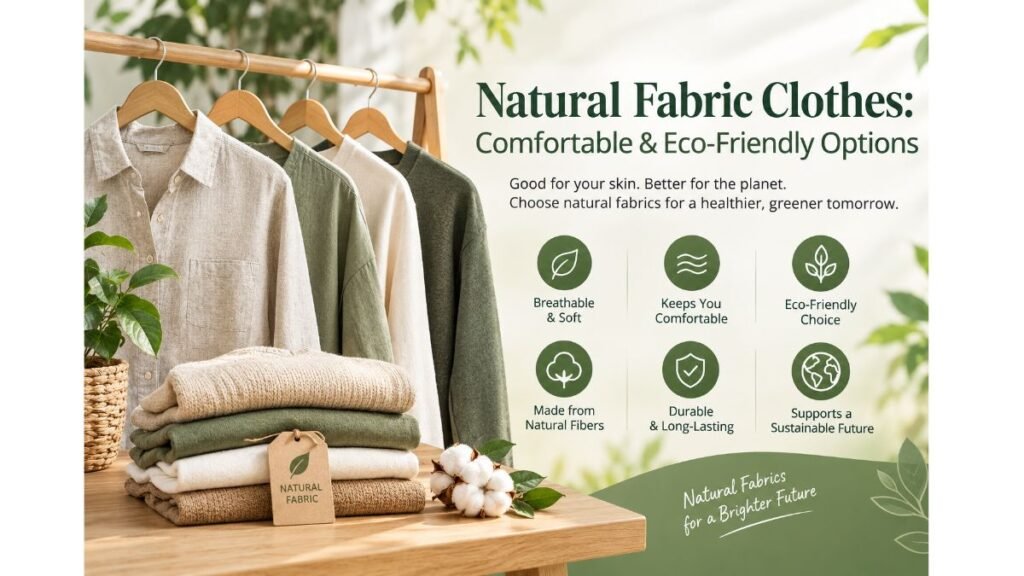
Natural fabric clothes are a popular choice for people who want comfortable, breathable, and versatile clothing. These garments are made from fibres obtained from plants or animals, such as cotton, linen, wool, and silk. Their texture, performance, and care requirements depend on the material used.
As more consumers pay attention to fabric quality and clothing composition, understanding natural clothing materials has become increasingly important. Whether you are shopping for everyday outfits, building a fashion brand, or exploring sustainable fashion, choosing the right fabric can make a meaningful difference.
This guide explains the most common natural fabrics, their benefits, their limitations, and how to identify quality garments. You will also learn how natural fibres compare with synthetic alternatives and what clothing brands should consider when selecting materials.
What Are Natural Fabric Clothes?
Natural fabric clothes are garments made primarily from fibres that come from natural sources. These sources include plants, animals, and, in some cases, naturally occurring minerals. The fibres are processed into yarn, woven or knitted into fabric, and then turned into finished clothing.
Cotton T-shirts, linen shirts, wool sweaters, and silk dresses are common examples. Each material has different properties, so no single natural fabric is ideal for every garment or climate.
Natural fibres are generally divided into two main categories:
- Plant-based fibres: Cotton, linen, hemp, and other fibres obtained from plants.
- Animal-based fibres: Wool, silk, cashmere, and other fibres obtained from animals.
These categories help shoppers understand where fabrics come from and how they may perform. However, the word natural does not automatically mean a fabric is organic, environmentally friendly, or free from chemical processing.
The final properties of a garment also depend on farming practices, fibre processing, dyes, fabric construction, and manufacturing methods.
Types of Natural Clothing Materials
Different natural clothing materials offer different levels of softness, breathability, warmth, and durability. Understanding these differences makes it easier to choose clothing for specific needs.
1. Cotton
Cotton is one of the most widely used natural fibres in clothing. It comes from the protective fibres surrounding cotton plant seeds. Manufacturers process these fibres into yarn and create knitted or woven fabrics.
Cotton is commonly used for T-shirts, shirts, underwear, dresses, sweatshirts, and casual trousers.
Benefits of cotton include:
- Softness and everyday comfort.
- Good breathability in many fabric constructions.
- Absorbency that helps manage moisture against the skin.
- Versatility for different clothing styles.
- Availability in a wide range of fabric weights and textures.
Cotton can be lightweight and smooth or thick and structured. Jersey cotton is popular for T-shirts, while cotton twill is frequently used for trousers and jackets. French terry and cotton fleece are common options for sweatshirts and casualwear.
However, cotton can wrinkle, shrink, or take time to dry. Its performance depends on the yarn, fabric construction, finishing, and care instructions.
Organic cotton is grown under specific organic agricultural standards. It is still cotton, but its production requirements differ from conventional cotton. Always check the relevant certification if organic status matters to you.
2. Linen
Linen is produced from fibres extracted from the flax plant. It is especially popular in warm-weather clothing because it allows air to move through many fabric constructions.
Linen shirts, summer dresses, trousers, and lightweight jackets are common examples.
Why people choose linen:
- Breathable fabric construction.
- A naturally textured appearance.
- Good durability when properly made and cared for.
- A lightweight feel in many garment styles.
- A relaxed appearance suitable for casual and smart-casual outfits.
Linen is often chosen for summer collections and warm climates. Its distinctive creases are part of its appearance, although they may not suit every style.
Pure linen can feel firm at first and may wrinkle easily. Linen blends can provide a different balance of softness, texture, and crease resistance.
When buying linen clothing, inspect the fabric density, stitching, seam finishing, and care label. A linen garment should match the intended use, whether it is a relaxed shirt or a more structured piece.
3. Wool
Wool is an animal-based fibre commonly obtained from sheep. Other animal fibres, such as cashmere and alpaca, are also used in clothing.
Wool is valued for warmth and its ability to help regulate temperature. It is used in sweaters, coats, suits, scarves, socks, and winter accessories.
Important benefits include:
- Insulation in cold conditions.
- Moisture absorption within the fibre.
- Natural elasticity in many wool types.
- Suitability for knitted and woven garments.
- Availability in different textures and weights.
Not all wool feels the same. Fine merino wool can feel relatively soft against the skin, while some coarser wool fabrics may feel scratchy.
Wool also needs appropriate care. Some garments can shrink or felt when exposed to unsuitable washing conditions. Follow the care label and use the recommended washing method.
Wool can be useful for cold-weather collections, but it may not be the best choice for every climate or budget.
4. Silk
Silk is a natural protein fibre produced by silkworms. It is known for its smooth surface, elegant drape, and subtle shine.
Silk is often used in dresses, blouses, scarves, sleepwear, and premium fashion garments.
Its main advantages include:
- A smooth and lightweight feel.
- An attractive natural sheen.
- A fluid drape for elegant designs.
- Comfort in many lightweight garment constructions.
- A refined appearance for special-occasion clothing.
However, silk can be delicate and may require careful cleaning. It can also be more expensive than many other natural fabrics.
Before purchasing silk clothing, check the fibre composition. Some garments described as silk-like may actually be made from polyester or another manufactured fibre.
5. Hemp
Hemp fabric is made from fibres obtained from the hemp plant. It is used in shirts, trousers, jackets, dresses, and casual clothing.
Hemp is often discussed in sustainable fashion because the plant can grow under a range of agricultural conditions. However, its environmental impact depends on farming, processing, transportation, and the final product.
Hemp fabric may offer:
- A durable structure.
- A distinctive natural texture.
- Breathability in suitable constructions.
- A useful option for casual and relaxed garments.
- Potential suitability for long-lasting clothing.
Some hemp fabrics can feel firm or rough, especially when new. Processing and blending can change their texture.
Hemp is sometimes blended with cotton or other fibres to create a different balance of softness, strength, and drape.
6. Cashmere and Other Specialty Animal Fibres
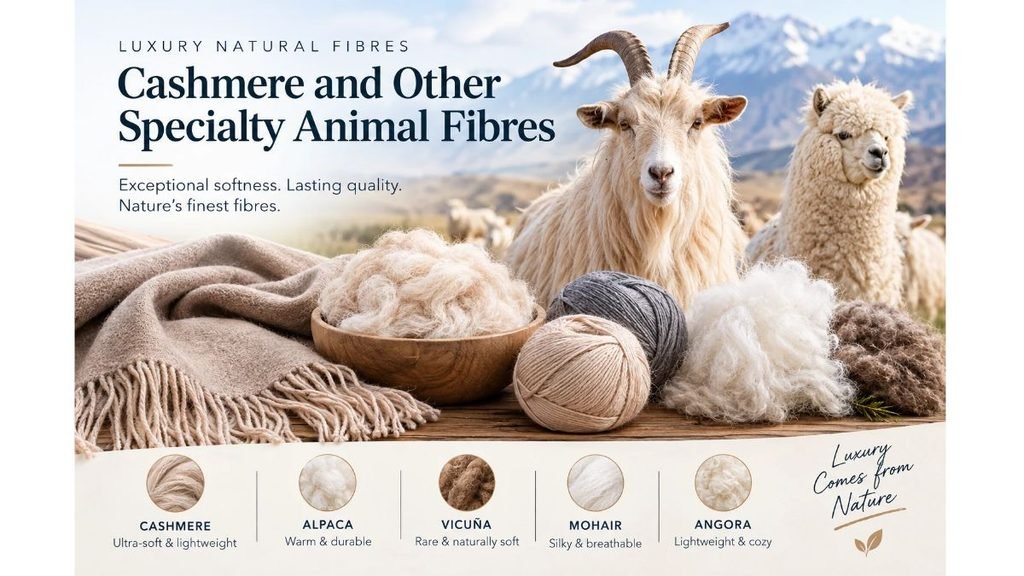
Cashmere comes from the fine undercoat of cashmere goats. Alpaca fibre comes from alpacas, while other specialty animal fibres are used for selected knitwear and outerwear.
These fibres are commonly associated with premium sweaters, scarves, coats, and accessories.
Their advantages may include softness, warmth, and a lightweight feel relative to the warmth they provide. However, they can be expensive and may need delicate care.
Quality depends on fibre characteristics, yarn construction, knitting density, finishing, and garment workmanship. A high price alone does not guarantee superior quality.
What Is Non Synthetic Clothing?
Non synthetic clothing generally refers to garments made without synthetic textile fibres, such as conventional polyester, nylon, and acrylic. Depending on the product, the term may also be used more broadly to describe clothing made primarily from natural fibres.
Cotton shirts, linen trousers, wool sweaters, and silk blouses are common examples of non synthetic clothing.
However, garment labels should be checked carefully. A shirt described as cotton may contain polyester, elastane, or other fibres. A natural fibre garment can also contain synthetic sewing thread, elastic, lining, or decorative components.
For shoppers who want to reduce synthetic fibre use, the fibre composition label is the most useful starting point.
Look for details such as:
- 100% cotton: The listed fibre composition is cotton.
- 100% linen: The main fabric is listed as linen.
- 100% wool: The listed fibre composition is wool.
- Cotton-polyester blend: The fabric combines natural and synthetic fibres.
- Cotton-elastane blend: Cotton is combined with a stretch fibre.
Remember that a natural fibre label does not describe every part of the garment. Buttons, zippers, prints, coatings, and other components may use different materials.
Benefits of Wearing Natural Fabric Clothes
Natural fabrics offer several practical advantages, although the exact benefits depend on the fibre and how the fabric is made.
1. Comfort for Everyday Wear
Comfort is one of the main reasons people choose natural fabrics. Cotton, linen, and fine wool can feel comfortable when their texture and construction suit the wearer.
Softness is not determined by fibre origin alone. Yarn quality, fabric weight, finishing, and garment fit all affect how clothing feels.
For example, a soft cotton T-shirt with smooth seams may feel more comfortable than a stiff garment made from a different natural fibre.
2. Breathability
Many natural fabrics allow air to move through their structure. This can help make clothing comfortable in warm conditions.
Lightweight cotton and linen are common choices for summer garments. However, breathability depends on fabric construction, thickness, and fit. A tightly woven heavy fabric may feel warmer than a lightweight fabric made from the same fibre.
For hot weather, consider lightweight materials, relaxed fits, and designs that allow airflow.
3. Moisture Management
Cotton and linen can absorb moisture, while wool can absorb moisture within its fibres and still provide insulation in suitable conditions.
Absorbency is not the same as quick drying. Cotton, for example, may remain damp longer than some synthetic performance fabrics.
For intense exercise or activities involving heavy sweating, compare the fabric’s drying time and intended use rather than assuming every natural material will perform equally well.
4. Durability
Natural fabrics can last for many years when they are well constructed and properly maintained.
Cotton denim, durable cotton twill, linen, and some wool fabrics can perform well in garments designed for repeated use. Nevertheless, durability varies by fibre quality, yarn strength, fabric weight, seam construction, and washing conditions.
When evaluating clothing, inspect areas that experience stress, including pockets, cuffs, collars, seams, and fastenings.
5. Different Textures and Appearances
Natural clothing materials provide a wide range of visual and tactile effects.
Cotton can appear smooth or textured. Linen has a distinctive relaxed surface. Wool can create a warm, structured appearance, while silk can offer a smooth drape.
These differences help designers select materials that match a garment’s purpose and overall style.
6. More Informed Clothing Choices
Understanding fibre composition allows shoppers to make decisions based on comfort, durability, care, budget, and environmental priorities.
Instead of choosing clothing based only on appearance, you can compare material details and determine whether a garment suits your lifestyle.
This is particularly useful when shopping online, where fabric descriptions and product photographs may not fully communicate texture or weight.
Natural Fabrics vs. Synthetic Fabrics
Natural and synthetic fibres have different properties. The better option depends on the garment’s intended use.
| Feature | Natural fabrics | Synthetic fabrics |
|---|---|---|
| Common examples | Cotton, linen, wool, silk | Polyester, nylon, acrylic |
| Fibre source | Plants or animals | Usually manufactured from chemical feedstocks |
| Breathability | Varies by fibre and construction | Varies by fibre and construction |
| Moisture absorption | Often higher for cotton and linen | Often lower for conventional polyester |
| Drying time | Can be slower for absorbent fibres | Often faster, depending on construction |
| Texture | Ranges from crisp to smooth or soft | Can be engineered for different textures |
| Care | Depends on the specific fibre | Depends on the specific fibre and finish |
| Typical uses | Casualwear, shirts, knitwear, formalwear | Sportswear, outerwear, uniforms, everyday clothing |
Neither category is automatically superior. Synthetic fabrics can offer useful properties, including stretch, quick drying, and abrasion resistance. Natural fibres can offer desirable comfort, texture, and moisture absorption.
Blended fabrics combine different fibres to achieve particular performance characteristics. For example, cotton-polyester blends may balance cotton’s feel with polyester’s durability and drying properties.
The best choice depends on the design, climate, activity, expected lifespan, and care requirements.
Are Natural Fabric Clothes Better for the Environment?
Natural fabrics are often associated with environmentally conscious fashion, but their environmental impact is more complex than fibre origin alone.
A fabric’s impact can depend on how the raw material is grown or obtained, how much water and energy processing requires, which chemicals are used, how the garment is transported, and how long it remains in use.
For example, cotton is a renewable plant fibre, but conventional cotton production can involve significant water use and agricultural inputs. Linen and hemp may offer advantages in certain growing conditions, but their complete environmental performance still depends on processing and manufacturing.
Wool and silk are natural animal fibres, yet their impacts include animal farming, land use, fibre processing, and transportation.
Synthetic fabrics also have environmental concerns. Many are derived from fossil resources, and synthetic textiles can release microfibres during washing.
To make a more informed choice, consider these practical steps:
- Choose clothing that you expect to wear frequently.
- Prioritise durable construction over short-lived trends.
- Buy only what you need.
- Repair garments when possible.
- Follow care instructions to extend garment life.
- Consider second-hand clothing when suitable.
- Look for credible certifications when specific environmental or organic claims matter.
- Check the full fibre composition rather than relying on marketing terms.
Natural does not automatically mean sustainable. A well-made garment that lasts for years may offer better value than a poorly made item, regardless of fibre type.
How to Choose High-Quality Natural Clothing Materials
Selecting the right fabric involves more than identifying whether it comes from a natural source. Consider the following factors before buying clothing or choosing fabric for a fashion collection.
1. Check the Fibre Composition
Start with the product label or technical specification. Confirm whether the garment is made from cotton, linen, wool, silk, or a blend.
If you specifically want non synthetic clothing, check for polyester, nylon, acrylic, and elastane in the composition. Also remember that trims, linings, and thread may contain other fibres.
Online descriptions should provide clear composition details. If they do not, ask the seller for clarification.
2. Evaluate Fabric Weight
Fabric weight affects how a garment drapes, feels, and performs.
Lightweight cotton may suit summer T-shirts, while heavier cotton fleece can work well for sweatshirts. A heavier linen may offer more structure than a very lightweight version.
In garment manufacturing, fabric weight is often expressed in grams per square metre (GSM). A higher GSM generally indicates a heavier fabric, but it does not automatically mean better quality.
Compare weight with the intended garment and desired fit.
3. Inspect the Weave or Knit
Fabric construction affects appearance, stretch, breathability, and durability.
Woven fabrics are often used for shirts, trousers, dresses, and structured outerwear. Knitted fabrics are common in T-shirts, sweatshirts, and many casual garments.
Look for an even surface and construction that matches the product description. Uneven stitching, loose yarns, or unexpected thin areas may indicate manufacturing problems.
4. Check Stitching and Finishing
Good fabric cannot compensate for poor garment construction.
Inspect seams, hems, collars, cuffs, buttonholes, and pocket attachments. Stitching should be reasonably even, with no obvious skipped stitches or loose threads.
For online purchases, review product photographs carefully and check the return policy if quality is uncertain.
5. Consider Shrinkage and Care
Some natural fibres can shrink, wrinkle, or change texture when washed incorrectly.
Cotton may shrink depending on its processing and finishing. Wool can felt under unsuitable washing conditions, while silk may require gentle handling.
Read the care label before purchasing. If you prefer low-maintenance clothing, choose fabrics and finishes that match your washing routine.
6. Choose According to Climate and Activity
The best fabric for a winter coat may not be appropriate for a summer shirt.
For warm weather, lightweight cotton and linen are common choices. For cold weather, wool and heavier knitted fabrics may provide useful insulation. For exercise, consider the garment’s moisture management, stretch, fit, and drying requirements.
Always match the material to the activity rather than choosing it solely because it is natural.
Natural Fabrics for Different Types of Clothing
Different garments require different fabric properties. Here are some common combinations.
Everyday T-Shirts
Cotton jersey is a popular choice for everyday T-shirts. It can provide a soft feel and a familiar casual appearance.
Consider the fabric weight, surface smoothness, collar construction, and stitching. If stretch is important, check whether the garment contains elastane or another stretch fibre.
Summer Shirts and Dresses
Linen and lightweight cotton are useful options for warm-weather shirts and dresses. Both are available in different weights and constructions.
Linen offers a distinctive texture, while cotton provides a wide variety of finishes and styles. Choose according to the desired drape, comfort, and care routine.
Sweaters and Winter Clothing
Wool and specialty animal fibres are common choices for sweaters, scarves, and selected outerwear.
Check the fibre composition and care requirements. If softness is important, consider the specific wool type and how the garment feels against the skin.
Trousers and Jackets
Cotton twill, cotton denim, linen blends, and wool fabrics can suit different trouser and jacket designs.
The best material depends on the required structure, movement, weather resistance, and durability. Reinforced seams and suitable construction are also important.
Sleepwear and Relaxed Clothing
Cotton and selected lightweight fabrics are commonly used for sleepwear and loungewear. Their suitability depends on softness, weight, fit, and personal preference.
For garments worn directly against the skin, consider seams, labels, surface texture, and washing requirements.
What Clothing Brands Should Know About Natural Fabrics
For fashion brands, selecting natural clothing materials is a product development decision. The material affects garment appearance, comfort, construction, pricing, and production requirements.
Brands should identify the intended customer and use before choosing fabric. A premium linen shirt, a heavyweight cotton hoodie, and a wool sweater require different specifications and manufacturing methods.
Important considerations include:
- Fabric sourcing: Confirm the material composition, available colours, and supplier specifications.
- Fabric weight: Select a suitable GSM for the design and target market.
- Sampling: Review a physical sample before approving bulk production.
- Colour consistency: Confirm the expected shade and how it will be checked.
- Shrinkage: Test fabric behaviour before finalising garment measurements.
- Construction: Match the sewing method, seams, and finishing to the fabric.
- Care labelling: Provide accurate care instructions for the finished garment.
- Quality control: Inspect fabric defects, measurements, stitching, and finishing.
- Cost planning: Consider fabric price, cutting waste, labour, trims, and packaging.
A fabric that looks attractive in a swatch may behave differently during cutting, sewing, washing, or finishing. Testing samples helps brands identify problems before producing larger quantities.
Brands should also avoid unsupported claims such as “100% sustainable” or “chemical-free.” Any organic, recycled, or environmental claim should match the available evidence and applicable requirements.
Common Myths About Natural Clothing Materials
Several misconceptions can make it harder to choose suitable clothing.
Myth 1: All Natural Fabrics Are Soft
Not every natural fabric feels soft. Some linen and hemp fabrics can feel firm, while certain wool fibres may feel rough.
Softness depends on fibre quality, yarn construction, fabric finishing, and individual sensitivity.
Myth 2: Natural Fabrics Never Contain Chemicals
Natural fibres can undergo scouring, bleaching, dyeing, finishing, and other processing. These processes may use chemicals.
The word natural describes the fibre’s source, not every substance used during production.
Myth 3: Natural Clothing Is Always More Sustainable
Environmental impact depends on many factors, including farming, processing, garment lifespan, and disposal.
Fibre origin is only one part of the overall picture.
Myth 4: Synthetic Fabrics Are Always Uncomfortable
Synthetic fibres can be engineered for stretch, moisture management, durability, and other performance needs. Some are suitable for sportswear and technical clothing.
Comfort depends on the complete garment, not simply whether its fibres are natural or synthetic.
Myth 5: Expensive Natural Clothing Is Always Better Quality
Price alone does not guarantee good construction. Examine the fabric, seams, finishing, fit, and care requirements before making a decision.
How to Care for Natural Fabric Clothes
Proper care can help preserve the appearance and lifespan of natural garments.
Read care labels first. Cotton, linen, wool, and silk can require different washing methods.
Wash when necessary. Washing less frequently when appropriate can reduce wear, although garments should still be cleaned according to hygiene needs and their care instructions.
Use suitable water temperatures. Hot water may cause shrinkage or colour changes in some fabrics. Follow the manufacturer’s instructions.
Avoid excessive heat. High dryer temperatures and unsuitable ironing settings can damage certain fibres.
Store garments correctly. Fold heavy knitwear to help prevent stretching. Store delicate garments in suitable conditions and protect wool clothing from pests.
Repair small problems early. Fixing a loose button or small seam issue can prevent more extensive damage.
Good care practices vary by fabric, dye, construction, and finish. When in doubt, follow the garment label or seek professional cleaning advice.
Frequently Asked Questions
What are the best natural fabrics for everyday clothing?
Cotton is a versatile choice for T-shirts, shirts, and casualwear. Linen is popular for warm weather, while wool is useful for many cold-weather garments. The best option depends on comfort, climate, fit, and care preferences.
What is the difference between natural and non synthetic clothing?
Natural clothing is generally made from plant- or animal-derived fibres. Non synthetic clothing usually refers to garments made without synthetic textile fibres. These terms overlap, but fibre blends and garment components can affect whether a product meets a specific preference.
Is cotton a natural fabric?
Yes. Cotton is a plant-based natural fibre obtained from the cotton plant. It is widely used in woven and knitted clothing, including T-shirts, shirts, underwear, and dresses.
Are natural fabrics suitable for sensitive skin?
Some people prefer the feel of soft natural fabrics, such as cotton. However, skin comfort varies by individual and may also depend on dyes, finishes, detergents, seams, and garment fit. If you have a known sensitivity, review product details and seek professional advice when needed.
Are natural fabric clothes better for summer?
Lightweight cotton and linen are common summer choices because many constructions allow airflow. However, fabric weight, weave, fit, humidity, and activity all affect comfort. Choose materials designed for the conditions in which you will wear them.
Can natural fabrics be blended with synthetic fibres?
Yes. Cotton-polyester, wool-nylon, and other blends are common. Blending can change durability, stretch, drying time, texture, and cost. Always check the stated composition if avoiding synthetic fibres is important to you.
How can I identify genuine natural clothing materials?
Check the fibre composition label and product specifications. Look for clear details about the percentages of each fibre. Do not rely only on terms such as “eco,” “green,” “natural feel,” or “silk-like,” because these do not necessarily identify the actual fibre.
Do natural fabrics require special care?
Some do. Wool and silk may need gentle washing or professional cleaning, while cotton and linen may be easier to maintain depending on their construction and finishing. Always follow the garment’s care instructions.
Final Thoughts
Natural fabric clothes offer a wide range of options for everyday wear, summer outfits, winter garments, and premium fashion. Cotton, linen, wool, silk, and hemp each have distinct characteristics that influence comfort, appearance, durability, and care.
The best choice depends on how you plan to use the garment. Consider fibre composition, fabric weight, construction, climate, maintenance, and budget before purchasing.
If you prefer non synthetic clothing, check labels carefully and remember that some garments contain blended fibres or synthetic components. For shoppers and fashion brands alike, understanding natural clothing materials makes it easier to choose garments that meet practical needs without relying on marketing claims alone.