Athletic Wear Trends 2026: Top Styles, Fabrics, and Performance Innovations
The athletic wear trends 2026 reflect a major shift in how people choose sportswear. Consumers now expect clothing to offer more than comfort during exercise. They want performance, attractive designs, versatile styling, and materials that support their daily routines.
Athletic clothing is no longer limited to gyms, running tracks, or sports competitions. Leggings, joggers, performance T-shirts, sports bras, track jackets, and matching sets have become part of everyday fashion. People wear these garments for workouts, travel, casual outings, and other activities.
This change is influencing how clothing brands develop their collections. Designers are exploring new fabric technologies, relaxed silhouettes, expressive colours, retro details, and more versatile product designs.
Understanding the athletic apparel trends 2026 can help clothing brands identify new opportunities. It can also help retailers, sportswear businesses, and fashion entrepreneurs plan products that meet changing customer expectations.
In this guide, we explore the major athletic wear trends of 2026, including popular styles, fabric choices, performance features, sustainable materials, and manufacturing considerations.
1. Athleisure Continues to Blend Fashion and Performance
One of the most important athletic wear trends in 2026 is the continued connection between sportswear and everyday fashion.
Consumers increasingly want garments that work in different settings. They may wear a performance T-shirt during a workout and keep it on while travelling or running errands. Similarly, joggers and lightweight jackets can work for both exercise and casual outfits.
This trend is commonly known as athleisure.
Athleisure combines athletic clothing features with everyday fashion. It focuses on comfort, movement, and designs that look suitable outside the gym.
Popular athleisure products include:
- Matching leggings and tops
- Relaxed-fit joggers
- Lightweight zip-up jackets
- Performance polo shirts
- Comfortable sweatshirts
- Stretch sportswear sets
- Everyday athletic shorts
For clothing brands, versatility is an important product development consideration. A garment should provide suitable performance while maintaining an attractive everyday appearance.
2. Retro Sportswear and Y2K-Inspired Designs
Retro athletic clothing is another noticeable direction in 2026. Designers are bringing back visual details inspired by sportswear from the 1990s and early 2000s.
These styles combine familiar athletic shapes with updated fabrics and modern construction.
Common retro-inspired details include:
- Contrast stripes along sleeves and trousers
- Colour-blocked panels
- Oversized track jackets
- Relaxed-fit tracksuits
- Vintage-inspired sports graphics
- Bold logo placements
- Classic athletic collars
Track jackets and matching trousers are particularly suitable for this direction. Brands can use contrast piping, side stripes, and coordinated colours to create a recognizable retro appearance.
However, modern retro sportswear does not need to copy older garments exactly. Better fabric selection, improved stitching, and updated fits can make these products more suitable for current customers.
This trend creates opportunities for brands interested in streetwear, casual sportswear, and lifestyle collections.
3. Performance Fabrics Are Becoming More Important
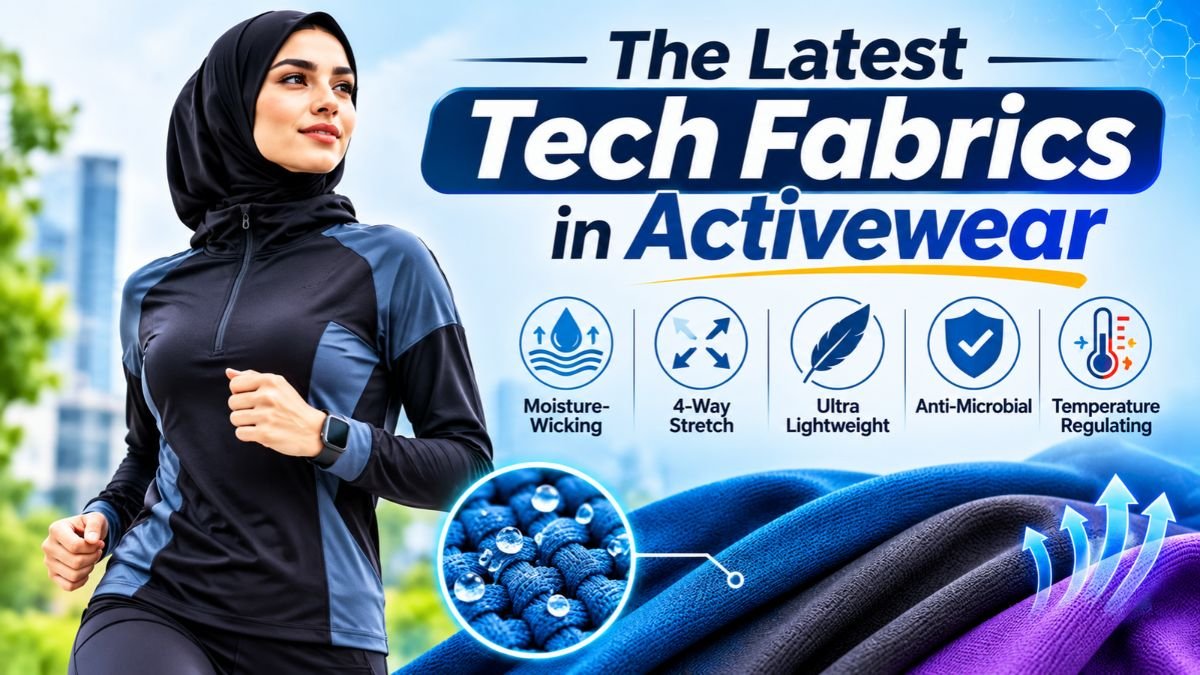
Fabric technology remains a central part of the athletic apparel trends 2026. Customers expect sportswear to support movement, manage moisture, and remain comfortable during regular use.
The right fabric depends on the activity and garment design. Running clothing may require different properties from yoga wear or casual gym apparel.
Important performance features include:
Moisture management: Suitable fabrics help move moisture away from the skin and support a more comfortable wearing experience.
Breathability: Breathable fabric constructions allow air to move through the garment.
Stretch: Stretch fabrics support movement during exercise and training.
Durability: Strong materials help garments withstand repeated washing and regular use.
Lightweight construction: Lightweight fabrics can be useful for running, outdoor exercise, and warm-weather activities.
Polyester, cotton blends, nylon, and elastane-based fabrics are commonly considered during athletic clothing development.
Brands should evaluate fabric performance through samples and appropriate testing. A fabric description alone does not guarantee that the finished garment will perform as expected.
4. Matching Sets and Coordinated Athletic Outfits
Coordinated outfits remain an important part of the activewear market, although consumers are also exploring more individual styling choices.
Matching sets create a complete look without requiring customers to select separate pieces. They can include sports bras with leggings, matching shorts and tops, or coordinated tracksuits.
Popular matching combinations include:
- Sports bras with high-waisted leggings
- Athletic tops with cycling shorts
- Sweatshirts with matching joggers
- Zip-up jackets with training trousers
- Performance T-shirts with athletic shorts
Brands can create coordinated collections through consistent fabric, colour, trims, and design details.
However, matching does not always mean using identical colours. Some collections combine complementary shades or contrast panels to create a more distinctive appearance.
A useful strategy is to offer coordinated pieces that can also be purchased and styled separately.
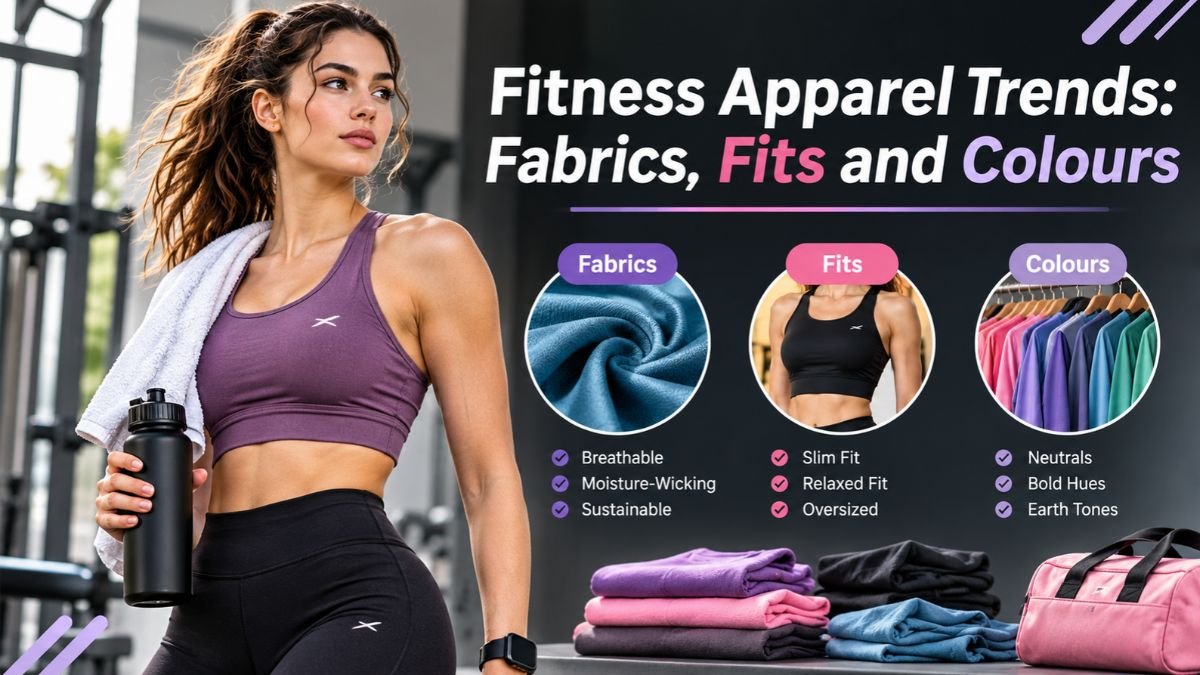
5. Rich Neutrals and More Expressive Colour Palettes
Colour selection is playing an important role in athletic clothing design in 2026.
Traditional black, grey, and navy remain practical choices. However, many collections are also exploring richer neutral colours and more expressive shades.
Popular colour directions include:
- Mocha brown
- Warm beige
- Stone grey
- Olive green
- Burgundy
- Deep navy
- Soft blue
- Sage green
- Muted earth tones
- Bright accent colours
Neutral colours can create a premium and understated appearance. They also make it easier for customers to combine different pieces.
Brighter shades can help brands create more energetic collections. These colours may be suitable for running clothing, teamwear, training tops, and statement sportswear.
Colour choices should also consider the target customer, season, product category, and brand identity.
For manufacturers, consistent colour matching is important. Fabric, thread, ribbing, zippers, and printed details should be checked against approved colour references.
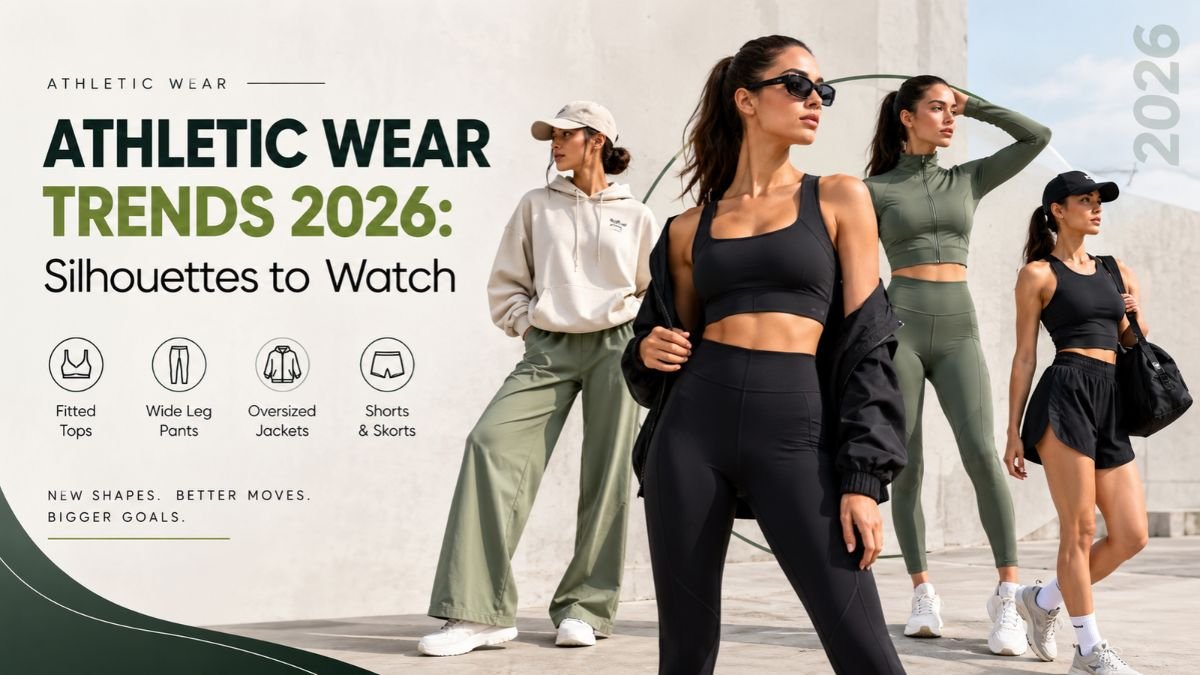
6. Oversized Silhouettes Meet Fitted Athletic Clothing
Athletic clothing in 2026 offers a wider range of fits. Some customers prefer fitted garments that support movement, while others choose relaxed silhouettes for comfort and casual styling.
The combination of oversized and fitted pieces is especially useful for creating different outfit proportions.
Examples include:
- Oversized hoodie with fitted leggings
- Relaxed joggers with a fitted athletic top
- Loose T-shirt with compression shorts
- Cropped jacket with high-waisted trousers
- Relaxed track jacket with tapered joggers
Fit should always match the product’s purpose.
Compression garments require careful attention to stretch, recovery, and body measurements. Relaxed sportswear needs enough room for comfortable movement without becoming poorly shaped.
Brands should develop size charts and review physical samples before approving production.
7. Functional Details and Utility-Inspired Sportswear
Customers increasingly value practical features in athletic clothing. A good design should not only look attractive but also help the wearer during everyday activities.
This has encouraged brands to include useful details in sportswear.
Examples include:
- Secure zip pockets
- Adjustable waistbands
- Hidden storage compartments
- Reflective elements
- Ventilation panels
- Thumbhole sleeves
- Adjustable drawstrings
- Lightweight zip closures
These features can improve convenience during running, cycling, gym sessions, and outdoor activities.
For example, zip pockets can help keep small belongings secure during movement. Reflective details may improve visibility in low-light conditions when used appropriately.
Manufacturers should check the placement and construction of every functional feature. Poorly attached zippers or weak pocket seams can affect the product’s durability.
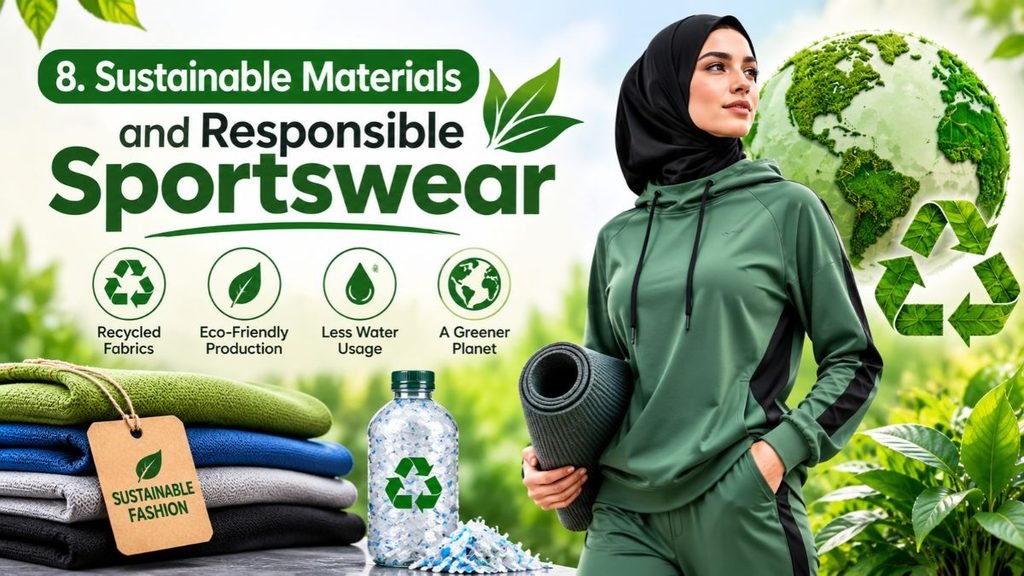
8. Sustainable Materials and Responsible Sportswear
Sustainability continues to influence product development across the apparel industry. In 2026, athletic clothing brands are paying attention to material sourcing, fabric durability, and production choices.
Some commonly considered material options include:
Recycled Polyester
Recycled polyester is produced using recovered polyester materials. It can be used in performance T-shirts, leggings, shorts, and lightweight jackets.
It offers useful properties such as durability and quick-drying performance.
Brands should verify the recycled content through relevant supplier documentation before making product claims.
Organic Cotton
Organic cotton is produced under recognised organic agricultural standards. It can be suitable for sweatshirts, casual joggers, and relaxed athletic clothing.
Its soft feel makes it useful for products designed around everyday comfort.
Recycled Cotton
Recycled cotton uses recovered cotton fibres from textile waste or used garments.
It can support material reuse, although fibre length and strength may influence the final fabric construction.
Durable Fabric Choices
Durability is another important consideration. Clothing that maintains its shape and appearance through regular use may remain useful for longer.
Brands should consider fabric strength, colourfastness, shrinkage, seam quality, and care requirements.
Sustainable claims should be specific and supported by evidence. No fabric should automatically be described as completely sustainable or environmentally harmless.
9. Seamless and Comfortable Construction
Seamless construction and reduced-seam designs are important options in performance clothing.
Traditional garments use several fabric panels joined through stitching. Seamless techniques can reduce the number of conventional seams in selected products.
This approach is especially relevant to certain leggings, sports bras, base layers, and fitted athletic garments.
Potential benefits include:
- Reduced seam irritation
- Smooth garment surfaces
- Flexible construction
- Close-fitting designs
- Comfortable movement
However, seamless production requires suitable machinery and specialised manufacturing processes. It is not necessary for every athletic product.
Brands should choose construction methods based on the intended garment, performance requirements, and production capabilities.
10. Outdoor and Adventure-Inspired Athletic Wear
Outdoor activities are influencing sportswear design. Consumers need clothing that can support movement in changing weather and different environments.
This has encouraged interest in functional outdoor-inspired garments.
Popular product options include:
- Lightweight windbreakers
- Water-resistant jackets
- Breathable training tops
- Outdoor joggers
- Layering sweatshirts
- Quick-drying T-shirts
- Flexible hiking-inspired trousers
Outdoor athletic clothing may require specific fabric properties. Water resistance, wind protection, breathability, and durability should be selected according to the intended activity.
Brands should avoid making technical performance claims unless the materials and finished products have been tested to support them.
11. Personal Expression and Custom Athletic Clothing
Another important direction in 2026 is the demand for more individual clothing styles.
Some customers prefer simple designs, while others want bold colours, graphics, personalised details, and distinctive combinations.
Custom athletic clothing gives brands more flexibility to develop products for specific customer groups.
Customisation options can include:
- Brand logos
- Embroidered graphics
- Printed artwork
- Contrast panels
- Custom labels
- Special colour combinations
- Personalised team names
- Unique trims and details
Sports clubs, fitness businesses, schools, and clothing brands can all benefit from custom apparel.
The design should remain practical. Decoration methods must suit the selected fabric and withstand the expected washing and wearing conditions.
12. Gender-Inclusive and Flexible Athletic Clothing
Athletic clothing brands are also considering a wider range of body types and fit preferences.
Gender-inclusive designs can help brands serve customers who prefer relaxed, adaptable, or less traditionally gendered clothing.
Examples include:
- Unisex sweatshirts
- Relaxed-fit joggers
- Adjustable waistbands
- Flexible T-shirts
- Oversized training tops
- Neutral colour collections
Inclusive design requires more than using the same garment for everyone. Brands should consider body measurements, grading, fit testing, and size availability.
A clear size chart can help customers understand how a product is intended to fit.
13. Smart Textiles and Emerging Performance Technology
Smart textiles are an evolving area of athletic apparel development.
These materials may use specialised structures, integrated components, or responsive technologies to support certain functions.
Potential applications include:
- Temperature regulation
- Activity monitoring
- Advanced moisture management
- Improved insulation
- UV-protective fabric treatments
- Responsive textile structures
Some technologies are still developing and may be more relevant to specialist or premium products than everyday sportswear.
Brands considering advanced textiles should evaluate cost, durability, comfort, care instructions, and manufacturing requirements.
Technology should solve a genuine customer problem. Adding complicated features without a clear benefit may increase product cost without improving the wearing experience.
14. Athletic Wear for Different Activities
Not every athletic garment needs the same design or fabric. Understanding the activity helps brands select suitable materials and construction details.
| Activity | Suitable product features |
|---|---|
| Running | Lightweight fabric, moisture management, reflective details |
| Yoga | Stretch, flexibility, comfortable seams |
| Gym training | Durability, support, breathable construction |
| Cycling | Close fit, stretch, suitable reinforcement |
| Outdoor exercise | Layering, weather protection, mobility |
| Casual wear | Soft fabric, relaxed fit, versatile styling |
| Team sports | Durable construction, custom colours, team branding |
A focused product range can help brands communicate the purpose of each garment.
For example, a running collection should not be developed in exactly the same way as a casual fleece collection. Both may be athletic clothing, but their performance requirements are different.
15. How Clothing Brands Can Use Athletic Wear Trends 2026
Following trends can help brands develop relevant products, but not every trend needs to become part of a collection.
A successful product strategy should connect customer demand with brand identity, quality, and manufacturing capabilities.
Research Your Target Audience
Start by identifying the people who will buy your products.
Consider their preferred activities, age groups, clothing styles, budgets, and shopping habits.
A customer interested in gym training may have different expectations from someone purchasing sportswear for travel or casual wear.
Select a Clear Product Category
Instead of launching too many products at once, begin with a focused collection.
Possible starting categories include:
- Gym leggings and tops
- Custom tracksuits
- Performance T-shirts
- Training shorts
- Sports bras
- Athletic hoodies
- Lightweight jackets
A focused range makes it easier to manage sampling, materials, sizing, and inventory.
Choose Suitable Fabrics
Select fabrics according to the product’s intended use.
Review GSM, stretch, breathability, moisture management, shrinkage, and durability.
Request swatches before approving the material. Test samples when performance requirements are important.
Develop a Consistent Design Direction
A collection should have a recognizable visual identity.
This can come from a colour palette, logo style, fabric texture, fit, or recurring design detail.
For example, a brand may develop a collection around retro trackwear, while another may focus on minimalist training clothing.
Plan Pricing and Production
Calculate the expected cost of fabric, trims, decoration, labour, packaging, and shipping.
Discuss minimum order quantities with manufacturers before confirming the collection.
Also consider how many sizes and colours you can realistically manage in the first production run.
16. How Athletic Apparel Is Manufactured
Understanding the manufacturing process helps brands turn design ideas into finished products.
A typical athletic apparel manufacturing process includes the following stages.
Design and Technical Specifications
The brand prepares sketches, measurements, fabric requirements, colour references, and construction details.
A technical pack helps communicate these instructions to the manufacturer.
Fabric and Trim Sourcing
The manufacturer identifies suitable materials, zippers, elastic, drawstrings, labels, and other components.
The selected materials should meet the product’s design and performance requirements.
Pattern Development
Patterns are developed according to the required fit and measurements.
For fitted athletic garments, accurate pattern development is especially important because incorrect proportions can affect comfort and movement.
Sample Development
A physical sample allows the brand to review the design before bulk production.
The sample should be checked for fit, fabric, stitching, colour, and construction.
Bulk Cutting and Sewing
After sample approval, the manufacturer prepares the materials and begins cutting and sewing.
Production checks can help identify measurement or stitching problems during assembly.
Decoration and Finishing
Logos, prints, embroidery, labels, and other approved details are added.
The finished garments are then checked for appearance, measurements, and construction quality.
Final Inspection and Packaging
The order goes through the agreed quality inspection process before packing.
Brands should confirm packaging, labelling, shipping, and delivery requirements before production begins.
17. Choosing the Right Athletic Wear Manufacturer
A suitable manufacturer can help a clothing brand manage product development and production more effectively.
When comparing suppliers, consider these factors:
Product experience: Check whether the manufacturer produces the type of athletic clothing you need.
Fabric knowledge: Ask about suitable materials, fabric weights, stretch, and performance requirements.
Sampling process: Confirm whether physical samples are available before bulk production.
Customisation: Check available options for printing, embroidery, labels, colours, and trims.
Minimum order quantity: Understand the minimum quantity for each style, colour, and product.
Quality control: Ask how the manufacturer checks measurements, stitching, fabric defects, and finishing.
Communication: Make sure specifications, costs, timelines, and shipping arrangements are clearly explained.
A reliable production relationship depends on clear requirements and realistic expectations.
18. Athletic Wear Manufacturing at Fashion Soul International
Fashion Soul International is a factory-owned custom clothing manufacturer based in Sialkot, Pakistan. The company works with international brands, startups, retailers, wholesalers, and sportswear businesses.
Its manufacturing services include private-label, OEM, ODM, white-label, cut-and-sew, and full-package production.
The company’s product range includes activewear, sportswear, tracksuits, hoodies, T-shirts, jackets, and other custom garments.
For brands following the athletic wear trends 2026, product development can begin with a design brief or technical pack. Buyers can share their preferred fabric, GSM, colours, measurements, construction details, and branding requirements.
Fashion Soul International supports fabric sourcing, sampling, bulk production, quality control, custom branding, packaging, and international shipping.
The company publishes a standard MOQ starting at 100 pieces. Actual requirements depend on the style, fabric, colour, and construction, so brands should confirm the details during quotation.
Custom Athletic Apparel Development
Brands can discuss different athletic clothing products, including:
- Custom sportswear sets
- Performance T-shirts
- Athletic hoodies
- Training shorts
- Tracksuits
- Activewear collections
- Custom team apparel
Material selection should be based on the garment’s intended use. Buyers who require recycled or organic fabrics should specify the exact material requirements and request available supporting documentation.
Sampling and Quality Control
Sampling allows brands to review the garment before bulk production.
Important checks include measurements, fabric feel, stitching, fit, trims, printing, and embroidery.
Fashion Soul International’s stated production workflow includes sample approval, inline inspection, and pre-shipment quality checks.
Custom Branding and International Shipping
Brands can discuss custom labels, logos, hang tags, and packaging for their collections.
The company also supports international shipping arrangements. Buyers should confirm shipping methods, destination requirements, export documentation, and delivery terms for each order.
19. What Is the Future of Athletic Apparel?
Athletic apparel is continuing to develop as customers expect clothing to support more parts of their lives.
The connection between fitness, fashion, and everyday comfort is likely to remain important. Brands will continue exploring better fabrics, improved construction, versatile designs, and more individual styling options.
Several areas deserve attention:
- Better fabric performance
- More versatile sportswear designs
- Improved garment durability
- Responsible material sourcing
- Comfortable and flexible fits
- Custom team and brand apparel
- Practical design details
- Advanced textile development
For clothing businesses, the opportunity is not simply to follow every new style. It is to understand which trends match their customers and develop products that deliver real value.
Frequently Asked Questions
What Are the Biggest Athletic Wear Trends in 2026?
Major directions include athleisure, retro sportswear, performance fabrics, coordinated outfits, functional details, sustainable material options, and more flexible fits. Brands are combining practical features with designs suitable for everyday use.
What Is the Difference Between Athletic Wear and Athleisure?
Athletic wear is designed primarily for physical activities such as running, gym training, and sports. Athleisure combines athletic clothing features with everyday fashion, allowing people to wear similar garments outside exercise settings.
Which Fabrics Are Popular for Athletic Apparel in 2026?
Common options include polyester, recycled polyester, nylon, cotton blends, and elastane-based stretch fabrics. The best choice depends on the garment, activity, comfort requirements, and performance needs.
Is Sustainable Athletic Wear Becoming More Important?
Sustainable material sourcing and garment durability are important considerations for many brands. Options such as recycled polyester and organic cotton may be used when suitable, but environmental claims should be supported by reliable documentation.
Are Oversized Athletic Clothes Still Popular?
Relaxed and oversized styles remain relevant, particularly in casual sportswear and streetwear. They are often paired with fitted garments to create different outfit proportions.
How Can I Start an Athletic Clothing Brand?
Begin by researching your target customers and selecting a product category. Prepare designs, choose suitable fabrics, develop samples, calculate production costs, and find a manufacturer that meets your order requirements.
Can I Order Custom Athletic Apparel From a Manufacturer?
Yes. Many custom clothing manufacturers offer product development, fabric sourcing, sampling, printing, embroidery, labels, and bulk production. Minimum order quantities and available services vary by manufacturer.
What Should I Check Before Ordering Athletic Wear?
Review the fabric composition, GSM, fit, measurements, stitching, colour, trims, and sample quality. Also confirm MOQ, production timelines, quality inspections, packaging, and shipping arrangements.
Conclusion
The athletic wear trends 2026 show how sportswear is becoming more versatile, functional, and connected to everyday fashion. Athleisure, retro designs, performance fabrics, coordinated outfits, and practical details are influencing new collections.
At the same time, material sourcing, garment durability, and responsible production are becoming important product development considerations.
For clothing brands, understanding the athletic apparel trends 2026 can support better collection planning. The most effective approach is to select trends that match your audience, choose suitable fabrics, and focus on product quality.
With careful design, sampling, and manufacturing, brands can develop athletic clothing that combines comfort, performance, and a clear visual identity.