Startup Clothing Brands: How to Build a Fashion Brand From Scratch
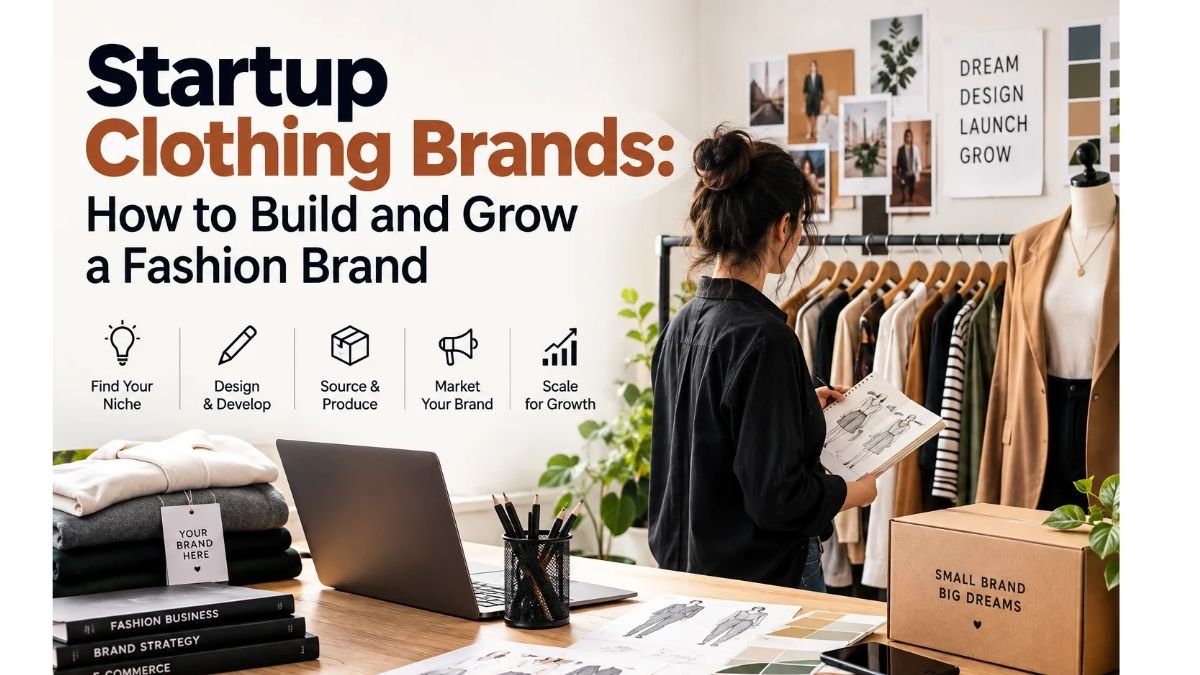
Starting a clothing brand can be an exciting business opportunity, but turning a creative idea into a successful company requires planning. You need a clear product concept, a target audience, a realistic budget, reliable clothing suppliers, and a strategy for reaching customers.
Many startup clothing brands begin with a small collection and grow as they learn what customers want. You do not need to launch dozens of products at once. Instead, focus on creating a recognizable identity, producing quality garments, and building a business that can grow over time.
This guide explains how to start a clothing brand, choose products, find manufacturers, manage production costs, develop your brand identity, and market your first collection. Whether you want to sell streetwear, activewear, casual clothing, or custom apparel, these steps can help you make informed decisions.
1. What Are Startup Clothing Brands?
Startup clothing brands are new fashion businesses that develop and sell clothing under their own brand names. They may operate through an online store, social media, local retail shops, marketplaces, or wholesale partnerships.
Some startups design every garment from scratch. Others begin with existing clothing styles and add custom branding. The right approach depends on the founder’s experience, budget, product goals, and target market.
Startup clothing brands commonly focus on specific categories, such as:
- Streetwear and urban fashion
- T-shirts, hoodies, and sweatshirts
- Activewear and fitness clothing
- Sustainable and responsibly sourced fashion
- Casual clothing and everyday basics
- Children’s and baby clothing
- Workwear and uniforms
- Premium or luxury-inspired apparel
Choosing a focused category makes it easier to understand your audience and develop suitable products.
For example, a brand targeting gym enthusiasts may prioritize stretch, comfort, moisture management, and durability. A streetwear brand may focus on oversized fits, heavyweight fabrics, graphic prints, and distinctive designs.
A strong startup begins with a clear reason for existing. Your brand should offer something meaningful to a particular group of customers rather than trying to appeal to everyone.
2. Choose a Profitable Clothing Niche
A clothing niche is a specific part of the fashion market that your brand wants to serve. Choosing one helps you make better decisions about products, pricing, design, and marketing.
Start by researching customer needs and identifying gaps in the market.
Ask yourself:
- Who will buy my clothing?
- What styles do these customers prefer?
- What problems do existing products fail to solve?
- How much are customers willing to spend?
- Which brands do they currently purchase?
- How can my products offer a meaningful difference?
You can research potential customers through social media discussions, competitor websites, customer reviews, fashion communities, and direct conversations with your intended audience.
Look for recurring complaints about fit, comfort, sizing, quality, availability, or design. These observations can help you develop products that solve specific problems.
Examples of Clothing Niches
Streetwear: This category may include oversized T-shirts, graphic hoodies, relaxed trousers, and statement jackets.
Activewear: Products may include leggings, training tops, sports bras, shorts, and performance T-shirts.
Minimalist clothing: This niche focuses on simple designs, versatile colors, clean silhouettes, and everyday wear.
Sustainable fashion: These brands may prioritize material transparency, longer-lasting garments, responsible sourcing, or reduced waste. Any environmental claims should be accurate and supported by evidence.
Premium basics: This category focuses on everyday products with attention to fabric quality, fit, construction, and finishing.
Before committing to a niche, estimate the cost of producing your products and compare it with realistic selling prices. A popular category is not automatically profitable if production and marketing costs leave little margin.
3. Develop a Clear Brand Identity
Your brand identity explains how customers recognize and understand your business. It includes your name, logo, visual style, product design, tone of communication, and the values you communicate.
Start by defining your brand’s purpose. Decide what makes your clothing different and why customers should choose it.
For example, your positioning might focus on functional activewear, expressive streetwear, comfortable everyday basics, or premium-quality hoodies.
Choose a Memorable Brand Name
Your name should be easy to pronounce, spell, and remember. It should also suit your target audience and leave room for future product expansion.
Before finalizing a name, check relevant domain availability, social media handles, and trademark databases in your target markets. A name being available as a social media username does not mean it is legally available for use.
Create a Consistent Visual Style
Develop a visual identity that works across product labels, packaging, your website, and social media.
Consider:
- Logo and typography
- Brand colors
- Photography style
- Packaging design
- Label and hang-tag appearance
- Product presentation
- Website layout
Consistency helps customers recognize your brand across different channels.
However, branding should support the product rather than replace it. A strong logo cannot compensate for poor fabric, uncomfortable fit, or inconsistent construction.
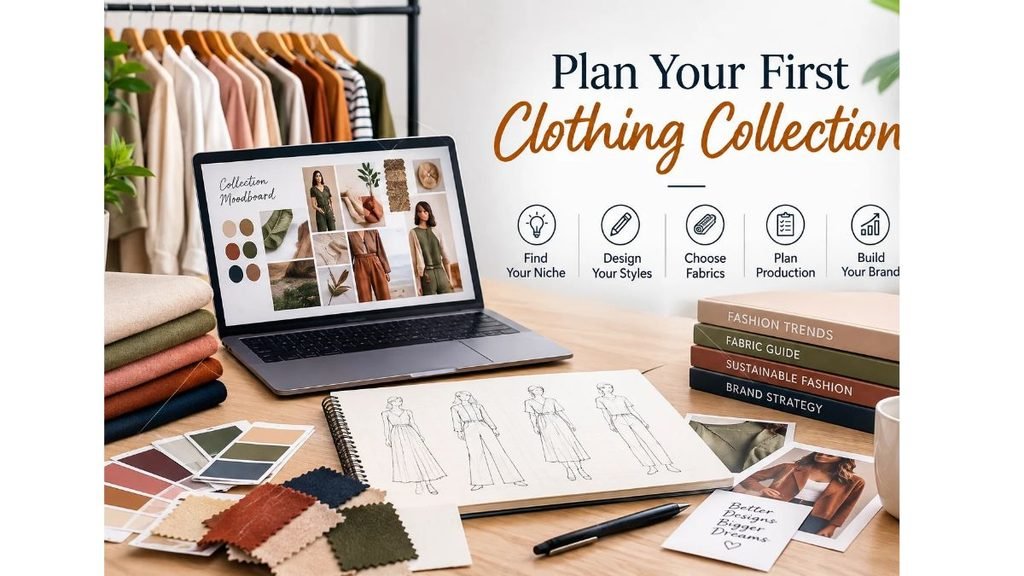
4. Plan Your First Clothing Collection
One common mistake among startup clothing brands is launching too many products before testing demand.
A smaller collection is often easier to manage. It allows you to focus your budget on development, samples, product photography, and marketing.
Consider beginning with a limited number of related products. For example, a streetwear brand might launch a T-shirt and hoodie collection with a consistent design theme.
An activewear startup could begin with a small group of training tops and shorts.
Select Products Carefully
Evaluate each product according to:
- Customer demand
- Manufacturing cost
- Fabric availability
- Design complexity
- Expected selling price
- Size and color requirements
- Shipping weight
- Potential for repeat purchases
Think about how products work together. A cohesive collection can create a stronger brand identity than a random assortment of unrelated garments.
Develop Product Specifications
Before production, document the details of each garment.
These may include measurements, fabric composition, fabric weight, color references, stitching, trims, printing, embroidery, labels, and packaging.
A technical pack, commonly called a tech pack, brings these specifications together. It helps a manufacturer understand how the garment should be made.
If you do not have a complete tech pack, you can begin discussions with design briefs, sketches, reference images, or an existing garment. However, detailed specifications or a suitable reference sample are important before sampling and production.
5. Set a Realistic Budget
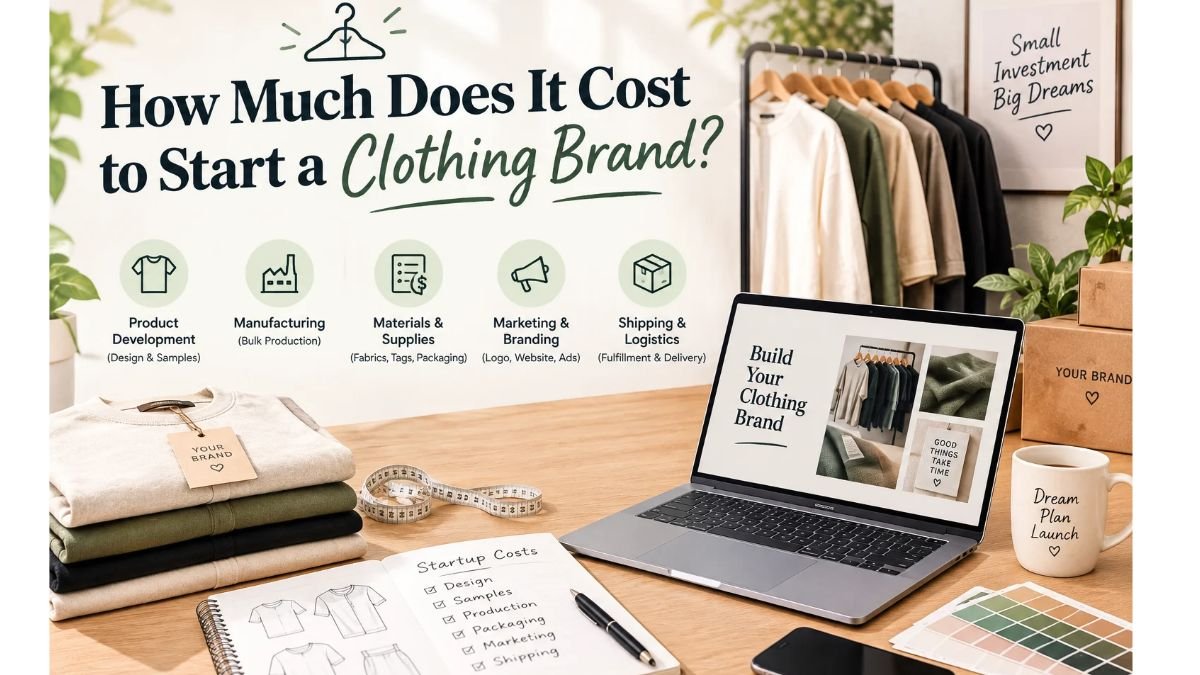
Your startup budget affects the products you can develop, the quantities you can order, and the marketing you can afford.
There is no single cost for launching a clothing brand. Expenses vary by product type, design complexity, order quantity, sourcing location, and business model.
Create a budget that accounts for the full process rather than manufacturing alone.
| Expense category | What it may include |
|---|---|
| Product development | Design work, tech packs, patterns, and revisions |
| Sampling | Prototype garments and sample shipping |
| Production | Fabric, trims, cutting, sewing, and finishing |
| Branding | Labels, hang tags, printing, embroidery, and packaging |
| Online store | Domain, platform fees, and website setup |
| Marketing | Photography, advertising, content, and promotions |
| Logistics | Freight, customs charges, duties, and delivery |
| Operations | Storage, order fulfillment, software, and administration |
| Contingency | Unexpected costs and production adjustments |
Obtain written quotations from suppliers before estimating your production budget.
Keep money available for unexpected expenses. Fabric changes, sample revisions, shipping delays, or additional quality checks may increase costs.
Avoid spending the entire budget on inventory. You also need resources to present products, attract customers, handle orders, and respond to problems.
6. Find the Right Clothing Manufacturer
Finding a suitable manufacturer is one of the most important decisions for startup clothing brands. Your supplier affects product quality, minimum order quantities, production schedules, customization, and the consistency of future orders.
You can search for manufacturers through online research, industry directories, trade shows, business marketplaces, and professional referrals.
Use specific searches based on your requirements, such as:
- Clothing manufacturers for startups
- Low MOQ clothing manufacturers
- Private-label clothing manufacturers
- Custom T-shirt manufacturers
- Hoodie manufacturers for clothing brands
- Streetwear manufacturers
- Activewear manufacturers
- Cut-and-sew clothing manufacturers
Understand Your Supplier Options
Clothing wholesalers sell existing garments in bulk. They can help you start selling products without developing every design from scratch.
Private-label manufacturers produce garments that you sell under your own brand name. Available customization may include labels, colors, trims, and packaging.
OEM manufacturers generally produce products according to the buyer’s design and specifications.
ODM manufacturers may offer existing designs or product-development capabilities that businesses can adapt to their needs.
Full-package manufacturers can coordinate several stages, such as material sourcing, sampling, production, branding, and packaging. The exact services vary by provider.
Choose a supplier based on your product requirements, not only its advertised capabilities.
Check Minimum Order Quantity
Minimum order quantity (MOQ) is the smallest quantity a supplier accepts under its stated terms.
Some suppliers require larger orders, while others support smaller production runs. Ask whether the MOQ applies per style, color, design, or size run.
For example, a manufacturer may accept a small quantity for one design but require separate minimums for different colors.
Startup clothing brands can sometimes reduce initial commitments by limiting the number of styles, choosing available fabrics, and focusing on a small collection.
Evaluate Samples and Quality
Request samples before approving bulk production. Examine fabric feel, measurements, stitching, seams, prints, embroidery, labels, and finishing.
Ask the manufacturer how it checks quality during production and before shipment. Confirm how defects will be handled and which standards will be used to approve the order.
Never assume that a bulk order will match a sample unless the final specifications and approval requirements are documented.
7. Choose Between Private-Label and Custom Manufacturing
The right manufacturing model depends on how unique your products need to be.
Private-Label Clothing
Private-label manufacturing allows you to sell garments under your own brand. Depending on the supplier, you may customize branding, fabric, color, trims, or other product details.
This approach can be useful for startups that want a branded product without managing every stage of manufacturing themselves.
Custom Cut-and-Sew Clothing
Cut-and-sew manufacturing involves creating garments by cutting fabric patterns and sewing the pieces together. It is suitable for products requiring specific measurements, silhouettes, construction details, or unique designs.
This method may involve more product development than selecting existing garments.
Full-Package Production
Full-package production can bring several stages together under one manufacturing partner. Depending on the arrangement, this may include fabric sourcing, sampling, bulk production, quality control, branding, and packaging.
It can simplify coordination, but you should confirm exactly which services are included in the quotation.
For any model, establish the final design, specifications, sample approval, payment terms, production schedule, and shipping arrangements before placing a bulk order.
8. Select Fabrics and Materials Carefully
Fabric has a major effect on comfort, appearance, durability, and production cost. Choosing the right material helps your products meet customer expectations.
Consider the garment’s intended use before selecting a fabric.
- Cotton: Commonly used for T-shirts, casualwear, and many everyday garments.
- French terry: Often used for sweatshirts, hoodies, and comfortable casual clothing.
- Brushed fleece: Provides a soft, warm interior for sweatshirts and cold-weather apparel.
- Polyester: Used in sportswear and other garments where its specific performance characteristics are suitable.
- Stretch blends: Can support flexibility in activewear and fitted garments.
- Denim: Used for jeans, jackets, and other structured products.
- Twill and canvas: Common choices for certain workwear and durable clothing applications.
Fabric weight is often expressed in GSM, meaning grams per square meter. It describes the weight of the fabric, but it does not independently determine quality.
A heavier fabric is not always better. The right choice depends on the garment, fit, climate, desired performance, and target price.
Request swatches or samples before finalizing material choices. Confirm composition, color, available widths, and any relevant care or performance requirements.
9. Develop Samples and Approve Your Product
Sampling allows you to test your design before committing to bulk production.
The first sample may reveal issues with proportions, fit, fabric behavior, artwork placement, or construction. Use the sample review to make clear, documented corrections.
Your approval process should include:
- Review the sample against the design brief.
- Check measurements against the size chart.
- Inspect stitching, seams, and finishing.
- Confirm fabric and trim specifications.
- Check print, embroidery, and branding.
- Record required changes.
- Review the revised sample if necessary.
- Approve the final pre-production sample in writing.
Make sure the manufacturer understands which version is approved. Keep the final specifications available for production and inspection.
Bulk production should not begin until the agreed sample and production details have been approved.
10. Set Pricing and Profit Margins
A clothing brand needs pricing that covers costs while remaining reasonable for its target customers.
Start with the garment’s total cost, including manufacturing, branding, packaging, freight, duties, and other relevant expenses.
Then account for selling costs, such as payment processing, platform fees, fulfillment, returns, promotions, and advertising.
For example, if a garment costs $12 to manufacture, that does not mean your total cost is $12. Freight, packaging, import charges, and selling expenses may increase the amount.
Calculate your expected margin using realistic assumptions.
Gross profit per item = Selling price − Cost of goods sold
Your exact accounting treatment may include additional costs in the cost of goods sold. Keep your calculations consistent so you can compare products fairly.
Research competitor prices, but do not copy them blindly. A higher price requires a clear reason, such as distinctive design, better materials, construction, service, or brand positioning.
Test pricing with your intended audience and review actual sales data as your business develops.
11. Build an Online Store for Your Clothing Brand
An online store gives customers a place to discover products, learn about your brand, and complete purchases.
Choose an e-commerce platform that suits your budget, technical experience, and expected order volume.
Your store should include:
- Clear product photographs
- Accurate product descriptions
- Fabric and care details
- Size charts
- Available colors and sizes
- Transparent prices
- Shipping and return policies
- Secure checkout
- Contact information
Product pages should answer common customer questions before checkout. Explain the fit, fabric, construction, and care instructions in straightforward language.
Use accurate photography that represents the actual product. Avoid editing colors or proportions in ways that could mislead customers.
Make the store easy to use on mobile devices, since many shoppers discover products through social media and browse on their phones.
Before launching, test the checkout process, shipping settings, confirmation emails, and inventory tracking.
12. Market Your Startup Clothing Brand
Marketing helps potential customers discover your products and understand what makes your brand different.
Begin by identifying where your target audience spends time and what types of content they find useful or entertaining.
Use Social Media Strategically
Platforms such as Instagram, TikTok, Pinterest, and YouTube can help clothing brands share product photographs, styling videos, behind-the-scenes content, and collection launches.
Choose platforms based on your audience and the content you can produce consistently.
Create Useful Product Content
Show more than a logo or a product on a plain background. Include details about fit, fabric, movement, styling, construction, and how the garment looks in different settings.
Short videos can demonstrate product features that photographs may not fully communicate.
Work With Relevant Creators
Consider collaborating with creators whose audiences match your intended customers. Evaluate audience relevance, engagement quality, content style, and cost.
Agree on deliverables and usage rights before a campaign begins. Do not assume that follower counts guarantee sales.
Build an Email List
Email can help you announce launches, share product updates, and communicate with interested customers. Give visitors a clear reason to subscribe and explain how their information will be used.
Use Paid Advertising Carefully
Paid advertising can help you test different audiences and messages, but it can also consume a limited budget quickly.
Start with a defined objective and track meaningful outcomes, including conversions, order value, acquisition cost, and returns. Avoid increasing spending until the results support it.
13. Start Small and Learn From Customer Feedback
Your first collection is an opportunity to learn how customers respond to your products.
Monitor which sizes and colors sell, which products receive questions, and why customers return items. Ask for feedback through appropriate customer communications and product reviews.
Look for patterns rather than reacting to every individual comment.
For example, repeated complaints about sleeve length may indicate a sizing issue. Strong demand for one color may suggest an opportunity for a carefully planned restock.
Use the information to improve future collections, product descriptions, size charts, and inventory planning.
Avoid ordering large quantities based only on social media likes or positive comments. Purchase interest and completed sales are different signals.
When possible, test demand through a small collection, a carefully managed preorder, or a limited production run. Clearly communicate delivery expectations if customers order before stock is ready.
14. Common Mistakes Startup Clothing Brands Should Avoid
Launching Without Market Research
A design you personally like may not match customer demand. Research your audience and test product concepts before committing substantial money.
Ordering Too Much Inventory
Excess stock can tie up cash and limit your ability to develop new products. Choose quantities based on your budget, supplier terms, and realistic demand estimates.
Ignoring Product Quality
Poor stitching, inconsistent sizing, uncomfortable fabrics, and weak decoration can damage customer trust. Establish clear specifications and inspect samples before bulk production.
Underestimating Costs
Manufacturing is only one part of running a clothing brand. Include logistics, packaging, website expenses, marketing, and operating costs in your budget.
Copying Other Brands
Competitor research can reveal market trends, but copying designs or protected branding can create legal and reputational risks. Develop an original identity and verify relevant intellectual property requirements.
Using Unsupported Sustainability Claims
If your brand promotes sustainability, be specific about the materials, sourcing practices, and evidence behind your claims. Avoid broad environmental promises that you cannot substantiate.
Neglecting Customer Service
Customers need accurate product information, clear shipping policies, and helpful responses when problems arise. Good service can support trust and encourage repeat purchases.
15. How Fashion Soul International Can Support Startup Clothing Brands
Startup clothing brands often need a manufacturing partner that can help turn a product idea into a finished garment while keeping production requirements clear.
Fashion Soul International is a factory-owned custom clothing manufacturer based in Sialkot, Pakistan. It offers private-label, OEM, ODM, white-label, cut-and-sew, and full-package apparel production for startups and established businesses.
Its stated services include product development, fabric and trim sourcing, sampling, bulk production, quality control, custom branding, packaging, export documentation, and international shipping.
The company’s published standard MOQ starts at 100 pieces, although the actual minimum depends on the project and should be confirmed during quotation.
Its product categories include streetwear, activewear, sportswear, workwear, jackets, denim, casual wear, tracksuits, T-shirts, hoodies, and other custom garments.
If you are preparing your first collection, gather your design references, estimated quantity, fabric preferences, size range, branding requirements, and delivery destination before requesting a quotation.
You can explore the company’s services at Fashion Soul International.
Frequently Asked Questions
How do I start a clothing brand with a small budget?
Choose a focused niche, start with a limited collection, and compare suppliers that offer manageable minimum quantities. Keep samples, branding, and marketing costs under control. Reserve part of your budget for shipping, operating expenses, and unexpected changes.
How much does it cost to start a clothing brand?
The cost depends on your products, order quantity, customization, sourcing location, and sales model. Prepare a budget covering design, samples, manufacturing, packaging, shipping, website setup, marketing, and operating expenses before placing an order.
How do startup clothing brands find manufacturers?
They can search online, use supplier directories and B2B marketplaces, attend trade shows, or contact manufacturers directly. Compare capabilities, MOQs, samples, quality-control procedures, quotations, and shipping terms before selecting a partner.
What is a good MOQ for a new clothing brand?
There is no universal ideal MOQ. It should match your budget, expected demand, and product requirements. A lower MOQ can reduce initial inventory commitments, but the unit price and customization options may differ.
Should I create custom designs or use private-label clothing?
Custom designs are useful when you want distinctive fits, construction, or materials. Private-label products may offer a simpler route to selling under your own brand. Your choice depends on your budget, desired differentiation, and product-development needs.
How can I make my clothing brand stand out?
Focus on a specific audience, develop a consistent identity, choose suitable materials, and provide accurate product information. Distinctive design, reliable quality, and a positive customer experience can help your brand build recognition.
Can I start a clothing brand without a physical store?
Yes. You can sell through an online store, social media, or suitable marketplaces without opening a physical retail location. You will still need a plan for inventory, fulfillment, customer service, returns, and marketing.
Conclusion
Startup clothing brands need more than attractive designs to build a sustainable business. They need a clear niche, a realistic budget, suitable products, reliable manufacturing, and a practical plan for reaching customers.
Start with a focused collection and research your target audience before investing heavily in inventory. Compare suppliers carefully, review physical samples, document production requirements, and calculate the full cost of selling each garment.
As your business grows, use customer feedback and sales data to improve your products and make better sourcing decisions. With careful planning and consistent execution, you can build a clothing brand that reflects your vision and serves a clear market need.