Gym Clothing Trends: The Latest Workout Fashion in 2026
Gym clothing has become more than something people wear during exercise. Today, workout outfits are part of everyday fashion, personal style, and comfort. People want clothing that supports movement while looking good outside the gym.
The latest gym clothing trends reflect this change. In 2026, fitness fashion combines relaxed silhouettes, expressive colors, practical fabrics, and versatile designs. Oversized T-shirts, fitted leggings, retro tracksuits, layered tops, and performance shorts are gaining attention.
At the same time, customers expect more from their workout clothing. They want breathable materials, flexible construction, useful pockets, and comfortable fits. Many also prefer pieces they can wear for workouts, travel, errands, and casual activities.
This guide explores the major gym outfit trends 2026, current workout clothing trends, fabric choices, and design ideas. It also explains how clothing brands can use these trends when developing new fitness collections.
Why Gym Clothing Trends Are Changing in 2026
Workout clothing has changed because people now use activewear in different parts of daily life. A pair of leggings may be worn for training, shopping, or a casual meeting with friends. Similarly, a performance T-shirt can work for exercise and everyday outfits.
This shift has encouraged brands to combine fashion with function.
Several factors are shaping gym clothing in 2026:
- Comfort: Customers want soft fabrics and easy movement.
- Versatility: Workout pieces should work beyond the gym.
- Personal style: People are mixing colors, prints, and different fits.
- Performance: Breathability, stretch, and moisture management remain important.
- Practical design: Pockets, adjustable features, and useful layers improve everyday wear.
- Durability: Customers want clothing that can handle repeated workouts and washing.
As a result, modern gym clothing is becoming more flexible in both design and purpose.
1. Oversized T-Shirts and Relaxed Gym Tops
Oversized T-shirts remain an important direction in modern gym fashion. They offer a relaxed fit and give people more freedom when moving between exercises.
These shirts are especially popular as styling pieces over fitted workout clothing. For example, an oversized graphic T-shirt can be worn with compression shorts or leggings.
Common design options include:
- Boxy-fit gym T-shirts
- Dropped-shoulder shirts
- Oversized graphic tees
- Longline workout tops
- Loose cotton-blend shirts
- Relaxed training jerseys
The contrast between loose tops and fitted bottoms creates a balanced outfit. It also allows customers to adjust their looks according to personal comfort.
For clothing brands, oversized tops offer room for creative details. They can include printed graphics, embroidered logos, contrast stitching, and custom neck labels.
However, the fabric still matters. A gym T-shirt should feel comfortable and allow enough airflow. Lightweight cotton blends and suitable performance fabrics can work for different product needs.
2. Mix-and-Match Workout Outfits
One noticeable direction in 2026 is personal styling. Instead of always wearing matching sets, many gym-goers combine different colors, shapes, and textures.
This makes workout clothing feel more individual.
For example, someone might wear black leggings with a colored sports bra and an oversized shirt. Another person may combine relaxed joggers with a fitted tank top.
This approach creates many outfit possibilities without requiring a completely new wardrobe.
Popular mix-and-match combinations include:
- Oversized T-shirts with fitted shorts
- Fitted crop tops with loose joggers
- Printed leggings with plain tops
- Neutral bottoms with bright sports bras
- Relaxed hoodies with compression clothing
Under Armour’s 2026 trend guidance also highlights personalized styling, oversized and fitted combinations, and retro-inspired gym clothing. <Cite refs={[“turn465840search1”]}/>
For brands, mix-and-match collections can encourage customers to purchase separate pieces that work together. Therefore, color coordination and consistent fabric choices remain useful during product development.
3. Retro Tracksuits and Y2K Gym Fashion
Retro-inspired clothing is another major direction in 2026. Designs influenced by the late 1990s and early 2000s are appearing in modern fitness fashion.
These styles often include relaxed tracksuits, bold graphics, sporty stripes, and oversized tops.
Popular retro-inspired details include:
- Contrast side stripes
- Zip-up track jackets
- Wide-leg track pants
- Varsity-style sweatshirts
- Bold chest graphics
- Color-blocked panels
- Relaxed athletic silhouettes
Tracksuits are useful because they can be worn together or separately. A track jacket can be paired with leggings, while track pants can work with a fitted gym top.
This trend also gives brands opportunities to create coordinated collections. They can use matching colors, contrast piping, and custom branding to build a recognizable look.
For manufacturing, the fabric should match the intended use. Lightweight polyester blends may suit training tracksuits, while fleece and French terry can work for casual and recovery styles.
4. Matching Gym Sets With Modern Details
Although mix-and-match styling is growing, matching gym sets remain useful for customers who prefer coordinated outfits.
The difference in 2026 is the focus on thoughtful details. Instead of relying only on one matching color, brands can add design features that make sets feel more distinctive.
Examples include:
- Contrast waistbands
- Subtle piping
- Textured fabric
- Sculpted seams
- V-shaped waist designs
- Minimal branding
- Coordinated jackets and leggings
Matching sets can include sports bras, leggings, shorts, fitted tops, and lightweight jackets.
They are especially suitable for yoga, Pilates, strength training, and general fitness.
For brands, a matching set should be developed as a complete product group. Fabric weight, stretch, color, and finishing should work across every piece.
Trendalytics’ 2026 activewear report identifies coordinated sets, contrast trims, and updated waistband details among the notable directions. <Cite refs={[“turn465840search2”]}/>
5. Workout Shorts and Short-Length Activewear
Shorts are receiving more attention as an alternative to full-length leggings. They can provide comfort and freedom of movement, especially during warm-weather training.
Several styles are worth considering:
Compression Shorts
Compression shorts offer a close fit and work well for running, gym training, and cycling.
They are often made with stretch fabrics that support movement. Brands should check fabric recovery and opacity before production.
Three-Inch Shorts
Shorter athletic shorts are a noticeable styling option in 2026. They can work for running, training, and studio workouts.
The waistband and leg opening should provide a secure fit without restricting movement.
Dolphin Shorts
Dolphin shorts feature curved side openings. Their relaxed shape gives them a sporty, retro-inspired appearance.
Track Shorts
Track shorts offer a looser fit and often include side stripes or contrast details. They can be styled with oversized shirts and fitted tops.
Trendalytics has reported increased interest in shorter and retro-inspired activewear shorts in its 2026 trend coverage. <Cite refs={[“turn465840search2”]}/>
6. Layered Gym Clothing
Layering is becoming an important part of workout styling. It adds visual interest and helps people adjust their clothing before, during, and after exercise.
A layered outfit may include a sports bra, fitted tank, lightweight jacket, or oversized sweatshirt.
Popular layering pieces include:
- Lightweight zip-up jackets
- Cropped sweatshirts
- Yoga shrugs
- Long-sleeve fitted tops
- Oversized jerseys
- Breathable training vests
For example, a fitted tank can be worn under a loose sweatshirt. The sweatshirt can then be removed during a workout.
Layering is also useful for outdoor activities. A lightweight outer layer can help during warm-ups or cooler weather.
When designing these garments, brands should consider fabric thickness and fit. Layers should work together without creating unnecessary bulk.
7. Studio-to-Street Activewear
One of the strongest current workout clothing trends is the move from gym-only outfits to studio-to-street clothing.
This means garments are designed for exercise but also look suitable for everyday activities.
Examples include:
- Flared leggings with casual tops
- Performance jackets with joggers
- Clean sports bras under oversized shirts
- Relaxed track pants with fitted tops
- Premium-looking sweatshirts
- Comfortable matching separates
The goal is to create clothing that feels practical in different settings.
For example, someone may wear leggings for a workout and keep them on while running errands. A lightweight jacket can make the same outfit look more suitable for casual activities.
Trend reporting for 2026 highlights this blend of studio and street styling, with versatile pieces designed to work beyond exercise. <Cite refs={[“turn465840search0″,”turn465840search2″,”turn465840search11”]}/>
For brands, this creates opportunities to develop products with both performance and lifestyle appeal.
8. Bold Colors and Expressive Prints
Color is an important part of gym fashion. While black and grey remain useful basics, many collections are exploring stronger colors and more expressive combinations.
Some popular color directions include:
- Cherry red
- Cobalt blue
- Sage green
- Mocha brown
- Burgundy
- Soft lavender
- Bright orange
- Charcoal grey
These shades can be used across leggings, sports bras, T-shirts, tracksuits, and jackets.
Prints and graphics also help create a distinct identity. Retro lettering, abstract shapes, contrast panels, and bold logos can make basic garments more recognizable.
However, brands should avoid using too many unrelated colors. A focused palette helps products work together.
A practical approach is to select a few core colors and add one or two seasonal shades. This creates variety while maintaining a consistent collection.
9. Flared Leggings and Updated Silhouettes
Traditional leggings remain a core gym product. However, updated shapes are giving customers more choices.
Flared leggings are one example. They have a fitted upper section and wider lower legs. This creates a different look from standard full-length leggings.
Other useful silhouettes include:
- High-waisted leggings
- V-waist leggings
- Bootcut workout pants
- Foldover-waist leggings
- Straight-leg activewear pants
- Sculpted compression leggings
These styles can be used for yoga, Pilates, walking, and everyday athleisure.
The waistband needs careful development. It should remain comfortable and secure during movement.
Brands should also test the fabric for stretch recovery. A garment should return to its intended shape after being worn and washed.
10. Performance Fabrics and Technical Materials
Style matters, but gym clothing must also perform well. The right fabric can improve comfort during exercise and support the garment’s intended use.
Several materials are common in modern activewear.
Polyester
Polyester is widely used in sportswear because it is lightweight and suitable for many performance applications.
It can be used for training shirts, running tops, shorts, and lightweight jackets.
Nylon
Nylon is often selected for fitted activewear. It can provide a smooth surface and works well in suitable stretch blends.
It is commonly used for leggings and sports bras.
Spandex and Elastane
Spandex and elastane provide stretch. They are often blended with other fibres to support movement and fit.
The amount used depends on the garment’s intended performance.
Cotton Blends
Cotton blends can provide a soft feel. They are suitable for relaxed T-shirts, sweatshirts, and casual gym clothing.
French Terry and Fleece
French terry and fleece are useful for hoodies, joggers, and tracksuits.
The best fabric depends on the product, activity, climate, and target customer.
11. Moisture-Wicking and Breathable Gym Clothing
Moisture management remains important in workout clothing. During exercise, the body produces sweat. Clothing should help manage moisture and remain comfortable.
Moisture-wicking fabrics are designed to move moisture away from the skin toward the fabric surface. This can help it spread and evaporate.
Breathability is also important. It allows air to pass through the fabric and supports comfort during movement.
These features are useful for:
- Running shirts
- Training tops
- Sports bras
- Gym shorts
- Cycling clothing
- Performance leggings
However, not every lightweight fabric offers the same performance. Brands should check the material specifications and test samples under realistic use conditions.
12. Utility Features and Functional Details
Modern gym clothing is becoming more practical. Customers often look for details that make workouts easier.
Useful features include:
- Secure pockets
- Adjustable waistbands
- Reflective details
- Zippered compartments
- Flat seams
- Thumbholes
- Drawcords
- Ventilation panels
For example, leggings with secure pockets can hold small items during a walk or workout. Reflective details may improve visibility during low-light outdoor activities.
These features should serve a clear purpose. Too many unnecessary details can make garments uncomfortable or increase production complexity.
Brands should decide which features matter most to their target customers.
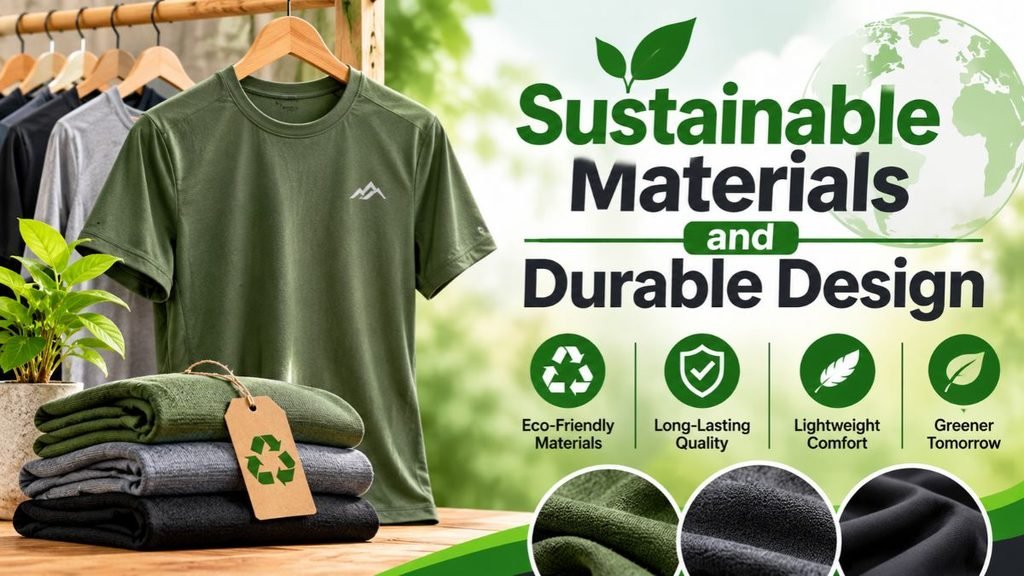
13. Sustainable Materials and Durable Design
Material choices are receiving more attention in activewear development. Some brands are exploring recycled fibres, responsible sourcing, and longer-lasting products.
Recycled polyester and recycled nylon are examples of materials used in some sportswear collections.
However, brands should understand the full material specification before making sustainability claims.
A product made with recycled fibre is not automatically sustainable in every part of its life cycle. Manufacturing, dyeing, transport, product life, and disposal also matter.
Durability is another important consideration. Workout clothing often faces repeated stretching, washing, and friction.
Brands should check:
- Seam strength
- Pilling resistance
- Fabric recovery
- Colorfastness
- Shrinkage
- Print durability
- Washing performance
A durable garment can provide better long-term value to customers.
14. Men’s Gym Clothing Trends in 2026
Men’s gym clothing is also moving toward more flexible styling. Many designs combine performance features with relaxed everyday fits.
Some notable options include:
Oversized Training T-Shirts
Relaxed T-shirts provide a casual appearance. They can be paired with fitted shorts or joggers.
Compression Tops
Compression tops offer a close fit. They are commonly used for training and sports activities.
Relaxed Joggers
Joggers provide comfort for warm-ups, travel, and everyday wear. Lightweight fabrics can make them suitable for different settings.
Training Shorts
Men’s gym shorts are available in different lengths and fits. Useful features include elastic waistbands, drawcords, and secure pockets.
Lightweight Hoodies
Hoodies are practical for warm-ups and casual styling. Cotton blends and performance fleece can suit different product requirements.
Brands developing men’s activewear can combine core colors with selected statement shades. They can also use contrast panels and custom graphics to create a clear collection identity.
15. Women’s Gym Clothing Trends in 2026
Women’s activewear includes a wide range of styles for different activities and preferences.
Popular product directions include:
- Sculpting leggings
- Matching sports bras and shorts
- Flared yoga pants
- Layered crop tops
- Lightweight gym jackets
- High-waisted shorts
- Relaxed sweatshirts
- Coordinated tracksuits
Fit and support are important when developing women’s activewear. Sports bras should be designed according to the intended activity and support level.
Leggings should be checked for stretch, coverage, waistband comfort, and recovery.
Brands should also consider a range of sizes. Good grading helps maintain the intended fit across different body measurements.
16. How Brands Can Build a Gym Clothing Collection
Following trends is useful, but brands need a clear plan before starting production.
A strong collection should have a consistent design direction and products that suit the target customer.
Step 1: Identify Your Customer
Decide who the collection is for.
Are you targeting weightlifters, runners, yoga customers, athletes, or everyday fitness shoppers?
Each group may have different requirements.
Step 2: Select Product Categories
Choose the products that support your brand’s direction.
A starter collection might include:
- Training T-shirts
- Leggings
- Sports bras
- Gym shorts
- Joggers
- Hoodies
- Lightweight jackets
Avoid adding too many products before understanding customer demand.
Step 3: Develop a Color Palette
Select core colors and a few accent shades.
Make sure the colors work across different products. This makes it easier for customers to build complete outfits.
Step 4: Choose Suitable Fabrics
Select fabrics according to the product’s function.
Consider GSM, composition, stretch, breathability, and durability.
GSM means grams per square meter. It describes fabric weight.
Step 5: Prepare Product Specifications
A tech pack can help communicate important garment details.
It may include measurements, fabric information, colors, stitching, trims, artwork, labels, and construction details.
Reference images and sketches can also support product development.
Step 6: Review Physical Samples
Check the sample before approving bulk production.
Review the fit, fabric, stitching, color, branding, and finishing.
Make corrections before moving forward.
17. How Fashion Soul International Supports Custom Gym Clothing
Developing a gym clothing collection requires more than choosing a popular design. Brands also need suitable fabrics, accurate samples, reliable construction, and clear production specifications.
Fashion Soul International is a factory-owned custom clothing manufacturer based in Sialkot, Pakistan. It supports apparel brands through product development, fabric and trim sourcing, sampling, bulk production, quality control, branding, packaging, and international shipping.
Its production options include private-label, OEM, ODM, white-label, cut-and-sew, and full-package manufacturing.
For gym clothing projects, brands can discuss:
- Custom T-shirts and training tops
- Leggings and sports bras
- Gym shorts and joggers
- Hoodies and tracksuits
- Fabric composition and GSM
- Stretch and recovery requirements
- Custom colors and prints
- Embroidery and branding
- Labels and packaging
The standard MOQ starts at 100 pieces. Actual requirements can vary by product, fabric, color, and construction.
A physical pre-production sample should be approved before bulk production begins. This allows brands to check the product before committing to a full order.
Fashion Soul also describes inline quality checks and pre-shipment AQL 2.5 inspection within its quality process.
For brands planning a new collection, clear specifications and sample approval can help reduce production misunderstandings.
18. Common Mistakes to Avoid When Following Gym Fashion Trends
Trends can provide useful ideas, but not every trend suits every brand.
Avoid these common mistakes:
Choosing style over comfort: A good-looking garment should still support movement.
Ignoring fabric performance: The wrong material can affect fit, breathability, and durability.
Using too many design details: Excessive graphics, panels, and trims can make products look crowded.
Skipping sample approval: Digital designs cannot fully show the final fit and fabric behavior.
Ignoring size grading: A design should maintain suitable proportions across its size range.
Following trends without understanding customers: A trend is useful only when it fits the audience.
Making unsupported performance claims: Claims about compression, moisture management, or UV protection should match tested product properties.
A clear product development process helps brands balance fashion, comfort, and performance.
Frequently Asked Questions
What are the biggest gym clothing trends in 2026?
Major directions include oversized T-shirts, mix-and-match outfits, retro tracksuits, layered tops, flared leggings, performance fabrics, and studio-to-street activewear.
What are the most popular gym outfit trends 2026?
Popular outfit ideas include oversized shirts with fitted shorts, sports bras with relaxed joggers, layered workout tops, and coordinated activewear sets.
What are the current workout clothing trends?
Current workout clothing trends combine practical performance with personal style. Customers are exploring versatile fits, expressive colors, useful pockets, breathable fabrics, and clothing suitable for everyday wear.
Are matching gym sets still popular in 2026?
Yes. Matching sets remain a useful option, especially for customers who prefer coordinated outfits. However, mix-and-match styling is also gaining attention.
Which fabrics are best for gym clothing?
Polyester, nylon blends, and spandex-containing fabrics are common in performance activewear. Cotton blends, French terry, and fleece are useful for casual gym clothing and warm layers.
What colors are trending in gym clothing?
Color choices include rich neutrals, earthy shades, cherry red, cobalt blue, sage green, and selected bright accents. The best palette depends on the collection and target audience.
How can a new brand start an activewear collection?
Start by identifying your customers, choosing product categories, selecting fabrics, developing a color palette, and preparing product specifications. Review physical samples before approving bulk production.
What should brands check before manufacturing gym clothing?
Brands should review fabric composition, GSM, measurements, stitching, stretch, recovery, color consistency, decoration, labels, and sample quality.
Conclusion
The latest gym clothing trends show that fitness fashion is becoming more versatile and personal. Oversized tops, retro tracksuits, mix-and-match outfits, layered designs, and updated leggings offer fresh styling options.
At the same time, performance remains essential. Breathable fabrics, stretch, durability, comfortable construction, and useful details help make workout clothing practical.
For clothing brands, the best approach is to combine relevant trends with a clear product identity. Choose designs that suit your customers, select suitable materials, and test physical samples before bulk production.
With careful planning, brands can develop gym clothing collections that balance modern style, comfort, and performance.