Trendy Activewear 2025: The Biggest Styles and Fashion Trends
Activewear has become an important part of everyday fashion. People now want clothing that feels comfortable, looks stylish, and supports an active lifestyle. From gym sessions to casual outings, modern sportswear offers more choices than ever.
The trendy activewear 2025 movement focuses on comfort, performance, versatile designs, and personal style. Consumers are looking for clothing that works during workouts and fits naturally into daily routines. As a result, activewear brands are exploring new fabrics, attractive colors, better fits, and practical details.
These changes are also creating opportunities for clothing businesses. Brands can develop collections that combine fashion with useful performance features. However, choosing the right materials and designs is important for long-term success.
In this guide, we explore the biggest activewear fashion trends, popular styles, fabric choices, and manufacturing considerations. We also explain how clothing brands can turn these ideas into practical product collections.
What Is Trendy Activewear in 2025?
Trendy activewear refers to fashionable sportswear designed for exercise, movement, and everyday use. It combines comfort, performance, and modern clothing styles.
In 2025, activewear is not limited to traditional gym clothing. Leggings, sports bras, training tops, joggers, tracksuits, and performance jackets are becoming part of everyday wardrobes.
Modern consumers expect activewear to offer several benefits:
- Comfortable fabrics that feel soft against the skin.
- Flexible materials that support different movements.
- Breathable construction for better comfort.
- Attractive designs suitable for casual wear.
- Durable stitching and reliable finishing.
- Practical details such as pockets and adjustable waistbands.
Furthermore, people want clothing that matches their personal style. Some prefer simple designs, while others enjoy bold colors and statement prints.
Therefore, successful activewear collections need a balance between appearance and function.
Top Activewear Fashion Trends in 2025
The activewear market continues to change as consumer needs evolve. Some styles focus on performance, while others bring fashion details into sportswear.
Here are the major activewear fashion trends shaping collections in 2025.
1. Matching Activewear Sets
Matching sets remain an important style choice. These collections usually include leggings and sports bras, or joggers and coordinated tops.
The matching design creates a clean and complete outfit. It also makes clothing easier to style.
Popular matching set combinations include:
- Leggings with fitted sports bras.
- Biker shorts with cropped tops.
- Joggers with matching sweatshirts.
- Flared leggings with fitted jackets.
- Sports bras with lightweight training shorts.
Neutral colors such as black, grey, beige, and brown offer a simple appearance. Meanwhile, brighter colors create a more energetic look.
For activewear brands, matching sets can also make collection planning easier. A brand can use the same fabric and color across several products.
2. Oversized Sportswear
Oversized clothing continues to influence casual and athletic fashion. Loose T-shirts, relaxed hoodies, and wide-leg joggers offer a comfortable alternative to fitted workout clothing.
This style works well for warm-ups, travel, and everyday outfits.
Oversized sportswear also creates opportunities for graphic designs. Brands can use logos, typography, and printed artwork to develop a recognizable identity.
However, fit still matters. Excessively loose clothing can interfere with certain exercises. Therefore, brands should consider the intended activity before finalizing garment measurements.
3. High-Waisted Leggings
High-waisted leggings remain a popular activewear choice. Their waistband provides coverage and creates a smooth appearance.
Consumers often look for leggings with:
- Stretchable fabric.
- A secure waistband.
- Comfortable seams.
- Good shape recovery.
- Suitable fabric thickness.
- Moisture-management properties.
Four-way stretch materials are useful for leggings because they stretch in different directions. This helps support activities such as yoga, strength training, and general fitness.
Brands should also test fabric opacity. Leggings should provide suitable coverage during movement and stretching.
4. Flared Leggings and Wide-Leg Pants
Flared leggings combine the comfort of fitted activewear with a wider lower-leg shape. They offer a slightly different look from traditional gym leggings.
Wide-leg athletic pants are another option for relaxed sportswear collections.
These styles work well with fitted tops, cropped jackets, and sports bras. They can also be used for travel and casual outfits.
For manufacturers, pattern development is important. The flare should have balanced proportions, and the waistband should remain comfortable during movement.
5. Cropped Training Tops
Cropped tops are a common feature in modern activewear collections. They can be designed for workouts, casual styling, or layering.
Popular options include:
- Cropped T-shirts.
- Long-sleeve crop tops.
- Fitted training tops.
- Cropped zip-up jackets.
- Sports bras with extended coverage.
Fabric selection depends on the product. Lightweight stretch fabrics can work well for fitted tops, while cotton blends may suit casual styles.
Brands should also consider coverage, support, and the intended customer when developing cropped designs.
6. Seamless-Look Activewear
Seamless-look activewear focuses on a smooth appearance and fewer visible construction lines.
It often includes leggings, sports bras, shorts, and fitted tops. These garments are designed to create a clean silhouette.
However, not every seamless-look garment uses a fully seamless manufacturing process. Some designs use specialized knitting, while others use carefully placed panels and stitching.
The construction method should match the product’s purpose. Brands should test stretch, fit, durability, and comfort before approving bulk production.
7. Athleisure Clothing
Athleisure combines athletic clothing with casual fashion. It allows people to wear sports-inspired outfits outside the gym.
Examples include:
- Joggers with casual T-shirts.
- Leggings with oversized sweatshirts.
- Tracksuits with everyday sneakers.
- Sports jackets with casual trousers.
- Performance tops with relaxed shorts.
This trend gives activewear brands more opportunities to create versatile products.
For example, a simple black jogger can work for travel, exercise, and casual activities. As a result, consumers may get more use from one garment.
Popular Colors in Trendy Activewear 2025
Color plays an important role in activewear design. It influences the mood, appearance, and identity of a clothing collection.
In 2025, brands can explore both classic shades and expressive color combinations.
Neutral Colors
Neutral shades remain useful for everyday activewear.
Popular options include:
- Black.
- White.
- Charcoal grey.
- Beige.
- Cream.
- Chocolate brown.
- Navy blue.
These colors are easy to combine with other clothing. They also work well for minimal and premium-looking collections.
Earthy Tones
Earth-inspired colors create a natural and relaxed appearance.
Examples include olive green, rust, taupe, clay, and muted brown. These shades can work well in leggings, joggers, jackets, and matching sets.
Brands can combine earthy colors with simple logos and subtle design details.
Bright and Bold Colors
Bright shades bring energy to sportswear collections. They can help products stand out in stores and online catalogs.
Some options include:
- Electric blue.
- Bright red.
- Coral.
- Lime green.
- Hot pink.
- Vibrant purple.
However, brands should choose colors that match their target customers. A collection does not need every available shade.
Pastel Shades
Pastel colors offer a softer appearance. Lavender, baby blue, pale pink, and mint green can work well for lifestyle and fitness collections.
These colors are often suitable for matching sets and lightweight training tops.
Athletic Wear Fashion Trend: Performance Meets Style
An important athletic wear fashion trend is the combination of visual appeal and practical performance.
Consumers want garments that look attractive but also support movement. Therefore, brands need to consider more than color and design.
The following features can improve an activewear product.
Moisture-Wicking Fabrics
Moisture-wicking materials help move sweat away from the skin. This can improve comfort during physical activity.
Polyester is commonly used in performance clothing because it is lightweight and dries relatively quickly. Some nylon and blended fabrics also offer useful moisture-management properties.
However, fabric performance depends on its construction and finishing. Brands should request fabric details and test samples before selecting materials.
Four-Way Stretch
Four-way stretch fabric can stretch both across and along the material. This makes it useful for garments that require movement in different directions.
Common applications include:
- Leggings.
- Sports bras.
- Training shorts.
- Compression-style tops.
- Yoga clothing.
Elastane or spandex is often blended with polyester or nylon to provide stretch.
The correct blend depends on the desired fit, support, and recovery.
Breathable Materials
Breathable fabrics allow air and moisture vapor to move through the material. This can help improve comfort during exercise.
Lightweight polyester, mesh panels, and selected fabric blends are common options.
For example, a training shirt may use breathable mesh in areas that need additional ventilation.
Nevertheless, the entire garment should be considered. Fabric weight, panel placement, fit, and construction can all affect comfort.
Durable Construction
Activewear needs to handle regular movement and washing. Therefore, stitching and construction quality matter.
Manufacturers should consider:
- Suitable seam construction.
- Secure waistband attachment.
- Strong stitching.
- Reliable elastic.
- Consistent measurements.
- Durable printing and decoration.
A stylish garment may lose its value if seams open or the waistband becomes loose.
Sustainable Activewear Materials
Sustainability remains an important consideration for clothing brands. Many consumers want to understand where materials come from and how garments are produced.
Activewear brands can explore several material options.
Recycled Polyester
Recycled polyester is made from recycled polyester materials. It can be used in sportswear, T-shirts, jackets, and other performance garments.
It offers a material option for brands seeking to include recycled fibers in their collections.
However, brands should verify supplier documentation. They should also understand the recycled content and any relevant certification claims.
Organic Cotton
Organic cotton is grown under organic agricultural standards. It can be suitable for casual activewear, sweatshirts, and relaxed-fit clothing.
Cotton is soft and comfortable, although it does not always provide the same moisture-management performance as specialized synthetic fabrics.
For this reason, some brands use cotton blends for lifestyle-focused sportswear.
Recycled Nylon
Recycled nylon can be used in selected activewear products. It may offer a smooth feel, durability, and useful stretch when blended with elastane.
It is commonly considered for leggings, sports bras, and fitted garments.
The final performance depends on the yarn, fabric construction, and blend.
Responsible Material Selection
Choosing a sustainable material requires more than reading a product label.
Brands should ask suppliers about:
- Fiber composition.
- Recycled content.
- Material origin.
- Fabric certifications.
- Dyeing and finishing processes.
- Available documentation.
- Product testing.
Clear supplier information helps brands make more responsible decisions.
Best Activewear Styles for Different Activities
Not every activewear garment is suitable for every activity. The correct design depends on movement, support, comfort, and fabric performance.
| Activity | Suitable clothing | Important features |
|---|---|---|
| Yoga | Leggings and fitted tops | Stretch and comfort |
| Running | Running shorts and tops | Lightweight and moisture management |
| Gym training | Training shirts and shorts | Durability and flexibility |
| Walking | Joggers and casual tops | Comfort and easy movement |
| Cycling | Fitted shorts and tops | Stretch and secure fit |
| Casual wear | Hoodies and tracksuits | Softness and relaxed fit |
Activewear for Yoga
Yoga clothing needs to support stretching and different body positions.
Leggings should offer good stretch and suitable coverage. Fitted tops can help reduce fabric movement during poses.
Four-way stretch fabrics are often useful for these products.
Activewear for Running
Running clothing should feel lightweight and comfortable. Breathability and moisture management are important features.
Running shorts, performance T-shirts, and lightweight jackets are common product choices.
Reflective details may also be useful for products designed for low-light conditions.
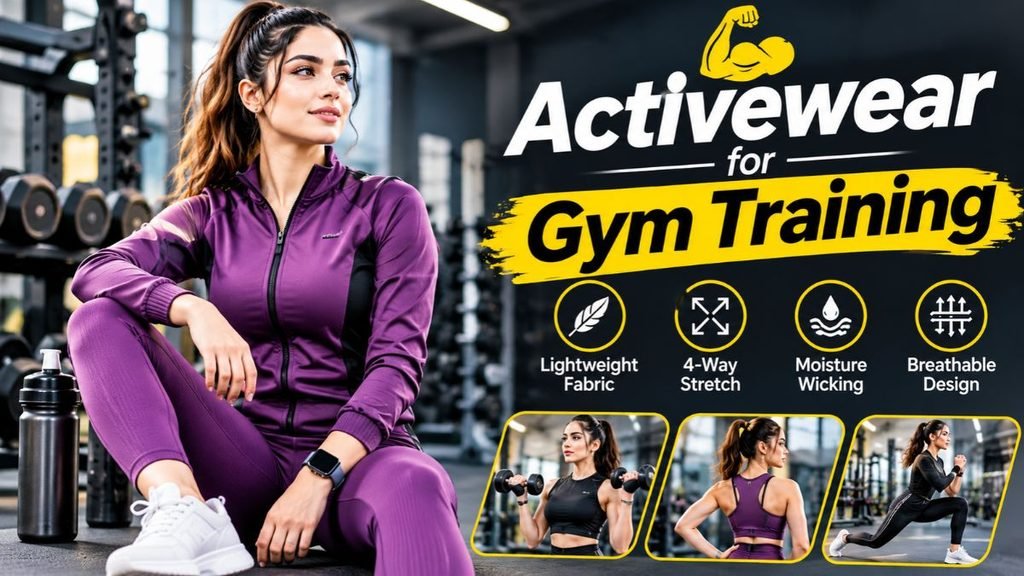
Activewear for Gym Training
Gym clothing needs to support different movements. Training shirts, shorts, leggings, and sports bras are common options.
Brands should focus on comfortable fits, reliable seams, and fabrics that maintain their shape.
Activewear for Everyday Use
Lifestyle activewear often focuses on comfort and versatility.
Joggers, hoodies, oversized T-shirts, and matching sets can work well for casual outfits.
These products may use softer fabrics and relaxed silhouettes.
How Activewear Brands Can Create a Trendy Collection
Following fashion trends is only one part of building a successful collection. Brands also need a clear product plan.
Here are practical steps for developing a new activewear range.
1. Understand Your Target Audience
Start by identifying your ideal customers.
Consider their age range, lifestyle, preferred activities, and clothing preferences.
For example, customers interested in yoga may prefer soft stretch fabrics and comfortable fits. Meanwhile, runners may prioritize lightweight materials and moisture management.
This research can help you choose suitable products.
2. Select the Right Products
Avoid launching too many products without a clear plan.
Start with a focused collection that supports your brand identity.
A basic activewear range might include:
- Leggings.
- Sports bras.
- Training T-shirts.
- Gym shorts.
- Joggers.
- Hoodies.
- Lightweight jackets.
You can expand the collection after reviewing customer demand.
3. Choose Suitable Fabrics
Fabric selection affects comfort, fit, durability, and appearance.
Before choosing a material, review its composition, weight, stretch, and texture.
GSM means grams per square meter. It describes the weight of a fabric.
A higher GSM often indicates a heavier fabric, but it does not automatically mean better quality.
For example, lightweight fabrics may suit running tops. Heavier materials may be more suitable for sweatshirts and joggers.
Always test the fabric for its intended use.
4. Develop a Tech Pack
A tech pack is a document that explains how a garment should be made.
It helps brands communicate product requirements to manufacturers.
A useful activewear tech pack may include:
- Design sketches.
- Measurements.
- Fabric composition.
- GSM requirements.
- Color references.
- Stitching details.
- Logo placement.
- Label information.
- Printing or embroidery instructions.
- Packaging requirements.
Clear specifications can reduce misunderstandings during sampling and production.
5. Request Samples
Sampling allows brands to review a product before bulk production.
Check the sample for fit, fabric feel, stretch, construction, and finishing.
Try the garment during its intended activity when possible.
For leggings, check coverage during stretching and squatting. For training tops, review comfort and movement.
Share any required changes with the manufacturer before approving the final sample.
6. Plan Your Color and Size Range
A collection should offer practical size and color choices.
Study your target market before deciding the size range. Also, check whether the selected colors are available in the required fabric.
For bulk production, size distribution should be planned carefully. This helps reduce unnecessary stock and production complications.
7. Focus on Quality Control
Quality control helps identify problems before garments reach customers.
For activewear, inspections may cover:
- Measurement accuracy.
- Seam strength.
- Stitch quality.
- Fabric defects.
- Color consistency.
- Print placement.
- Logo attachment.
- Elastic performance.
- Final appearance.
A pre-production sample should be approved before bulk manufacturing begins.
Manufacturing Considerations for Activewear Brands
A good design needs reliable manufacturing support. Activewear garments often require careful fabric selection, pattern development, stitching, and finishing.
Therefore, brands should understand the production process before placing an order.
Fabric Sourcing
The manufacturer should help identify suitable materials based on the product requirements.
For example, leggings may require nylon-spandex or polyester-spandex blends. Meanwhile, casual sweatshirts may use cotton fleece or French terry.
Brands should confirm fabric composition and available colors before sampling.
Pattern Development
Patterns determine garment shape and fit.
Activewear patterns need to account for stretch, body movement, and intended use.
A pattern designed for casual trousers may not work for performance leggings. Therefore, product-specific development is important.
Printing and Embroidery
Branding can make activewear collections more recognizable.
Common decoration options include:
- Screen printing.
- Heat transfer.
- Sublimation.
- Embroidery.
- Rubber printing.
- Puff printing.
The best method depends on fabric type, design complexity, placement, and expected use.
For stretch garments, the decoration should be tested to check flexibility and durability.
Labels and Packaging
Custom labels and packaging help create a consistent brand identity.
Options may include woven labels, printed care labels, hang tags, size labels, and branded packaging.
Brands should provide clear artwork and placement instructions before production.
Bulk Production and Inspection
Bulk production should begin after the brand approves the pre-production sample.
During production, inspections can help identify measurement, stitching, and decoration issues.
A final inspection should take place before shipment. This gives the brand an opportunity to review finished products against the approved specifications.
Working With a Custom Activewear Manufacturer
Clothing brands often work with manufacturers to turn product ideas into finished garments.
A custom manufacturer may support fabric sourcing, sampling, bulk production, branding, and packaging.
Fashion Soul International is a factory-owned custom clothing manufacturer based in Sialkot, Pakistan. The company offers private-label, OEM, ODM, white-label, and cut-and-sew apparel manufacturing.
Its services include product development, fabric sourcing, sampling, bulk production, quality control, custom branding, packaging, and international shipping.
Brands can discuss activewear requirements such as:
- Leggings and sports bras.
- Training T-shirts.
- Gym shorts.
- Tracksuits.
- Hoodies and joggers.
- Custom sportswear designs.
The company’s standard MOQ starts at 100 pieces per style. However, actual requirements can vary by product, fabric, color, and construction.
Sample development typically takes 7–14 business days. Published bulk production timelines are generally 20–35 business days after sample approval. Actual timelines should be confirmed for each project.
Before requesting a quotation, brands should prepare design references, fabric preferences, estimated quantities, size requirements, and branding details.
This information helps the manufacturer understand the project and provide more relevant production guidance.
Common Mistakes to Avoid When Following Activewear Trends
Trends can inspire new products, but copying every popular style is not a strong business strategy.
Brands should avoid these common mistakes.
Choosing Style Over Comfort
A garment may look attractive but feel uncomfortable during movement.
Always consider fit, fabric, seams, and construction. Test products before approving bulk production.
Using Unsuitable Fabric
Different activities need different material features.
A heavy fabric may not be suitable for lightweight running clothing. Similarly, a fabric with limited stretch may not work well for fitted leggings.
Choose materials according to the garment’s purpose.
Ignoring Fit Testing
A sample should be checked on the body, not only on a measurement chart.
Review movement, coverage, waistband comfort, and seam placement.
Make corrections before bulk production.
Following Every Trend
Not every trend matches every brand.
A brand focused on minimalist clothing may not need bold prints and bright colors. Instead, it can build a collection around simple designs and reliable materials.
Choose trends that support your brand identity.
Overlooking Quality Control
Poor stitching, inconsistent sizing, and weak decoration can affect customer satisfaction.
Create clear quality requirements before manufacturing begins. Also, inspect samples and bulk garments carefully.
The Future of Activewear Fashion
Activewear will continue to develop as consumers look for comfortable and versatile clothing.
Several areas are likely to remain important beyond 2025.
More Versatile Clothing
Consumers increasingly value garments that work for different situations.
For example, joggers can be worn for exercise, travel, and casual activities. Similarly, a fitted training top can be styled with everyday clothing.
This creates opportunities for brands to design products with multiple uses.
Improved Fabric Performance
Fabric development will remain important.
Brands may continue exploring materials with better stretch, breathability, durability, and moisture management.
However, product claims should be supported by reliable material information and testing.
Greater Attention to Sustainability
Consumers and brands are paying more attention to material sourcing and product life.
Recycled fibers, organic materials, and responsible production practices may play a larger role in future collections.
Clear information is essential. Brands should avoid making environmental claims they cannot support.
Personal Style and Customization
Consumers have different preferences for colors, fits, and designs.
Custom prints, unique color combinations, and personalized branding can help brands create distinct collections.
As a result, product development will remain an important part of activewear manufacturing.
Frequently Asked Questions
1. What are the biggest activewear fashion trends in 2025?
Major trends include matching sets, oversized sportswear, high-waisted leggings, flared pants, cropped tops, athleisure, and seamless-look designs. Neutral colors, earthy shades, and bright accents also influence collections.
2. What is the difference between activewear and athleisure?
Activewear is clothing designed mainly for exercise and physical activity. Athleisure combines athletic clothing with everyday fashion. For example, performance leggings are activewear, while styling them with a casual oversized sweatshirt creates an athleisure outfit.
3. Which fabrics are best for activewear?
Polyester, nylon, elastane blends, and selected cotton fabrics are common options. The best material depends on the product. Leggings often need stretch and recovery, while running tops may benefit from lightweight, breathable construction.
4. Why is four-way stretch important?
Four-way stretch allows fabric to stretch across and along its length. This can support movement during yoga, gym training, and other activities. The fabric should also recover its shape after stretching.
5. Is sustainable activewear popular?
Sustainability is an important consideration for many consumers and brands. Recycled polyester, recycled nylon, and organic cotton are some material options. Brands should verify material claims and supplier documentation.
6. How can a clothing brand start an activewear collection?
Start by researching your audience and selecting suitable products. Next, choose fabrics, prepare design specifications, and develop samples. Review fit and quality before approving bulk production.
7. What should brands check before choosing an activewear manufacturer?
Brands should review the manufacturer’s product experience, sampling process, fabric options, MOQ, quality-control methods, branding services, and shipping arrangements. Clear communication is also important.
8. Can activewear be used for everyday outfits?
Yes. Many activewear products are suitable for casual styling. Joggers, leggings, hoodies, tracksuits, and training tops can be combined with everyday clothing.
Conclusion
The trendy activewear 2025 movement brings together comfort, performance, and personal style. Matching sets, oversized sportswear, flared leggings, cropped tops, and athleisure continue to shape modern collections.
At the same time, fabric performance and construction remain essential. Stretch, breathability, durability, and fit all affect the final product.
For clothing brands, the best approach is to understand their customers before following trends. Select suitable fabrics, develop clear product specifications, and test samples carefully.
With the right design and manufacturing plan, brands can create activewear collections that look attractive and meet practical customer needs.